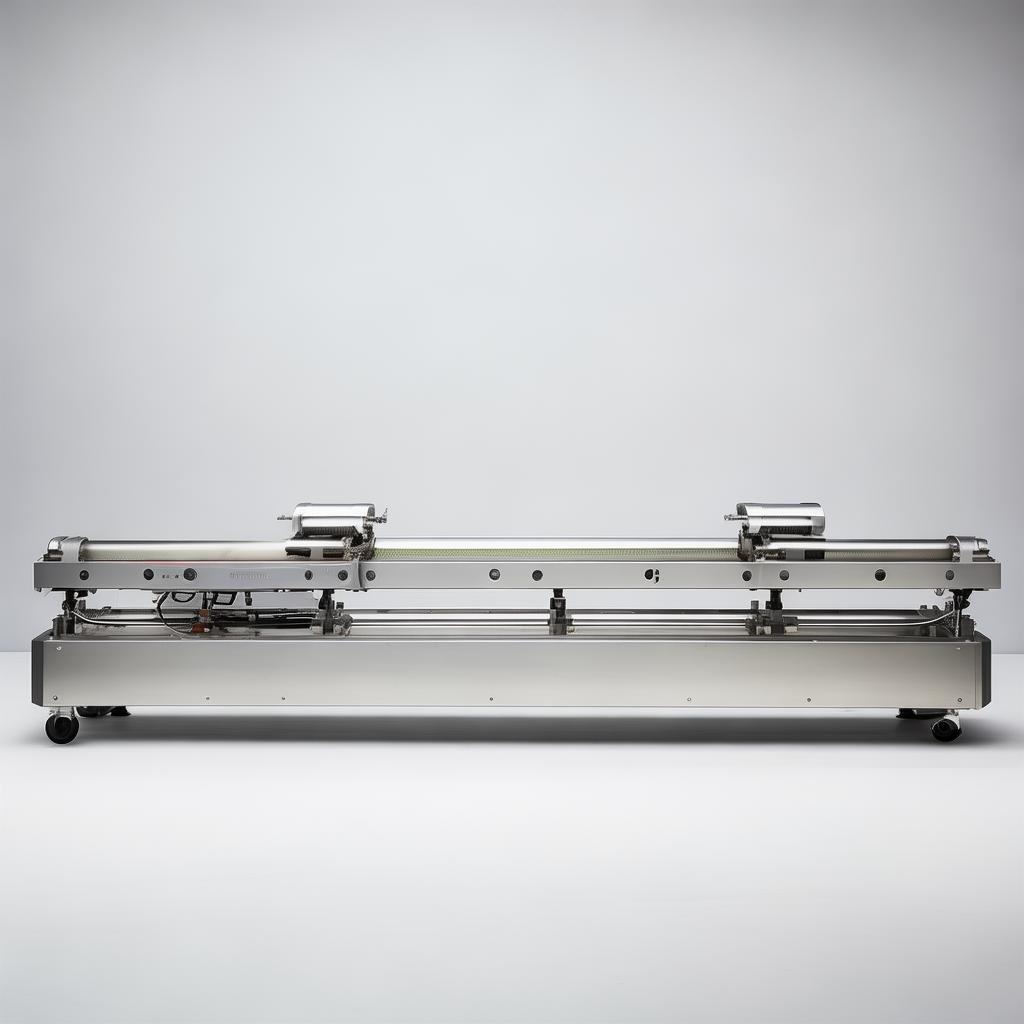
Vacuum Recovery Systems
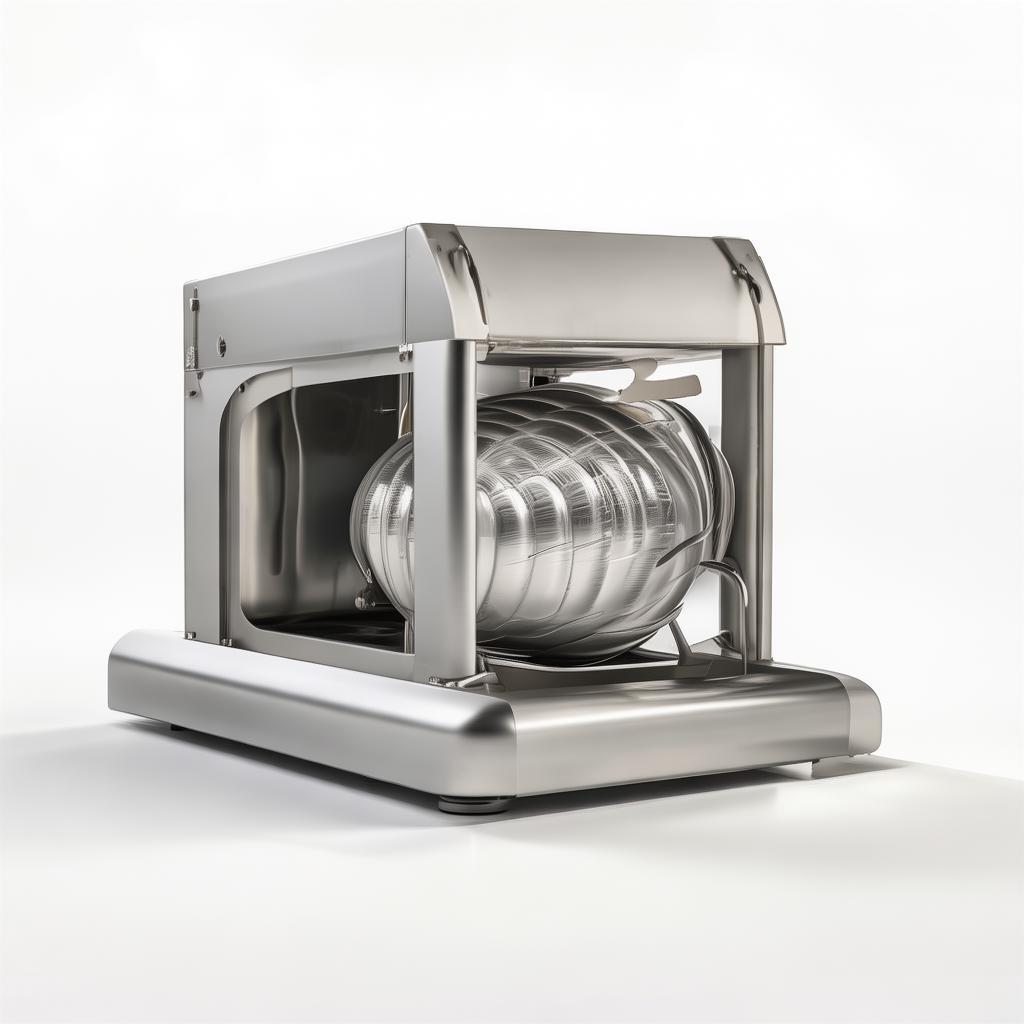
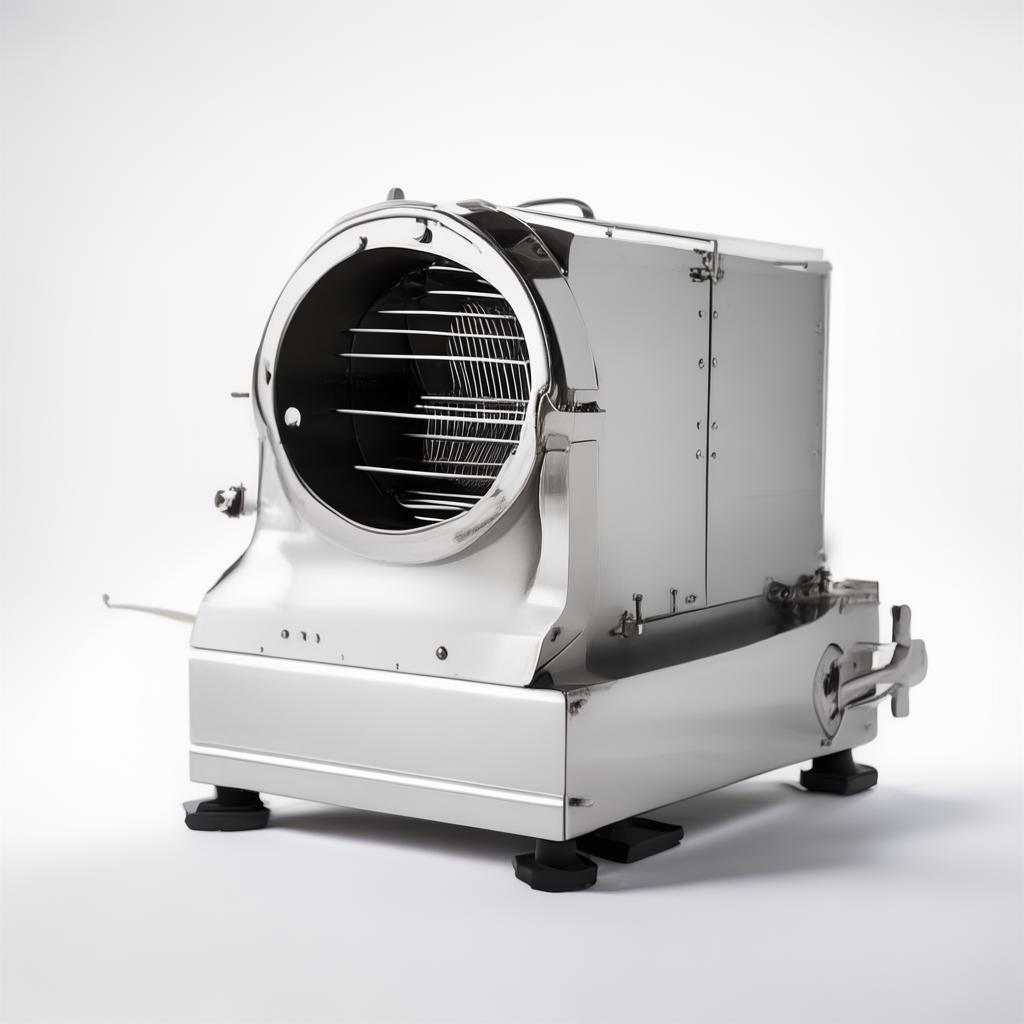
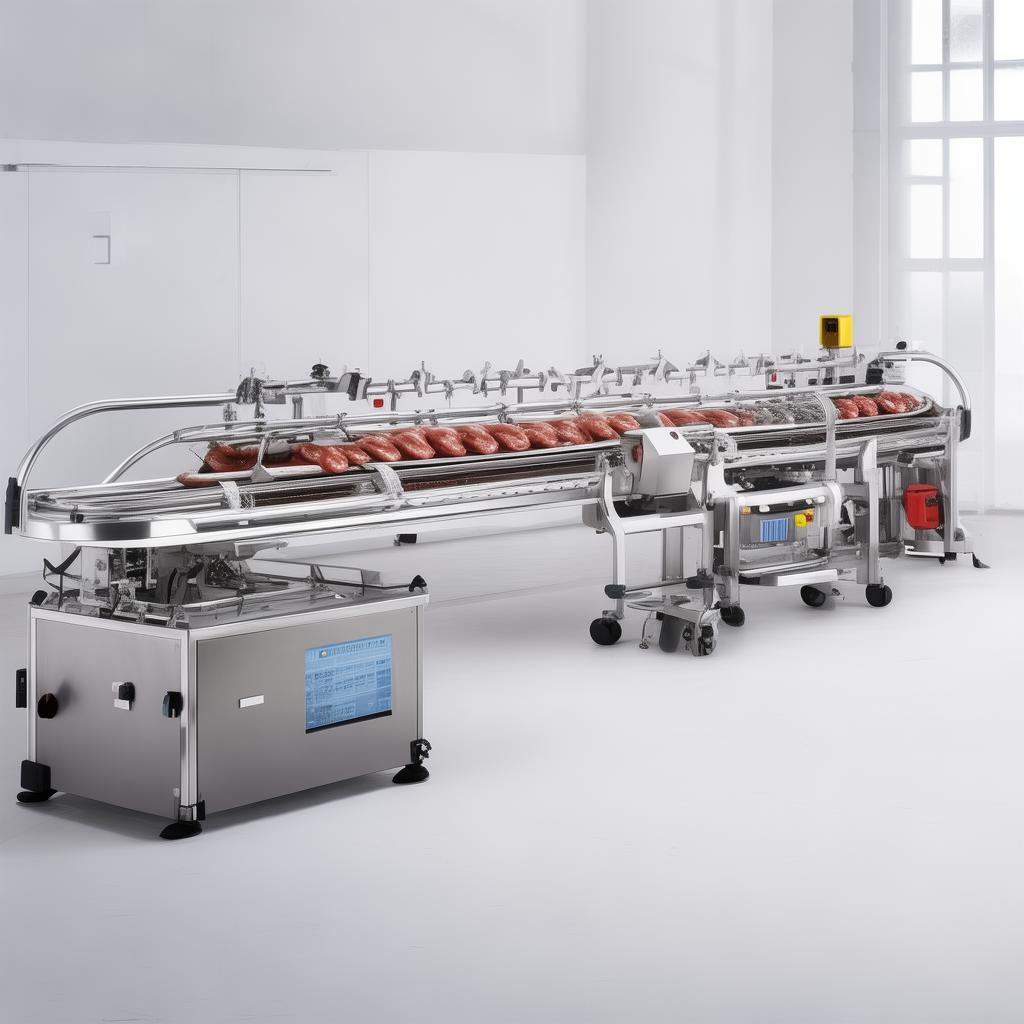
Advanced Vacuum Recovery Systems: Optimizing Your Industrial Processes
Precision, Efficiency, and Reliability for Critical Operations
 Authored by Dr. Evelyn Reed, Lead Process Engineer
Introduction to Vacuum Recovery Systems
In the intricate world of industrial manufacturing and processing, controlling and managing atmospheric conditions isn't just about comfort; it's about precision, product integrity, and operational efficiency. Vacuum recovery systems, often the unsung heroes of many sophisticated production lines, play a critical role in achieving these objectives. These systems are designed to efficiently remove and capture unwanted gases, vapors, dust, or residual materials from enclosed environments. More than just simple extraction units, modern vacuum recovery systems are sophisticated pieces of engineering, crucial for maintaining specific process parameters, ensuring worker safety, and protecting sensitive equipment and products from contamination.
The demand for high-performance vacuum recovery solutions is intrinsically linked to the broader trends in industrial automation and process optimization. As industries strive for tighter quality controls, reduced waste, and enhanced safety protocols, the need for reliable and effective vacuum technology becomes paramount. Whether it's preventing cross-contamination in pharmaceutical production, recovering valuable volatile organic compounds (VOCs) in chemical manufacturing, removing excess moisture in food processing, or ensuring a dust-free environment in precision engineering, vacuum recovery systems are indispensable.
Consider the implications of inefficient vacuum management: product defects due to atmospheric impurities, potential explosion hazards from flammable vapors, loss of valuable materials, and increased environmental compliance burdens. These are not minor inconveniences; they represent significant financial risks and operational bottlenecks. This is precisely where a robust vacuum recovery system engineered for specific industrial needs delivers unparalleled value. Our approach at Hebei Yuanchang Food Mechanism & Technology Co., Ltd. centers on understanding these deep-seated operational challenges and providing tailored, durable solutions.
The global market for industrial processing equipment, which includes vacuum recovery systems, is seeing consistent growth. Reports indicate a strong upward trajectory, driven by increased automation, stricter environmental regulations, and the growing demand for processed goods across sectors like food, pharmaceuticals, and chemicals. For instance, the meat processing equipment market, while a specific segment, illustrates the broader trend of investing in sophisticated machinery for optimized outcomes. Similar forces are at play for vacuum recovery systems, where efficiency gains and risk mitigation are direct ROI drivers. The ability to capture and potentially reuse expelled gases or by-products can also contribute to sustainability goals and cost savings, a crucial consideration for procurement departments worldwide.
Navigating the landscape of vacuum recovery systems requires a nuanced understanding of different technologies, from simple venturi systems to more complex liquid ring pumps or dry screw vacuum pumps, each suited to different applications and scales of operation. The choice of system hinges on factors like the type of substance being recovered, the required vacuum level, flow rate, potential for explosion or corrosion, and the operating environment. Furthermore, the integration of these systems into existing plant infrastructure demands careful planning and technical expertise, a service we pride ourselves on providing. We believe that true value lies not just in the hardware, but in the comprehensive support that ensures optimal performance and longevity, reducing downtime and maximizing your investment.
Addressing Key Industrial Challenges with Effective Vacuum Recovery
Industrial operations today face a complex array of challenges that directly impact efficiency, safety, and profitability. Ineffective management of atmospheric conditions or the unintended release of process by-products can lead to a cascade of problems. We’ve identified recurring pain points that our vacuum recovery systems are specifically engineered to solve:
- Product Contamination & Quality Degradation: Unwanted airborne particles, vapors, or gasses can compromise the purity and integrity of finished goods, particularly critical in food, pharmaceutical, and electronics manufacturing. This leads to costly batch rejections and reputational damage.
- Environmental & Safety Hazards: The release of volatile organic compounds (VOCs), hazardous fumes, or combustible dust poses significant risks to worker health and safety, and can result in hefty fines for non-compliance with environmental regulations. Ensuring a contained and safe atmosphere is paramount.
- Material Loss & Inefficiency: In many processes, valuable materials can be lost to the atmosphere as by-products or residuals. Inefficient extraction means these valuable resources are wasted, impacting overall yield and profitability.
- Equipment Damage & Increased Maintenance: Corrosive vapors or abrasive dusts can degrade sensitive machinery over time, leading to unexpected breakdowns, increased maintenance costs, and shortened equipment lifespan.
- Operational Bottlenecks: Inadequate vacuum performance can slow down critical processes, such as drying, curing, or packaging, creating bottlenecks that hinder throughput and delay production schedules.
- Energy Inefficiency: Older or improperly sized vacuum systems can consume excessive energy, driving up operational costs without delivering the required performance. Finding a balance between power and efficiency is key.
Addressing these issues requires a proactive and technically sound approach. Our vacuum recovery systems are designed not just to extract, but to do so with precision, reliability, and in a manner that contributes positively to your operational goals. We understand that the 'invisible' aspects of your process, like air and vapor management, have a very visible impact on your bottom line.
Why Choose Our Vacuum Recovery Systems? The Yuanchang Advantage
At Hebei Yuanchang, our vacuum recovery systems are built on a foundation of 40 years of manufacturing expertise, with a keen focus on delivering tangible benefits that directly impact your operational success. We don't just sell equipment; we provide integrated solutions designed for longevity, efficiency, and ease of operation.
Uncompromising Reliability
Constructed with high-grade materials and subjected to rigorous quality control, our systems are designed for continuous operation. We understand that downtime is costly, so we build for durability, minimizing the need for frequent repairs and ensuring consistent performance.
Tailored Process Optimization
No two industrial processes are identical. We leverage our extensive experience to engineer systems that precisely match your specific vacuum requirements, flow rates, and media compatibility. This ensures optimal recovery and minimal process disruption.
Enhanced Safety Features
Safety is non-negotiable. Our systems incorporate advanced safety mechanisms to handle potentially hazardous materials, prevent over-pressurization, and ensure compliance with international safety standards, safeguarding both personnel and assets.
Resource Recovery & Cost Savings
Beyond just removal, our systems are designed for efficient recovery of valuable materials or by-products. This not only reduces waste but can also create a new revenue stream or significantly lower material acquisition costs, offering a strong ROI.
Integration Expertise
Our engineering team excels at designing systems that seamlessly integrate into your existing production lines. We consider factors like footprint, power requirements, and control system compatibility to ensure a smooth and efficient implementation.
Long-Term Support & Service
With a traceable after-sales management system and in-house precision machining capabilities, including Japanese Mazak CNC centers, we ensure that spare parts and technical support are readily available, providing true peace of mind for years to come.
We believe that the true measure of a vacuum recovery system is its ability to consistently perform under demanding conditions, contributing to a safer, more efficient, and more profitable operation. Let's explore how our technology can specifically benefit your business.
Understanding the Core Technology: How Vacuum Recovery Works
The fundamental principle behind a vacuum recovery system is the creation of a low-pressure environment to draw in and capture specific substances. While the exact configuration varies significantly based on application, the core components and operational logic remain consistent. At its heart, a vacuum system uses a pump to reduce the pressure within an enclosed space (like a chamber, duct, or vessel) below ambient pressure. This pressure differential then drives the movement of gases, vapors, or particulate matter from the higher-pressure area towards the lower-pressure area.
The "recovery" aspect signifies that the extracted material is then collected, isolated, or often, reused. This is where the sophistication of modern systems comes into play. Depending on the nature of the recovered substance, the system might incorporate:
- Filtration Units: For particulate matter, industrial-grade filters (HEPA, cartridge, bag filters) are essential to separate solids from the air stream, ensuring clean air is expelled and valuable solids are retained.
- Condensers: To recover vapors, systems often employ condensers that cool the vapor stream, causing it to liquefy for easier collection and potential reuse or safe disposal.
- Scrubbers: For chemical vapors, wet or dry scrubbers are used to neutralize or absorb harmful substances before they are released into the atmosphere or re-circulated.
- Cyclonic Separators: These are highly efficient at separating larger particulate matter from gas streams through centrifugal force, often used as a pre-filter.
- Storage Tanks/Receptacles: Dedicated vessels for collecting the recovered liquid or solid materials.
The choice of vacuum pump technology is also critical. Common types include:
- Liquid Ring Vacuum Pumps: Known for their robustness and ability to handle wet or dirty gases. They use a sealed liquid (often water) to create a vacuum. Reliable for continuous heavy-duty use.
- Dry Screw Vacuum Pumps: Offer oil-free operation, which is crucial for applications where product contamination must be avoided at all costs. They are energy-efficient and require less maintenance.
- Rotary Vane Vacuum Pumps: A common choice for many general industrial applications, offering a good balance of performance and cost.
- Venturi Ejectors: Simple, no moving parts, and can generate high vacuums. They use a high-velocity fluid (steam or air) to entrain and compress the process gas.
Our expertise lies in selecting the optimal combination of pump technology, separation methods, and control systems to engineer a vacuum recovery solution that precisely meets your operational demands. For example, in food processing, moisture recovery is key, while in chemical plants, VOC recovery is paramount. We consider factors such as the target vacuum level (e.g., -0.8 bar, -0.95 bar), the volume of air/gas to be processed, and the properties of the material being recovered – such as its corrosiveness, flammability, or explosivity.
Versatile Applications: Where Our Vacuum Recovery Systems Excel
The adaptability of our vacuum recovery systems makes them valuable across a wide spectrum of industrial sectors. We engineer solutions that address unique challenges in diverse environments, from sensitive cleanrooms to heavy-duty processing plants.
Food & Beverage Processing
Critical for moisture removal, aroma recovery, and preventing product contamination. Systems are often designed for easy cleaning (CIP/SIP) and compliance with food safety standards like FDA and HACCP.
Pharmaceutical & Chemical Manufacturing
Essential for recovering volatile solvents, preventing cross-contamination between batches, ensuring operator safety from hazardous fumes, and maintaining sterile environments. ATEX-certified options are available for explosive atmospheres.
Plastics & Polymer Processing
Used for drying plastic pellets, removing residual monomers or volatile by-products from extruded or molded products, and maintaining process stability.
Woodworking & Furniture Manufacturing
Effective dust collection and recovery systems to maintain a clean working environment, improve air quality, and prevent dust explosions. Capturing fine wood dust is crucial for health and safety.
Textile & Fiber Production
Recovery of fine fibers, dust, and process vapors to improve product quality and maintain a healthy working environment. Efficient collection of airborne fibers is key for product integrity.
Metalworking & Machining
Capture of coolant mists, metal fines, and dust generated during machining operations to ensure a clean shop floor and improve air quality. Protecting machinery from fine metal particles is essential.
The insights gathered from global market analyses consistently highlight the expanding role of specialized processing equipment driven by demand for processed foods and automation. This trend translates directly to vacuum recovery systems, where their ability to enhance product quality, reduce waste, and ensure safety makes them a vital investment across industries.
Technical Specifications: A Closer Look
To provide a clearer picture of our capabilities, we've outlined typical specifications for our standard vacuum recovery system models. Please note that all our systems are customizable to meet unique project requirements.
| Feature | Model A (Standard) | Model B (High Capacity) | Model C (Explosion Proof) |
|---|---|---|---|
| Max Vacuum Level | -0.9 bar | -0.98 bar | -0.95 bar (ATEX Certified) |
| Flow Rate (m³/h) | 50 - 250 | 200 - 800 | 100 - 500 |
| Pump Type | Liquid Ring / Rotary Vane | Dry Screw | Oil-Free Rotary Vane / Liquid Ring |
| Filtration Efficiency | 99.5% @ 5 microns | 99.9% @ 1 micron | 99.8% @ 3 microns |
| Materials of Construction | Stainless Steel (304/316) / Cast Iron | Stainless Steel (316L) | Stainless Steel / Special Alloys |
| Power Supply | 380V/50Hz/3Phase (Customizable) | 400V/60Hz/3Phase (Customizable) | 440V/60Hz/3Phase (Customizable) |
| Control System | Manual / Basic Automation | PLC with HMI Interface | Integrated Safety PLC |
vacuum recovery services resource recovery wet central vacuum systems sandblasting vacuum recovery
Our engineering team is adept at modifying these specifications to suit specific operating temperatures, pressures, and the chemical composition of recovered materials. Factors like required flow rate, maximum vacuum depth, and the nature of the recovered substance (e.g., corrosive, abrasive, flammable) are key inputs for customization.
Installation, Operation, and Maintenance Insights
Proper installation and diligent maintenance are crucial for the longevity and peak performance of any industrial vacuum recovery system. While our systems are designed for robust operation, a few key considerations can make a significant difference.
Installation Considerations:
- Location & Environment: Ensure the installation site is adequately ventilated, protected from extreme weather conditions, and has sufficient space for operation and maintenance access. For explosion-proof models, adhere strictly to ATEX zoning requirements.
- Piping & Connections: Use appropriately sized and rated piping to minimize pressure drops. Ensure all connections are leak-free to maintain vacuum integrity. The material of the piping should be compatible with the recovered substances.
- Power & Control Integration: Electrical connections must be made by qualified personnel, adhering to local electrical codes. Integrate the system's control panel with your existing plant automation where applicable.
- Commissioning: A thorough commissioning process, often guided by our technical team, is essential to verify system parameters, calibrate sensors, and train on-site operators.
Routine Maintenance Schedule:
A proactive maintenance plan significantly extends the life of your vacuum recovery system and prevents costly unexpected failures:
- Daily Checks: Monitor system pressures, temperatures, and listen for any unusual noises. Check collection tanks for fullness.
- Weekly/Monthly: Inspect filters for clogging and clean or replace as needed. Check pump lubricant levels (if applicable) and coolant flow. Verify seal integrity.
- Quarterly/Semi-Annually: Conduct detailed performance tests. Inspect wear parts such as seals, bearings, and impellers. Clean heat exchangers or condensers. Lubricate motors and moving parts.
- Annually: Perform comprehensive system overhaul. This might include pump servicing, electrical component checks, and a full system flush if recovering liquid materials.
Our traceable after-sales management system means we maintain detailed records of your equipment, assisting you in adhering to recommended maintenance schedules and ensuring prompt availability of genuine spare parts. This proactive approach is key to maximizing uptime and minimizing total cost of ownership.
Procurement Guidance: Selecting the Right Vacuum Recovery System Partner
Procuring industrial equipment, especially systems as critical as vacuum recovery units, involves more than just comparing specifications and prices. It's about selecting a partner who understands your operational needs and can deliver long-term value. Here are key factors to consider when making your decision:
1. Technical Expertise & Customization Capability
Does the supplier have a proven track record in designing and manufacturing vacuum recovery systems for your specific industry? Can they offer tailored solutions beyond off-the-shelf products? Look for evidence of in-house engineering and design capabilities, including advanced machining for critical components. Our 40 years of experience and investment in CNC machining demonstrate this commitment.
2. Quality of Construction & Materials
The materials used directly impact the system's lifespan and compatibility with your process media. Inquire about the grade of stainless steel (e.g., 304, 316L), seal materials, and whether components meet relevant industry standards (e.g., ASME for pressure vessels). Robust construction from high-quality materials is a hallmark of reliable equipment.
3. After-Sales Support & Serviceability
What is their policy on spare parts availability, technical support, and on-site service? A supplier with a traceable after-sales system and a commitment to customer support, like our approach, ensures minimal disruption and long-term operational continuity. Consider lead times for critical spares.
4. Certifications & Compliance
Does the equipment meet necessary safety and operational certifications (e.g., CE, UL, ATEX for hazardous environments)? Compliance is not just a regulatory requirement; it's an indicator of a supplier's commitment to quality and safety standards.
5. Total Cost of Ownership (TCO)
Beyond the initial purchase price, evaluate the TCO. This includes energy consumption, maintenance costs, expected lifespan, and the potential for material recovery. A slightly higher upfront investment in a more efficient, durable system can lead to significant savings over time. Remember the market growth is driven by automation for labor efficiency and hygiene standards – a reliable system contributes to both.
Choosing the right partner is an investment in your operational future. We invite you to experience the difference that decades of specialized manufacturing and a customer-centric approach can make. As reported by IMARC Group, the global meat processing equipment market's growth underscores the demand for advanced, reliable machinery – a principle we apply to all our industrial solutions.
Our Manufacturing Excellence: The Foundation of Our Quality
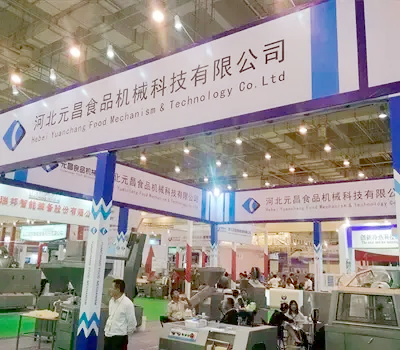
At Hebei Yuanchang, our 40 years of experience (since 1986) in manufacturing and technology have culminated in a robust production capability. We operate from a 14,000 square meter facility with a dedicated team of 80-100 skilled professionals. This scale and expertise allow us to not only produce high-quality vacuum recovery systems but also to offer unparalleled customization and reliability.
In-House Machining for Precision Control
Our comprehensive in-house machining workshop is equipped with over 20 advanced processing machines. This includes lathes, milling machines, high-precision grinding machines, boring machines, plate shears, bending machines, and wire cutting equipment. This level of vertical integration means we control every aspect of component manufacturing, ensuring precise tolerances and consistent quality.


Japanese CNC Machining Centers for High-Standard Components
A significant investment was made in 2012 with the acquisition of 8 sets of Japanese Mazak CNC machining centers. These state-of-the-art machines enable us to produce components that demand large volumes, exceptional precision, and non-standard specifications. This capability is crucial for delivering vacuum recovery systems that meet the most stringent performance requirements.
Research, Development, and Integration
Our integration of R&D, production, and sales ensures that we are not just manufacturing but also innovating. We continuously refine our designs based on industry feedback and emerging technological advancements. This holistic approach allows us to offer cutting-edge solutions that align with market demands, as reflected in the rapid growth observed in sectors like the meat processing equipment market, which demands precision and efficiency.
Traceable After-Sales Management
Our commitment extends beyond the point of sale. Our traceable after-sales management system, coupled with our in-house parts production capability, means you can rely on us for ongoing support and maintenance, ensuring your vacuum recovery system performs optimally for its entire lifecycle.
This deep control over our manufacturing processes is what allows us to guarantee the quality, precision, and reliability that our international clients have come to expect.
Commitment to Quality and Compliance: Our Certifications
At Hebei Yuanchang, quality is not just a goal; it's a fundamental principle embedded in our manufacturing processes. We adhere to rigorous international standards to ensure our vacuum recovery systems meet the highest benchmarks for performance, safety, and reliability. Our commitment is reflected in our adherence to:

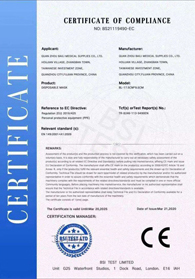

- ISO 9001: Demonstrates our robust quality management system, ensuring consistent product quality and customer satisfaction.
- CE Marking: Confirms that our products comply with health, safety, and environmental protection standards for products sold within the European Economic Area (EEA).
- RoHS Compliance: Guarantees that our equipment is free from hazardous substances, aligning with global environmental regulations for electronics and electrical equipment.
- Custom Certifications: For specialized applications, we can work with clients to achieve specific certifications such as ATEX for explosive atmospheres or FDA compliance for food-grade applications.
These certifications are not just badges; they represent our deep-seated commitment to delivering equipment that is safe, reliable, efficient, and environmentally responsible. They provide our global clients with the assurance they need when integrating our systems into their critical operations.
Frequently Asked Questions (FAQs)
What is the typical lifespan of a vacuum recovery system?
With proper installation, routine maintenance, and operation within specified parameters, our industrial vacuum recovery systems are designed to last 10-15 years, sometimes longer. Key factors include the pump technology, the materials of construction, and the nature of the recovered media. Our focus on high-quality components and in-house manufacturing ensures durability.
Can your systems recover hazardous or explosive materials?
Yes, we offer specialized systems, including ATEX-certified units, designed for safe recovery of hazardous, flammable, or explosive gases and dusts. These systems incorporate specific safety features like explosion-proof motors, intrinsically safe controls, and specialized filtration or containment methods. Always consult with our engineers for such applications.
How is the recovered material handled or disposed of?
Our systems are designed to collect the recovered material in a contained manner. Depending on the application and material properties, this can involve liquid collection in a dedicated tank, solid material captured in a filter bag or hopper, or vapors condensed into a liquid. Subsequent handling or disposal methods would be dictated by local environmental regulations and the material's characteristics.
What is the typical lead time for a custom vacuum recovery system?
Lead times can vary significantly based on the complexity of the customization, current manufacturing schedules, and the availability of specialized components. Generally, a standard configuration might take 6-10 weeks, while a highly customized system could range from 12-20 weeks. We provide accurate lead time estimates upon project confirmation.
Do you offer installation and training services?
Yes, we offer comprehensive installation services, often including on-site commissioning by our experienced engineers. We also provide thorough operator training to ensure your team can safely and efficiently manage the system. These services can be tailored to your specific project requirements.
What Our Clients Say
 Sarah Chen, Operations Manager, Global Pharma Co.
"We implemented Yuanchang's vacuum recovery system for solvent recovery in our API production. The precision and reliability have been outstanding. It significantly reduced our solvent waste and improved air quality, ensuring compliance and safety. Their technical support during integration was top-notch."
 Mark Jenkins, Production Lead, Apex Food Solutions
"Our challenge was to recover valuable flavor compounds without contamination. Yuanchang's custom-designed system exceeded expectations. It's robust, easy to clean, and has directly contributed to a better quality finished product. We've seen a noticeable improvement in yield since installation."
 David Rodriguez, Plant Manager, Precision Components Inc.
"We needed a reliable dust and fume extraction system for our machining operations. The vacuum recovery unit from Yuanchang has significantly improved our workshop environment and worker safety. The engineering support was excellent, ensuring a seamless fit into our existing setup. Highly recommended."
Direct Insights from Our Experts
See how we address specific client queries:

Discussing ATEX compliance for chemical vapor recovery.

Clarifying filtration efficiency for fine dust capture.

Advising on system integration for a new food processing line.
Ready to Optimize Your Industrial Processes?
Let our 40 years of manufacturing experience and cutting-edge vacuum recovery technology work for you. We provide solutions that enhance efficiency, ensure safety, and deliver a strong return on investment.
Hebei Yuanchang Food Mechanism & Technology Co., Ltd. | Shijiazhuang, Hebei Province, China