Sandblasting Vacuum Recovery
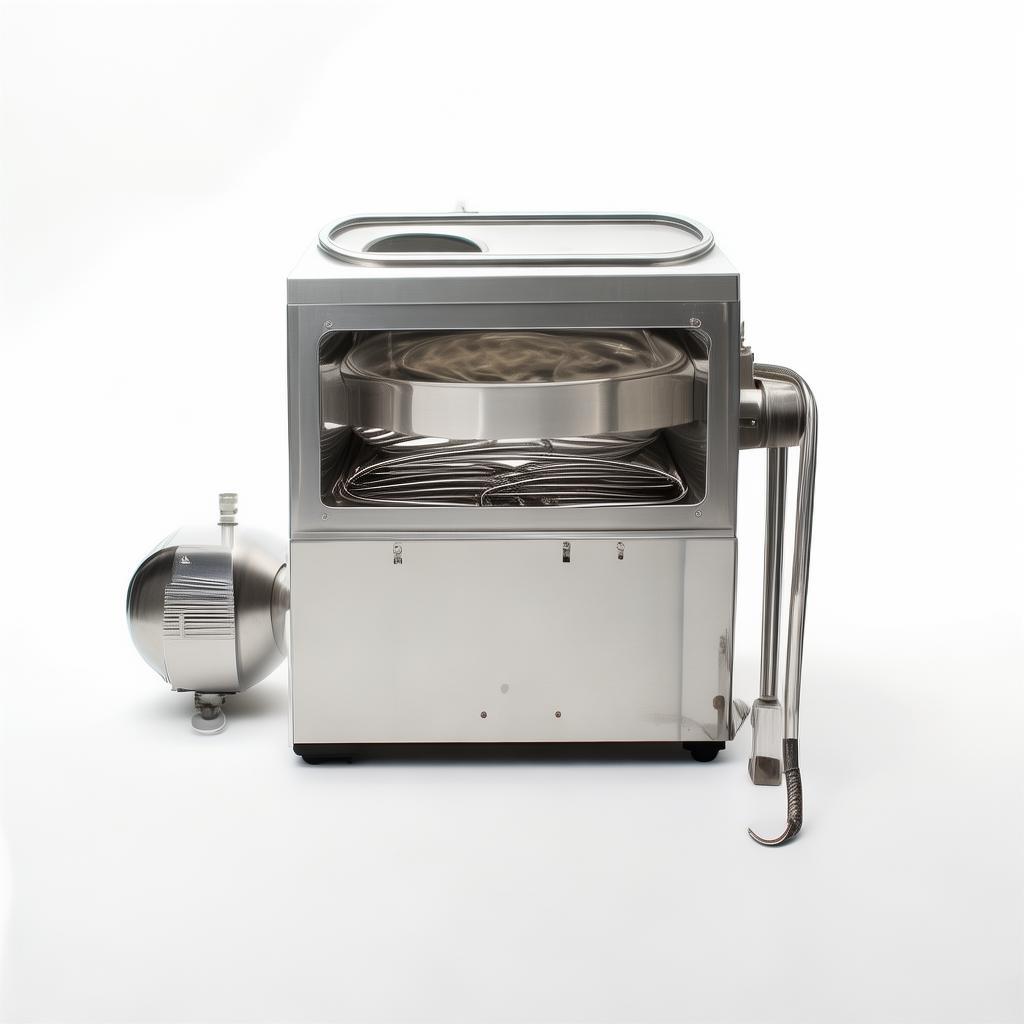
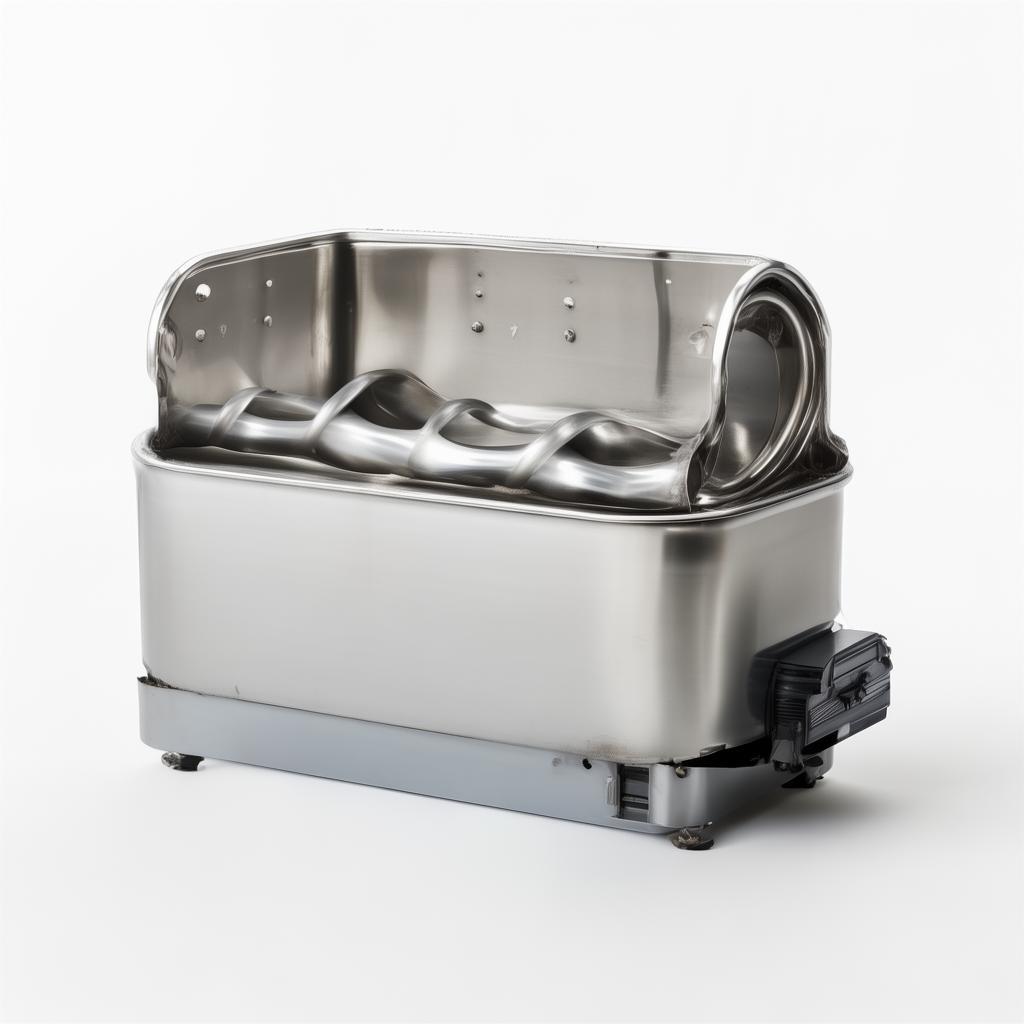
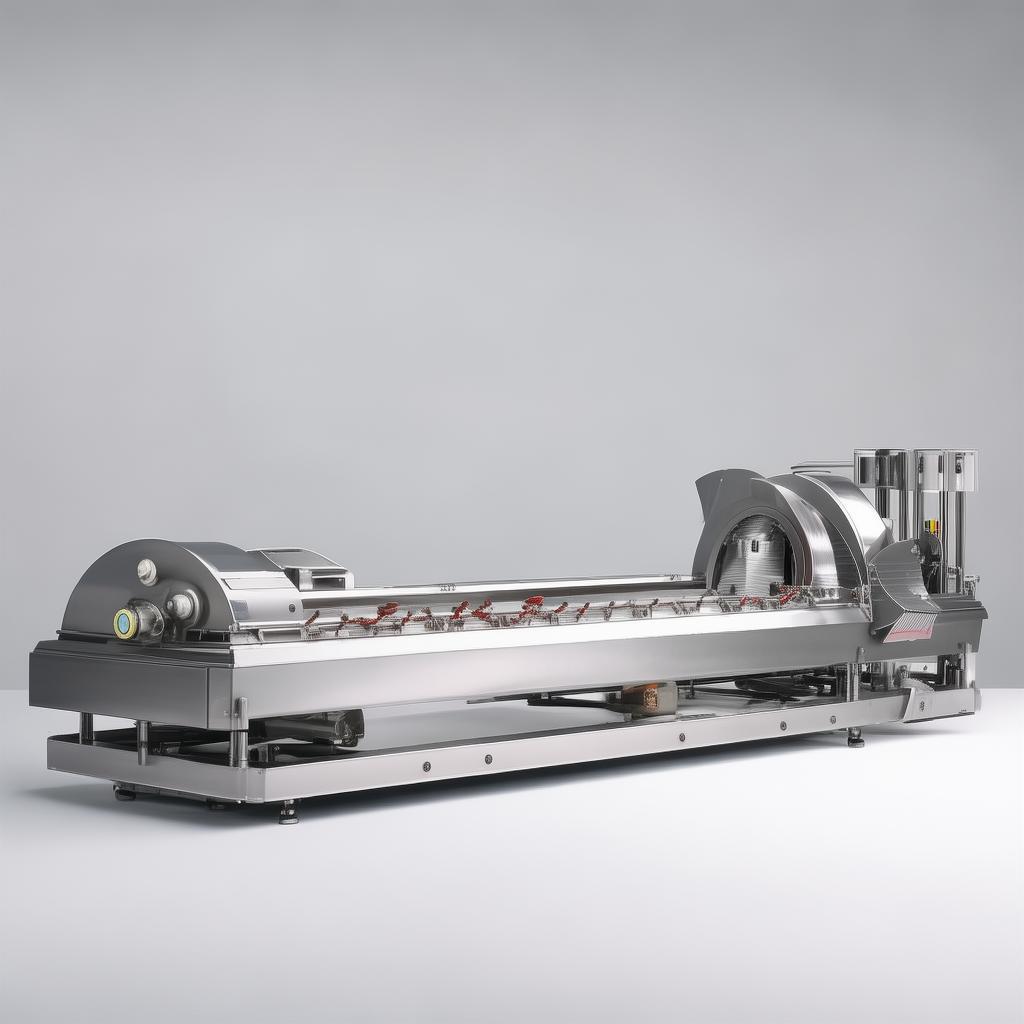
Sandblasting Vacuum Recovery Systems: The Foundation for Efficient & Safe Surface Preparation
Maximize Your Sandblasting Operations with Integrated Dust & Debris Containment

By: Johnathan 'Jono' Miller
Lead Engineer & Export Specialist
Understanding the Core Need: Why Vacuum Recovery is Non-Negotiable
In the demanding world of industrial surface preparation, efficiency and safety are paramount. Sandblasting, while incredibly effective for cleaning, etching, and preparing surfaces, inherently generates a significant amount of airborne dust, spent abrasive media, and debris. Without a robust containment and recovery strategy, these byproducts pose substantial risks. We're talking about immediate health hazards for operators, damage to surrounding equipment and facilities, environmental compliance issues, and a significant decrease in operational effectiveness. This is precisely where sandblasting vacuum recovery systems step in, not as an optional accessory, but as a fundamental component of any professional blasting operation.
For years, many workshops and job sites operated with open blasting systems, relying on basic dust collectors or simply accepting significant overspray and material loss. The consequences were often severe: respiratory illnesses among workers, premature wear on machinery not designed for abrasive dust ingress, and endless hours spent on cleanup that took valuable time away from actual production or project completion. The evolution in both regulatory standards and technological capabilities has made these older methods not just inefficient, but frankly, irresponsible.
A well-designed vacuum recovery system for sandblasting doesn't just manage dust; it actively captures spent media, allowing for its potential reuse, thereby reducing operational costs. It creates a contained environment, preventing the dispersal of contaminants far beyond the immediate work area. This is critical for maintaining clean room conditions, protecting sensitive electronics, or working within occupied facilities. Furthermore, the psychological benefit to your team is substantial; working in a controlled, cleaner environment significantly boosts morale and productivity.
Consider the procurement decision for any large-scale surface preparation project. Whether it’s for aerospace component refurbishment, industrial pipeline cleaning, or architectural concrete texturing, the ability to demonstrate rigorous dust control is often a contractual requirement. A lack of appropriate vacuum recovery can lead to project disqualification before you even submit a bid. This underscores the commercial imperative behind investing in the right system. We've seen firsthand how operators who prioritize effective sandblasting vacuum recovery typically achieve faster project turnaround times, experience fewer equipment failures, and build a reputation for professionalism and reliability.
The systems we engineer and supply are built to integrate seamlessly with various blasting equipment – from portable units to large-scale automated chambers. The core principle remains the same: to create a negative pressure environment that draws both the blasting media and the resultant dust and debris into a collection system for separation and disposal or recycling. This isn't about a simple shop vac; it's about industrial-grade filtration, powerful vacuum generation, and durable construction capable of withstanding the harsh realities of abrasive environments. The technology has advanced to a point where sophisticated multi-stage filtration, including HEPA-level capture, is standard for critical applications, ensuring minimal environmental impact and maximum operator safety.
The initial investment in a quality sandblasting vacuum recovery system pays dividends quickly. Reduced labor costs for cleanup, extended lifespan of blasting equipment and abrasives, improved worker health and safety, and compliance with stringent environmental regulations all contribute to a tangible return on investment. Our goal is to provide solutions that are not only technically superior but also economically sound, helping your business operate more profitably and sustainably. Let's explore how these systems work and what to look for when specifying them for your unique needs.
Key Industry Challenges & How Vacuum Recovery Solves Them
- Airborne Dust Hazard: Silica dust and other fine particles are a major health risk (silicosis, lung cancer). Vacuum recovery captures these particles at the source, minimizing operator exposure.
- Media Loss & Cost: Spent abrasive media can be expensive. Effective recovery systems can separate usable media for recirculation, cutting down on consumable costs.
- Site Contamination: Uncontrolled blasting spreads dust and debris, impacting other work areas, sensitive equipment, and requiring extensive post-job cleanup. Contained systems keep the mess localized.
- Equipment Damage: Fine dust can infiltrate and damage delicate machinery, motors, and control systems. Vacuum recovery protects valuable assets.
- Regulatory Compliance: Environmental and occupational health agencies have strict rules on dust emissions and worker exposure. Proper recovery is essential for compliance.
- Reduced Efficiency: Constant cleanup, equipment downtime, and operator health issues all drain productivity. Integrated recovery streamlines the entire process.
Technical Deep Dive: Components of a Sandblasting Vacuum Recovery System
Understanding the components is key to selecting the right system. A typical industrial sandblasting vacuum recovery setup involves several critical elements working in concert:
1. Vacuum Generator (Blower/Pump):
This is the heart of the system, creating the powerful suction needed to draw in air, dust, and media. Industrial applications typically use regenerative blowers or positive displacement pumps, chosen based on required airflow (CFM) and vacuum pressure (inches of water or Hg). Reliability and continuous operation capability are critical here. We spec units that can handle demanding duty cycles without overheating, often featuring robust motor designs and efficient impeller geometries.
2. Collection Vessel / Hopper:
This is where the bulk of the material is initially collected. It's designed to handle large volumes of abrasive and debris. Often, these vessels feature cyclones or baffles that initiate a pre-separation of heavier particles from the airstream before they reach the filtration stage. Materials like heavy-gauge steel or abrasion-resistant alloys are common for durability. Some systems integrate directly with blasting pots or reclaimers.
3. Filtration System:
This is arguably the most crucial part for environmental and health compliance. Industrial filters must capture fine particulate matter effectively. Systems commonly employ multi-stage filtration:
- Primary Separation: Cyclonic separation or coarse pre-filters to remove larger debris, protecting the finer filters.
- Secondary Filtration: Bag filters or cartridge filters made from durable, media-resistant materials. These are designed for high dust-loading capacity and easy maintenance. Filter efficiency ratings (e.g., MERV, HEPA) are critical here.
- Tertiary/Final Filtration: Often HEPA filters (99.97% efficient at 0.3 microns) for applications demanding the highest level of air purity, especially in confined spaces or near sensitive environments.
Filter cleaning mechanisms, such as pulse-jet systems or manual shaker arms, are vital for maintaining airflow and extending filter life. We ensure our filter media selection is optimized for the type of abrasive being used.
4. Hoses and Connectors:
Durable, abrasion-resistant hoses are essential. They need to withstand constant flexing and the abrasive nature of the materials being transported. Reinforced rubber or polyurethane hoses are common. Proper sealing at all connection points is critical to prevent leaks, which compromise vacuum performance and allow dust escape.
5. Reclaim/Recycling Mechanism (Optional but Recommended):
For many operations, especially those using high-value abrasives like steel shot or specific mineral abrasives, reclaiming is a significant cost-saver. The vacuum recovery system can feed into a reclaimer unit that separates usable media from dust and contaminants, allowing it to be fed back into the blasting pot. This reduces abrasive consumption by up to 70% in some applications.
The integration of these components dictates the overall performance. A system designed for heavy-duty industrial use will feature larger capacities, more powerful vacuum generators, and higher-grade filtration than a unit intended for lighter duty. When specifying, always consider the type of abrasive, the volume of work, and the environmental constraints of your operational site.
Advantages That Drive ROI
Investing in a high-quality sandblasting vacuum recovery system translates directly into tangible business benefits. It's not just about compliance; it's about operational excellence and profitability.
Enhanced Worker Safety
Significantly reduces airborne particulate exposure, protecting your team from respiratory diseases and eye injuries.
Reduced Cleanup Time
Automated or semi-automated collection minimizes manual sweeping and material handling, freeing up labor for production.
Abrasive Media Savings
Effective reclamation allows for the reuse of expensive abrasives, directly cutting consumable costs. Some clients report savings of over 50% on abrasives.
Environmental Compliance
Meets stringent regulations for dust emissions and site containment, avoiding fines and project delays.
Protection of Assets
Prevents abrasive dust from damaging sensitive machinery, electronics, and finishes in the surrounding work area.
Increased Operational Efficiency
Streamlined operations, fewer interruptions, and improved working conditions lead to higher throughput and faster project completion.
Applications Across Industries
The versatility of sandblasting vacuum recovery systems makes them indispensable across a wide array of industrial sectors. Their ability to provide contained, efficient surface preparation is critical wherever precise material removal or surface treatment is required.
Aerospace: Cleaning turbine blades, preparing landing gear components, and stripping coatings from aircraft structures demand high precision and containment to protect sensitive equipment and ensure structural integrity. The use of fine abrasives or specialized media requires advanced filtration.
Automotive: Restoring classic cars, preparing frames for chassis work, or cleaning engine components benefits greatly from controlled environments that prevent overspray and contamination. Recovery systems also support media blasting for part refurbishment.
Marine: Descaling ship hulls, preparing offshore structures for anti-corrosion coatings, and cleaning marine equipment often occurs in challenging environments where containment of abrasive and spent materials is crucial to prevent pollution and ensure worker safety. Large-scale recovery units are often deployed.
Construction & Infrastructure: Bridge cleaning and repainting, concrete surface preparation, graffiti removal, and stone restoration all generate significant dust. Vacuum recovery systems are essential for urban environments and sensitive historic sites.
Manufacturing: Preparing metal parts for finishing (painting, powder coating), deburring, and cleaning molds in manufacturing facilities require contained blasting solutions to maintain clean production lines and protect finished goods.
Oil & Gas: Pipeline maintenance, tank cleaning, and preparation of drilling equipment in remote or hazardous locations necessitate robust, portable vacuum recovery solutions that ensure safety and environmental compliance.
We've supplied systems for everything from small, mobile units for contractor use to large, integrated systems for shipyards and heavy fabrication plants. The common thread is the need for reliable, efficient dust and debris management.
Selecting the Right System: Key Considerations for Procurement
Choosing the correct sandblasting vacuum recovery system requires careful consideration of your specific operational needs. It's not a one-size-fits-all scenario. Here’s what procurement professionals and operational managers should evaluate:
1. Scale of Operation:
Are you running a small workshop, a mobile contract service, or a large industrial facility? The required airflow (CFM) and vacuum lift will vary dramatically. Larger jobs or automated lines need more powerful, robust systems.
2. Type of Abrasive Media:
Different abrasives (e.g., sand, slag, glass bead, steel shot, walnut shells) have varying densities and particle sizes. This affects the load on the vacuum and the filtration requirements. Some media are more abrasive to equipment, requiring more durable construction.
3. Filtration Requirements & Airflow (CFM/Water Column):
industrial sand vacuum vacuum recovery systems vacuum recovery services
What level of particulate capture is needed? For general industrial use, efficient bag or cartridge filters might suffice. For hazardous materials or stringent environmental zones, HEPA filtration is a must. Your required CFM and vacuum lift will determine the blower size and ducting requirements.
4. Portability vs. Fixed Installation:
Do you need to move the system between job sites, or will it be permanently installed in a facility? Portable units offer flexibility but may have lower capacity. Fixed systems are more powerful and integrated but lack mobility.
5. Reusability of Media:
If you use expensive abrasives, a system with integrated reclamation capabilities is a must-have to maximize ROI. This typically involves a cyclone separator and screening mechanism.
6. Durability and Maintenance:
Consider the construction materials, motor reliability, and ease of filter replacement or cleaning. Long-term operational costs and uptime are directly influenced by system durability and maintainability.
7. Integration with Blasting Equipment:
Ensure the recovery system's ports and hose sizes are compatible with your existing sandblasting machines and pots. Custom adapters may be needed.
Procurement Insight: Don't be afraid to ask for detailed performance specifications, filter efficiency ratings, and information on maintenance schedules and spare parts availability. A reputable supplier will provide this transparently. Consider the total cost of ownership, not just the upfront price. A slightly more expensive system with lower operating costs and longer lifespan can be a far better investment.
Factory Capabilities & OEM/ODM Solutions
At Hebei Yuanchang, we understand that off-the-shelf solutions don't always meet the unique demands of industrial operations. With over 40 years of experience in precision manufacturing, we excel in providing both standard, high-performance sandblasting vacuum recovery systems and fully customized OEM/ODM solutions.
Our in-house machining workshop is equipped with over 20 sets of advanced processing machinery, including CNC machining centers. This allows us to fabricate components with exceptional precision, whether you require non-standard specifications, high volumes, or specialized materials for extreme environments. We have the capacity to produce high-standard parts that ensure the longevity and reliability of our vacuum recovery systems.
OEM/ODM Services: If you are a system integrator, a large equipment manufacturer, or a distributor looking for robust vacuum recovery solutions under your own brand, we offer comprehensive OEM (Original Equipment Manufacturer) and ODM (Original Design Manufacturer) services. We can:
- Collaborate on design based on your specifications.
- Manufacture components and complete units to your quality standards.
- Implement your branding and packaging requirements.
- Ensure seamless integration into your product lines.
Our commitment to quality extends through the entire production process, backed by a traceable after-sales management system. This ensures that every unit we deliver meets the highest standards of performance and durability.
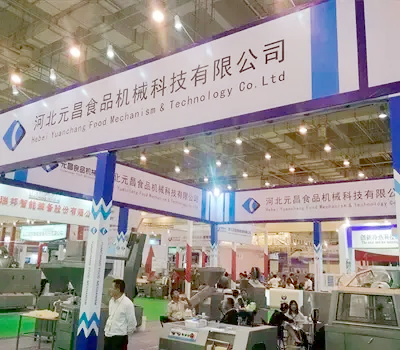
Precision Machining at Hebei Yuanchang
Maintenance & Operational Tips
To ensure your sandblasting vacuum recovery system operates at peak efficiency and longevity, regular maintenance is non-negotiable. Think of it as proactive upkeep to prevent costly downtime.
-
Filter Inspection & Replacement: This is your primary maintenance task. Regularly inspect filters for tears, holes, or excessive clogging. Replace them according to manufacturer recommendations or when performance visibly degrades. Clogged filters restrict airflow, reducing vacuum power and potentially overloading the motor.
Practical Tip: Keep a stock of spare filters on hand. A sudden filter failure can halt your entire operation. - Hose and Connection Checks: Periodically inspect all hoses, couplings, and connections for leaks, cracks, or damage. Leaks not only reduce vacuum efficiency but can also allow dust to escape, negating the system's purpose.
- Vacuum Generator Service: Follow the manufacturer's guidelines for lubricating bearings, checking belts (if applicable), and ensuring adequate cooling for the motor. Monitor for unusual noises or vibrations.
- Collection Vessel & Cyclone Cleaning: Ensure the main collection vessel and any pre-separation cyclones are emptied regularly to prevent blockages. Clean interior surfaces as needed to maintain efficient material flow.
- Abrasive Compatibility: While not strictly maintenance, ensuring you're using the correct abrasive for your system and media reclaimer (if used) prevents premature wear and ensures optimal separation.
A well-maintained system not only performs better but also contributes to a safer working environment and extends the life of your investment significantly.
Global Logistics & Export Experience
As a manufacturer with extensive international trade experience, Hebei Yuanchang is adept at handling global logistics. We understand the complexities involved in shipping industrial equipment worldwide, ensuring your sandblasting vacuum recovery system reaches your destination efficiently and securely.
Our export team is experienced in:
- Packaging for Transit: We utilize robust, export-ready packaging to protect equipment during long-haul shipping, considering potential impacts and environmental conditions.
- Documentation: We handle all necessary export documentation, including commercial invoices, packing lists, certificates of origin, and customs declarations, to streamline your import process.
- Shipping Options: We work with reliable freight forwarders to offer various shipping solutions, from LCL (Less than Container Load) to FCL (Full Container Load), sea freight, and air freight, optimizing for cost and delivery time.
- Container Loading: Our team ensures efficient container loading to maximize space utilization and minimize shipping costs, adhering to safety standards.
Whether you are importing for a manufacturing plant in North America, a construction project in Europe, or a distribution hub in Asia, you can trust our experience to manage the complexities of international trade and delivery.
Customer Insights & Testimonials
"We were struggling with dust control on our bridge restoration projects. The system from Yuanchang made a massive difference. Less cleanup, happier crew, and we passed all environmental inspections with flying colors. Their export process was smooth too."

David Chen
Project Manager, Structural Coatings Inc. (USA)
"We needed a reliable vacuum recovery solution for our automotive restoration shop. The team at Yuanchang helped us select the right unit, and it’s been a workhorse. The ability to reclaim abrasive media has cut our consumable costs by nearly 40%. Excellent support."

Sarah Jenkins
Owner, Classic Car Restorations (Canada)
"As a distributor, we need reliable equipment that our clients can count on. Yuanchang's vacuum recovery systems deliver. Their OEM capabilities allowed us to brand units for our market, and the quality has been consistently high. Their factory visit confirmed their advanced manufacturing capabilities."

Marco Rossi
Sales Director, Industrial Supplies Ltd. (UK)
Trust & Certifications
We adhere to rigorous quality control standards throughout our manufacturing process. While specific certifications for vacuum recovery units can vary based on regional requirements and integration into larger systems, our commitment to quality is demonstrated through our manufacturing processes and capabilities.

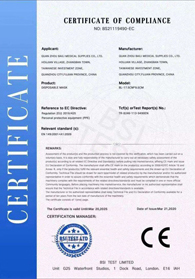

Our advanced manufacturing facilities and adherence to strict production protocols ensure that every piece of equipment we deliver meets international standards for performance, safety, and environmental compliance.
Ready to Optimize Your Blasting Operations?
Don't let dust, debris, and inefficient practices compromise your projects. Invest in a professional sandblasting vacuum recovery solution tailored to your needs.
Get in Touch with Us
Contact Information
Phone: +86 15830991513
Email: ycmeatmech@gmail.com
Address: Shijiazhuang, Hebei Province, China
Website: www.ycmeatmech.com
Chat Support