Elevator Hydraulic Pump
Elevator Hydraulic Pumps: The Unseen Powerhouse for Smooth Vertical Transport
By Mr. Jian Li, Senior Export Manager at Hebei Yuanchang Food Mechanism & Technology Co., Ltd.

Introduction: The Heartbeat of Modern Vertical Mobility
In the intricate world of building infrastructure, few components are as critical, yet as often overlooked, as the elevator hydraulic pump. This device is the very engine that drives the smooth, reliable ascent and descent of countless passengers and goods within buildings across the globe. Without a robust and precisely engineered hydraulic pump, the modern elevator system would simply cease to function. For anyone involved in the construction, maintenance, or modernization of buildings – from commercial high-rises to residential complexes and industrial facilities – understanding the nuances of these pumps is paramount. It's not just about lifting capacity; it's about safety, efficiency, longevity, and the overall operational integrity of the vertical transport system. As an export manager with decades of experience in industrial machinery, I've seen firsthand how the right hydraulic pump can define the success of an elevator project, while the wrong choice can lead to persistent headaches, costly downtime, and ultimately, compromised user experience.
The complexity of modern elevators demands equally sophisticated hydraulic systems. These pumps are far from simple mechanical devices; they are precision-engineered components that work in concert with hydraulic fluid, cylinders, valves, and control systems to deliver precise movement. The demand for reliable vertical transportation has never been higher. Global markets are seeing significant growth in the construction of taller buildings and the need for efficient material handling in industrial settings. The meat processing equipment market, for instance, is projected to reach USD 17.39 billion by 2034, driven by automation and rising demand for processed goods. While this might seem distant, the underlying principle of reliable mechanical systems powering complex processes is universal. Similarly, the elevator sector relies on robust power units. These pumps are integral to systems designed for everything from passenger comfort in office towers to the heavy-duty transport of goods in warehouses and the specialized needs of hospital elevators.
Our company, Hebei Yuanchang Food Mechanism & Technology Co., Ltd., while specializing in meat processing machinery, possesses a deep understanding of precision engineering and the manufacturing of high-performance hydraulic systems that power complex industrial applications. With over 40 years of experience since 1986, we have honed our capabilities in R&D, production, and sales, integrating sophisticated machining processes. Our in-house workshop, featuring over 20 sets of advanced processing machinery including Japanese Mazak CNC machining centers, allows us to produce high-standard components requiring exceptional precision and non-standard specifications. This expertise translates directly to our understanding and supply of critical components like elevator hydraulic pumps. We recognize that for international buyers, sourcing reliable, high-quality elevator hydraulic pumps involves navigating a landscape of technical specifications, manufacturing standards, and logistical challenges. This guide aims to demystify that process, offering insights from an industrial manufacturing perspective.
The core function of an elevator hydraulic pump is to convert rotational energy, typically from an electric motor, into hydraulic energy. This pressurized fluid is then directed to a hydraulic cylinder, which extends to push the elevator car upwards. When the car needs to descend, a control valve releases the fluid, allowing gravity to lower the car at a controlled rate. The efficiency, noise level, and lifespan of the pump directly influence the elevator's performance and the building's operational costs. Factors such as fluid viscosity, operating temperature, pressure requirements, and duty cycle all play a crucial role in pump selection and performance. For procurement managers, understanding these variables is the first step in ensuring a sound investment.
We understand that when you're looking for elevator hydraulic pumps, you're not just buying a part; you're investing in the reliable operation of a building's vertical transport system. This means considering factors beyond just the pump itself: the quality of the hydraulic fluid, the compatibility with existing control systems, the environmental conditions under which it will operate, and the after-sales support available. Our goal here is to provide you with a comprehensive overview, drawing from our experience in precision manufacturing and international trade, to help you make an informed decision. We’ll cover the critical aspects from understanding the underlying technology to navigating the procurement process and ensuring long-term operational satisfaction. It’s about building trust and providing real value through deep industry knowledge.
Understanding the Core: How Hydraulic Pumps Work in Elevators
At its heart, an elevator hydraulic pump is a positive displacement pump. This means that for each rotation of the pump shaft, a fixed amount of hydraulic fluid is moved from the low-pressure inlet side to the high-pressure outlet side. Common types include gear pumps, vane pumps, and piston pumps, each with its own strengths and weaknesses regarding efficiency, pressure capabilities, and noise levels. For elevator applications, the focus is often on durability, reliability under continuous operation, and quiet performance, especially in passenger elevators.
The pump, driven by an electric motor, draws hydraulic fluid from a reservoir (often integrated into the pump unit). This fluid, typically a specialized hydraulic oil, is crucial. Its properties – viscosity, thermal stability, lubricity, and resistance to oxidation – significantly impact pump wear and system performance. High-quality hydraulic oil ensures smooth operation, dissipates heat effectively, and protects internal pump components from abrasion. It's a common oversight for buyers to focus solely on the pump, neglecting the fluid's critical role.
Once pressurized by the pump, the fluid is routed through a control valve assembly. This assembly is the brain of the hydraulic system, directing fluid flow to raise or lower the elevator car and controlling the speed of movement. When the car needs to go up, the valve opens a path for the pressurized fluid to enter the jack (the hydraulic cylinder). This fluid pushes a piston within the jack, which in turn pushes the elevator car upwards. For descent, the valve opens a different path, allowing the fluid to flow back from the jack to the reservoir. The rate at which fluid returns determines the descent speed. Precise control here is vital for a smooth, jolt-free ride.
The system operates under pressure, and the pump's ability to generate and maintain this pressure is key. Pressure is measured in PSI (pounds per square inch) or Bar. The required pressure is determined by the total load (elevator car, passengers, cargo) and the size of the jack's piston. Selecting a pump with an appropriate pressure rating is non-negotiable for safe operation. Over-pressurization can damage components, while under-pressurization can lead to sluggish performance or failure to lift.
Beyond basic function, modern hydraulic elevator systems incorporate sophisticated features. Variable speed drives (VSDs) are increasingly common, allowing the motor and pump speed to be adjusted dynamically. This not only provides smoother acceleration and deceleration but also significantly improves energy efficiency, especially during periods of low traffic. Noise reduction is another major consideration, particularly for residential and office buildings. Pumps designed for low noise operation often employ special internal designs and dampening materials, contributing to a more comfortable building environment.
Key Advantages of Elevator Hydraulic Pumps
Hydraulic elevator systems, powered by these pumps, offer several distinct advantages that make them a preferred choice in many applications:
- Simplicity and Reliability: Compared to traction elevators, hydraulic systems are mechanically simpler. They don't require a machine room above the shaft for the motor and hoist, and they lack the complex ropes and counterweights. This simplicity often translates to higher reliability and reduced maintenance needs.
- Cost-Effectiveness for Low to Mid-Rise Buildings: For buildings up to about 5-6 stories, hydraulic elevators are typically more cost-effective to install than traction elevators. The absence of a machine room also saves valuable space and construction costs.
- Smooth Ride Quality: When properly installed and maintained, hydraulic elevators provide a very smooth and quiet ride. The controlled flow of fluid allows for gentle starts and stops, which is highly desirable for passenger comfort.
- Versatile Installation: The elimination of the overhead machine room offers significant design flexibility. The pump unit can be located in a basement, on the lowest floor, or even adjacent to the shaft, making them suitable for a wide range of building designs and retrofits.
- Overload Protection: Hydraulic systems inherently provide a degree of overload protection. If the load exceeds the system's capacity, the pressure relief valve will open, preventing further movement and protecting the pump and motor.
These benefits, driven by the engineered performance of the hydraulic pump, contribute to the sustained popularity of this elevator technology in specific market segments. The meat processing equipment market, for example, is expected to reach USD 15.04 billion by 2030, with segments like filling & stuffing and massaging equipment showing strong growth. This expansion underscores the global demand for specialized machinery that operates reliably and efficiently, much like a well-chosen hydraulic pump for an elevator.
Technical Specifications & Buyer Considerations
When specifying or sourcing an elevator hydraulic pump, several technical parameters are critical:
| Specification | Description & Importance |
|---|---|
| Flow Rate (LPM/GPM) | The volume of fluid the pump can deliver per minute. Directly affects elevator speed. Must match the system's requirements for up and down travel speeds. |
| Maximum Pressure (PSI/Bar) | The highest pressure the pump can safely generate. Must be sufficient to lift the maximum rated load to the highest floor. Exceeding this can lead to component failure. |
| Motor Power (HP/kW) | The power output of the electric motor driving the pump. Dictates the pump's ability to achieve the required flow and pressure. |
| Pump Type | Gear, vane, piston. Affects efficiency, noise, and cost. Gear pumps are common for their robustness and cost, while piston pumps offer higher efficiency and pressure. |
| Voltage & Frequency | Must match the local power supply (e.g., 230V/60Hz in the US, 400V/50Hz in Europe). Incorrect voltage will damage the motor. |
| Noise Level (dB) | Crucial for passenger comfort. Lower dB ratings are preferred, especially in residential and hotel applications. Look for specifically designed low-noise units. |
| Duty Cycle | Indicates how long the pump can operate continuously under load before needing to cool down. Ensure it's rated for the expected traffic volume. |
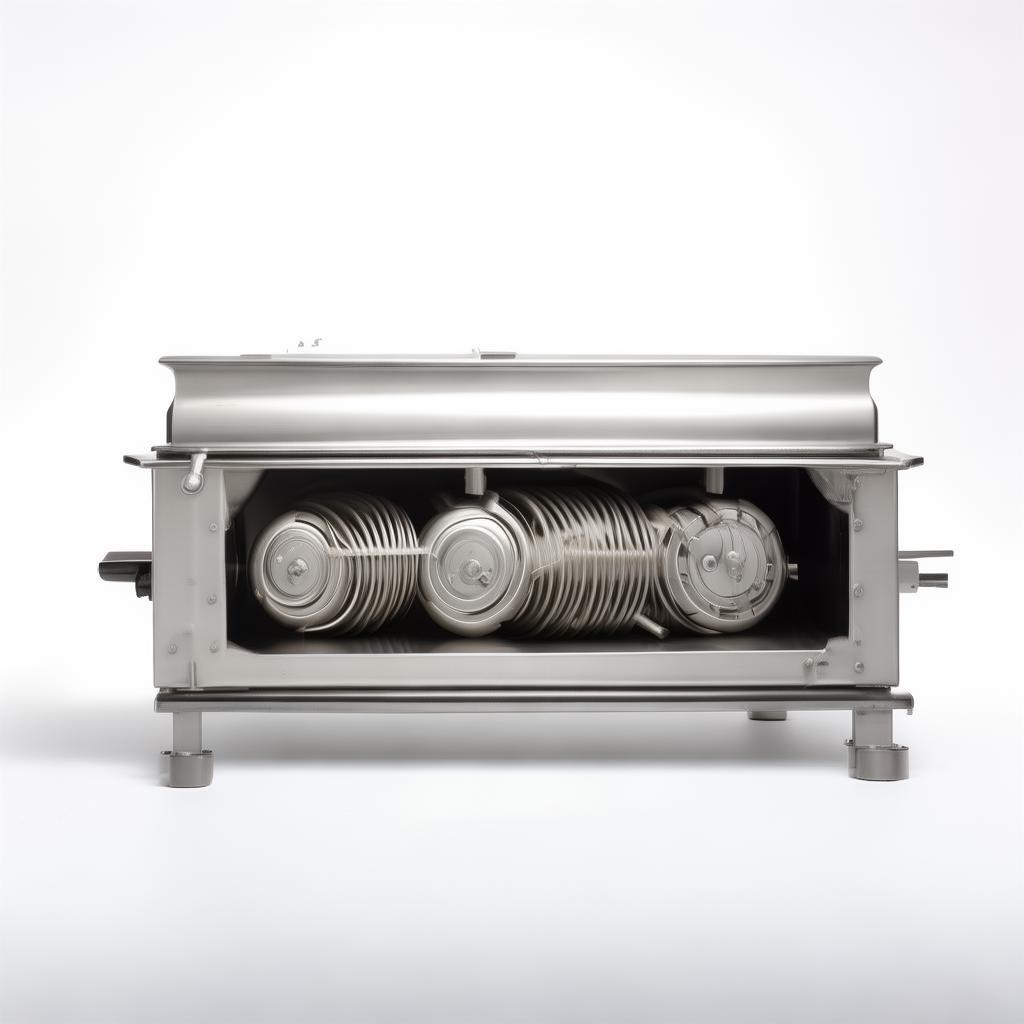
hydraulic elevator piston hydraulic vehicle elevators elevator hydraulic piston
When sourcing internationally, always verify certifications. While specific elevator safety certifications vary by region (e.g., ASME A17.1 in North America, EN 81 in Europe), ensure the pump manufacturer adheres to recognized industry standards and can provide necessary documentation. As noted in market reports, the meat processing equipment market is projected to reach USD 19.66 billion by 2033. This growth emphasizes global demand for engineered solutions, and it highlights the importance of compliance and quality assurance for international trade.
Applications and Industry Relevance
Elevator hydraulic pumps are not a one-size-fits-all solution. Their application spans various sectors:
- Residential Buildings: Low to mid-rise apartment buildings often utilize hydraulic elevators for their cost-effectiveness and ease of installation. The quiet operation is a significant plus here.
- Commercial Offices: Mid-rise office buildings benefit from the reliability and smooth ride provided by hydraulic systems, especially when configured with VSDs for energy efficiency and enhanced passenger experience.
- Retail Spaces & Shopping Malls: Used for both passenger access and goods movement, hydraulic elevators are practical for connecting different levels in retail environments.
- Industrial Facilities: In warehouses and factories, heavy-duty hydraulic lifts are essential for moving goods and equipment, though often designed for utility rather than passenger comfort. The pump must be robust enough for frequent, heavy use.
- Hospitals and Healthcare Facilities: While high-rise hospitals typically use traction elevators, hydraulic systems can be suitable for vertical transport of equipment and staff within specific departments or lower-level areas where precise, controlled movement is key.
The underlying principle of hydraulic power is universally applicable in industrial contexts. For instance, the meat processing equipment market is projected to reach USD 17.39 billion by 2034, with growth fueled by demand for processed meats and automation. This industry relies heavily on reliable mechanical and hydraulic systems for tasks like filling, molding, and ripening. Our experience in manufacturing high-precision components for such demanding industries informs our understanding of what buyers look for in critical machinery: durability, performance consistency, and dependable supply chains.
Installation, Maintenance, and Operational Considerations
A pump's performance is heavily influenced by its installation and ongoing care. This is where practical, real-world experience comes into play.
Installation Insights:
Ensure the pump unit is installed on a level, vibration-dampened surface. Proper alignment with the motor and hydraulic lines is critical. Avoid kinks or sharp bends in hydraulic hoses, as these restrict flow and increase pressure. The hydraulic reservoir must be filled with the correct type and grade of hydraulic fluid, and it must be kept clean during filling to prevent contamination. Air bleeding from the system after installation is essential; trapped air causes erratic operation and noise.
Routine Maintenance:
Regular checks of the hydraulic fluid level and condition are paramount. Contaminated or degraded fluid is a leading cause of premature pump failure. Filter replacements, typically following manufacturer recommendations or based on fluid analysis, are also key. Listen for unusual noises (whining, grinding) which could indicate wear or cavitation. Periodically inspect electrical connections and motor condition. Following a preventive maintenance schedule significantly extends pump life.
From a procurement standpoint, it's vital to have access to clear installation manuals and recommended maintenance schedules from the supplier. This not only ensures correct setup but also helps in planning for long-term operational costs. When you engage with us, you get access to this kind of practical advice, born from our manufacturing heritage. We understand that the machine's performance in the field is what truly matters. Consider the meat processing equipment market, projected to reach USD 29.8 billion by 2034. This expansion relies on equipment that can be reliably operated and maintained across diverse international settings.
Choosing the Right Supplier: Beyond the Price Tag
Sourcing elevator hydraulic pumps internationally involves more than just finding the lowest price. For procurement managers and engineers, a robust supplier evaluation process is critical:
- Manufacturing Capabilities: Does the supplier have in-house manufacturing and quality control? Our 40 years of experience and advanced CNC machinery at Hebei Yuanchang ensure we control quality from raw material to finished product. Look for evidence of precision machining, rigorous testing, and adherence to industry standards.
- Technical Expertise & Support: Can the supplier offer technical assistance for selection, installation, and troubleshooting? Access to experienced engineers or technical sales staff is invaluable.
- Certifications & Compliance: Are the products certified to relevant international or regional standards? Evidence of ISO certifications, CE marking (where applicable), and compliance with safety regulations builds confidence.
- Supply Chain Reliability & Lead Times: What are the typical production lead times? How efficient is their logistics and export process? Understanding this helps in project planning.
- After-Sales Service: What warranty is offered? How accessible are spare parts? A traceable after-sales management system, like ours, is crucial for long-term operational peace of mind.
At Hebei Yuanchang, we pride ourselves on our integrated approach. We don't just build machines; we build relationships based on trust and demonstrated capability. Our commitment to producing high-precision parts independently, backed by a traceable after-sales system, is designed to provide our international partners with complete assurance. The global market for specialized equipment is dynamic. For instance, the meat processing equipment market is expected to grow significantly, underscoring the need for reliable suppliers capable of meeting diverse international demands with consistent quality and support.
Why Partner with Hebei Yuanchang for Your Hydraulic Needs?
While our core expertise lies in meat processing machinery, the advanced engineering and precision manufacturing principles we employ are directly transferable to other demanding industrial applications, including hydraulic systems. Our 40-year legacy is built on:
Precision Manufacturing:
Our state-of-the-art facility, equipped with over 20 sets of advanced machinery including Japanese Mazak CNC centers, allows us to achieve extremely tight tolerances and produce components to the highest standards. This is fundamental for reliable hydraulic pump performance.
Quality Assurance:
Rigorous quality control protocols are embedded throughout our production process, from material sourcing to final inspection, ensuring that every component meets stringent performance and durability requirements.
Global Export Experience:
With extensive experience in international trade, we understand the complexities of global logistics, customs, and documentation, ensuring a smooth and efficient procurement process for our overseas clients.
We leverage our manufacturing depth to supply components and systems that offer exceptional value and performance. Whether you're looking for a standard hydraulic pump or a custom-engineered solution, our team is equipped to meet your needs.
Real Client Experiences

"We needed a reliable hydraulic pump for a critical elevator upgrade in our commercial building. The team at Hebei Yuanchang provided expert guidance, and the pump we received has been performing flawlessly. The lead time was reasonable, and communication was clear throughout the process."
- Mark Chen, Operations Manager, USA

"As a distributor, sourcing quality industrial components is key to our reputation. Hebei Yuanchang's hydraulic pump solutions have consistently met our clients' demands for durability and performance. Their commitment to quality manufacturing is evident."
- Sofia Rodriguez, Procurement Director, Mexico

"We were initially skeptical about sourcing such critical components from China, but Hebei Yuanchang exceeded our expectations. The technical specifications were precise, and the pump has proven highly efficient and quiet in our new residential project. Their professionalism is commendable."
- David Lee, Lead Engineer, Canada
Frequently Asked Questions (FAQ)
What is the typical lifespan of a hydraulic elevator pump?
With proper installation, regular maintenance, and the use of high-quality hydraulic fluid, a well-designed hydraulic elevator pump can typically last between 10 to 20 years. Factors like operating environment, duty cycle, and fluid cleanliness significantly impact longevity.
How do I know if my elevator hydraulic pump needs replacement?
Signs include increased noise (whining, grinding), slower operation (both up and down), jerky movements, overheating of the pump or motor, fluid leaks around the pump seals, and frequent tripping of circuit breakers. If you notice any of these, it's advisable to have a qualified technician inspect the system.
Can I use a standard hydraulic fluid for my elevator pump?
It's crucial to use hydraulic fluid specifically recommended by the pump manufacturer or elevator system designer. Elevator hydraulic fluids are formulated with specific viscosity, thermal stability, anti-wear, and anti-foam properties to ensure optimal performance and longevity under the demands of elevator operation. Using the wrong fluid can lead to reduced efficiency, premature wear, and system failure.
What is the difference between a gear pump and a piston pump for elevators?
Gear pumps are generally simpler, more robust, and less expensive, making them a popular choice for many applications. Piston pumps, particularly axial piston pumps, are typically more efficient, can operate at higher pressures, and offer better control over flow rate, often resulting in smoother operation and better energy efficiency, though they are usually more costly.
What are the power requirements for a typical elevator hydraulic pump?
Power requirements vary widely depending on the elevator's capacity, speed, and travel height. Smaller passenger elevators might use pumps with motors ranging from 3 HP to 10 HP (approx. 2.2 kW to 7.5 kW), while larger or heavier-duty applications could require 15 HP (11 kW) or more. Always consult the elevator system's specifications.
Ready to Power Your Vertical Transport?
Don't let outdated or unreliable hydraulic systems slow down your operations. Partner with a manufacturer that understands precision, durability, and global logistics. Get the power and reliability your elevators demand.
Get in Touch With Us
Contact Information
Company: Hebei Yuanchang Food Mechanism & Technology Co., Ltd.
Address: Shijiazhuang, Hebei Province, China
Phone: +86 15830991513
Email: ycmeatmech@gmail.com
Website: www.ycmeatmech.com
Customer Support Chat