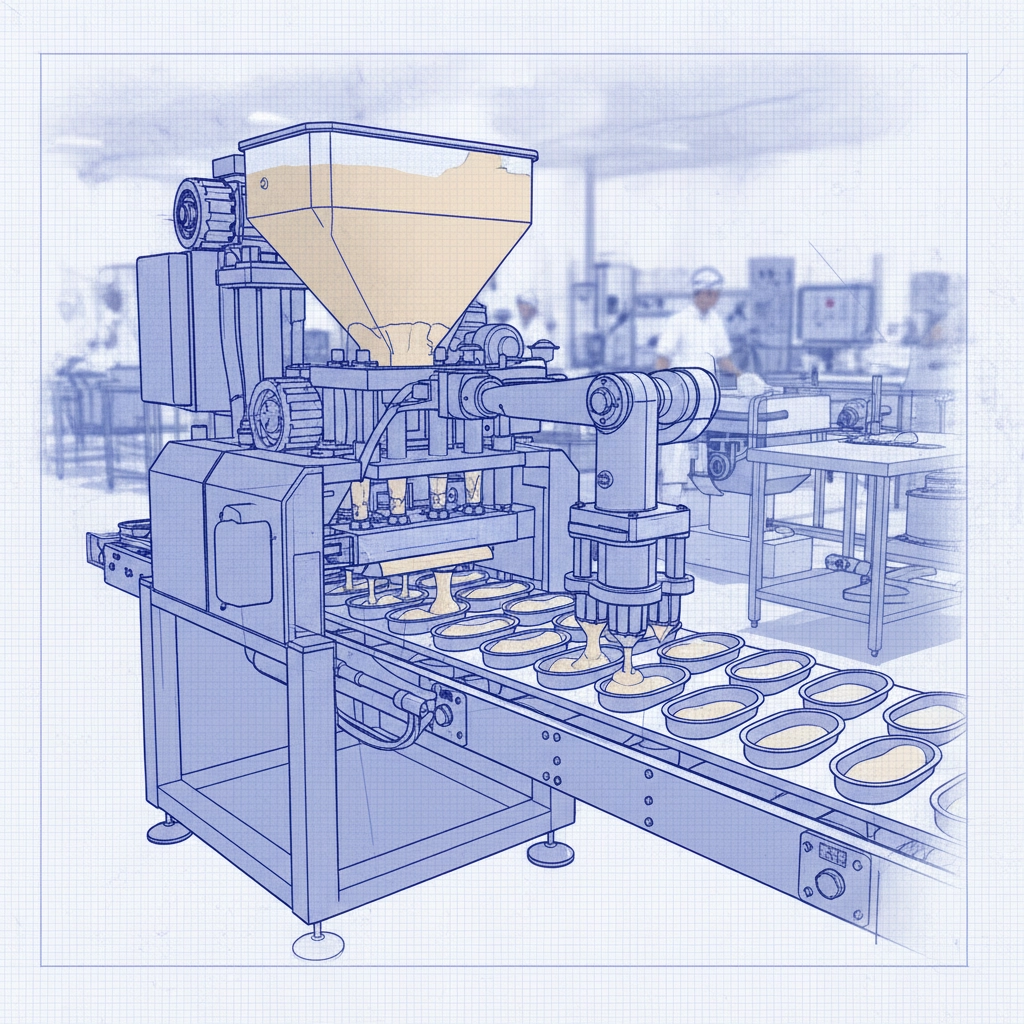
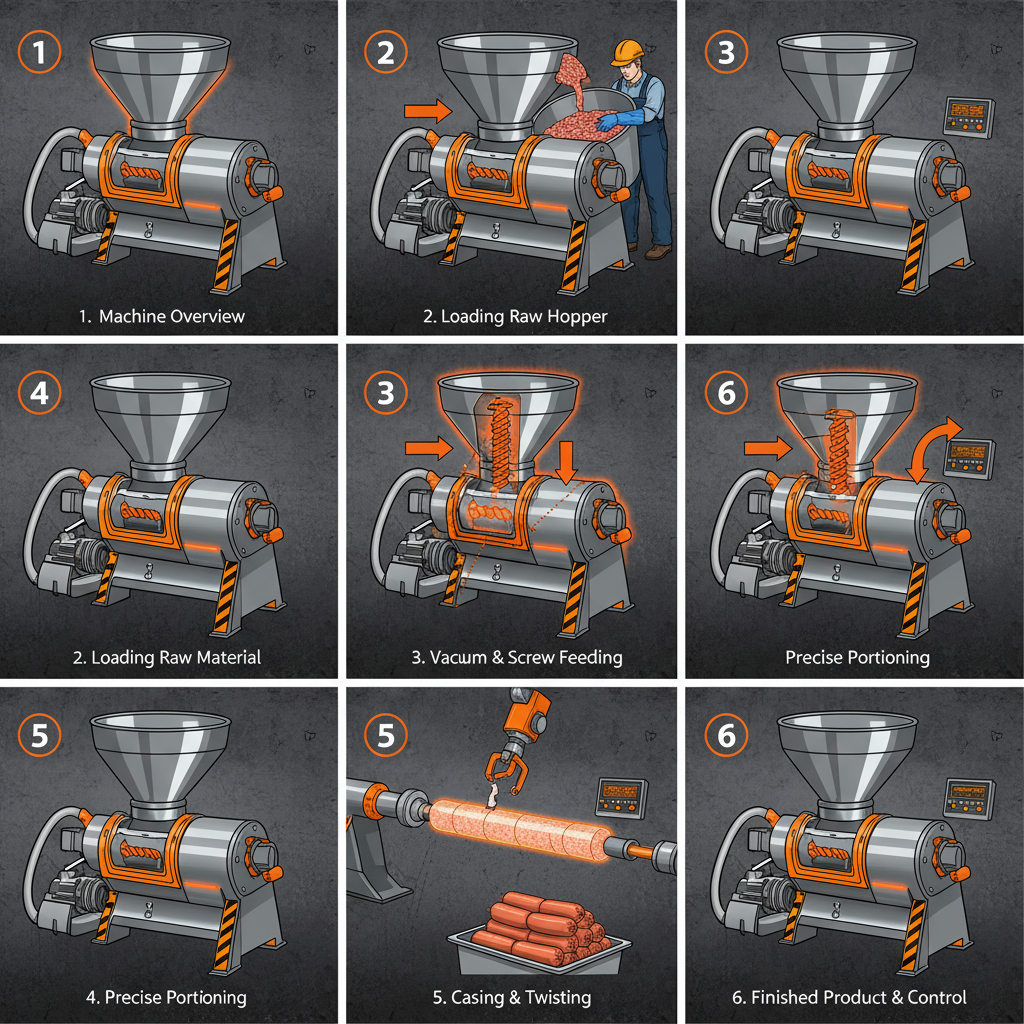
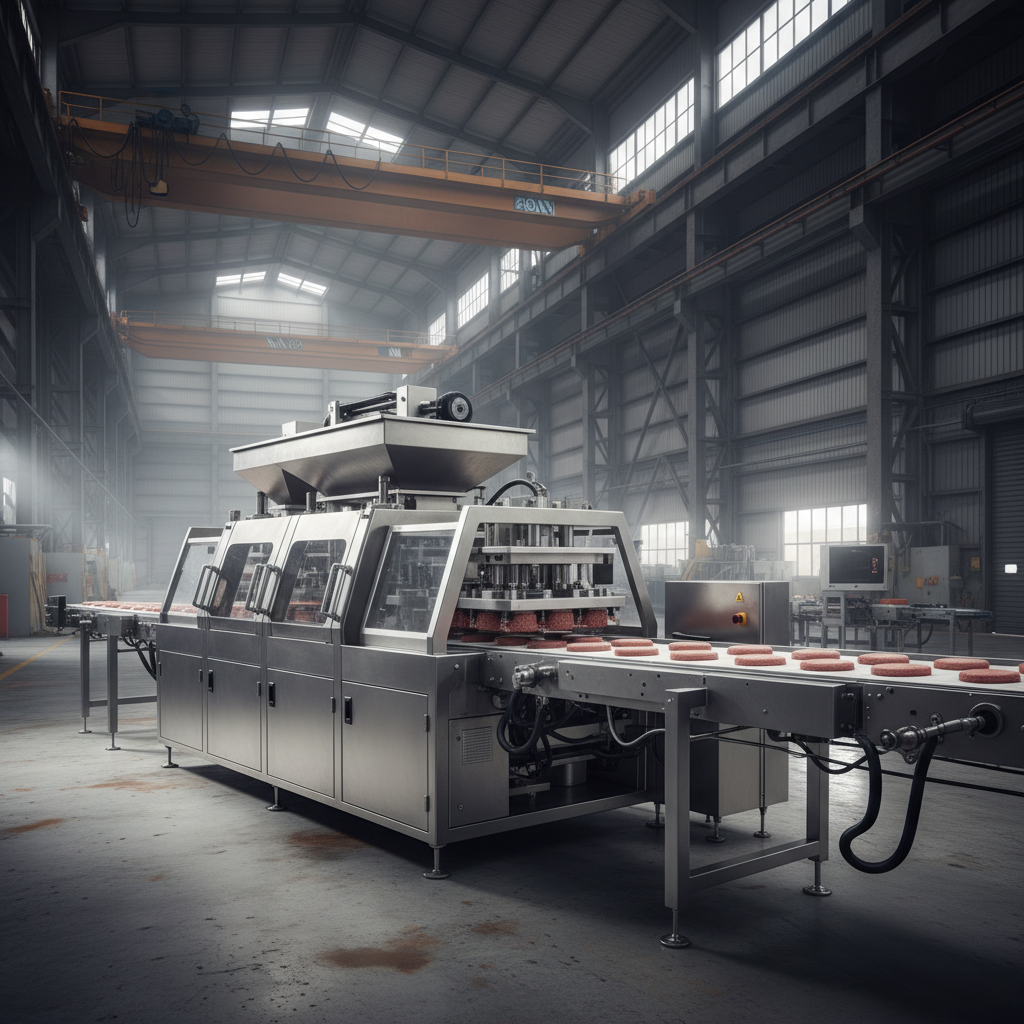
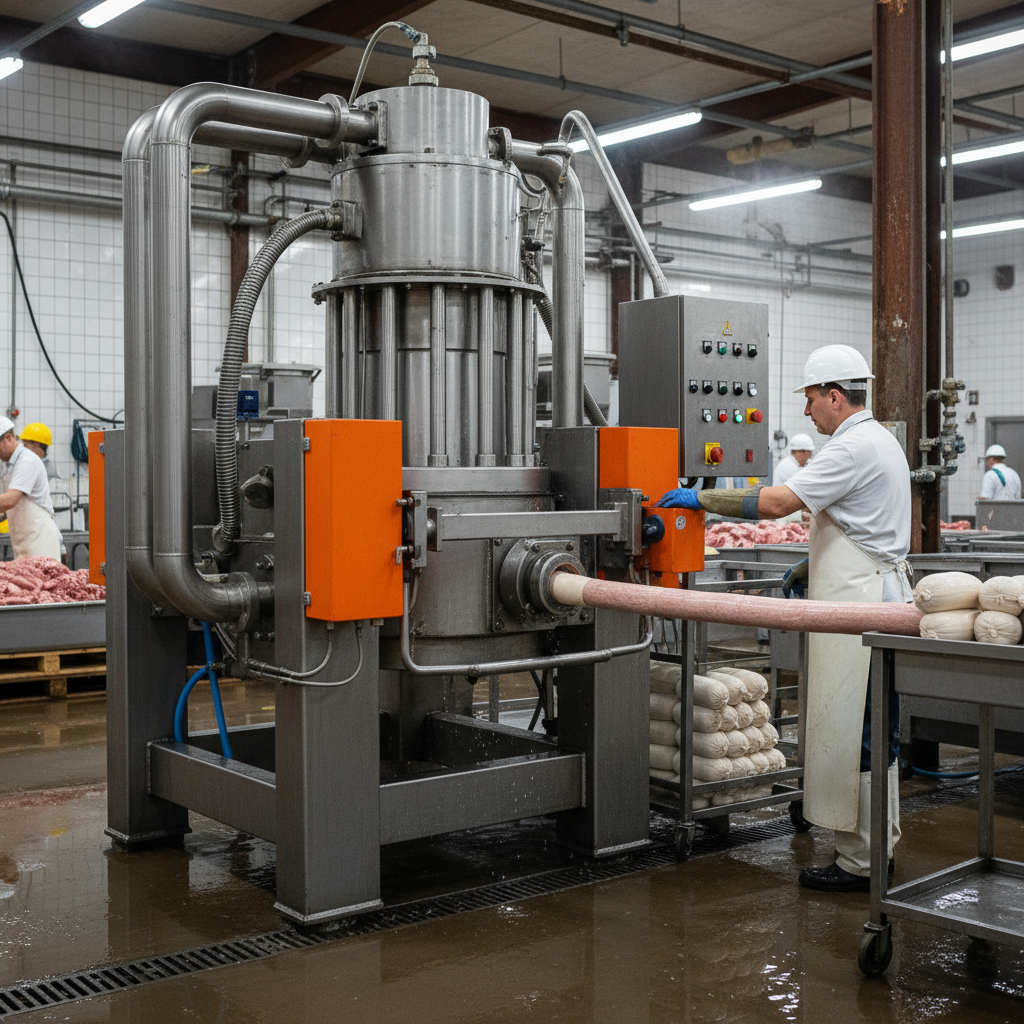
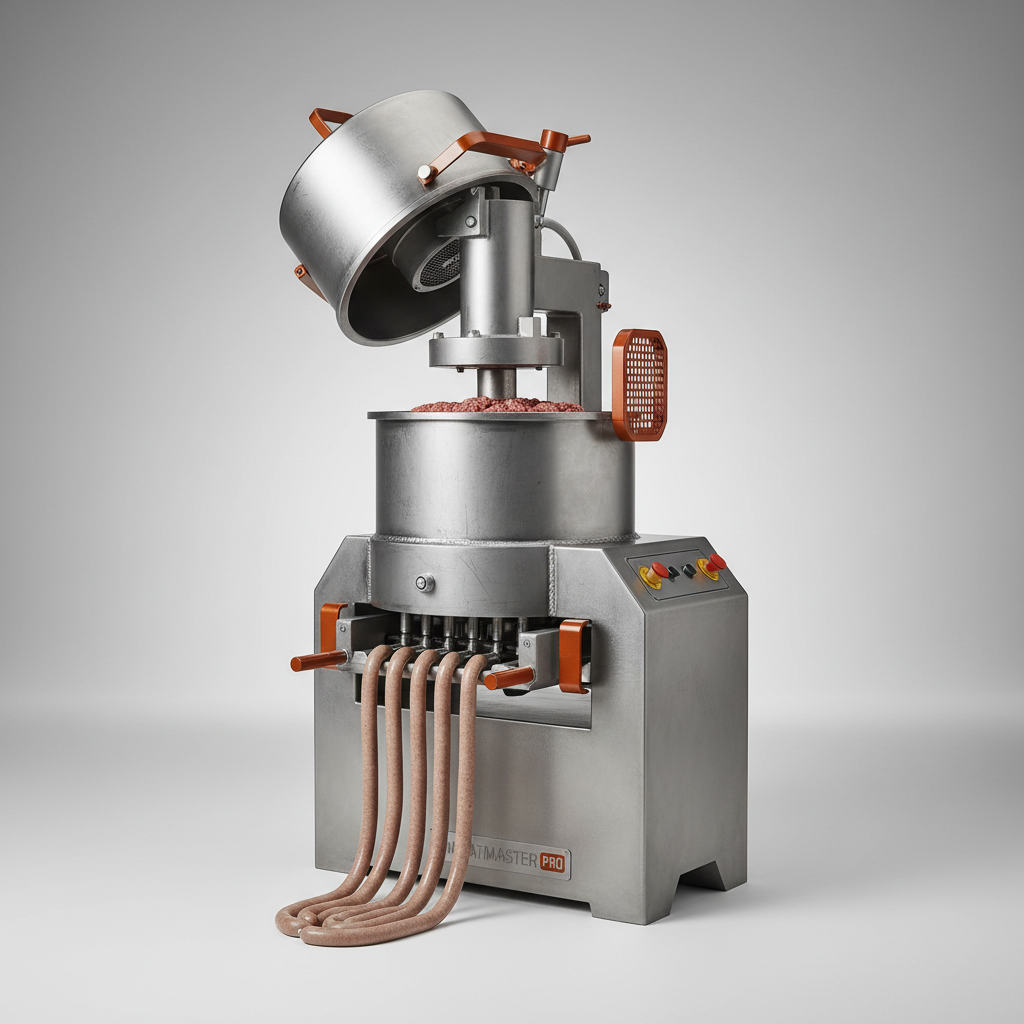
In the modern landscape of meat processing, achieving precision in portioning and coating is paramount for maintaining product quality and operational efficiency. The implementation of a high-performance batter filling machine allows manufacturers to transition from erratic manual pouring to a streamlined, automated process that ensures every single piece of protein is coated with surgical accuracy.
Globally, the demand for ready-to-eat and breaded meat products has surged, placing immense pressure on production lines to increase throughput without compromising the sensory characteristics of the food. Utilizing an advanced batter filling machine solves the critical challenge of waste reduction, as it eliminates the overflow and inconsistent layering common in traditional filling methods.
Understanding the technical nuances of these systems—from volumetric dosing to viscosity management—is essential for any plant manager looking to optimize their meat product filling molding or pretreatment stages. By integrating a professional batter filling machine, businesses can secure a competitive edge through improved hygiene, lower labor costs, and a standardized output that meets stringent international food safety standards.
Global Relevance of Batter Filling Technology
The global meat processing industry is currently undergoing a massive digital transformation, driven by the need to feed an expanding population while adhering to ISO and HACCP safety guidelines. In this context, the batter filling machine has evolved from a simple luxury to a strategic necessity for manufacturers who aim to scale their operations globally.
As consumer preferences shift toward convenience foods, the precision offered by automated filling technology reduces raw material waste by up to 15%, directly impacting the bottom line. This technology is particularly critical in regions with high labor costs, where automation ensures a consistent flow of production regardless of workforce fluctuations.
Defining the Modern Batter Filling Machine
At its core, a batter filling machine is a precision engineering system designed to dispense a specific volume of viscous batter onto meat products or into molds. Unlike standard liquid fillers, these machines are specifically engineered to handle the non-Newtonian fluids found in food coatings, ensuring that air bubbles are minimized and the texture remains homogeneous.
This machinery is an integral part of the "Meat product filling molding" category, bridging the gap between raw preparation and final cooking. By automating the dosing process, the machine ensures that every piece of meat—whether it is a nugget, a patty, or a specialty sausage—receives the exact amount of batter required for a perfect golden-brown finish after frying or baking.
Beyond simple filling, these systems address a fundamental humanitarian and economic need: the reduction of food waste. By eliminating "over-filling" and drip loss, the batter filling machine helps producers maximize their yield per batch, contributing to a more sustainable global food supply chain.
Core Components for Maximum Precision
The effectiveness of a batter filling machine depends heavily on its dosing mechanism. High-end models typically utilize piston-driven or peristaltic pumps to ensure that the thick, often particulate-heavy batter is moved without shearing the ingredients or clogging the delivery lines.
Material durability is another non-negotiable factor. A professional batter filling machine is constructed from food-grade 304 or 316 stainless steel, ensuring that the equipment can withstand rigorous CIP (Clean-in-Place) cycles and the corrosive nature of salt-heavy batters without degrading over time.
Finally, the integration of PLC (Programmable Logic Controller) interfaces allows operators to adjust filling speeds and volumes in real-time. This scalability ensures that the batter filling machine can handle different product lines—from thin tempura coatings to thick breading batters—with a simple change of digital parameters.
Performance Metrics and Operational Efficiency
When evaluating the ROI of a batter filling machine, plant managers look at three primary metrics: dosing accuracy, cycle speed, and downtime for cleaning. The goal is to achieve a "zero-defect" filling process where the deviation in batter weight is less than 1%.
Modern systems have significantly outperformed manual processes by reducing the "human error" variable, leading to a more predictable production schedule. The following data illustrates how different filling methodologies compare in terms of operational effectiveness.
Filling Efficiency Comparison: Batter Filling Machine Methods
Real-World Applications in Meat Processing
In high-volume industrial zones, such as those in the Midwestern US or the industrial hubs of Southeast Asia, the batter filling machine is the backbone of the breaded poultry and pork sectors. By integrating these machines with conveyor systems, factories can process thousands of units per hour with absolute uniformity.
Beyond mass production, these machines are also utilized in boutique organic meat processors who require precise ingredient control to maintain "clean label" certifications. Whether it is filling organic batter for chicken tenders or specialized coatings for plant-based meat alternatives, the versatility of the batter filling machine ensures it meets a wide spectrum of dietary and quality requirements.
Long-term Value and Sustainability
Investing in a high-quality batter filling machine provides value that extends far beyond initial labor savings. From a sustainability perspective, the reduction in batter overflow means less organic waste entering the wastewater system, which lowers the environmental footprint of the processing plant.
Moreover, the reliability of automated filling enhances food safety. By minimizing human contact with the product during the filling stage, the risk of cross-contamination is drastically reduced, protecting the brand's reputation and ensuring consumer trust.
The long-term financial logic is simple: the machine pays for itself through a combination of reduced raw material waste, lower labor overhead, and the ability to increase production capacity without adding floor space. A well-maintained batter filling machine can operate for over a decade, providing a stable foundation for growth.
Future Innovations in Automated Filling
The future of the batter filling machine lies in the integration of AI and IoT (Internet of Things). We are seeing the emergence of "smart fillers" that can detect the viscosity of the batter in real-time and automatically adjust the pump speed to compensate for temperature fluctuations or ingredient variations.
Digital transformation is also introducing predictive maintenance. Sensors within the batter filling machine can now alert technicians before a seal fails or a motor overloads, virtually eliminating unplanned downtime and ensuring that production lines never grind to a halt.
Furthermore, the shift toward green energy is prompting the development of energy-efficient servo motors that reduce power consumption by 30%. As the industry moves toward Carbon Neutrality, these innovations will make the batter filling machine an eco-friendly asset in the modern food factory.
Technical Analysis of Batter Filling Machine Configurations
| Machine Type |
Viscosity Range |
Accuracy Score (1-10) |
Cleaning Ease |
| Semi-Auto Piston |
Medium to High |
7 |
Manual |
| Full-Auto Servo |
All Ranges |
10 |
CIP Integrated |
| Vacuum Filler |
Low to Medium |
8 |
Moderate |
| Peristaltic Pump |
Low to High |
9 |
High (Tube Change) |
| Gravity Flow |
Very Low |
5 |
Easy |
| Hybrid Volumetric |
Medium to High |
9 |
Moderate |
FAQS
The primary advantages are consistency and waste reduction. A professional machine ensures that every product receives the exact same volume of batter, eliminating the "human variable." This prevents under-coating (which ruins texture) and over-coating (which wastes expensive ingredients), leading to a significant increase in overall profit margins.
For thick, high-viscosity batters, a piston-driven or servo-driven filling system is recommended. These systems provide the mechanical force necessary to push heavy batters through the nozzle without clogging. Ensure the machine is rated for the specific "centipoise" (cP) level of your batter to avoid motor strain.
Yes, provided you choose a machine made from 304 or 316 stainless steel with "sanitary design" principles. Many modern machines feature CIP (Clean-in-Place) capabilities, allowing you to flush the system with cleaning agents without fully dismantling the equipment, ensuring compliance with HACCP and FDA standards.
Absolutely. Most industrial filling machines are designed for versatility. By adjusting the PLC settings for volume and speed, and swapping out the nozzle size, a single machine can switch from a thin tempura batter to a thick breading mix in a matter of minutes.
With proper maintenance and regular lubrication of moving parts, a high-quality stainless steel filler can last 10 to 15 years. The key is following the manufacturer's maintenance schedule and ensuring that seals are replaced periodically to prevent leaks and maintain dosing accuracy.
Automation improves texture by ensuring a uniform coating thickness across the entire surface of the meat. This leads to an even cook in the fryer or oven, preventing "bald spots" and creating a consistent crunch and mouthfeel that consumers associate with premium quality brands.
Conclusion
In summary, the integration of a batter filling machine is a transformative step for any meat processing facility aiming for excellence. By combining precision dosing, durable stainless steel construction, and intelligent control systems, these machines solve the age-old problems of material waste and inconsistent product quality, directly enhancing the efficiency of the filling and molding process.
Looking ahead, the adoption of smart, IoT-enabled filling technology will further refine the boundaries of food production, making the industry more sustainable and responsive to consumer needs. We recommend that manufacturers evaluate their current waste percentages and labor costs to identify the ideal configuration of an automated filler that will future-proof their production line. Visit our website for more professional solutions: www.ycmeatmech.com