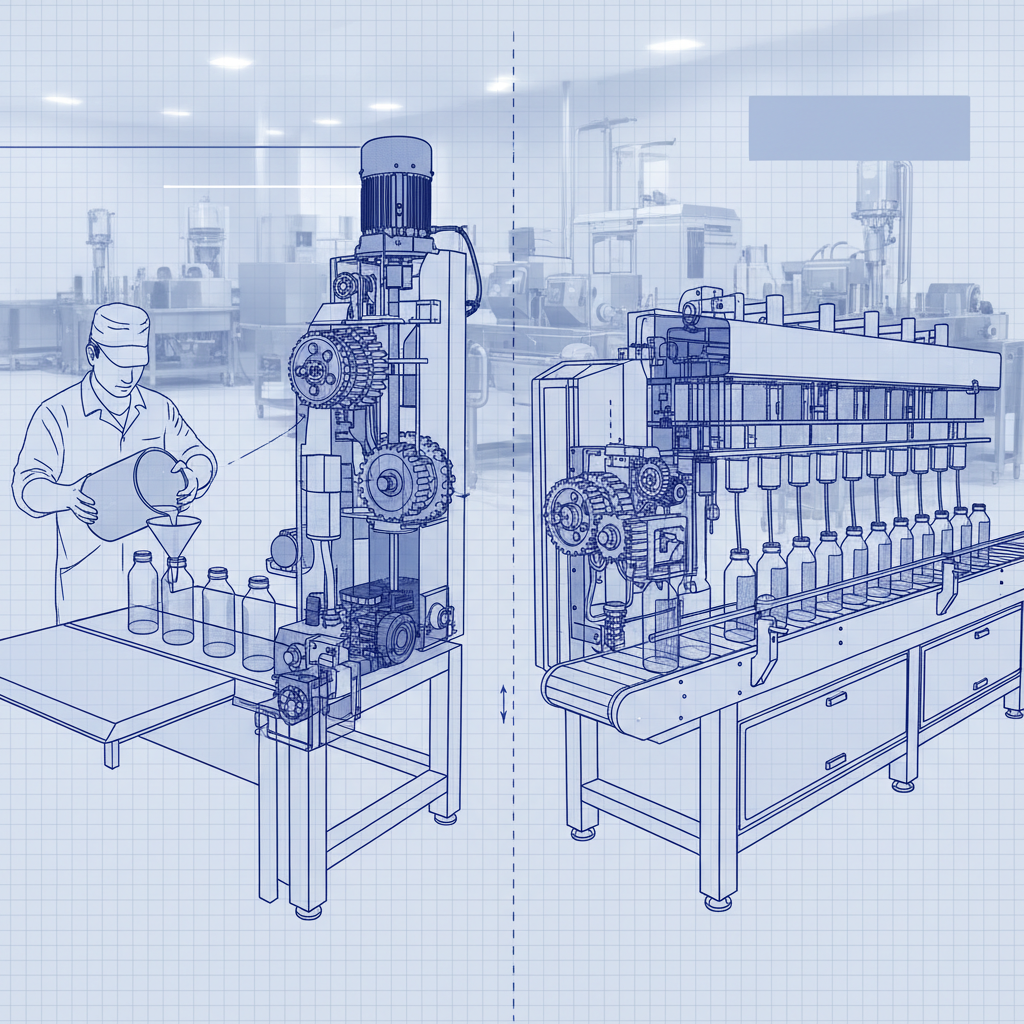
In the modern landscape of food processing, achieving precision and consistency in liquid dosing is paramount for quality control and waste reduction. An automatic syrup filling machine serves as a critical junction in the production line, ensuring that viscous fluids are dispensed with surgical accuracy regardless of the production volume. For manufacturers in the meat and processed food sectors, integrating such automation is no longer a luxury but a necessity to remain competitive in a global market.
The global demand for preserved and marinated meat products has surged, leading to an increased reliance on automated solutions to handle flavoring agents and curing syrups. By implementing an automatic syrup filling machine, enterprises can drastically reduce human error, eliminate the inconsistencies of manual pouring, and maintain a sterile environment that adheres to strict international food safety standards. This transition toward automation allows brands to scale their operations while maintaining the artisanal quality of their flavor profiles.
Understanding the nuances of filling technology—from piston-driven systems to vacuum-based dispensing—is essential for optimizing throughput. Whether you are managing a boutique meat curing facility or a large-scale industrial plant, the right automatic syrup filling machine can optimize your operational costs, enhance worker safety, and ensure that every single unit leaving the factory meets the exact specifications required by the consumer.
Global Relevance of Automatic Syrup Filling Technology
On a global scale, the food machinery industry is undergoing a digital revolution to meet the stringent demands of ISO and HACCP certifications. The adoption of the automatic syrup filling machine has become a benchmark for manufacturers aiming to reduce product giveaway—the costly excess of syrup that occurs during manual filling. With global food waste initiatives gaining momentum, precision dosing is now viewed through the lens of sustainability and resource management.
In emerging markets across Southeast Asia and Latin America, the shift from manual labor to automated syrup dispensing is driving a massive increase in export capability. By ensuring that every jar or vacuum pack contains the exact milliliter of syrup required, producers can guarantee a uniform taste and shelf-life, which is critical for crossing international borders and meeting the diverse regulatory requirements of different trade blocs.
Defining the Automatic Syrup Filling Machine
At its core, an automatic syrup filling machine is a specialized piece of industrial equipment designed to dispense a predetermined volume of high-viscosity liquids—such as sugar syrups, curing brines, or marinades—into containers without human intervention. These machines utilize advanced sensors and actuators to handle the unique rheological properties of syrups, which often cling to surfaces or bubble when poured rapidly.
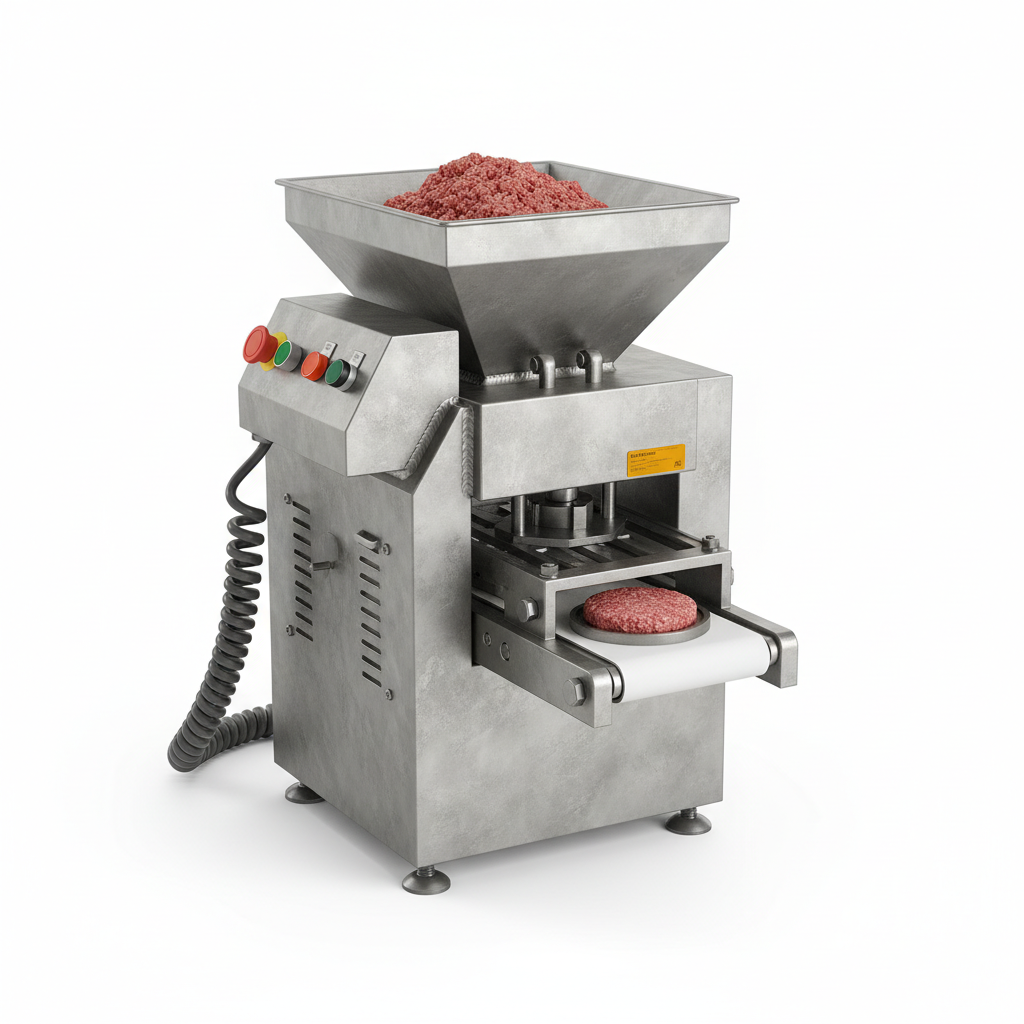
Beyond simple dispensing, these systems are integrated into the broader ecosystem of meat product filling and molding. They bridge the gap between the preparation of the liquid agent and the final packaging stage, ensuring that the "wet" component of the food product is applied consistently. This is particularly vital in the production of glazed meats or preserved delicacies where the syrup acts as both a preservative and a flavor enhancer.
Modern iterations of these machines often incorporate PLC (Programmable Logic Controller) interfaces, allowing operators to switch between different syrup viscosities or container sizes with a few keystrokes. This flexibility makes the automatic syrup filling machine an indispensable tool for multi-product facilities that need to pivot their production lines quickly to meet seasonal market demands.
Core Components for Maximum Precision
The heartbeat of any high-performance automatic syrup filling machine is its dosing mechanism. Whether it uses a volumetric piston or a mass flow meter, the goal is to eliminate the "tailing" effect common with thick syrups. High-grade stainless steel (typically SUS304 or SUS316L) is used throughout the contact parts to prevent corrosion from acidic or salty syrups.
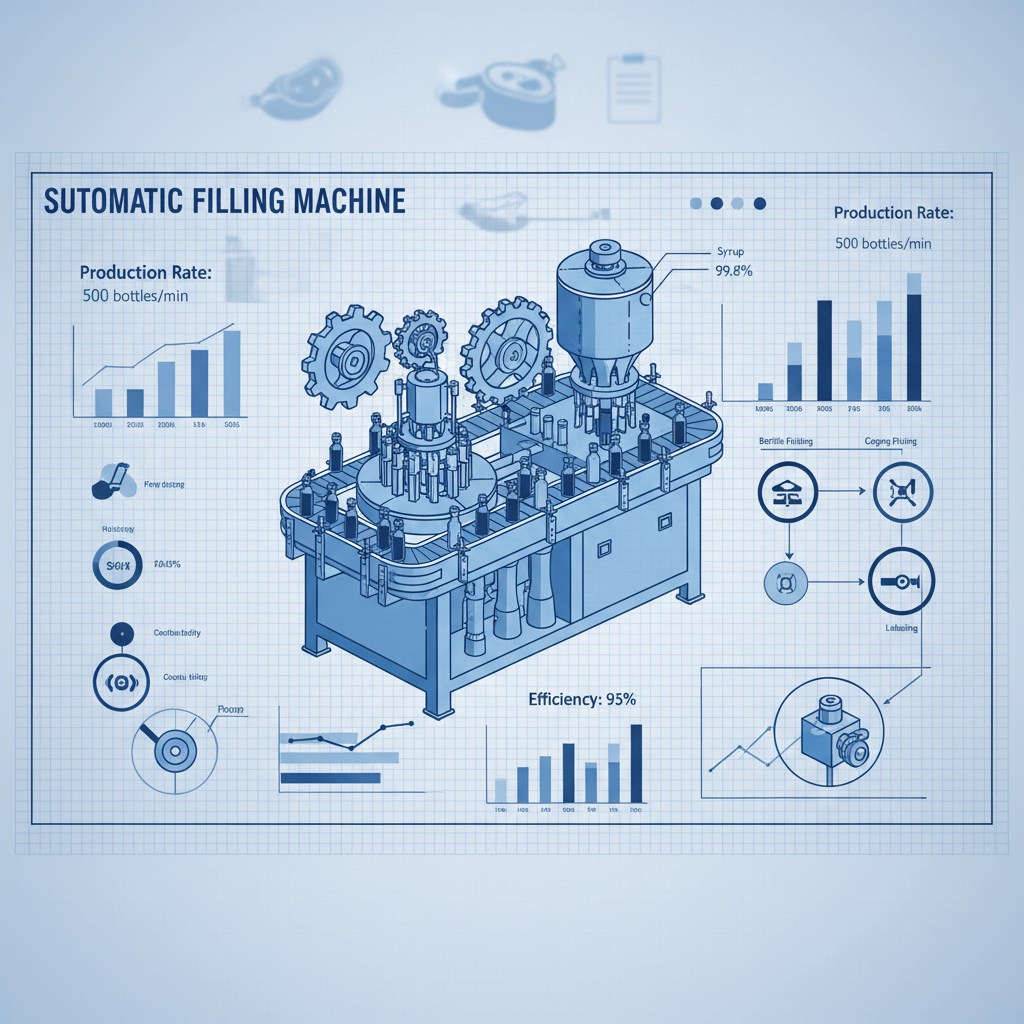
Scalability is achieved through modular nozzle designs. An advanced automatic syrup filling machine can be equipped with multiple filling heads that operate in synchronization, allowing the manufacturer to increase output from 1,000 to 10,000 units per hour without sacrificing the precision of the fill level. This modularity ensures that the equipment grows alongside the business.
Finally, the integration of anti-drip valves is what separates professional-grade machinery from basic fillers. By utilizing pneumatic shut-off valves, the automatic syrup filling machine prevents leakage between cycles, ensuring that the exterior of the packaging remains clean. This not only improves the aesthetic appeal of the product but also reduces the need for secondary cleaning stations on the assembly line.
Practical Applications Across Food Sectors
The versatility of the automatic syrup filling machine extends far beyond simple confectionery. In the meat processing industry, it is frequently used for the precise application of curing syrups in the ripening process for meat products. For instance, in the production of premium hams or marinated ribs, the machine ensures that each package contains the exact amount of marinade to ensure deep penetration and consistent flavor.
Furthermore, these machines are vital in the production of "ready-to-eat" meat meals where a sauce or syrup must be added after the meat has been pre-cooked and placed in a tray. By automating this step, companies can maintain a high hygienic barrier, reducing the risk of cross-contamination that often occurs during manual topping processes in industrial kitchens.
Efficiency Comparison of Syrup Filling Methods
Long-Term Economic and Safety Value
Investing in an automatic syrup filling machine provides a rapid return on investment (ROI) through the drastic reduction of raw material waste. In high-volume production, a deviation of even 2ml per bottle can result in thousands of liters of wasted syrup over a year. Automation eliminates this variance, directly padding the bottom line of the manufacturer.
Beyond the financials, there is a significant human element. Manual filling of hot or sticky syrups often exposes workers to repetitive strain injuries and potential burns. By shifting these tasks to an automatic system, companies enhance the dignity and safety of their workforce, allowing employees to move from tedious labor to higher-value roles such as quality assurance and system monitoring.
Future Trends in Intelligent Filling Systems
The future of the automatic syrup filling machine is inextricably linked to the Industrial Internet of Things (IIoT). We are seeing a shift toward "smart filling," where machines can communicate in real-time with the packaging line. If a bottle is missing or tilted, the machine automatically skips the fill cycle to prevent spills, reducing downtime and cleaning requirements.
Sustainability is also driving innovation in material science. New non-stick coatings for nozzles and pumps are being developed to reduce the amount of chemical detergents needed for Clean-in-Place (CIP) cycles. This makes the automatic syrup filling machine more eco-friendly by lowering water consumption and chemical runoff.
Furthermore, AI-driven predictive maintenance is becoming a standard. Sensors can now detect a slight decrease in pump pressure or an increase in motor vibration, alerting the maintenance team before a failure occurs. This transition from reactive to proactive maintenance ensures that the automatic syrup filling machine maintains peak efficiency 24/7.
Overcoming Common Industrial Challenges
One of the primary challenges in syrup filling is aeration—the formation of bubbles that can lead to inaccurate volume measurements. To combat this, modern automatic syrup filling machine designs incorporate vacuum degassing or bottom-up filling techniques. By filling the container from the bottom, the syrup rises smoothly, preventing the turbulence that causes foaming.
Another common hurdle is the changeover time between different product viscosities. Traditional machines required hours of manual cleaning and recalibration. However, the new generation of fillers utilizes "Quick-Change" parts and digital presets, allowing operators to switch from a thin honey-like syrup to a thick fruit concentrate in under fifteen minutes.
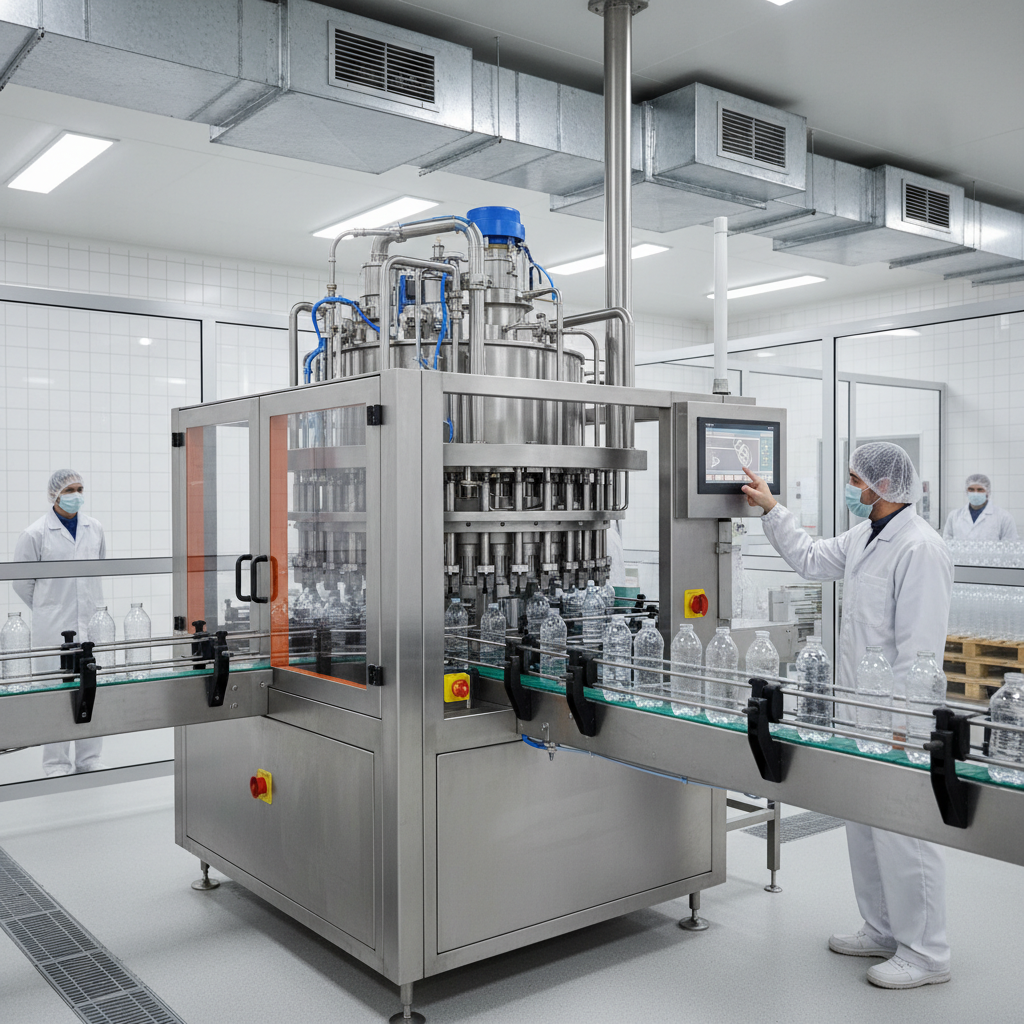
Lastly, maintaining hygiene in a sticky environment is a constant struggle. The solution lies in the adoption of fully enclosed housings and IP65-rated electrical components, which allow the automatic syrup filling machine to be washed down completely without risking electrical failure, ensuring the highest standards of food safety are met.
Comparative Analysis of Automatic Syrup Filling Machine Technical Configurations
| Filling Mechanism |
Viscosity Range |
Accuracy Rate |
Maintenance Level |
| Volumetric Piston |
Medium to High |
± 0.5% |
Moderate |
| Peristaltic Pump |
Low to Medium |
± 1.0% |
Low (Tubing replace) |
| Mass Flow Meter |
Low to High |
± 0.1% |
High (Calibration) |
| Vacuum Filling |
High Viscosity |
± 0.8% |
Moderate |
| Gravity Flow |
Very Low |
± 2.0% |
Very Low |
| Gear Pump |
High Viscosity |
± 0.4% |
Moderate |
FAQS
High-viscosity liquids are typically handled using piston-driven or gear pump systems. These mechanisms provide the necessary force to push thick syrups through the nozzles. Additionally, many machines include heating jackets to slightly lower the viscosity of the syrup, ensuring a smooth, consistent flow without clogging the system.
Yes, most automatic syrup filling machines are designed with modular interfaces. They can be linked to conveyor belts and capping machines via PLC signals. Whether you are adding it to a pretreatment stage or a final packaging line, the machine can be synchronized to match the speed of your current throughput.
Professional-grade systems generally offer an accuracy rate between ±0.1% and ±1.0%, depending on the technology used. Mass flow meters provide the highest precision, while volumetric pistons are the industry standard for most syrup applications, offering a balance of speed and reliable accuracy.
Hygiene is maintained through the use of food-grade stainless steel and the implementation of Clean-in-Place (CIP) systems. CIP allows the machine to be cleaned internally with circulating detergents and hot water without dismantling the entire unit, ensuring that no residue remains to contaminate the next batch.
Absolutely. Many manufacturers offer semi-automatic or small-scale automatic versions. These allow artisanal producers to maintain the "handmade" quality of their product while benefiting from the consistency and time-saving advantages of automated dosing.
Advanced machines use sensors to detect changes in flow rate and automatically adjust the pump speed to maintain the correct volume. Some high-end models also include integrated temperature controllers that keep the syrup at a constant heat, neutralizing the effect of ambient temperature changes.
Conclusion
The integration of an automatic syrup filling machine represents a pivotal shift from traditional, error-prone methods to a streamlined, industrial standard. By focusing on precision, hygiene, and scalability, these machines not only reduce material waste and labor costs but also ensure a consistent consumer experience through perfect dosing every time. From the technical superiority of stainless steel components to the intelligence of PLC controls, every aspect of the system is engineered to enhance productivity.
Looking forward, the synergy between automation and sustainability will continue to redefine the food machinery sector. For producers in the meat and processed food industry, adopting these technologies is the surest path toward operational excellence and global competitiveness. We encourage you to evaluate your current filling bottlenecks and transition toward a smarter, more automated future. Visit our website for more information: www.ycmeatmech.com