Vacuum stuffer automatic twisting represents a crucial advancement in meat processing technology, offering significant improvements in efficiency, hygiene, and product quality. This process, increasingly vital across the global food industry, addresses the escalating demand for safely and consistently prepared meat products. Understanding its nuances is paramount for businesses striving to optimize their operations and meet stringent food safety regulations. It’s a core component of modern meat processing, impacting everything from small butcheries to large-scale industrial facilities.
The relevance of vacuum stuffer automatic twisting extends far beyond commercial kitchens. It plays a critical role in ensuring food security and reducing waste, particularly in regions facing logistical challenges. According to the UN’s Food and Agriculture Organization, reducing food loss and waste is essential for achieving sustainable development goals. This technology contributes directly to that effort by extending the shelf life of meat products and minimizing spoilage. The ISO 22000 food safety management systems often rely on effective processes like this for certification.
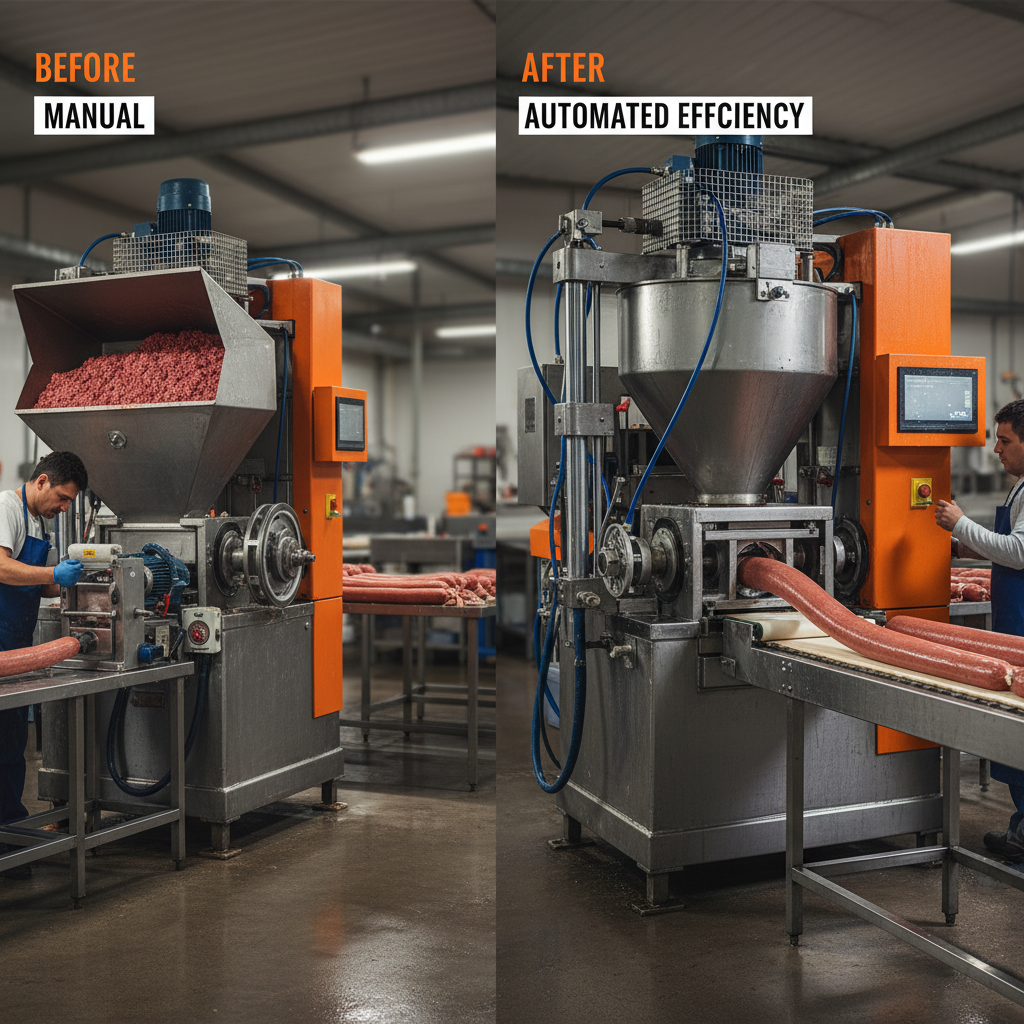
The industry faces a constant need for automation to overcome labor shortages and maintain consistency. This demand, coupled with increasing consumer expectations for high-quality, safe food, drives the adoption of innovative solutions like vacuum stuffer automatic twisting. It directly addresses the challenge of maintaining product integrity during the stuffing process, reducing the risk of contamination and ensuring a consistently high-quality end product.
Introduction to Vacuum Stuffer Automatic Twisting
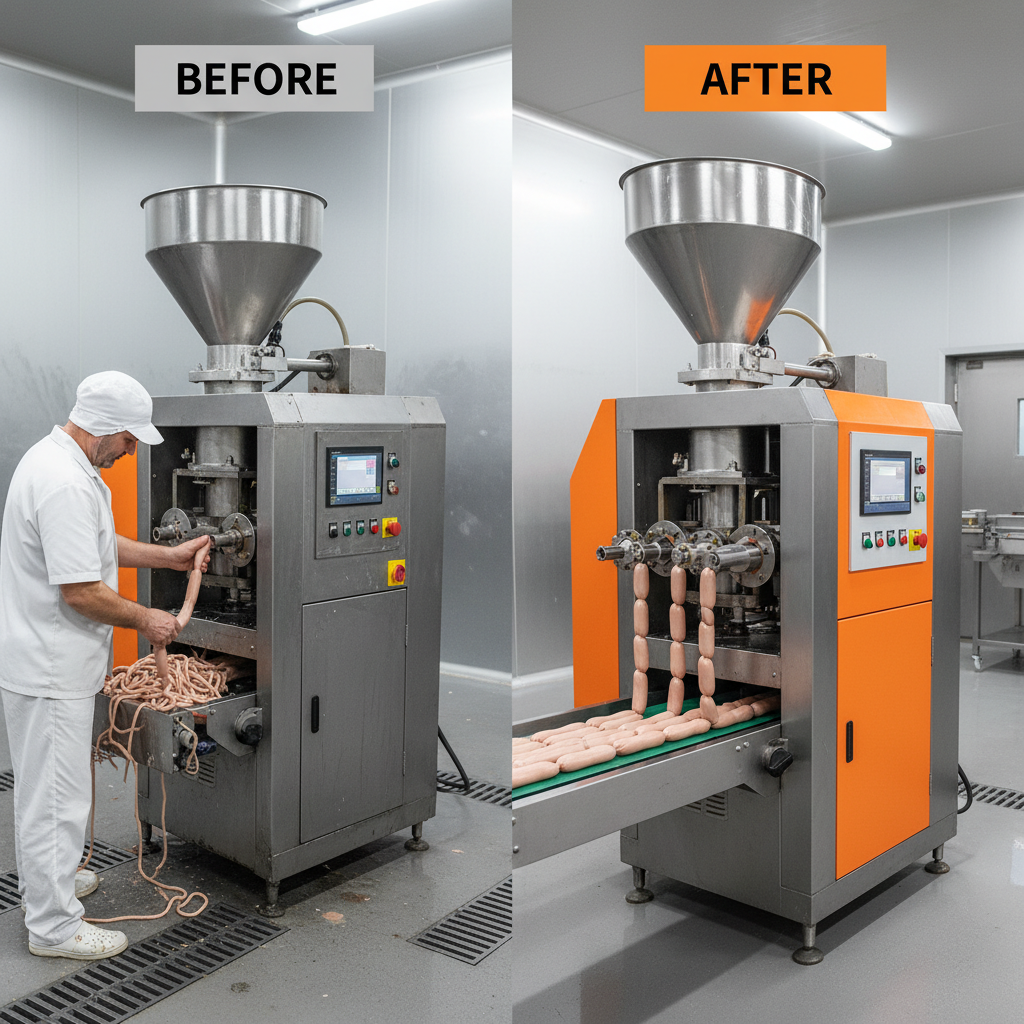
The integration of automatic twisting mechanisms into vacuum stuffers has revolutionized the production of sausages and other encased meat products. This advancement moves beyond simply filling casings; it ensures consistent product density, optimal presentation, and reduced labor costs. Vacuum stuffer automatic twisting is now a cornerstone of efficient meat processing operations globally.
This technology isn’t just about speed; it’s about precision and quality control. By automating the twisting process, manufacturers can minimize variations in link size and tightness, leading to a more uniform and aesthetically pleasing final product. This consistency is crucial for maintaining brand reputation and meeting consumer expectations.
Defining Vacuum Stuffer Automatic Twisting
Vacuum stuffer automatic twisting is a process that combines vacuum filling technology with automated casing twisting mechanisms. It involves drawing meat emulsions into a casing under vacuum, which eliminates air pockets and ensures a dense, tightly packed product. The "automatic twisting" component then precisely portions and twists the filled casing to create individual links, often at adjustable speeds and lengths.
The core principle behind this technology is to create a consistent and hygienic product while maximizing throughput. Vacuum filling prevents oxidation and bacterial growth, extending shelf life, while automatic twisting reduces the risk of contamination from manual handling and ensures consistent portion sizes. The process directly addresses the needs of modern food production, where efficiency and safety are paramount.
This method is directly connected to addressing global food demands by increasing processing capacity and reducing waste. It is particularly relevant in emerging economies where access to reliable food sources is critical. Automated systems, like vacuum stuffer automatic twisting, enable increased output with fewer resources, making them indispensable for meeting growing populations’ needs.
Core Components of the Process
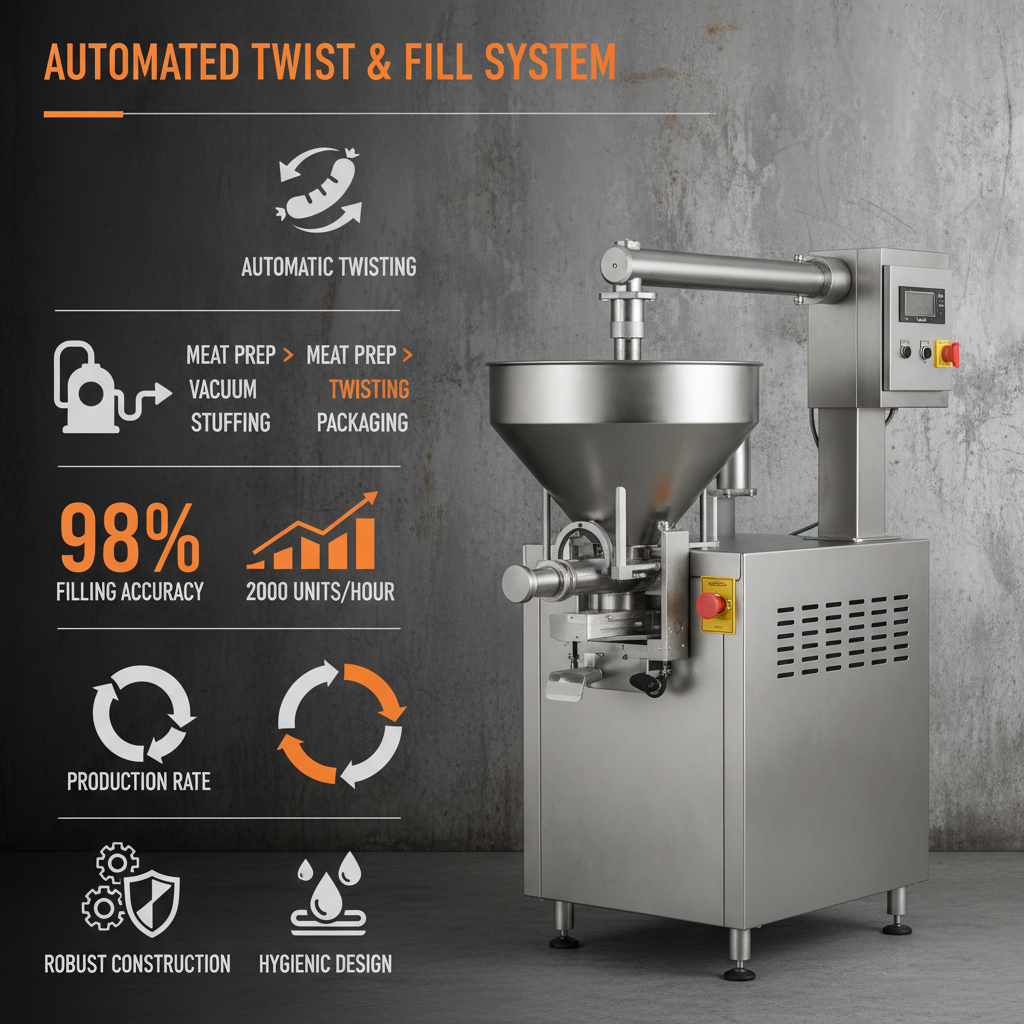
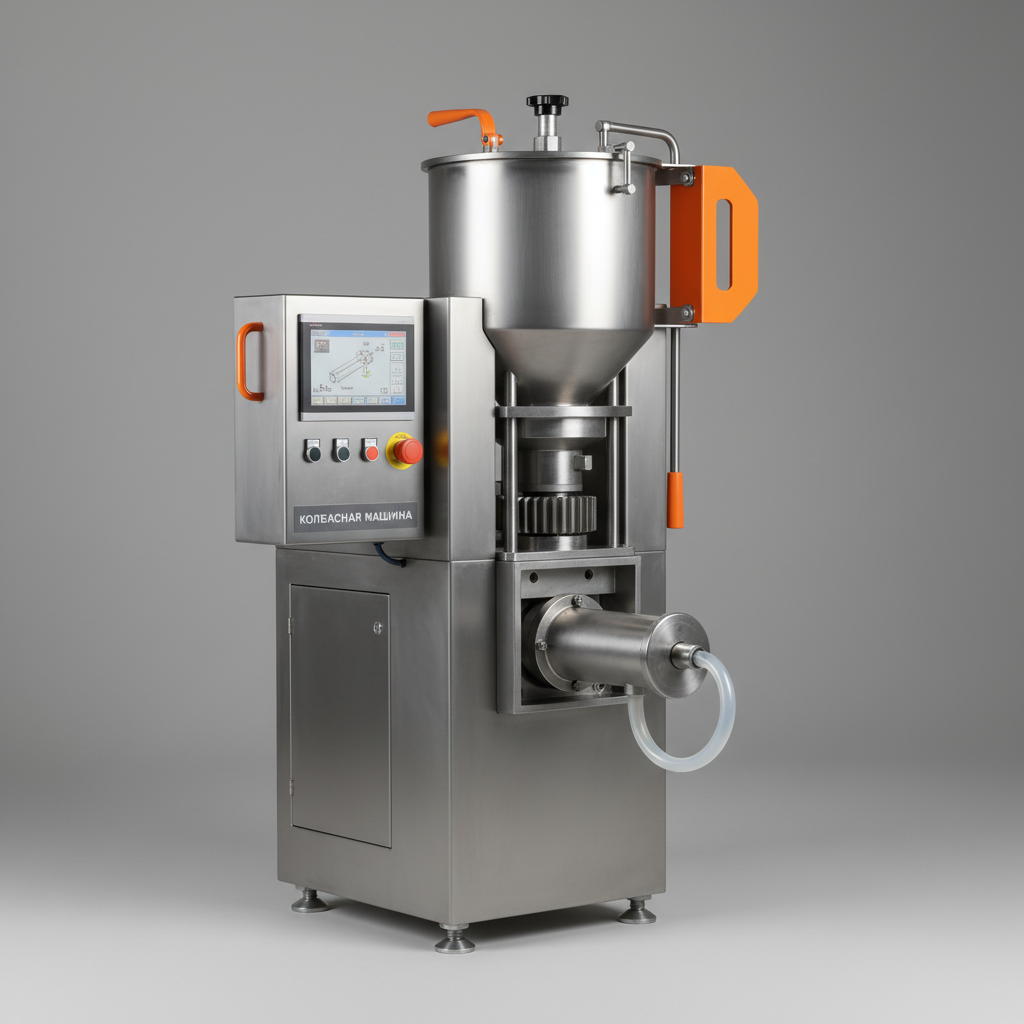
Several core components work in harmony to achieve efficient vacuum stuffer automatic twisting. These include the vacuum pump, which creates the necessary pressure differential to fill the casing; the hopper, which holds the meat emulsion; the stuffing cylinder, where the emulsion is processed; the casing feed system, which guides the casing through the machine; and, crucially, the automatic twisting mechanism itself, usually comprised of rotating mandrels and precise timing controls.
The control system is also a vital component, often utilizing programmable logic controllers (PLCs) to regulate the entire process. This allows for precise adjustments to filling speed, twisting length, and overall operation. Modern systems often incorporate touchscreen interfaces for ease of use and real-time monitoring of key parameters.
The quality of the casing itself plays a significant role. The automatic twisting mechanism must be compatible with various casing types, including natural, collagen, and synthetic casings, and be able to handle different casing diameters. A robust and well-maintained system is fundamental to ensuring the consistent quality of the final product.
Key Factors Influencing Performance
Several factors significantly impact the performance of vacuum stuffer automatic twisting systems. Casing quality is paramount; inconsistent casing thickness or elasticity can lead to tearing or uneven twisting. Meat emulsion viscosity also plays a role; emulsions that are too thick or too thin can cause issues with filling and twisting.
Machine calibration and maintenance are critical. Regular cleaning and inspection of the vacuum pump, stuffing cylinder, and twisting mechanism are essential to prevent malfunctions and ensure consistent operation. Proper calibration of the twisting length and speed settings is also necessary to achieve the desired product characteristics.
Vacuum Stuffer Automatic Twisting Performance Metrics
Global Applications and Use Cases
Vacuum stuffer automatic twisting finds applications across a diverse range of industries and regions. In Europe and North America, it is a standard in large-scale sausage and processed meat production facilities. In Asia, particularly in countries with growing meat consumption like China and India, demand for automated meat processing solutions is rapidly increasing.
These systems are widely used in the production of various meat products, including frankfurters, bratwursts, salami, and other sausages. They are also employed in the manufacture of pâtés, terrines, and other stuffed meat items. In post-disaster relief operations, the ability to efficiently produce and preserve meat products is invaluable, making portable vacuum stuffing systems a crucial component of emergency food supplies.
Advantages and Long-Term Value
The advantages of implementing vacuum stuffer automatic twisting extend far beyond simple cost savings. Increased production speed and reduced labor requirements translate directly to improved profitability. Consistent product quality enhances brand reputation and customer loyalty. Improved hygiene minimizes the risk of contamination and ensures food safety.
From a sustainability perspective, reduced waste and extended shelf life contribute to a more environmentally responsible operation. The long-term value is also tied to innovation and adaptability; investing in modern, automated systems allows businesses to stay ahead of the curve and respond quickly to changing market demands.
Future Trends and Innovations
The future of vacuum stuffer automatic twisting is likely to be shaped by several key trends. Integration with artificial intelligence (AI) and machine learning (ML) will enable predictive maintenance, optimized process control, and real-time quality monitoring. The development of more versatile and adaptable twisting mechanisms will allow for the production of a wider variety of products.
Sustainable materials and energy-efficient designs will become increasingly important as manufacturers strive to reduce their environmental footprint. Digital transformation, through the implementation of Industrial Internet of Things (IIoT) technologies, will facilitate seamless data exchange and remote monitoring of operations, further optimizing efficiency and productivity.
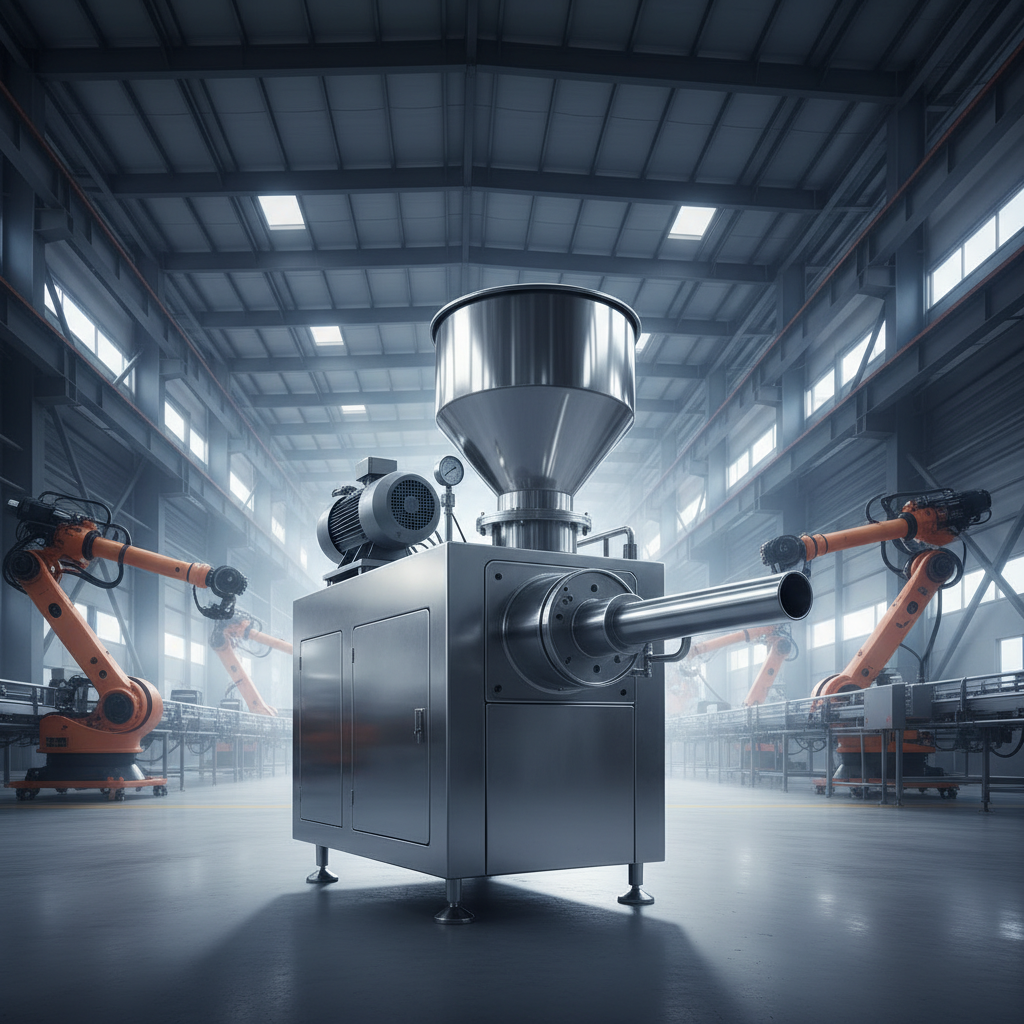
The use of robotics in conjunction with vacuum stuffing and twisting systems is also a rapidly developing area. This allows for fully automated production lines, minimizing human intervention and maximizing efficiency. The advancements will likely lead to even more customized and efficient processes within the meat processing industry.
FAQS
Regular maintenance is critical for optimal performance. This includes daily cleaning of the stuffing cylinder and casing feed system, weekly lubrication of moving parts, and annual inspection and servicing of the vacuum pump. Proper maintenance prevents breakdowns, extends the lifespan of the machine, and ensures consistent product quality. Adhering to the manufacturer’s recommended maintenance schedule is vital.
Vacuum stuffing removes air from the casing, significantly reducing oxidation and inhibiting the growth of aerobic bacteria. This extends the shelf life of meat products by several weeks, depending on the specific product and storage conditions. The vacuum also helps to preserve the natural color and flavor of the meat, enhancing its overall quality. This reduces food waste and allows for broader distribution.
Most automatic twisting systems are designed to handle a wide range of casings, including natural casings (hog, sheep, beef), collagen casings, cellulose casings, and synthetic casings. However, it’s essential to verify compatibility with the machine manufacturer. Different casing types require specific adjustments to the twisting mechanism to ensure proper sealing and presentation.
Essential safety features include emergency stop buttons, safety interlocks that prevent operation when guards are removed, and overload protection for the motor and vacuum pump. Look for machines that comply with relevant safety standards, such as CE or UL certification. Proper training for operators is also crucial to ensure safe and efficient operation.
Casing tears are often caused by incorrect twisting pressure, improper casing feed speed, or damaged twisting mandrels. Check the twisting pressure settings and adjust as needed. Ensure the casing is properly threaded through the system and that the feed speed is synchronized with the twisting mechanism. Inspect the mandrels for any burrs or damage. Regularly checking the casing quality is also crucial.
The ROI varies depending on production volume, labor costs, and existing infrastructure. However, many businesses experience a significant ROI within 1-3 years due to reduced labor costs, increased production capacity, minimized product waste, and improved product quality. A thorough cost-benefit analysis should be conducted to assess the specific ROI for your operation. The vacuum stuffer automatic twisting systems are designed to provide a quick ROI.
Conclusion
Vacuum stuffer automatic twisting represents a pivotal technology in modern meat processing. By seamlessly integrating vacuum filling with automated twisting mechanisms, it delivers unparalleled efficiency, hygiene, and product consistency. From enhancing food safety and extending shelf life to minimizing labor costs and reducing waste, the benefits are substantial and far-reaching. This technology isn't merely a process improvement; it's a strategic investment in the future of food production.
Looking ahead, the continued integration of AI, IoT, and robotics will further revolutionize this field, unlocking even greater levels of automation and optimization. Adopting these advancements will be critical for businesses seeking to remain competitive in a rapidly evolving market. For those looking to explore advanced solutions, we invite you to visit our website: www.ycmeatmech.com.