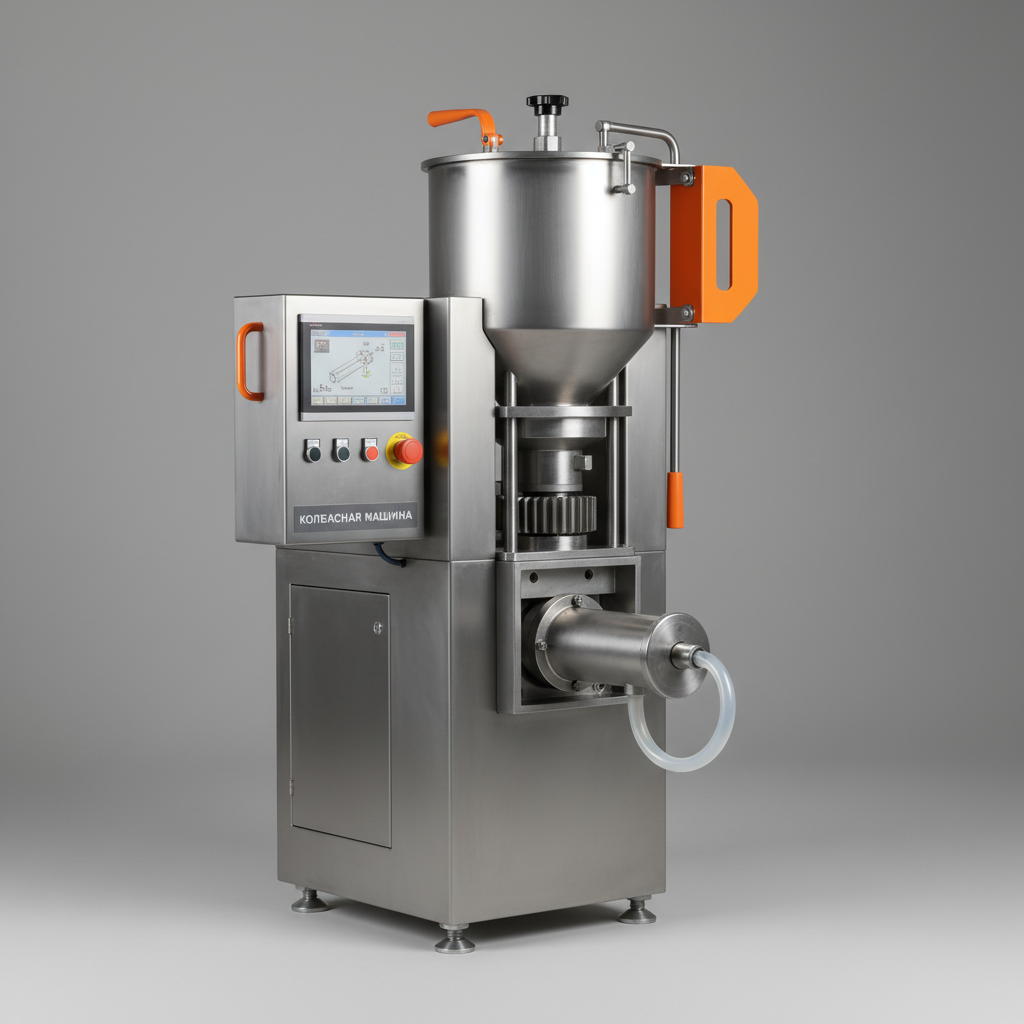
The modern industrial landscape demands efficiency, precision, and reliability in packaging and processing. At the heart of this lies the filling machine, a crucial piece of equipment across a vast spectrum of industries. From food and beverage to pharmaceuticals and chemicals, the ability to accurately and consistently fill containers is paramount to product quality, regulatory compliance, and ultimately, business success. Understanding the nuances of filling machine technology is therefore essential for anyone involved in manufacturing, supply chain management, or product development.
Globally, the demand for automated filling solutions is surging, driven by factors like increasing consumerism, stringent hygiene standards, and a need to reduce labor costs. The United Nations estimates that global manufacturing output will continue to grow, necessitating advanced equipment like filling machines to keep pace. ISO standards further reinforce the need for precise filling and sealing to ensure product integrity. This trend is especially pronounced in developing economies where rapid industrialization is underway.
A significant challenge within this growth is ensuring accessibility and affordability of high-quality filling solutions, particularly for small and medium-sized enterprises (SMEs). Meeting diverse packaging needs and adapting to new materials requires constant innovation in filling machine design and functionality. The future of the industry relies on overcoming these hurdles to provide efficient, adaptable, and cost-effective filling solutions worldwide.
The Core Principles of filling machine
The fundamental principle behind any filling machine is the accurate and consistent transfer of a liquid, semi-liquid, solid particulate, or powder into a pre-formed container. This process relies on a combination of mechanical, pneumatic, or electronic systems carefully calibrated to deliver the desired volume. Successful filling requires control over factors like fluid viscosity, container size, and speed of operation.
The efficiency of a filling machine directly impacts production throughput and overall cost-effectiveness. Modern machines are designed not only for speed but also for precision, minimizing product waste and ensuring adherence to strict quality control standards. Selecting the right filling principle – volumetric, gravimetric, or level filling – is crucial to match the specific characteristics of the product being filled.
Defining the filling machine
A filling machine is an automated or semi-automated device used to dispense a specific quantity of a product into a container. These machines range from simple manual setups to highly sophisticated robotic systems capable of handling diverse container types and fill volumes. They are categorized based on the filling principle employed – such as volumetric filling (measuring by volume), gravimetric filling (measuring by weight), and net weight filling (measuring the final weight of the filled container).
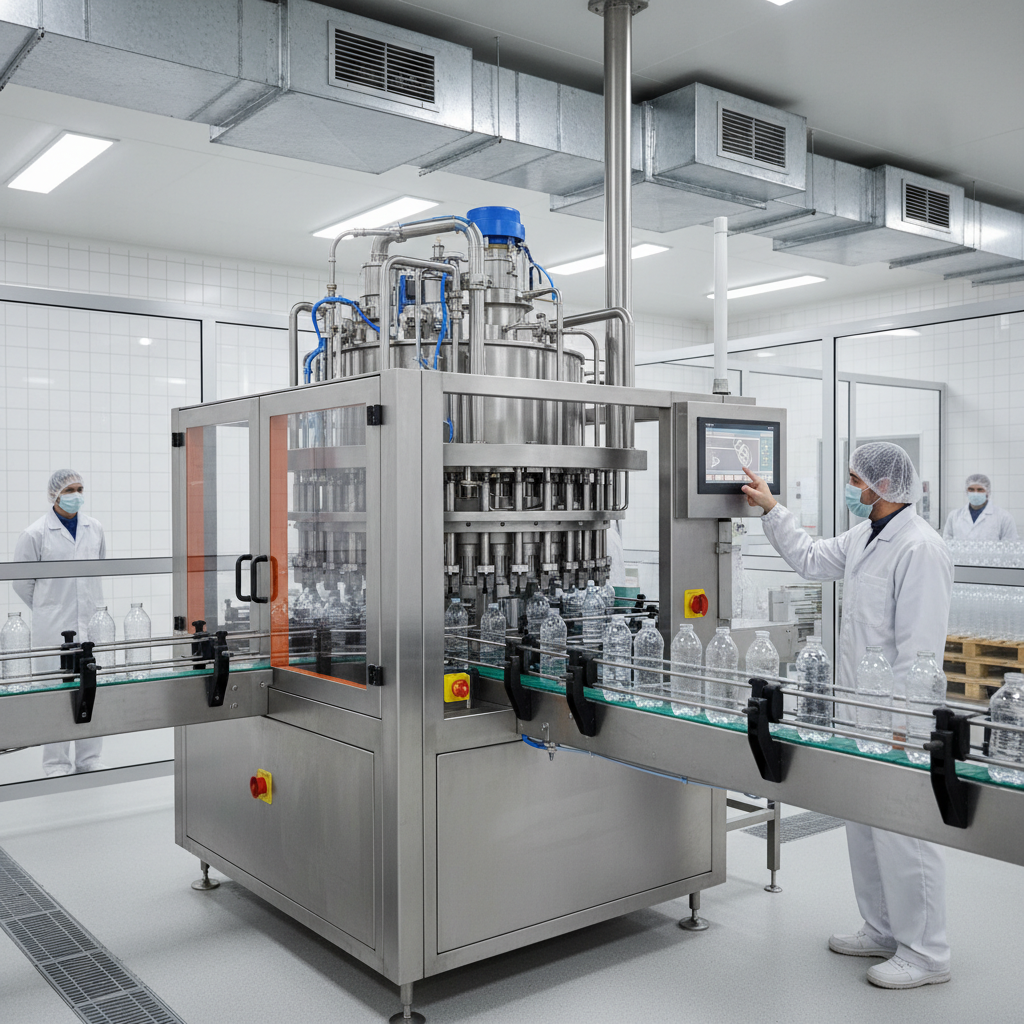
The application of filling machines extends far beyond simple packaging. In the pharmaceutical industry, accurate filling is critical for precise dosage; in the food and beverage sector, it ensures consistent product weight and appearance. Modern filling machines often integrate with other systems like capping machines, labeling machines, and conveyors to create a fully automated packaging line.
The connection to modern industry isn’t merely about automation; it’s about ensuring product safety, minimizing waste, and maximizing efficiency. In a world increasingly focused on sustainability, precise filling reduces the amount of product lost during processing and packaging, contributing to a more responsible supply chain.
Key Aspects of filling machine Performance
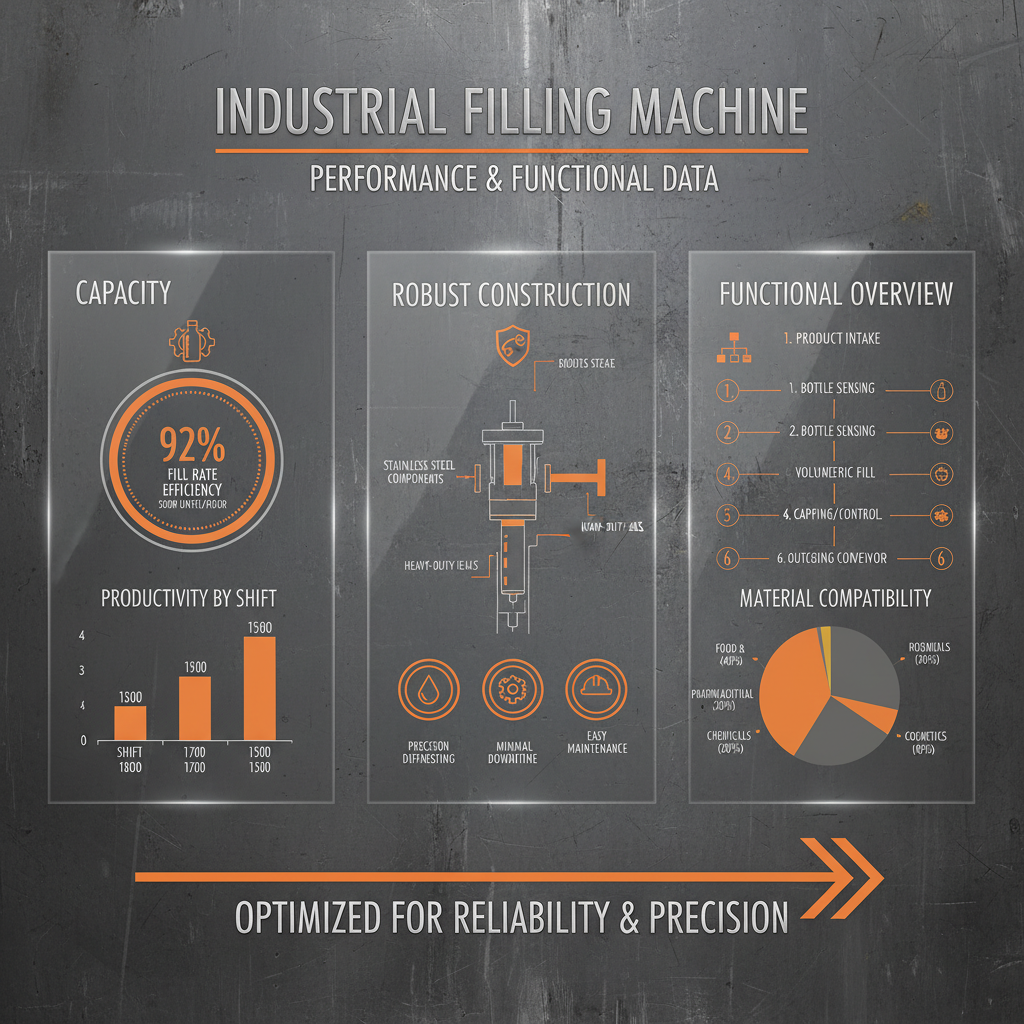
Durability is a cornerstone of effective filling machine operation. These machines often operate continuously in demanding environments, and their components must withstand wear and tear. High-quality materials and robust construction are essential for minimizing downtime and extending the machine's lifespan.
Scalability is another critical factor. Businesses need filling machines that can adapt to changing production demands. Modular designs and adjustable settings allow operators to easily modify the machine's capacity and functionality, avoiding the need for costly replacements as production volume fluctuates.
Cost-efficiency goes beyond the initial purchase price. Maintenance requirements, energy consumption, and operator training all contribute to the total cost of ownership. Selecting a machine with readily available parts, low energy usage, and a user-friendly interface can significantly reduce long-term expenses. Accuracy also adds to the cost efficiency by minimising product wastage.
Global Applications and Impact of filling machine
The applications of a filling machine are incredibly diverse. In the food and beverage industry, they fill everything from bottles of water and cans of soda to jars of jam and pouches of sauce. Pharmaceutical companies rely on these machines for filling vials, syringes, and ampoules with precise dosages of medication. Chemical manufacturers utilize filling machines to safely and accurately dispense hazardous materials into containers.
Regionally, the demand for filling machines is highest in Asia-Pacific, driven by rapid economic growth and expanding consumer markets. Europe and North America represent mature markets with a focus on high-precision, automated solutions. In post-disaster relief operations, portable filling machines can be used to quickly package and distribute essential supplies like water and food.
Organizations like the World Food Programme leverage filling machine technology to ensure the efficient packaging and delivery of food aid to vulnerable populations. In remote industrial zones, filling machines enable local production and reduce reliance on imported goods, fostering economic development and self-sufficiency.
filling machine Performance Metrics
Advantages and Long-Term Value of a filling machine
The tangible benefits of investing in a filling machine are numerous. Reduced labor costs, increased production speed, and minimized product waste all contribute to improved profitability. Sustainability is enhanced through precise filling, minimizing spillage and reducing the environmental impact of packaging.
From a broader perspective, filling machines enhance product safety and quality. Accurate and consistent filling minimizes the risk of contamination and ensures that consumers receive the promised quantity of product. This builds trust and strengthens brand reputation. The automation inherent in these machines also reduces the risk of human error, ensuring a more reliable and consistent output.
Future Trends in filling machine Technology
The future of filling machine technology is centered around automation, digitalization, and sustainability. We're seeing a rise in the use of robotic filling systems that can handle complex tasks and adapt to changing product requirements. Integration with data analytics and machine learning will allow for predictive maintenance, optimized performance, and real-time quality control.
Another key trend is the development of filling machines that can handle a wider range of packaging materials, including biodegradable and compostable options. This aligns with the growing demand for eco-friendly packaging solutions. The adoption of Industry 4.0 principles will further enhance the connectivity and efficiency of filling machines within the broader manufacturing ecosystem.
Challenges and Innovative Solutions in filling machine Deployment
Despite advancements, challenges remain in filling machine deployment. Maintaining hygiene in food and pharmaceutical applications requires rigorous cleaning and sterilization procedures. Adapting to diverse container shapes and sizes can be complex and time-consuming. Integrating older machines with modern automation systems presents compatibility issues.
Innovative solutions are emerging to address these challenges. Clean-in-place (CIP) systems automate the cleaning process, reducing downtime and ensuring consistent hygiene. Quick-change tooling allows for rapid adaptation to different container types. Retrofit kits enable older machines to be upgraded with modern sensors and controls.
Developing more robust and versatile filling heads is also a key area of innovation. These advancements will enable filling machines to handle a wider range of products and containers with greater efficiency and precision, ultimately maximizing return on investment.
Summary of Common Filling Machine Challenges and Solutions
| Challenge |
Industry Impact |
Solution |
Implementation Cost (1-10) |
| Maintaining Hygiene |
Food & Pharma |
CIP Systems |
7 |
| Container Adaptability |
Beverage, Chemicals |
Quick-Change Tooling |
6 |
| Integration with Legacy Systems |
All Industries |
Retrofit Kits |
5 |
| Handling Viscous Products |
Food, Cosmetics |
Specialized Filling Heads |
8 |
| Minimizing Product Waste |
All Industries |
Gravimetric Filling |
9 |
| Ensuring Accurate Fill Levels |
Pharmaceuticals, Chemicals |
Real-time Monitoring Systems |
7 |
FAQS
There are several main types: volumetric fillers (measure by volume), gravimetric fillers (measure by weight), net weight fillers (measure final weight), and level fillers (fill to a specific height). The best choice depends on the product's viscosity, accuracy requirements, and container type. Understanding these differences is crucial when selecting a filling machine to ensure optimal performance and efficiency in your production process.
Determining the right filling speed involves considering the product’s viscosity, foam formation, and potential for splashing. Faster speeds may be suitable for low-viscosity liquids, while slower speeds are necessary for thicker products or those prone to foaming. Running tests with varying speeds and observing the results is vital. Properly calibrating the filling machine for optimal speed ensures accuracy, minimizes waste, and maintains product quality.
Regular maintenance is essential for a long machine lifespan. This includes daily cleaning, lubrication of moving parts, and periodic inspection of seals, valves, and sensors. Following the manufacturer's recommendations for preventative maintenance schedules will minimize downtime and prevent costly repairs. Investing in scheduled service can significantly extend the operational life of your filling machine.
Accurate fill levels are achieved through regular calibration of the filling mechanism. This involves verifying the volume or weight dispensed against a known standard. Additionally, ensuring consistent container placement and maintaining proper product temperature are crucial factors. Implementing a quality control process with regular weight checks also helps maintain accuracy and identify any potential issues with the filling machine.
Safety is paramount when operating a filling machine. Operators should wear appropriate personal protective equipment (PPE), such as safety glasses and gloves. Emergency stop buttons should be easily accessible, and operators should be trained on proper shutdown procedures. Regular inspections for leaks or malfunctions are also vital. Following all safety guidelines will protect personnel and prevent accidents when using a filling machine.
Selecting a filling machine for a new product requires careful consideration of the product’s characteristics – viscosity, abrasiveness, temperature sensitivity, and foaming potential. Container type, fill volume, production speed requirements, and budget constraints also need assessment. Consulting with a filling machine specialist can help you choose the most suitable machine to meet your specific needs and ensure a successful product launch.
Conclusion
In conclusion, the filling machine is an indispensable component of modern manufacturing, driving efficiency, accuracy, and quality across a vast array of industries. From its core principles of precise dispensing to the emerging trends in automation and sustainability, understanding this technology is vital for businesses seeking to optimize their production processes and meet evolving consumer demands. The key to success lies in carefully selecting the right machine for specific applications, prioritizing regular maintenance, and embracing innovative solutions to overcome challenges.
Looking ahead, the continued development of intelligent and adaptable filling machines will be crucial for navigating the complexities of global supply chains and maintaining a competitive edge. Investing in cutting-edge technology, fostering collaboration between manufacturers and end-users, and prioritizing sustainability will pave the way for a future where filling machine technology empowers businesses to deliver high-quality products efficiently and responsibly. Visit our website today at www.ycmeatmech.com to explore our range of filling machine solutions.