0%

Table of Contents

Aseptic filling machines are the backbone of modern food, beverage, and pharmaceutical industries. They're not just fancy equipment; they're a critical line of defense against spoilage and contamination, ensuring products reach consumers safe and sound. Over the past few decades, we've seen a massive shift toward extended shelf life and reduced waste, and aseptic technology is at the heart of that. The demand isn't just coming from big manufacturers either. Smaller, specialized producers are realizing the benefits of aseptic processing to compete in a global market. It’s a complex field, but ultimately it’s about protecting people and minimizing waste – and that’s something worth getting right.

Globally, the aseptic packaging market is booming. Reports from organizations like the UN and the World Bank consistently highlight the need for safe and reliable food distribution, especially in developing countries where cold chain infrastructure is limited. The ISO standards for sterile processing are constantly evolving, demanding increasingly sophisticated solutions. We’re talking about billions of dollars in investment, driven by a fundamental need for food security and public health. The biggest challenge remains accessibility – bringing this technology to areas where it’s needed most, cost-effectively and sustainably.

Simply put, an aseptic filling machine sterilizes both the product and its packaging separately, then combines them in a sterile environment. This allows for shelf-stable products without the need for refrigeration, making them ideal for distribution in remote locations or for products with long shelf lives. It's a step up from traditional pasteurization, offering a longer shelf life and preserving more of the product’s nutritional value. This isn't just about convenience; it's about reducing food waste and making essential goods available to a wider population. Think long-life milk, juice boxes, even sterile medical supplies – all made possible by aseptic filling.
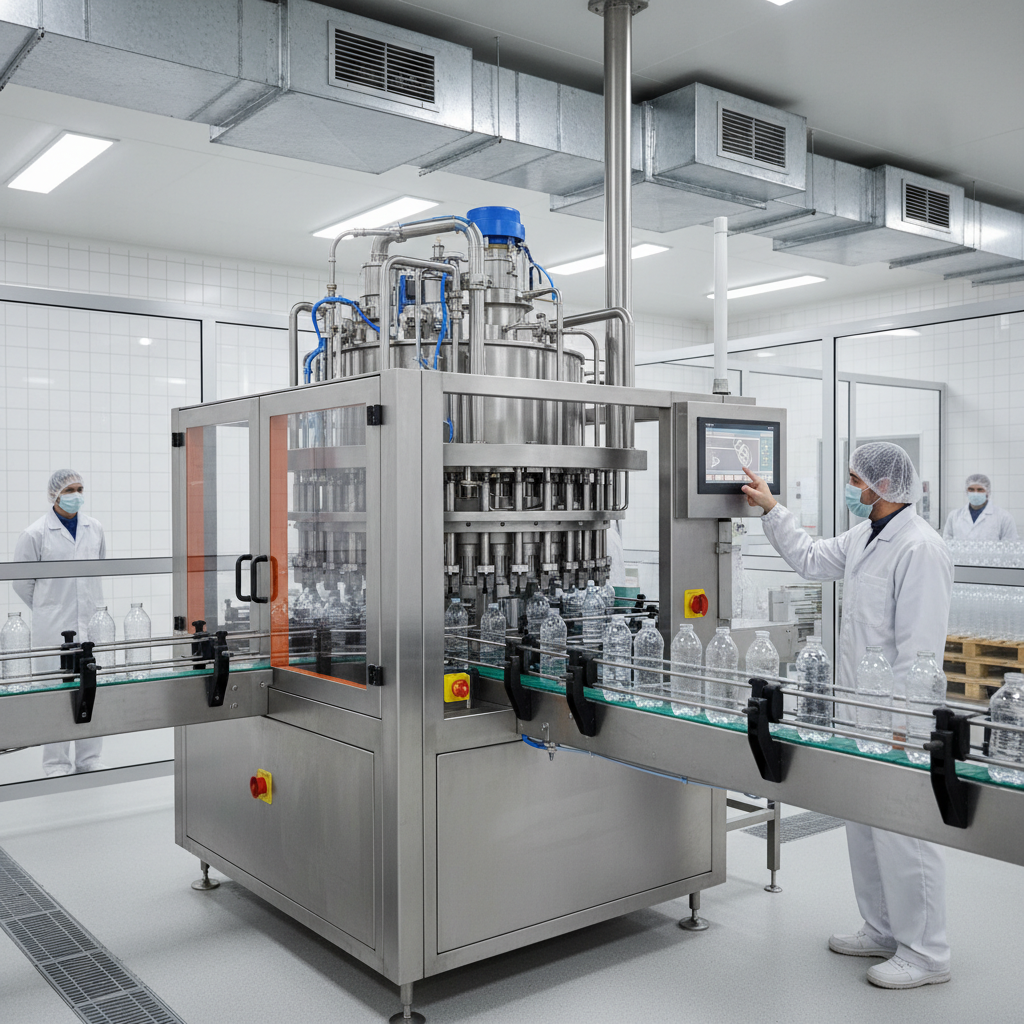
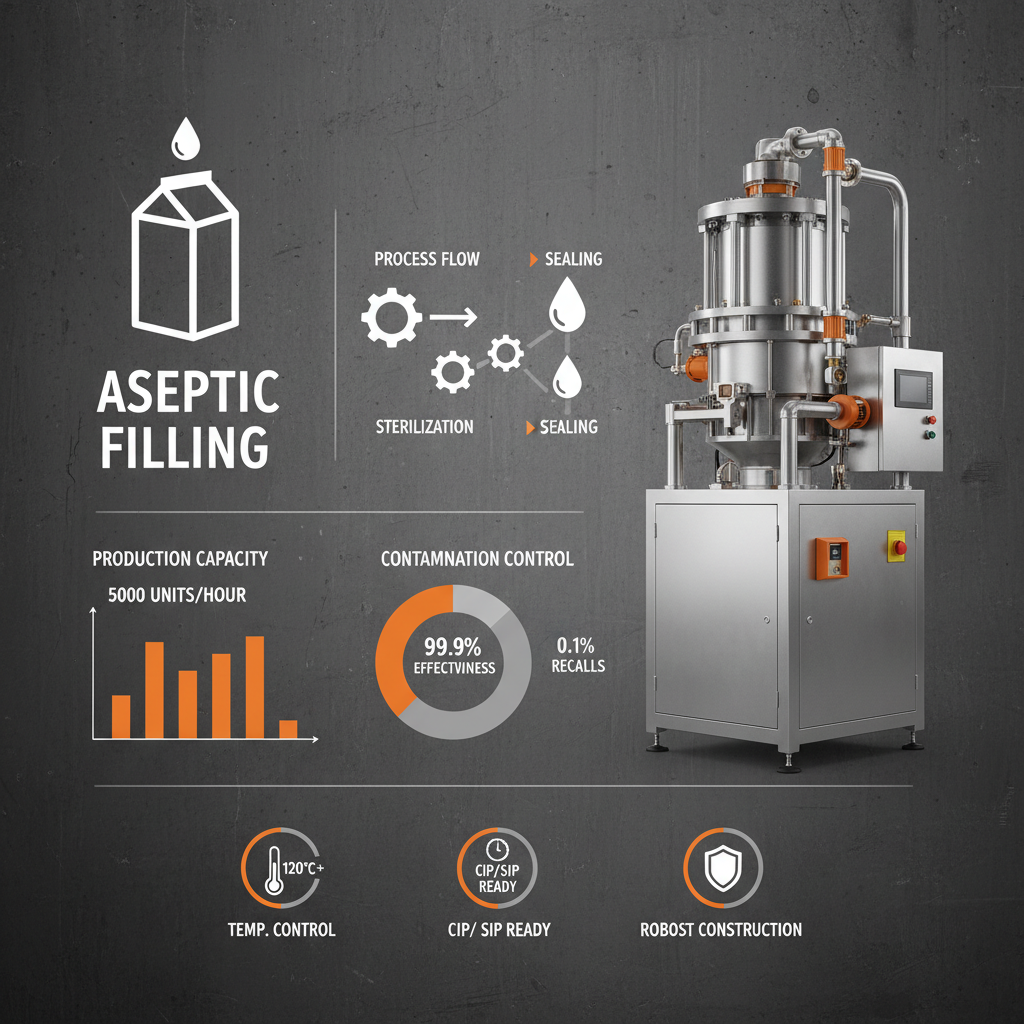
Advancements in Aseptic Filling Machine Technology for Food and Pharmaceutical Industries

The Core Principles of aseptic filling machine

Advancements in Aseptic Filling Machine Technology for Food and Pharmaceutical Industries

The fundamental principle behind an aseptic filling machine is maintaining sterility throughout the entire process. This isn't just about keeping things clean; it’s a science. It's about creating an environment where microorganisms simply can't survive. That means rigorous sterilization of the packaging material, the product itself, and the machine's components that come into contact with either. We’re talking about hydrogen peroxide vapor, superheated steam, and often, a combination of both. It's crucial because even a single microbe can ruin an entire batch, leading to spoilage and potential health risks.

From my experience on the factory floor, the biggest challenge isn't the technology itself, but the consistency of maintaining that sterile environment. It requires constant monitoring, validation, and a highly trained team. You can have the most sophisticated machine, but if your operators aren’t following procedures meticulously, it’s all for naught. It’s a relentless focus on detail, and a commitment to quality control at every step.

The Global Impact of aseptic filling machine

The impact of aseptic filling goes far beyond just longer shelf life. In regions with limited access to refrigeration, it’s a game-changer. Consider parts of Africa or Southeast Asia, where maintaining a “cold chain” – a continuous refrigerated supply – is incredibly difficult and expensive. Aseptic packaging allows for essential products like milk, juice, and even infant formula to be distributed safely and reliably without relying on constant cooling. This has a direct impact on public health, reducing malnutrition and preventing foodborne illnesses.

We're also seeing a growing demand for aseptic processing in developed countries, driven by consumer preferences for convenience and sustainability. People want products that last longer, reduce food waste, and don't require constant refrigeration. This trend is pushing manufacturers to invest in more efficient and reliable aseptic technologies. It's not just a “developing world” solution anymore; it’s becoming a mainstream requirement.

The financial implications are also significant. Reduced spoilage means less product waste, lower transportation costs, and increased profitability for manufacturers. For smaller businesses, it can level the playing field, allowing them to compete with larger corporations without needing massive cold storage infrastructure. It’s an enabling technology, offering opportunities for growth and innovation.

Key Components of an aseptic filling machine

A robust aseptic filling machine isn’t just one piece of equipment; it’s an integrated system. The core components include the sterilizer – typically using hydrogen peroxide or steam – to eliminate microorganisms from the packaging material. Then you have the filling head, which accurately dispenses the product into the sterile container, maintaining the aseptic environment. Critical to the process is the forming, filling, and sealing unit, which creates the final packaged product.

But it's the auxiliary systems that often make or break the operation. Things like the air filtration system, which removes airborne contaminants; the cleaning-in-place (CIP) system, which automatically sterilizes the machine without disassembly; and the sophisticated control system, which monitors and regulates the entire process. I’ve seen too many machines fail because these supporting systems were overlooked or poorly maintained. It's all about the details.

And don't forget the packaging material itself. It needs to be specifically designed for aseptic processing, often utilizing multi-layer laminates that provide a barrier against oxygen, light, and moisture. The material must be compatible with the sterilization process and capable of maintaining its integrity throughout the product's shelf life. The material choice is a big factor and impacts the entire process.

Operational Efficiency in aseptic filling machine

Maximizing operational efficiency with an aseptic filling machine comes down to minimizing downtime and maximizing throughput. This requires a proactive maintenance schedule, regular inspections, and a readily available supply of spare parts. Preventative maintenance is key; a breakdown during a production run can be incredibly costly. We're talking about wasted product, lost production time, and potential contamination risks.

Automation plays a huge role here. Modern aseptic filling machines are often equipped with advanced sensors, control systems, and robotic components that automate many of the manual tasks, reducing the risk of human error and increasing overall efficiency. However, automation isn't a magic bullet; it requires skilled operators who can troubleshoot problems and maintain the equipment.

Key Performance Indicators for aseptic filling machine


Applications Across Industries for aseptic filling machine

The applications for an aseptic filling machine are incredibly diverse. The dairy industry is a major user, producing long-life milk, yogurt drinks, and cream. But it's not limited to dairy. We see it widely used in the juice and beverage sector, for products like fruit juices, iced tea, and sports drinks. The food industry utilizes it for soups, sauces, purees, and ready-to-eat meals.

Long-Term Value and Sustainability of aseptic filling machine

Investing in an aseptic filling machine isn’t just about immediate cost savings; it’s about long-term value and sustainability. Reduced food waste translates to a smaller environmental footprint. The ability to distribute products without refrigeration reduces energy consumption and greenhouse gas emissions. And the extended shelf life minimizes the need for frequent deliveries, further reducing transportation costs and environmental impact.

From a social perspective, aseptic processing helps ensure food security in regions where it’s needed most. It provides access to nutritious food products that would otherwise be unavailable, improving public health and well-being. It’s a technology that can make a real difference in the world.

In my experience, the biggest factor for long-term success is choosing a machine that’s built to last and backed by a reliable service and support network. It's not just about the initial purchase price; it's about the total cost of ownership over the machine's lifespan.

Future Trends and Innovations in aseptic filling machine

The future of aseptic filling machine technology is focused on sustainability, efficiency, and digital integration. We’re seeing a growing trend towards the use of bio-based packaging materials, reducing reliance on traditional plastics. Manufacturers are also exploring new sterilization techniques that use less energy and fewer chemicals.

Digitalization is playing a major role, with advanced sensors and data analytics providing real-time monitoring of the filling process, identifying potential problems before they occur, and optimizing performance. Remote diagnostics and predictive maintenance are also becoming increasingly common, reducing downtime and minimizing maintenance costs.

I anticipate we’ll see more modular and flexible designs, allowing manufacturers to easily adapt their filling lines to accommodate different product formats and packaging sizes. The goal is to create a more agile and responsive supply chain, capable of meeting the evolving needs of consumers.

Summary of Key Considerations for Aseptic Filling Machine Optimization

Sterilization Method Material Compatibility Maintenance Frequency Operational Cost
Hydrogen Peroxide Vapor Polyethylene, Polypropylene Monthly $1,500/month
Superheated Steam Stainless Steel, Glass Bi-Weekly $1,200/month
Electron Beam Limited Materials Quarterly $2,000/month
UV Radiation Transparent Packaging Weekly $800/month
Gamma Irradiation Wide Range of Materials Annually $3,000/month
Ozone Sterilization Most Packaging Materials Monthly $1,000/month

FAQS

What is the typical lifespan of an aseptic filling machine?

A well-maintained aseptic filling machine can typically last 15-20 years, though the lifespan varies depending on usage, the complexity of the machine, and the quality of maintenance. Regular preventative maintenance and timely replacement of worn parts are critical to maximizing the machine’s lifespan. Investing in a robust machine from a reputable manufacturer is a good starting point, but ongoing care is key. It's not uncommon to see older machines still in operation, but they often require more frequent repairs and may not be as efficient as newer models.

What are the key differences between aseptic and hot-fill packaging?

Hot-fill packaging involves filling a container with a product heated to a high temperature, then sealing it to create a vacuum. This relies on the heat to kill microorganisms. Aseptic filling, however, sterilizes the product and packaging separately before combining them in a sterile environment. Aseptic offers a longer shelf life and better preservation of nutritional value, as it avoids the high-heat treatment of hot-fill. Hot-fill is generally less expensive, but it’s limited to products that can withstand high temperatures and isn’t suitable for all packaging materials.

What type of training is required for operators of an aseptic filling machine?

Comprehensive training is essential for operators. It should cover sterilization procedures, machine operation, troubleshooting, cleaning-in-place (CIP) protocols, and quality control checks. Operators need to understand the principles of aseptic processing and the importance of maintaining a sterile environment. Regular refresher training is also recommended to ensure that operators stay up-to-date with best practices and any changes to the machine or process. Certification programs are available, and are highly recommended.

What are the common causes of contamination in aseptic filling?

Contamination can stem from several sources. Insufficient sterilization of the packaging material or product is a major cause. Leaks in the system, improper sealing, and inadequate air filtration can also introduce microorganisms. Operator error, such as failing to follow proper procedures or neglecting cleaning protocols, is another common source. Regular monitoring and validation of the entire process are vital to identify and address potential contamination risks proactively.

How much does an aseptic filling machine typically cost?

The cost of an aseptic filling machine varies widely depending on its capacity, complexity, and level of automation. A basic, low-speed machine might cost around $500,000, while a high-speed, fully automated system can easily exceed $2 million. Additional costs include installation, training, and ongoing maintenance. It's crucial to factor in the total cost of ownership when evaluating different machines, not just the initial purchase price.

What are the energy consumption considerations for aseptic filling machines?

Aseptic filling machines can be energy intensive, particularly due to the sterilization processes. Using energy-efficient components, optimizing sterilization cycles, and recovering heat from steam are all ways to reduce energy consumption. Newer machines often incorporate energy-saving technologies, such as variable frequency drives and intelligent control systems. Regular maintenance and proper insulation can also help to minimize energy losses.

Conclusion

Aseptic filling technology is a cornerstone of modern food and beverage production, offering unparalleled benefits in terms of safety, shelf life, and sustainability. From enabling access to essential products in remote regions to reducing food waste and minimizing environmental impact, its contributions are far-reaching. The key to success lies in a commitment to meticulous process control, ongoing maintenance, and continuous innovation.

Looking ahead, the future of aseptic filling will be shaped by advancements in materials science, digitalization, and sustainable practices. By embracing these innovations, we can further enhance the efficiency, reliability, and environmental performance of these critical machines. Visit our website at www.ycmeatmech.com to learn more about our aseptic filling solutions.

Michael Thompson

Michael Thompson

Michael Thompson serves as Yuanchang’s Technical Support Lead, providing expert assistance to customers throughout North America. With a strong background in troubleshooting and maintenance of food processing machinery, Michael specializes in frozen meat slicing and grinding equipment. He’s adept at diagnosing issues remotely and providing clear, concise instructions for repair.
Previous Revolutionizing Food Packaging with Advanced Aseptic Pouch Filling Machine Technology
Next Advancements in Aseptic Carton Filling Machine Technology and Global Impact