The global food industry is undergoing a revolution, driven by demands for extended shelf life, food safety, and convenience. Central to this shift is the adoption of advanced packaging technologies, and at the forefront stands the aseptic pouch filling machine. These machines are no longer niche solutions; they’re vital components in a multi-billion dollar market catering to everything from ready-to-eat meals to medical nutrition. Understanding their capabilities, applications, and future trajectory is crucial for businesses aiming to thrive in today’s competitive landscape.
The demand for shelf-stable, lightweight, and easy-to-handle food products has propelled the growth of aseptic packaging. Aseptic pouch filling addresses critical concerns regarding foodborne illnesses and spoilage, particularly in regions with limited access to refrigeration or robust distribution infrastructure. Data from the United Nations estimates that roughly one-third of all food produced globally is lost or wasted – aseptic processing offers a significant pathway to reduce this waste and improve food security.
Investing in an aseptic pouch filling machine is not merely an equipment upgrade; it’s a strategic decision to enhance product quality, extend market reach, and contribute to a more sustainable food system. The increasing consumer preference for convenience and longer shelf lives will continue to fuel the demand for this technology, making it a cornerstone of modern food production.
The Growing Importance of Aseptic Pouch Filling Machine
The escalating demand for processed foods, coupled with an increasing emphasis on extended shelf life and food safety, is driving substantial growth in the aseptic packaging market. The aseptic pouch filling machine plays a central role in this expansion. Modern consumers seek convenient, portable, and long-lasting food options, making aseptic pouches an ideal solution for various products, from sauces and purees to complete meals and beverages.
This growth isn't limited to developed nations. Emerging economies, facing challenges in cold chain infrastructure, are increasingly adopting aseptic packaging to reduce food spoilage and improve accessibility to safe, nutritious food. This widespread applicability underscores the increasing importance of robust and reliable aseptic pouch filling machine technology.
Understanding Aseptic Pouch Filling Machine Technology
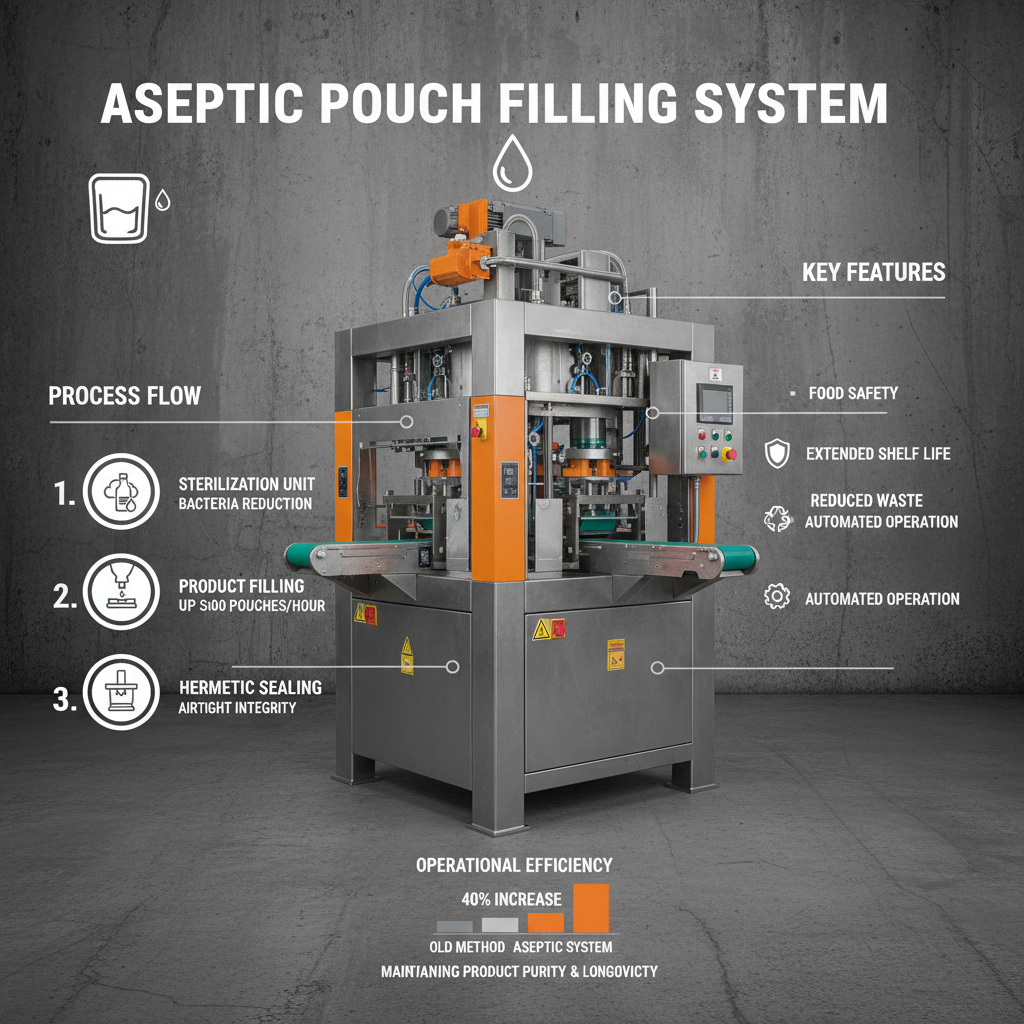
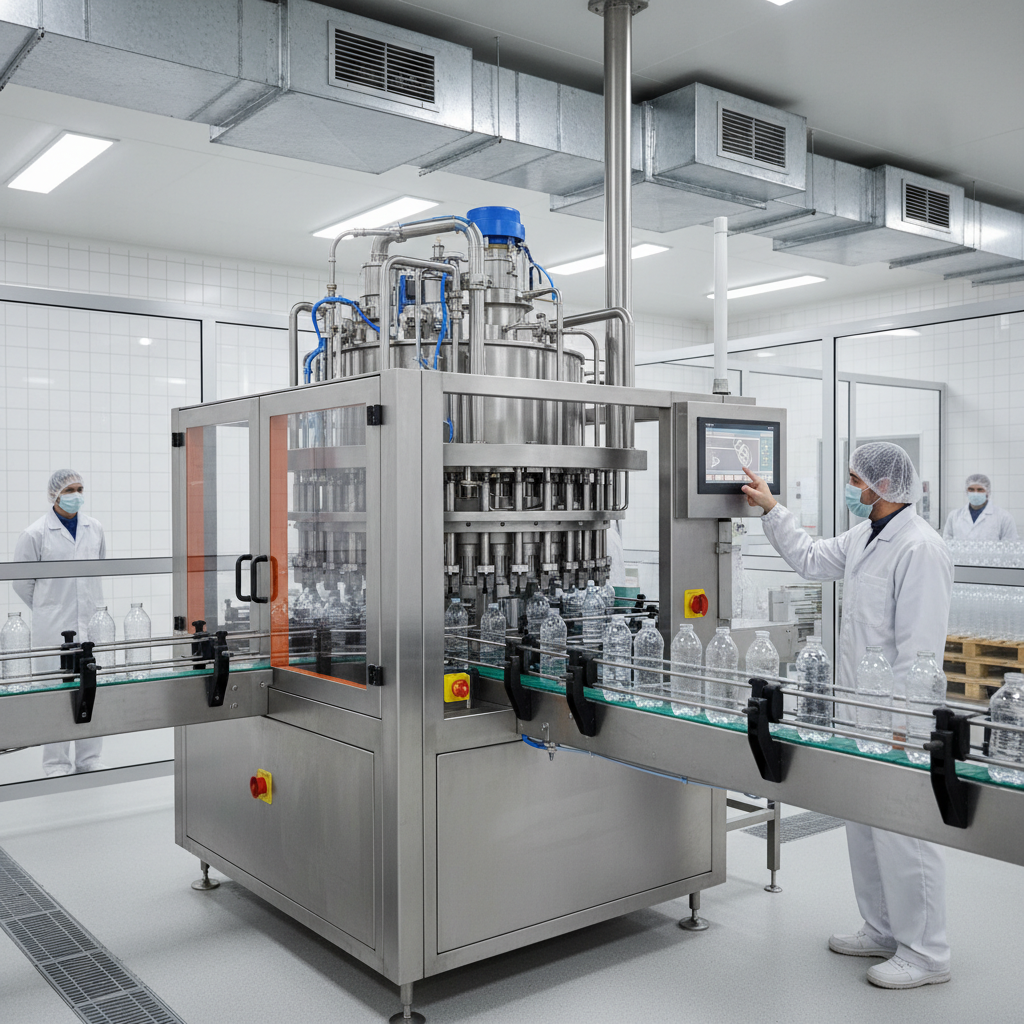
At its core, an aseptic pouch filling machine ensures products are filled into sterilized pouches within a sterile environment. This process involves sterilizing both the packaging material (typically a multi-layer laminate pouch) and the product separately, then combining them in a sterile chamber. This contrasts with traditional canning methods which rely on high-temperature processing after sealing, potentially affecting product flavor and nutritional value. The aseptic pouch filling machine achieves preservation without extensive heat treatment.
The technology relies on meticulous control of environmental factors, including air filtration, sterilization techniques (typically using hydrogen peroxide or UV light), and precise filling mechanisms. Modern machines often integrate advanced sensors and automated controls to maintain optimal sterility and filling accuracy, minimizing waste and maximizing efficiency. The pouch material itself is crucial, featuring layers designed for barrier protection against oxygen, light, and moisture.
This sterile approach allows for a significantly longer shelf life compared to conventional packaging, often extending to months or even years at room temperature, without the need for preservatives. This has profound implications for food distribution, particularly in remote areas or situations where maintaining a cold chain is challenging.
Key Components and Functionality
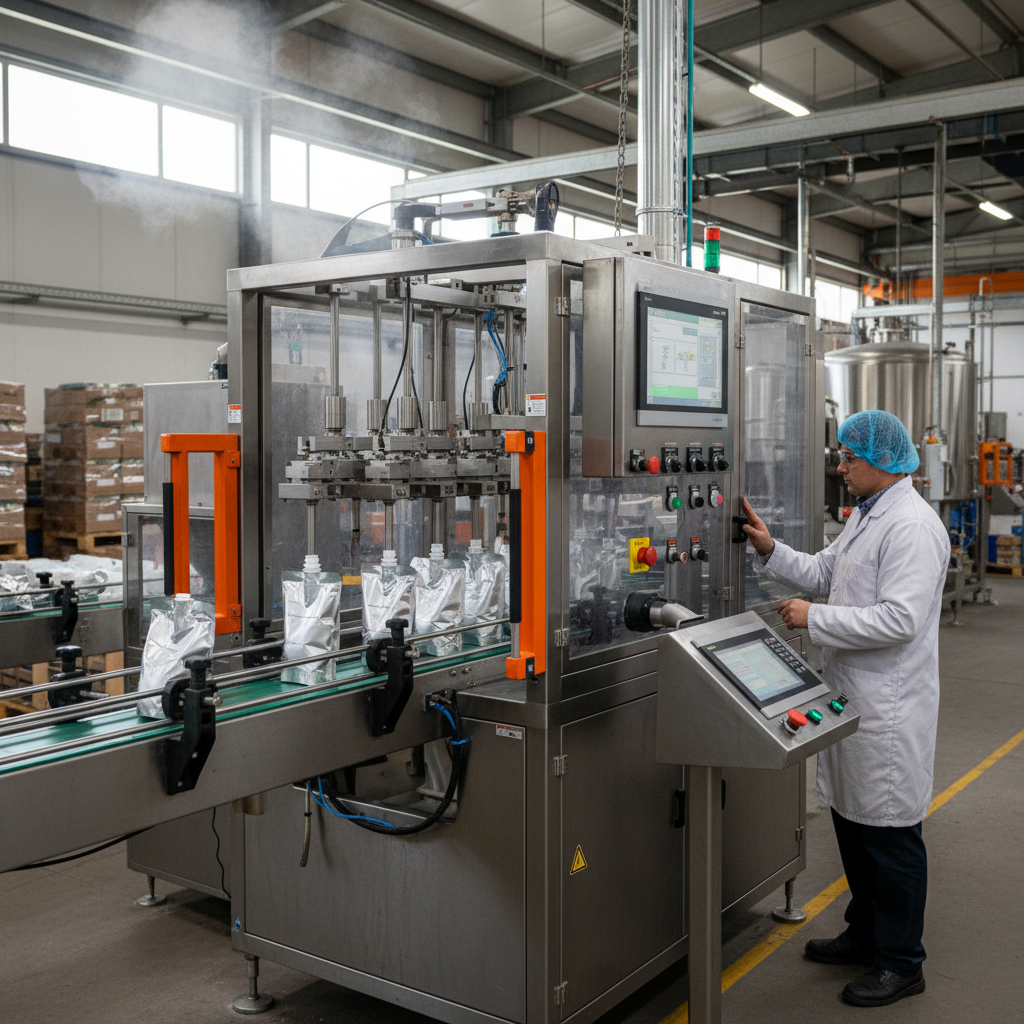
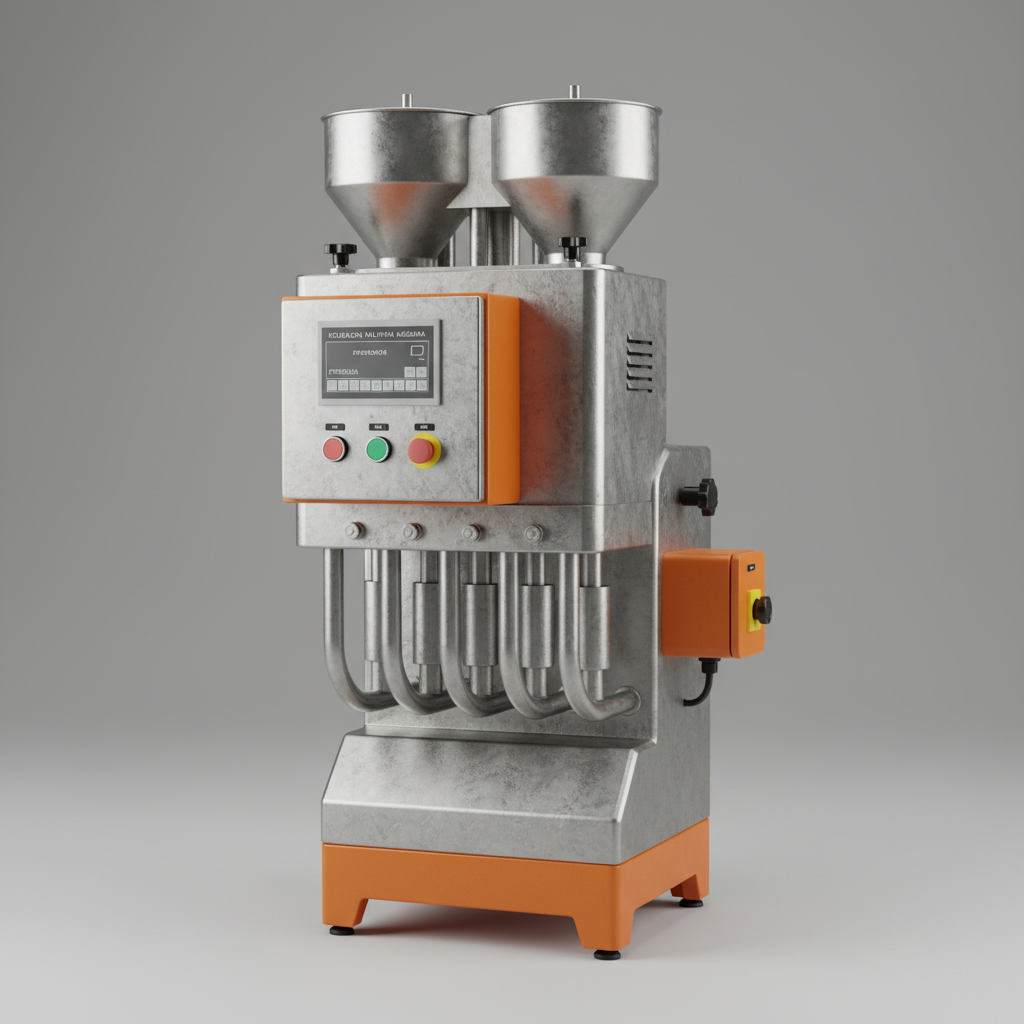
An aseptic pouch filling machine is comprised of several crucial components working in concert. These include the pouch sterilization system (often utilizing hydrogen peroxide spraying and UV-C irradiation), the product sterilization unit (typically employing UHT – Ultra-High Temperature – processing), the filling head(s) designed for precise volume control, and the sealing mechanism ensuring a hermetic closure.
Beyond these core elements, modern machines incorporate sophisticated control systems. Programmable Logic Controllers (PLCs) manage the entire process, monitoring parameters like temperature, pressure, and filling speed. Human-Machine Interfaces (HMIs) provide operators with real-time data and control options, facilitating efficient operation and troubleshooting. Automated pouch handling systems further streamline the process, reducing manual labor and increasing throughput.
The efficiency and reliability of each component directly impact the overall performance of the aseptic pouch filling machine. Regular maintenance, proper sterilization procedures, and adherence to manufacturer recommendations are critical for maintaining optimal functionality and ensuring product safety.
Practical Applications Across Industries
The versatility of aseptic pouch filling extends beyond the traditional food and beverage sectors. The meat processing industry utilizes aseptic pouch filling machine to package pre-cooked meats, marinades, and ready-to-eat meals, extending shelf life and reducing waste. In the pet food market, it’s used for wet food formulations, maintaining palatability and nutritional integrity.
Pharmaceutical companies leverage aseptic pouch filling for sterile liquid medications and nutrient solutions, ensuring product purity and patient safety. Cosmetic and personal care brands employ this technology for packaging sensitive formulations, preserving efficacy and preventing contamination. Even industrial applications, such as packaging lubricants and chemicals, benefit from the extended shelf life and containment offered by aseptic pouches.
Aseptic Pouch Filling Machine Application Breakdown
The Advantages of Aseptic Pouch Filling
The benefits of adopting an aseptic pouch filling machine are multifaceted. Firstly, the extended shelf life drastically reduces product waste, leading to significant cost savings. Secondly, the lightweight and flexible nature of pouches reduces transportation costs and minimizes environmental impact compared to traditional rigid packaging.
Moreover, aseptic pouches often require less energy to produce and transport, further enhancing sustainability. The reduced need for preservatives aligns with the growing consumer demand for natural and healthy food options. From a logistical perspective, pouches are easier to store and handle, optimizing warehouse space and streamlining operations.
Global Trends and Future Innovations
The aseptic packaging market is experiencing continuous innovation. Current trends include the development of recyclable pouch materials, minimizing the environmental footprint of this technology. Research is focused on bio-based polymers and compostable laminates, aiming for truly sustainable packaging solutions.
Another key area of development is the integration of Industry 4.0 principles, including advanced sensors, data analytics, and predictive maintenance. These technologies will enable greater efficiency, improved quality control, and reduced downtime for aseptic pouch filling machine operations.
We are also seeing a shift towards more sophisticated filling techniques, allowing for the packaging of more complex products, such as chunky sauces and meals with solid ingredients. The future of aseptic packaging is focused on sustainability, efficiency, and versatility.
Challenges and Solutions in Aseptic Pouch Filling
Despite its advantages, aseptic pouch filling presents certain challenges. Maintaining a consistently sterile environment requires rigorous hygiene protocols and regular maintenance. Pouch material integrity is critical; defects can compromise sterility and lead to product spoilage.
Another challenge is ensuring consistent fill weights and sealing quality, which can impact product presentation and shelf life. Solutions include implementing robust quality control systems, utilizing advanced sensor technology to detect defects, and investing in operator training to ensure adherence to best practices.
Furthermore, advancements in pouch material science are continually addressing the issue of recyclability, offering more environmentally friendly options. Continuous monitoring and proactive maintenance are key to mitigating risks and maximizing the effectiveness of aseptic pouch filling machine technology.
Aseptic Pouch Filling Machine: Analysis of Key Performance Indicators
| KPI Category |
Metric |
Target Value |
Measurement Frequency |
| Sterility Assurance |
Sterility Test Failure Rate |
≤ 0.1% |
Daily |
| Fill Accuracy |
Average Fill Weight Deviation |
± 1g |
Hourly |
| Machine Uptime |
Mean Time Between Failures (MTBF) |
≥ 500 hours |
Monthly |
| Pouch Seal Integrity |
Leakage Rate |
0 leaks per 1000 pouches |
Per Batch |
| Material Waste |
Pouch Material Usage Rate |
≥ 95% |
Weekly |
| Overall Efficiency |
Overall Equipment Effectiveness (OEE) |
≥ 85% |
Daily |
FAQS
Switching to aseptic pouch filling offers several key advantages. Products retain fresher flavor and nutritional value due to lower heat processing. Pouches are lighter and reduce transportation costs. They also offer longer shelf life without preservatives and provide a more modern and appealing packaging format for consumers. Aseptic pouch filling machines optimize these benefits compared to traditional methods.
Aseptic pouches are ideal for a wide range of products, including soups, sauces, purees, ready-to-eat meals, beverages, pet food, and even some sterile medical solutions. Generally, products with low acidity and requiring long shelf life benefit the most. The aseptic pouch filling machine can handle both liquid and semi-solid formulations effectively.
Sterility is paramount. Aseptic pouch filling machines utilize a combination of sterilization methods including hydrogen peroxide spraying, UV-C irradiation, and filtration. Regular validation of sterilization processes, strict hygiene protocols for operators, and careful monitoring of the filling environment are essential. Quality control checks must be implemented throughout the process.
With proper maintenance and care, a high-quality aseptic pouch filling machine can have a lifespan of 10-15 years or even longer. Regular preventative maintenance, timely replacement of wear parts, and adherence to manufacturer recommendations are crucial for maximizing its longevity and maintaining optimal performance.
Costs include the initial investment in the machine, installation, training, pouch material, sterilization agents, maintenance, and energy consumption. While the upfront cost can be significant, the long-term benefits of reduced waste, lower transportation costs, and extended shelf life often result in a positive return on investment. Careful cost analysis is vital.
Significant research is focused on developing recyclable and compostable pouch materials. Bio-based polymers and thinner laminate structures are also being explored to reduce the environmental footprint of aseptic packaging. Manufacturers are working to create pouches that offer comparable barrier properties to traditional materials while being more environmentally friendly. Aseptic pouch filling machine compatibility with these newer materials is a key consideration.
Conclusion
In conclusion, the aseptic pouch filling machine represents a transformative technology in the food processing and packaging industries. Its ability to extend shelf life, enhance food safety, reduce waste, and lower transportation costs makes it an increasingly vital solution for manufacturers worldwide. The continued innovation in pouch materials and machine technology promises even greater efficiency and sustainability in the years to come.
Investing in an aseptic pouch filling machine is not simply a capital expenditure; it's a strategic move toward a more resilient, sustainable, and profitable future. We encourage you to explore the possibilities and discover how this technology can benefit your operations. Visit our website at www.ycmeatmech.com to learn more and discuss your specific needs.