0%

Table of Contents

The global market for dog food making machines is experiencing substantial growth, driven by the increasing pet ownership worldwide and the demand for high-quality, nutritious pet food. Understanding the dog food making machine price is crucial for entrepreneurs, pet food manufacturers, and investors looking to capitalize on this expanding industry. This knowledge enables informed decision-making regarding investment, production capacity, and overall business strategy. A careful analysis of price points, coupled with understanding the nuances of machine capabilities, will lead to the maximization of operational efficiency and profitability.

The dog food making machine price is influenced by a multitude of factors, ranging from the machine's capacity and automation level to its manufacturing origin and the supplier’s reputation. As the pet food industry evolves, innovative technologies and sustainable practices are becoming increasingly important, directly impacting the cost and value proposition of these machines. Consequently, accurate cost assessment and understanding of emerging trends are vital for both new entrants and established players in the market.

Investing in a suitable dog food making machine is not merely a capital expenditure; it's a strategic investment in the future of a pet food business. The correct machine, at the right dog food making machine price, allows companies to meet growing demands, maintain product quality, and compete effectively in a dynamic marketplace. This exploration will unpack the key elements involved in determining the price of these machines and help guide purchasing decisions.
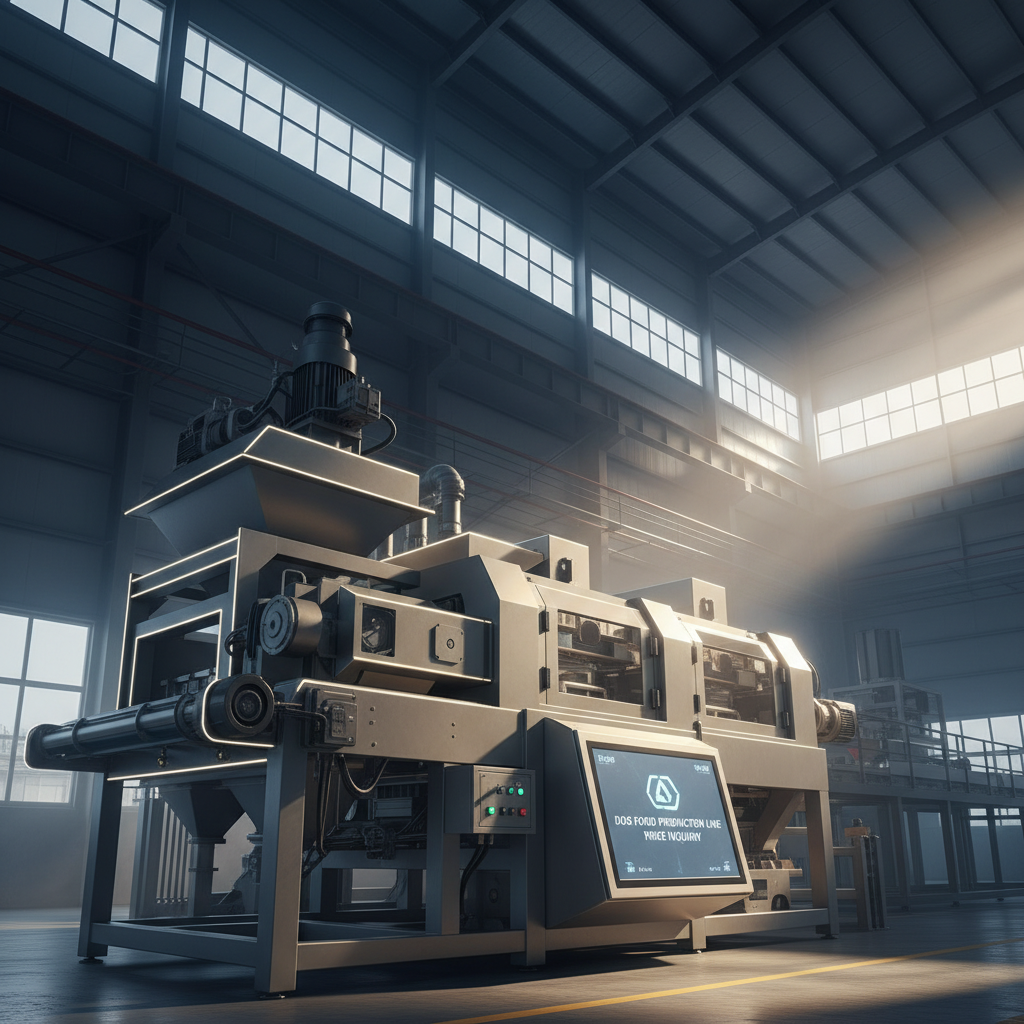
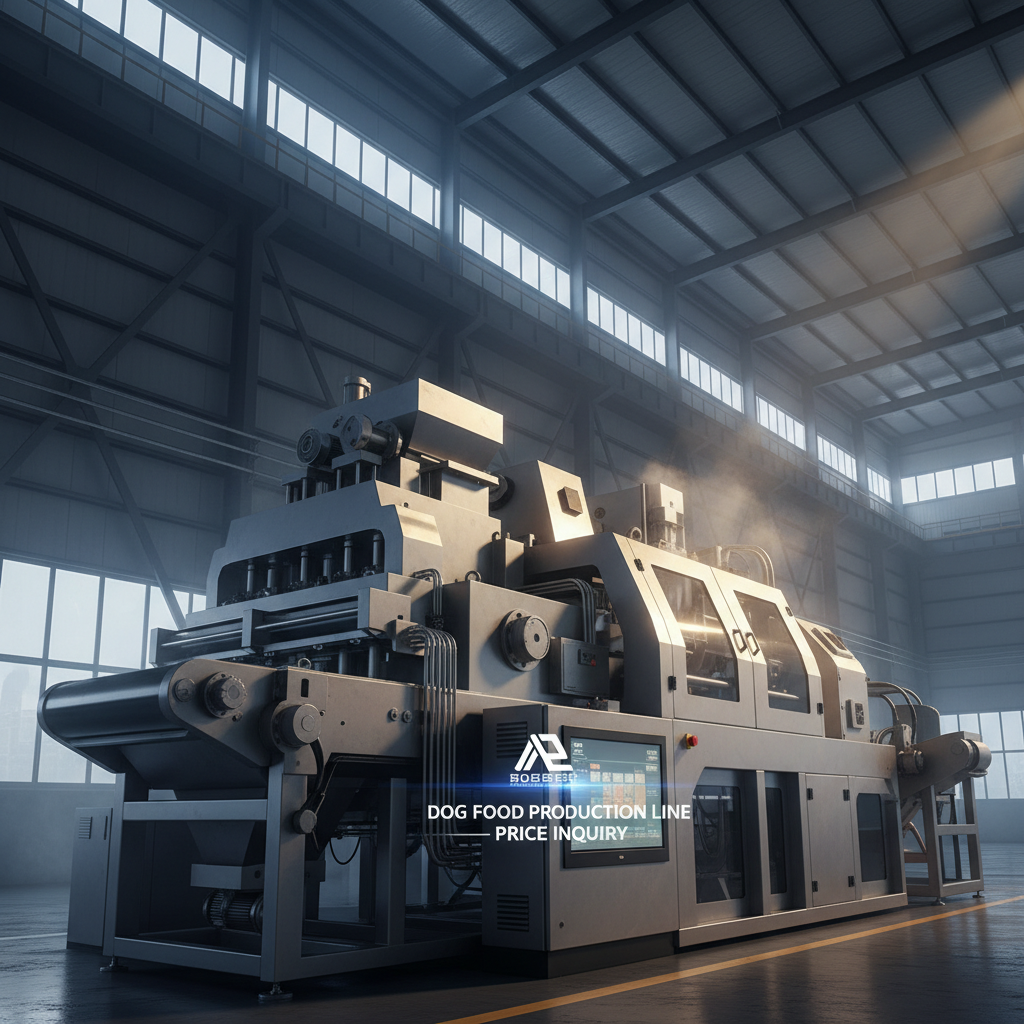
Comprehensive Guide to Dog Food Making Machine Price and Market Trends

Understanding the Dog Food Making Machine Price Landscape

Comprehensive Guide to Dog Food Making Machine Price and Market Trends

The dog food making machine price isn’t a singular number; it’s a range heavily dependent on specifications and features. A basic, entry-level machine suitable for small-scale production will naturally be more affordable than a fully automated, high-capacity system. Therefore, understanding your production needs—current and projected—is the first step in evaluating pricing.

Market dynamics also play a crucial role. Global supply chain disruptions, raw material costs, and regional economic conditions all contribute to fluctuations in dog food making machine price. Consequently, staying informed about current market trends and supplier landscapes is vital for securing the best possible deal.

Defining Dog Food Making Machine Price

The dog food making machine price encompasses more than just the initial purchase cost. It includes the cost of the machine itself, plus associated expenses such as shipping, installation, training, and potential customization. Some suppliers also offer extended warranties and maintenance packages, which contribute to the overall lifetime cost.

Furthermore, understanding the total cost of ownership is essential. This involves factoring in ongoing operational costs like energy consumption, raw material expenses, labor costs, and routine maintenance. A seemingly inexpensive machine might prove more costly in the long run if it’s inefficient or requires frequent repairs.

In the modern industrial landscape, the dog food making machine price is intrinsically linked to the concept of 'value engineering'. Manufacturers are continually striving to optimize machine design and functionality to offer the most competitive pricing without compromising on quality or performance.

Key Factors Influencing Dog Food Making Machine Price

Capacity and Output: Higher capacity machines designed to produce larger volumes of dog food will invariably come with a higher price tag. The cost is driven by the increased size, complexity, and material requirements of these systems.

Automation Level: Machines with a higher degree of automation—incorporating features like automatic ingredient dosing, mixing, shaping, and packaging—will be significantly more expensive than manually operated or semi-automatic systems. The dog food making machine price directly reflects the sophistication of the automation technology.

Materials and Construction: The materials used in the machine’s construction—stainless steel, alloy steels, etc.—impact the price. Machines built with high-quality, durable materials are more expensive upfront but often offer a longer lifespan and reduced maintenance costs.

Global Applications and Use Cases

Dog food making machines are utilized globally by a diverse range of entities, from large-scale commercial pet food manufacturers to smaller, boutique producers catering to specific dietary needs. In North America and Europe, these machines are commonly found in established pet food plants, focused on high-volume production and stringent quality control.

In emerging markets like Asia and Latin America, the demand for affordable and accessible pet food is driving the adoption of smaller, more versatile dog food making machines. These machines are often employed by local entrepreneurs and small businesses seeking to enter the pet food industry.

Beyond commercial applications, dog food making machines are increasingly being utilized in research and development facilities to create and test novel pet food formulations. They are also essential in disaster relief situations, enabling the rapid production of nutritious food for animals affected by natural disasters.

Dog Food Making Machine Price Comparison by Feature


Advantages & Long-Term Value

Investing in a quality dog food making machine offers a multitude of advantages, extending beyond simply reducing production costs. Increased control over ingredients and formulations allows for the creation of customized pet food tailored to specific dietary needs, enhancing product differentiation and brand loyalty. The dog food making machine price is justified by the enhanced quality control.

Long-term value is realized through reduced reliance on external suppliers, greater operational efficiency, and the potential for increased profitability. A well-maintained machine can provide years of reliable service, contributing to a sustainable and resilient business model.

Future Trends & Innovations

The dog food making machine industry is poised for significant innovation, driven by advancements in automation, data analytics, and sustainable manufacturing practices. We can expect to see machines incorporating artificial intelligence (AI) to optimize production processes and minimize waste.

There is also a growing trend towards utilizing alternative protein sources in pet food, requiring machines capable of processing a wider range of ingredients. Energy efficiency and water conservation will become increasingly important, leading to the development of eco-friendly machine designs.

Challenges & Solutions

One of the primary challenges in the dog food making machine industry is maintaining consistent product quality while minimizing production costs. This requires careful calibration of machine settings and the implementation of robust quality control procedures.

Another challenge is adapting to evolving consumer preferences and dietary trends. Manufacturers must be able to quickly and efficiently adjust their production processes to accommodate new ingredients and formulations. Utilizing modular machine designs that allow for easy customization is one potential solution.

Finally, ensuring operator safety and providing adequate training are critical. Comprehensive safety protocols and ongoing training programs can mitigate risks and improve operational efficiency.

Common Dog Food Making Machine Concerns and Solutions

Machine Type Initial Investment Maintenance Frequency Expected Lifespan
Small-Scale Extruder $5,000 - $10,000 Monthly 5-7 years
Semi-Automatic Line $15,000 - $25,000 Quarterly 8-10 years
Fully Automatic System $30,000 - $60,000+ Semi-Annually 10-15 years
High-Capacity Extruder $70,000 - $150,000+ Annually 15+ years
Stainless Steel Model $20,000 - $40,000 Quarterly 12+ years
Modular System $25,000 - $50,000 Semi-Annually 10+ years

FAQS

What factors most significantly impact the dog food making machine price?

The dog food making machine price is primarily affected by production capacity, automation level, the quality of materials used (stainless steel vs. standard), and the supplier’s reputation. Additionally, customization requests and the inclusion of features like automatic packaging systems can considerably increase the price. Understanding your specific needs and comparing quotes from various suppliers is crucial for securing the best value.

Is financing available for purchasing a dog food making machine?

Yes, many suppliers offer financing options, and third-party lending institutions also specialize in equipment financing. The availability and terms of financing will depend on your creditworthiness and the total dog food making machine price. Explore leasing options, which can provide a lower upfront cost, or consider a loan tailored to equipment purchases to manage cash flow effectively.

What is the typical lead time for delivery after ordering a dog food making machine?

Delivery lead times can vary significantly depending on the machine’s complexity, the supplier’s production schedule, and your location. Generally, expect a lead time of 4-12 weeks for standard models, and potentially longer for customized machines. It's essential to confirm the exact delivery timeline with the supplier before placing your order to avoid production delays.

What kind of training and support is provided with the purchase?

Reputable suppliers typically offer comprehensive training programs to ensure your team can operate and maintain the dog food making machine effectively. Support services may include on-site installation, remote troubleshooting, spare parts availability, and preventative maintenance contracts. Inquire about the specifics of the support package before making a purchase to ensure long-term operational success.

What are the ongoing maintenance costs associated with a dog food making machine?

Ongoing maintenance costs will depend on the machine's complexity and usage frequency. Expect to budget for routine servicing, replacement parts (like belts and filters), lubrication, and potential repairs. Establishing a preventative maintenance schedule and sourcing spare parts from the supplier can help minimize downtime and control costs. The dog food making machine price does not encompass these continuous maintenance costs.

How can I ensure the machine meets food safety standards?

Ensure the machine is constructed from food-grade materials, such as stainless steel, and meets relevant industry standards like HACCP or FDA regulations. Verify the supplier can provide documentation certifying the machine's compliance with these standards. Regular cleaning and sanitation practices are also crucial for maintaining food safety.

Conclusion

In conclusion, the dog food making machine price is a complex consideration encompassing not just the upfront cost, but also long-term operational expenses, potential customizations, and the value derived from increased efficiency and quality control. A strategic approach to evaluating these factors is crucial for making informed investment decisions and achieving sustainable success in the competitive pet food industry.

Looking ahead, advancements in automation, data analytics, and sustainable manufacturing will continue to drive innovation in dog food making machine technology. By staying informed about these trends and partnering with reputable suppliers, pet food manufacturers can unlock new opportunities for growth and deliver high-quality products to meet the evolving needs of pet owners. Visit our website at www.ycmeatmech.com to learn more about our range of dog food making machines and find the perfect solution for your business.

David Chen

David Chen

David Chen is the Product Manager for Yuanchang’s filling and forming solutions. His background in industrial design allows him to continuously refine Yuanchang's sausage fillers and double clippers. David is responsible for identifying market trends and translating them into innovative product features. He closely collaborates with the R&D team to
Previous Optimizing Material Handling with Advanced Tilting Device Solutions
Next Advanced Pet Food Machinery Manufacturers for Efficient Production