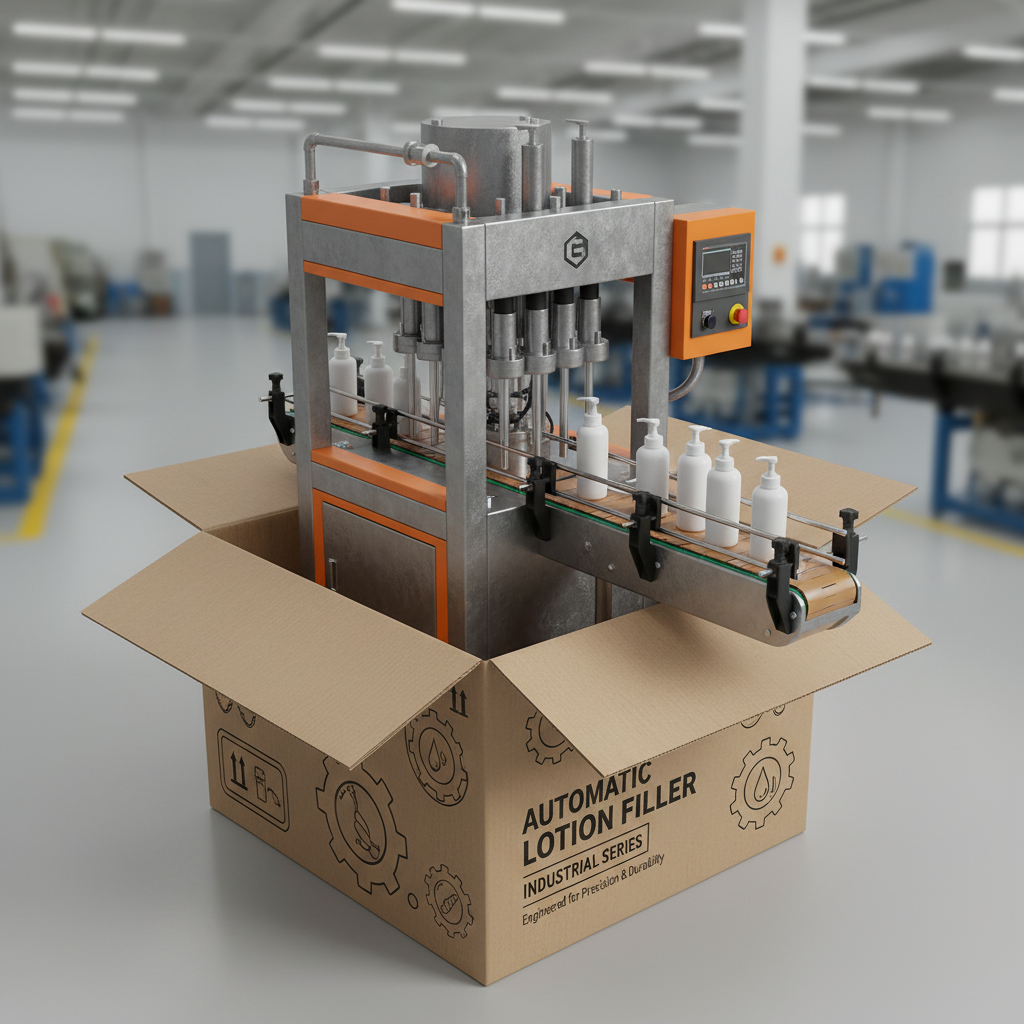
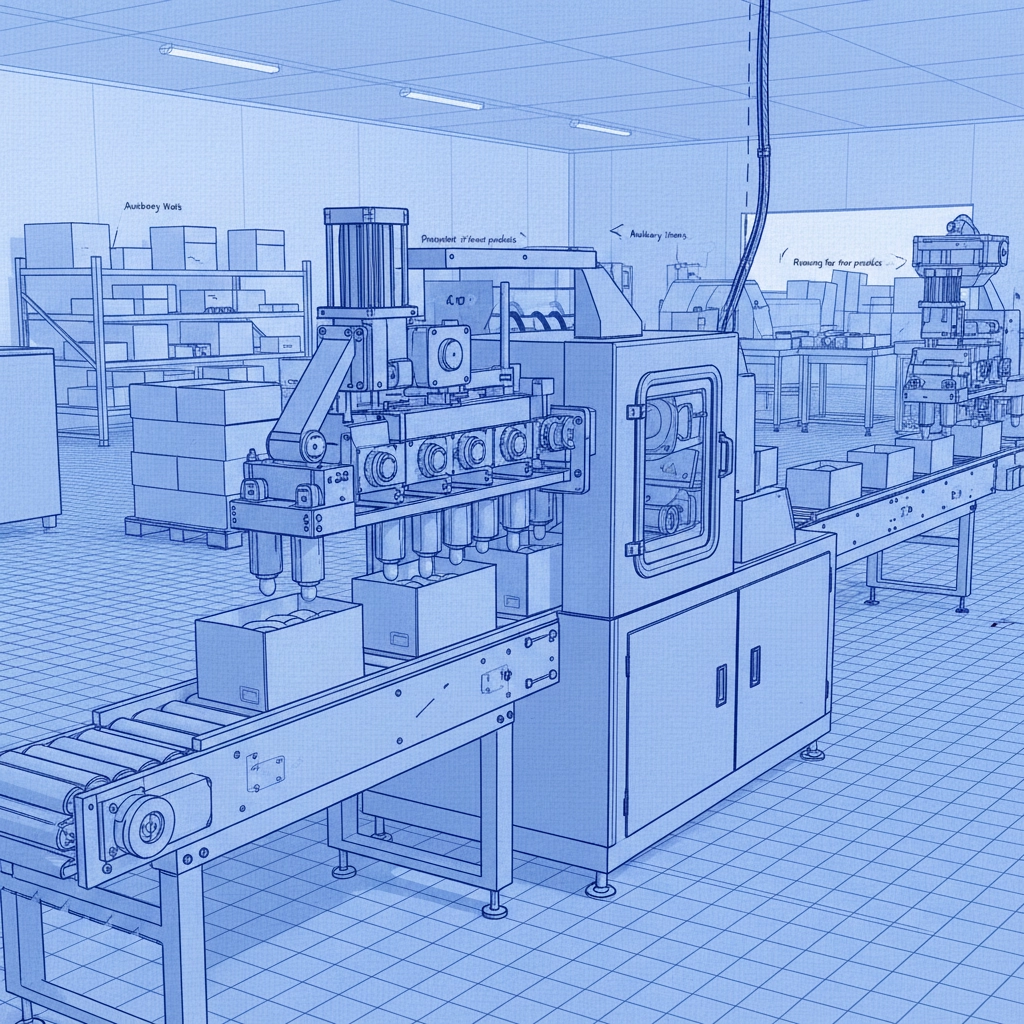
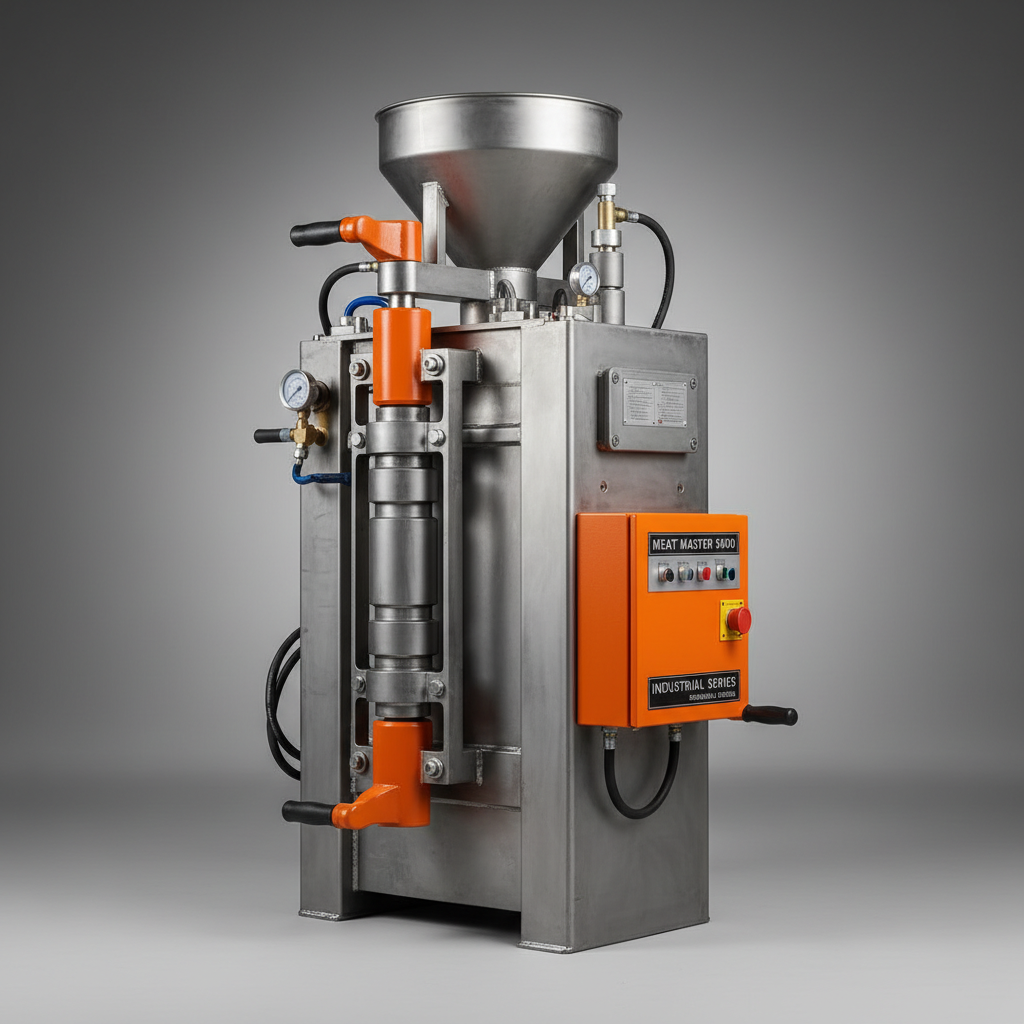
In the modern landscape of industrial production, the demand for precision and hygiene has never been higher, especially when dealing with viscous substances. An automatic lotion filling machine represents the pinnacle of this evolution, bridging the gap between manual labor and high-speed industrial output. By automating the dosing process, manufacturers can ensure that every single container is filled with absolute accuracy, eliminating waste and enhancing product consistency across thousands of units.
Globally, the shift toward automation is driven by the need to meet stringent safety standards and the rising costs of manual operation. Whether it is for cosmetic creams, pharmaceutical gels, or specialized lubricants in the food machinery sector, the integration of an automatic lotion filling machine allows businesses to scale their production rapidly without compromising the quality of the fill. This technology is no longer a luxury for giant corporations but a necessity for any mid-sized enterprise aiming for market competitiveness.
Understanding the nuances of these systems—from piston-driven mechanisms to servo-motor precision—is critical for optimizing a production line. By investing in the right filling technology, companies can reduce downtime, lower their carbon footprint through optimized resource use, and significantly improve the safety of their workplace. This guide explores the comprehensive impact of these machines on the global manufacturing ecosystem and how they solve the most persistent challenges in liquid and paste handling.
Global Relevance of Automatic Lotion Filling Machine
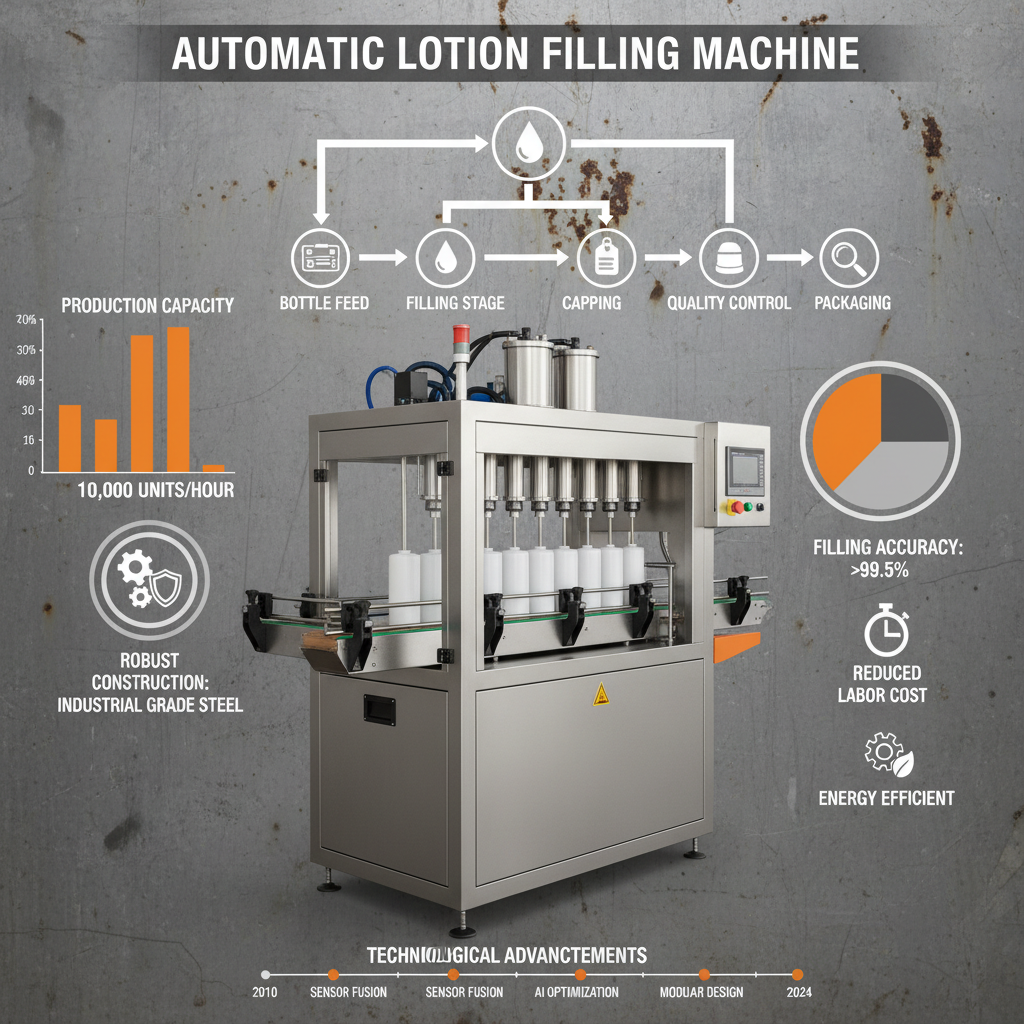
The global industrial sector is currently undergoing a massive transformation towards "Industry 4.0," where the automatic lotion filling machine plays a pivotal role. With ISO standards demanding tighter tolerances for packaging and hygiene, manual filling has become a liability. Statistics from global manufacturing indices suggest that companies adopting automated filling solutions see an average increase in throughput of 40% to 60%, while simultaneously reducing product giveaway by up to 5%.
Beyond simple speed, the relevance of these machines lies in their ability to handle diverse viscosities. In the context of meat product processing and auxiliary items, where emulsions and thick lotions are common, the ability to maintain a sterile, drip-free environment is paramount. This eliminates the risk of cross-contamination, which is a critical requirement for food-grade machinery and pharmaceutical-grade cosmetics.
Defining the Automatic Lotion Filling Machine
At its core, an automatic lotion filling machine is a specialized piece of industrial equipment designed to dispense a precise volume of thick, viscous liquids—such as lotions, creams, gels, or pastes—into containers without human intervention. These machines typically utilize a combination of sensors, programmable logic controllers (PLCs), and pneumatic or servo-driven pumps to move the product from a hopper into the final packaging.
Unlike standard water-filling systems, these machines must overcome the "cling" factor of high-viscosity fluids. They employ advanced suction and discharge cycles that ensure the product does not stick to the nozzle or create air bubbles (voids) in the bottle. This level of engineering ensures that the consumer receives the exact weight advertised on the label, which is a legal requirement in most international markets.
In the broader context of modern industry, these machines represent the intersection of mechanical engineering and digital precision. They address the humanitarian and economic need for affordable, mass-produced hygiene and medical products. By lowering the cost of production, an automatic lotion filling machine helps make essential skincare and medicinal creams accessible to a wider global population.
Core Components for High-Precision Filling
The efficiency of an automatic lotion filling machine depends heavily on its Piston Pump System. This component acts as the heart of the machine, drawing a specific volume of product from the hopper and pushing it forward. The precision of the cylinder diameter and the stroke length determines the accuracy of the fill, allowing operators to switch between small 10ml samples and large 1L bottles with minimal adjustment.
Another critical element is the PLC Control Interface. Modern automatic lotion filling machine systems utilize touch-screen HMI (Human-Machine Interface) panels that allow for real-time monitoring and rapid recipe changes. This digital brain synchronizes the conveyor belt speed with the nozzle trigger, ensuring that no product is wasted through "mis-fires" or poorly timed dispensing.
Finally, the Anti-Drip Nozzle Design is what separates industrial-grade equipment from entry-level tools. Using vacuum-back suction or mechanical shut-off valves, the automatic lotion filling machine prevents messy residues from clinging to the rim of the bottle. This not only maintains a clean production environment but also ensures that the bottle caps can be sealed hermetically without product interference.
Performance Analysis of Filling Methods
When selecting an automatic lotion filling machine, manufacturers must choose between different filling technologies based on the viscosity of their product. Piston filling is the gold standard for thick pastes, while peristaltic pumps are preferred for sterile, low-shear fluids. The choice impacts not only the speed of the line but also the long-term stability of the emulsion.
To better understand the trade-offs, we look at the performance ratings of various filling mechanisms. While servo-driven systems offer the highest precision, pneumatic systems are often more cost-effective for smaller operations. The following data illustrates how different automatic lotion filling machine configurations perform across key industrial metrics.
Comparison of Filling Technology Efficiency
Global Applications and Industry Use Cases
The versatility of the automatic lotion filling machine allows it to serve a wide array of sectors. In the cosmetics industry, it is used for high-end face creams and body lotions where aesthetic packaging is key. In the pharmaceutical sector, these machines are adapted for sterile filling of ointments and medicated gels, often operating in clean-room environments to prevent any bacterial contamination.
Interestingly, in the food machinery sector—particularly in meat processing auxiliary items—these machines are used for filling specialized marinades, thick sauces, or processing lubricants. For example, in remote industrial zones in Southeast Asia or large-scale food hubs in Europe, the deployment of an automatic lotion filling machine ensures that additive pastes are dispensed with surgical precision, maintaining the flavor profile and consistency of processed meat products across millions of units.
Long-Term Value and Economic Advantages
Investing in an automatic lotion filling machine provides a tangible Return on Investment (ROI) through the drastic reduction of material waste. When filling by hand or with semi-automatic tools, "over-filling" is common as workers try to avoid under-filling. Over a year of production, a 2% over-fill rate can equate to thousands of dollars in lost product. Automation eliminates this variance, ensuring a lean manufacturing process.
Beyond the balance sheet, there is a significant human element. Automation removes the repetitive strain injuries associated with manual filling and capping, enhancing worker dignity and safety. By shifting the human role from "manual laborer" to "machine operator," companies foster a culture of innovation and technical growth within their workforce.
Furthermore, the reliability of an automatic lotion filling machine builds consumer trust. A perfectly filled bottle with no leaks or residue on the rim signals a professional, high-quality brand. This psychological trust is invaluable in the luxury skincare and pharmaceutical markets, where packaging quality is often equated with product efficacy.
Future Innovations in Filling Technology
The future of the automatic lotion filling machine is inextricably linked to the digital transformation of the factory floor. We are seeing the rise of "Smart Filling" systems integrated with IoT (Internet of Things) sensors. These sensors can detect viscosity changes in real-time and automatically adjust the pump speed to compensate, ensuring consistency even if the raw material batch varies slightly.
Sustainability is also driving innovation. Newer machines are being built with biodegradable seals and energy-efficient servo motors that reduce electricity consumption by up to 30%. Moreover, the industry is moving toward "modular filling," where an automatic lotion filling machine can be quickly reconfigured to handle different bottle shapes or product types without needing a complete system overhaul.
Finally, AI-driven predictive maintenance is becoming a reality. Instead of scheduled downtime, the machine will notify the operator when a seal is likely to fail or a nozzle is clogging, based on vibration and pressure patterns. This transition from reactive to proactive maintenance will virtually eliminate unplanned production halts.
Comparative Analysis of Filling System Generations
| Generation |
Control Mechanism |
Accuracy Level |
Sustainability Score |
| Manual/Semi-Auto |
Mechanical Timer |
Low (±5%) |
3/10 |
| Basic Automatic |
Pneumatic PLC |
Medium (±1%) |
5/10 |
| High-Precision |
Servo-Electric |
High (±0.2%) |
7/10 |
| IoT-Integrated |
Cloud-Based AI |
Ultra-High (±0.05%) |
9/10 |
| Modular Green |
Energy-Adaptive |
High (±0.1%) |
10/10 |
| Hybrid Systems |
Custom Programmable |
Variable |
8/10 |
FAQS
Yes, provided the machine is equipped with a positive displacement pump, such as a piston filler. These systems are specifically designed to push thick, viscous materials through the nozzle regardless of the resistance, ensuring consistent volumes for creams and heavy pastes.
Most industrial automatic lotion filling machine units feature "Clean-in-Place" (CIP) capabilities. This allows the system to be flushed with cleaning agents and sterilized without disassembling the entire line, which is essential for food and pharma safety.
Depending on the technology, accuracy usually ranges from ±1% for standard pneumatic machines to ±0.1% for high-end servo-driven systems. This precision virtually eliminates product waste and ensures regulatory compliance for net weight labeling.
Yes, modern machines offer adjustable guide rails and programmable filling volumes. By selecting a different "recipe" on the PLC screen, the automatic lotion filling machine can transition from a 50ml bottle to a 250ml bottle in minutes.
Most units operate on standard industrial 3-phase power, but some smaller models are compatible with single-phase power. They typically require a stable compressed air supply for pneumatic components, which should be filtered for moisture.
It reduces costs by eliminating human error, reducing the labor hours required per 1,000 units, and stopping "over-fill" waste. Over time, the increased speed and reduced waste result in a significantly lower cost per container.
Conclusion
In summary, the automatic lotion filling machine is a cornerstone of modern production, offering an unmatched blend of precision, hygiene, and economic efficiency. From its core piston mechanisms to the advanced PLC interfaces, every aspect of the machine is designed to solve the inherent challenges of handling viscous materials. By reducing waste and enhancing consistency, these systems allow manufacturers to scale their operations while maintaining the highest quality standards.
Looking forward, the integration of AI and IoT will further refine these processes, making production lines more adaptive and sustainable. For any business looking to optimize its packaging workflow—whether in cosmetics, pharmaceuticals, or the food machinery sector—investing in high-quality automation is the most reliable path to long-term growth and market leadership. Explore our professional solutions today. Visit our website: www.ycmeatmech.com