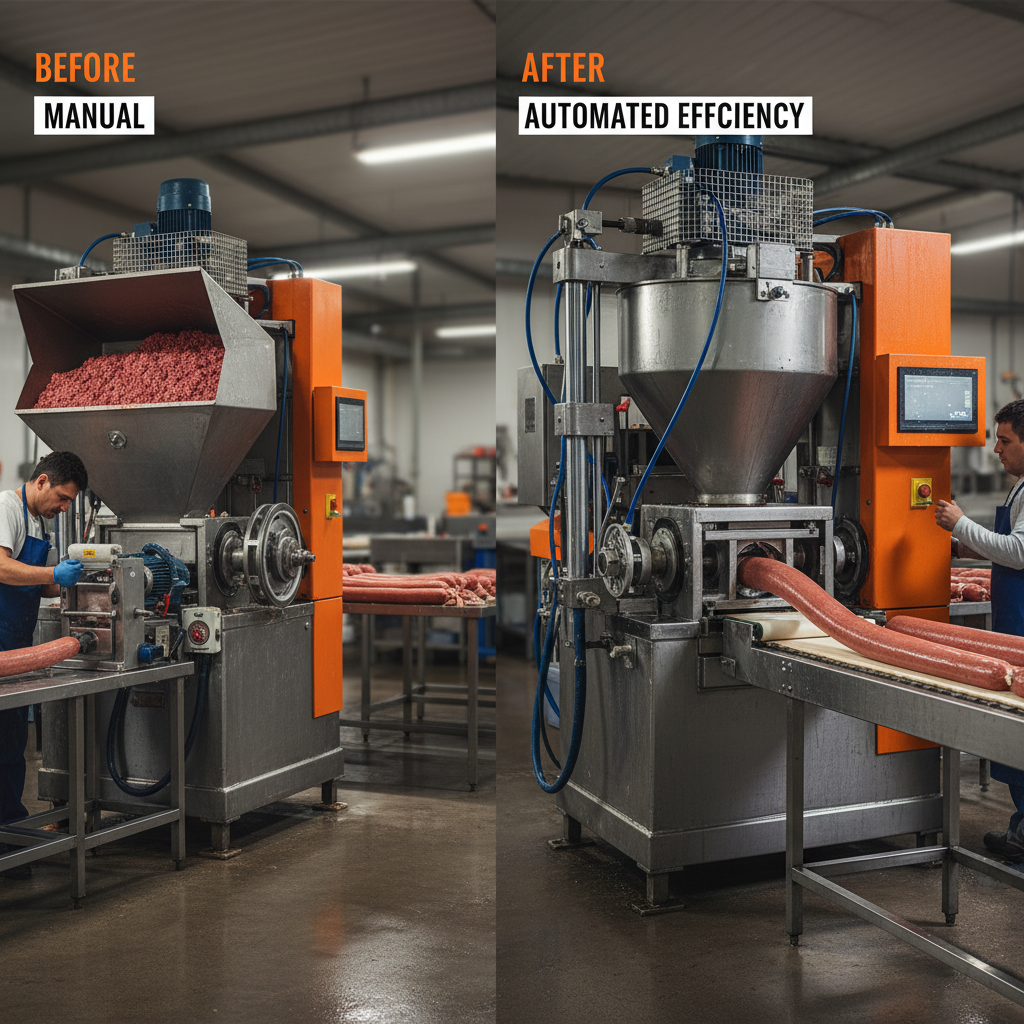
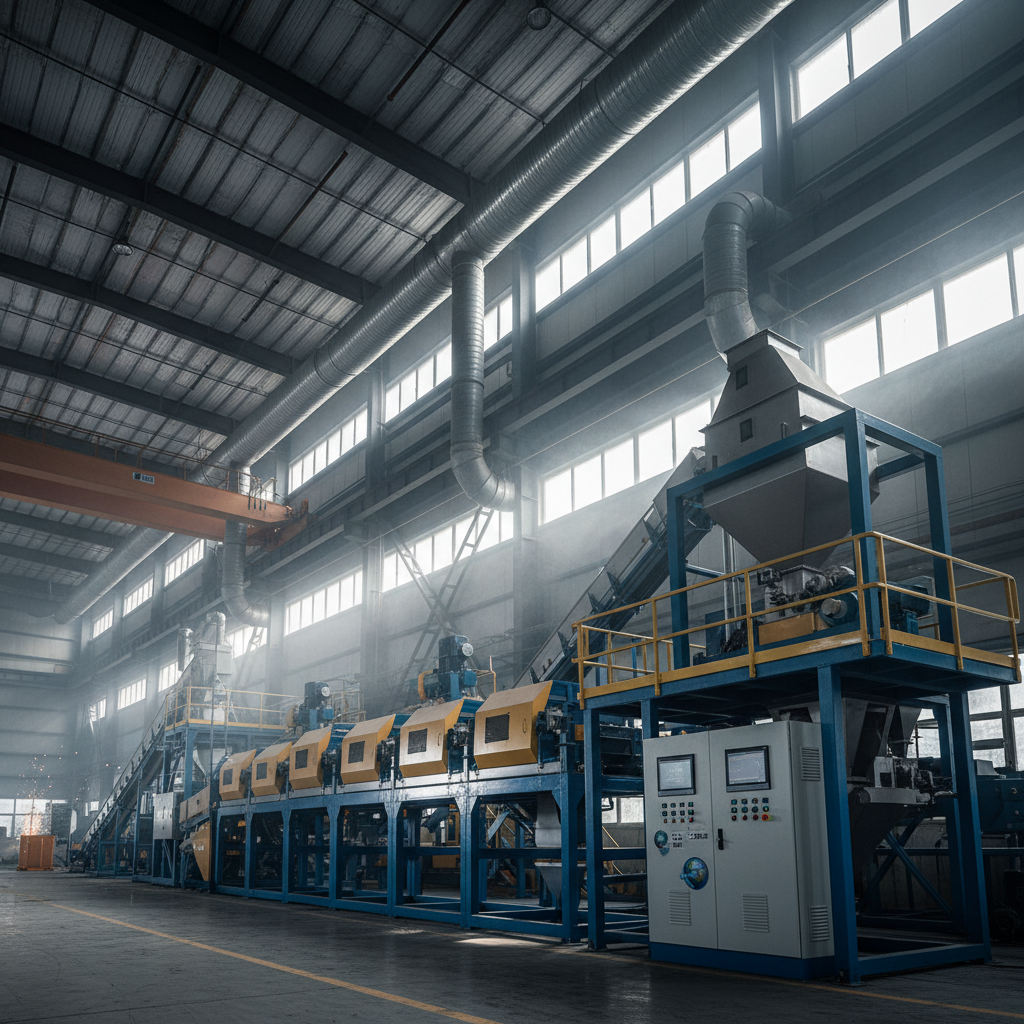
In the fast-paced world of meat processing, efficiency and hygiene are the cornerstones of profitability and consumer trust. The introduction of an automatic pouch filling machine has revolutionized how producers handle everything from minced meats to seasoned pastes, replacing slow manual labor with precision engineering. By automating the dosing and sealing process, manufacturers can ensure consistent weight and airtight packaging, which is critical for extending the shelf life of perishable protein products.
Globally, the demand for ready-to-eat (RTE) and ready-to-cook (RTC) meat products is surging, pushing the industry toward higher automation levels. An automatic pouch filling machine addresses the critical challenge of contamination risk; by minimizing human contact during the filling stage, businesses can drastically reduce the likelihood of pathogen introduction, aligning with stringent international food safety standards like HACCP and ISO 22000.
Understanding the nuances of these systems—from volumetric dosing to vacuum sealing—allows meat processors to scale their operations without sacrificing product integrity. Whether you are integrating this technology into a pretreatment line or using it for final molding packaging, the right filling solution optimizes throughput, reduces product giveaway, and enhances the overall commercial appeal of the finished meat product.
Global Industry Context of Automatic Pouch Filling
The global meat processing landscape is currently undergoing a digital transformation. With the rising cost of labor and the increasing pressure to reduce food waste, the implementation of an automatic pouch filling machine has become a strategic necessity rather than a luxury. According to food industry benchmarks, automation in packaging can reduce product loss by up to 15% compared to manual filling.
In markets across Europe, North America, and Asia, the shift toward flexible packaging (pouches) over rigid containers is driven by consumer preference for convenience and lower shipping costs. This shift has created a massive demand for high-speed, reliable filling systems that can handle the viscous and varied textures of meat emulsions, minced blends, and marinated chunks without clogging or inaccurate dosing.
Defining the Automatic Pouch Filling Machine
An automatic pouch filling machine is a specialized piece of industrial equipment designed to automatically load a predetermined volume or weight of product into a flexible pouch and seal it hermetically. In the context of meat processing, these machines are engineered to handle proteins, fats, and additives, ensuring that the product is dispensed without aeration or contamination.
Unlike simple gravity fillers, a professional-grade automatic pouch filling machine often incorporates PLC (Programmable Logic Controller) systems to manage the synchronization of pouch feeding, filling, and sealing. This ensures that every single package meets the exact weight specifications required by commercial law and customer expectations, eliminating the "human error" factor found in manual lines.
From a humanitarian and safety perspective, these machines are vital for the mass production of preserved meat products. By enabling rapid, sterile packaging, they facilitate the distribution of nutrient-dense meat products to remote areas or disaster-stricken zones where refrigeration may be limited but shelf-stable, vacuum-packed pouches can save lives.
Core Components for Operational Excellence
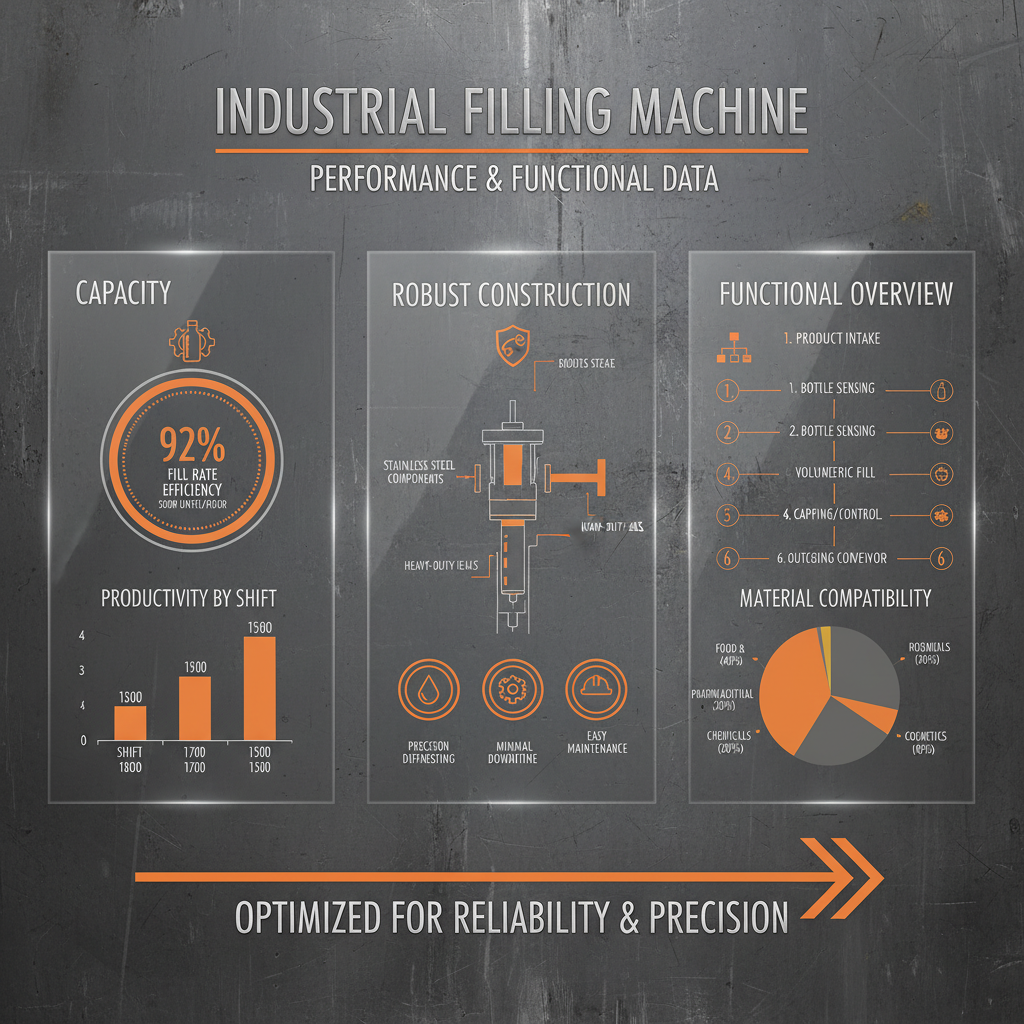
Precision Dosing Systems are the heart of any automatic pouch filling machine. Whether using piston-driven volumetric filling or load-cell weighing, the ability to dispense a consistent amount of meat paste or mince is what defines the machine's ROI. High-precision sensors ensure that the variance between pouches is kept to a minimum, preventing costly product giveaways.
Material Durability and Hygiene (Sanitary Design) are equally critical. Since the automatic pouch filling machine handles raw meat, it must be constructed from food-grade stainless steel (typically SUS304 or SUS316L). This allows for aggressive Clean-in-Place (CIP) cycles and prevents the pitting or corrosion that could harbor dangerous bacteria like Listeria or Salmonella.
Sealing Integrity and Versatility allow the machine to work with various film types, from PET/AL/PE to biodegradable options. A robust heating and pressure system ensures that the automatic pouch filling machine creates a leak-proof seal, which is the only thing standing between a fresh product and rapid spoilage in the supply chain.
Practical Applications in Meat Processing
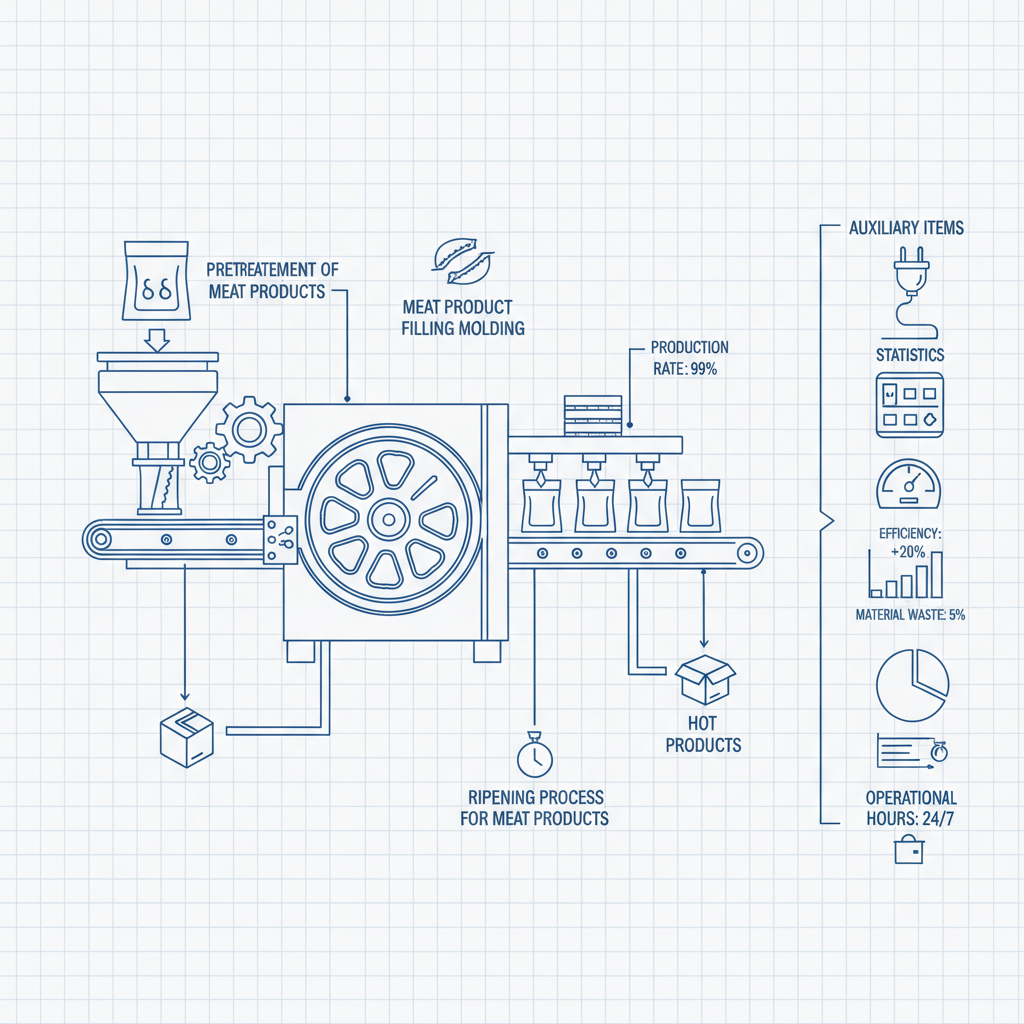
The versatility of the automatic pouch filling machine allows it to be integrated into various stages of production. In the "Pretreatment of meat products" phase, these machines are used to portion marinated meats into pouches for further curing or ripening. In the final packaging stage, they are essential for producing single-serve meat portions, such as seasoned ground beef or poultry pastes, ready for retail sale.
For example, in large-scale industrial zones in Southeast Asia, processors use these machines to package fish and pork pastes into vacuum pouches, which are then flash-frozen. This allows for the rapid movement of goods from the factory to distant urban centers while maintaining the "fresh-caught" or "fresh-slaughtered" quality that consumers demand.
Efficiency Comparison of Pouch Filling Methods
Long-Term Value and Economic Advantages
Investing in an automatic pouch filling machine provides an immediate reduction in operational overhead. By slashing the number of personnel required for the filling and sealing process, companies can reallocate their human capital to quality control and product development. More importantly, the consistency in fill-weight prevents "overfilling," which, when multiplied over millions of units, can save a company thousands of dollars in raw material costs per year.
Beyond the numbers, there is a significant emotional and trust-based value. Consumers today are hyper-aware of food safety. A professionally sealed pouch from an automatic pouch filling machine signals a high level of industrial professionalism and safety. This trust allows brands to enter premium markets and secure contracts with major supermarket chains that require strict adherence to packaging standards.
Future Trends in Filling Automation
The next generation of the automatic pouch filling machine is leaning heavily into "Industry 4.0." We are seeing the integration of AI-driven vision systems that can detect a misaligned pouch or a seal defect in real-time, automatically ejecting the faulty package without stopping the entire line. This level of digital transformation ensures zero-defect shipping.
Sustainability is another major driver. Future machines are being designed to handle thinner, recyclable, or compostable films that were previously too fragile for high-speed automation. The shift toward "Green Automation" means that the automatic pouch filling machine will not only be faster but also have a smaller carbon footprint through energy-efficient servo motors.
Furthermore, modularity is becoming the norm. Modern processors are opting for systems that can be easily reconfigured to switch between different pouch sizes or product viscosities with a few clicks on a touchscreen. This flexibility allows small-to-medium enterprises (SMEs) to diversify their product range—moving from sausage pastes to minced meat blends—without investing in entirely new machinery.
Overcoming Common Technical Challenges
One of the most common hurdles with an automatic pouch filling machine is dealing with "product bridging" or clogging, especially with chunky meat mixtures. To solve this, expert engineers suggest the integration of agitators or vibration systems within the hopper. This ensures a steady flow of product into the dosing chamber, preventing air pockets and maintaining fill accuracy.
Another challenge is the "seal contamination" issue, where meat residue gets trapped in the seal area, causing leaks. The solution lies in the implementation of precision nozzles and "cut-off" mechanisms that ensure the product is fully dispensed before the seal is applied. Regular calibration and the use of high-grade Teflon coatings on sealing bars also significantly mitigate this risk.
Finally, the complexity of maintenance can be daunting for some operators. Transitioning to a predictive maintenance model—where sensors alert the team when a seal bar is wearing down or a pump is losing pressure—allows for repairs during scheduled downtime rather than during a peak production run.
Technical Analysis and Performance Metrics of Pouch Filling Solutions
| Machine Configuration |
Filling Accuracy |
Cleaning Efficiency |
ROI Period |
| Standard Volumetric |
± 2% |
Moderate |
12-18 Months |
| High-Precision Servo |
± 0.5% |
High (CIP Ready) |
10-14 Months |
| Vacuum-Integrated |
± 1.5% |
Moderate |
15-20 Months |
| Multi-Head Weigher |
± 0.1% |
Complex |
20-24 Months |
| Piston-Driven Paste |
± 1% |
High |
11-15 Months |
| Hybrid Modular |
± 0.8% |
Very High |
14-18 Months |
FAQS
It drastically reduces human intervention during the filling process, which is where most contamination occurs. By using a closed system of food-grade stainless steel and automated sealing, it prevents external pathogens from entering the meat product, ensuring a sterile environment from hopper to final pouch.
Yes, professional automatic pouch filling machines are specifically designed for high-viscosity products. Using piston pumps or auger fillers, they can move thick meat emulsions and minced blends with ease, ensuring an accurate dose regardless of the product's thickness.
Daily cleaning (CIP) is mandatory in the meat industry. Weekly inspections of the sealing bars and gaskets are recommended to prevent leaks. Monthly calibration of the dosing system ensures that weight accuracy remains within the desired tolerance to avoid product giveaway.
Most modern machines feature adjustable guides and interchangeable sealing jaws. This allows a producer to switch from a 250g snack pouch to a 1kg family pack with minimal downtime, making the machine an asset for businesses with a diverse product portfolio.
Depending on the production volume, ROI typically occurs between 10 to 24 months. The savings come from reduced labor costs, a significant decrease in product waste (overfilling), and the ability to scale production to meet higher market demands.
Yes, newer models are equipped with precise temperature controls that can be adjusted for the specific melting points of eco-friendly and biodegradable films, allowing meat processors to meet sustainability goals without sacrificing seal integrity.
Conclusion
The integration of an automatic pouch filling machine is a transformative step for any meat processing operation. By combining precision dosing, sanitary design, and high-speed sealing, these systems solve the dual challenge of maintaining rigorous food safety standards while driving down operational costs. From the reduction of raw material waste to the elimination of manual errors, the long-term value of automation is undeniable in a competitive global market.
As the industry moves toward a future of AI-integrated quality control and sustainable packaging, staying ahead of the curve requires investing in flexible, scalable technology. For processors looking to enhance their throughput and secure a premium position in the RTE meat market, upgrading to a professional filling system is the most logical path forward. To discover the perfect solution for your production line, visit our website: www.ycmeatmech.com