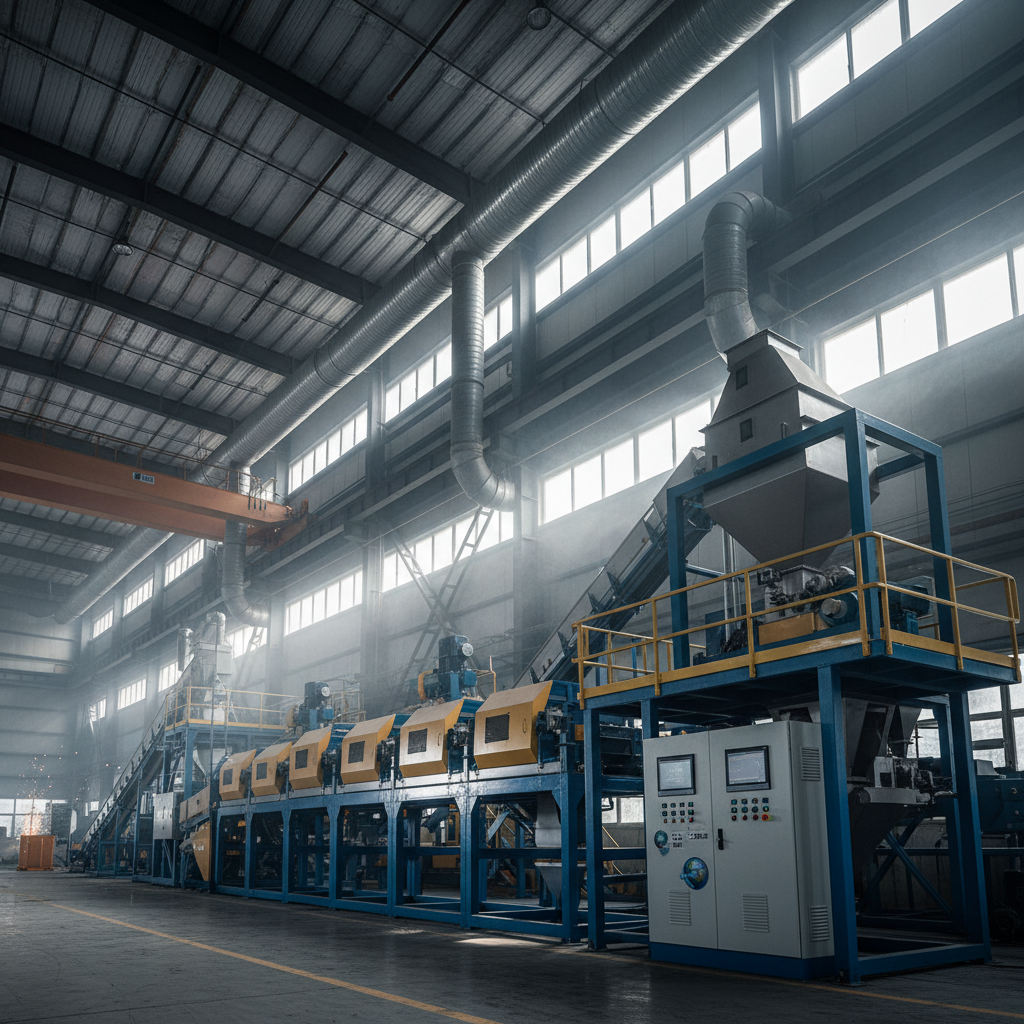
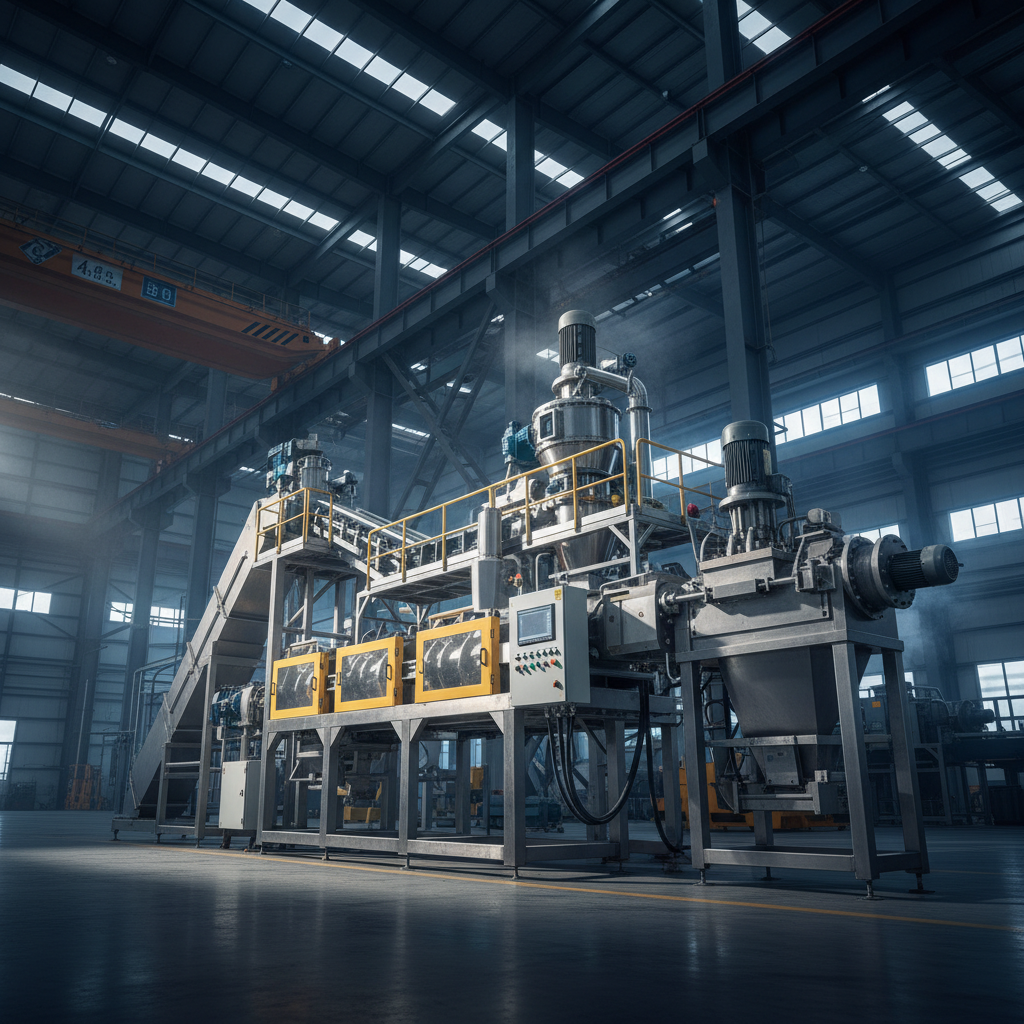
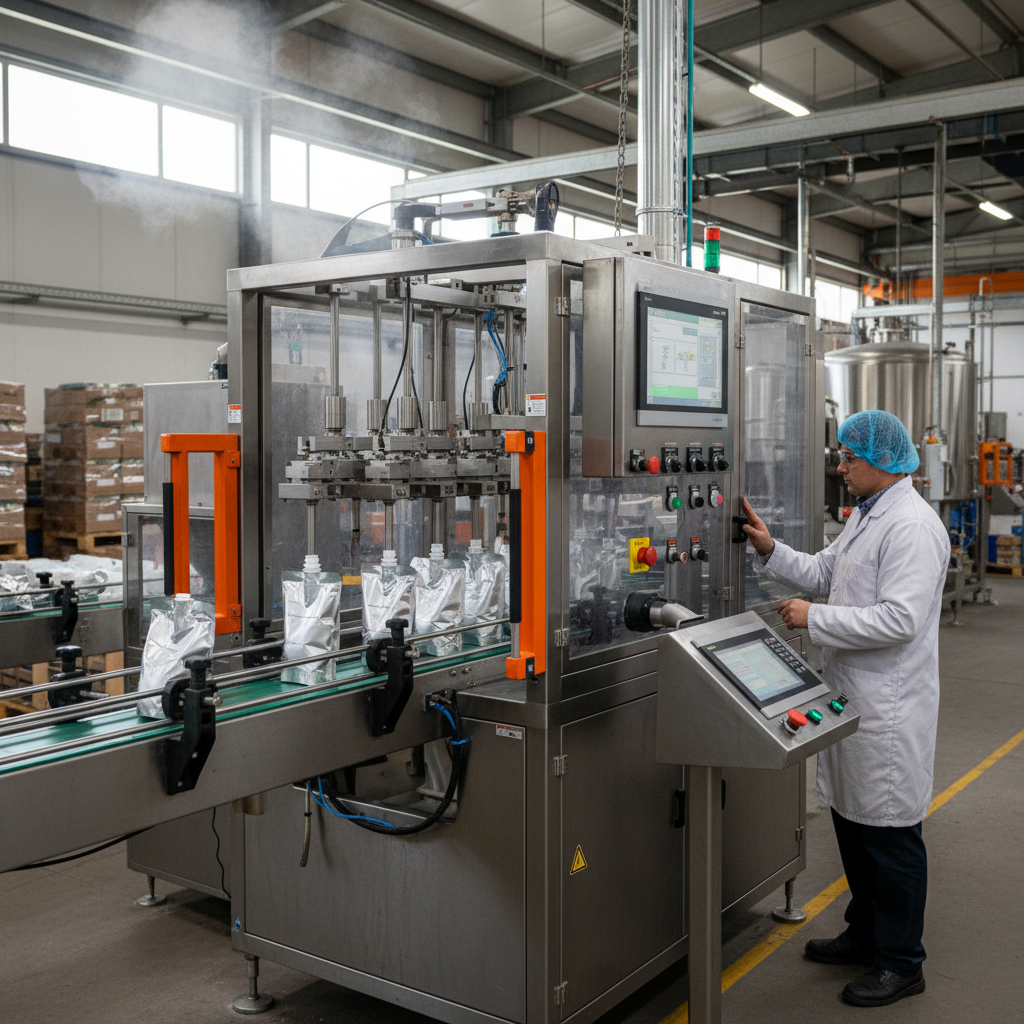
The demand for efficient and reliable fish feed production is soaring globally, driven by the increasing aquaculture industry and the need for sustainable food sources. An automatic fish feed making machine addresses this critical need by automating the process of feed creation, ensuring consistent quality, reducing labor costs, and minimizing waste. This technology is becoming indispensable for fish farms of all sizes, from small-scale operations to large commercial ventures.
Globally, aquaculture contributes significantly to food security and economic growth, yet the industry faces challenges related to feed costs and availability. A well-designed automatic fish feed making machine empowers fish farmers to take control of their feed supply, enabling them to optimize formulations for specific fish species and growth stages, leading to improved yields and profitability. Furthermore, it allows for greater flexibility in sourcing raw materials.
The evolution of automatic fish feed making machine technology reflects a commitment to innovation within the aquaculture sector. From simple pelletizing machines to sophisticated systems capable of producing customized feeds, these machines represent a pivotal step towards a more sustainable and efficient food production system. Understanding the intricacies of these machines is crucial for anyone involved in modern aquaculture.
Introduction to automatic fish feed making machine
An automatic fish feed making machine is more than just a piece of equipment; it’s a complete solution for producing high-quality fish feed tailored to specific aquaculture needs. These machines represent a significant advancement over traditional methods of feed production, providing consistency, efficiency, and cost savings.
The underlying principle involves automating the mixing, grinding, pelletizing, drying, and coating processes of fish feed. Different models offer varying capacities and functionalities, making them suitable for diverse applications, from small family farms to large-scale commercial operations. The core benefit lies in providing a consistent and nutritious feed source, directly impacting fish growth and overall farm profitability.
Global Relevance and Industry Context
The global aquaculture industry is experiencing unprecedented growth, with the Food and Agriculture Organization (FAO) estimating that it will account for over 60% of global fish consumption by 2030. This growth necessitates innovative solutions to address the challenges of feed production, which represents a significant portion of aquaculture costs. An automatic fish feed making machine is crucial in meeting this demand.
According to the World Bank, sustainable aquaculture practices are essential for food security and poverty reduction, particularly in developing countries. The ability to produce affordable and high-quality fish feed locally, facilitated by these machines, can empower local communities and create economic opportunities. Furthermore, it reduces reliance on imported feed, mitigating price fluctuations and supply chain disruptions.
The increasing focus on environmental sustainability also drives the demand for optimized feed production. Modern automatic fish feed making machine designs prioritize energy efficiency and waste reduction, aligning with the growing global emphasis on responsible aquaculture practices and minimizing the environmental footprint of food production.
Defining automatic fish feed making machine
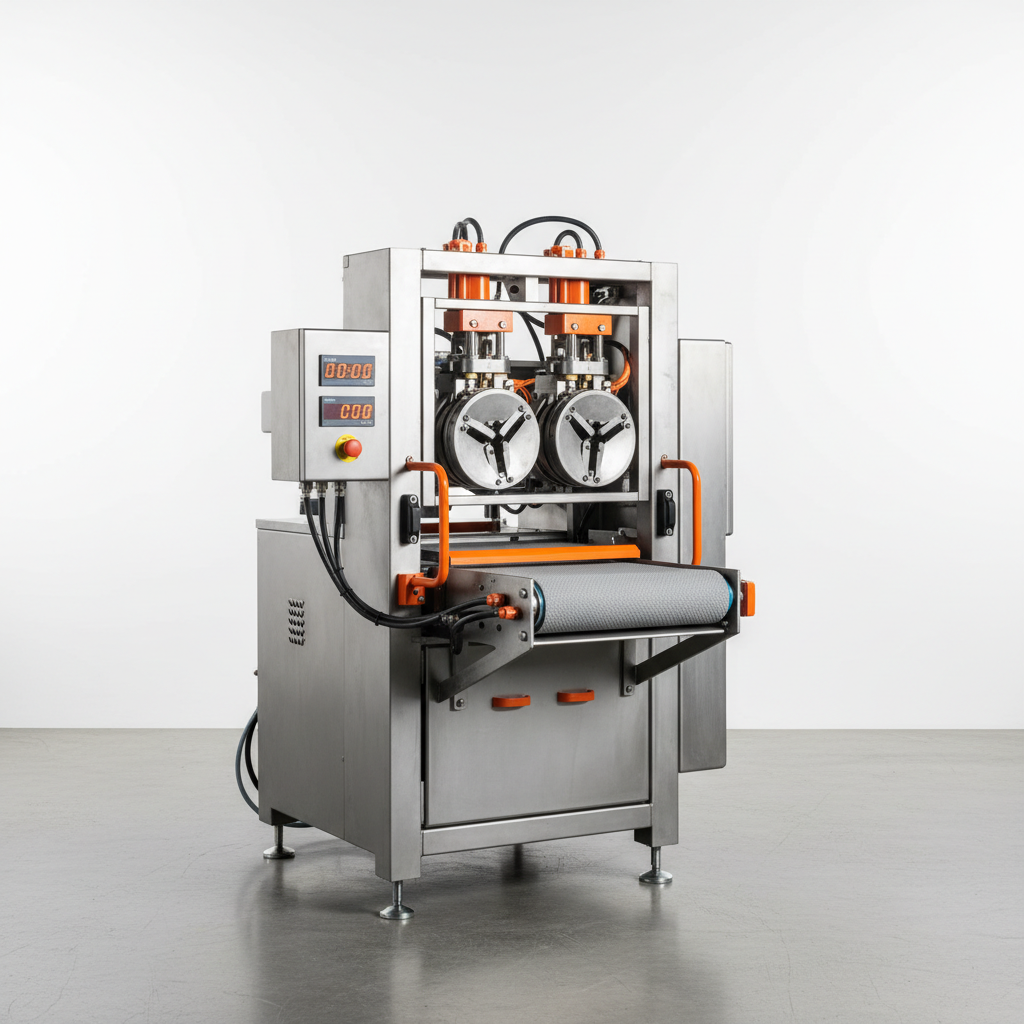
An automatic fish feed making machine is a mechanical system designed to process raw ingredients into nutritionally balanced and physically suitable feed for farmed fish. It automates tasks like ingredient proportioning, mixing, grinding, pelleting (or extruding), drying, and often, coating with vitamins or other additives.
The connection to modern industry stems from advancements in automation, materials science, and process engineering. These machines represent a fusion of mechanical, electrical, and computer control systems. They are integral to the modern aquaculture ecosystem, streamlining the feed production process and enhancing the efficiency of fish farming operations.
In humanitarian contexts, access to locally produced, affordable fish feed can improve food security in vulnerable communities. Automatic fish feed making machine, when appropriately scaled and implemented, can contribute to self-sufficiency and sustainable livelihoods, particularly in regions where access to imported feed is limited or unreliable.
Key Factors and Core Components
Durability: A robust construction, utilizing high-quality materials like stainless steel, is paramount. This ensures a long lifespan and minimizes downtime, crucial for continuous feed production. automatic fish feed making machine are exposed to harsh environments and constant use, making durability a key consideration.
Scalability: The ability to adjust production capacity to meet changing demands is essential. Machines with modular designs allow for easy expansion or modification, accommodating growth in aquaculture operations.
automatic fish feed making machine Component Performance
Global Applications & Use Cases
In Southeast Asia, particularly in countries like Vietnam and Indonesia, automatic fish feed making machine are widely adopted by both small-scale and large-scale aquaculture farms producing Tilapia, Pangasius, and Shrimp. This enables these nations to maintain competitive advantages in global seafood markets.
In remote industrial zones of Africa, where access to commercial feed is often limited, these machines provide a lifeline for local fish farmers, enabling them to produce affordable and nutritious feed from locally sourced ingredients. This contributes to food security and economic empowerment within those communities.
Furthermore, in post-disaster relief operations, mobile automatic fish feed making machine can be deployed to provide a sustainable food source for affected populations, promoting resilience and self-sufficiency in the aftermath of natural disasters.
Advantages & Long-Term Value
The cost savings associated with producing feed in-house are substantial, reducing reliance on expensive commercial feeds and mitigating price volatility. This directly translates to increased profitability for aquaculture operations. Furthermore, control over the ingredients allows for customized feed formulations, optimizing fish growth and health.
Sustainability is a key advantage. By utilizing locally sourced ingredients and reducing transportation costs, these machines minimize the environmental impact of feed production. The long-term value extends beyond financial benefits, encompassing environmental responsibility and enhanced food security.
Future Trends & Innovations
The integration of AI and machine learning into automatic fish feed making machine is a significant trend. AI-powered systems can analyze data on fish growth, water quality, and feed consumption to optimize feed formulations in real-time, maximizing efficiency and minimizing waste.
Research into alternative protein sources, such as insect meal and algae, is driving innovation in feed formulations. Future machines will likely incorporate systems for processing these novel ingredients, further enhancing the sustainability of aquaculture. The use of renewable energy sources to power these machines is another growing trend, reducing their carbon footprint.
Challenges & Solutions
One common challenge is ensuring consistent raw material quality. Implementing rigorous quality control procedures and establishing relationships with reliable suppliers are crucial solutions. Another challenge is the initial investment cost, which can be prohibitive for small-scale farmers. Financing options and government subsidies can help address this barrier.
Maintenance and technical support can also be a concern, particularly in remote areas. Providing comprehensive training programs and establishing a network of skilled technicians is essential for ensuring the long-term operational efficiency of these machines. Remote diagnostics and preventative maintenance programs can also minimize downtime.
Furthermore, optimizing energy efficiency and minimizing waste generation remain ongoing challenges. Continuous innovation in machine design and process optimization is necessary to address these issues and further enhance the sustainability of automatic fish feed making machine.
Analysis of Automatic Fish Feed Making Machine Performance Parameters
| Feed Production Capacity (kg/hour) |
Energy Consumption (kWh/kg) |
Maintenance Frequency (months) |
Overall Cost Effectiveness (1-10) |
| 50-100 |
0.1 - 0.2 |
6 |
8 |
| 100-200 |
0.08 - 0.15 |
4 |
9 |
| 200-300 |
0.05 - 0.1 |
3 |
9.5 |
| 300-500 |
0.04 - 0.08 |
2 |
10 |
| 500-1000 |
0.03 - 0.06 |
1.5 |
9.8 |
| 1000+ |
0.02 - 0.05 |
1 |
9.9 |
FAQS
The payback period for an automatic fish feed making machine varies depending on factors like farm size, feed costs, and production volume. However, most farms experience a payback within 18-36 months due to significant savings on feed expenses and improved fish growth rates. Efficient operations, combined with effective cost management, can accelerate this return on investment.
A wide range of raw materials can be utilized, including cereals (corn, wheat, rice bran), oilseeds (soybean meal, sunflower meal), protein sources (fish meal, poultry meal), vitamins, minerals, and additives. Modern machines can also process alternative ingredients like insect meal and algae. The specific formulation depends on the target fish species and their nutritional requirements.
The space requirement varies depending on the machine's capacity and configuration. Smaller machines may require as little as 20 square meters, while larger, high-capacity systems may need 100 square meters or more. Adequate space is needed for raw material storage, machine operation, and finished feed bagging or storage.
While automatic fish feed making machine are designed for ease of operation, some technical training is essential. Operators should understand basic machine maintenance, troubleshooting procedures, and feed formulation principles. Manufacturers typically provide comprehensive training programs to ensure safe and efficient operation.
Modern machines are equipped with numerous safety features, including emergency stop buttons, overload protection systems, safety guards, and dust collection systems. Proper training and adherence to safety protocols are crucial for preventing accidents and ensuring a safe working environment. Regular inspections and maintenance are also vital.
Yes, most automatic fish feed making machine feature adjustable die systems that allow for the production of various pellet sizes. This flexibility is crucial for catering to the specific feeding requirements of different fish species and growth stages. The pellet size can be easily adjusted by changing the die within the machine.
Conclusion
In conclusion, the automatic fish feed making machine represents a transformative technology for the aquaculture industry, offering significant advantages in terms of cost efficiency, sustainability, and feed quality. These machines empower fish farmers to optimize their operations, enhance profitability, and contribute to global food security. The future of aquaculture is inextricably linked to the continued innovation and adoption of these automated feed production solutions.
Looking ahead, we anticipate further advancements in machine intelligence, alternative ingredient processing, and energy efficiency. Investing in this technology is not just a business decision; it's a commitment to a more sustainable and resilient aquaculture industry. Visit our website at www.ycmeatmech.com to learn more about how we can help you optimize your fish feed production.