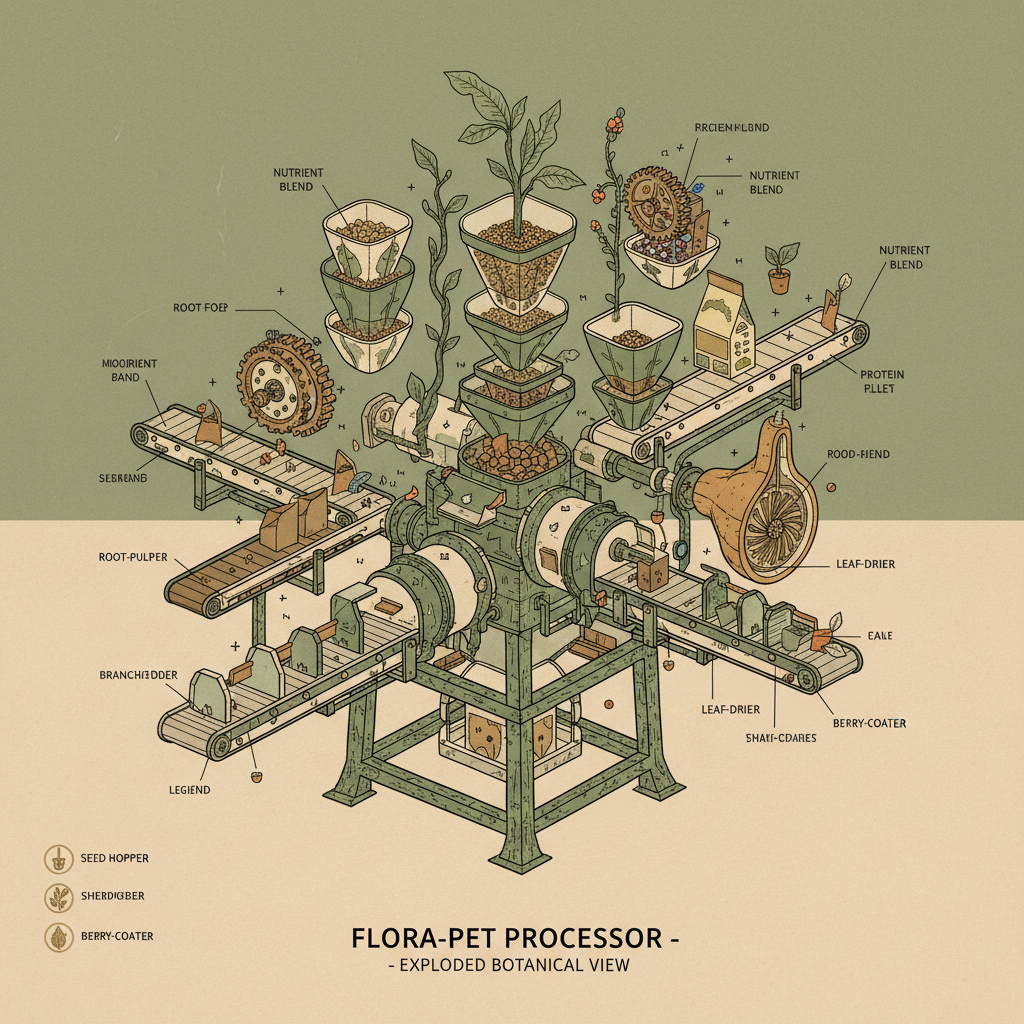
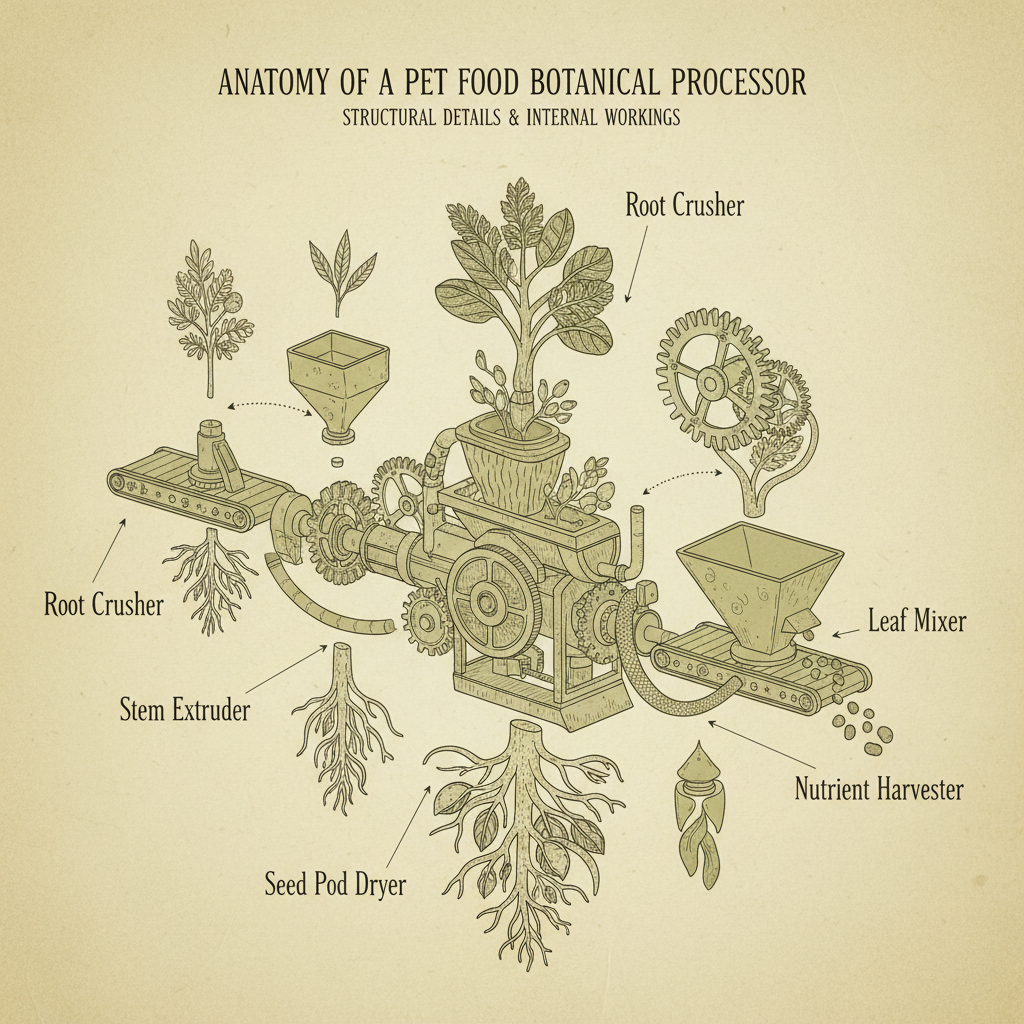
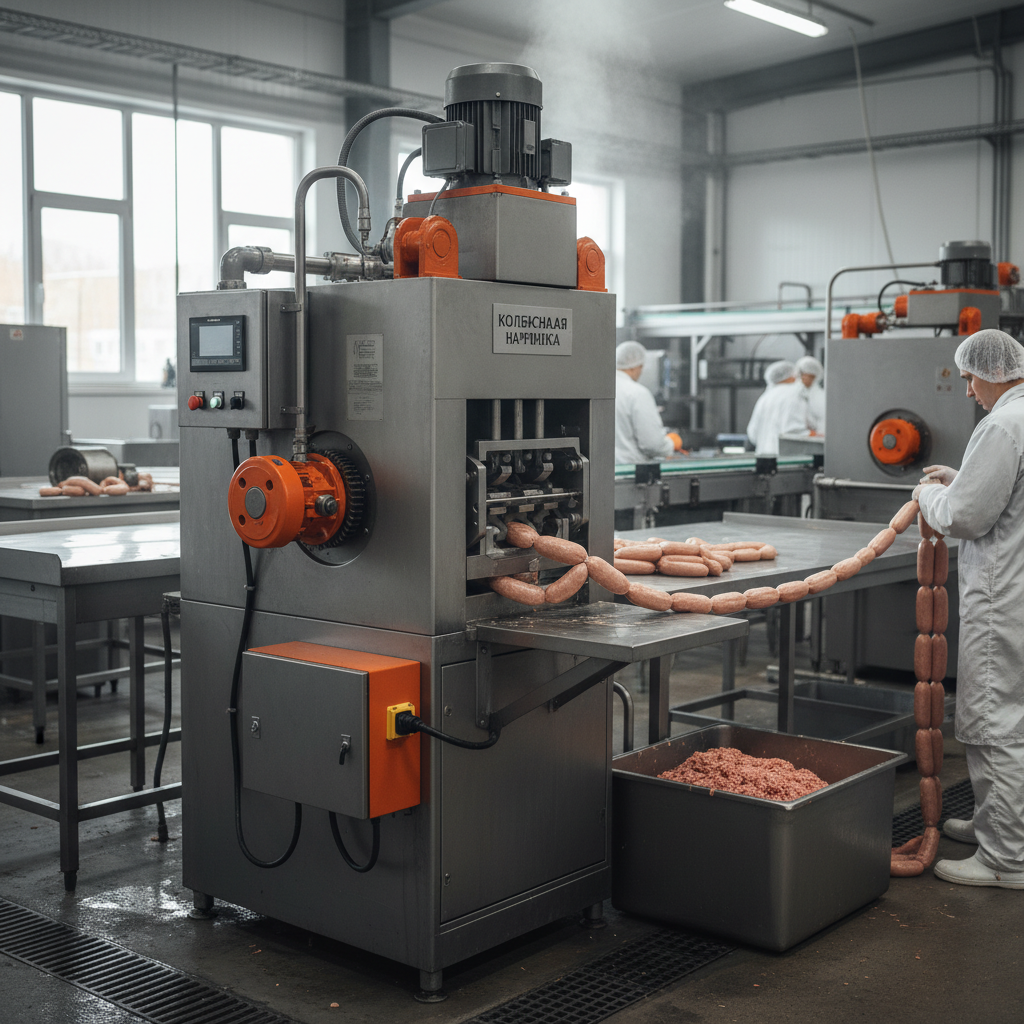
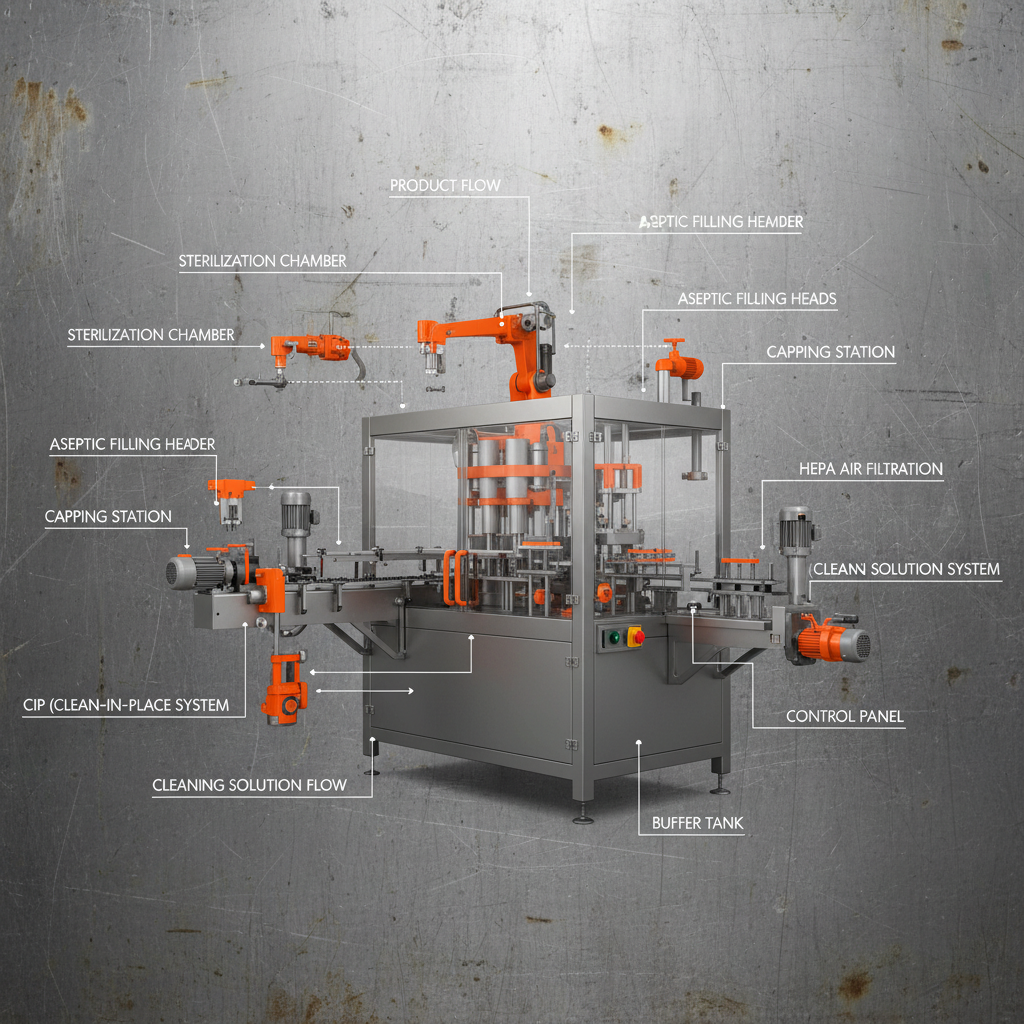
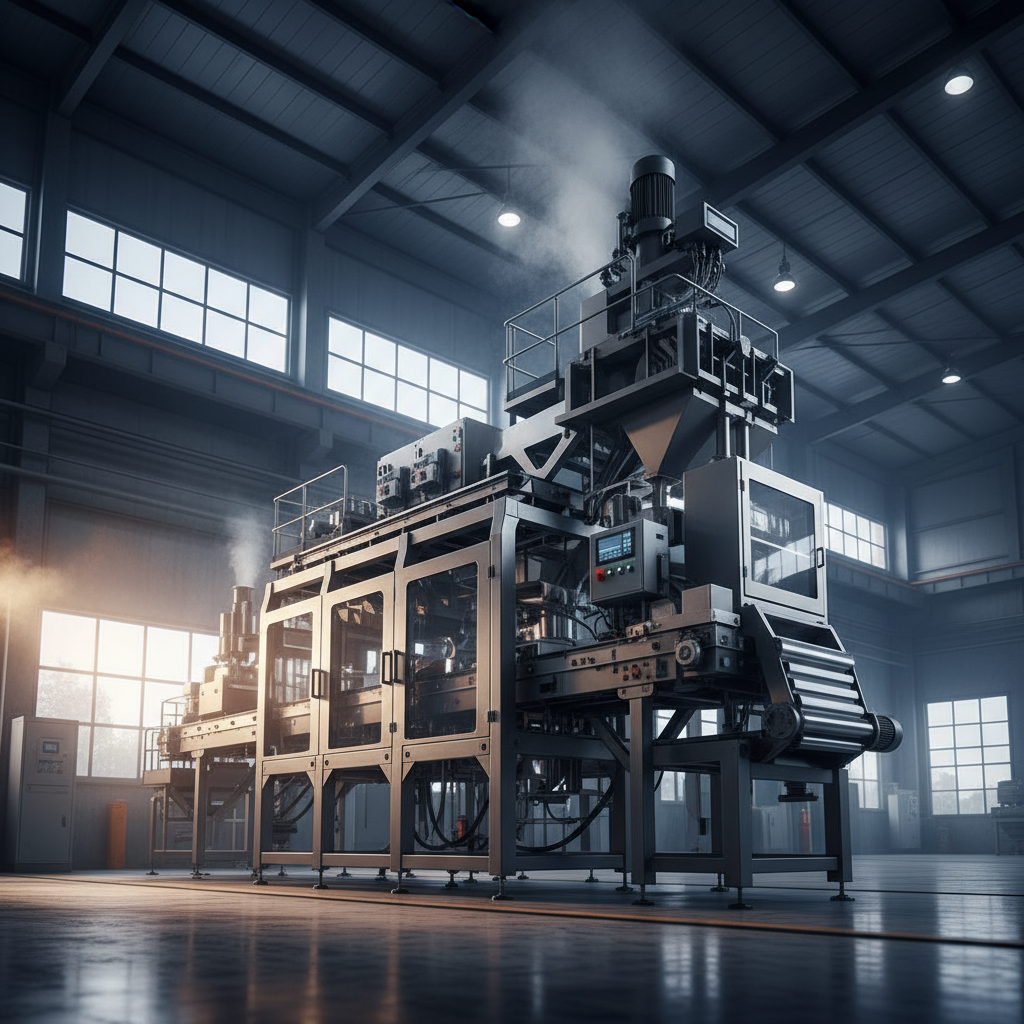
You know, lately everyone’s buzzing about automation in pet food production. It’s not just about slapping a robot arm on everything, though. It’s about integrating systems – getting the ingredient handling, mixing, forming, and packaging all talking to each other. Frankly, it's long overdue. I've seen too many lines where things just…stop. And then it’s a scramble to figure out where the bottleneck is. These new systems aim to pinpoint that instantly. But, and this is a big but, a lot of suppliers are overpromising on the ‘instant’ part.
I’ve been running around factories for nearly twenty years, and believe me, simple is often better. Fancy bells and whistles are great until they break down, and then you’re looking at downtime, parts shortages, and a very unhappy client. I think manufacturers are finally realizing that. They’re starting to focus on reliability, ease of maintenance, and getting the basics right. It seems obvious, but you wouldn’t believe how often that gets overlooked.
And the demand? It's going through the roof. Pet ownership is up globally, people are spending more on premium food, and specialized diets are becoming the norm. The UN has reports on it, the World Bank even touches on it with agricultural supply chains…it’s a proper industry now, not just scraps from the human food processing world. Pet food machinery isn’t just a niche anymore; it’s a critical part of a growing global market.
The Current Landscape of pet food machinery
To be honest, the big trend right now is modularity. Everyone wants lines that can be easily reconfigured for different product types. You see it in everything from extrusion lines to canning equipment. It makes sense, especially for smaller manufacturers who can’t afford dedicated lines for every single recipe. I encountered this at a kibble factory in Italy last time – they were switching between dog, cat, and even bird food on the same line, all within a single shift.
But there’s a downside, right? All those connections, all those potential points of failure. You start adding too many modules, and the whole system can become a headache to troubleshoot. It’s a delicate balance between flexibility and reliability, and a lot of vendors are still figuring it out. It’s not just about selling the machine, it’s about providing ongoing support and maintenance.
Design Pitfalls to Watch Out For
Have you noticed how many machines have unnecessarily complicated cleaning systems? Seriously, I’ve seen setups that require a team of two and a half hours to fully dismantle and sanitize. It’s insane! Especially considering the strict hygiene standards in the pet food industry. Simplicity is key here. Easy access to all critical components, minimal dead spaces where bacteria can hide…that's what matters. I also see a lot of designs where they try to cram too much functionality into a single machine. It leads to compromises in performance and reliability.
And the user interface! Don't even get me started. Too many touchscreens, too many menus, too much complexity. The guys on the floor just want something that works, not a computer science degree. Big, clear buttons, straightforward displays, and intuitive controls – that’s what they need.
Another thing? Ignoring ergonomics. These machines are operated by people, day in and day out. If they’re uncomfortable to use, if they require awkward movements, you’re going to end up with injuries and reduced productivity. It sounds basic, but it's often overlooked.
Material Matters: A Hands-On Perspective
Strangely, material selection is where things get really interesting. Stainless steel, of course, is the standard for anything that comes into contact with the food. But there are different grades of stainless steel, and not all are created equal. 316L is what you want for corrosion resistance, especially if you're dealing with ingredients that have a high salt content. But it’s expensive.
I remember sniffing the steel at a factory in Thailand once – sounds weird, right? But you can actually smell the difference in quality. The cheaper stuff has a metallic tang, whereas the 316L has a clean, almost odorless scent. It's a little trick I picked up over the years. We also use a lot of UHMW polyethylene for wear strips and chutes. It’s self-lubricating, incredibly durable, and doesn’t contaminate the food. It feels kinda waxy to the touch, almost like hard plastic.
Then there are the seals. Those are critical. We’re talking about food-grade silicone, PTFE, and sometimes even specialized elastomers. They need to withstand constant cleaning, temperature fluctuations, and exposure to various ingredients. And they need to seal tight, or you're going to have product contamination and potential shutdowns.
Real-World Testing: Beyond the Lab
Anyway, I think lab tests are okay for basic functionality, but they don’t tell you the whole story. You need to test these machines in a real-world environment, under actual production conditions. That means running them 24/7, pushing them to their limits, and seeing how they handle variations in ingredients.
We’ve got a test facility where we simulate typical factory conditions, including dust, humidity, temperature fluctuations, and operator errors. We even throw in some intentional “challenges” – like a sudden power outage or a jammed conveyor belt – to see how the system responds. We watch how the operators interact with the machine, identify potential pain points, and make adjustments accordingly.
Pet Food Machinery Performance Metrics
How Users Actually Interact with pet food machinery
You know, designers think people will use things a certain way, but it’s rarely the case. I’ve seen operators bypass safety interlocks just to save a few seconds, I've seen them use the machine as a makeshift workbench, and I've even seen them try to fix things with duct tape. It's unbelievable.
That's why user training is so important. But it's not enough to just show them how to operate the machine. You need to understand why they're doing things a certain way, and address their concerns. Are they trying to save time? Are they uncomfortable with the controls? Are they just plain confused? Once you understand their motivations, you can design a system that works with them, rather than against them.
Advantages, Disadvantages, and Customization Options
The biggest advantage of modern pet food machinery, without question, is increased efficiency. You can produce more food with less labor and less waste. It's a no-brainer for large manufacturers. But it also levels the playing field for smaller companies, allowing them to compete with the big players.
Disadvantages? Cost, of course. And complexity. These machines require skilled technicians to operate and maintain them. And downtime can be expensive. But the biggest issue, in my opinion, is the lack of standardization. Every manufacturer has their own proprietary systems and protocols, which makes integration a nightmare.
Customization? Absolutely. We recently had a client who wanted to integrate a laser marking system into their packaging line, to add a unique serial number to each bag of food. It was a bit of a challenge, but we managed to get it done. It wasn’t a standard feature, but we were able to modify the existing system to meet their specific needs.
A Case Study: The Debacle in Shenzhen
Last month, that small boss in Shenzhen who makes smart home devices insisted on changing the interface to on his new extrusion line. Said it was “more modern.” I tried to tell him that the guys on his team were used to the old connector, and replacing all the cables and adapters would be a pain, but he wouldn't listen.
The result? Chaos. They spent a week troubleshooting the new connection, and production ground to a halt. Turns out the port wasn't properly shielded, and it was picking up interference from the nearby electronics. It was a simple fix, but it cost them a fortune in lost production time and frustrated employees.
It's a classic example of overengineering and ignoring the needs of the people who actually operate the machine. He wanted to look cutting-edge, but ended up creating a bigger mess.
Summary of Key Considerations for Successful Pet Food Machinery Implementation
| Component |
Reliability Rating (1-10) |
Maintenance Complexity |
Cost of Ownership |
| Extruder Barrel |
9 |
Medium |
$5,000 - $15,000 |
| Mixing System |
8 |
Low |
$2,000 - $8,000 |
| Forming Die |
7 |
High |
$1,000 - $5,000 |
| Packaging Machine |
6 |
Medium |
$10,000 - $30,000 |
| Control System |
7 |
High |
$3,000 - $10,000 |
| Cleaning System |
5 |
Very High |
$4,000 - $12,000 |
FAQS
Choosing an extrusion machine isn't just about capacity. You need to consider the type of pet food you're making (kibble size, density), the ingredients you're using (some are harder to extrude than others), and the level of control you need over the process. Think about screw design, die configuration, and temperature control. Don't forget about cleaning – a machine that's difficult to clean will quickly become a hygiene nightmare. And, honestly, look for a manufacturer with a solid reputation for service and support. Trust me, you'll need it.
It really depends on usage and maintenance. Wear parts like screws, dies, and bearings will need replacing eventually. I’d say, plan on replacing dies every 6-12 months, depending on the abrasiveness of the ingredients. Screws can last longer, but check for wear and tear regularly. Good preventative maintenance – lubrication, cleaning, inspections – can significantly extend the life of your components. Ignoring it will cost you more in the long run, guaranteed.
Energy consumption varies wildly based on the size and type of machinery. Extruders are typically the biggest energy hogs. Expect to pay a hefty electricity bill, especially if you’re running 24/7. Look for energy-efficient motors and variable frequency drives to help reduce consumption. Also, consider insulating your equipment to minimize heat loss. It’s not glamorous, but every little bit helps.
Compliance starts with choosing equipment that's built to food-grade standards. Stainless steel is a must, and all materials should be non-toxic and easy to clean. Proper sanitation procedures are also critical. Implement a regular cleaning schedule, use approved disinfectants, and train your employees on proper hygiene practices. And, of course, keep detailed records of all cleaning and maintenance activities. Document, document, document!
Good suppliers will offer comprehensive training programs for your operators. This should include everything from basic machine operation to troubleshooting and maintenance. They should also provide ongoing technical support, either remotely or on-site. Don't be afraid to ask questions and demand a high level of service. You're investing a lot of money in this equipment, you deserve the support you need.
Absolutely. Most manufacturers are willing to customize their equipment to meet your specific needs. This might involve modifying the screw design of an extruder, adjusting the die configuration, or adding specialized mixing attachments. But be prepared to pay extra for customization. And make sure you clearly communicate your requirements to the supplier upfront, to avoid misunderstandings and delays.
Conclusion
Ultimately, modern pet food machinery is a complex beast. It's about more than just building a machine; it's about understanding the entire process, from raw materials to finished product. It’s about balancing efficiency with reliability, customization with standardization, and cost with performance.
But here’s the thing, all the engineering, all the fancy automation, all the computer modeling…it doesn’t really matter until someone actually tightens a screw and sees if it works. The worker on the floor, the guy who’s dealing with the machine day in and day out – he's the ultimate judge. And if he approves, then, and only then, can you be confident you’ve got a good system. If you’re looking to upgrade your line, or get started in pet food production, visit our website: www.ycmeatmech.com