The humble trolley hopper, often overlooked, plays a critical role in modern logistics and material handling across a surprisingly broad spectrum of industries. From streamlining operations in bustling warehouses to facilitating efficient transport within complex manufacturing facilities, the trolley hopper’s core function – the contained movement of bulk materials – is fundamental to countless processes. Understanding its design principles, applications, and future trends is therefore essential for anyone involved in supply chain management, industrial engineering, or seeking optimized material flow solutions.
Globally, the demand for efficient material handling solutions is surging, driven by expanding e-commerce, increasingly complex supply chains, and a growing emphasis on automation. The United Nations projects continued global population growth, necessitating increased agricultural output and efficient resource management – areas where trolley hoppers contribute significantly. Furthermore, ISO standards related to safety and efficiency in material handling are becoming more stringent, prompting businesses to invest in updated and reliable equipment like the trolley hopper.
The rising costs associated with labor, coupled with the need for faster turnaround times, further fuel the demand for automated and semi-automated material handling systems. The trolley hopper, as a foundational component in these systems, directly addresses these challenges, offering a cost-effective and robust solution for moving materials within defined pathways. The ability to integrate trolley hoppers into automated workflows is a key driver of their continued relevance.


At its core, the trolley hopper represents a deceptively simple yet powerfully effective solution to a common industrial problem: the efficient and controlled movement of bulk materials. It’s more than just a container on wheels; it’s a vital link in the supply chain, facilitating smoother production processes and reducing the risk of material damage or loss. Its versatility makes it applicable across diverse industries.
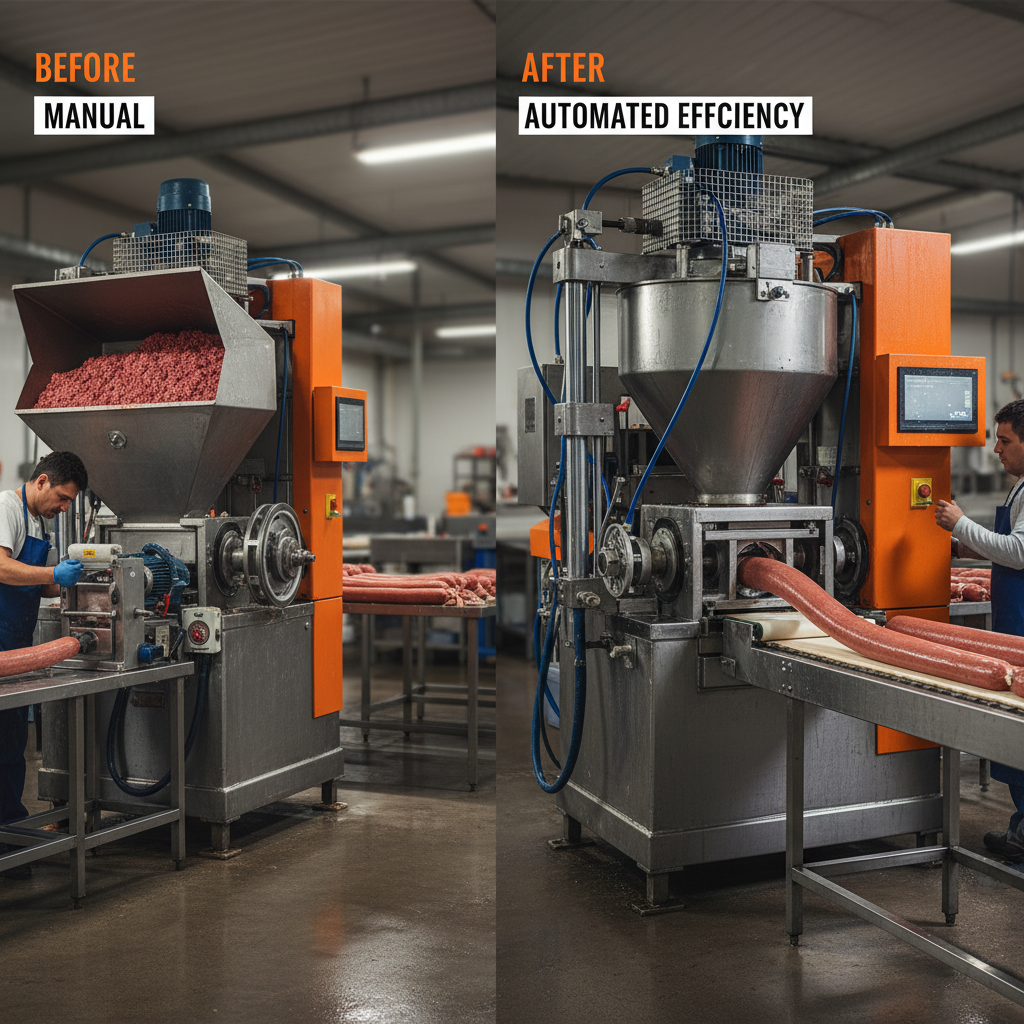
The efficiency gains derived from utilizing a trolley hopper often translate directly into reduced operational costs. By minimizing manual handling and streamlining transport, businesses can optimize labor allocation, decrease the potential for workplace injuries, and ultimately enhance their bottom line. The simplicity of its operation contributes to ease of maintenance and long-term reliability.
The load capacity of a trolley hopper system varies widely depending on the design, materials used, and track configuration. Generally, they range from a few hundred pounds to several tons. Smaller, manually operated hoppers might handle loads of 200-500 lbs, while larger, automated systems can support 5,000 lbs or more. Careful consideration of material weight and distribution is crucial when selecting a suitable system. Proper load balancing is key to safe and efficient operation, preventing track damage and ensuring long-term reliability of the trolley hopper.
Comparing the cost of a trolley hopper system to a conveyor belt depends on the specific application and scale. For short-distance, localized material handling, trolley hoppers are often more cost-effective, particularly when flexibility and adaptability are important. Conveyor belts tend to be more economical for high-volume, continuous transport over longer distances. Initial investment costs for trolley hopper systems can be lower, but factors like track installation and automation features can influence the overall expense.
Regular maintenance is essential for ensuring the long-term reliability of a trolley hopper system. Key tasks include inspecting and lubricating wheels and bearings, checking track alignment, and examining the hopper structure for damage. Preventative maintenance schedules should be established to identify and address potential issues before they lead to costly downtime. For automated systems, regular software updates and sensor calibrations are also necessary. Utilizing high-quality components and following manufacturer guidelines can significantly reduce maintenance requirements.
Absolutely! Trolley hopper systems are increasingly being integrated with automation technologies to enhance efficiency and reduce labor costs. This can involve incorporating automated control systems, sensors for material detection, and robotic arms for loading and unloading materials. Integrating with warehouse management systems (WMS) enables real-time tracking and optimization of material flow. Automated trolley hoppers can navigate predefined routes and respond to changing production demands.
Safety is paramount when operating a trolley hopper system. Essential safety features include emergency stop buttons, wheel locks, and barriers to prevent accidental contact. Proper training for operators is crucial to ensure they understand safe operating procedures. Regular inspections should be conducted to identify and address any potential hazards. Implementing light curtains or sensors can further enhance safety by automatically stopping the system if an obstruction is detected. Always prioritize safety protocols to prevent accidents.
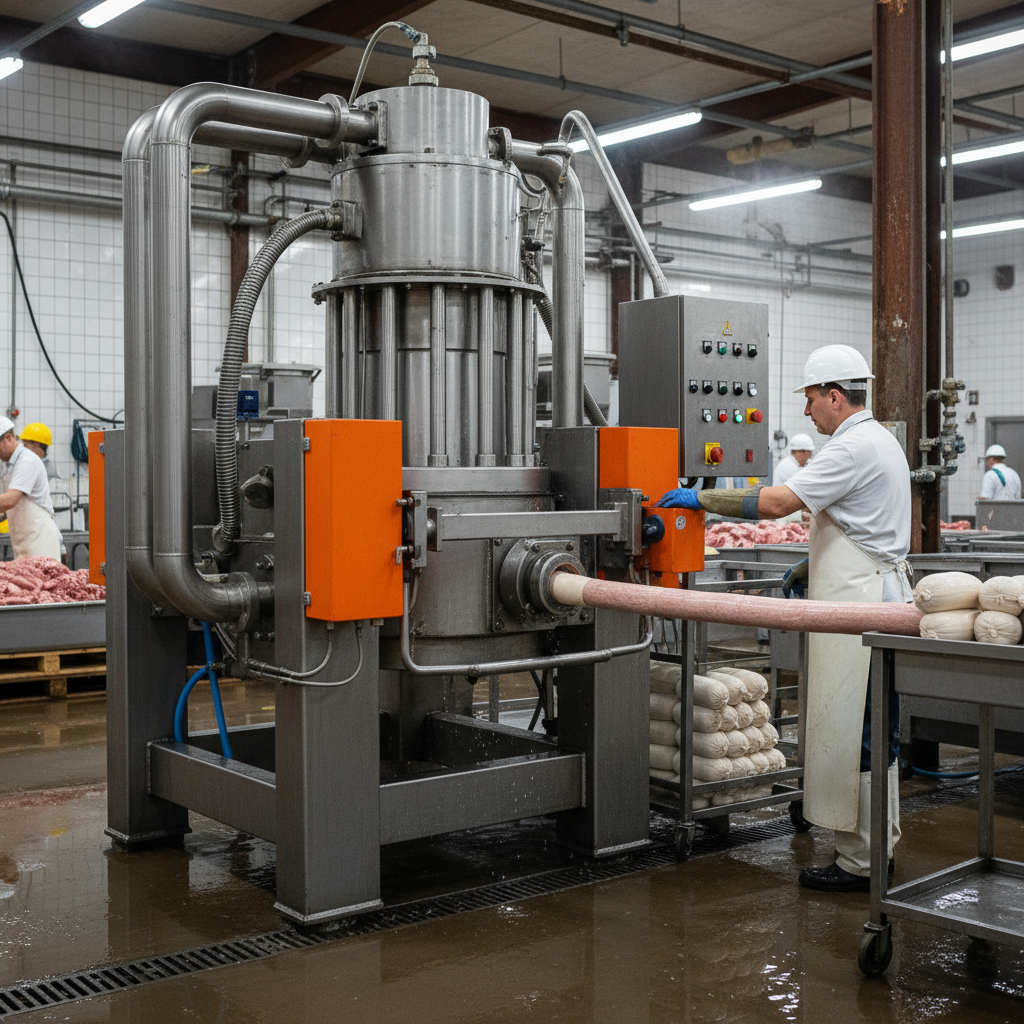
Trolley hoppers are commonly constructed from robust materials suited to the intended application. Steel is a frequent choice for heavy-duty applications requiring high strength and durability, often with protective coatings to resist corrosion. Stainless steel is preferred in food processing and pharmaceutical industries due to its hygienic properties. Durable plastics, such as polyethylene, are used for lighter-duty applications or when chemical resistance is required. Material selection is vital for ensuring a long service life and preventing contamination.
In conclusion, the trolley hopper represents a surprisingly versatile and vital component of modern material handling. Its ability to provide contained, efficient, and adaptable transport solutions across a wide range of industries underscores its continued relevance in today’s dynamic business environment. From optimizing manufacturing processes to supporting humanitarian aid efforts, the trolley hopper's impact is far-reaching.
Looking ahead, continued innovation in automation, materials science, and sensor technology will further enhance the capabilities of trolley hopper systems. Embracing these advancements will be crucial for businesses seeking to optimize their operations, reduce costs, and improve sustainability. To learn more about our comprehensive range of trolley hopper solutions and how we can help streamline your material handling processes, visit our website today.