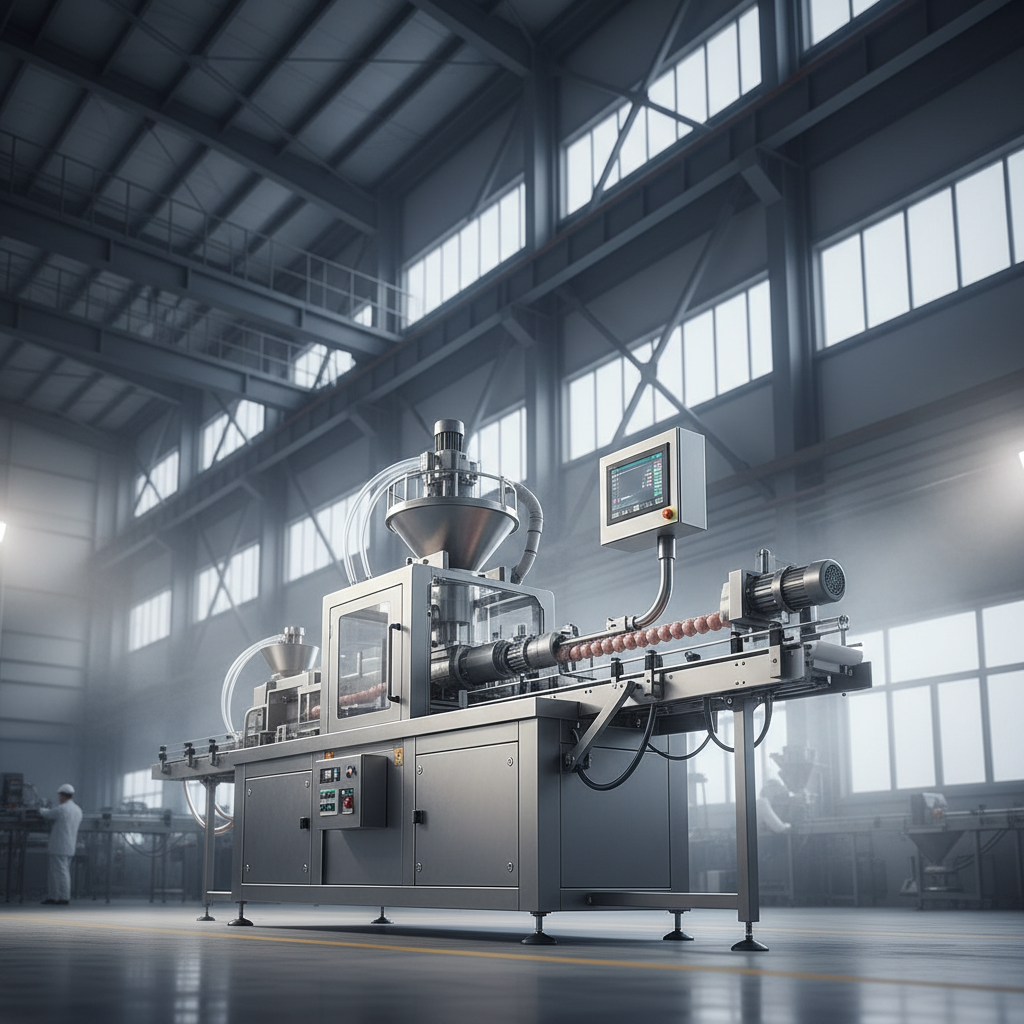
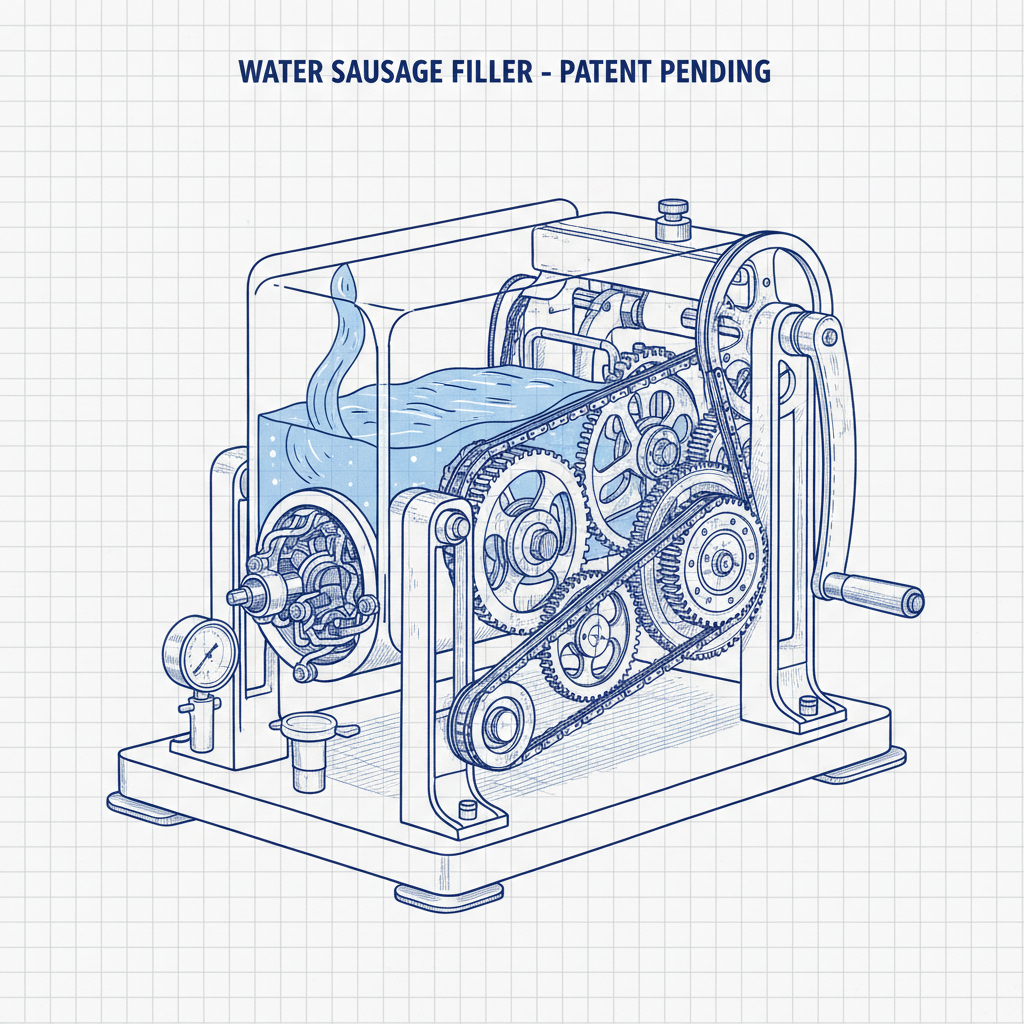
The world of food processing demands efficiency, consistency, and hygiene. Among the crucial equipment, the water pressure sausage filler stands out as a cornerstone of modern sausage production. This technology has evolved significantly, addressing the global need for safe and scalable meat processing solutions. From small-scale artisanal producers to large industrial facilities, a reliable sausage filler is paramount for meeting consumer demand and maintaining quality standards. Understanding its intricacies, benefits, and future trends is vital for anyone involved in the meat industry.
The demand for processed meats, including sausages, continues to rise globally, driven by changing lifestyles and increasing urbanization. This growth necessitates sophisticated equipment capable of handling large volumes while ensuring food safety. A water pressure sausage filler addresses this challenge by providing precise filling, reducing air pockets, and minimizing waste. The rising focus on food safety regulations, such as HACCP and ISO 22000, further drives the adoption of these systems, as they offer better control and traceability throughout the production process.
Beyond commercial applications, these fillers play a role in humanitarian efforts, enabling the preservation of meat in regions with limited refrigeration. They are also crucial in developing countries where access to modern food processing technology is limited. The ability to efficiently and safely produce sausages contributes to food security and improved nutritional outcomes. Investing in and understanding this technology is not just a business decision, but a step towards a more sustainable and food-secure world.
The Fundamentals of water pressure sausage filler
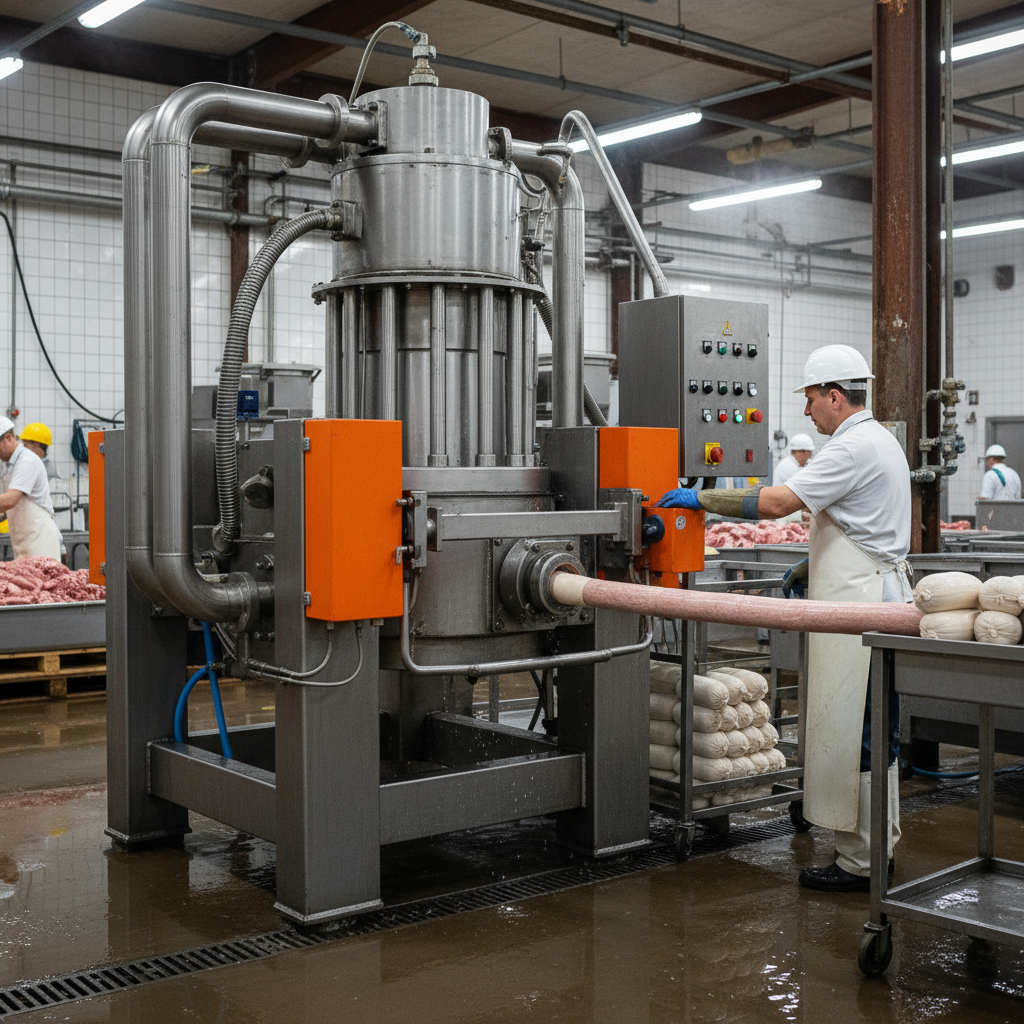
A water pressure sausage filler uses controlled water pressure to accurately and consistently fill sausage casings with meat mixtures. Unlike manual or vacuum-based fillers, this method minimizes air pockets, leading to a denser, more uniform product. This precision is crucial for maintaining consistent product weight and quality, which directly impacts customer satisfaction and profitability.
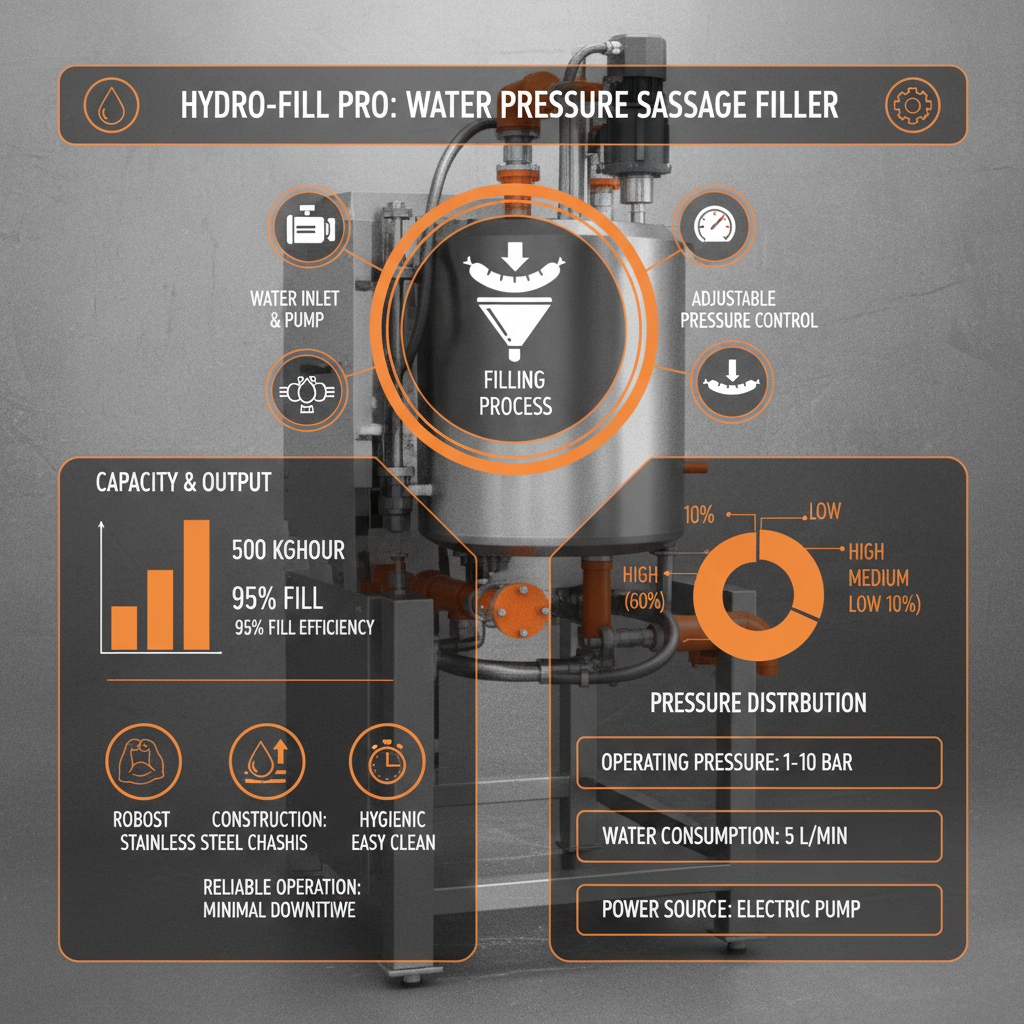
The system’s effectiveness relies on the balance between water pressure, casing size, and the consistency of the meat mixture. Proper calibration and maintenance are vital for ensuring optimal performance. Modern water pressure sausage fillers often include features like adjustable pressure controls, programmable filling lengths, and automatic casing detection, enhancing efficiency and reducing operator error.
Global Relevance and Industry Impact
The sausage and processed meat industry is a significant contributor to the global food economy, with a market value exceeding billions of dollars annually. The adoption of efficient technologies, like the water pressure sausage filler, is essential for meeting the growing demand while maintaining quality and safety standards. Regions with large meat processing industries, such as Europe, North America, and parts of Asia, heavily rely on these systems.
According to the FAO, meat production is projected to increase substantially in the coming decades to meet the needs of a growing global population. This underscores the importance of investing in technologies that can enhance productivity and reduce waste in the meat processing sector. Furthermore, stricter food safety regulations are being implemented worldwide, pushing manufacturers to adopt more controlled and reliable filling processes.
The impact extends beyond large-scale manufacturers. Smaller, artisanal sausage producers also benefit from adopting water pressure fillers, enabling them to maintain consistent product quality and scale their operations without sacrificing craftsmanship. This levels the playing field and promotes competition within the industry.
Defining water pressure sausage filler
A water pressure sausage filler is a specialized piece of food processing equipment designed to automatically fill sausage casings with meat mixtures using precisely controlled water pressure. This distinguishes it from older methods that relied on manual labor, vacuum systems, or gravity. The water pressure acts as a consistent force, ensuring uniform filling and minimizing air pockets within the sausage.
Its connection to modern industry stems from the need for increased efficiency, hygiene, and consistency in food production. As consumer demand for processed meats has grown, so has the demand for reliable and scalable filling solutions. These fillers are essential for maintaining product quality, reducing waste, and complying with stringent food safety regulations.
From a humanitarian perspective, these fillers can provide a reliable means of preserving meat in areas with limited resources, contributing to food security. They are also valuable in disaster relief operations, providing a means to quickly produce nutritious food for affected populations.
Key Factors for Optimal Performance
Several factors contribute to the efficient operation of a water pressure sausage filler. Durability is paramount, as continuous operation in a demanding food processing environment requires robust construction and high-quality materials. Stainless steel is the industry standard, offering both corrosion resistance and ease of sanitation.
Scalability is another critical aspect. The ability to adjust filling speeds and volumes allows manufacturers to accommodate fluctuating demand and product variations. Cost efficiency, encompassing both initial investment and ongoing maintenance, also plays a significant role in the decision-making process. Automation features reduce labor costs and improve overall productivity.
Comparing water pressure sausage filler Methods
Real-World Applications and Use Cases
Water pressure sausage fillers are widely used in commercial meat processing facilities, ranging from small butcher shops to large-scale sausage manufacturers. They are integral to producing a variety of sausage types, including fresh, cooked, and dry-cured products.
In post-disaster relief operations, portable water pressure sausage fillers can be deployed to provide a reliable source of protein to affected communities. These units often require minimal infrastructure and can operate with readily available resources. In remote industrial zones, where access to specialized equipment is limited, these fillers offer a sustainable solution for local meat processing.
Advantages and Long-Term Value Proposition
The tangible benefits of investing in a water pressure sausage filler are numerous. Reduced labor costs, minimized waste, and increased production capacity contribute to significant cost savings over time. Improved product consistency enhances brand reputation and customer loyalty.
From a social impact perspective, these fillers contribute to food security and improved nutrition. They offer a sustainable solution for meat processing, reducing the environmental footprint associated with traditional methods. The reliability and durability of these systems inspire trust among producers and consumers alike.
Future Trends and Innovations in water pressure sausage filler
The future of water pressure sausage filler technology is likely to be shaped by several emerging trends. Automation and robotics will play an increasingly important role, enhancing efficiency and reducing the need for manual intervention. The integration of digital sensors and data analytics will enable real-time monitoring of performance and predictive maintenance.
Sustainability is also a key driver of innovation. The development of energy-efficient fillers and the use of environmentally friendly materials will become increasingly important. Furthermore, advancements in casing technology and meat processing techniques will further optimize the performance of these systems.
The move towards more flexible and modular designs will also allow for greater customization and adaptability to specific production needs.
Summary of Factors Influencing water pressure sausage filler Selection
| Production Volume |
Automation Level |
Budget Allocation |
Maintenance Requirements |
| Low (under 500kg/day) |
Manual/Semi-Automatic |
$2,000 - $5,000 |
Minimal, primarily cleaning |
| Medium (500kg - 2000kg/day) |
Semi-Automatic |
$5,000 - $15,000 |
Regular lubrication and inspection |
| High (2000kg - 5000kg/day) |
Fully Automatic |
$15,000 - $30,000 |
Scheduled maintenance and potential component replacement |
| Very High (over 5000kg/day) |
Fully Automatic with Integrated Systems |
$30,000+ |
Comprehensive maintenance contract recommended |
| Artisanal/Small Batch |
Manual/Semi-Automatic |
$1,000 - $3,000 |
Simple cleaning and occasional part replacement |
| Specialty Sausage Production |
Semi-Automatic with Adjustable Settings |
$7,000 - $12,000 |
Regular calibration and nozzle maintenance |
FAQS
Water pressure sausage fillers offer significant advantages over manual or vacuum methods. They provide precise and consistent filling, minimizing air pockets and ensuring uniform product weight. This results in higher quality sausages with improved texture and appearance. Additionally, they increase production speed, reduce labor costs, and enhance hygiene by minimizing manual handling of meat.
Maintenance requirements vary depending on usage and model, but generally, regular cleaning and lubrication are essential. Inspect seals and hoses for wear and tear. More complex models may require annual professional servicing to ensure optimal performance and longevity. Following the manufacturer’s recommendations is crucial for preventing breakdowns and maintaining warranty coverage.
Most water pressure sausage fillers are compatible with a wide range of casings, including natural casings (hog, sheep, beef), collagen casings, cellulose casings, and plastic casings. However, it's essential to check the manufacturer's specifications to ensure compatibility with specific casing types and sizes. Using the wrong casing can damage the filler or result in poor filling quality.
Safety features are paramount. Look for models with emergency stop buttons, overload protection, and safety interlocks that prevent operation if guards are not in place. The filler should also be constructed from food-grade materials and meet relevant safety standards, such as CE or UL certification. Proper training for operators is crucial to ensure safe and efficient operation.
The cost of a water pressure sausage filler varies significantly depending on capacity, automation level, and features. Smaller, manual models can start around $2,000, while fully automatic, high-capacity fillers can exceed $30,000 or more. Consider your production needs, budget, and long-term return on investment when making a purchasing decision.
Proper sanitation is critical for food safety. Disassemble and thoroughly clean all parts that come into contact with meat after each use, using hot water and a food-grade sanitizer. Follow the manufacturer's cleaning instructions carefully. Regular inspections for hidden crevices where bacteria can accumulate are also recommended. Implement a robust sanitation plan to maintain a hygienic processing environment.
Conclusion
In conclusion, the water pressure sausage filler represents a crucial advancement in meat processing technology. Its ability to deliver consistent quality, enhance efficiency, and improve food safety makes it an indispensable tool for producers of all sizes. From artisanal butchers to large-scale manufacturers, this equipment plays a vital role in meeting the growing global demand for processed meats.
Looking ahead, continued innovation in automation, sustainability, and digital integration will further enhance the capabilities of these fillers. By embracing these advancements, the meat processing industry can optimize its operations, reduce its environmental impact, and ensure the production of safe, high-quality sausages for consumers worldwide. Visit our website at www.ycmeatmech.com to learn more about our range of water pressure sausage fillers and how we can help you optimize your production process.