The global food industry relies heavily on efficient and hygienic processing equipment, and the meat filler machine is central to this process. From small butcher shops to large-scale processing plants, these machines automate the crucial task of filling casings with ground or processed meat products, ensuring consistency, speed, and safety. The demand for processed meat products is consistently high worldwide, driven by convenience and changing consumer preferences, making the meat filler machine an indispensable component of modern food production. Understanding the nuances of these machines – their capabilities, applications, and future trends – is vital for businesses seeking to optimize their operations and meet evolving market demands.
The importance of a reliable meat filler machine extends beyond mere production volume. It directly impacts product quality, food safety, and operational efficiency. Incorrectly filled casings can lead to product spoilage, inconsistent weight, and potential contamination, all of which can damage a brand's reputation and lead to financial losses. Furthermore, advancements in meat filler machine technology are contributing to sustainability by minimizing waste and optimizing resource utilization. This is increasingly important as consumers become more environmentally conscious and regulations become stricter.
Investing in a quality meat filler machine, and understanding its intricacies, is not just about improving productivity; it's about ensuring food safety, maintaining product integrity, and embracing sustainable practices – critical factors for success in the competitive food processing industry. The widespread reliance on meat filler machine underscores its position as a cornerstone of global food supply chains.
Introduction to Meat Filler Machines
Meat filler machines are engineered to efficiently and consistently fill natural or artificial casings with a variety of meat products, including sausages, hot dogs, and pâtés. Their design focuses on maintaining hygiene, controlling filling pressures, and ensuring accurate portioning. The evolution of these machines has been driven by demands for increased production capacity, improved product quality, and enhanced food safety standards.
These machines are not merely about speed; they are about precision and repeatability. A well-maintained and properly operated meat filler machine can significantly reduce labor costs, minimize product waste, and consistently deliver a superior end product. The range of available options, from manual to fully automated systems, allows businesses of all sizes to find a solution that meets their specific needs and budgetary constraints.
Defining the Meat Filler Machine
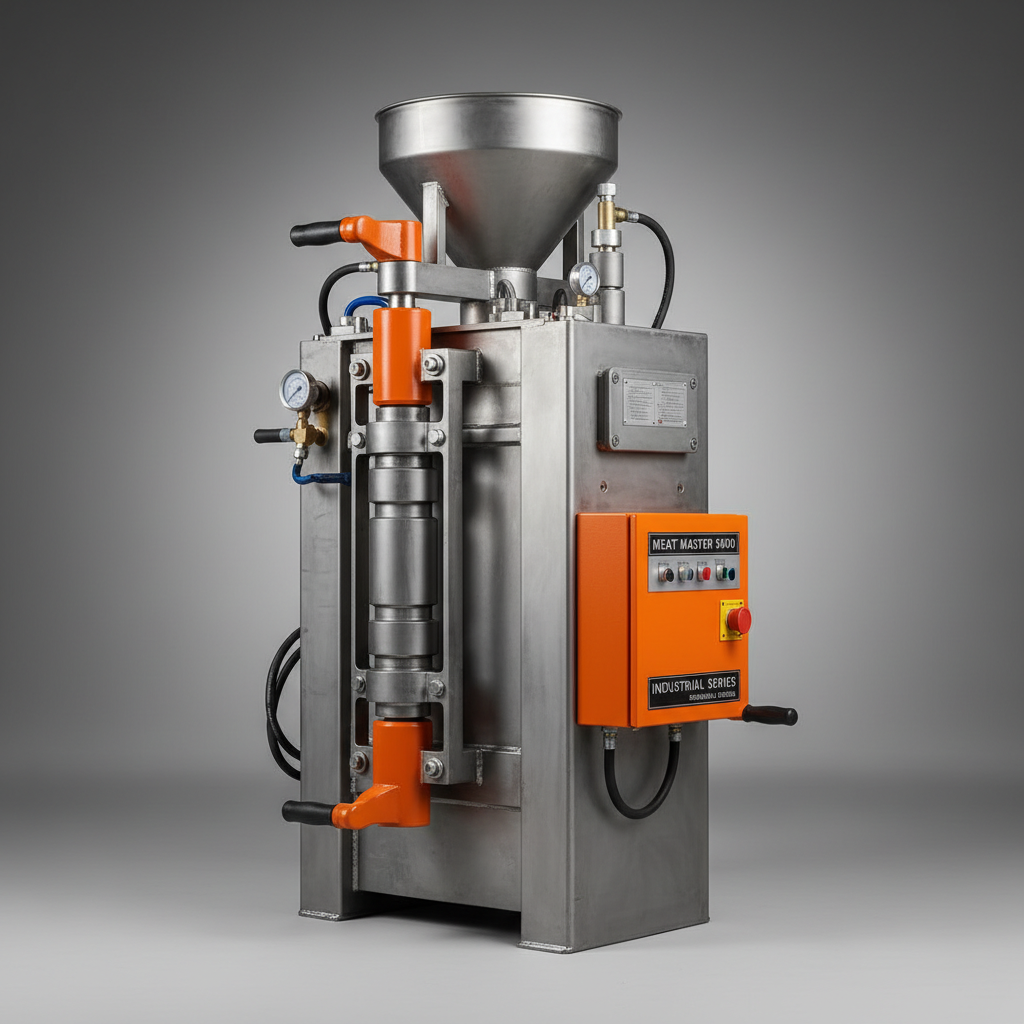
A meat filler machine, at its core, is a device designed to evacuate air from casings and simultaneously fill them with a homogeneous mixture of ground meat, seasonings, and other ingredients. They range in complexity from simple, hand-operated models to sophisticated, computer-controlled systems capable of handling large-volume production. The fundamental principle remains the same: to create a consistently filled product with optimal texture and appearance.
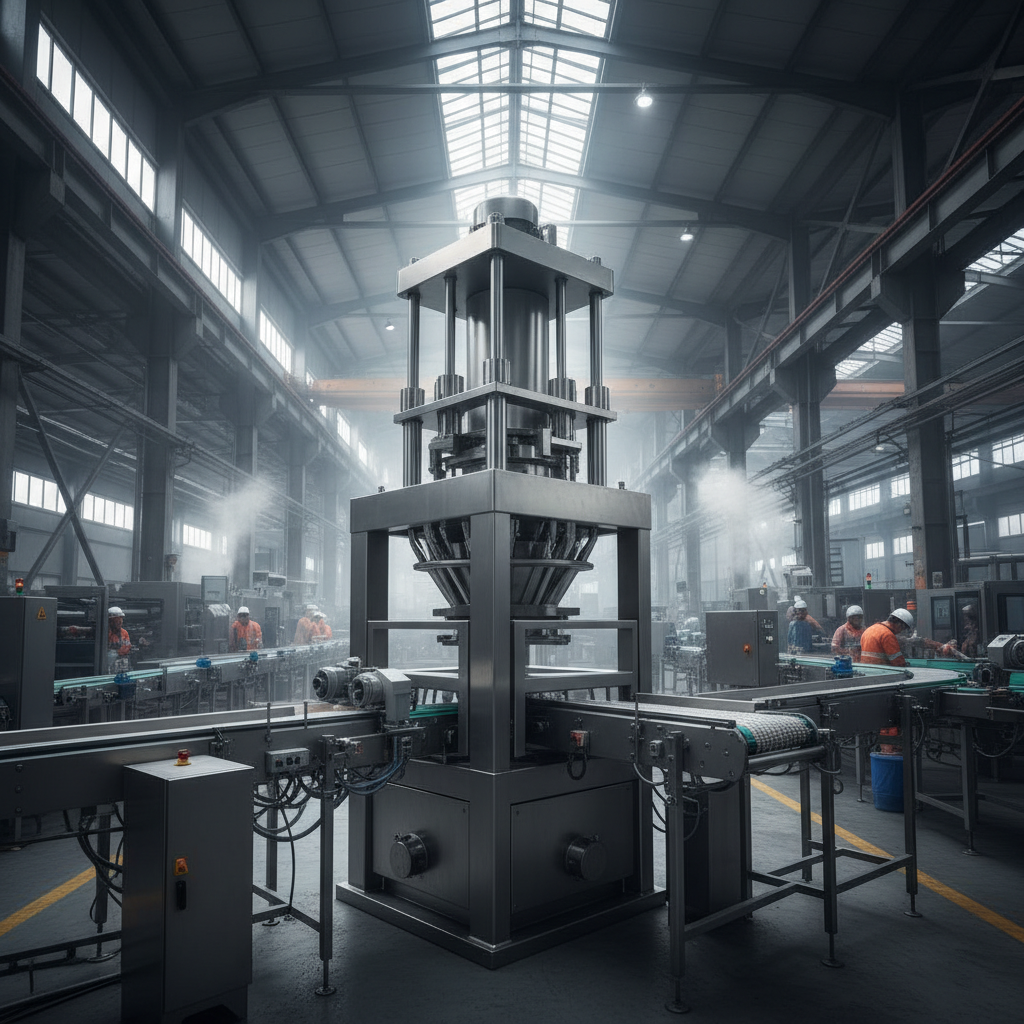
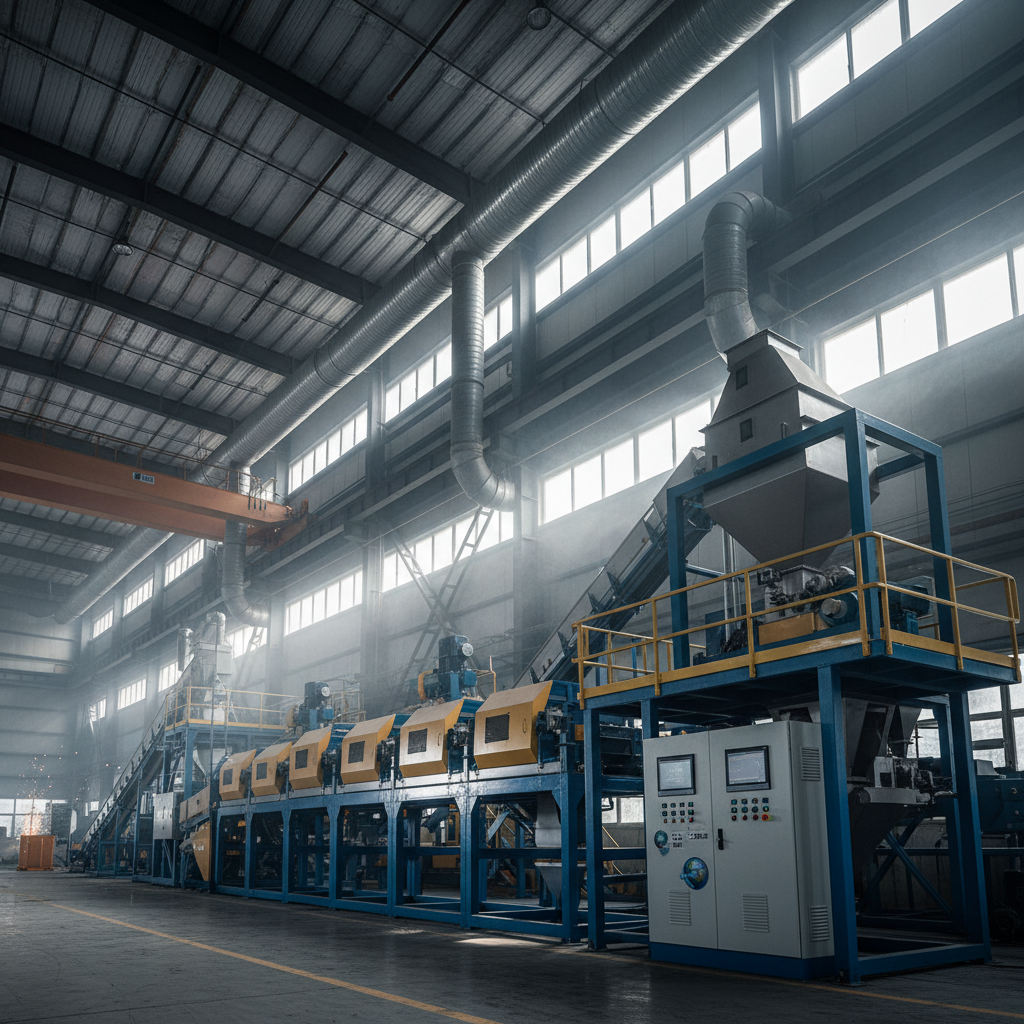
The connection to modern industry lies in its role as a crucial component of a larger, automated processing line. The meat filler machine integrates seamlessly with grinders, mixers, and packaging equipment, creating a streamlined production process. This integration is vital for meeting the demands of a global marketplace that values efficiency, consistency, and food safety.
In humanitarian needs, although less direct, these machines support food security by enabling the efficient processing and preservation of meat products, extending their shelf life and making them accessible to a wider population. Effective food processing, aided by equipment like meat filler machines, plays a role in reducing food waste and maximizing resource utilization, contributing to sustainable food systems.
Core Components and Functionality
Several key factors define the performance and reliability of a meat filler machine. Firstly, the vacuum system is critical for removing air from the casings, preventing voids and ensuring a dense, uniform fill. Secondly, the filling mechanism – whether it be a piston, pump, or screw type – dictates the consistency and speed of the filling process. Thirdly, the casing handling system ensures proper alignment and feeding of the casings, minimizing breakage and waste.
Durability is paramount, particularly in high-volume production environments. Machines constructed from stainless steel and other corrosion-resistant materials are essential for maintaining hygiene and preventing contamination. Scalability is also key; manufacturers need machines that can adapt to changing production demands, either through modular designs or by offering a range of sizes and capacities. Cost efficiency isn't solely about the initial purchase price; it encompasses factors like energy consumption, maintenance requirements, and lifespan of the machine.
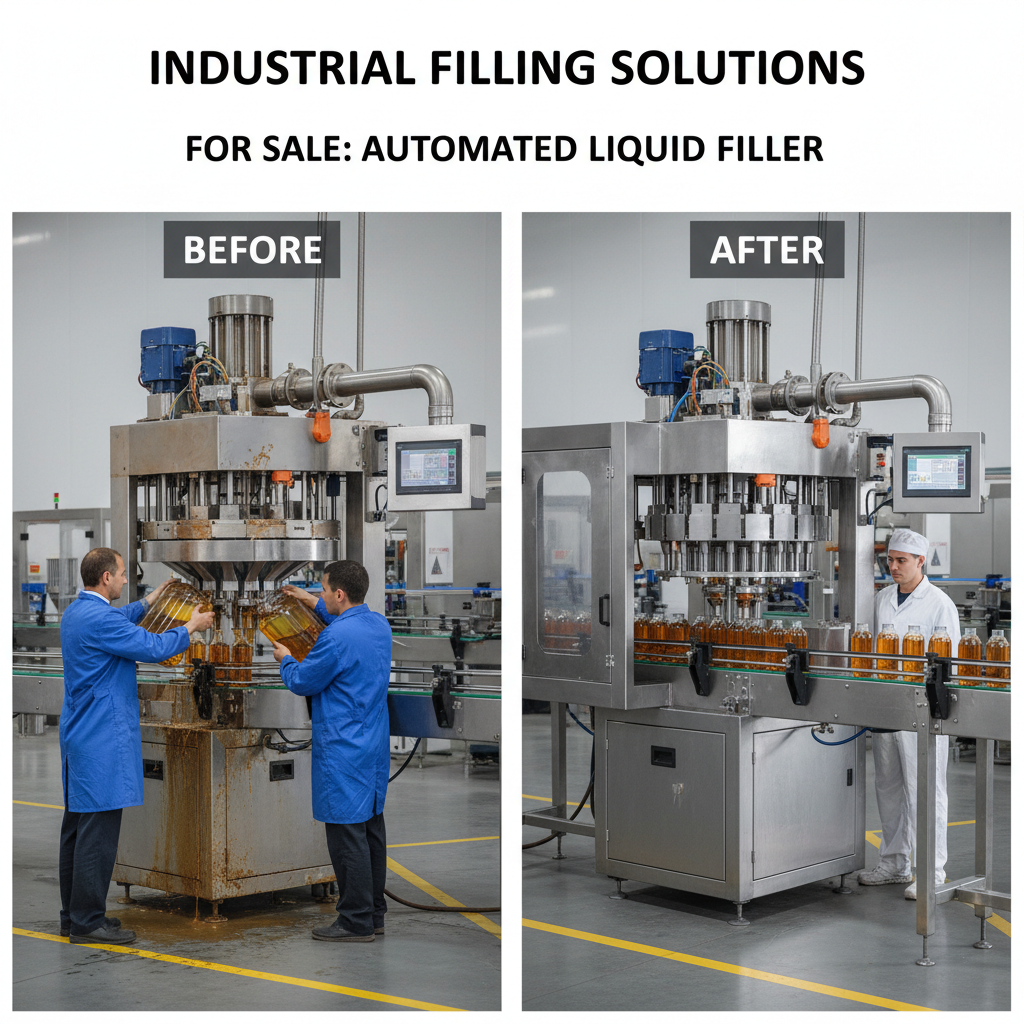
Finally, ease of cleaning and maintenance are vital for adhering to strict food safety regulations. Machines with easily disassembled components and sanitary designs minimize downtime and ensure consistent performance. Effective control systems—ranging from simple mechanical adjustments to sophisticated PLC controls—allow operators to fine-tune the filling process for different products and casing types.
Key Performance Indicators
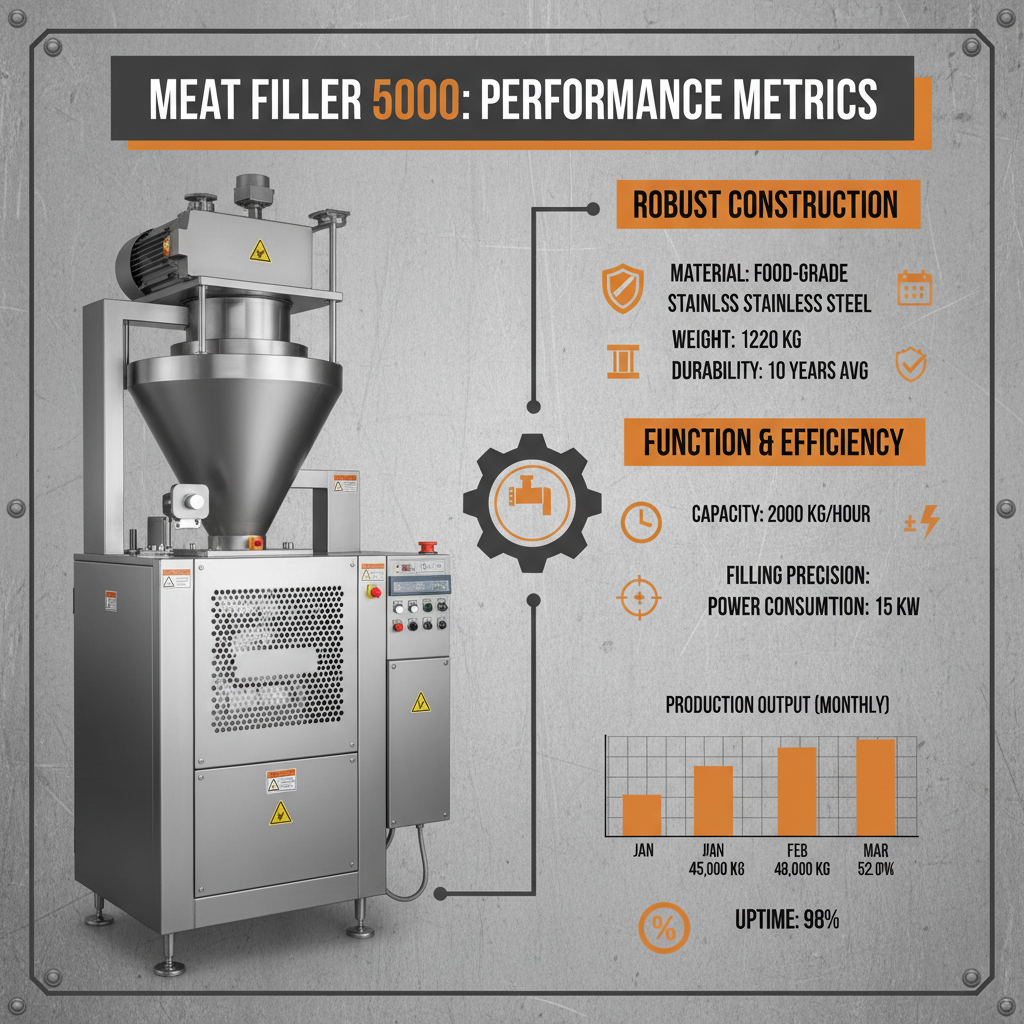
Assessing the performance of a meat filler machine relies on several critical indicators. Fill Accuracy, measured as the consistency of weight per unit, is paramount for meeting regulatory requirements and consumer expectations. Throughput, or the number of units produced per hour, directly impacts production efficiency and profitability.
Downtime, the amount of time the machine is out of operation for maintenance or repairs, significantly affects overall productivity. Minimizing downtime requires robust construction, preventative maintenance schedules, and readily available spare parts. Finally, Meat Loss, the amount of product wasted during the filling process, impacts profitability and sustainability.
Meat Filler Machine Performance Comparison
Global Applications Across Industries
The applications of meat filler machines are diverse and widespread. In the large-scale food processing industry, they are integral to the production of sausages, frankfurters, and other processed meat products, feeding a global demand. Smaller-scale butcher shops and artisanal producers also rely on these machines for creating a variety of specialty meat products.
In post-disaster relief operations, portable and robust meat filler machines can be deployed to provide nutritious, shelf-stable food products to affected populations. In remote industrial zones, where access to fresh food is limited, these machines can facilitate the local production of processed meats, improving food security. The meat filler machine is therefore vital to a wide variety of organizations.
Advantages and Long-Term Value
The advantages of investing in a high-quality meat filler machine extend far beyond immediate production gains. Cost savings are realized through reduced labor costs, minimized product waste, and increased throughput. Sustainability is enhanced through optimized resource utilization and reduced energy consumption. The reliability of a well-maintained machine ensures consistent product quality and minimizes downtime, contributing to long-term profitability.
Furthermore, these machines contribute to food safety by preventing contamination and ensuring accurate portioning. This builds consumer trust and protects brand reputation. The innovation inherent in modern meat filler machine technology – such as automated cleaning systems and advanced control features – fosters a culture of continuous improvement and positions businesses for future success.
Future Trends and Technological Advancements
The future of meat filler machine technology is driven by several key trends. Automation and robotics are becoming increasingly prevalent, allowing for fully automated production lines with minimal human intervention. Digitalization and data analytics provide real-time insights into machine performance, enabling predictive maintenance and optimized production processes.
Sustainable manufacturing practices are gaining momentum, with a focus on energy efficiency, reduced water consumption, and the use of eco-friendly materials. Furthermore, advancements in hygienic design and cleaning technologies are enhancing food safety and reducing the risk of contamination. These improvements, alongside integration with AI-powered quality control, will continue to define the evolution of the meat filler machine.
The integration of Industry 4.0 principles, including the Internet of Things (IoT) and machine learning, will enable even more intelligent and responsive meat filler machines, capable of adapting to changing production demands and optimizing performance in real-time.
FAQS
When selecting a meat filler machine, consider production volume, product types, casing materials, hygiene requirements, and budget. Assess the machine's capacity, filling accuracy, ease of cleaning, and maintenance needs. Also, evaluate the availability of spare parts and technical support. The level of automation required – manual, semi-automatic, or fully automatic – should also align with your operational goals.
Regular maintenance is crucial for ensuring the longevity and performance of your meat filler machine. Daily cleaning and lubrication are essential. A comprehensive inspection should be performed weekly, including checking for worn parts, leaks, and proper alignment. A thorough overhaul, including replacing seals and bearings, should be conducted at least annually, or more frequently depending on usage.
Meat filler machines must adhere to strict hygiene and sanitation standards to prevent contamination. Machines should be constructed from food-grade stainless steel and other non-corrosive materials. Regular cleaning and disinfection are essential, using approved cleaning agents. Disassembly and thorough cleaning of all parts that come into contact with meat are required. Proper training for operators on sanitation protocols is also vital.
Different meat filler machines are designed to handle various types of casings, including natural casings (e.g., hog, sheep, beef), collagen casings, cellulose casings, and plastic casings. The filling pressure, stuffing horn design, and casing grip mechanism must be compatible with the specific casing material to prevent damage or breakage. Choosing the right machine for your casing type is crucial.
Safety features are paramount. Look for machines with emergency stop buttons, safety guards around moving parts, and interlock systems that prevent operation when guards are removed. Proper grounding and electrical safety certifications are essential. Operator training on safe operating procedures is crucial to prevent accidents.
Optimizing the filling process requires adjusting parameters such as filling pressure, stuffing speed, and vacuum level based on the meat product’s consistency and the casing type. Experimentation and precise control over these settings are essential for achieving consistent results. Using a machine with adjustable settings and real-time monitoring capabilities can significantly improve filling performance.
Conclusion
In conclusion, the meat filler machine remains a vital piece of equipment in the modern food processing industry, underpinning the production of a wide range of meat products enjoyed globally. From ensuring food safety and maintaining consistent product quality to optimizing efficiency and promoting sustainability, these machines offer substantial benefits for businesses of all sizes. Investing in a reliable and well-maintained meat filler machine is not simply an operational expense but a strategic investment in long-term success.
Looking ahead, continued innovation in automation, digitalization, and hygienic design will further enhance the capabilities of these machines. By embracing these advancements, food processors can unlock new levels of efficiency, reduce costs, and meet the evolving demands of a discerning consumer base. Visit our website at www.ycmeatmech.com to explore our range of meat filler machines and discover how we can help you optimize your production process.