The global food processing industry relies heavily on efficient and hygienic methods for producing and packaging meat products. A crucial component of this process is the sausage filler, and increasingly, the preferred choice is a vacuum sausage filler. This technology addresses the growing demand for consistent product quality, extended shelf life, and adherence to stringent food safety standards worldwide. The need for such equipment is driven by factors like rising global meat consumption, expanding processed food markets, and the ever-present risk of spoilage and contamination.
The impact of a well-designed vacuum sausage filler extends beyond just production efficiency. It contributes to reduced food waste through better preservation, enables manufacturers to meet increasingly complex regulatory requirements, and ultimately impacts consumer health and satisfaction. The benefits span from large-scale industrial processing plants to smaller artisan producers, making it a vital piece of technology across the entire meat processing spectrum.
Understanding the nuances of vacuum sausage fillers, from their core functionalities to emerging innovations, is paramount for anyone involved in the meat processing industry – from operators and engineers to business owners and food safety specialists. Investing in and properly utilizing this technology can lead to significant cost savings, improved product quality, and a stronger competitive advantage in a dynamic global market.
The Significance of Vacuum Sausage Fillers
Vacuum sausage fillers are increasingly important in modern food production due to their ability to remove air pockets during the filling process. This leads to a denser, more consistent product with improved texture and flavor. Without a vacuum sausage filler, air entrapment can cause oxidation, discoloration, and a shorter shelf life.
The demand for high-quality, processed meats continues to grow globally. Consumers are more discerning and expect products that are both delicious and safe. Vacuum sausage fillers contribute significantly to meeting these expectations, by ensuring a uniform fill, minimizing waste, and enhancing the overall quality of the final product, leading to increased customer satisfaction and brand loyalty.
Defining Vacuum Sausage Filling Technology
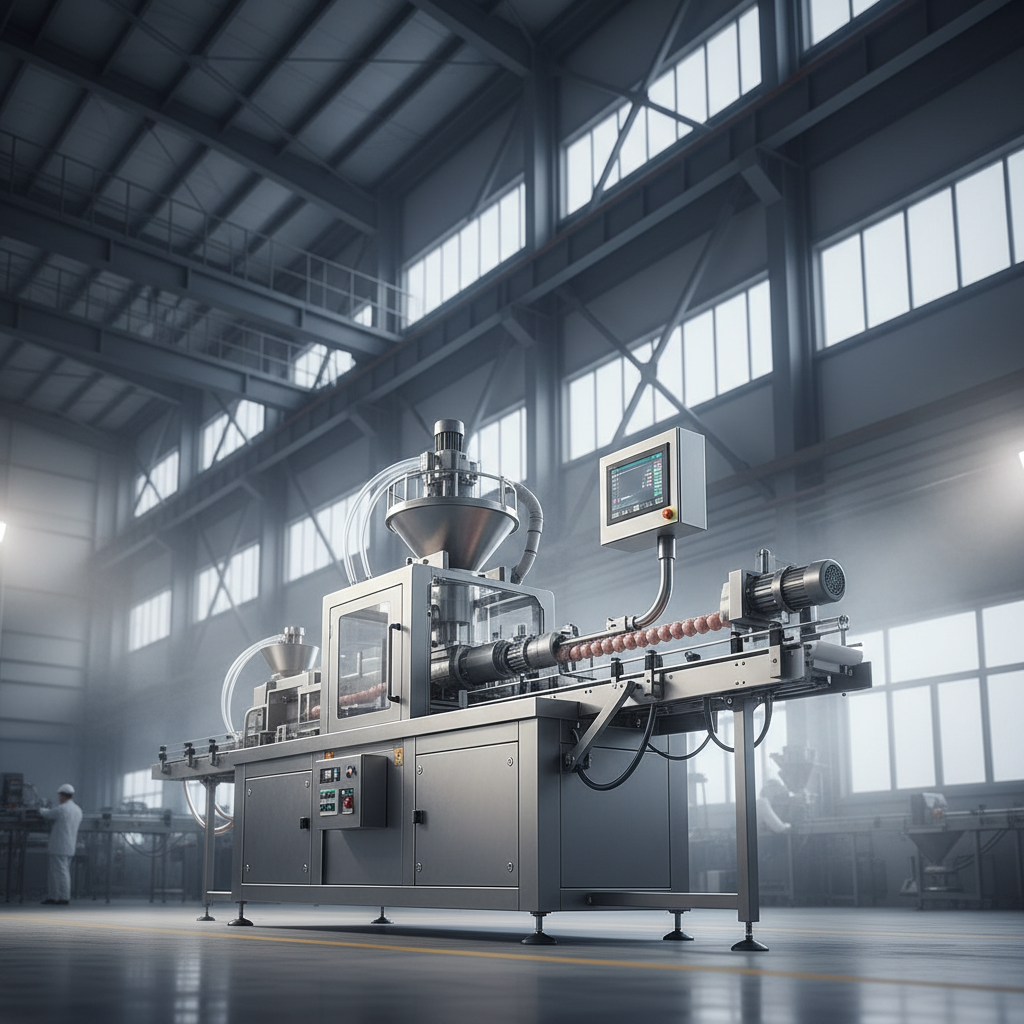
At its core, a vacuum sausage filler is a specialized piece of equipment designed to accurately and efficiently fill sausage casings with meat mixtures. The defining characteristic is its vacuum chamber, which removes air from the meat prior to filling, resulting in a tightly packed and consistent product. This process differentiates it from traditional fillers that may leave air pockets, compromising quality.
This technology isn’t limited to just standard sausage production; it's vital in creating a range of encased meat products, including salamis, bolognas, and even pâtés. The vacuum process also aids in the even distribution of spices and seasonings, enhancing the flavor profile of the finished sausage.
Modern vacuum sausage fillers often incorporate advanced features like automated portion control, adjustable filling speeds, and hygienic designs for easy cleaning and sanitation, making them a crucial component of efficient and safe food processing operations.
Core Components and Functionality
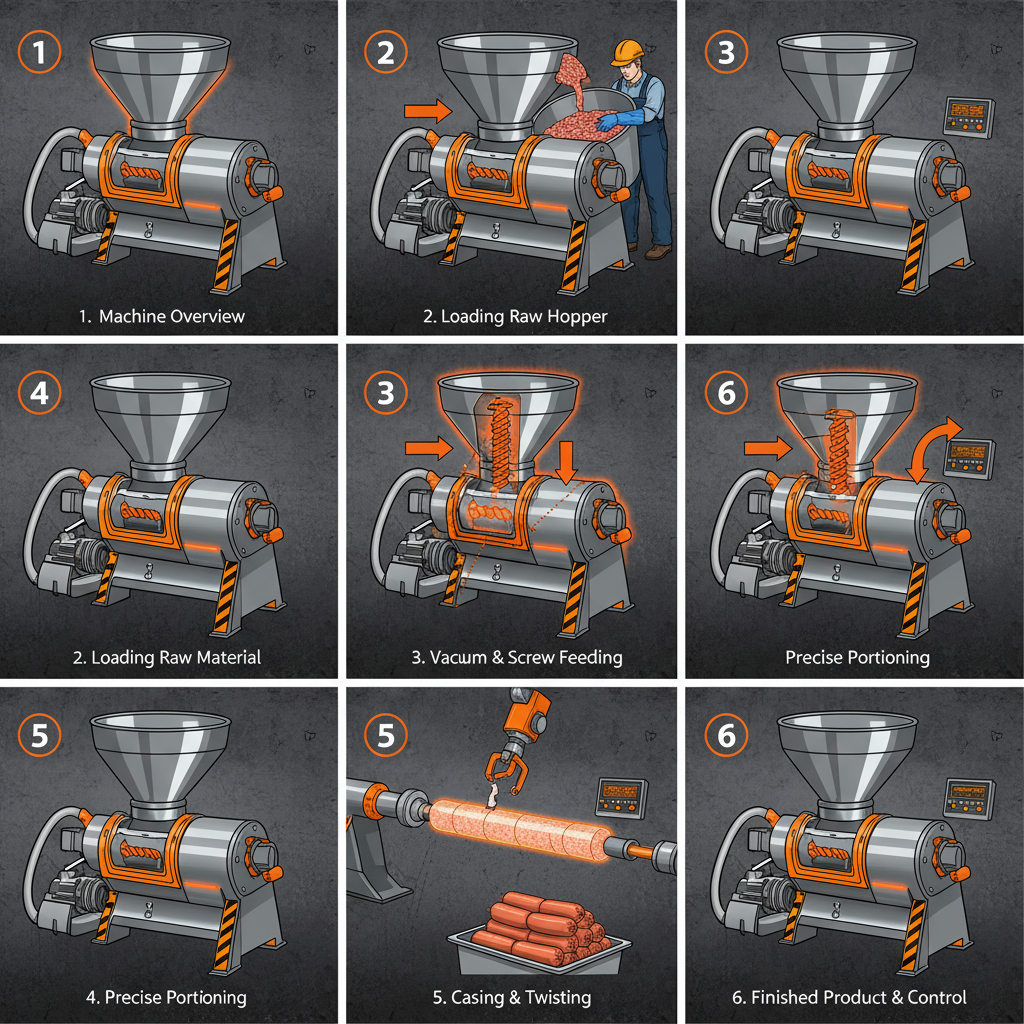
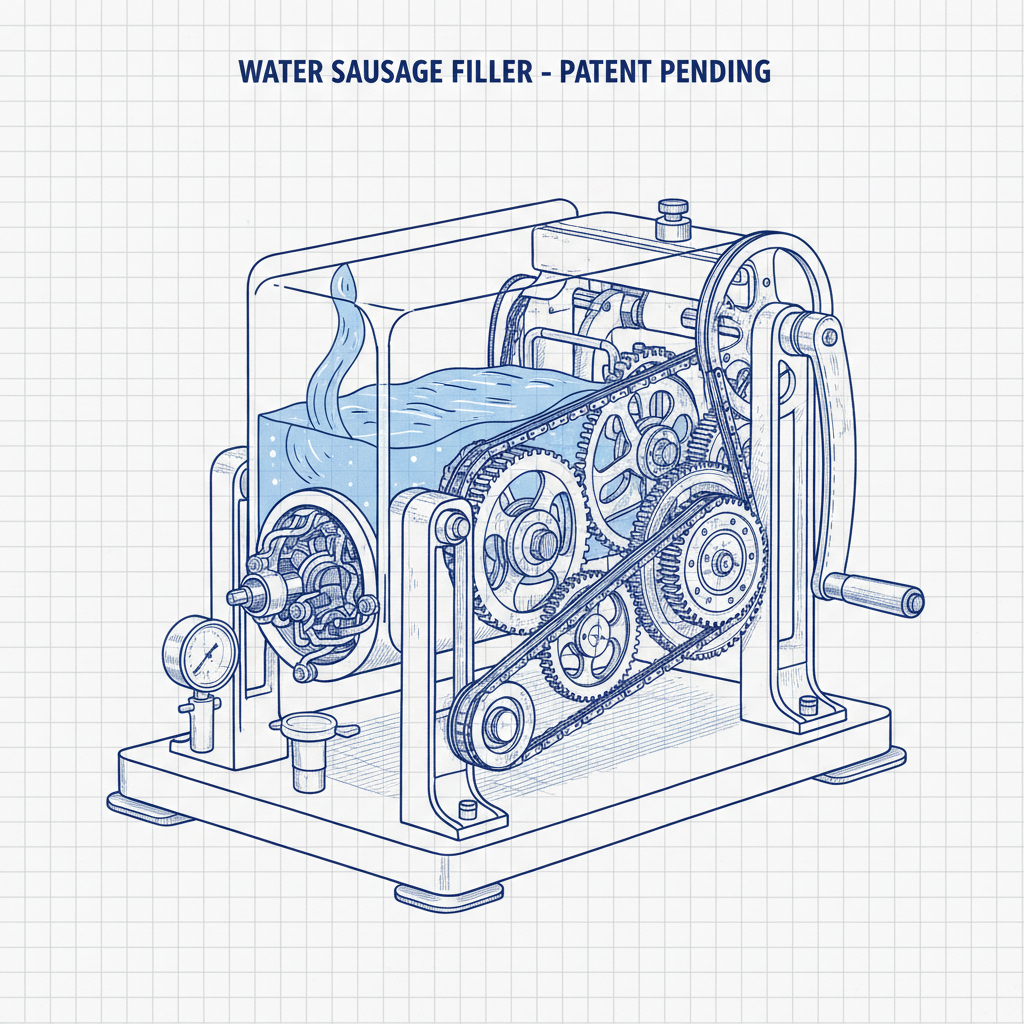
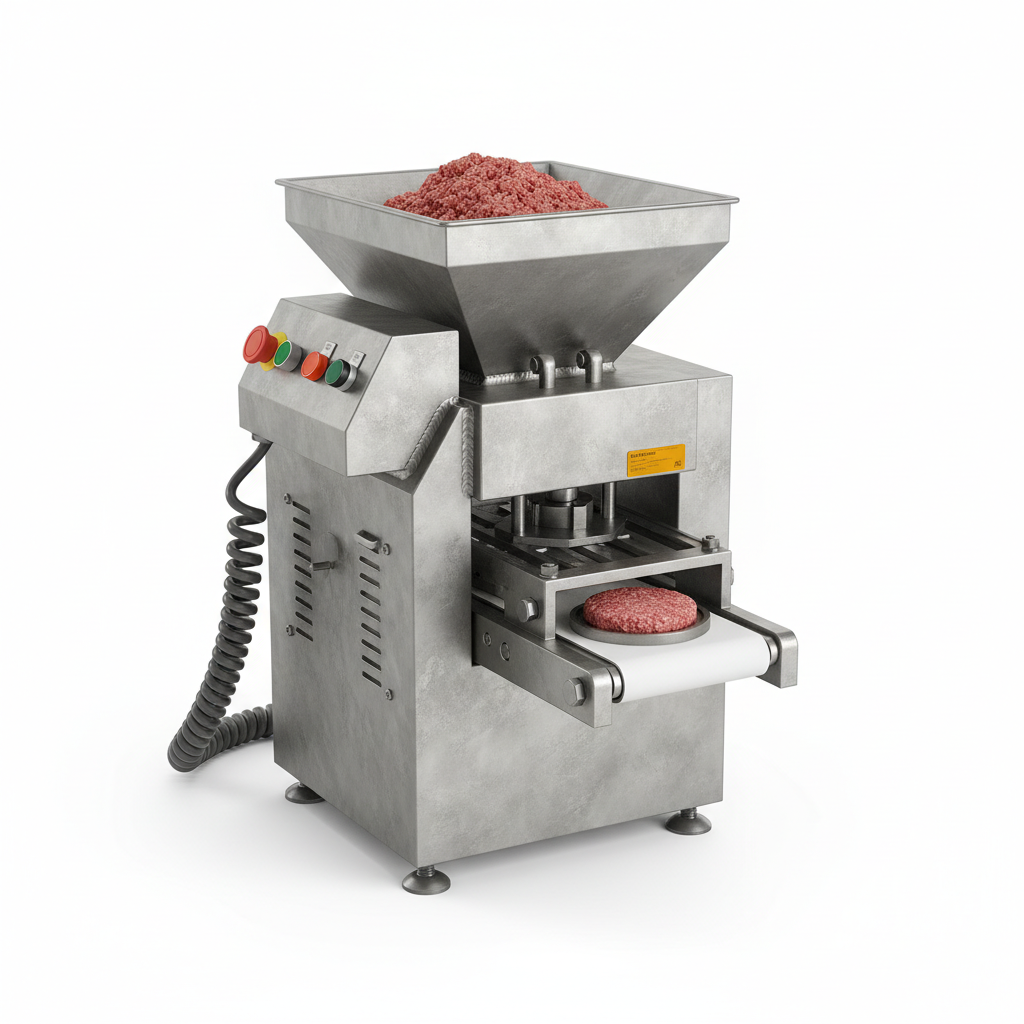
A typical vacuum sausage filler comprises several key components. These include a meat hopper for holding the mixture, a vacuum chamber where air is extracted, a filling nozzle for dispensing into casings, a drive system to power the process, and a control panel for adjusting settings. The specific design and complexity can vary depending on the model and intended application.
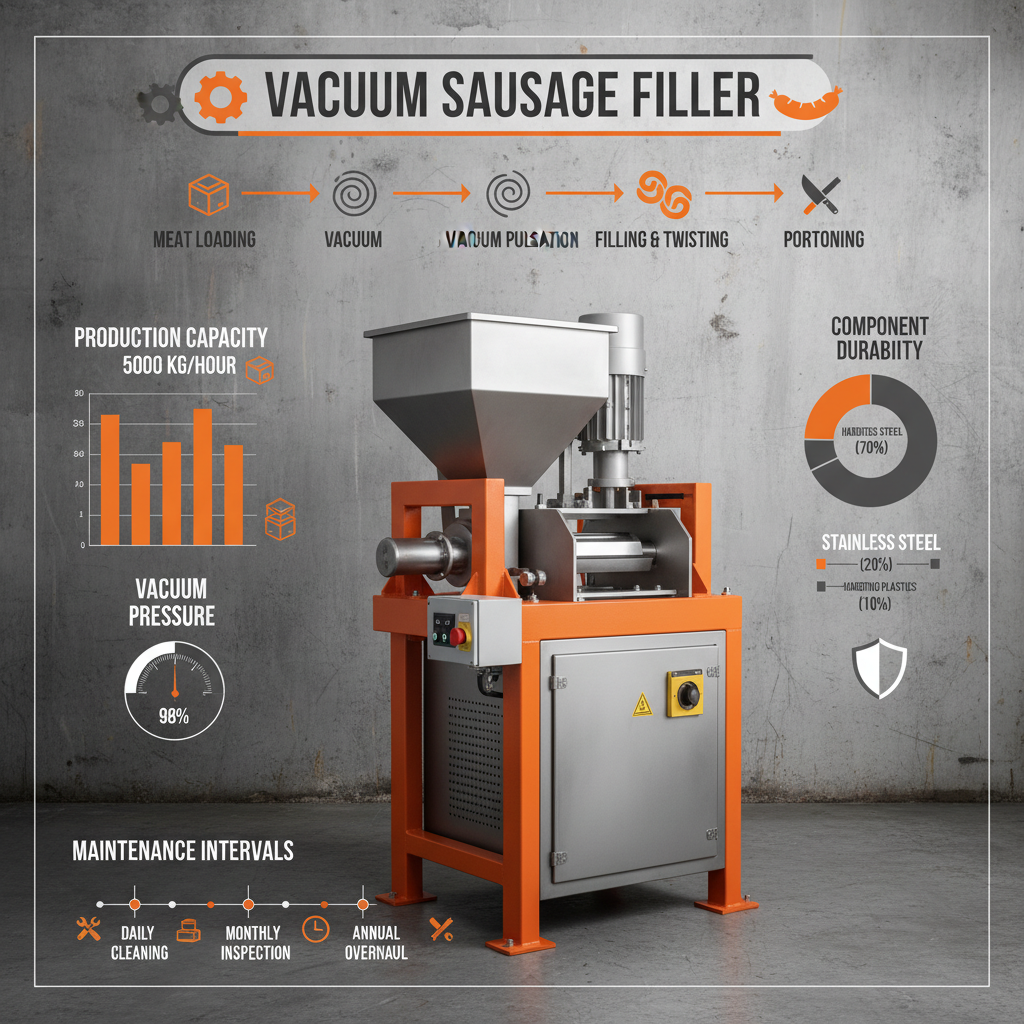
The functionality begins with loading the meat mixture into the hopper. The mixture is then transferred to the vacuum chamber, where a vacuum pump removes air. This creates a negative pressure, ensuring that the meat is densely packed. The vacuum level and filling speed are adjustable to accommodate different product types and casing materials. Once the chamber is evacuated, a piston or screw system forces the meat through the filling nozzle and into the casing.
Advanced models often feature automated functions, like casing detection and linking, which further streamline the process. Hygienic designs, with easy-to-clean surfaces and components, are also crucial for maintaining food safety standards and preventing contamination.
Performance Metrics of Vacuum Sausage Fillers
Evaluating the performance of a vacuum sausage filler requires considering several key metrics. Filling accuracy, measured by the consistency of portion sizes, is critical for maintaining product quality and cost control. Filling speed, expressed in kilograms per hour, dictates overall production capacity.
Another important metric is vacuum efficiency, indicating how effectively the filler removes air from the meat mixture. Higher vacuum levels translate to denser products and extended shelf life. Finally, ease of cleaning and maintenance significantly impact operational costs and downtime.
Vacuum Sausage Filler Performance Comparison
Global Applications and Industry Integration
Vacuum sausage fillers are utilized extensively in food processing facilities across the globe. In Europe, they are integral to the production of traditional sausages and cured meats, where quality and consistency are paramount. North America sees widespread adoption in large-scale meat processing plants supplying major retailers.
The technology is also gaining traction in emerging markets, such as Asia and South America, as demand for processed meat products increases and food safety standards become more stringent. In post-disaster relief operations, portable vacuum sausage fillers can provide a crucial source of nutritious and shelf-stable food for affected populations.
Advantages and Long-Term Return on Investment
Investing in a vacuum sausage filler offers a multitude of advantages. Beyond improved product quality and extended shelf life, these machines contribute to reduced food waste, lower labor costs through automation, and enhanced food safety. The ability to consistently produce high-quality products also strengthens brand reputation and consumer trust.
The long-term return on investment is significant. Reduced waste translates directly to increased profits. Lower labor costs and improved efficiency streamline operations. And a reputation for quality attracts and retains customers. Furthermore, compliance with increasingly strict food safety regulations avoids costly penalties and recalls.
By prioritizing hygiene and utilizing durable materials, a well-maintained vacuum sausage filler can deliver years of reliable service, further maximizing the return on investment.
Future Trends and Innovations in Vacuum Sausage Fillers
The future of vacuum sausage fillers is driven by advancements in automation, digitalization, and sustainability. We can anticipate greater integration of robotic systems for automated casing loading and linking, reducing manual labor and increasing efficiency. Digital sensors and data analytics will enable real-time monitoring of performance metrics, facilitating predictive maintenance and optimizing production processes.
Sustainable manufacturing practices are also gaining prominence. Expect to see fillers designed with energy-efficient components and utilizing environmentally friendly materials. Furthermore, innovations in cleaning and sanitation technologies will minimize water and chemical consumption, contributing to a greener food processing industry.
The incorporation of AI and machine learning algorithms may further optimize filling parameters based on meat composition and casing characteristics, leading to even higher product quality and consistency.
Key Performance Indicators for Vacuum Sausage Filler Models
| Model |
Filling Capacity (kg/hr) |
Vacuum Level (kPa) |
Cleaning Time (minutes) |
| Model A |
500 |
-80 |
30 |
| Model B |
800 |
-90 |
45 |
| Model C |
1200 |
-95 |
60 |
| Model D |
600 |
-85 |
35 |
| Model E |
900 |
-92 |
50 |
| Model F |
450 |
-78 |
25 |
FAQS
Vacuum sausage fillers significantly improve product quality by removing air pockets, leading to denser, more consistent sausages with enhanced flavor and extended shelf life. Traditional methods often result in air entrapment, causing oxidation and discoloration. A vacuum filler also offers improved hygiene and can reduce labor costs through automation, contributing to a more efficient and profitable operation.
Regular and thorough cleaning is crucial. Disassemble components as instructed in the manual and wash them with food-grade detergents. Pay close attention to areas where meat residue can accumulate. Sanitize all surfaces with an approved sanitizer after cleaning. Ensure all parts are completely dry before reassembling. Following a strict sanitation schedule is essential for maintaining food safety.
Most vacuum sausage fillers can accommodate a wide range of casing types, including natural casings (hog, sheep, beef), collagen casings, cellulose casings, and plastic casings. However, it’s important to select the appropriate filling nozzle and adjust the pressure settings based on the specific casing material to prevent damage and ensure a proper fill.
Regular maintenance includes lubricating moving parts, checking vacuum pump performance, and inspecting seals for wear and tear. It’s recommended to follow the manufacturer’s maintenance schedule and replace worn parts promptly. Keeping the machine clean and free of debris is also essential for preventing breakdowns and ensuring optimal performance.
By removing air, vacuum filling creates a denser and more uniform sausage texture. This density reduces the amount of oxygen available for oxidation, slowing down spoilage and extending the shelf life of the product. The vacuum process also helps to bind the meat particles together more tightly, improving the overall mouthfeel and bite of the sausage.
The price of a commercial vacuum sausage filler varies significantly depending on its capacity, features, and automation level. Smaller, manual models can range from $5,000 to $15,000, while larger, fully automated systems can cost $50,000 or more. Consider your production volume and specific needs when determining the appropriate budget and model.
Conclusion
In conclusion, vacuum sausage fillers represent a critical advancement in meat processing technology. From enhancing product quality and extending shelf life to improving hygiene and boosting operational efficiency, the benefits are multifaceted and substantial. The ability to consistently produce superior sausages, coupled with reduced waste and optimized production costs, makes this technology an invaluable asset for businesses of all sizes.
Looking ahead, continuous innovation in automation, digitalization, and sustainable practices will further solidify the role of vacuum sausage fillers in the food processing industry. We encourage anyone involved in meat processing to explore the possibilities offered by this technology and invest in a solution that aligns with their specific needs and goals. Visit our website at www.ycmeatmech.com to learn more about our range of vacuum sausage fillers and discover how we can help you optimize your production process.