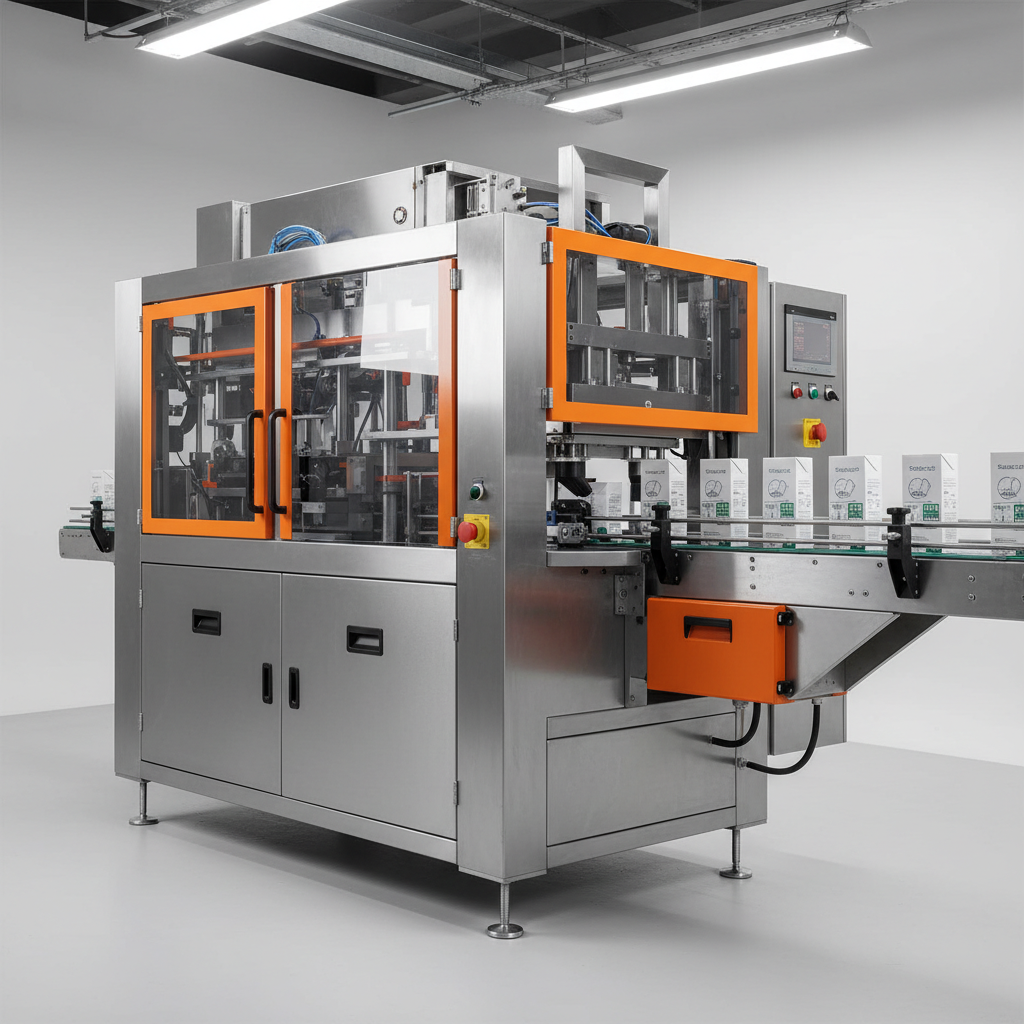
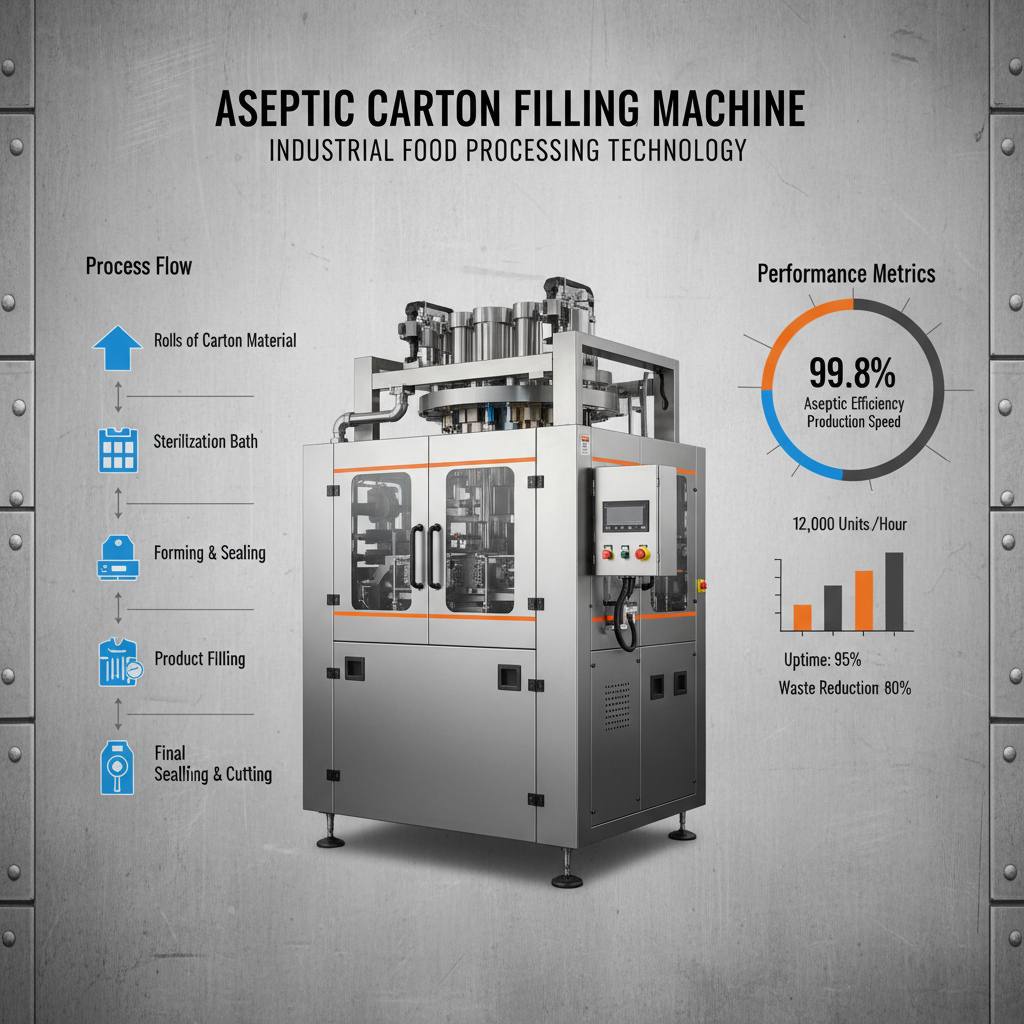
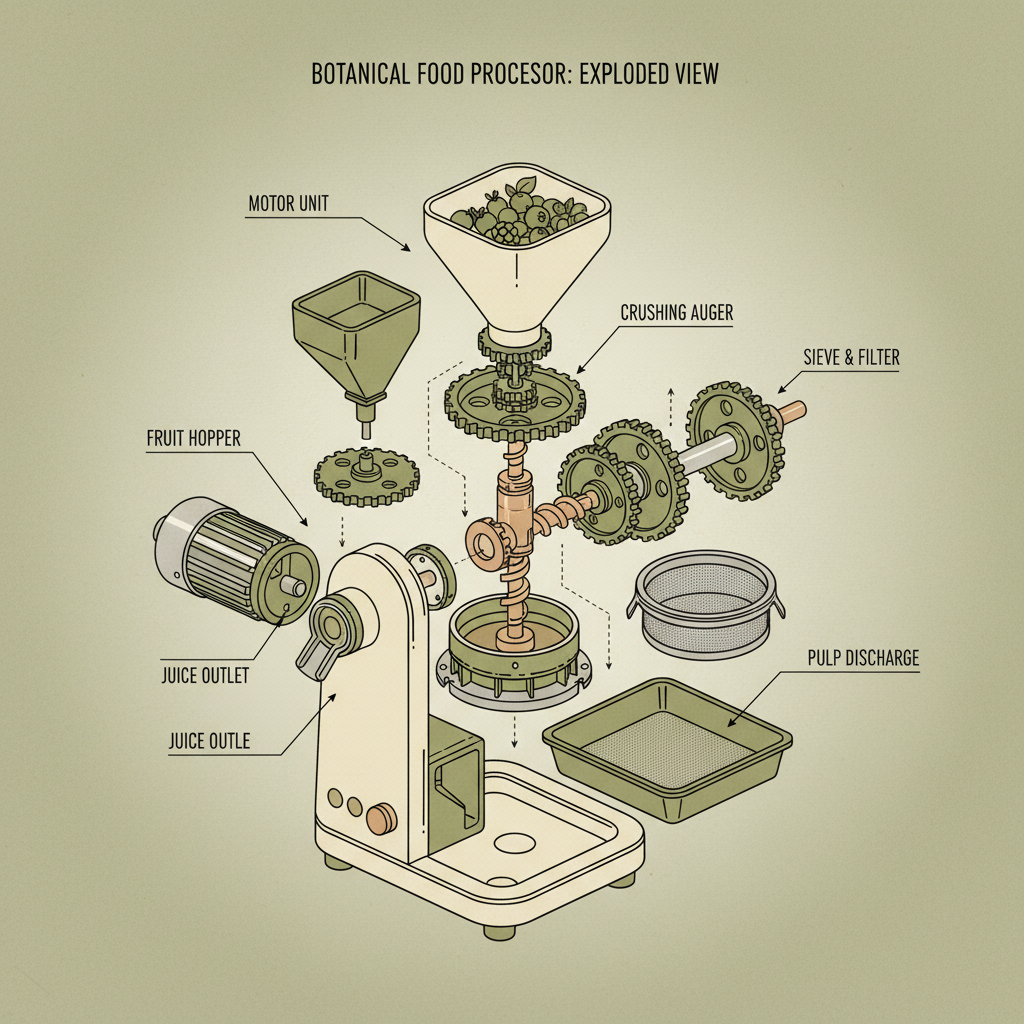
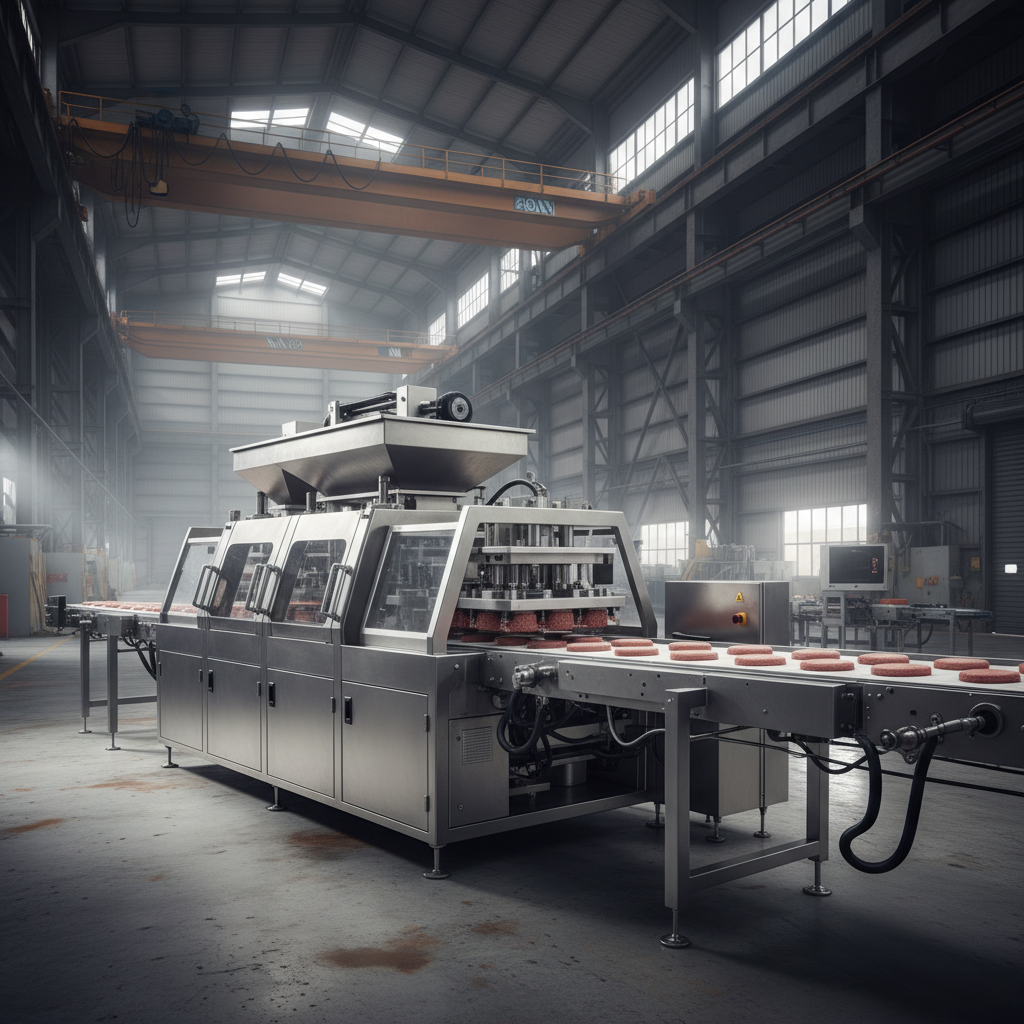
Aseptic carton filling machines aren’t just about packaging; they’re about getting safe, shelf-stable products to people efficiently. We're talking about everything from milk and juice to soups and even pharmaceuticals. Globally, this tech is critical. The UN estimates over 828 million people face hunger, and reducing food waste with better packaging—like aseptic cartons—is a major part of the solution. And it’s not just about developing nations; increasing demand for convenient, long-life products in established markets is driving growth too. Seeing the lines at food banks, or a rural clinic needing reliably packaged medicine, makes the impact of this tech very real.
I've spent years on factory floors and in warehouses watching these machines operate. What struck me early on is that it’s a complex dance of sterilization, filling, and sealing, all happening at speed. It’s about extending shelf life without preservatives, preserving nutrients, and reducing waste. This isn't just a 'nice to have' anymore; it’s vital for modern food supply chains and reducing our environmental impact. We’re pushing past the days where things spoil quickly, and that has huge ripple effects across the board.
From a logistical standpoint, the aseptic filling machine is a game changer. They minimize the need for refrigerated transport, which is huge for areas lacking consistent power. I’ve seen how crucial that is first hand. It also drastically reduces waste by allowing for longer storage periods, which is especially important when dealing with fluctuating demand or supply chain disruptions. It's a relatively simple idea – keep everything sterile – but executing it at industrial scale is a serious engineering feat.
The Global Relevance of Aseptic Carton Filling Machine
You look at the stats, and it's clear: global demand for packaged foods is skyrocketing. The World Bank projects continued population growth, especially in developing nations, meaning more mouths to feed. But it’s not just population; it’s about lifestyle changes. More people in urban areas want convenience, and aseptic packaging delivers. It's also a real answer to food security challenges. You see it in disaster relief, where extended shelf life can be the difference between starvation and survival.
The ISO standards for aseptic processing are incredibly stringent – and for good reason. We’re talking about ensuring product safety and preventing spoilage without heavy reliance on refrigeration or preservatives. Meeting those standards isn’t cheap, but the cost of a product recall or a foodborne illness outbreak is far greater. It's a risk mitigation strategy as much as a packaging technology. That’s why you're seeing increased investment in these machines, even in countries with well-established cold chain infrastructure.
Defining Aseptic Carton Filling Technology
Simply put, an aseptic carton filling machine sterilizes both the packaging material and the product separately, then combines them in a sterile environment. It's not just about sealing a container; it's about creating a hermetically sealed, sterile package that protects the contents from microbial contamination. Think of it like a surgical room for food and beverages. It's not a 'pasteurization' process; it's a higher level of sterilization that allows for shelf-stable products at room temperature.
This directly impacts modern industry. Before aseptic processing, we were reliant on things like canning or refrigeration to extend shelf life. Those methods have limitations – canning can affect taste and texture, and refrigeration is energy-intensive and requires a consistent cold chain. Aseptic filling bridges that gap, offering a palatable, shelf-stable product without the drawbacks.
And it's not just for food and beverages. Aseptic technology is used in pharmaceuticals, cosmetics, and even certain industrial applications. Any product that needs to be kept sterile and shelf-stable for an extended period can benefit. The principle remains the same: maintain a sterile environment throughout the entire process.
Key Factors in Aseptic Carton Filling Machine Performance
Durability is huge. These machines run 24/7 in many facilities. I’ve seen setups where they're pushing over 20,000 cartons per hour, and if a component fails, it’s a major disruption. The materials have to withstand constant cleaning with harsh sterilizing agents, high temperatures, and relentless operation. Cheap components simply won’t cut it.
Scalability is also critical. A client might start with a single line, but they need a system that can be expanded as demand grows. A modular design is ideal – allowing you to add more filling heads, conveyors, or packaging modules without a complete overhaul. We always talk about future-proofing with clients.
Cost efficiency isn't just about the initial purchase price. It’s about minimizing downtime, reducing waste, and optimizing energy consumption. A machine that’s easy to maintain and requires minimal operator training will save money in the long run. We’re looking at total cost of ownership, not just the sticker price.
Global Applications & Diverse Use Cases
In post-disaster relief operations, these machines are absolutely crucial. They can quickly produce shelf-stable milk or juice for affected populations, even in areas with limited infrastructure. I was on a project in Puerto Rico after a hurricane, and seeing those cartons being distributed was… well, it made all the engineering worthwhile.
In remote industrial zones, like mining camps or oil rigs, aseptic cartons provide a reliable source of nutrition for workers who may not have access to refrigerated storage. It cuts down on logistical headaches and ensures that personnel are adequately fed.
You also see widespread use in the developing world, where refrigeration isn't readily available. In many African and Asian countries, aseptic carton milk is a staple product, providing a safe and affordable source of nutrition for children and families. It’s not always glamorous, but it’s impactful.
Aseptic Carton Filling Machine Efficiency Comparison
Advantages and Long-Term Value Proposition
The cost savings, especially with reduced spoilage and transportation expenses, are significant. I've seen plants cut waste by 20-30% just by switching to aseptic packaging. That translates to real money in their bottom line. Plus, fewer returns mean less overhead and a happier customer base.
From a sustainability standpoint, aseptic cartons are relatively lightweight and can be made from renewable resources. The packaging material itself is often recyclable, although the recycling infrastructure varies by region. But the biggest environmental benefit comes from reducing food waste, which has a huge carbon footprint.
Future Trends & Innovation in Aseptic Filling
We’re seeing a push towards more sustainable packaging materials – plant-based plastics and bio-composites are gaining traction. There's also a lot of research going into extending shelf life even further without compromising product quality. Think of more efficient sterilization techniques and barrier materials.
Digital transformation is playing a big role too. IoT sensors are being integrated into these machines to monitor performance in real-time, predict maintenance needs, and optimize efficiency. That data allows operators to proactively address issues before they become major problems, reducing downtime and maximizing output.
Common Challenges and Practical Solutions
Maintaining sterility is the biggest hurdle. Even a tiny breach in the sterile environment can lead to contamination. Regular cleaning, rigorous validation procedures, and highly trained operators are essential. You also need robust quality control measures to detect any issues early on.
Another challenge is dealing with different product viscosities and particulate matter. Some products flow easily, while others are thicker or contain pulp. The filling machine needs to be adaptable enough to handle a wide range of products without compromising fill accuracy or sterility.
I’ve seen some smart solutions involving advanced flow control systems and customized filling heads. It’s about understanding the specific properties of each product and tailoring the machine’s settings accordingly. It’s not a one-size-fits-all situation.
Summary of Challenges and Solutions in Aseptic Carton Filling
| Challenge Area |
Root Cause |
Impact on Operation |
Potential Solution |
| Sterility Maintenance |
Compromised Seals, Filter Failures |
Product Contamination, Recall Risk |
Enhanced Filter Monitoring, Regular Seal Inspections |
| Product Viscosity Variation |
Inconsistent Product Formulation |
Inaccurate Fill Volumes, Machine Blockages |
Automated Viscosity Control, Adjustable Filling Heads |
| Material Compatibility |
Incompatible Material Selection |
Corrosion, Material Degradation |
Use of Corrosion-Resistant Alloys, Material Testing |
| Downtime for Cleaning |
Laborious Cleaning Procedures |
Reduced Production Capacity |
CIP (Clean-in-Place) Systems, Automated Sanitization |
| Operator Skill Level |
Insufficient Training |
Increased Error Rate, Equipment Damage |
Comprehensive Training Programs, Standard Operating Procedures |
| Carton Material Defects |
Poor Quality Control from Supplier |
Package Integrity Issues, Leaks |
Stringent Supplier Audits, Inline Inspection Systems |
FAQS
The lifespan really depends on maintenance and usage, but a well-maintained machine can easily last 15-20 years. We’ve seen some older models still running strong after 25 years with consistent preventative maintenance. Key components like pumps and valves will need periodic replacement, but the core structure is usually very durable. Proper cleaning and adherence to manufacturer recommendations are crucial.
Hot-fill involves heating the product to a high temperature to sterilize it, then filling it into a container that can withstand the heat. Aseptic filling sterilizes both the product and the packaging separately, allowing for lower processing temperatures. This results in better product flavor and nutrient retention. Hot-fill typically requires heavier, more expensive containers, while aseptic cartons are lightweight and efficient.
Beyond the initial investment, major costs include consumables like hydrogen peroxide (for sterilization), carton materials, and maintenance parts. Labor costs for trained operators and technicians are also significant. Energy consumption for sterilization and cooling can be substantial. Regular preventative maintenance, and having a well-stocked spare parts inventory are essential to minimize downtime and control costs.
Aseptic filling machines require a high level of operator training. Operators need to understand the principles of aseptic processing, sterilization procedures, machine operation, troubleshooting, and safety protocols. It’s not something you can just jump into. We typically recommend at least a week-long intensive training program, followed by ongoing mentorship and refresher courses.
Maintaining a sterile environment is paramount. This includes rigorous cleaning and sanitization procedures using validated sterilants like hydrogen peroxide. Air filtration systems are essential to remove airborne contaminants. Strict personnel hygiene protocols, including gowning and handwashing, are also crucial. Regular microbiological testing is required to verify the effectiveness of the sanitation procedures.
Absolutely. We’re seeing advancements in carton materials, like bio-based plastics and renewable polymers, to improve sustainability. There’s also research into active packaging, which incorporates features like oxygen absorbers or antimicrobial coatings to further extend shelf life. Digital printing technologies are allowing for greater customization and traceability of aseptic cartons.
Conclusion
Aseptic carton filling machines are more than just industrial equipment; they're a cornerstone of modern food security and a vital part of the global supply chain. From ensuring the safety of everyday beverages to delivering critical nutrition in disaster relief, their impact is far-reaching. The key takeaways are durability, scalability, and a commitment to hygienic operation. Investing in quality equipment and ongoing training isn’t just a cost, it’s a necessity.
Looking ahead, innovation in sustainable materials and digital integration will be crucial. The future of aseptic filling will be driven by a need for greater efficiency, reduced environmental impact, and enhanced traceability. If you’re considering investing in aseptic carton filling technology, or need support for your existing line, please visit our website: aseptic carton filling machine.