The global demand for efficient and adaptable resource utilization has spurred innovation across numerous industries, with meat filler playing an increasingly crucial role. Meat filler, encompassing a wide range of binding and extending agents, addresses critical challenges in food production, manufacturing, and even specialized applications like industrial molding. Understanding its composition, properties, and applications is essential for businesses aiming for cost optimization, enhanced product quality, and sustainable practices. This knowledge is paramount in a world grappling with resource scarcity and escalating production costs.
The rising global population and evolving consumer preferences are driving a need for food products that are both affordable and high-quality. Meat filler technologies offer solutions to meet this demand, allowing manufacturers to stretch valuable protein sources and create appealing, palatable products. Beyond food, meat filler materials are finding niche applications in industrial settings, providing cost-effective alternatives to traditional materials. Addressing the misconceptions surrounding meat filler and promoting transparent labeling are key to fostering consumer trust and ensuring responsible industry practices.
From enhancing the texture and binding properties of processed meats to serving as a crucial component in molded industrial parts, the versatility of meat filler is undeniable. The focus on sustainability and reducing waste necessitates a deeper understanding of its potential. This exploration will cover the key aspects, applications, advantages, and future trends surrounding meat filler, providing a comprehensive overview for stakeholders across various sectors.
The Definition and Composition of meat filler
Meat filler encompasses a variety of substances added to meat products to enhance texture, bind ingredients, extend volume, and reduce costs. These fillers aren't necessarily inferior; many are valuable protein sources in their own right, like soy protein, wheat gluten, or pea protein. Properly utilized, meat filler contributes to the overall palatability and structural integrity of the final product.
Understanding the composition of meat filler is critical. Beyond protein sources, common fillers include starches (corn, potato, tapioca), fibers (cellulose, oat fiber), and even certain vegetable purees. The selection of a specific filler depends on the desired functionality, the type of meat product, and regulatory requirements. Careful consideration of the ingredient list and its impact on the final product's nutritional profile is paramount.
Global Regulatory Landscape of meat filler
The regulation of meat filler varies significantly across the globe, reflecting differing food safety standards and consumer protection laws. In the United States, the USDA regulates meat products and their ingredients, specifying permissible fillers and labeling requirements. The European Union has similarly strict regulations outlined by the European Food Safety Authority (EFSA), focusing on ingredient safety and transparency.
Many countries require clear labeling of meat products containing filler, often specifying the percentage of filler used. These regulations aim to empower consumers to make informed choices. It's crucial for manufacturers exporting products internationally to be aware of and comply with the specific regulations of each target market. Ignoring these rules can lead to product recalls, fines, and damage to brand reputation.
International organizations like the Codex Alimentarius Commission play a role in harmonizing food standards, but implementation remains the responsibility of individual nations. Keeping abreast of evolving regulations and participating in industry discussions are vital for responsible meat filler utilization.
The Science Behind meat filler Functionality
The functional properties of meat filler are rooted in their chemical and physical characteristics. Proteins, like soy or wheat gluten, possess excellent water-holding capacity and binding properties, creating a cohesive texture in processed meats. Starches contribute to viscosity and act as emulsifiers, improving fat distribution and preventing separation.
Understanding how different fillers interact with meat proteins and fats is crucial for optimizing product quality. For instance, the addition of certain fibers can enhance texture and provide a “bite” similar to that of muscle tissue. The pH level, temperature, and processing methods all influence the effectiveness of meat filler. Careful control of these variables is essential for achieving the desired results.
Furthermore, the molecular structure of the filler impacts its functionality. The arrangement of proteins, the degree of starch gelatinization, and the particle size of fibers all contribute to the final product’s texture, stability, and sensory attributes. Research continues to unravel the intricate relationships between filler composition and product performance.
Key Performance Indicators of meat filler
Evaluating the performance of meat filler requires a multifaceted approach, considering both functional and economic factors. Key performance indicators (KPIs) include water-holding capacity (WHC), binding strength, texture profile, cost-effectiveness, and sensory evaluation. WHC is critical for maintaining product juiciness and preventing moisture loss.
Binding strength determines the ability of the filler to hold the meat structure together, preventing crumbling or disintegration during processing and cooking. Texture profile analysis (TPA) objectively measures parameters like hardness, springiness, and chewiness, providing insights into the overall mouthfeel. Cost-effectiveness is, of course, a significant consideration, balancing functionality with affordability.
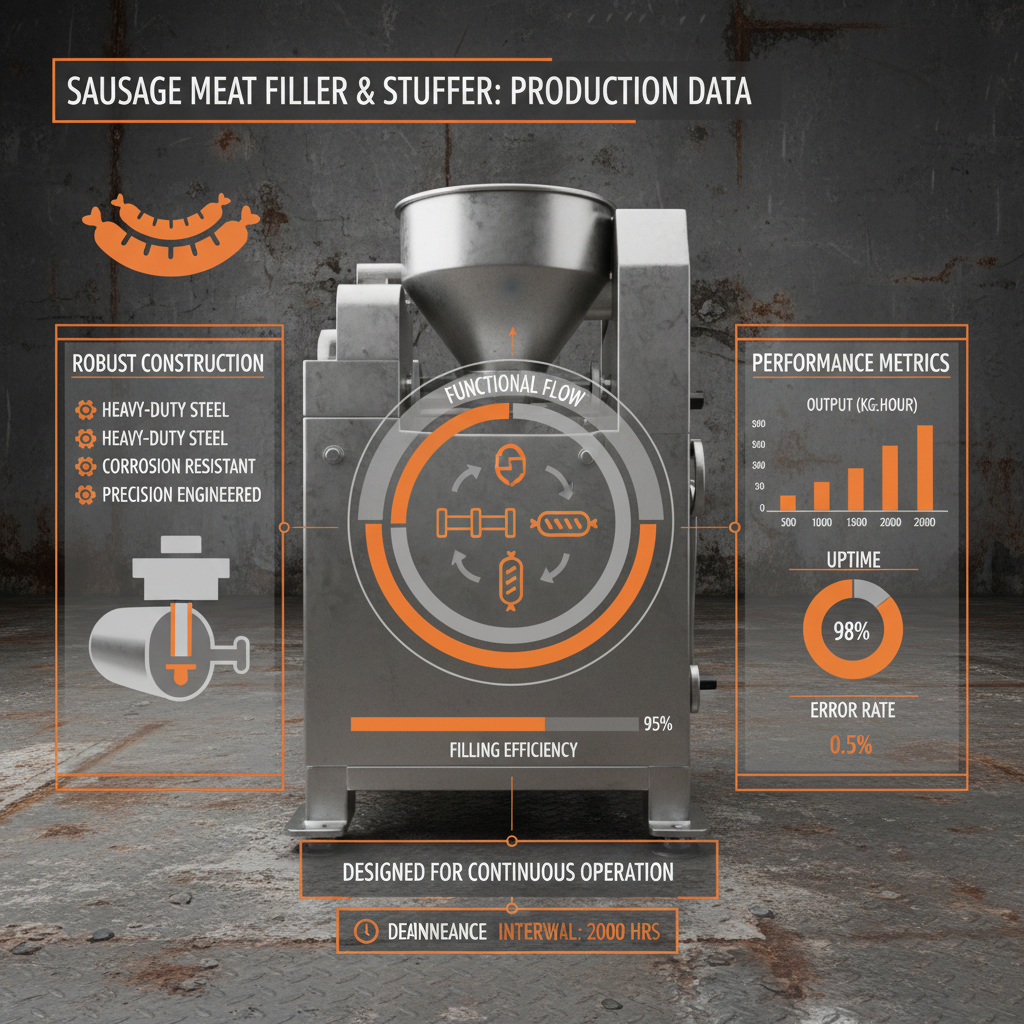
Meat filler Performance Ratings (Scale of 1-10)
Industry-Specific Applications of meat filler
The applications of meat filler extend far beyond traditional processed meat products. In the poultry industry, fillers can enhance the texture and yield of sausages and nuggets. In the beef industry, they are utilized in patties, meatloaf, and ground beef to maintain quality and reduce costs.
The seafood industry also leverages meat filler to create fish sticks, crab cakes, and other processed seafood items. Furthermore, innovative applications are emerging in the plant-based meat alternatives sector, where fillers contribute to the texture and structural integrity of vegan burgers and sausages.
Sustainable Sourcing and Future Trends in meat filler
Sustainability is becoming an increasingly important driver in the meat filler industry. Consumers are demanding products that are not only affordable and high-quality but also environmentally responsible. This is leading to a greater focus on sourcing fillers from sustainable and renewable sources.
Future trends include the development of novel fillers derived from algae, insects, and upcycled food waste. These innovative ingredients offer a low-carbon footprint and contribute to a circular economy. Furthermore, advancements in processing technologies are enabling the creation of fillers with enhanced functionality and improved nutritional profiles.
The integration of biotechnology and precision fermentation holds promise for producing customized fillers tailored to specific applications. The industry is also exploring the use of blockchain technology to enhance traceability and transparency throughout the supply chain.
Challenges and Innovations in meat filler Manufacturing
Despite the advancements in meat filler technology, several challenges remain. One key challenge is maintaining consistent product quality and functionality across different batches and sources of filler. Another is addressing consumer perceptions and overcoming negative connotations associated with certain fillers.
Innovations in manufacturing processes are helping to mitigate these challenges. For instance, advanced mixing and extrusion technologies ensure uniform distribution of filler throughout the meat matrix. Precise control of particle size and moisture content enhances functionality and improves texture. Furthermore, research into encapsulation techniques can protect sensitive fillers and optimize their release during cooking.
The adoption of data analytics and machine learning is enabling manufacturers to optimize filler formulations and predict product performance. Continuous monitoring and process control contribute to consistent quality and reduce waste. Addressing consumer concerns through transparent labeling and education is also crucial.
Summary of Challenges and Innovations in meat filler Manufacturing
| Challenge |
Innovation |
Impact on meat filler Quality |
Cost Implications |
| Inconsistent Filler Quality |
Advanced Quality Control Systems |
Enhanced Uniformity & Functionality |
Moderate Initial Investment |
| Negative Consumer Perception |
Transparent Labeling & Education |
Improved Trust & Acceptance |
Low Cost - Primarily Marketing Effort |
| Uneven Filler Distribution |
Precision Mixing Technologies |
Optimal Texture & Binding |
Medium Investment - Equipment Cost |
| Filler Stability During Processing |
Encapsulation Techniques |
Preserved Functionality & Controlled Release |
Higher Initial Cost – Specialized Materials |
| Process Optimization |
Data Analytics & Machine Learning |
Improved Efficiency & Reduced Waste |
Moderate Investment – Software & Expertise |
| Sustainable Sourcing |
Alternative Filler Sources (Algae, Insects) |
Reduced Environmental Impact |
Variable – Dependent on Source & Scale |
FAQS
Many consumers mistakenly believe that meat filler is inherently low-quality or harmful. In reality, many fillers are nutritious protein sources like soy or wheat gluten. The purpose of filler is primarily to improve texture, binding, and affordability, not to deceive consumers. Clear labeling and consumer education are crucial to dispel these myths and promote transparency in the meat industry. Understanding the function and composition of different fillers is key to appreciating their role in modern food production.
The safety of meat filler for individuals with allergies depends entirely on the specific filler used. Common allergens like soy, wheat, and eggs are often used as fillers, so it’s essential for manufacturers to clearly label all ingredients. Individuals with allergies should carefully read product labels and avoid products containing allergens they are sensitive to. Regulations often require allergen declaration to protect consumers with food allergies.
The impact of meat filler on nutritional value varies depending on the type and amount of filler used. Some fillers, like soy protein, can actually increase the protein content of a product. Others may dilute the nutritional density, reducing the amount of protein or essential nutrients per serving. Manufacturers should strive to balance functionality with nutritional considerations, ensuring that the use of filler does not compromise the overall healthfulness of the product.
Regulatory requirements for labeling vary by country. Generally, most regulations require manufacturers to list all ingredients, including fillers, in descending order of weight. Some jurisdictions mandate specific labeling statements regarding the presence of fillers, particularly if they exceed a certain percentage of the total product weight. Adherence to these regulations is crucial for ensuring compliance and maintaining consumer trust.
The use of meat filler in certified organic meat products is heavily restricted. Organic standards generally prohibit the use of synthetic fillers or genetically modified ingredients. Only approved organic fillers may be used, and they must meet stringent requirements regarding sourcing and processing. Manufacturers seeking organic certification must carefully review and comply with the specific standards of the certifying agency.
Future innovations in meat filler technology will likely focus on sustainability, functionality, and consumer acceptance. We can expect to see increased use of plant-based fillers derived from novel sources like algae and insects, as well as advancements in encapsulation techniques to enhance filler performance. Data analytics and machine learning will play a role in optimizing filler formulations and ensuring consistent product quality. Transparency and traceability will also become increasingly important.
Conclusion
Throughout this exploration, we’ve seen that meat filler is far more than a simple cost-cutting measure. It’s a complex field driven by scientific understanding, regulatory oversight, and evolving consumer demands. From enhancing texture and extending shelf life to promoting sustainability and addressing food security, the applications of meat filler are diverse and impactful. A thorough grasp of its composition, functionality, and responsible usage is paramount for manufacturers, regulators, and consumers alike.
Looking ahead, the future of meat filler hinges on innovation, transparency, and a commitment to sustainable practices. Continued research into novel filler sources, coupled with advancements in processing technologies, will unlock new possibilities. By embracing responsible sourcing, clear labeling, and ongoing dialogue, the meat filler industry can foster trust and contribute to a more sustainable and equitable food system. For more information and to explore how we can help optimize your meat product formulations, visit our website: www.ycmeatmech.com