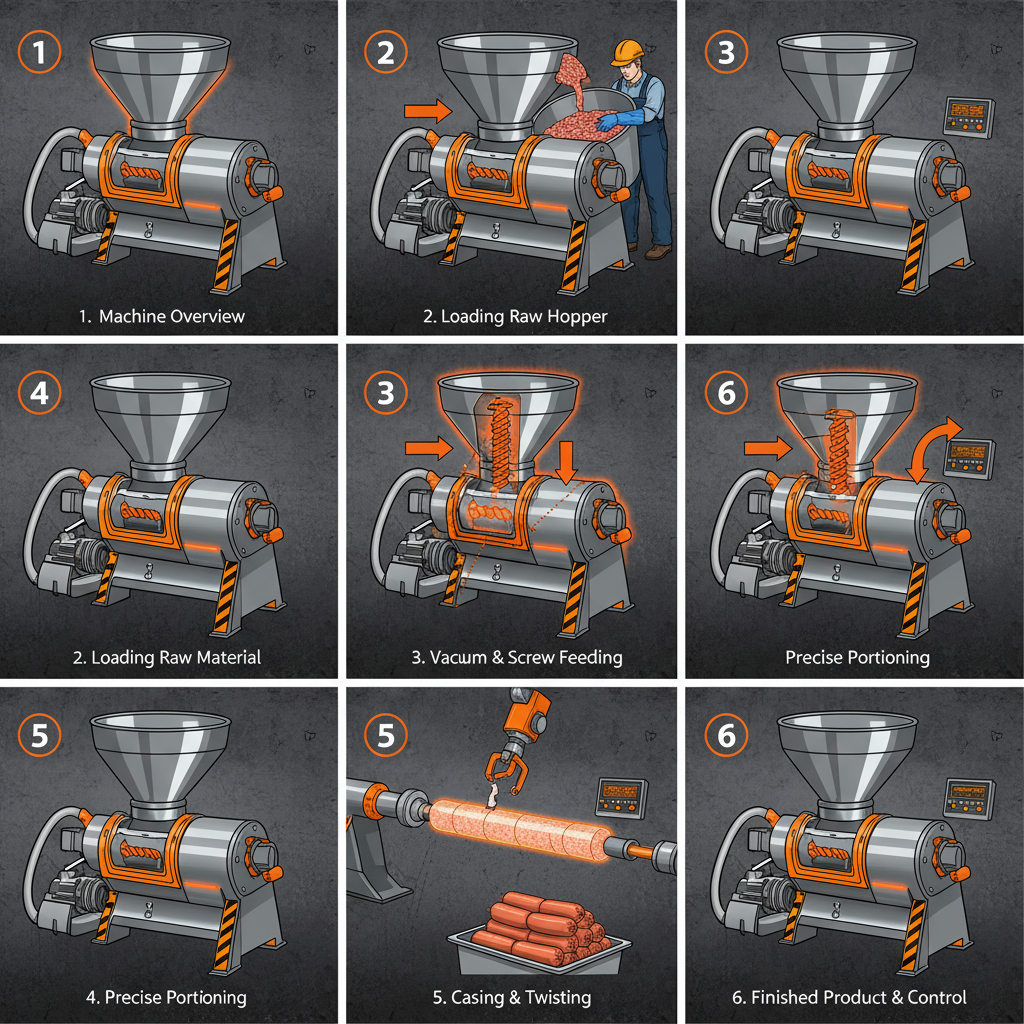
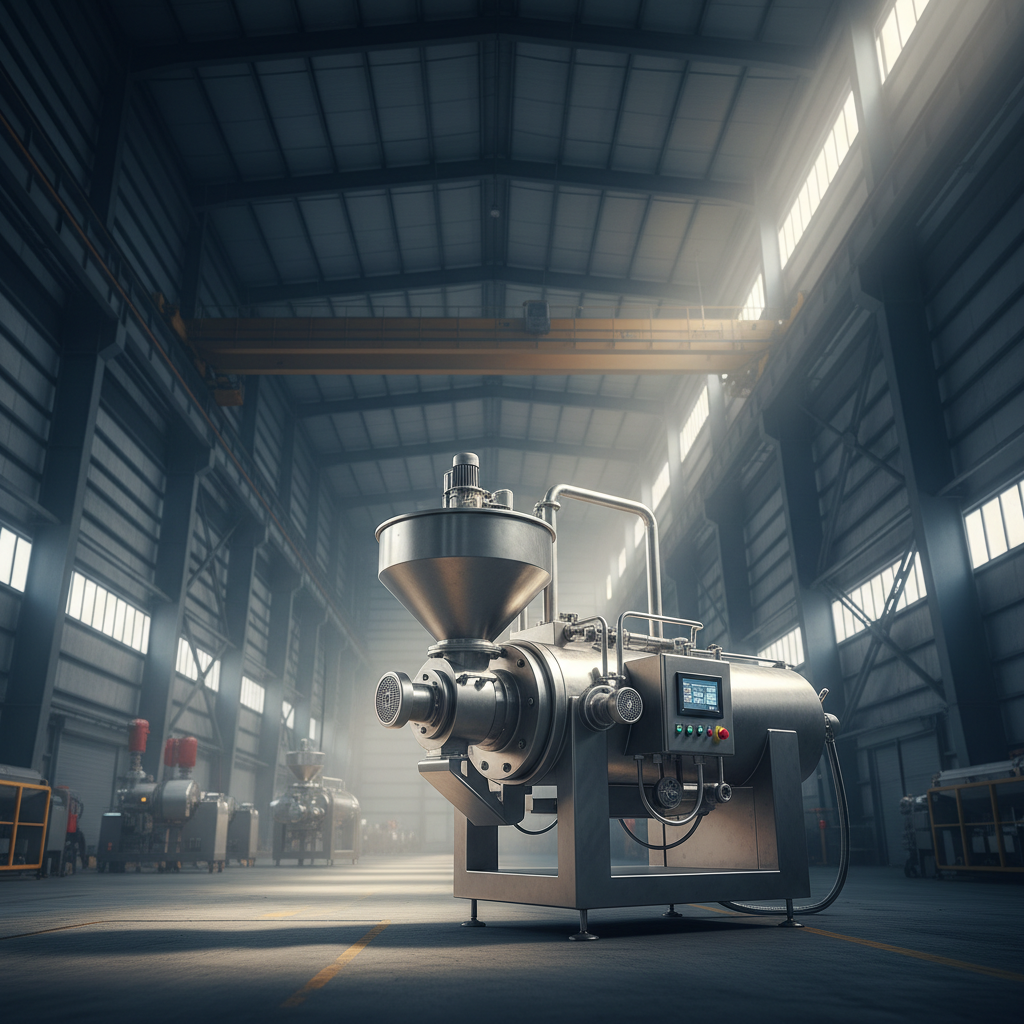
Water sausage filler technology has emerged as a vital component in various sectors, from rapid disaster response and affordable housing solutions to specialized industrial applications. Its unique ability to provide a quickly deployable, structurally sound, and adaptable material has garnered attention globally. Understanding the nuances of water sausage filler – its composition, deployment methods, and long-term sustainability – is crucial for organizations and governments seeking innovative solutions to pressing challenges.
The global demand for efficient and cost-effective infrastructure is steadily increasing, driven by population growth, urbanization, and the escalating frequency of natural disasters. Traditional construction methods often struggle to meet these demands, particularly in emergency situations or remote locations. Water sausage filler provides a compelling alternative, offering a fast, scalable, and often more sustainable approach to building and shelter.
The benefits extend beyond immediate needs; the inherent adaptability of water sausage filler allows for customization and repurposing, fostering long-term value and resource efficiency. This makes it a pivotal technology for modern infrastructure and humanitarian aid efforts worldwide.
The Significance of Water Sausage Filler
Water sausage filler represents a paradigm shift in rapid deployment solutions. Its importance stems from its ability to address critical needs in situations where traditional construction is impractical or impossible. This could range from providing emergency shelter after a natural disaster to establishing temporary infrastructure in remote industrial zones.
The technology’s versatility and cost-effectiveness make it a valuable asset for both governmental and non-governmental organizations, streamlining response efforts and reducing long-term infrastructure costs. The focus is shifting towards sustainable and adaptable solutions, and water sausage filler is perfectly positioned to meet these evolving demands.
Defining Water Sausage Filler
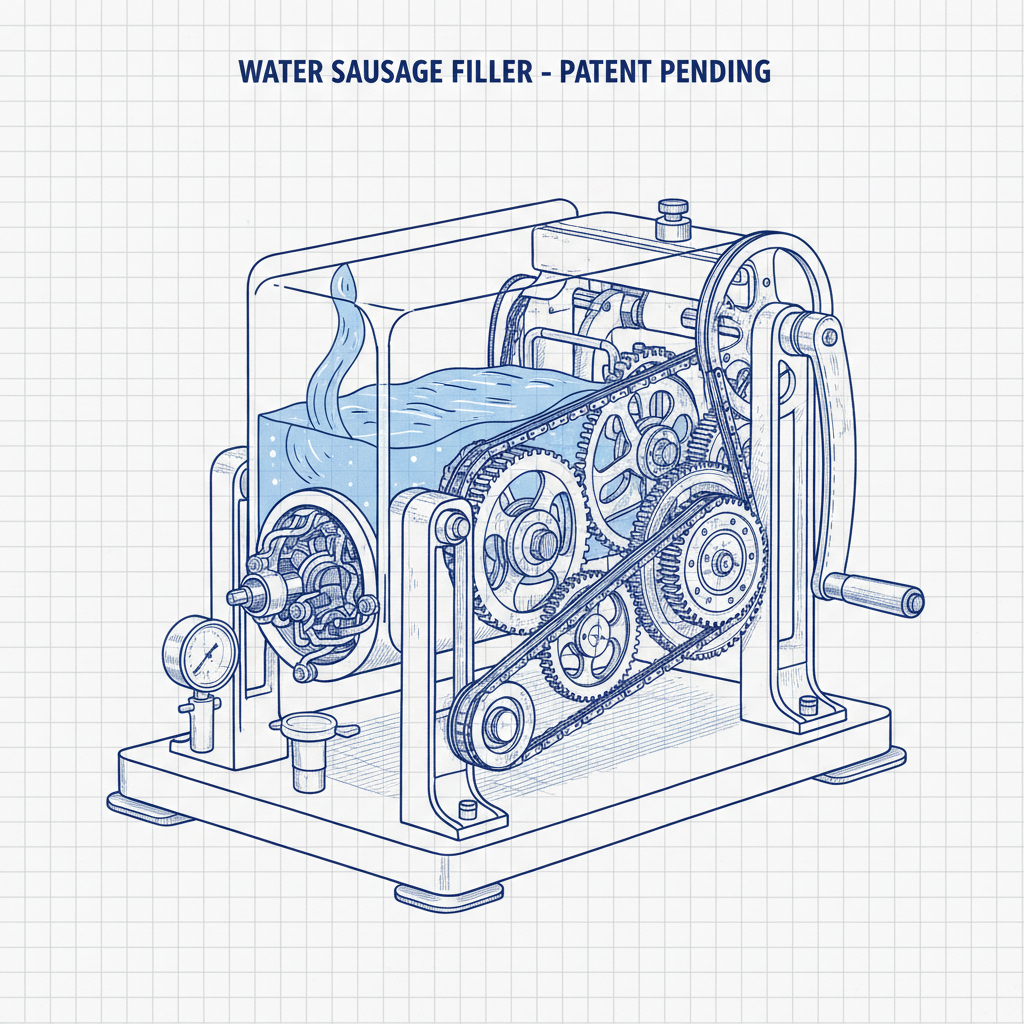
Water sausage filler is a rapidly deployable structural material typically comprised of a durable, water-permeable fabric casing, designed to be inflated with water (or other readily available liquids) to create a rigid, load-bearing structure. It's not simply a 'water-filled bag'; the material science and engineering behind the fabric’s weave and strength are crucial to its functionality.
Its connection to modern industry extends beyond emergency response. It’s being increasingly adopted in applications like temporary warehousing, event staging, and even as a foundation element for more permanent structures. This adaptability stems from its modularity and the ability to easily connect multiple filler units to create larger, more complex structures.
The humanitarian relevance is profound. Water sausage filler offers a dignified and safe shelter option for displaced populations, exceeding the standards of many traditional emergency shelter solutions. Its portability and ease of setup make it ideal for reaching remote and vulnerable communities.
Core Components and Characteristics
The fundamental component of water sausage filler is the fabric itself. This is typically a high-tenacity woven polyethylene or polyester material, coated for waterproofing and UV resistance. The weave pattern and fabric density directly impact the strength and durability of the inflated structure. Different grades of fabric are available, suited for various load-bearing requirements.
Beyond the fabric, key characteristics include the fill valve system – designed for efficient inflation and deflation – and the anchoring mechanisms. Effective anchoring is essential for stability, especially in windy conditions. These can range from simple ground stakes to more sophisticated ballast systems. Another characteristic is its portability, as the deflated filler units are lightweight and compact for easy transportation.
Furthermore, the water quality used for inflation is a consideration. While clean water is ideal, the filler materials are designed to withstand certain levels of contamination, making them adaptable to diverse environments. The entire system must balance strength, flexibility, weight, and cost-effectiveness to deliver optimal performance.
Key Factors for Optimal Performance
Durability is paramount. The fabric’s resistance to abrasion, punctures, and UV degradation dictates the lifespan of the water sausage filler. Selecting a fabric with appropriate tensile strength and a protective coating is essential for long-term performance. Scalability is another key aspect; the ability to seamlessly connect multiple units to create larger structures is critical for accommodating varying needs.
Cost-efficiency is a significant driver for adoption. Water sausage filler often offers a lower initial cost compared to traditional construction, along with reduced transportation and labor expenses. However, life-cycle costs, including maintenance and potential replacement, should also be considered.
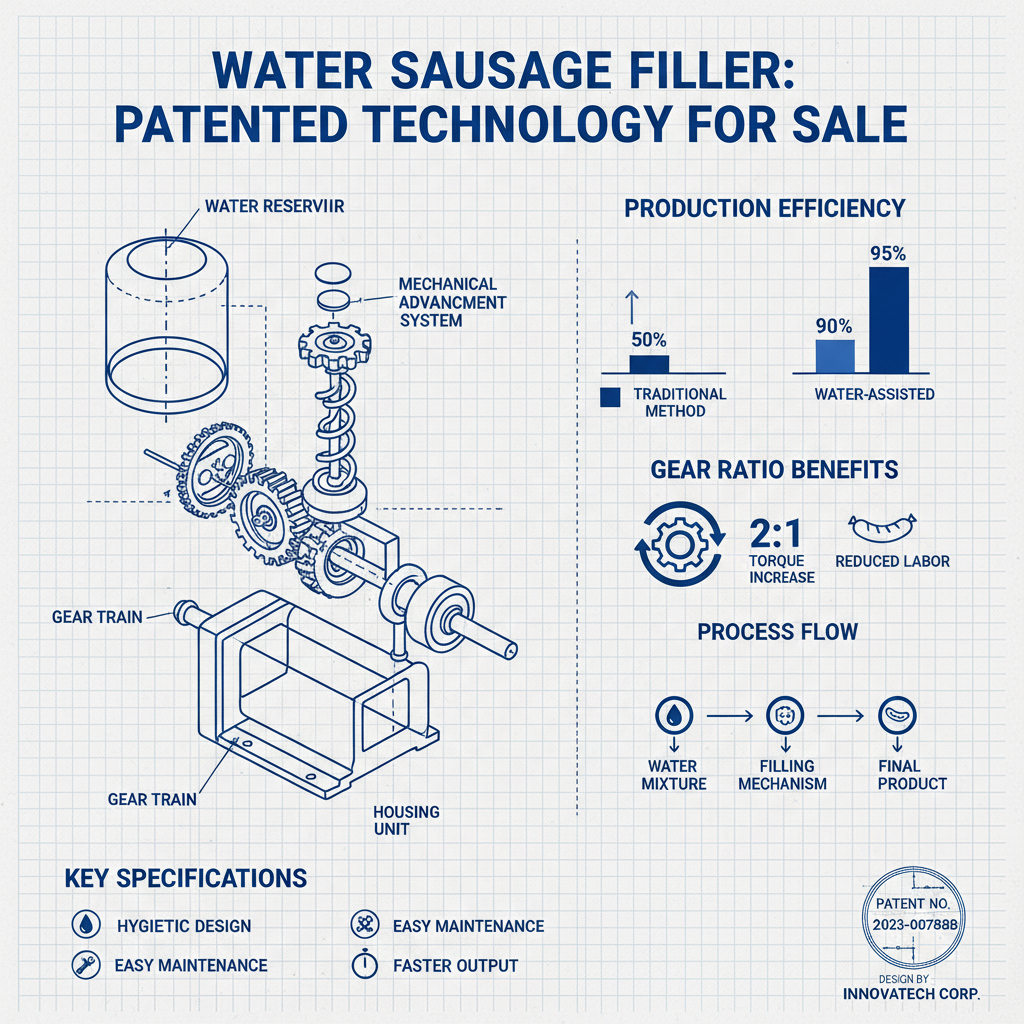
Water Sausage Filler Performance Metrics
Global Applications of Water Sausage Filler
In post-disaster relief operations, water sausage filler is rapidly becoming a preferred solution for providing immediate shelter to affected populations. Organizations like the Red Cross and Doctors Without Borders are increasingly utilizing the technology for its speed of deployment and adaptability. In remote industrial zones, it’s being used to create temporary accommodation for workers or to construct rapid prototyping facilities.
The technology is also gaining traction in the event management industry, offering a cost-effective and aesthetically versatile alternative to traditional tents and temporary structures. Several large-scale festivals and sporting events have successfully incorporated water sausage filler into their infrastructure.
Long-Term Advantages and Value Proposition
The tangible benefits of water sausage filler are numerous. Reduced construction costs, minimized labor requirements, and faster deployment times translate into significant economic savings. Its sustainability profile is also noteworthy, with the potential to utilize recycled materials in the fabric construction and minimize waste compared to traditional building methods.
Beyond the economic and environmental advantages, there are significant social benefits. Providing safe, dignified, and readily available shelter enhances the well-being of vulnerable populations. The inherent adaptability of the technology fosters innovation and trust among users, paving the way for wider adoption and continued improvement.
Future Trends and Innovation in Water Sausage Filler
Future innovations are focusing on integrating smart technologies into water sausage filler structures. This includes incorporating sensors for environmental monitoring (temperature, humidity, air quality), and potentially even embedding renewable energy sources like solar panels into the fabric. Research is also underway to develop biodegradable fabric materials, further enhancing the sustainability profile of the technology.
Digital transformation will play a key role, with the development of advanced design and modeling software to optimize structure configuration and load distribution. Automation of the inflation and anchoring processes will further reduce deployment times and labor costs. The convergence of materials science, engineering, and digital technologies will drive the next generation of water sausage filler solutions.
Furthermore, advancements in water purification technology could allow for the utilization of non-potable water sources for inflation, expanding the applicability of water sausage filler in water-scarce regions.
Analysis of Water Sausage Filler Development Trends
| Innovation Area |
Current Status (1-10) |
Potential Impact (1-10) |
Implementation Timeline |
| Smart Sensor Integration |
6 |
8 |
3-5 years |
| Biodegradable Fabrics |
4 |
9 |
5-10 years |
| Automated Inflation Systems |
7 |
7 |
1-3 years |
| Digital Design & Modeling Tools |
8 |
8 |
Currently Available |
| Renewable Energy Integration |
5 |
6 |
5-7 years |
| Non-Potable Water Inflation |
3 |
7 |
7-10 years |
FAQS
Water sausage filler, when properly anchored, generally offers superior stability to traditional tent structures, particularly in windy conditions. The inflated structure creates a rigid framework, distributing weight and resisting deformation more effectively. The fabric’s tensile strength and the water’s mass contribute to this enhanced stability. However, proper anchoring is crucial for both solutions.
The lifespan of a water sausage filler unit depends heavily on the quality of the fabric, the environmental conditions, and the frequency of use. High-quality units, with UV-resistant coatings and durable weaves, can last for 5-10 years with proper maintenance. Regular inspections for punctures or damage are essential to maximize longevity.
Water sausage filler can be more environmentally friendly than traditional construction methods. It requires less material, generates less waste, and often utilizes less energy in production and transportation. Ongoing research is focused on developing biodegradable fabric options, further enhancing its sustainability profile. However, the sourcing and disposal of the fabric are important considerations.
Clean water is ideal for inflating water sausage filler, as it minimizes the risk of internal degradation and extends the unit’s lifespan. However, the materials are generally designed to withstand some level of contamination. If clean water isn’t readily available, filtration or disinfection may be necessary to prevent the growth of algae or bacteria.
Minor punctures or tears can often be repaired using specialized patching kits designed for the fabric material. Larger damages may require professional repair or replacement of the affected section. The ease of repair depends on the size and location of the damage, as well as the skill of the repair personnel.
One of the key advantages of water sausage filler is its compact and lightweight nature when deflated. This significantly reduces transportation costs and logistical challenges compared to traditional building materials. The units can be easily transported by truck, helicopter, or even pack animal, making them ideal for remote or inaccessible areas.
Conclusion
Water sausage filler represents a transformative technology with the potential to revolutionize emergency response, affordable housing, and temporary infrastructure solutions. Its unique combination of rapid deployment, structural integrity, and adaptability makes it a compelling alternative to traditional construction methods. The core benefits – cost-effectiveness, sustainability, and social impact – position water sausage filler as a critical component of a more resilient and equitable future.
Looking ahead, continued innovation in materials science, smart technologies, and automation will further enhance the performance and versatility of water sausage filler. By embracing these advancements and fostering collaboration between researchers, manufacturers, and humanitarian organizations, we can unlock the full potential of this technology to address some of the world's most pressing challenges. For more information and to explore our range of water sausage filler solutions, visit our website: www.ycmeatmech.com