0%

Table of Contents

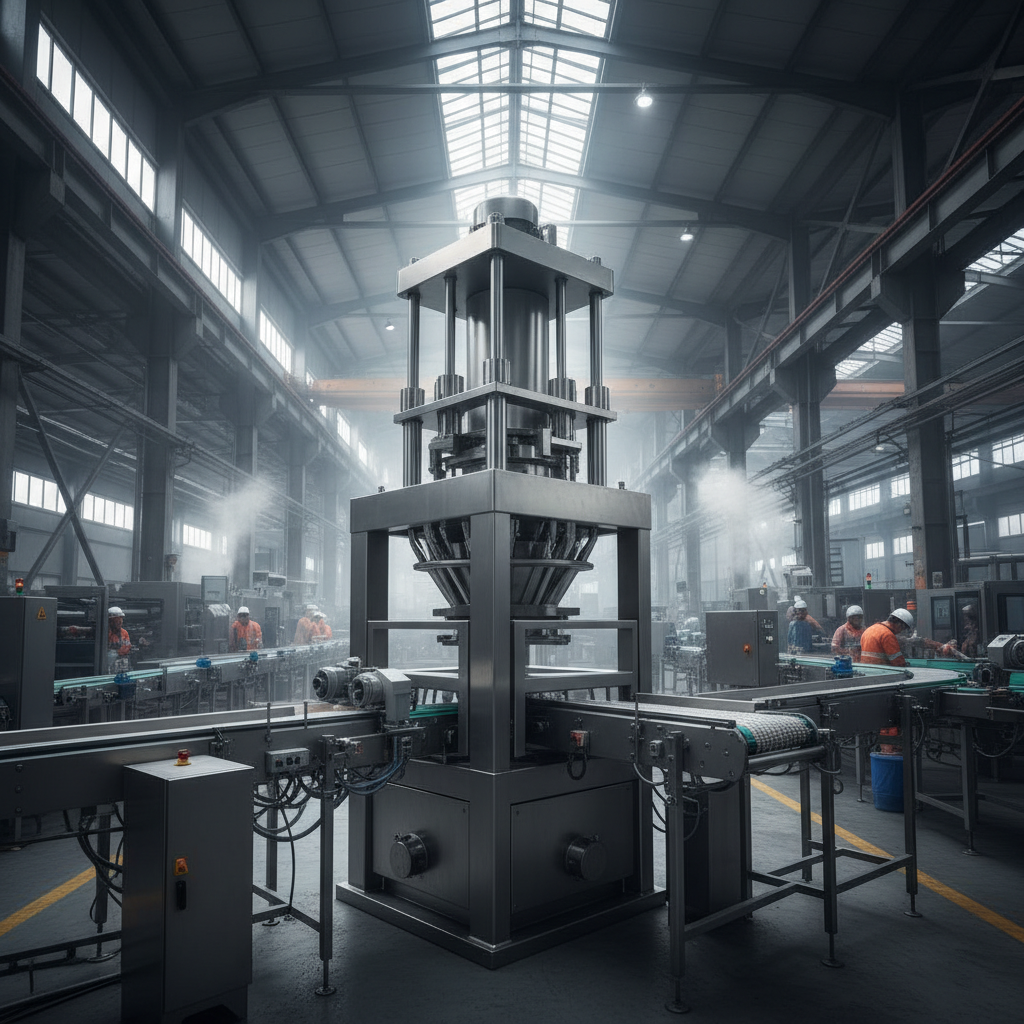
The realm of automated packaging is undergoing a significant transformation, largely driven by the demand for increased efficiency, precision, and hygiene across diverse industries. At the heart of this evolution lies the filling and linking machine, a sophisticated piece of equipment crucial for streamlining production processes and reducing operational costs. These machines are not merely about filling containers; they represent a comprehensive solution for handling, linking, and preparing products for distribution, impacting everything from food processing to pharmaceuticals and beyond. Understanding the nuances of this technology is paramount for businesses aiming to stay competitive in today’s rapidly evolving marketplace.

Globally, the need for efficient and reliable packaging solutions is escalating due to factors like population growth, urbanization, and changing consumer preferences. According to the United Nations, the world population is projected to reach nearly 10 billion by 2050, driving unprecedented demand for packaged goods. This surge in demand puts immense pressure on manufacturers to optimize their production lines, and the filling and linking machine is proving to be a critical component in meeting these challenges. The International Organization for Standardization (ISO) continuously updates packaging standards, further emphasizing the need for technologically advanced solutions.

The rising focus on minimizing waste, enhancing product safety, and reducing labor costs is further accelerating the adoption of these automated systems. From small-scale artisanal producers to large multinational corporations, the filling and linking machine is becoming an indispensable asset. Addressing challenges related to product consistency, accurate portioning, and efficient material handling, these machines are paving the way for more sustainable and profitable manufacturing practices.
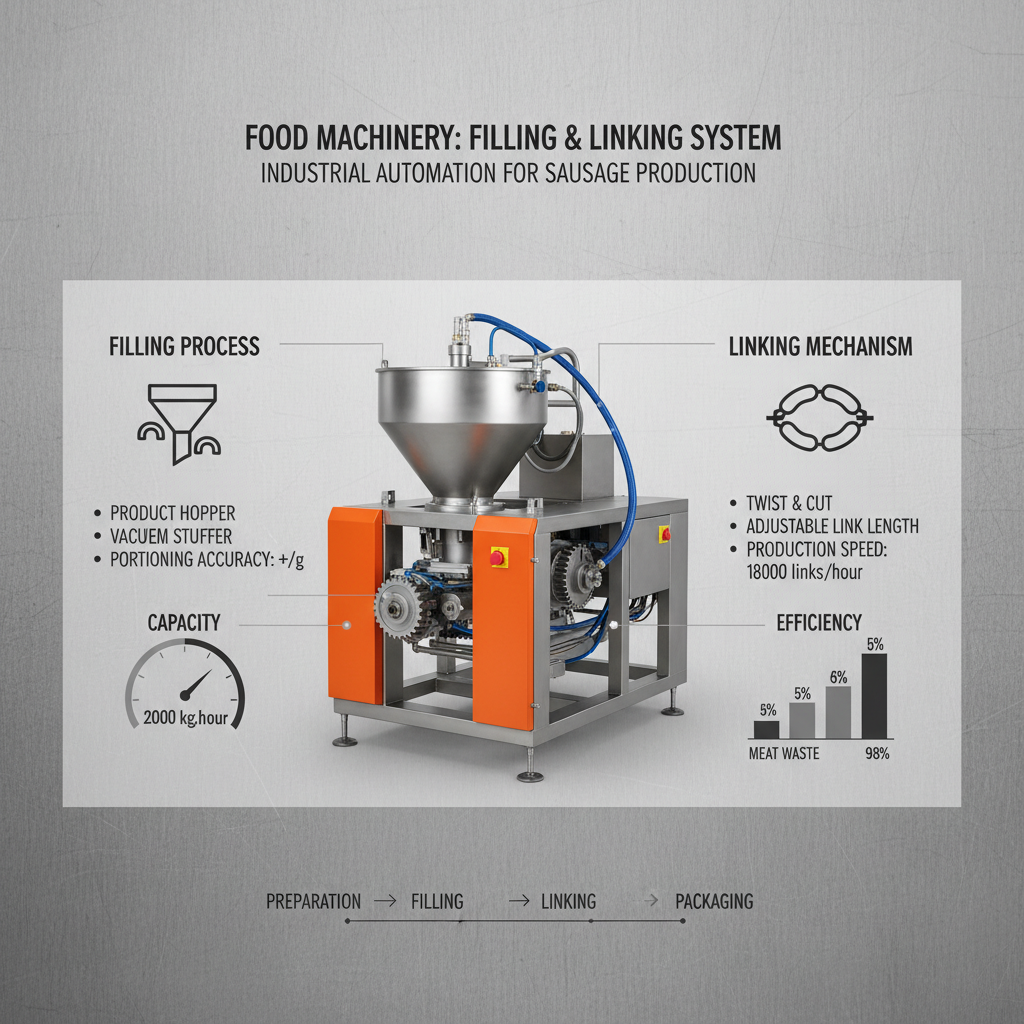
Advancements in Filling and Linking Machine Technology for Efficient Packaging Solutions

The Role of filling and linking machine in Modern Industry

Advancements in Filling and Linking Machine Technology for Efficient Packaging Solutions

In the modern industrial landscape, the filling and linking machine has moved beyond a simple automation tool to become a crucial enabler of efficient supply chains and consistent product quality. Its application extends across multiple sectors, including food and beverage, pharmaceuticals, cosmetics, and chemical processing. The integration of these machines helps companies meet stringent regulatory standards, minimize waste, and respond quickly to changing market demands.

The effectiveness of a manufacturing process heavily relies on the precision and consistency delivered by machines like the filling and linking machine. This capability translates into reduced product recalls, enhanced brand reputation, and ultimately, increased profitability. Furthermore, the ability to seamlessly integrate these machines into existing production lines simplifies workflow and maximizes output.

Defining filling and linking machine

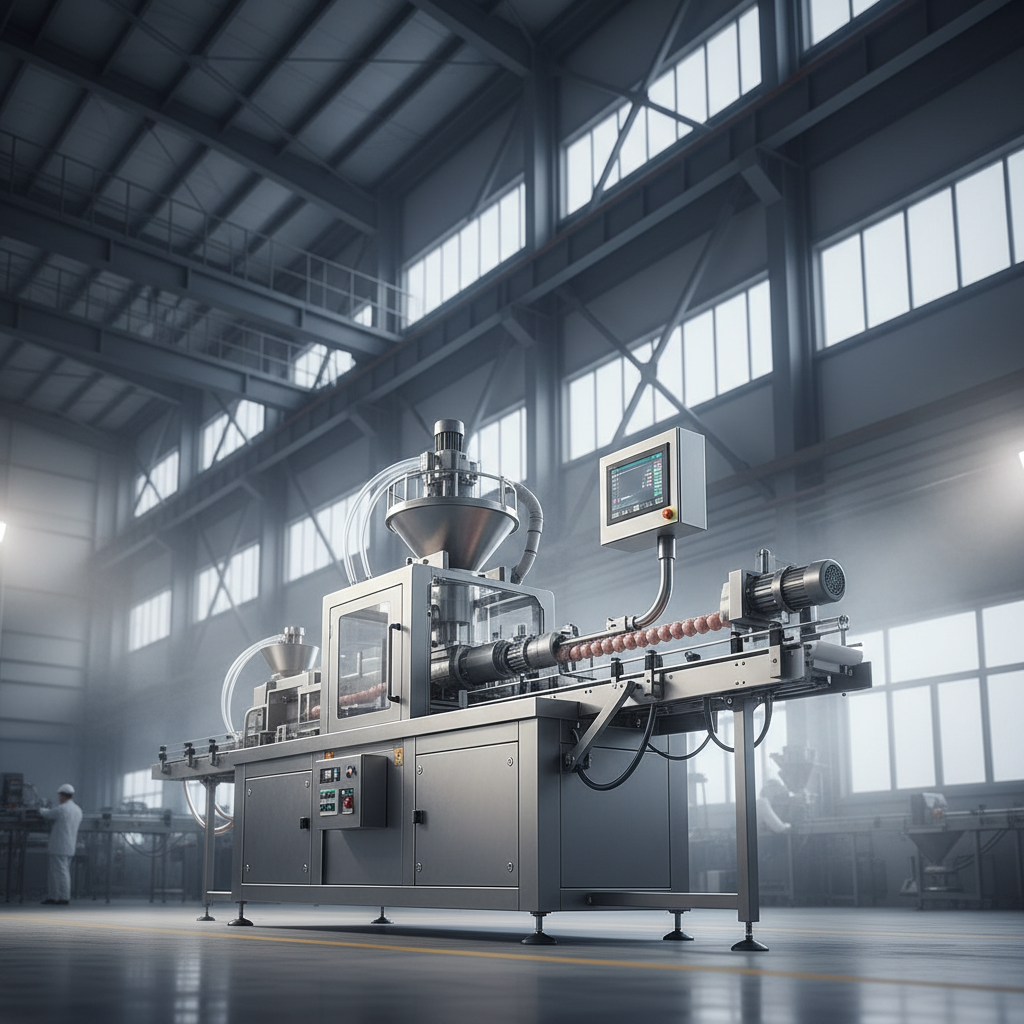
A filling and linking machine is an automated system designed to accurately dispense a specific volume of a product (liquid, powder, granule, or paste) into containers and then securely link or seal those containers for transport and storage. These machines typically consist of several integrated components, including filling heads, conveyor systems, sealing mechanisms, and control panels. The entire process is often computer-controlled, ensuring precision and repeatability.

The connection to modern industry lies in its ability to address the growing need for standardized, high-speed packaging. Before the advent of these machines, filling and sealing were often manual, labor-intensive processes prone to error and inconsistency. The filling and linking machine offers a scalable and reliable alternative, catering to both small-batch artisanal production and large-scale industrial operations.

Beyond industrial applications, this technology also plays a role in humanitarian efforts. For example, portable filling and linking machine units can be deployed in disaster relief situations to quickly package and distribute essential supplies like water, food, and medical aid to affected populations.

Core Components and Operational Factors

Several key factors determine the performance and reliability of a filling and linking machine. Durability is paramount, as these machines often operate continuously in demanding industrial environments. High-quality materials and robust construction are essential to minimize downtime and ensure a long service life.

Scalability is another critical consideration. Businesses need to select machines that can accommodate their current production volume and readily adapt to future growth. Modular designs and adjustable filling volumes allow for greater flexibility and prevent the need for costly equipment replacements.

Cost efficiency extends beyond the initial purchase price. Factors like energy consumption, maintenance requirements, and the cost of spare parts all contribute to the total cost of ownership. Choosing a machine with low operating costs and readily available support is crucial for maximizing return on investment. Precision is also important and impacts efficiency by reducing material waste.

Key Performance Indicators of filling and linking machine

Evaluating the performance of a filling and linking machine requires monitoring several key performance indicators (KPIs). Fill accuracy, which measures the consistency of dispensed volumes, is crucial for maintaining product quality and complying with regulations.

Throughput, or the number of containers filled per unit of time, directly impacts production efficiency. Minimizing downtime due to maintenance or malfunctions is also critical, and can be measured as Mean Time Between Failures (MTBF).

Filling and Linking Machine Performance Metrics


Global Applications and Industry Impact

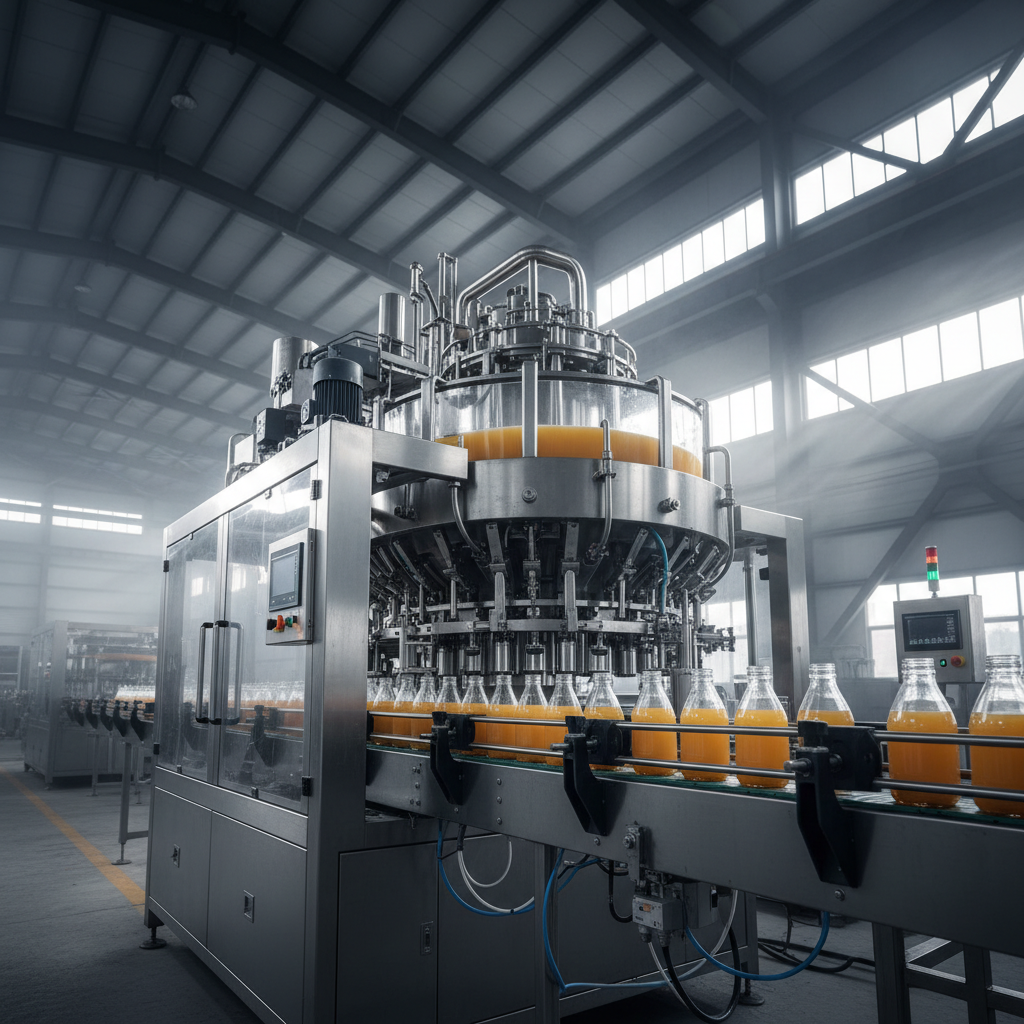
The application of filling and linking machine technology is incredibly diverse. In the food and beverage industry, these machines are used for filling bottles, cans, pouches, and other containers with a wide range of products, from juices and sauces to oils and dairy items. In pharmaceuticals, they ensure accurate dosing of liquid medications and sterile filling of vials.

In remote industrial zones and developing countries, semi-automatic filling and linking machine solutions are often deployed to support local manufacturing and reduce reliance on imported goods. These machines empower small businesses and entrepreneurs to establish sustainable production facilities, fostering economic growth and self-sufficiency.

Advantages and Long-Term Value Proposition

The advantages of implementing a filling and linking machine extend far beyond simple automation. Tangible benefits include reduced labor costs, minimized product waste, and increased production throughput. These factors contribute to a significant return on investment within a relatively short timeframe.

From a sustainability perspective, these machines help reduce material usage and minimize the risk of contamination, aligning with growing consumer demand for environmentally responsible products. The enhanced safety features and precise control offered by automated systems also contribute to a more secure and reliable production environment.

Future Trends and Technological Advancements

The future of filling and linking machine technology is focused on increased automation, integration with Industry 4.0 principles, and a greater emphasis on sustainability. Expect to see wider adoption of robotic filling heads, advanced sensor technologies for quality control, and predictive maintenance capabilities powered by artificial intelligence.

Green energy solutions are also playing a growing role, with manufacturers developing machines that consume less power and utilize renewable energy sources. Digital transformation, including the implementation of cloud-based monitoring and control systems, is enabling remote diagnostics, optimized performance, and seamless integration with other production line components.

Furthermore, the development of biodegradable and compostable packaging materials is driving innovation in sealing technologies, requiring filling and linking machine to adapt and accommodate these new materials without compromising efficiency or product integrity.

FAQS

What are the main factors to consider when selecting a filling and linking machine?

Choosing the right filling and linking machine requires careful consideration of several factors. These include the type of product being filled (liquid, powder, granules, etc.), the container size and material, the desired throughput, the level of automation required, and your budget. Consider future scalability and maintenance costs as well.

How can I ensure accurate filling volumes with a filling and linking machine?

Accurate filling volumes are achieved through precise calibration of the filling heads, consistent product viscosity, and proper machine setup. Regular maintenance, including cleaning and inspection of the filling nozzles, is also essential. Modern machines often feature feedback control systems to automatically adjust filling volumes based on real-time measurements.

What maintenance is typically required for a filling and linking machine?

Typical maintenance for a filling and linking machine includes regular cleaning, lubrication of moving parts, inspection of seals and gaskets, and calibration of filling heads. Periodic replacement of worn components, such as pumps and valves, may also be necessary. Following the manufacturer’s recommended maintenance schedule is crucial.

Can filling and linking machines handle different container types?

Many filling and linking machine models are designed to handle a variety of container types, including bottles, cans, pouches, and jars. Some machines offer quick-change tooling, allowing you to easily switch between different container sizes and shapes. The compatibility depends on the machine’s design and the range of adjustable parameters.

What safety features are typically incorporated into filling and linking machines?

Safety features commonly include emergency stop buttons, safety guards to prevent access to moving parts, overload protection, and automatic shutdown mechanisms in case of malfunctions. Modern machines often incorporate interlocks and light curtains to ensure operator safety.

How does automation with a filling and linking machine improve hygiene?

Automated filling and linking machine reduce human contact with the product, minimizing the risk of contamination. Many machines are designed with sanitary construction, featuring stainless steel components and easy-to-clean surfaces. Automated cleaning-in-place (CIP) systems further enhance hygiene.

Conclusion

In conclusion, the filling and linking machine stands as a cornerstone of modern manufacturing, offering a potent combination of efficiency, precision, and reliability. Its global impact is undeniable, driving advancements across numerous industries and supporting humanitarian efforts worldwide. From optimizing production lines to ensuring product safety and reducing waste, these machines represent a strategic investment for businesses seeking to thrive in a competitive landscape.

Looking ahead, continued innovation in automation, sustainability, and digital integration will further elevate the role of the filling and linking machine. By embracing these advancements, manufacturers can unlock even greater value, enhance their operational capabilities, and contribute to a more sustainable future. We encourage you to explore how our solutions at YC Meat Mech can empower your business today.

Robert Miller

Robert Miller

Robert Miller is a seasoned applications engineer at Hebei Yuanchang, specializing in meat processing equipment integration. With over 15 years in the food machinery industry, Robert focuses on optimizing production lines utilizing Yuanchang's vacuum mixers and saline injectors. He has a deep understanding of food safety regulations and works closely
Previous Advancements in Mechanical Clipper Technology and Global Industrial Applications
Next Optimizing Food Production with a Reliable Sausage Stuffer System