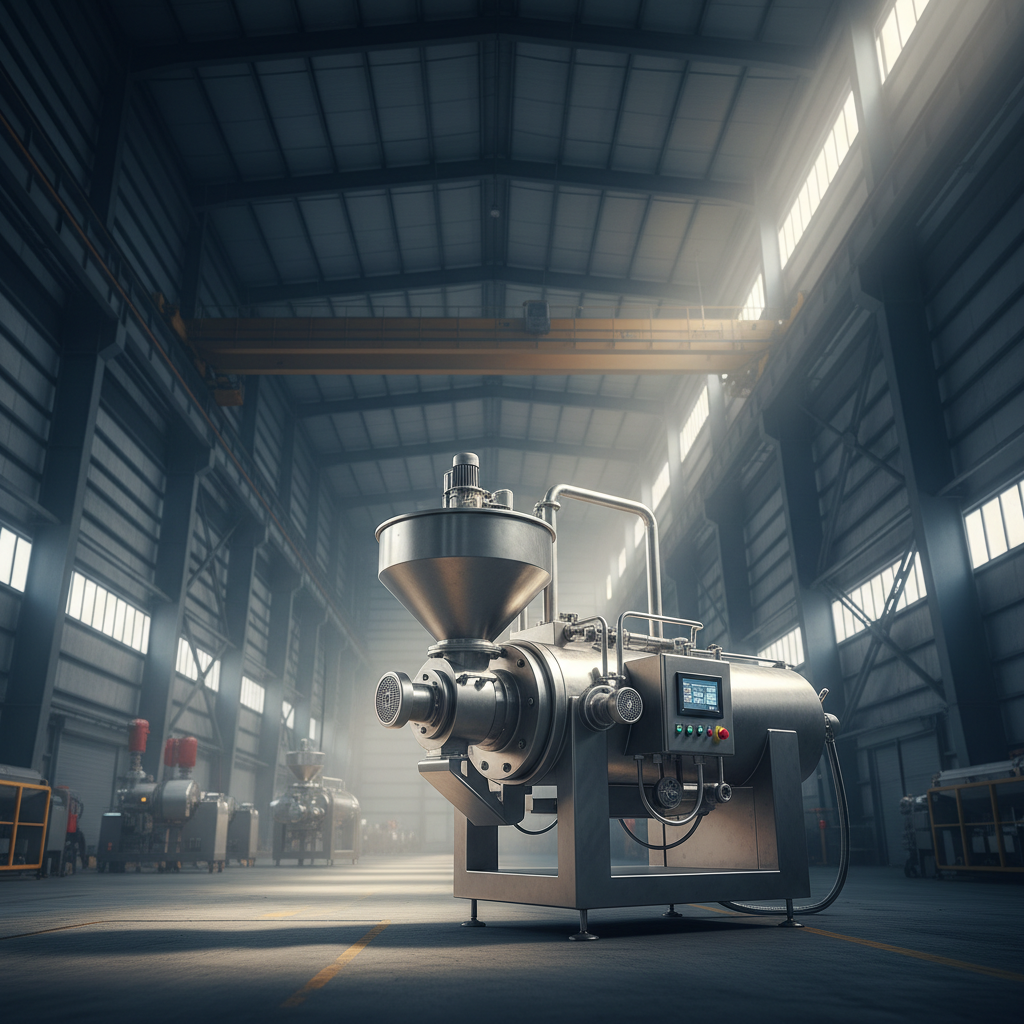
The realm of material handling is fundamentally reshaped by the ingenuity of the tilting device. These seemingly simple mechanisms are pivotal in optimizing processes across diverse industries, enabling safer, more efficient, and cost-effective operations. From logistics and manufacturing to construction and healthcare, the impact of well-designed tilting devices is substantial.
Globally, the demand for robust and adaptable material handling solutions is escalating. Driven by factors such as increasing automation, evolving safety standards, and the complexities of modern supply chains, the tilting device has emerged as an indispensable tool. According to the International Federation of Robotics, automation is continuously reshaping industries, necessitating equipment that can seamlessly integrate and enhance productivity.
The increasing need for adaptable and efficient systems in varied environments highlights the importance of understanding the nuances of tilting devices. Beyond simply moving objects, these systems address critical challenges related to ergonomics, space optimization, and the reduction of workplace injuries, impacting both economic viability and human wellbeing.
The Core Principles of Tilting Device Design
At its core, the design of a tilting device centers around the controlled manipulation of an object’s angular position. This principle is leveraged to assist in tasks such as unloading, dispensing, or orienting materials. Effective design incorporates considerations for load capacity, stability, and the range of tilt angles required for the specific application.
A well-engineered tilting device prioritizes safety, often including features like automatic braking mechanisms and emergency stop functions to prevent accidental drops or uncontrolled movements. The material selection and structural integrity are paramount, ensuring long-term durability and reliable performance even under demanding conditions.
Historical Development of Tilting Device
Early forms of tilting devices were rudimentary, often relying on manual labor and simple lever systems. These were primarily used in agriculture and basic material handling tasks. As industrialization progressed in the 19th and 20th centuries, the demand for more efficient and reliable methods of material handling led to the development of mechanically assisted tilting systems.
The advent of electric motors and hydraulic systems in the mid-20th century revolutionized tilting device technology. These advancements enabled the creation of more powerful, precise, and automated systems capable of handling heavier loads and performing more complex tasks. The integration of programmable logic controllers (PLCs) in the late 20th and early 21st centuries further enhanced the automation and control capabilities of these devices.
Today, the trend is towards increasingly sophisticated tilting devices incorporating sensors, data analytics, and robotics. These advanced systems are designed to optimize performance, minimize downtime, and enhance safety in a wide range of industrial and commercial applications.
Key Components and Operating Mechanisms of Tilting Device
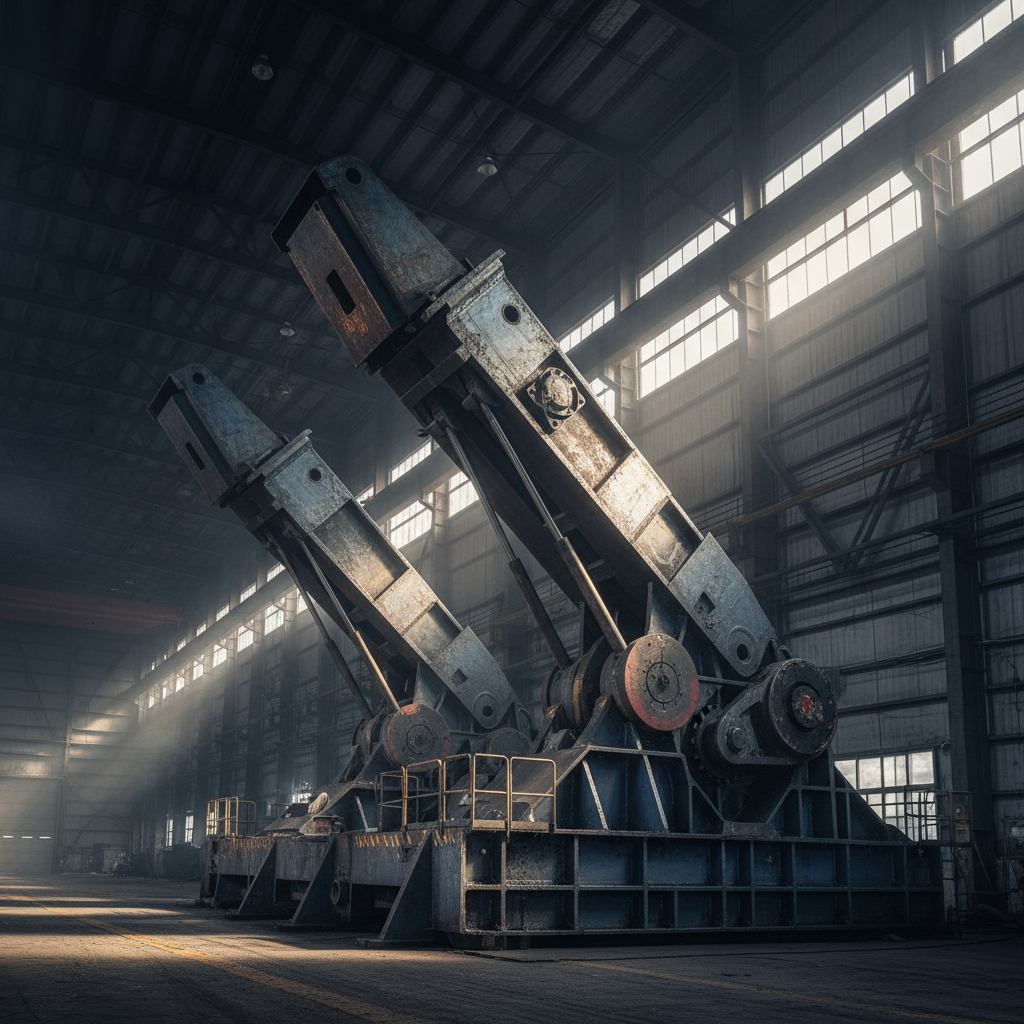
A typical tilting device consists of several key components, including the frame or support structure, the tilting mechanism (hydraulic cylinder, electric motor, or pneumatic system), the control system (PLC, sensors, and user interface), and safety features. The frame provides the structural integrity to support the load and withstand the forces generated during tilting.
The tilting mechanism is responsible for generating the rotational force that moves the load. Hydraulic systems are commonly used for heavy-duty applications, providing high power and precise control. Electric motors offer quieter operation and greater energy efficiency, while pneumatic systems are suitable for lighter loads and faster cycle times. The control system ensures accurate and repeatable tilting movements.
Safety features such as limit switches, emergency stop buttons, and load sensors are crucial for preventing accidents and ensuring operator safety. These components work together to create a reliable and efficient tilting device that can be customized to meet specific application requirements.
Performance Metrics and Efficiency of Tilting Device
Evaluating the performance of a tilting device requires considering several key metrics. These include load capacity, tilting speed, accuracy, reliability, and energy efficiency. Load capacity refers to the maximum weight the device can safely handle. Tilting speed is crucial for optimizing throughput in production processes.
Accuracy, defined as the precision with which the tilting device can reach a desired angle, is essential for applications requiring precise positioning. Reliability, measured by the mean time between failures (MTBF), indicates the device’s ability to operate consistently over time. Energy efficiency impacts operational costs and environmental sustainability.
Tilting Device Performance Comparison
Global Applications and Industry Use Cases of Tilting Device
The applications of tilting devices are incredibly diverse. In the manufacturing sector, they're used for unloading parts from machines, dispensing materials into containers, and orienting products for assembly. The food and beverage industry utilizes them for emptying bins of raw ingredients and controlling the flow of liquids.
Logistics and warehousing benefit from tilting devices for efficient loading and unloading of trucks and containers. In the pharmaceutical industry, precise tilting is essential for handling delicate materials and ensuring accurate dispensing. The construction industry employs them for safely maneuvering heavy building materials.
Advantages and Economic Impact of Tilting Device
Implementing tilting devices offers significant advantages, including increased efficiency, reduced labor costs, improved safety, and enhanced ergonomics. Automation streamlines processes, minimizing manual handling and freeing up personnel for more skilled tasks. By reducing physical strain and repetitive motions, these devices contribute to a healthier and more productive workforce.
Economically, the benefits are substantial. Reduced labor costs, increased throughput, and minimized product damage translate into higher profitability. The long-term reliability and durability of well-maintained tilting devices contribute to a strong return on investment. Furthermore, enhanced safety reduces the risk of costly accidents and workers' compensation claims.
The improved ergonomics not only boost worker morale but also reduce the incidence of musculoskeletal disorders, leading to lower healthcare costs and increased employee retention. This holistic approach to optimization underscores the long-term value proposition of integrating tilting devices into modern operations.
Future Trends and Innovations in Tilting Device Technology
The future of tilting device technology is poised for further innovation, driven by advancements in automation, robotics, and data analytics. The integration of artificial intelligence (AI) and machine learning (ML) will enable self-optimizing tilting systems that can adapt to changing conditions and optimize performance in real-time.
The development of lighter, stronger, and more durable materials will lead to more compact and energy-efficient tilting devices. Wireless connectivity and remote monitoring capabilities will allow for proactive maintenance and predictive failure analysis, minimizing downtime and maximizing operational efficiency.
Sustainability is also becoming a key focus, with manufacturers exploring the use of eco-friendly materials and energy-efficient designs. The integration of digital twins – virtual representations of physical devices – will facilitate remote diagnostics, simulation, and optimization, further enhancing the value and lifespan of these essential material handling tools.
Key Performance Indicators for Tilting Device Implementation
| Application Area |
Initial Investment Cost |
Return on Investment (ROI) |
Maintenance Frequency |
| Food Processing |
$5,000 - $15,000 |
18-24 months |
Monthly Inspections |
| Pharmaceuticals |
$10,000 - $25,000 |
24-36 months |
Quarterly Preventative Maintenance |
| Manufacturing |
$7,000 - $20,000 |
12-18 months |
Semi-Annual Servicing |
| Logistics & Warehousing |
$3,000 - $10,000 |
10-15 months |
As Needed - Reactive Maintenance |
| Chemical Handling |
$12,000 - $30,000 |
24-48 months |
Annual Comprehensive Overhaul |
| Recycling Plants |
$6,000 - $18,000 |
15-21 months |
Bi-Monthly Inspections |
FAQS
Safety is paramount when operating a tilting device. Ensuring the device is properly secured, that load limits are never exceeded, and that all operators are adequately trained are critical. Regularly inspect the tilting mechanism, braking systems, and safety interlocks. Implement clear operating procedures and emergency stop protocols to prevent accidents and protect personnel.
Selecting the right tilting device requires careful consideration of several factors, including the weight and dimensions of the load, the required tilting angle, the operating environment, and the level of automation needed. Evaluate whether a hydraulic, electric, or pneumatic system best suits your application. Consult with a qualified engineer or supplier to ensure the chosen device meets your specific requirements.
A typical maintenance schedule for a tilting device includes regular inspections of the tilting mechanism, lubrication of moving parts, checking for wear and tear on components, and testing the braking systems and safety interlocks. Frequency varies based on usage, but monthly inspections and annual comprehensive servicing are generally recommended. Keep detailed maintenance records for traceability.
Yes, tilting devices can be extensively customized to meet unique application requirements. This includes modifications to the frame size, tilting angle, load capacity, control system, and the integration of specialized attachments or sensors. Working with a reputable manufacturer allows for tailored solutions that optimize performance and efficiency for your specific needs.
Hydraulic tilting devices generally offer higher power and load capacity, making them suitable for heavy-duty applications. They provide precise control and smooth operation. Electric tilting devices, on the other hand, are typically quieter, more energy-efficient, and require less maintenance. The best choice depends on the specific needs of your application and operational priorities.
Ensuring long-term reliability involves implementing a preventative maintenance program, using high-quality components, and providing proper operator training. Regularly inspect for signs of wear and tear, address any issues promptly, and follow the manufacturer’s recommendations for maintenance and servicing. Protect the device from harsh environmental conditions and corrosive substances.
Conclusion
In conclusion, the tilting device represents a cornerstone of modern material handling. Its adaptability, efficiency gains, and focus on worker safety establish it as a critical asset across a diverse range of industries. Understanding its core principles, emerging trends, and proper implementation is essential for optimizing operational performance and maintaining a competitive edge.
Looking ahead, the continued development of intelligent and sustainable tilting devices will be instrumental in shaping the future of logistics, manufacturing, and beyond. Investing in these technologies not only boosts productivity but also fosters a safer, more ergonomic, and environmentally responsible workplace. Visit our website at www.ycmeatmech.com to explore how we can help you elevate your operations with cutting-edge tilting solutions.