The global need for efficient material handling solutions is paramount, with industries ranging from manufacturing and logistics to agriculture and construction continually seeking ways to optimize processes and enhance productivity. A key component in achieving these goals is the tilting machine, a versatile piece of equipment designed to safely and efficiently elevate, rotate, and position materials. Its increasing relevance stems from a growing emphasis on workplace safety, ergonomic design, and the need to streamline operations in an increasingly competitive global marketplace.
The demand for robust and adaptable material handling technologies is steadily increasing worldwide. According to the International Federation of Robotics, global robot density in manufacturing continues to rise, indicating a broader trend towards automation, of which tilting machines are often integral components. This trend is particularly pronounced in emerging economies where industries are rapidly modernizing. Addressing the challenges of manual handling and reducing worker strain are key drivers of this growth.
Understanding the principles and applications of the tilting machine is crucial for professionals across various sectors. From improving production efficiency and minimizing material waste to ensuring worker safety and reducing operational costs, the benefits are substantial. This knowledge equips stakeholders to make informed decisions when selecting, implementing, and maintaining these critical machines within their operations.
The Importance of Tilting Machine Technology
The implementation of a tilting machine represents a significant step towards modernizing material handling processes. Traditional methods often rely on manual labor, which can be physically demanding, time-consuming, and prone to errors. Tilting machines address these issues by providing a controlled and precise way to manipulate materials, improving efficiency and reducing the risk of workplace injuries.
The benefits extend beyond mere operational improvements. A thoughtfully implemented tilting machine system can lead to substantial cost savings through reduced labor requirements, minimized material waste, and improved overall productivity. This makes it a strategic investment for businesses looking to optimize their operations and gain a competitive edge.
Defining the Tilting Machine
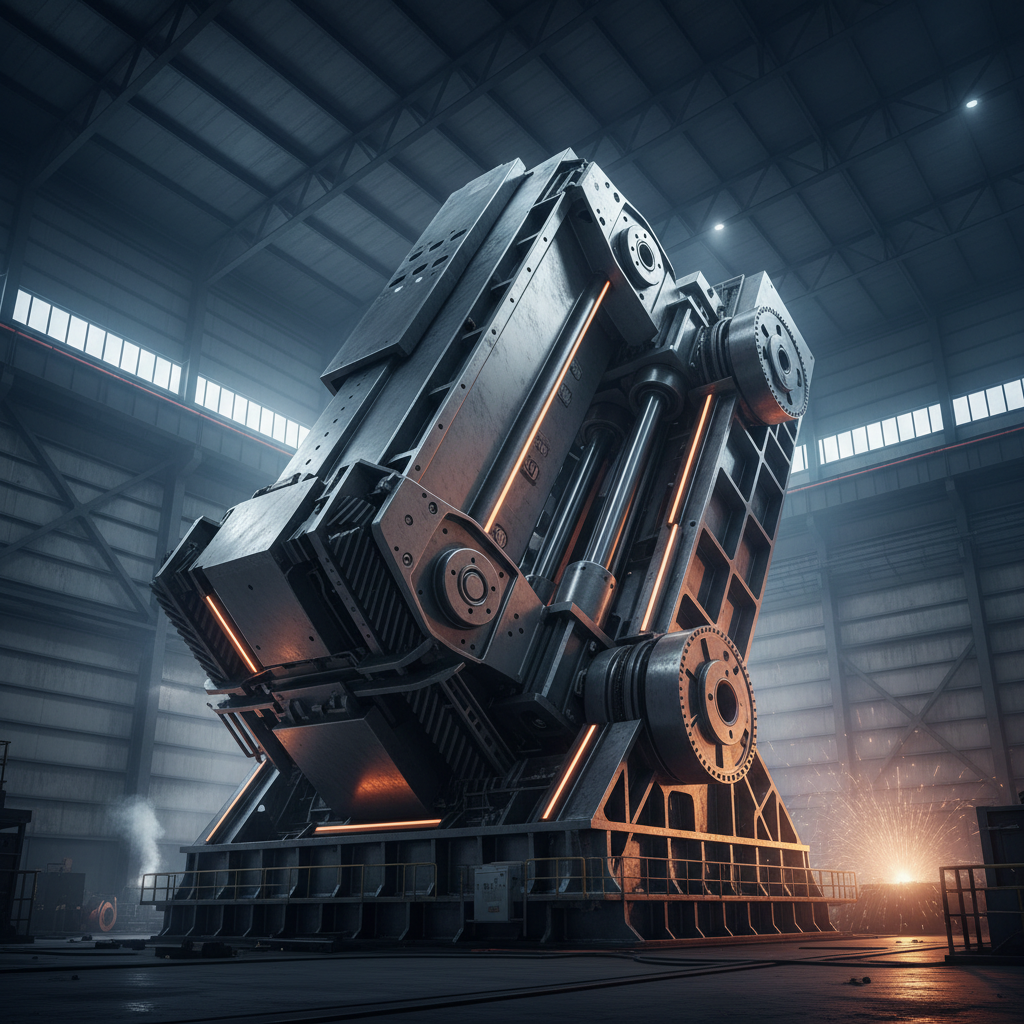
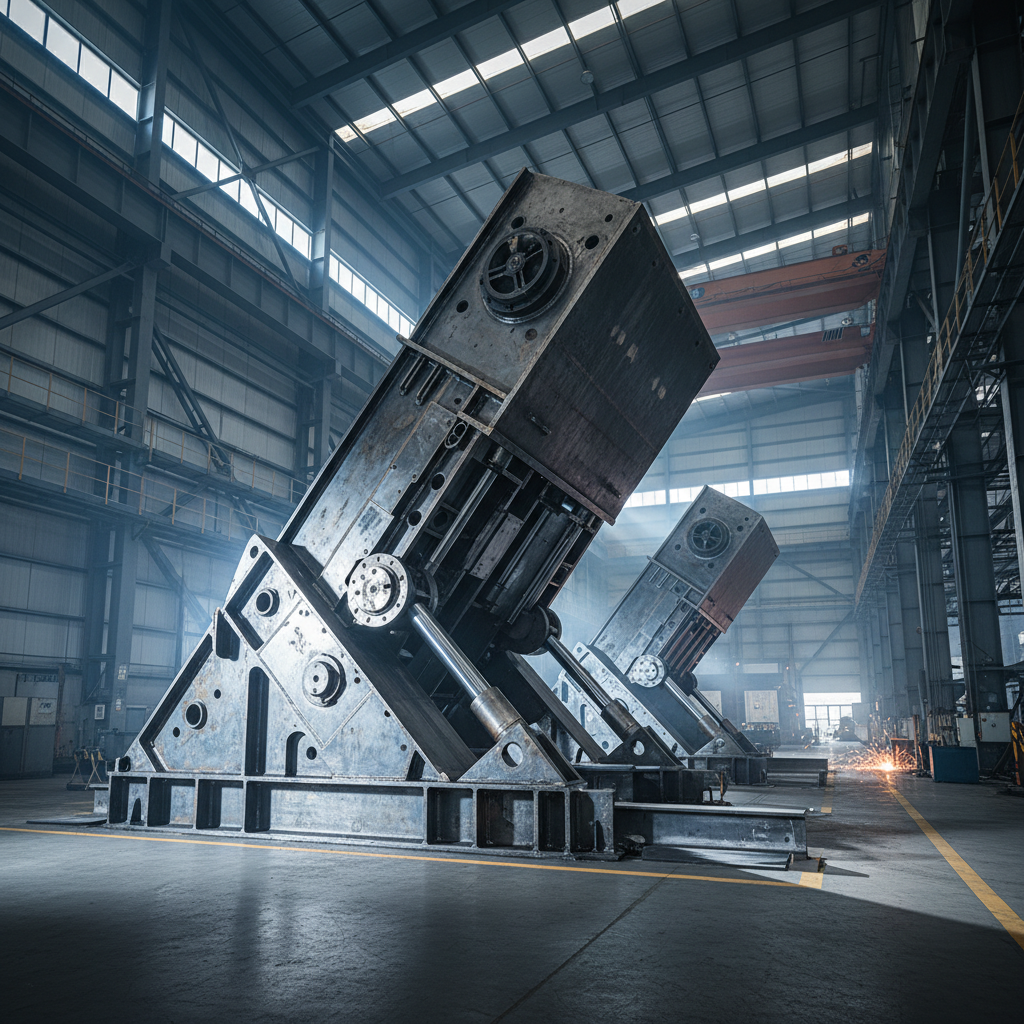
A tilting machine is a mechanical device designed to safely elevate, rotate, and discharge materials from containers. These machines typically consist of a cradle or platform that can be tilted to varying angles, allowing for the controlled emptying or positioning of the contained substance. They are crucial in industries that handle bulk materials such as powders, granules, liquids, and solid components.
The connection to modern industry is undeniable. From pharmaceutical manufacturing requiring precise ingredient dispensing to the food processing sector demanding hygienic material transfer, tilting machines play a vital role in ensuring quality, safety, and efficiency. They are also increasingly utilized in recycling facilities, chemical processing plants, and various other industrial settings.
Beyond industry, the application extends to humanitarian aid. Rapid deployment scenarios, such as delivering food or medical supplies, often necessitate quick and efficient unloading of containers. Tilting machines can significantly expedite these processes, ensuring aid reaches those in need faster and more effectively.
Key Factors in Tilting Machine Performance
Durability is a critical factor. Tilting machines are often subjected to heavy loads and demanding operating conditions, requiring robust construction and high-quality materials to ensure longevity and minimize downtime. Stainless steel and heavy-gauge steel are commonly used for frames and components to withstand corrosion and stress.
Load Capacity dictates the range of materials a machine can handle. Choosing a tilting machine with appropriate load capacity is crucial for preventing overload and ensuring safe operation. Factors like container size and material density must be carefully considered.
Control Precision impacts accuracy and safety. Machines with precise tilting angle control and smooth movement are essential for handling sensitive materials or applications requiring accurate positioning. Programmable logic controllers (PLCs) are often used to provide automated control and repeatability.
Applications Across Global Industries
The versatility of the tilting machine makes it applicable across a wide spectrum of industries. In the pharmaceutical sector, they ensure precise dispensing of ingredients while maintaining sterility. The food and beverage industry relies on them for efficiently unloading raw materials and packaging finished products.
In the chemical processing sector, these machines handle corrosive and hazardous materials safely, minimizing worker exposure. Recycling facilities utilize tilting machines to efficiently empty containers of recyclable materials. Furthermore, manufacturing plants often employ them for loading and unloading workpieces onto production lines.
Geographically, the demand is high in industrialized nations like Germany, Japan, and the United States, as well as rapidly developing economies in Asia, particularly China and India. These regions have significant manufacturing bases and growing infrastructure projects that necessitate efficient material handling solutions.
Comparative Performance of Different Tilting Machine Types
Advantages and Long-Term Value Proposition
The tangible benefits of incorporating a tilting machine into a workflow are numerous. Cost savings are realized through reduced labor expenses, minimized material waste, and decreased risk of product damage. Sustainability is enhanced by minimizing spills and promoting responsible material handling practices.
From a social impact perspective, tilting machines improve workplace safety by reducing the physical strain on workers, preventing injuries associated with manual lifting and tilting. The increased efficiency and reliability contribute to a more productive and positive work environment, fostering trust and innovation.
Future Trends in Tilting Machine Design
The future of tilting machines is poised to be shaped by advancements in automation and digital technologies. Expect to see more machines integrated with robotic systems and equipped with advanced sensors for real-time monitoring and control. The integration of IoT (Internet of Things) will enable predictive maintenance and remote diagnostics, reducing downtime and optimizing performance.
Sustainable materials and energy-efficient designs will also become increasingly prevalent, aligning with the global push for environmental responsibility. Furthermore, the development of more adaptable and modular tilting machine systems will allow for greater customization and flexibility to meet the evolving needs of diverse industries.
Overcoming Challenges in Tilting Machine Implementation
One common challenge is ensuring proper integration with existing infrastructure. Careful planning and assessment of site requirements are crucial to avoid compatibility issues. Another potential hurdle is the need for adequate operator training to ensure safe and efficient operation.
Furthermore, the initial investment cost can be a barrier for some businesses. However, it’s important to consider the long-term return on investment through reduced labor costs, increased efficiency, and improved safety. Expert consultation and a thorough cost-benefit analysis can help justify the investment.
To mitigate these challenges, manufacturers are increasingly offering customized solutions, comprehensive training programs, and flexible financing options. Prioritizing safety features and providing ongoing technical support are also essential for successful implementation.
Summary of Key Considerations for Tilting Machine Selection
| Application Area |
Material Type |
Load Capacity (kg) |
Control System |
| Pharmaceutical Manufacturing |
Powders, Granules |
50-200 |
PLC with HMI |
| Food Processing |
Liquids, Solids |
100-500 |
Variable Frequency Drive |
| Chemical Industry |
Corrosive Liquids |
200-1000 |
Remote Control System |
| Recycling Facilities |
Mixed Recyclables |
500-2000 |
Manual Override with Safety Lock |
| Manufacturing |
Raw Materials, Components |
100-500 |
Automated Sequencing |
| Logistics |
Packaged Goods |
200-800 |
Wireless Control |
FAQS
Modern tilting machines prioritize safety with several key features, including emergency stop buttons, overload protection systems, and secure locking mechanisms. Many machines also incorporate light curtains and safety guards to prevent access to hazardous areas during operation. Regular inspections and adherence to safety protocols are crucial for maintaining a safe working environment. Proper training for operators is also paramount.
The load capacity directly impacts the efficiency and longevity of a tilting machine. Choosing a machine with insufficient capacity can lead to frequent overloading, causing excessive wear and tear and potential failures. Conversely, a machine with significantly higher capacity than required may be unnecessarily bulky and costly. It's essential to accurately assess the weight and volume of the materials being handled to select an appropriately sized machine.
Regular maintenance is vital for ensuring the reliable operation of a tilting machine. Key procedures include lubricating moving parts, inspecting for wear and tear, checking hydraulic fluid levels (if applicable), and tightening bolts and fasteners. Periodic professional inspections are also recommended to identify and address potential issues before they escalate. Maintaining detailed maintenance records is crucial for tracking performance and scheduling preventative maintenance.
Yes, tilting machines are often highly customizable to suit specific material handling needs. Options include different cradle materials (stainless steel, plastic, etc.) for compatibility with various substances, adjustable tilting angles for precise positioning, and specialized attachments for handling specific container types. Manufacturers can work with clients to design and build machines tailored to their unique requirements.
The cost savings can be substantial. Reduced labor costs through automation, minimized material waste due to controlled handling, decreased risk of worker injuries leading to lower insurance premiums, and improved production efficiency all contribute to a positive return on investment. While the initial investment may seem significant, the long-term benefits often outweigh the costs.
Tilting machines significantly reduce the physical strain on workers by eliminating the need for manual lifting, bending, and twisting. This minimizes the risk of musculoskeletal disorders and improves overall employee well-being. By automating the material handling process, tilting machines create a more comfortable and safer working environment, leading to increased productivity and job satisfaction.
Conclusion
In conclusion, the tilting machine stands as a cornerstone of modern material handling, offering a blend of efficiency, safety, and adaptability crucial for a diverse range of industries. From enhancing production lines and streamlining logistics to contributing to humanitarian aid efforts, its impact is far-reaching and continuously evolving with advancements in technology. The benefits – cost savings, improved ergonomics, and increased sustainability – solidify its position as a valuable asset for organizations seeking operational excellence.
Looking forward, the integration of automation, IoT, and sustainable design principles will further elevate the capabilities of tilting machines. Investing in this technology is not merely a matter of upgrading equipment; it’s a strategic move towards a more productive, safer, and responsible future. We encourage you to explore the possibilities and discover how a tilting machine can transform your operations. Visit our website: www.ycmeatmech.com