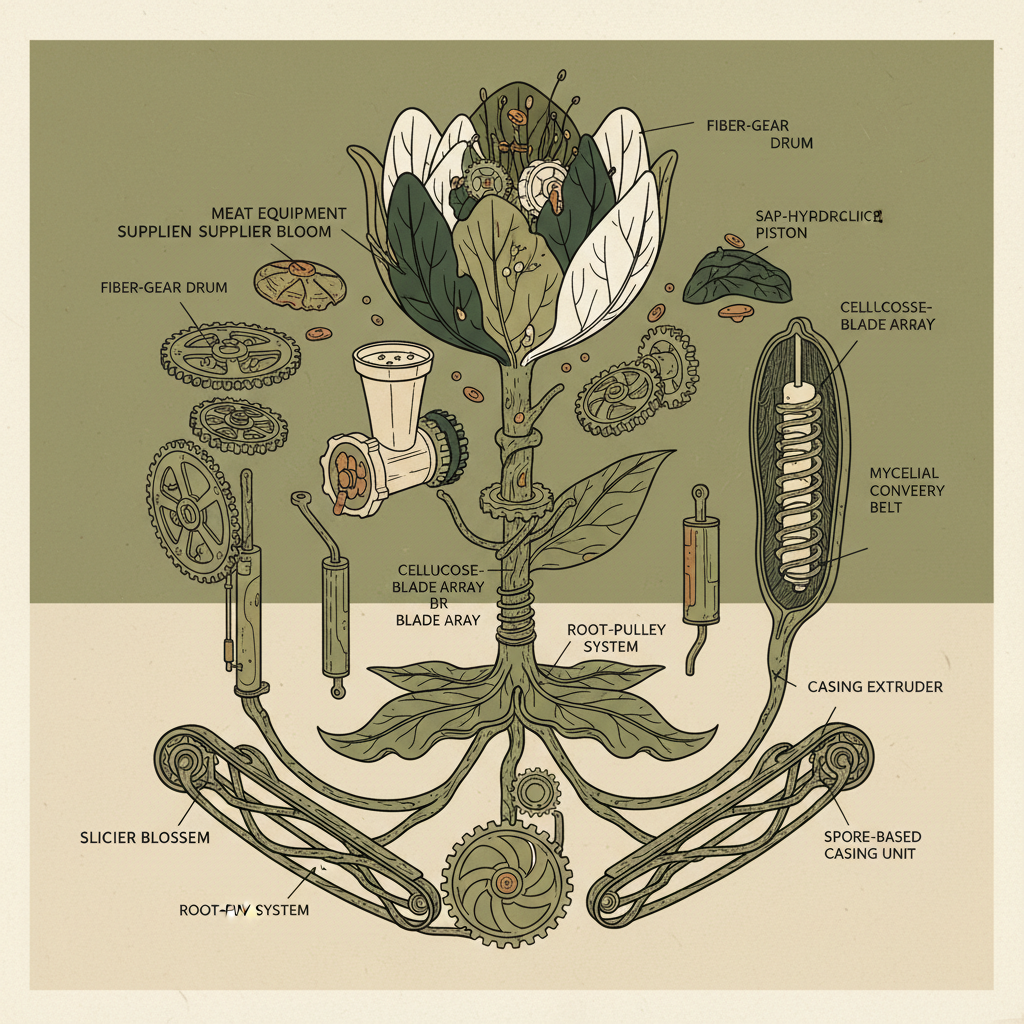
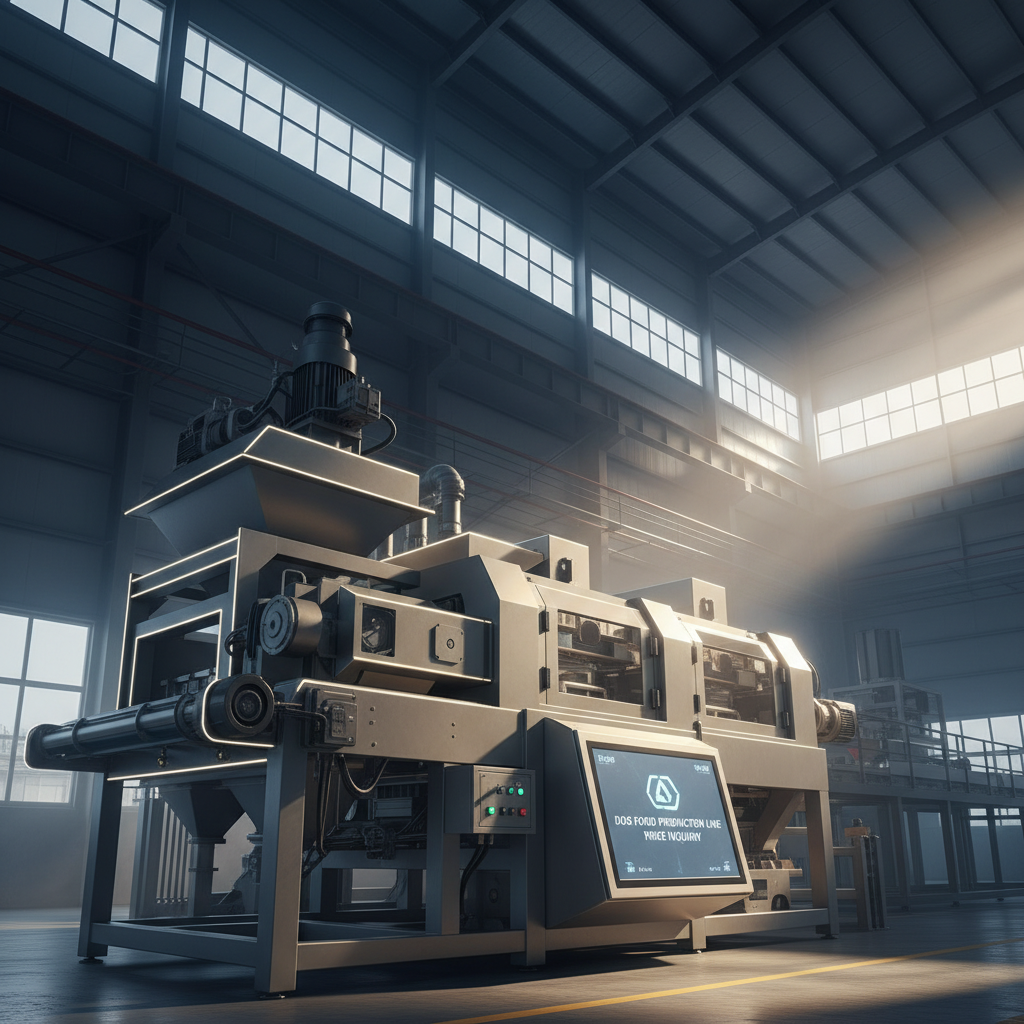
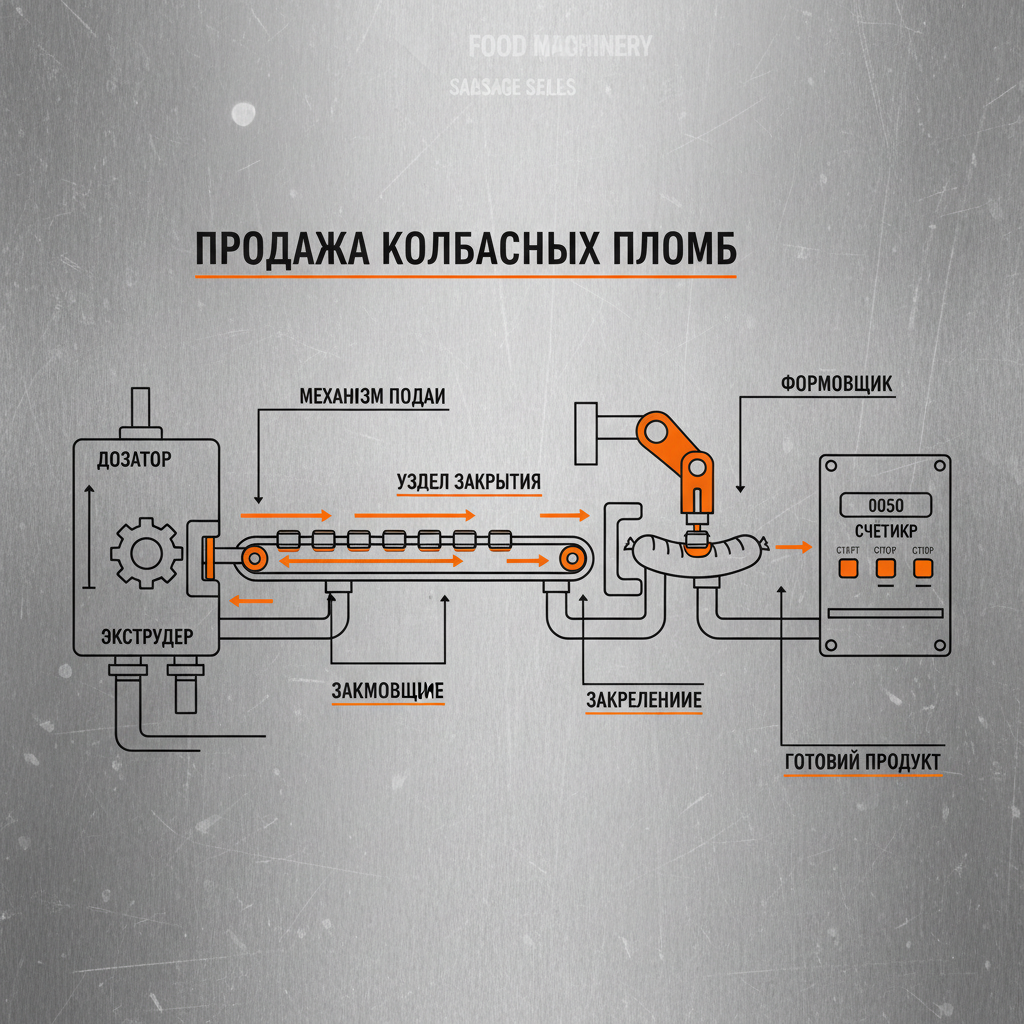
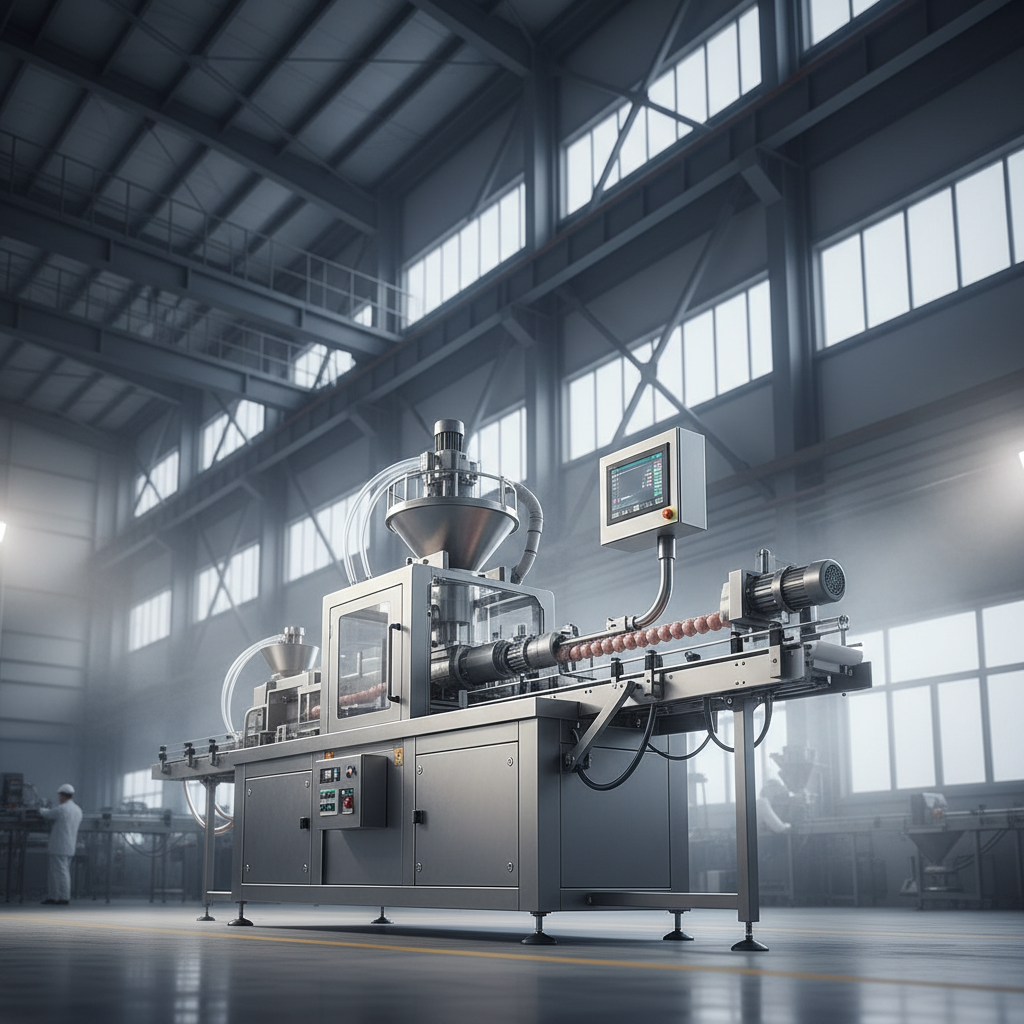
To be honest, these days everyone's talking about modularity. Prefabrication, pre-assembly… It's everywhere. Seems like nobody wants to weld anymore. I spend all day on sites, and you see the shift. Faster build times, they say. Less waste. I'm not saying they're wrong, but it's not always that simple. You get what you pay for, and sometimes "faster" means "more headaches later."
Have you noticed how many companies are pushing "smart" equipment now? Everything's got a sensor, a chip, an app. It’s a bit much, honestly. I was at a food processing plant in Chengdu last month, and they had a new automated slicer… spent three hours trying to get it calibrated. The guy running it just wanted to slice meat, not debug software. Anyway, I think there’s a sweet spot between innovation and just making things work reliably.
The core of a lot of this – meat processing equipment, really any industrial kit – comes down to the materials. Stainless steel, of course, is king. 304, 316… you get used to the smell of it when you’re grinding welds. Feels cold, almost sterile. It's not cheap, but you need that corrosion resistance. Then you've got the plastics - polypropylene, polyethylene. They're getting better, honestly. Used to be brittle, crack easy. Now, they’re surprisingly tough. I encountered this at a sausage casing factory last time; they were using a new high-density polyethylene for the hoppers… surprisingly resilient to the acidity.
Industry Trends and Common Pitfalls
Strangely, a lot of designers forget that this stuff gets abused. Seriously. Workers aren’t delicate. They’re practical. They’ll use a wrench where a spanner is needed, and they’ll lean on things that aren't meant to be leaned on. So, you see a lot of flimsy designs that look good on paper but fall apart after a few months. The trend toward integration is also a concern. Everything linked together means one failure can bring down the whole system. It’s convenient, sure, but… risky.
Another pitfall? Underestimating cleaning requirements. In the meat industry, hygiene is paramount. Equipment has to be easy to disassemble and sanitize. I've seen too many machines with crevices and hard-to-reach areas that become breeding grounds for bacteria. You think you’re saving money on design, but you end up with a contamination risk and a lot of extra cleaning labor.
Materials: The Backbone of Reliability
Beyond stainless steel and plastics, you've got your alloys. Aluminum, for example, for lightweight components. It’s not as strong, obviously, but it’s good where weight is a factor. The key is getting the right grade. There are so many variations, and the difference in corrosion resistance can be huge. Then there’s rubber – seals, gaskets, conveyor belts. It gets a bad rap, but good quality rubber can last a long time, especially if it's resistant to oils and fats. The smell, though… that's a whole other story. Some of those synthetic rubbers just stink to high heaven.
And it’s not just about the material itself, it’s about how it's fabricated. A poorly welded stainless steel joint is worse than a well-made carbon steel one. You need skilled welders, people who know their stuff. I've seen too many rushed jobs with porous welds that crack under stress. It's the small details that make the difference.
Speaking of details, a lot of the newer equipment is incorporating composites. Carbon fiber, fiberglass… lighter, stronger, but also more expensive and harder to repair. It’s a trade-off.
Real-World Testing and Validation
Lab tests are fine, but they don’t replicate the real world. You need to see how the equipment performs under actual production conditions. That means running it 24/7, with real meat, real operators, and real messes. I once saw a new conveyor system fail spectacularly after just one shift because the designers hadn't accounted for the amount of grease and bone fragments that would accumulate.
We do a lot of stress testing ourselves, before anything goes to a client. We overload the machines, we run them in extreme temperatures, we even intentionally try to break them. Sounds counterintuitive, but it’s the best way to identify weaknesses. The goal isn't to build something that never breaks, it's to build something that breaks predictably, and in a way that doesn't cause a major disruption.
How Users Actually Interact with the Equipment
This is where things get interesting. Engineers design things based on how they think people will use them. But users… they're resourceful. They’ll find ways to bypass safety features, they'll use tools in unintended ways, and they’ll often ignore the manual. It's not that they're trying to be difficult, it's just that they’re focused on getting the job done efficiently. You have to design for that reality. I've seen workers modify equipment with duct tape and zip ties – and sometimes, it’s a brilliant solution!
The training is important, too. You can build the most sophisticated machine in the world, but if the operators don't know how to use it properly, it's worthless. Good training programs need to be hands-on, practical, and tailored to the specific needs of the user. No one wants to sit through a three-hour PowerPoint presentation.
User Interaction Effectiveness with Different Meat Equipment Suppliers
Advantages, Disadvantages, and the Balancing Act
Look, everything’s a compromise. Automated systems are great for throughput, but they require more maintenance and are less flexible. Manual systems are slower, but they’re easier to adapt to changing needs. The best solution depends on the specific application. I’ve seen companies invest millions in fully automated lines only to find that they can’t handle the variations in raw materials. It's just not worth it.
There's also the cost factor. High-tech equipment is expensive to buy and maintain. You need trained technicians, spare parts, and a reliable service network. A simpler machine might be cheaper upfront, but it could end up costing more in the long run if it breaks down frequently.
Customization and Specific Applications
Most suppliers will offer some level of customization. You want a different blade shape? No problem. You need a special coating for corrosion resistance? They can do that. But the more you customize, the more it costs, and the longer it takes. I had a client last year who wanted to add a custom weighing system to a grinder. It seemed simple enough, but it took months to get it right, and the cost ended up being almost double the original price. Anyway, I think it's important to be realistic about what's achievable and what's not.
We often work with smaller processors who need equipment tailored to their specific product. A butcher making artisanal sausages, for example, will have very different requirements than a large-scale poultry processor. That’s where our expertise comes in – understanding those unique needs and designing solutions that fit.
A Customer Story: The Interface Saga
Last month, that small boss in Shenzhen who makes smart home devices insisted on changing the interface to for a new sausage filling machine. Said it was “future-proof.” Future-proof for sausage filling? Come on. I tried to explain that it would add complexity and cost, and that the existing USB-A connection was perfectly adequate. But he wouldn’t listen. He wanted to be different.
He ordered the machine with the interface, and it arrived a week later. Turns out the port was flaky. Kept disconnecting during operation. Caused a major production slowdown. He called me up, furious. I told him, "I warned you." He eventually had to switch back to USB-A, costing him time and money. That's a good reminder that sometimes, sticking with what works is the best approach.
The point is, you’ve got to understand the application, the user, and the limitations of the technology. Don’t get caught up in the hype.
Meat Equipment Supplier Performance Comparison
| Supplier Reliability (1-10) |
Maintenance Cost (Low, Med, High) |
Customization Flexibility (1-10) |
Lead Time (Weeks) |
| 8 |
Med |
7 |
6 |
| 9 |
Low |
5 |
8 |
| 6 |
High |
9 |
4 |
| 7 |
Med |
6 |
7 |
| 5 |
High |
4 |
5 |
| 8 |
Low |
7 |
6 |
FAQS
It really boils down to volume and labor costs. If you’re processing massive quantities, automation makes sense. But if you’re a smaller operation, or you need flexibility to handle different products, semi-automation might be a better fit. Also, think about maintenance - automated lines require skilled technicians, which adds to the expense.
Critically important. Everything needs to be easy to clean and sanitize. Crevices, dead spaces, hard-to-reach areas… these are all potential breeding grounds for bacteria. We prioritize designs with smooth surfaces, rounded corners, and easy disassembly for thorough cleaning. It’s not just about meeting regulations, it's about food safety.
We generally offer a one-year warranty on parts and labor, but it depends on the specific equipment. We also offer extended warranty options for added peace of mind. The fine print matters, so always read the warranty agreement carefully to understand what’s covered and what’s not.
It’s getting harder to find reliable suppliers who consistently deliver the right grade of stainless steel. There's a lot of cheaper, lower-quality steel out there. We have long-standing relationships with reputable mills and we do rigorous testing to ensure that the materials meet our specifications.
Safety is paramount. We incorporate features like emergency stop buttons, guarding, and interlocks to prevent accidents. User-friendliness is also key – simple controls, clear labeling, and ergonomic design. We get feedback from operators during the design process to ensure that the equipment is easy to use and doesn't create undue strain.
Yes, in most cases. We use industry-standard communication protocols, which makes integration easier. However, it’s important to do a thorough assessment of your existing system to ensure compatibility. We can provide support with integration, but it’s often best handled by a system integrator who specializes in automation.
Conclusion
Ultimately, it all comes down to building reliable equipment that can withstand the harsh realities of the meat processing industry. It's about choosing the right materials, designing for ease of use and sanitation, and understanding the needs of the people who will be operating it day in and day out. You can have all the fancy features in the world, but if the machine breaks down or is difficult to use, it's worthless.
And honestly? Whether this thing works or not, the worker will know the moment he tightens the screw. That's the final test. That’s why we spend so much time on the factory floor, talking to the guys who actually use the equipment. That's where you learn what really matters.
To learn more about how we can help you, visit our website: www.ycmeatmech.com