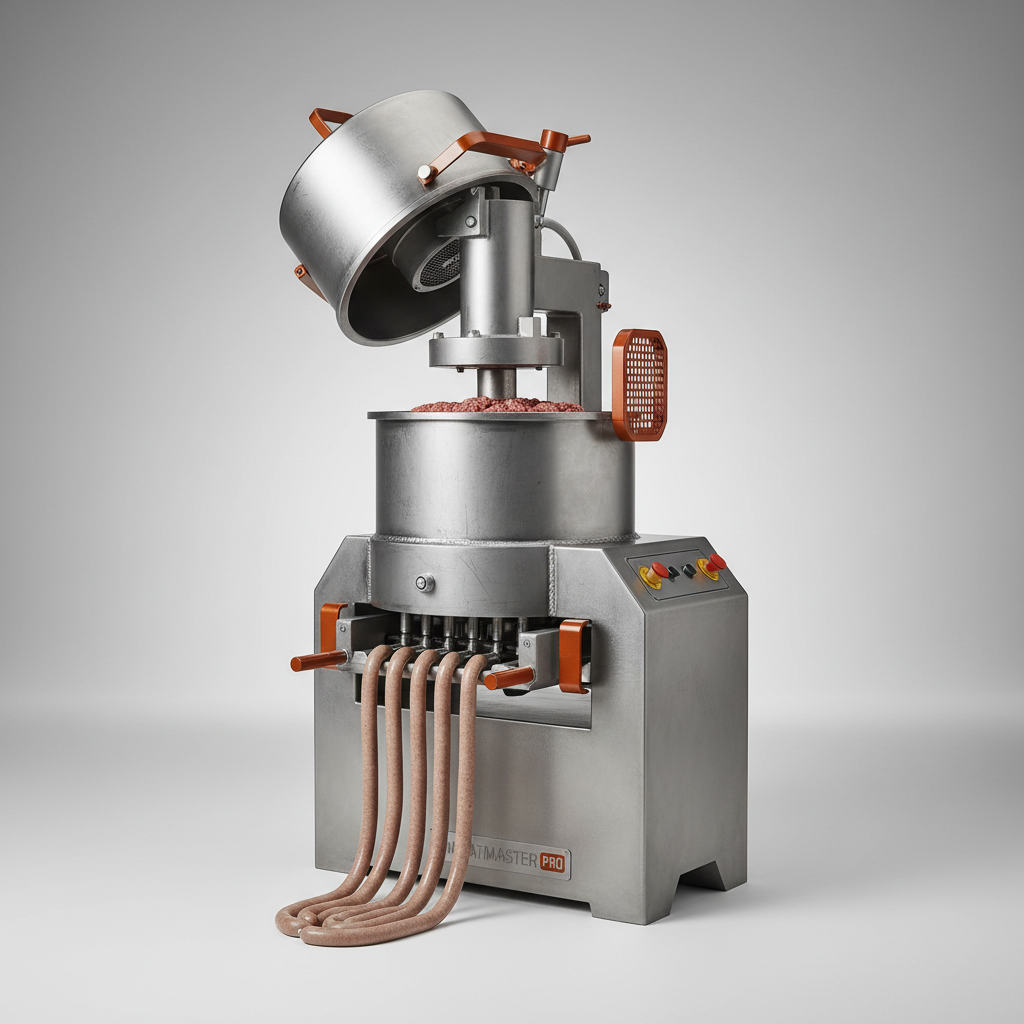
Look, pet food processing machinery… it’s a world of its own, you know? Been spending my days crawling around factories, smelling everything from rendered poultry to fish meal. And honestly, the biggest thing I’ve seen lately is everyone scrambling for efficiency. Not just saving money – though that’s huge – but getting product out the door faster. Supply chains are still a mess, and pet owners aren’t slowing down, are they? Folks want their Fluffy’s salmon pate, and they want it yesterday.
It's a really complex field, far beyond what a lot of folks realize. It's not just slapping kibble into bags. It's about precise formulations, stringent hygiene standards, and the sheer volume these plants are pushing through.
The Rising Demand for Efficient pet food processing machinery
To be honest, the push for automation is relentless. Everyone wants to do more with less. And it's not just the big players, the smaller, boutique brands are demanding more sophisticated equipment too. They want to maintain that “small batch” feel, but they still need to scale. I encountered a factory in Italy last time, producing organic dog biscuits – gorgeous facility, but they were still looking at ways to speed up the packaging line. They were using these old-fashioned vacuum formers, and the throughput was killing them.
You’ve also got to consider the increasing focus on sustainability. Customers are asking for eco-friendly packaging, and manufacturers are looking at ways to reduce waste in the processing itself. It's a surprisingly tricky balancing act.
Defining pet food processing machinery: Beyond the Basics
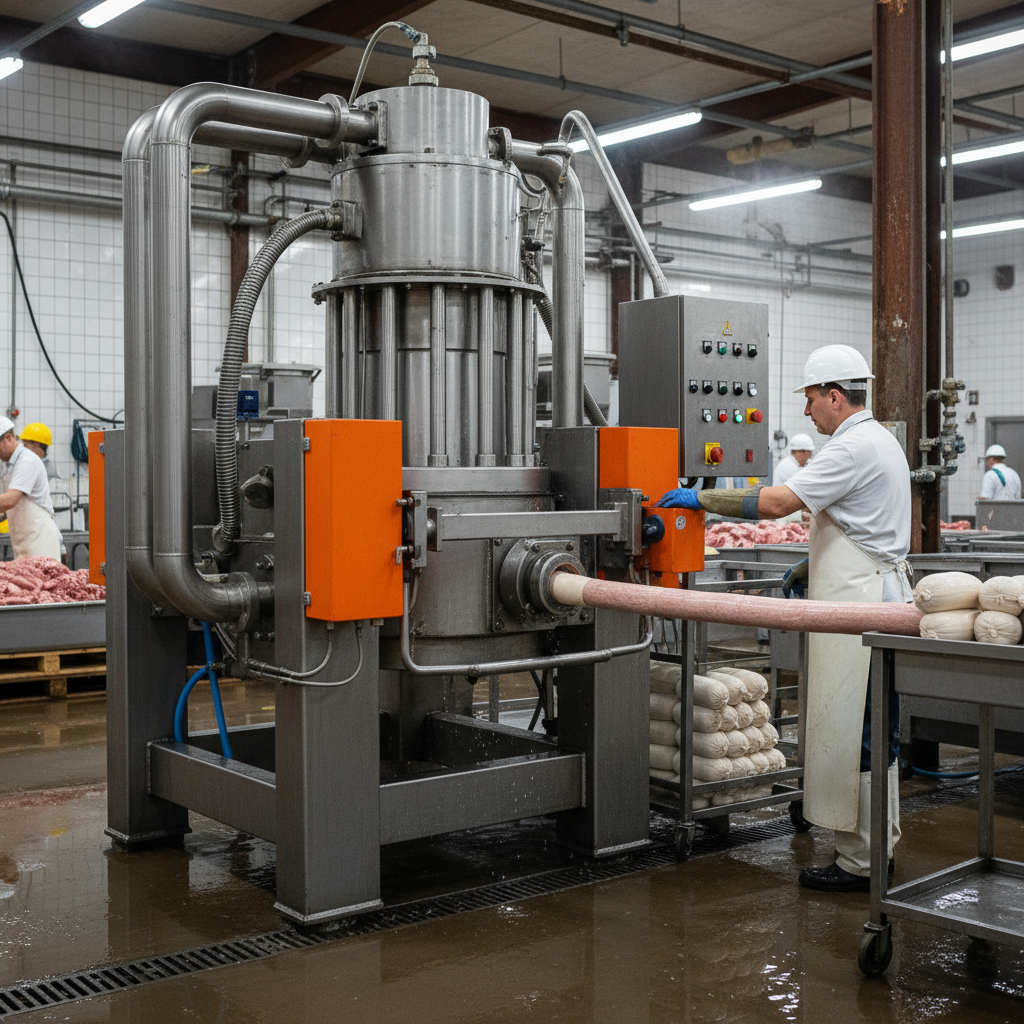
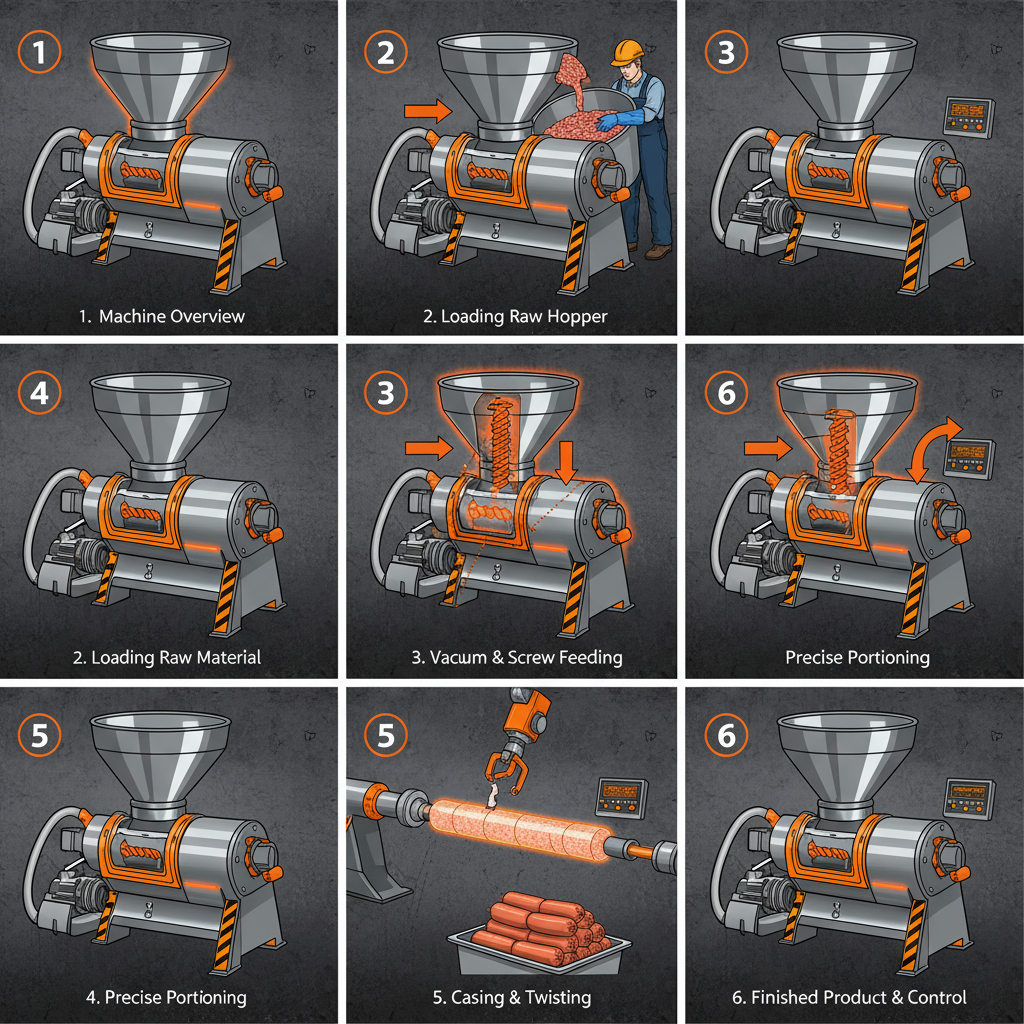
Okay, so what is pet food processing machinery? It’s more than just mixers and extruders, you know. It’s a complete system. It starts with raw ingredient intake and handling – conveyors, grinders, sifters. Then you’ve got the actual processing: grinding, mixing, cooking (extrusion is huge), coating, drying. And finally, the packaging and palletizing. It's a pretty continuous flow, ideally.
What people sometimes miss is the control systems. The PLCs, the sensors, the software that monitors everything. That's where the real magic happens. You can track ingredients, monitor temperatures, adjust recipes on the fly… it's incredibly precise. It's all interconnected, and if one piece fails, the whole line can grind to a halt.
It’s about taking raw ingredients and turning them into something palatable, nutritious, and safe for our furry friends. And doing it consistently, reliably, and at scale. Sounds simple, doesn't it? It’s… not.
Core Components of Modern pet food processing machinery Systems
Durability is a big one. These machines are running 24/7 in some cases. They need to be built to withstand constant use and abuse. I’ve seen mixers with bearings seize up after only a few months because they skimped on the materials. Stainless steel is obviously key – gotta keep everything sanitary. But it’s also about the welds, the coatings, the overall construction quality.
Scalability is another thing. A company might start small, but they need to be able to expand their production capacity as they grow. So, the machinery needs to be modular, meaning you can add or remove components easily. Strangely enough, a lot of manufacturers don’t really think about this upfront. They end up buying a system that's too small or too inflexible.
Cost efficiency, obviously. But it’s not just about the initial purchase price. It’s about the total cost of ownership. Energy consumption, maintenance, spare parts… these all add up. I remember talking to a plant manager who was complaining about the exorbitant cost of a particular extruder die. Turns out, they were using a proprietary design that only one supplier offered.
Hygiene is paramount, of course. Everything needs to be easy to clean and sanitize. CIP (Clean-in-Place) systems are becoming increasingly common, which is a good thing. Anything that reduces downtime for cleaning is a win.
And then there's automation. The more automated the system, the fewer operators you need, and the less risk of human error. But automation also requires skilled technicians to maintain and troubleshoot the equipment.
Global Applications & Diverse Use Cases
You see these machines everywhere, honestly. North America and Europe are the biggest markets, but Asia is growing rapidly, especially China and India. Demand for pet food is soaring in those countries as people’s disposable income increases.
I’ve worked with plants producing everything from dry kibble to wet canned food to semi-moist treats. The machinery requirements vary depending on the product, but the underlying principles are the same. In post-disaster relief operations, there's even a need for portable pet food production units to provide for animals affected by the crisis.
And it’s not just about mass-produced pet food. There’s a growing trend towards “human-grade” pet food, which requires even more stringent quality control and processing standards. Boutique brands are springing up all over the place, catering to the discerning pet owner.
pet food processing machinery Efficiency Ratings by Method
Advantages and Long-Term Value Proposition
The biggest advantage, without a doubt, is increased production capacity. A good system can pump out tons of product every hour. And with the right controls, you can minimize waste and ensure consistent quality. It's a solid return on investment, if you do your homework.
Sustainability is becoming a major selling point. Consumers are willing to pay a premium for pet food that's made with eco-friendly practices. The long-term value is building trust with your customers and establishing a brand reputation for responsibility. And honestly? It just feels good to do the right thing.
Future Trends & Technological Innovations
We’re seeing a lot of interest in AI-powered process optimization. Systems that can analyze data in real-time and adjust parameters to improve efficiency and quality. It's still early days, but the potential is huge.
Another trend is the use of alternative protein sources, like insects and plant-based proteins. This requires specialized processing equipment, and it’s driving innovation in the industry. I think this is where the real growth will be in the next few years.
Common Challenges & Innovative Solutions
One of the biggest challenges is dealing with variations in raw materials. Grain quality, fish meal composition… it all fluctuates. You need a system that can adapt to these changes and maintain consistent product quality.
Another issue is cleaning and sanitation. Biofilm buildup can be a serious problem, and it's hard to get rid of. Companies are experimenting with new cleaning technologies, like UV sterilization and ozone treatment.
And of course, there’s always the challenge of finding skilled technicians to operate and maintain these complex machines. Anyway, I think investing in training and automation is the key to overcoming this challenge.
Key Performance Indicators for pet food processing machinery Maintenance
| Maintenance Task |
Frequency |
Estimated Cost (USD) |
Impact on Production |
| Bearing Lubrication |
Weekly |
$50 |
Minimal |
| Extruder Die Inspection |
Monthly |
$200 |
Moderate |
| Conveyor Belt Alignment |
Bi-Monthly |
$100 |
Minor |
| Sensor Calibration |
Quarterly |
$300 |
Significant |
| CIP System Validation |
Annually |
$500 |
High |
| PLC Software Update |
As Needed |
$800 |
Critical |
FAQS
Lead times can vary wildly depending on the complexity of the customization. Generally, expect anywhere from 6 to 12 months for a fully bespoke system. It's not just the fabrication time; it's the design, the testing, the integration with your existing infrastructure. And don't forget the approvals and inspections. It's a long process, so plan accordingly.
That’s a big one. The key is to work with a manufacturer who has experience in building equipment that meets those standards. Look for certifications like CE marking or NSF International certification. You'll also need to provide detailed specifications about the types of ingredients you'll be processing and the intended market for your product.
Oh, where do I start? Bearing failures, clogged extruders, sensor malfunctions, power outages... it's a long list. But the biggest culprit is usually lack of preventative maintenance. Regular inspections, lubrication, and cleaning can go a long way towards preventing downtime. And having a good stock of spare parts is essential.
You need operators who are comfortable with basic mechanics, electrical systems, and process control. A formal training program is essential, and ongoing training is even better. They need to understand how the machines work, how to troubleshoot common problems, and how to operate them safely.
Look for machines with energy-efficient motors and drives. Consider using variable frequency drives (VFDs) to optimize energy consumption. And make sure the insulation is adequate to minimize heat loss. It might not seem like a big deal, but those energy savings can add up over time.
Absolutely. Many manufacturers now offer remote monitoring and diagnostics as an option. This allows them to remotely access the machine's data, identify potential problems, and even provide remote support. It’s a game-changer for reducing downtime and improving efficiency.
Conclusion
Ultimately, pet food processing machinery is a fascinating and complex field. It’s a constant balancing act between efficiency, quality, safety, and sustainability. The technology is evolving rapidly, and the demands of the market are constantly changing.
But at the end of the day, whether this thing works or not, the worker will know the moment he tightens the screw. You can run simulations, do lab tests, write all the specs in the world... but it's the hands-on experience, the feel of the machine, that truly matters. That’s what I’ve learned after all these years.