Aseptic bottle filling machines aren't just about sterile liquids; they’re about safeguarding product integrity from start to finish. After years on production floors, wrestling with everything from dairy to injectables, you quickly realize that a compromised fill can shut down an entire line. It’s not just a quality control issue, it’s about preventing recalls, protecting brand reputation, and, frankly, keeping people healthy. The demand for these machines is booming globally, driven by increasing consumer awareness of safety and the expanding pharmaceutical and beverage industries.
We’re seeing a massive push for extended shelf life products – think ready-to-drink beverages, sterile waters, and critical medicines. This isn't some lab experiment; this is real-world demand driving investment in technology like aseptic filling. Regulations around food and drug safety are tightening worldwide, creating a necessity for manufacturers to upgrade to systems that can reliably deliver sterile, consistently filled bottles. That means looking beyond just the initial cost; it’s about long-term viability and compliance.
From my perspective, getting the details right on these machines is crucial. It’s about more than just slapping together components; it’s about understanding the complexities of the sterilization process, the intricacies of the filling head design, and the importance of a robust quality control system. It's about knowing, firsthand, what breakdowns cost in lost production and how preventative maintenance can save a fortune. This is where investing in a properly designed aseptic bottle filling machine really pays off.
The Importance of Aseptic Bottle Filling Machine
Aseptic bottle filling is the cornerstone of modern food, beverage, and pharmaceutical production. Think about it – most of what we consume that needs to stay fresh without refrigeration relies on this process. It’s not about “nice to have” anymore; it's fundamental to safety and reducing waste. You see firsthand the impact of a poorly maintained system – product spoilage, increased downtime, and the potential for costly recalls.
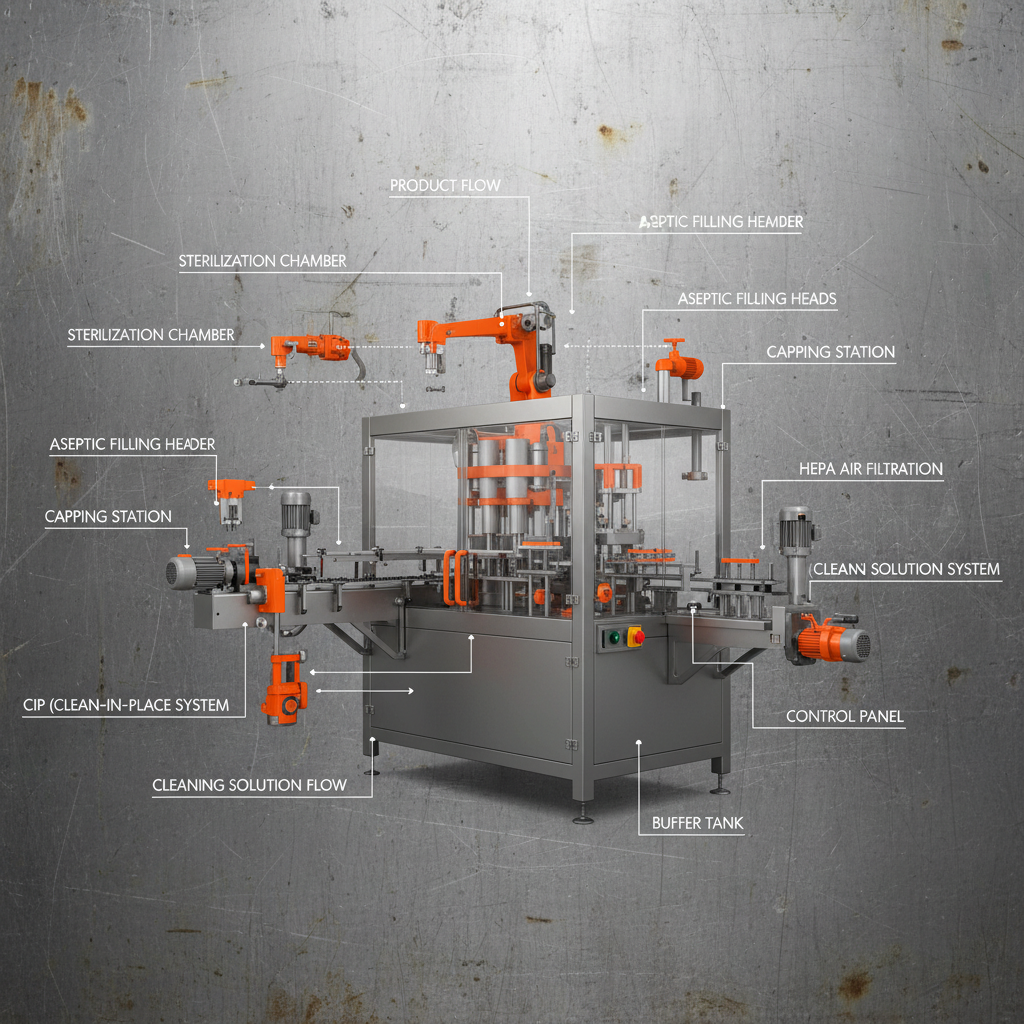
It really comes down to creating a sterile environment for filling. It's about sterilizing both the container and the product separately, then combining them in a sterile environment. That’s where the sophisticated engineering of an aseptic bottle filling machine comes in, and that’s where expertise and reliable machinery are absolutely essential.
Defining Aseptic Bottle Filling Machine
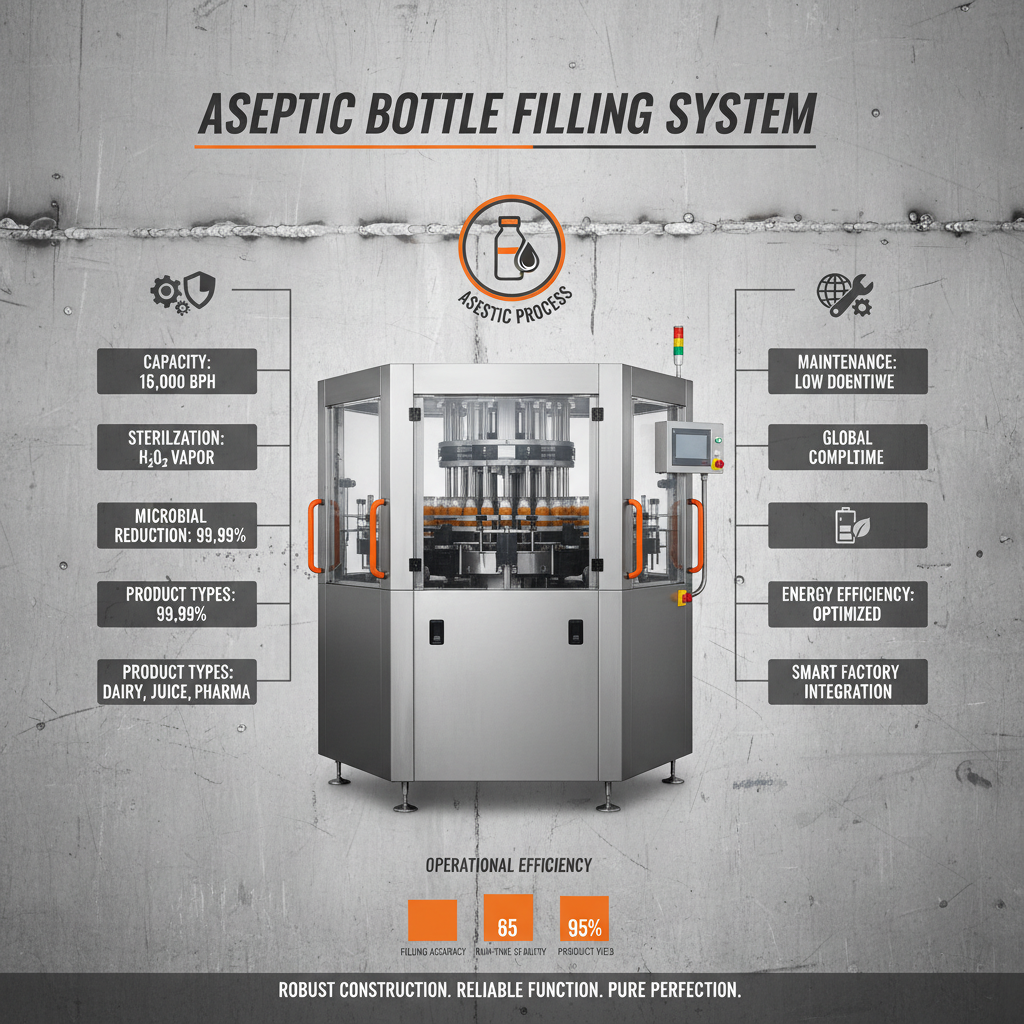
Simply put, an aseptic bottle filling machine is a sophisticated system designed to fill pre-sterilized bottles with a sterilized product, all within a sterile environment. It’s not just about shooting liquid into a bottle; it’s a carefully orchestrated process involving sterilization, filling, sealing, and often, capping. I’ve seen everything from simple gravity-fed systems to incredibly complex automated lines, but the core principle remains the same.
This technology is crucial for products that need to be shelf-stable at room temperature without relying on preservatives. It's a direct response to consumer demand for healthier, more natural products. Without this technology, many of the convenience foods and life-saving medications we rely on wouldn't be possible. It’s a direct lifeline for modern life.
The connection to modern industry and humanitarian needs is significant. Think about emergency relief – having shelf-stable water and food is critical, especially in areas with limited access to refrigeration. These machines also play a pivotal role in ensuring the safety and efficacy of vaccines and other essential medicines.
Key Factors in Aseptic Bottle Filling Machine Design
Durability is paramount. These machines are running constantly, often 24/7, in demanding environments. You need stainless steel construction, robust components, and a design that can withstand frequent cleaning and sanitization. I’ve seen too many machines built with cheaper materials fall apart after just a few years.
Scalability is also crucial. A manufacturer needs a machine that can grow with their business. Can it handle increased production volumes? Can it accommodate different bottle sizes and shapes? A flexible, scalable system is a long-term investment, versus something that will need to be replaced in a few years.
Cost-efficiency isn’t just about the upfront price. It’s about minimizing downtime, reducing waste, and lowering maintenance costs. A well-designed machine will have easy access for maintenance, automated cleaning cycles, and a reliable control system. Those savings add up quickly.
Applications Across Industries
The applications are incredibly diverse. Dairy products, like UHT milk and yogurt drinks, rely heavily on aseptic filling to achieve long shelf lives. The beverage industry uses it for juices, teas, and even carbonated drinks. But it’s not just food and beverage.
Pharmaceutical companies use aseptic filling for sterile water, saline solutions, injectables, and vaccines. Cosmetics and personal care products, like lotions and creams, also benefit from the process. Even niche markets like infant formula rely on aseptic packaging to ensure safety and quality.
You'll find these machines in action across the globe, from large-scale production facilities in North America and Europe to smaller, regional plants in developing countries. In post-disaster relief operations, the ability to provide safe, shelf-stable beverages is a game-changer. I’ve even seen mobile aseptic filling units deployed to remote areas to provide clean drinking water.
Aseptic Bottle Filling Machine Efficiency by Method
Advantages and Long-Term Value
The tangible benefits are clear: reduced product waste, lower storage costs, and extended shelf life. But it goes beyond that. A reliable aseptic bottle filling machine contributes to a more sustainable supply chain by minimizing the need for refrigeration and reducing the carbon footprint.
From a social impact perspective, aseptic packaging helps make essential products accessible to communities with limited infrastructure. It allows for the distribution of safe, nutritious foods and life-saving medications to areas where refrigeration isn’t available. This directly improves public health and quality of life.
Future Trends and Innovations
We're seeing a push towards more sustainable packaging materials – think biodegradable plastics and recyclable containers. Machine manufacturers are adapting to accommodate these new materials while maintaining the same high levels of sterility.
Automation and digital transformation are also playing a huge role. We’re integrating sensors and data analytics to monitor machine performance in real-time, predict potential maintenance issues, and optimize filling processes. This is about moving from reactive maintenance to preventative maintenance.
Challenges and Solutions
One of the biggest challenges is maintaining sterility throughout the entire process. Any compromise in the sterile barrier can lead to contamination and product spoilage. That requires rigorous cleaning and sanitization procedures, as well as regular validation of the sterilization process.
Another challenge is dealing with different product viscosities and particulate matter. Some products are easier to fill aseptically than others. Solutions include optimizing filling head designs, adjusting filling speeds, and implementing filtration systems. The machine has to be versatile enough to handle a wide range of products.
Finally, skilled technicians are essential for maintaining and operating these complex machines. Investing in training and development is crucial to ensure that personnel have the knowledge and expertise to keep the system running smoothly.
Aseptic Bottle Filling Machine: Performance and Maintenance Comparison
| Machine Type |
Average Uptime (%) |
Maintenance Cost (USD/Year) |
Sterility Assurance Level |
| Rotary Aseptic Filler |
95% |
5,000 |
10^-6 |
| Linear Aseptic Filler |
92% |
4,000 |
10^-6 |
| Volumetric Aseptic Filler |
88% |
3,000 |
10^-5 |
| Piston Aseptic Filler |
90% |
3,500 |
10^-6 |
| Form-Fill-Seal Machine |
85% |
2,500 |
10^-5 |
| Clean-in-Place (CIP) System integrated |
97% |
6,000 |
10^-7 |
FAQS
Contamination often stems from inadequate sterilization of bottles, insufficient sterilization of the filling environment, compromised seals on the machine, or improper handling of sterilized components. Regular validation of sterilization processes and stringent adherence to hygiene protocols are critical for prevention. It's also essential to monitor the integrity of the sterile barrier throughout the entire process.
Aseptic filling machines should be validated initially upon installation and then periodically, typically at least annually, or whenever significant changes are made to the process or equipment. This includes validation of sterilization processes, filling accuracy, and seal integrity. Documentation of validation activities is essential for regulatory compliance.
Hydrogen peroxide vapor (HPV) sterilization is becoming increasingly popular due to its effectiveness and environmental friendliness. Steam sterilization is also commonly used for bottles and other components. The choice of sterilization method depends on the material being sterilized and the specific requirements of the product.
Consider your production volume, product type (viscosity, particulate matter), bottle size and shape, budget, and long-term maintenance costs. It’s also important to choose a machine that’s easy to clean and sanitize, and that’s compatible with your existing packaging materials. Scalability for future growth is also a key factor.
CIP systems automate the cleaning and sanitization of the filling machine, reducing downtime and minimizing the risk of human error. They are essential for maintaining a sterile environment and ensuring consistent product quality. Effective CIP systems significantly reduce the need for manual cleaning, which is both time-consuming and potentially less effective.
Invest in comprehensive training programs that cover machine operation, maintenance, sterilization procedures, and hygiene protocols. Provide ongoing training and refresher courses to keep your team up-to-date on best practices and new technologies. Proper training is crucial for ensuring product safety and maximizing machine performance.
Conclusion
Aseptic bottle filling machines are far more than just mechanical devices; they are cornerstones of modern product safety, efficiency, and accessibility. From safeguarding our food and beverage supply to ensuring the delivery of life-saving medications, these machines play a vital role in our daily lives. Focusing on durability, scalability, and cost-efficiency will yield long-term returns.
Looking ahead, innovation in sustainable packaging, automation, and data analytics will continue to shape the future of aseptic filling. Investing in this technology isn’t just about improving production processes; it’s about building a more sustainable, resilient, and safer future for everyone. For cutting-edge solutions and expert guidance, visit our website: www.ycmeatmech.com.