Look, after years spent on construction sites, smelling concrete dust and dodging forklifts, I’ve seen a lot of equipment come and go. But a reliable filling machine for sale? That’s a game-changer. It’s not about fancy features, it’s about keeping the line moving, minimizing waste, and, frankly, making my job easier. We’re talking about efficiency, accuracy, and a consistent product output that directly impacts the bottom line.
For too long, companies have relied on outdated methods or cheap, unreliable machines. This leads to production bottlenecks, product spoilage, and a whole lot of headaches. A quality filling machine is an investment, sure, but the return on investment, considering reduced labor costs, increased throughput, and improved product quality, is significant. It’s about building a sustainable, efficient operation.
It’s not just about liquids either. We’re filling everything from industrial chemicals to food products, and the demands are different for each. That's why understanding the options and choosing the right machine is absolutely critical. That's where a good understanding of these systems comes in.
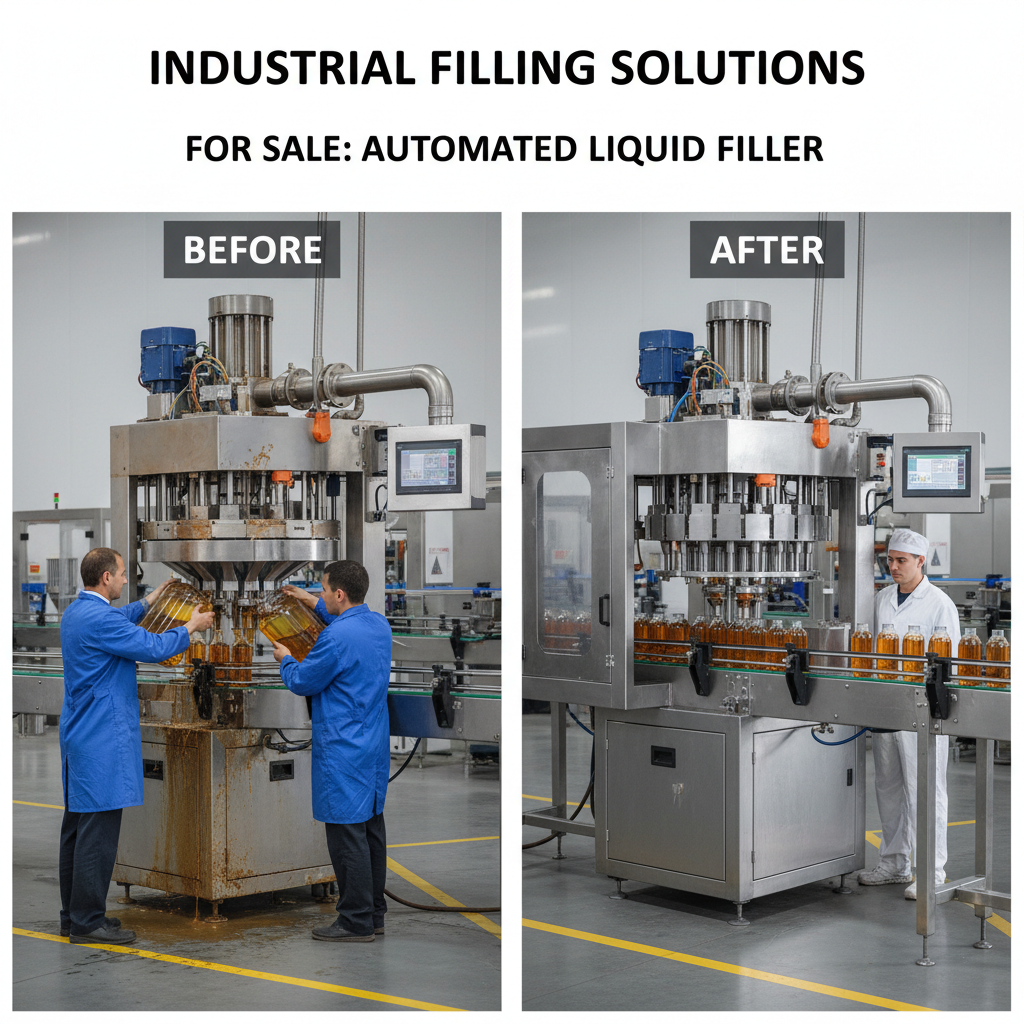
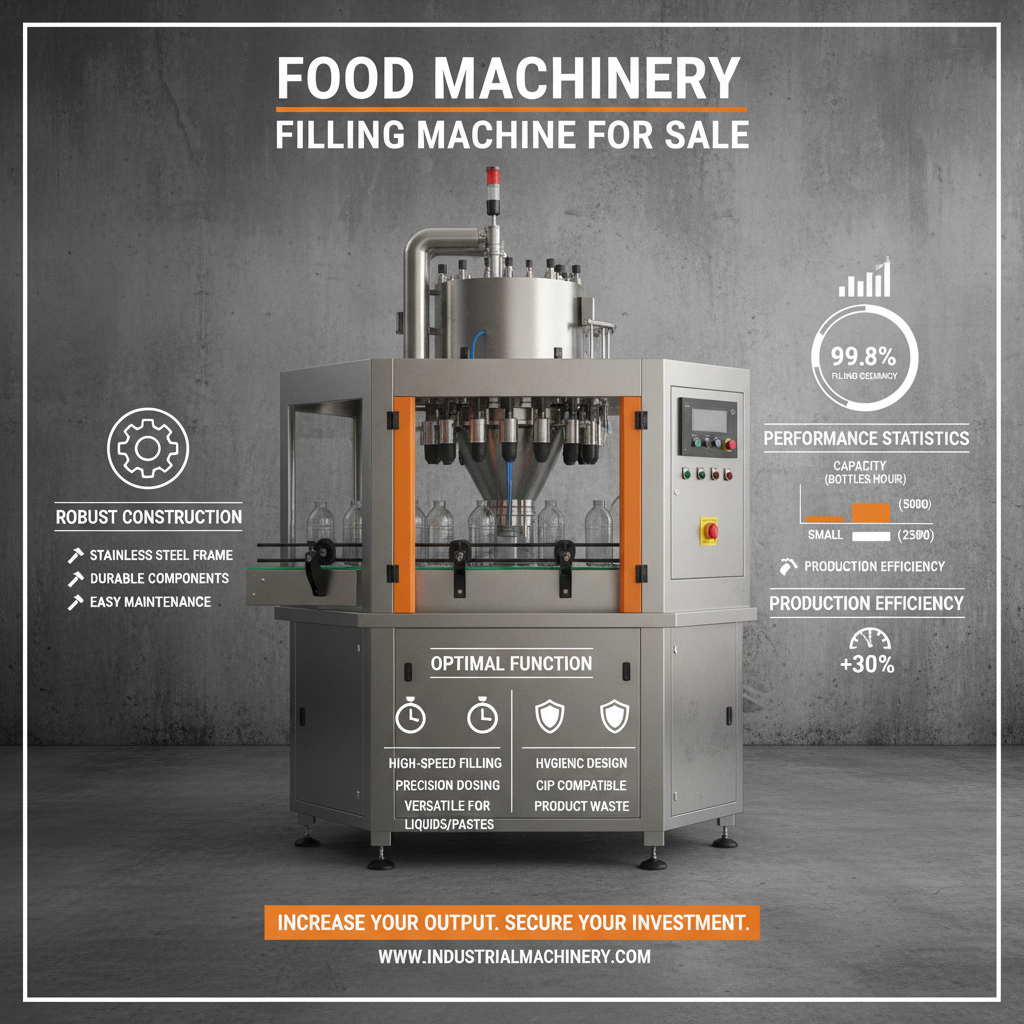
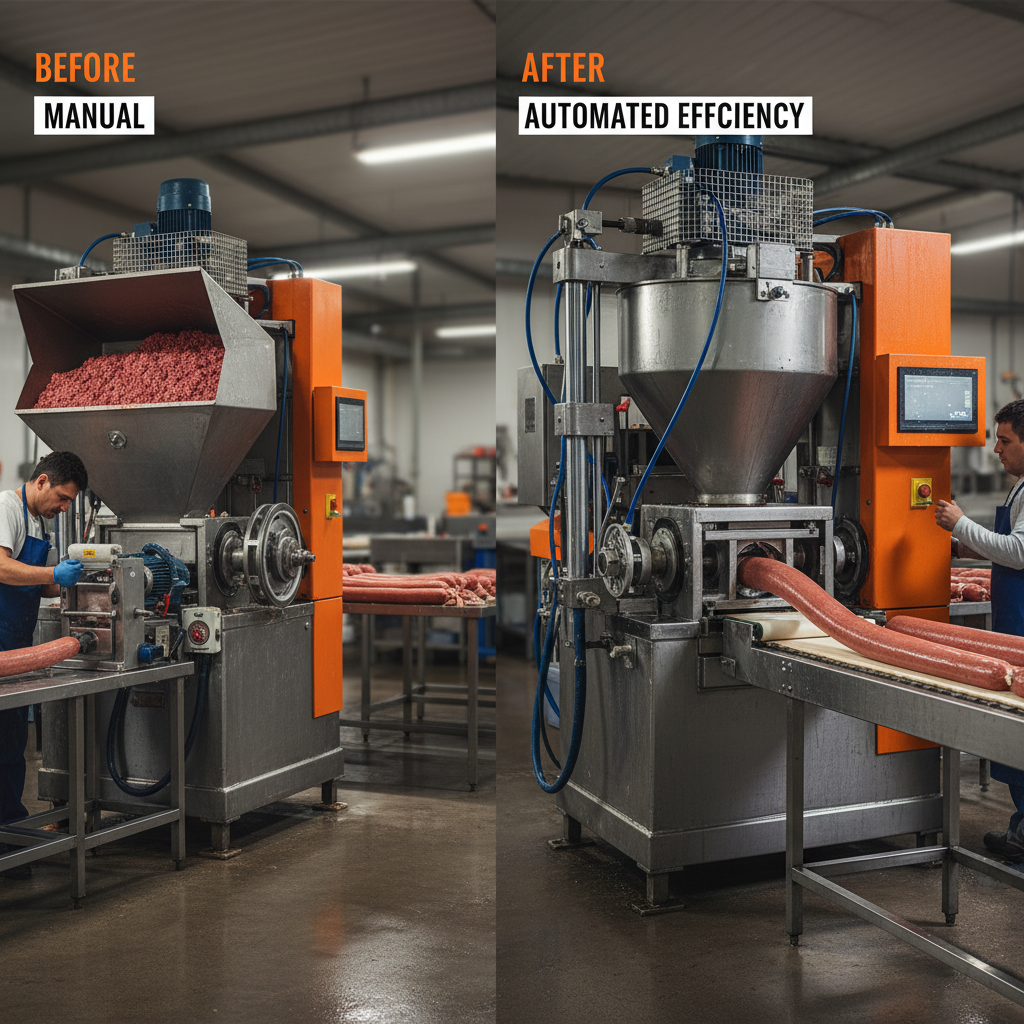
I've been on sites where filling is still done manually. Let me tell you, that's a recipe for inconsistency and slow production. Modern filling machine for sale technologies are essential for maintaining product integrity and meeting demanding production schedules. They minimize human error, offer precise volume control, and increase overall efficiency.
The demand is only going up. Globally, packaged goods industries are experiencing significant growth – according to a UN report from last year, the global packaging market is projected to reach $1.07 trillion by 2027. To meet that demand, efficient filling processes are non-negotiable.
The choice hinges on accuracy needs and product value. Volumetric filling is faster and more cost-effective, ideal for high-volume, low-cost products where minor discrepancies aren’t critical. Gravimetric filling, using weight, provides superior accuracy, essential for expensive products, regulated industries (like pharmaceuticals), and situations where precise fill levels are non-negotiable. Consider your product, your budget, and regulatory requirements.
Maintaining hygiene is crucial. Opt for machines constructed from stainless steel, which is easy to clean and sanitize. Implement a regular cleaning schedule using appropriate cleaning agents. Consider a Clean-in-Place (CIP) system for automated cleaning. Ensure all components that come into contact with the product are easily removable for thorough cleaning and sterilization. Documentation of cleaning procedures is also essential for audit trails.
A properly maintained filling machine can last 10-15 years, or even longer. Regular preventive maintenance – lubrication, inspection of wear parts, and calibration – is key. Addressing minor issues promptly prevents them from escalating into major repairs. Investing in quality components from the outset also contributes to a longer lifespan. Proper operator training and adherence to manufacturer recommendations are also important.
Lead times can vary significantly depending on the complexity of the machine and the manufacturer’s workload. A standard machine might ship in 8-12 weeks. However, a fully customized machine, with specialized features and integrations, could take 6-9 months, or even longer. It’s best to plan well in advance and discuss your requirements with the manufacturer as early as possible.
The price of a filling machine for sale depends on factors like type (volumetric, gravimetric, etc.), capacity, automation level, and customization. Basic semi-automatic machines can start around $5,000 - $10,000. Fully automated, high-speed systems can easily exceed $100,000. Always request quotes from multiple suppliers and factor in the total cost of ownership, including maintenance and spare parts.
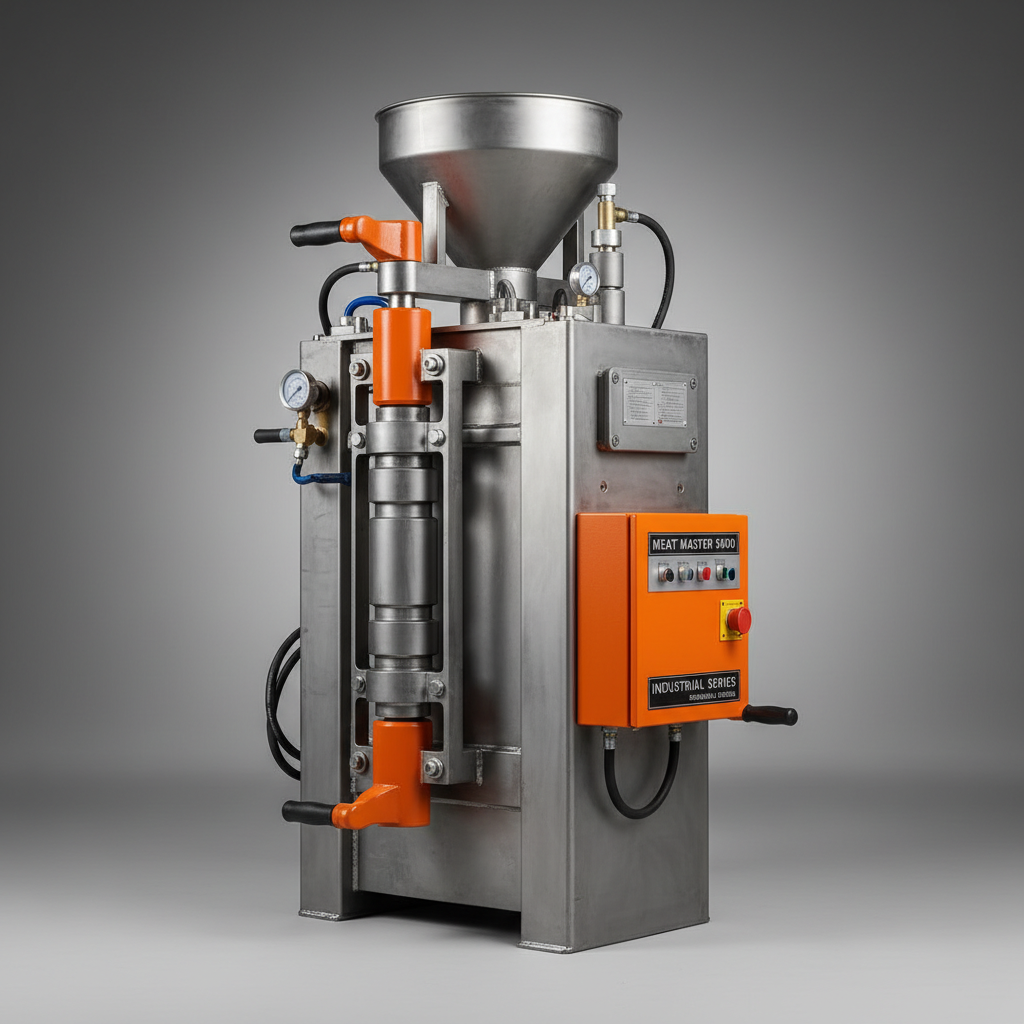
Safety is paramount. Look for features like emergency stop buttons, safety guards around moving parts, overload protection, and interlocks that prevent operation if safety features are compromised. Machines handling hazardous materials should have additional features like explosion-proof enclosures and leak detection systems. Ensure the machine complies with relevant safety standards (e.g., OSHA).
Ultimately, a well-chosen filling machine for sale isn’t just a piece of equipment; it’s a strategic investment in your operation’s efficiency, reliability, and profitability. It’s about reducing waste, improving product quality, and ensuring you can meet the demands of a growing market. Understanding the different technologies, key factors, and future trends is essential for making an informed decision.
Don't just buy the cheapest machine. Invest in a solution that aligns with your long-term goals, and partner with a reputable supplier who can provide ongoing support and service. A good machine, properly maintained, will pay for itself many times over.