To be honest, this year’s been… something. Everyone’s talking about modular designs, right? Pre-fab everything, ship it flatpack. Saves on transport, supposedly. But have you tried assembling some of these things on a windy construction site? It's a nightmare. Anyway, I think the real trend isn’t just modular, it's about making it actually usable for the guys on the ground, not just pretty on paper.
I've been seeing a lot of over-engineered stuff lately. Engineers love to make things complicated. They design these interfaces, these fittings, that look amazing in CAD, but then when you're trying to wrench them together covered in dust and sweat… forget it. There’s a real push for quick-connects now, which is good, but they need to be robust. I encountered one at a factory in Hangzhou last time, claimed to be ‘heavy duty’ – snapped on the first try. Seriously.
And the materials. You wouldn't believe the stuff they're trying to use. There's this new composite they're pushing, supposedly super strong and lightweight. Feels… weird. Like plastic that wants to be metal. Smells a little funny too. You can tell a good steel by the weight, right? That cold, solid feel in your hand. That's what you want. I saw a guy try to weld that composite. Let's just say it didn't end well.
The Growing Importance of Meat Processing Equipment Manufacturers
Meat processing equipment manufacturers are becoming increasingly vital in a world with a rising global population and evolving dietary needs. The demand for efficient, hygienic, and scalable meat processing solutions is surging. It’s not just about volume anymore; traceability, food safety, and sustainability are now critical components. meat processing equipment manufacturers are at the forefront of addressing these challenges.
The industry is driven by several factors, including stringent regulatory standards (like those set by the USDA and EU), growing consumer awareness about food origins, and the need to reduce waste throughout the supply chain. The United Nations Food and Agriculture Organization (FAO) estimates that global meat production will continue to rise, placing even greater pressure on processing facilities. It's a tough game, getting tougher all the time.
Defining Meat Processing Equipment Manufacturers
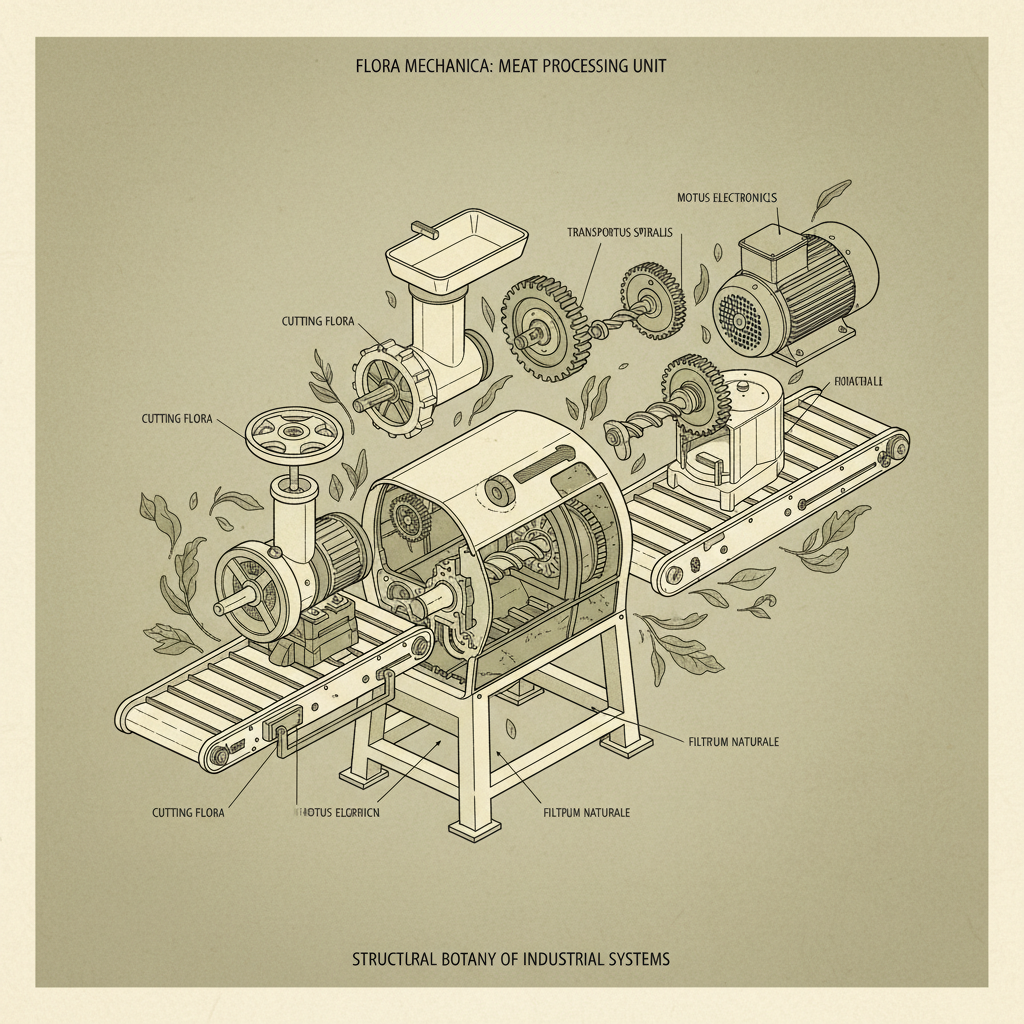
Okay, so what are meat processing equipment manufacturers? Simply put, they design, build, and supply the machinery used to transform livestock into consumable meat products. This covers everything from slaughtering and cutting to grinding, mixing, forming, packaging, and even chilling/freezing. It's a complex process, and each stage requires specialized equipment.
These manufacturers don’t just sell machines; they often provide integrated solutions, including installation, training, and ongoing maintenance. The connection to modern industry is obvious – it’s a cornerstone of the global food supply. The humanitarian aspect comes into play with efficient processing reducing waste and ensuring more people have access to protein.
And it’s not a static field. They’re constantly innovating to improve hygiene, increase efficiency, and meet ever-changing industry demands. Companies like meat processing equipment manufacturers are key players in ensuring a safe and reliable meat supply.
Key Factors Influencing Equipment Selection
Durability is paramount. This isn’t office equipment. It’s going to be running 24/7, often in harsh environments. You need stainless steel, robust construction, and components that can withstand constant use and cleaning. Strangel,y a lot of companies skimp here to save a few bucks. It always comes back to bite them.
Scalability is huge. A small butcher shop has very different needs than a large-scale processing plant. Equipment should be modular and adaptable to accommodate future growth. You don't want to be replacing everything in five years because you outgrew your initial setup.
Cost-efficiency isn’t just about the initial purchase price. It’s about lifetime costs, including energy consumption, maintenance, and downtime. A cheaper machine that breaks down constantly is far more expensive in the long run. You’ve got to consider the total cost of ownership.
And then there’s hygiene… you cannot compromise on that.
Global Applications and Industry Impact
These manufacturers serve a diverse range of clients – from small, local butchers to massive, multinational meatpacking corporations. They're critical in regions with high meat consumption, like North America, Europe, and parts of Asia. Demand is also growing rapidly in emerging markets.
In post-disaster relief operations, mobile meat processing units can provide a vital source of protein to affected communities. I saw this firsthand after the earthquake in Nepal a few years back. They were setting up small-scale units to process locally sourced livestock. In remote industrial zones, they enable local economies to develop and thrive.
The impact is felt across the entire food supply chain, affecting everything from farm to table. meat processing equipment manufacturers are directly responsible for ensuring food safety, reducing waste, and improving efficiency.
Comparative Analysis of Meat Processing Equipment Manufacturers Methods
Advantages and Long-Term Value Proposition
The benefits are clear: increased efficiency, reduced waste, improved food safety, and greater profitability. But it’s about more than just the bottom line. Investing in high-quality equipment protects your brand reputation and builds trust with consumers. No one wants to buy meat from a place with questionable hygiene standards.
From a sustainability perspective, modern equipment utilizes less energy and water, minimizing environmental impact. There’s also the human factor – safer, more ergonomic machines improve worker morale and reduce the risk of injury. Anyway, I think that’s pretty important.
Future Trends and Innovations in the Sector
Automation is the big one. We’re seeing more and more robotic systems being integrated into processing lines – for cutting, deboning, packaging, everything. Digital transformation is also crucial. Real-time data monitoring, predictive maintenance, and AI-powered quality control are becoming standard.
And sustainability is no longer optional. Manufacturers are developing equipment that minimizes water usage, reduces energy consumption, and utilizes eco-friendly materials. There’s a lot of talk about alternative proteins too, and the equipment needed to process those will be completely different.
Common Challenges and Practical Solutions
One of the biggest challenges is maintaining hygiene. Meat processing environments are notoriously difficult to keep clean. Regular sanitation, proper equipment design (smooth surfaces, easy access), and robust cleaning protocols are essential. I’ve seen systems where they literally flood the entire room with disinfectant – overkill, but effective.
Another issue is downtime. Equipment breakdowns can be incredibly costly. Preventative maintenance programs, readily available spare parts, and responsive technical support are vital. And finding skilled technicians who actually understand these machines is getting harder and harder.
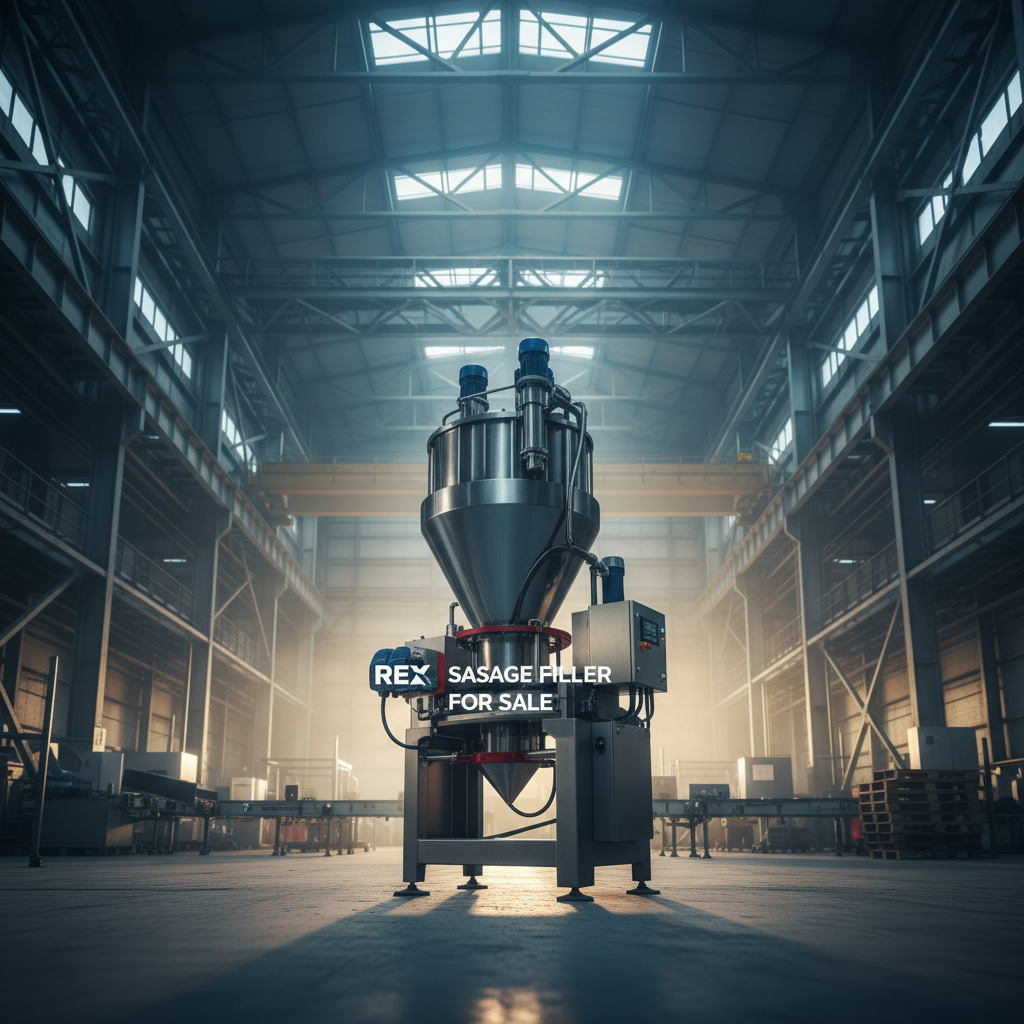
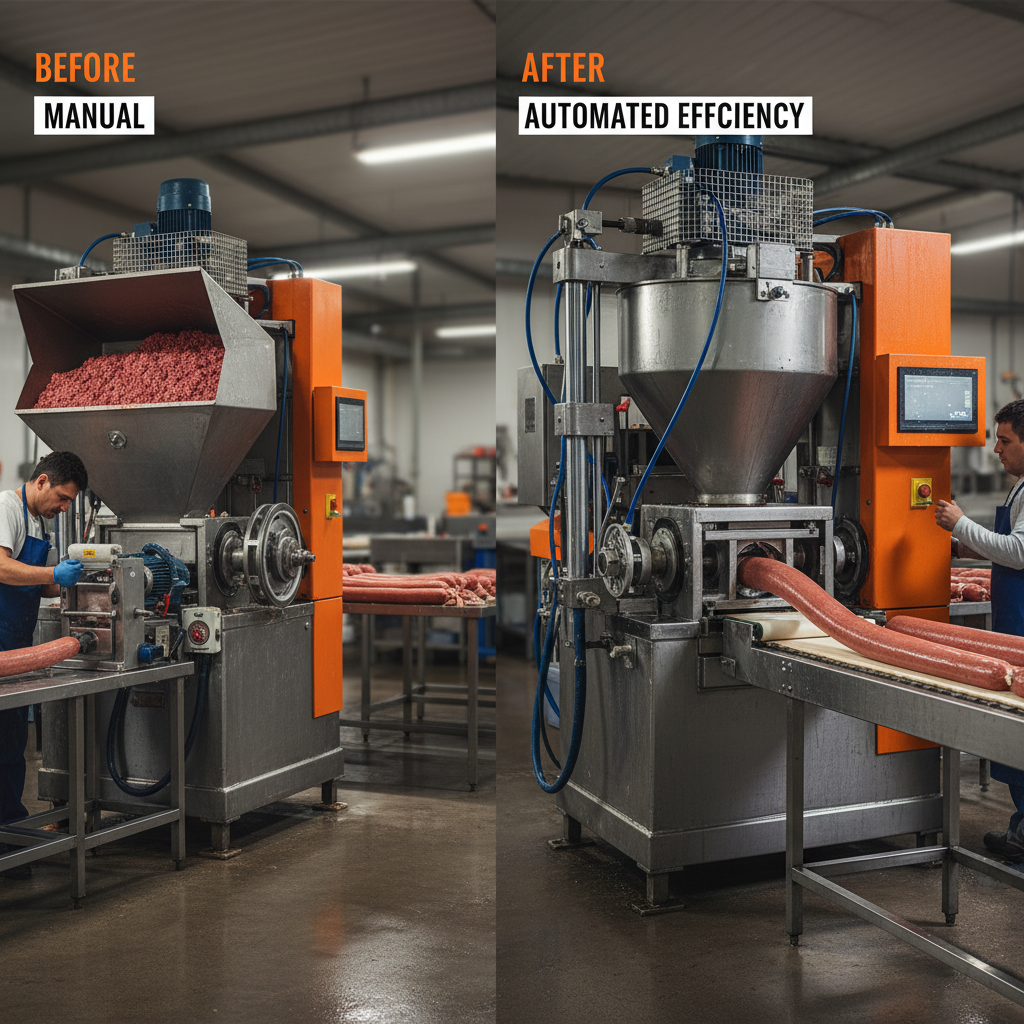
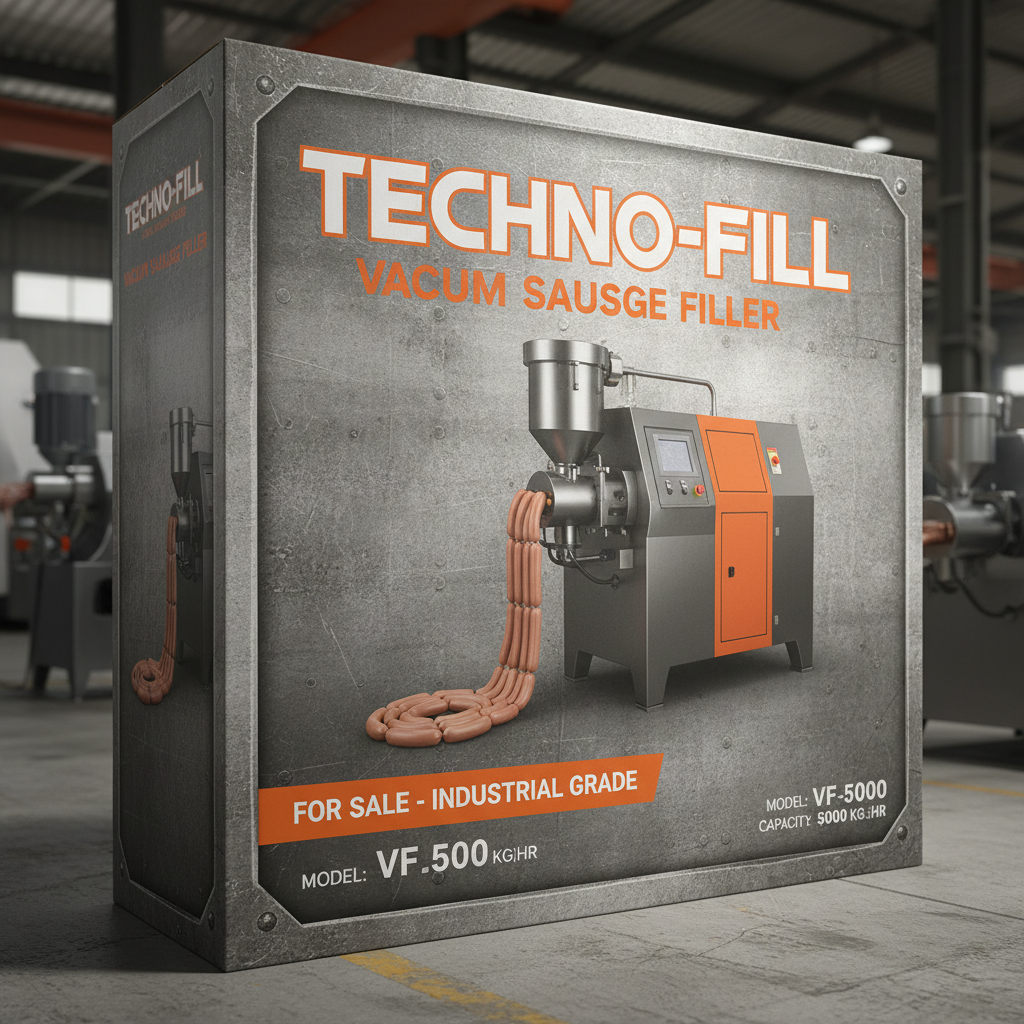
Customization can be a headache. Last month, that small boss in Shenzhen who makes smart home devices insisted on changing the interface to on a sausage filler. Said it looked “more modern.” The result? It took three times as long to set up, and the guy ended up ordering a new one that actually worked with the standard fittings. I told him, “Some things just don’t need to be fancy.”
Summary of Key Challenges and Solutions in Meat Processing Equipment
| Challenge |
Impact on Operations |
Potential Solution |
Implementation Cost (1-10) |
| Hygiene & Sanitation |
Food safety risks, regulatory non-compliance |
Automated cleaning systems, hygienic design |
7 |
| Equipment Downtime |
Production delays, increased costs |
Preventative maintenance, spare parts inventory |
6 |
| Labor Shortages |
Difficulty finding skilled operators |
Automated systems, simplified interfaces |
8 |
| Energy Consumption |
High operating costs, environmental impact |
Energy-efficient equipment, process optimization |
5 |
| Customization Requests |
Increased lead times, potential quality issues |
Standardized designs, modular components |
4 |
| Regulatory Compliance |
Risk of fines, product recalls |
Equipment certified to industry standards |
9 |
FAQS
Modern equipment ranges from basic, manually operated machines to fully automated systems. Increasing trends involve robotic systems for tasks like cutting, deboning, and packaging, reducing labor costs and improving efficiency. The degree of automation depends largely on production volume and budget, but even smaller processors are adopting some level of automated assistance for tasks like portioning and wrapping.
Stainless steel is absolutely crucial. It's non-porous, easy to clean, and resists corrosion from meat juices and cleaning chemicals. This directly impacts food safety and prevents bacterial growth. Lower quality materials will rust, harbor bacteria, and contaminate the product. It’s a non-negotiable element for virtually all equipment contacting the meat itself.
Regular maintenance is key to preventing costly downtime. This includes daily cleaning and sanitation, lubrication of moving parts, inspection of belts and chains, and periodic replacement of wear items like blades and filters. A preventative maintenance schedule, performed by qualified technicians, is highly recommended. We also recommend keeping a stock of common spare parts on hand.
Safety should be paramount. Look for features like emergency stop buttons, safety guards on moving parts, interlock systems that prevent operation when guards are removed, and clear, visible warning labels. Equipment should meet relevant safety standards (like those set by OSHA or CE). Properly trained operators are also crucial for safe operation.
Lead times vary significantly depending on the complexity of the customization and the manufacturer's workload. Simple modifications, like changing a blade type, might take a few weeks. More extensive customization, like designing a completely new system, can take several months. Planning ahead and providing detailed specifications is crucial to minimize lead times.
Reputable manufacturers design equipment with HACCP principles in mind. This includes using materials that are easy to clean and sanitize, minimizing areas where bacteria can accumulate, and providing features that facilitate proper temperature control and traceability. Equipment often comes with documentation verifying compliance with relevant standards, and manufacturers can provide support with HACCP implementation.
Conclusion
Ultimately, the meat processing industry is built on reliability, hygiene, and efficiency. The choices made by manufacturers directly impact food safety, production costs, and the well-being of workers. Investing in quality equipment isn’t just about buying machines; it’s about building a sustainable and responsible food supply.
The future of the industry lies in embracing automation, sustainability, and digital technologies. But, at the end of the day, whether this thing works or not, the worker will know the moment he tightens the screw. And that’s what really matters.