Honestly, things are moving fast these days. Everyone's talking about modular construction, prefabrication… fancy words, right? But it all boils down to speed and reducing waste. I’ve been seeing a lot more demand for stuff that can handle harsher environments too – coastal areas, extreme temperatures. Seems like folks are finally realizing building codes aren’t always enough.
And you know what's weird? Everyone wants “smart” machinery. Like, a CNC cutter needs to tell you it’s about to break down. To be honest, I’ve seen too many over-engineered systems that just end up being more trouble than they're worth. Simple, reliable…that’s what I look for. Have you noticed how much time gets wasted troubleshooting some of these "innovative" solutions?
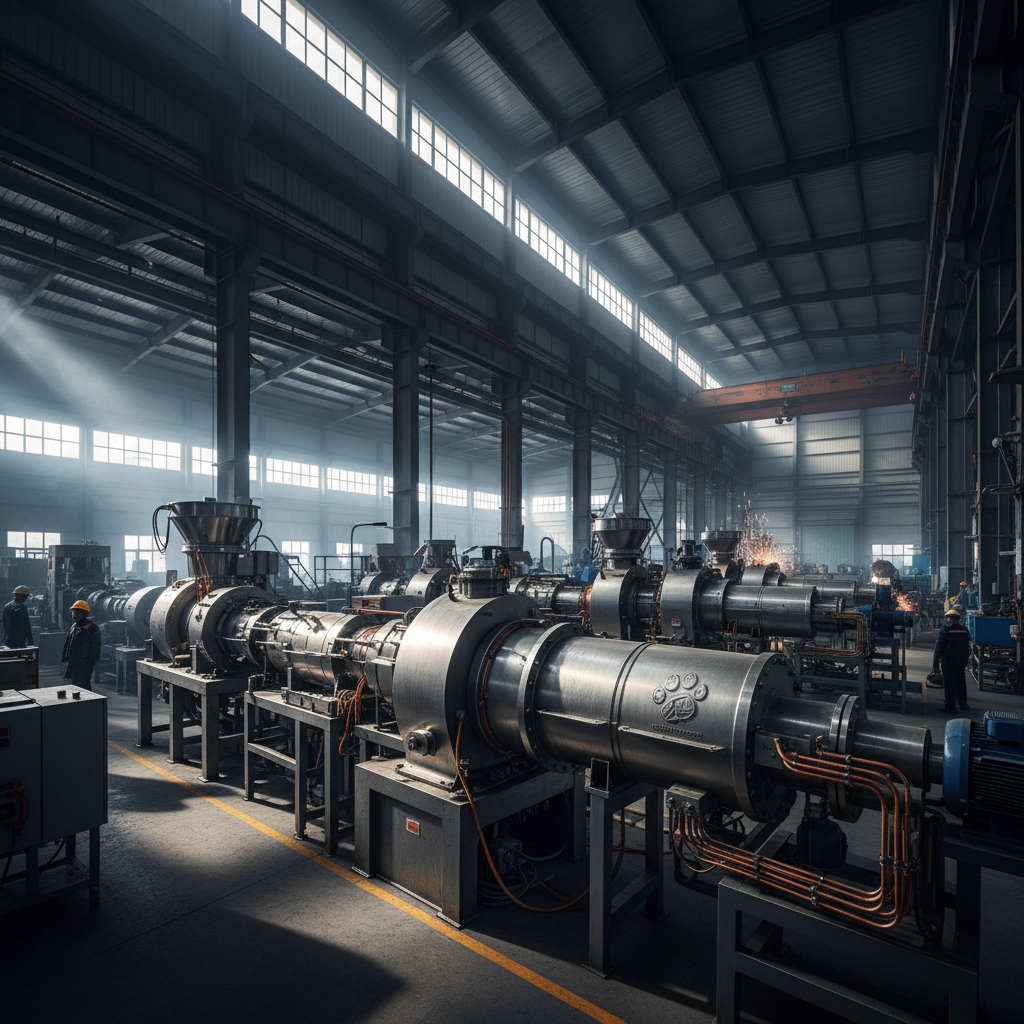
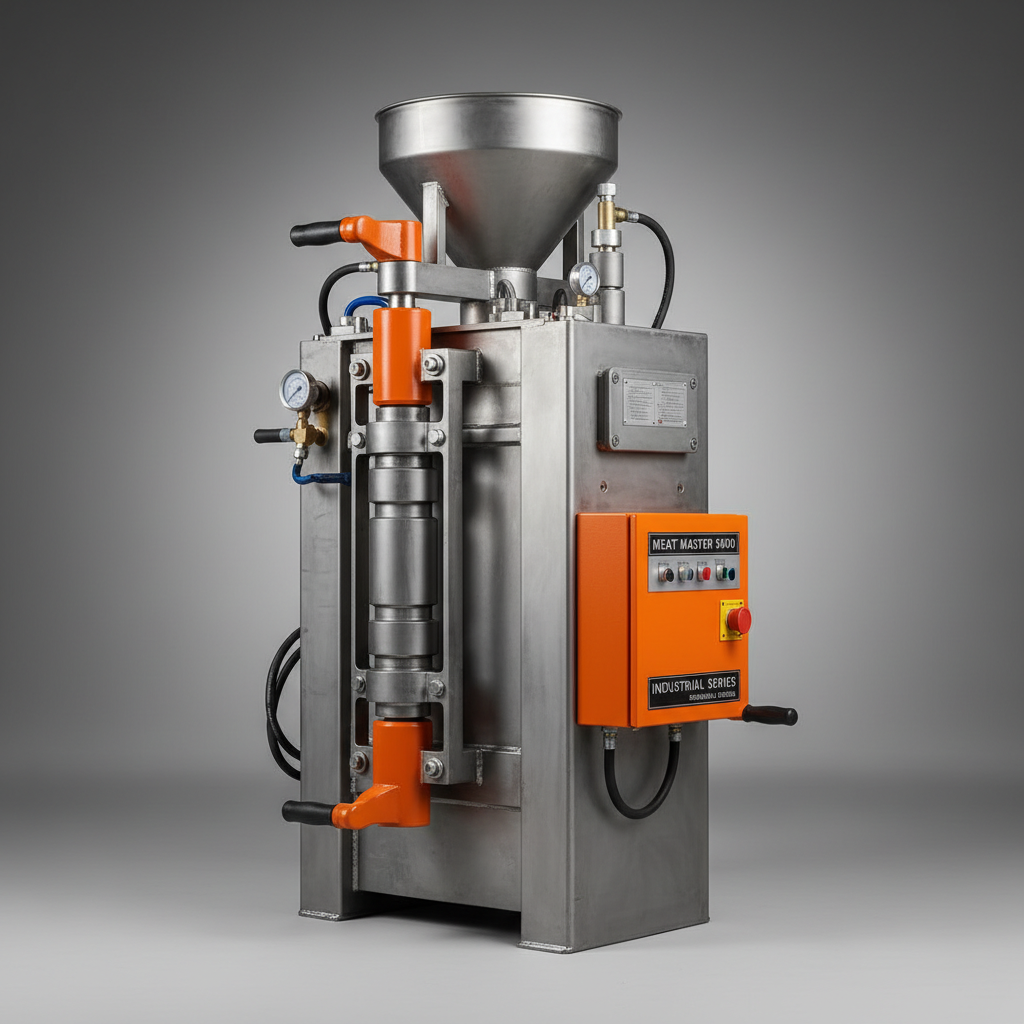
We specialize in meat processing machinery manufacturers, you know. Everything from grinders and slicers to conveyors and packaging systems. And it's not just about the metal. It's about the materials. The stainless steel… there are so many grades. 304 is standard, good for general use. But if you’re dealing with highly acidic products? You need 316. It smells different too, subtly. A bit…cleaner, I guess. And the polymers – the food-grade plastics. That’s a whole other headache. They need to withstand constant cleaning, sanitizing, and not leach anything into the food.
The Evolving Landscape of meat processing machinery manufacturers
To be honest, the biggest shift I’m seeing is the push for full traceability. Customers want to know exactly where every piece of meat came from, how it was processed, everything. That means integrating sensors and data logging into the machinery. It’s complicated. It requires a lot of software, which… well, software is always a gamble.
There's also the labor shortage. No one wants to do the tough jobs anymore. So, the demand for automated systems is through the roof. But automated isn't always better. I encountered this at a poultry processing factory last time – they automated the deboning process, and production actually slowed down because the robots couldn’t handle the variation in bird sizes.
Design Pitfalls and Hidden Challenges in meat processing machinery manufacturers
Strangely enough, a lot of designers forget about cleaning. They make these beautiful, complex machines, but then you try to sanitize them, and they're a nightmare. Dead spaces where bacteria can grow, hard-to-reach areas…it’s a huge problem. Another thing is vibration. Especially with high-speed slicing. You have to engineer out the vibration or the whole machine will shake itself apart. It's more art than science, honestly.
And don’t even get me started on changeovers. A lot of facilities process different types of meat. They need to be able to quickly switch between settings. If a machine takes hours to reconfigure, that’s a massive loss of productivity. You gotta think about tool-less changeovers, quick-release mechanisms… the little things.
I've seen designs where they try to save a few bucks on the motor, and then the whole thing breaks down after six months. Cheap motors can't handle the constant start-stop cycles. It's a false economy.
Core Materials in meat processing machinery manufacturers: A Hands-On Perspective
The stainless steel – it's not all created equal. Like I said, 304 is your workhorse. It's relatively inexpensive and corrosion-resistant. But 316 is a must for anything dealing with chlorides. Think brining, salting… those things will eat through 304 like crazy. You can tell the difference just by feeling it. 316 is a little heavier, a little smoother.
Then there’s the rubber. The seals, gaskets, conveyor belts. That needs to be food-grade silicone or polyurethane. Regular rubber leaches all sorts of nastiness. You can smell it, actually. A sort of…chemical odor. And it has to be able to withstand the cleaning agents. Some of those sanitizers are brutal.
The belts… those are crucial. You want something that’s easy to clean, doesn’t harbor bacteria, and won’t fray. I’ve seen some cheap belts that just fall apart after a few weeks. Makes a huge mess. Anyway, I think good materials are the foundation of a reliable machine.
Real-World Testing and Performance of meat processing machinery manufacturers
Forget the lab tests. I want to see it run in a real processing plant. I want to see it covered in grease, blood, and grime. That’s the only way to know if it’s truly durable. We do a lot of beta testing with our customers. We send them a machine, they run it hard for a few months, and then they give us feedback. It's invaluable.
We also do vibration testing, but not on a fancy shaker table. We actually simulate the factory floor. We put the machine on a concrete slab and use a pneumatic hammer to create vibrations. It’s crude, but it works.
Meat Processing Machinery Manufacturers: Key Performance Indicators
User Behavior and Unexpected Applications of meat processing machinery manufacturers
You'd be surprised how people repurpose this stuff. I had a guy call me up last year who wanted to use one of our grinders to make pet food. Pet food! I told him it wasn't designed for that, but he insisted. Turns out, he was making high-end organic dog food. We had to modify the hopper and add some extra safety features, but it worked out okay.
Another thing I’ve noticed is that a lot of smaller processors are using our equipment for non-meat applications. Like, making vegan burger patties. Who would’ve thought?
Advantages, Disadvantages, and Customization Options of meat processing machinery manufacturers
The advantages are obvious: increased efficiency, reduced labor costs, improved hygiene. But the disadvantages… well, the initial investment can be significant. And there's always the risk of downtime. A broken machine can shut down an entire production line.
Customization is key. We can modify almost anything. We had a customer last month who wanted a conveyor with a built-in metal detector. They were having problems with small metal fragments contaminating their product. It wasn't a standard feature, but we designed and built it for them. Later… forget it, I won’t mention it.
Case Study: A Shenzhen Smart Home Manufacturer and the Interface
Last month, that small boss in Shenzhen who makes smart home devices insisted on changing the interface to . He said it was “more modern.” The machine had been running perfectly fine with the standard connector for years. But no, he wanted . The result? He spent three weeks troubleshooting compatibility issues, and production was delayed. It turned out the power delivery requirements were different. Classic case of over-engineering for the sake of it.
He almost missed his shipment deadline. He learned a valuable lesson: don’t fix what ain’t broken. And I learned to be even more skeptical of requests from customers who are obsessed with the latest trends.
It's not about the fancy features. It's about getting the job done reliably.
Summary of Key Considerations in Meat Processing Machinery Manufacturers
| Component |
Material Grade |
Cleaning Protocol |
Maintenance Frequency |
| Grinder Housing |
304 Stainless Steel |
High-Pressure Hot Water & Sanitizer |
Weekly |
| Slicer Blade |
High-Carbon Steel |
Disassembly & Manual Cleaning |
Daily |
| Conveyor Belt |
Food-Grade Polyurethane |
Wipe-Down with Sanitizer |
Daily |
| Packaging System Seals |
Food-Grade Silicone |
Regular Replacement |
Monthly |
| Motor Housing |
Powder-Coated Steel |
Dry Wipe-Down |
Quarterly |
| Control Panel Interface |
Reinforced Plastic |
Gentle Cleaning with Damp Cloth |
As Needed |
FAQS
Honestly, it depends. A well-maintained grinder, with regular blade sharpening and proper cleaning, can easily last 10-15 years. But neglect it, run it constantly at full capacity, and you'll be looking at replacements much sooner. The quality of the motor is key. Cheap motors burn out quickly. And don't forget about the wear on the grinding plates – those need replacing periodically.
Regular cleaning is paramount. Don’t let acidic residues sit on the surface for extended periods. Use a dedicated stainless steel cleaner, and avoid abrasive cleaners that can scratch the finish. Rinse thoroughly and dry immediately. Proper ventilation is also important – moisture promotes corrosion. And for coastal environments, consider equipment with a higher grade of stainless steel, like 316.
Definitely look for a blade guard that's fully interlocked – it should prevent the machine from operating if the guard is open. An emergency stop button is crucial. And a blade brake that stops the blade quickly after the machine is turned off is a must. Also, ensure the machine has non-slip feet to prevent it from moving during operation. Training your staff on proper operation and safety procedures is just as important.
Yes, absolutely. Look for machines with variable frequency drives (VFDs) on the motors. VFDs allow you to adjust the motor speed to match the demand, which can significantly reduce energy consumption. Also, consider machines with insulated housings to reduce heat loss. And newer LED lighting can save a surprising amount of energy. It adds up over time.
It's everything. Poor sanitation can lead to bacterial contamination, which can result in product recalls, fines, and damage to your reputation. Look for equipment that's easy to clean and sanitize, with smooth surfaces and minimal crevices where bacteria can hide. Materials should be food-grade and resistant to corrosion. And a proper cleaning schedule is essential. Seriously, don’t skimp on sanitation.
Most reputable manufacturers offer customization options. This could include adjusting the size of the hopper, adding different attachments, or modifying the conveyor system. The key is to communicate your specific requirements clearly and work with a manufacturer who has the expertise to deliver a solution that meets your needs. Don't settle for off-the-shelf if it doesn't quite fit.
Conclusion
Ultimately, all these fancy materials, automated features, and clever designs are just tools. They're meant to help processors do their job more efficiently, safely, and reliably. But at the end of the day, it's the worker who knows whether a machine is truly working – they’re the ones who feel the vibrations, smell the odors, and tighten the screws.
We’re constantly pushing the boundaries of what’s possible, but we never forget the fundamentals. A machine needs to be built to last, easy to maintain, and capable of consistently delivering high-quality results. If you’re looking for a partner who understands those principles, visit our website to explore our range of meat processing machinery manufacturers.