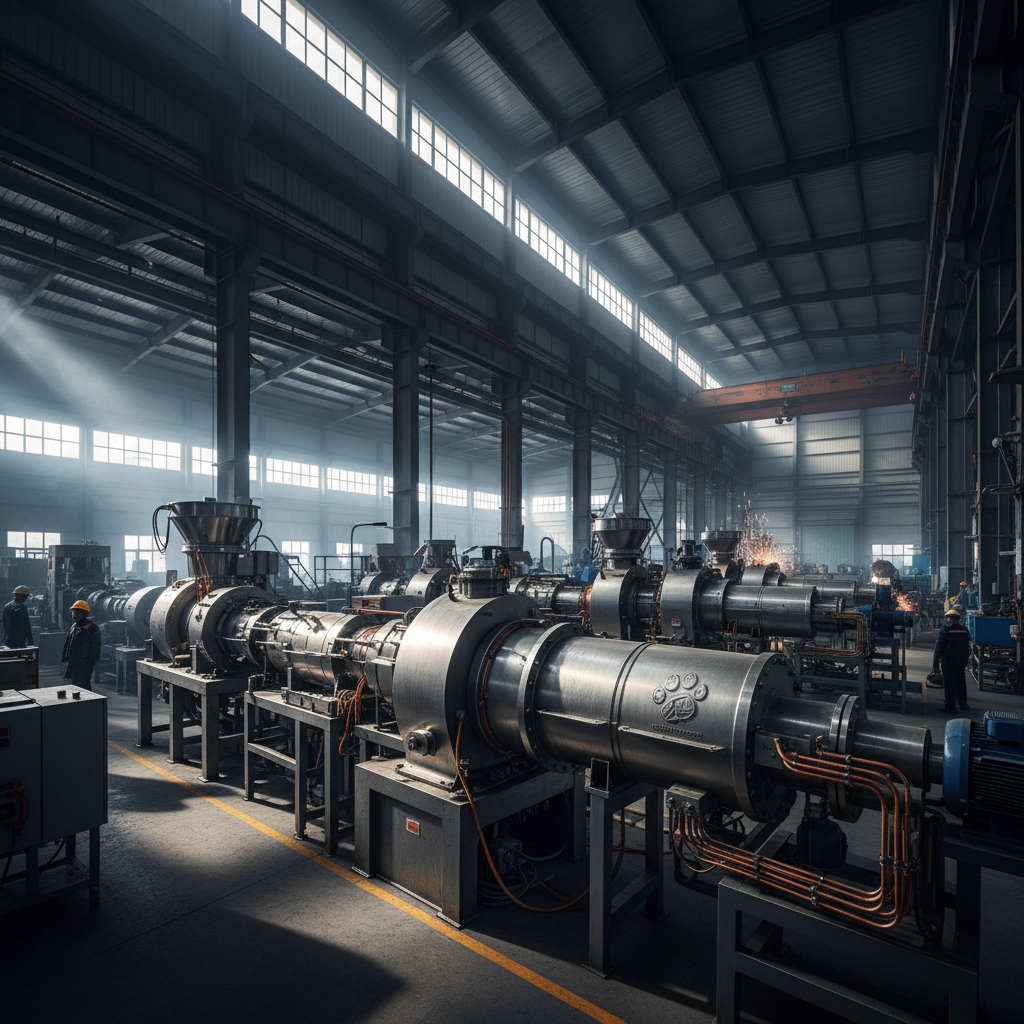
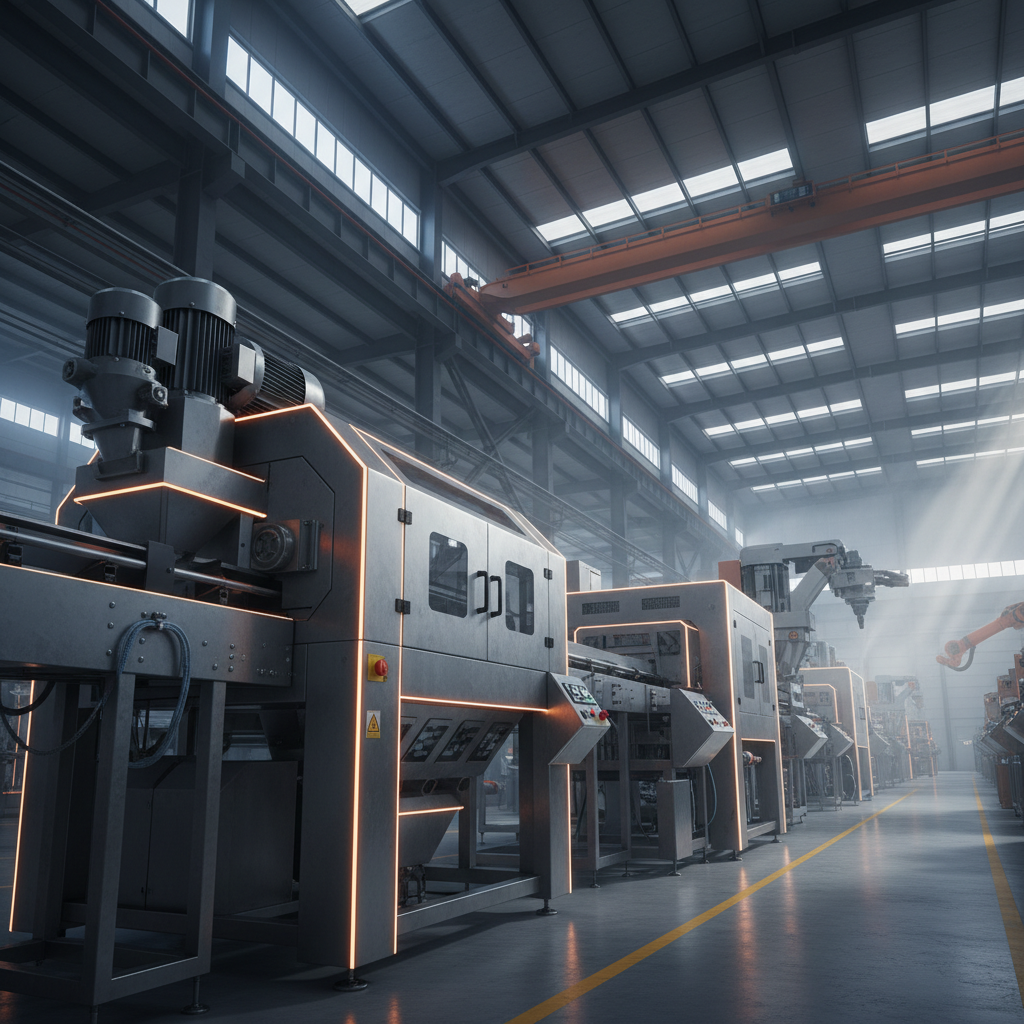
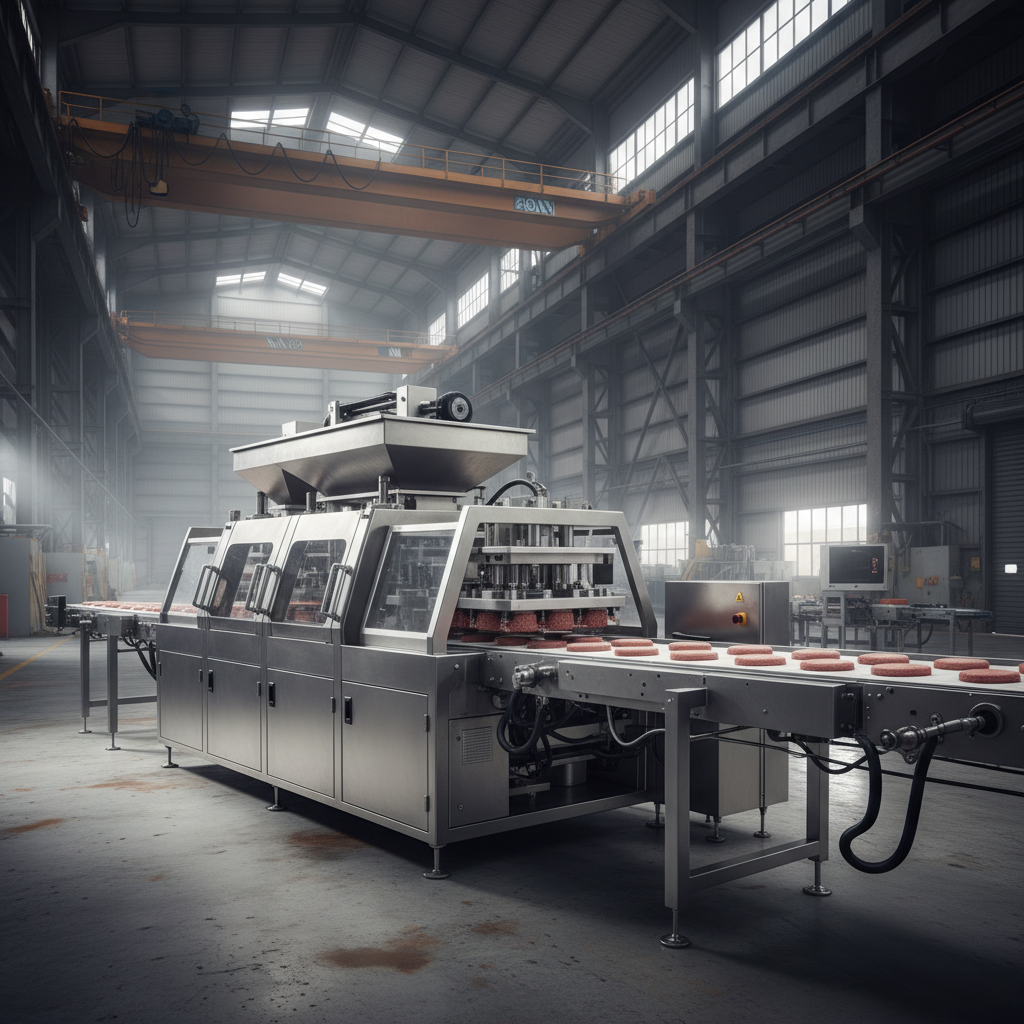
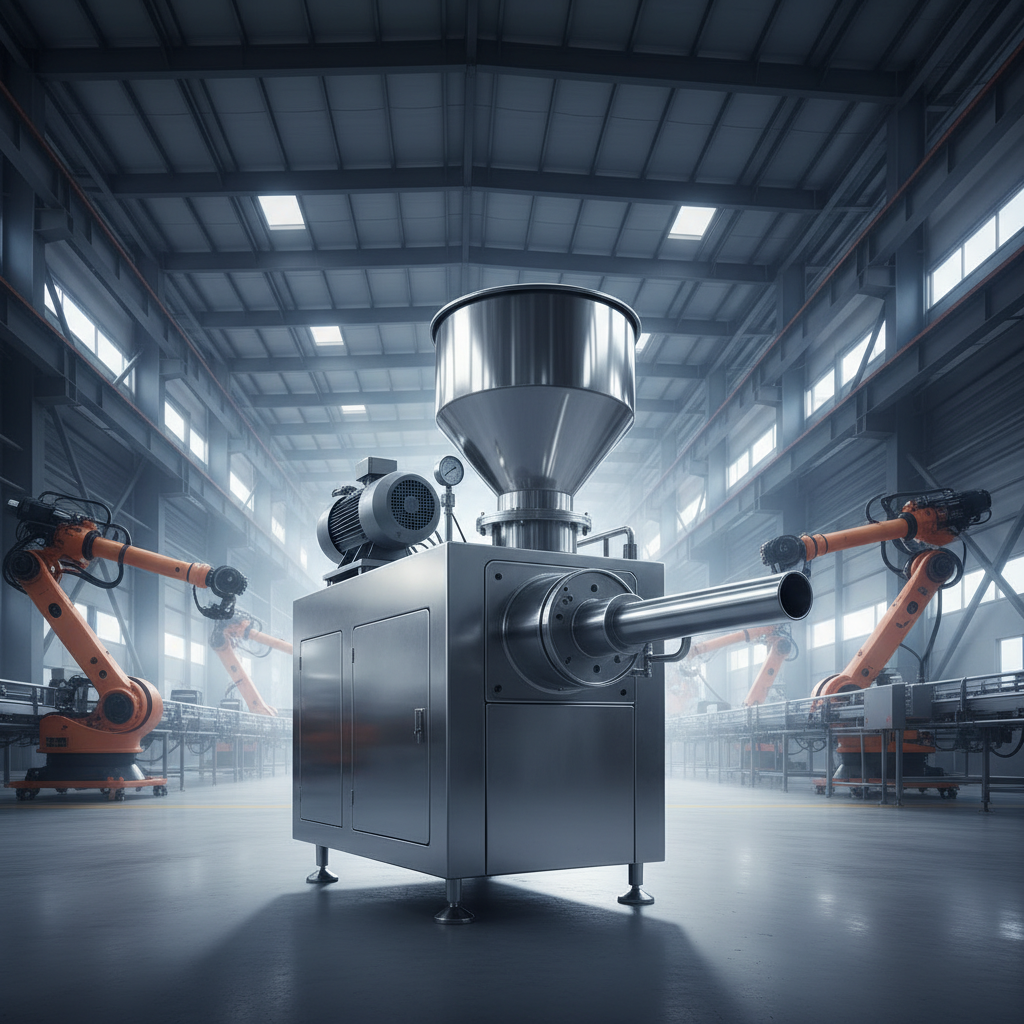
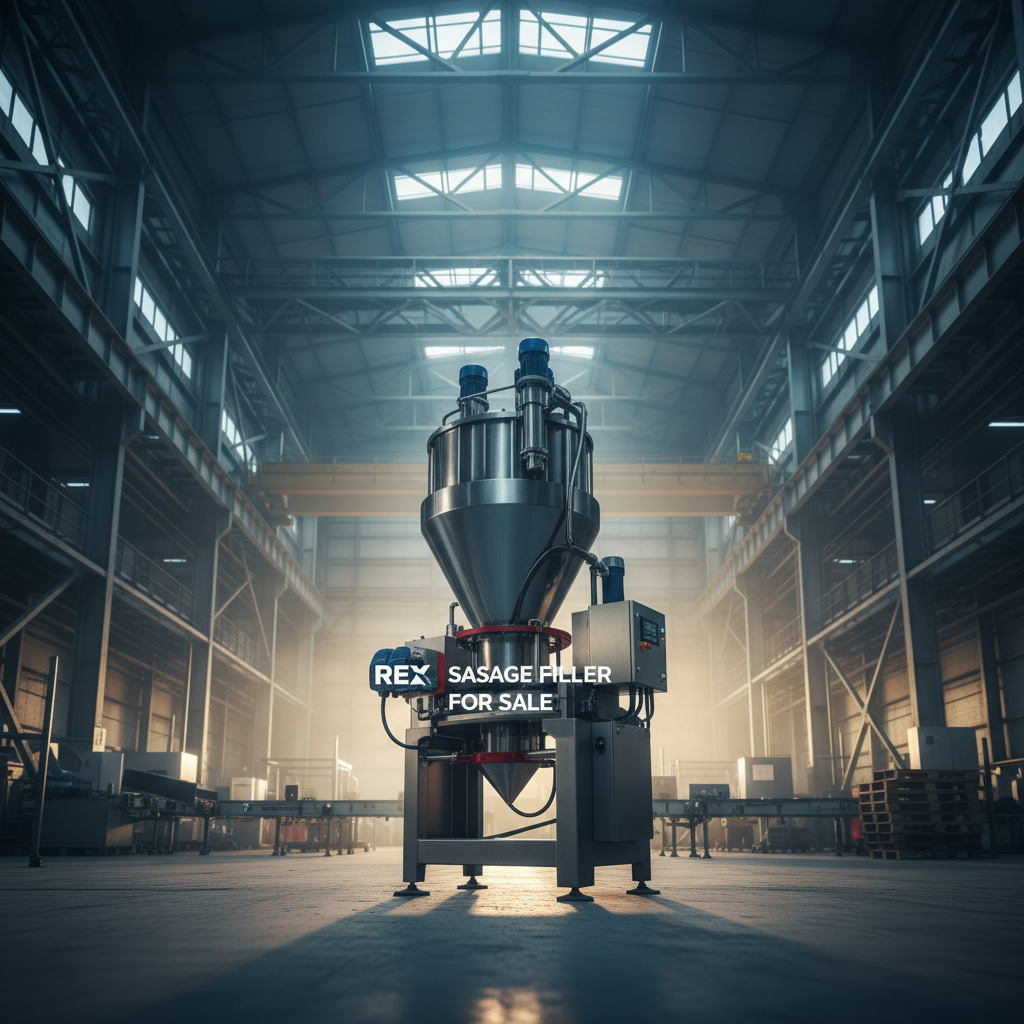
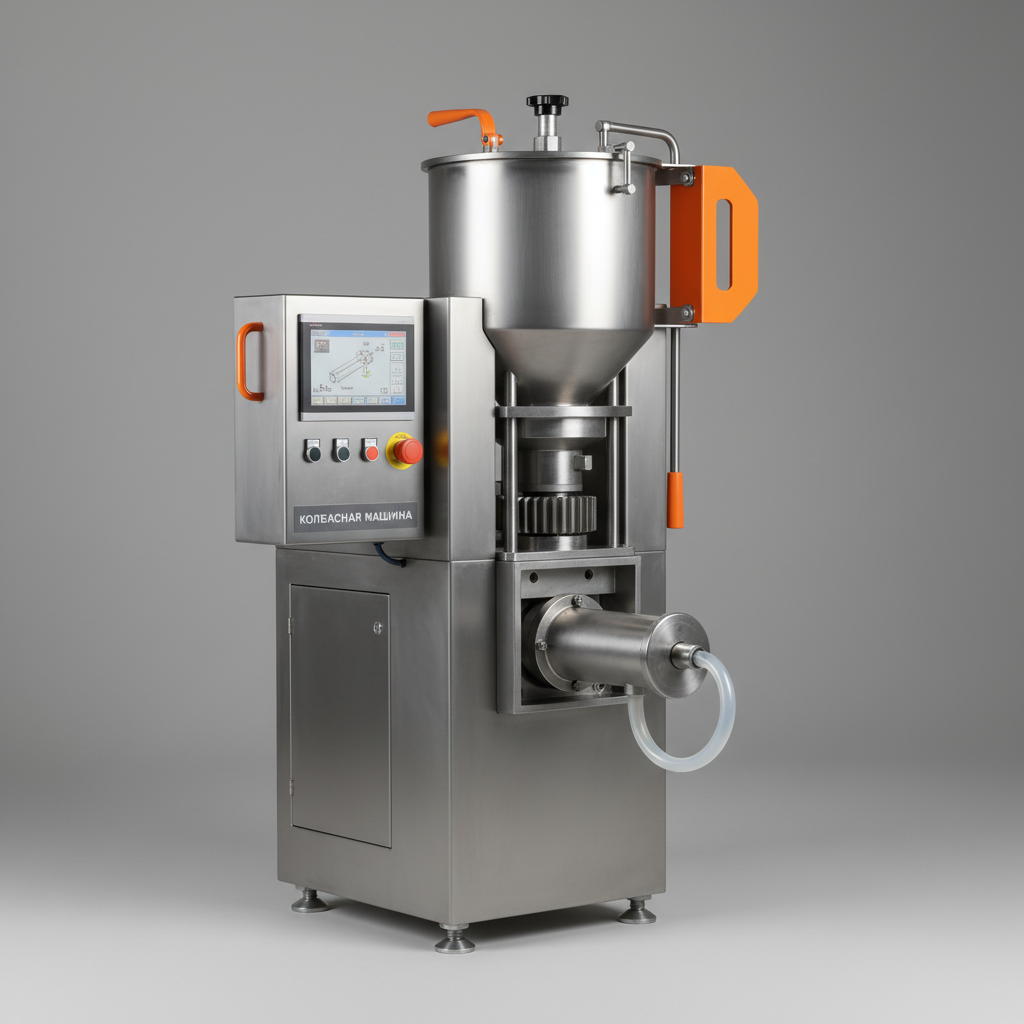
The global pet food industry is experiencing significant growth, driven by increasing pet ownership and a growing trend towards premium, specialized pet food. This expansion necessitates advanced and efficient pet food machinery, leading to a rising demand for innovative pet food machinery manufacturers. Understanding the capabilities and advancements in this sector is crucial for businesses aiming to meet evolving consumer needs and maintain a competitive edge.
The manufacture of pet food requires specialized machinery capable of handling a diverse range of ingredients, precise mixing, shaping, drying, and packaging. Pet food machinery manufacturers play a vital role in this process, offering solutions tailored to different production scales, from small artisanal businesses to large-scale commercial operations. Investing in quality machinery ensures product consistency, safety, and efficiency.
Furthermore, sustainability is becoming an increasingly important factor in the pet food industry, influencing the demand for energy-efficient machinery and eco-friendly packaging solutions. Pet food machinery manufacturers are responding by developing technologies that minimize waste, reduce energy consumption, and utilize sustainable materials.
The Importance of Pet Food Machinery Manufacturers
The modern pet food industry relies heavily on the expertise of pet food machinery manufacturers to create consistent, safe, and nutritious products. These manufacturers provide the technological backbone for transforming raw ingredients into the kibble, wet food, and treats that pets enjoy worldwide. Their influence extends beyond simply creating machinery; it encompasses innovation in processing techniques, food safety protocols, and production efficiency.
Without robust and reliable machinery, pet food production would be significantly hampered. Pet food machinery manufacturers continually invest in research and development to address the evolving demands of the market, including the need for specialized diets, novel ingredient processing, and sustainable manufacturing practices.
Defining Pet Food Machinery Manufacturing
Pet food machinery manufacturing encompasses the design, fabrication, and assembly of equipment specifically used in the production of animal food. This includes a wide array of machines, such as grinders, mixers, extruders, dryers, coaters, and packaging systems. The process requires a deep understanding of food science, engineering principles, and stringent hygiene standards.
It's a specialized field distinct from general food processing machinery manufacturing due to the unique characteristics of pet food ingredients and the specific nutritional requirements of different animal species. Pet food machinery manufacturers must cater to these specific needs, offering customized solutions for various pet food formulations and production volumes.
This industry directly supports the broader pet care sector and plays a critical role in ensuring the availability of high-quality, affordable pet food for a growing global pet population.
Core Components of Quality Machinery
Durability is paramount in pet food machinery. The equipment must withstand continuous operation, handle abrasive ingredients, and resist corrosion from frequent cleaning. Manufacturers utilize robust materials, such as stainless steel, and employ rigorous quality control procedures to ensure long-term reliability.
Scalability is another crucial factor. Pet food machinery manufacturers offer solutions that can adapt to changing production demands, from small batch processing to large-scale industrial output. Modular designs and flexible configurations allow for easy expansion and customization.
Cost efficiency isn't just about the initial purchase price; it encompasses operating costs, maintenance requirements, and energy consumption. Modern machinery is designed to minimize waste, optimize energy usage, and reduce labor costs, leading to significant long-term savings.
Global Applications of Pet Food Production Lines
Pet food production lines are employed globally, serving diverse markets with varying pet preferences and dietary needs. North America and Europe represent significant consumer markets, driving demand for advanced machinery and high-quality pet food. Asia-Pacific is experiencing rapid growth in pet ownership, fueling expansion in the pet food manufacturing sector.
In developing nations, pet food machinery manufacturers are providing affordable and efficient solutions to meet the growing demand for commercially produced pet food, replacing traditional homemade diets. These lines are critical for establishing local manufacturing capabilities and improving pet nutrition.
These lines are utilized not only by large multinational corporations but also by smaller, regional pet food producers, allowing them to compete effectively in their respective markets.
Pet Food Machinery Manufacturers - Processing Method Efficiency
Advantages and Long-Term Value Proposition
Investing in high-quality pet food machinery manufacturers provides substantial cost savings through reduced maintenance, increased production efficiency, and minimized waste. Automated systems reduce labor costs and improve product consistency.
Sustainability is increasingly important, with energy-efficient machinery reducing environmental impact and lowering operating expenses. Reliable equipment ensures product safety and minimizes the risk of recalls, protecting brand reputation. The long-term value extends beyond financial gains, enhancing consumer trust and establishing a commitment to quality.
Future Trends in Pet Food Machinery
The future of pet food machinery lies in increased automation, data analytics, and integration with Industry 4.0 technologies. Smart machinery equipped with sensors and connected to cloud-based platforms will enable real-time monitoring, predictive maintenance, and optimized performance.
Sustainability will continue to drive innovation, with a focus on developing machinery that can process alternative protein sources, utilize biodegradable packaging materials, and minimize water and energy consumption. Expect to see more advanced coating technologies for creating palatable and nutritious pet food products.
Challenges and Innovative Solutions
One common challenge is maintaining hygiene and preventing cross-contamination in complex pet food production lines. Pet food machinery manufacturers are addressing this through the development of sanitary designs, automated cleaning systems, and advanced filtration technologies.
Another challenge is adapting to the increasing demand for specialized diets and novel ingredients. Manufacturers are responding with modular machinery that can be easily reconfigured to handle a wider range of formulations.
Addressing the need for skilled labor requires manufacturers to focus on user-friendly interfaces, remote diagnostics, and comprehensive training programs to ensure efficient operation and maintenance of the equipment.
Summary of Challenges and Innovative Solutions in Pet Food Machinery Manufacturing
| Challenge |
Impact on Production |
Innovative Solution |
Effectiveness (1-10) |
| Hygiene and Cross-Contamination |
Product Safety, Recalls, Reduced Shelf Life |
Sanitary Designs, CIP Systems, Advanced Filtration |
9 |
| Processing Novel Ingredients |
Equipment Limitations, Formulation Challenges |
Modular Machinery, Flexible Extrusion Systems |
8 |
| Labor Skill Shortages |
Increased Downtime, Reduced Efficiency |
Automated Controls, Remote Diagnostics, Enhanced Training |
7 |
| Energy Consumption |
High Operating Costs, Environmental Impact |
Energy-Efficient Motors, Optimized Drying Processes |
8 |
| Waste Reduction |
Increased Costs, Environmental Concerns |
Precision Metering, Optimized Cutting Systems |
7 |
| Data Integration & Analytics |
Lack of Real-Time Insights, Suboptimal Performance |
IoT Sensors, Cloud-Based Monitoring, Data Analytics Platforms |
6 |
FAQS
The lead time for a complete pet food production line typically ranges from 6 to 12 months, depending on the complexity of the system, customization requirements, and the manufacturer’s current workload. Factors influencing the timeline include engineering design, component sourcing, fabrication, assembly, testing, and delivery. Working with a reputable pet food machinery manufacturer and clear communication throughout the process can help streamline the timeline.
A wide range of automation levels can be integrated, from semi-automatic systems with manual ingredient handling to fully automated lines with robotic loading, unloading, and packaging. Automation can include features such as automated weighing and mixing, precise extrusion control, automated drying and cooling, and robotic palletizing. The appropriate level of automation depends on production volume, budget, and labor availability.
Ensure the pet food machinery manufacturer adheres to relevant food safety standards such as HACCP (Hazard Analysis and Critical Control Points) and GMP (Good Manufacturing Practices). The machinery should be constructed from food-grade materials (typically stainless steel) and designed for easy cleaning and sanitation. Proper documentation and traceability of components are also crucial.
Typical maintenance includes regular lubrication, cleaning, inspection of wear parts, and calibration of sensors and controls. Preventive maintenance schedules should be established and followed to minimize downtime and extend the lifespan of the equipment. Some manufacturers offer remote diagnostics and support services to assist with troubleshooting and maintenance.
Reputable pet food machinery manufacturers typically offer comprehensive after-sales support, including installation assistance, operator training, spare parts availability, remote diagnostics, and on-site maintenance services. Prompt and reliable support is essential for minimizing downtime and ensuring smooth operation of the production line.
The cost of a pet food production line varies significantly depending on the capacity, level of automation, and complexity of the system. A small-scale line for artisanal production might cost between $50,000 and $200,000, while a large-scale industrial line can easily exceed $1 million. Careful planning and a detailed assessment of production requirements are crucial for determining the appropriate budget.
Conclusion
In conclusion, pet food machinery manufacturers are essential partners for businesses navigating the dynamic pet food industry. Their innovations in automation, efficiency, and sustainability are driving improvements in product quality, safety, and cost-effectiveness. Investing in high-quality machinery isn’t merely an expense; it’s a strategic investment in the future of your business.
As the pet food industry continues to evolve, manufacturers must prioritize innovation, sustainability, and customer service to remain competitive. By embracing new technologies and collaborating closely with pet food machinery manufacturers, businesses can unlock new opportunities for growth and success in this thriving market. Visit our website: www.ycmeatmech.com