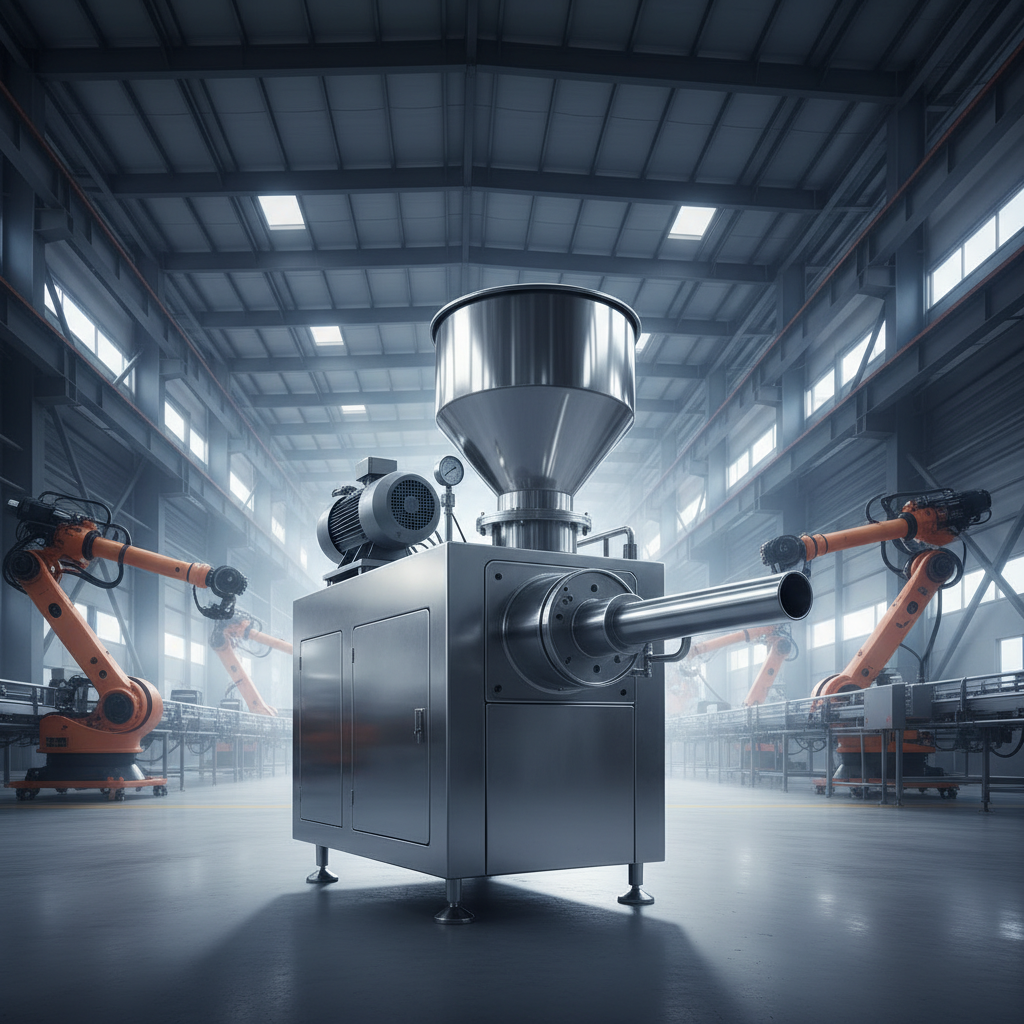
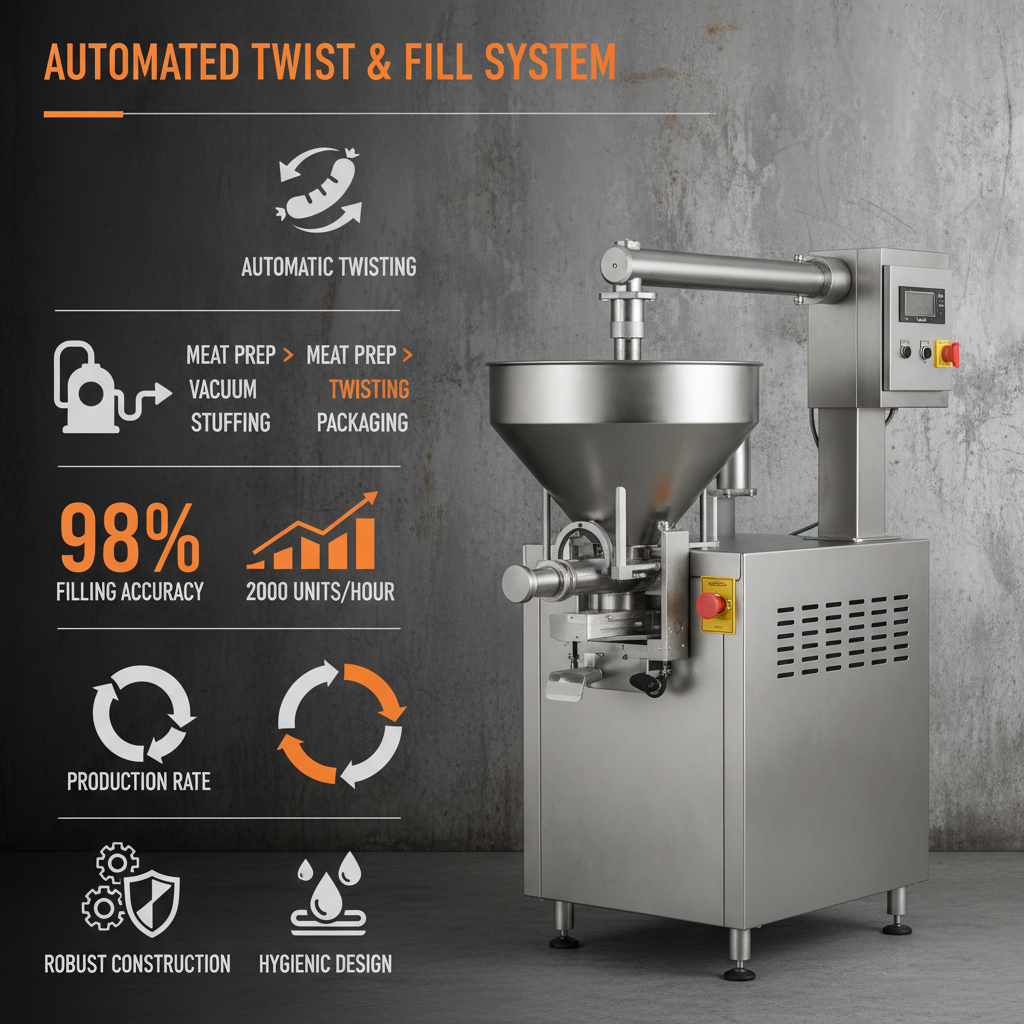
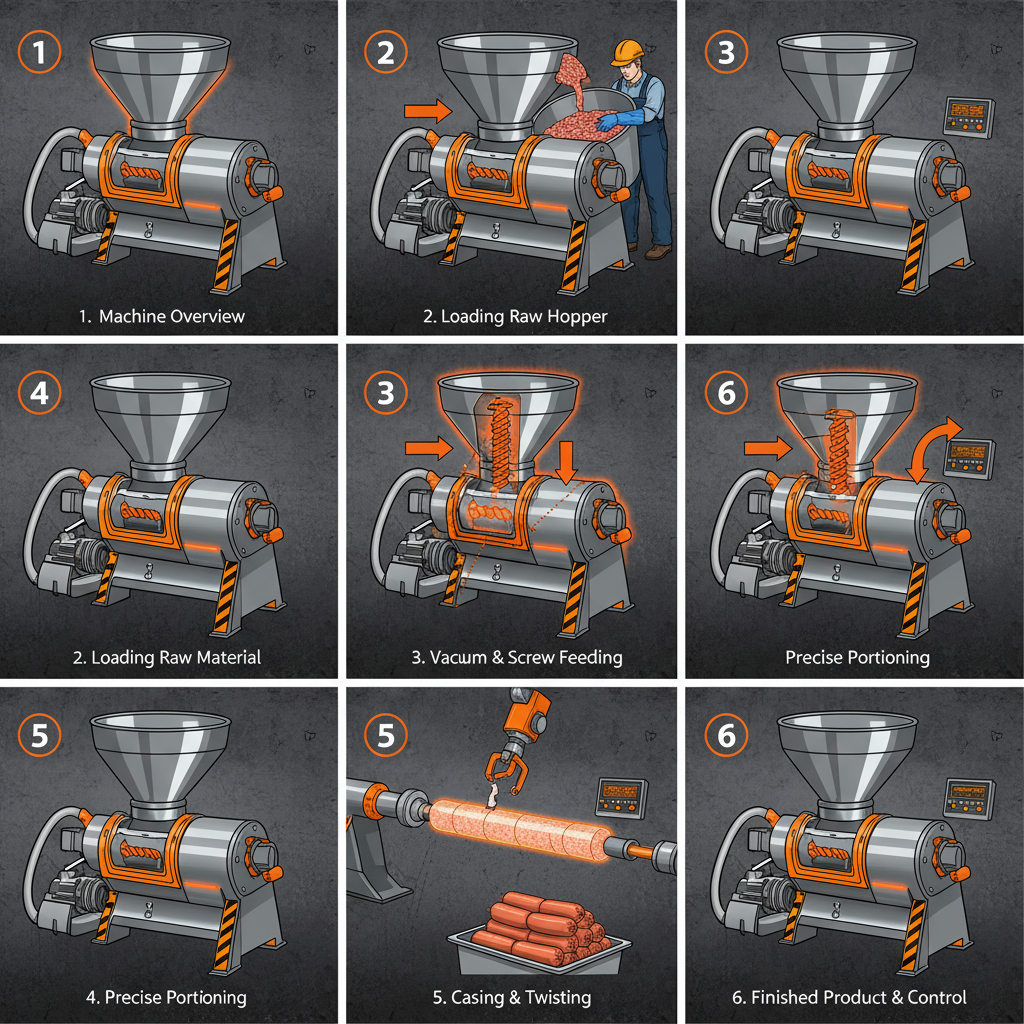
The humble vacuum stuffer, often overlooked, plays a crucial role in a surprisingly wide range of industries globally. From food processing and manufacturing to specialized applications in construction and even disaster relief, the ability to efficiently and hygienically fill containers is paramount. This technology isn’t just about speed; it's about maintaining product integrity, reducing waste, and ensuring consistency – factors that impact businesses and communities alike. Understanding the nuances of vacuum stuffers is therefore essential for anyone involved in these sectors, and increasingly important as global supply chains become more complex and demand for quality increases.
The relevance of the vacuum stuffer extends far beyond simply filling sausages. Modern manufacturing demands precision and control, and these machines deliver both. According to reports from the UN and the World Bank, efficient food processing and infrastructure development are key to achieving sustainable development goals. A reliable vacuum stuffer contributes directly to these aims by minimizing spoilage, optimizing resource use, and enabling the production of durable materials. The challenges of scaling production in emerging markets are often linked to the availability of reliable, efficient equipment – and vacuum stuffers are a vital component of that infrastructure.
The rising global population and increased focus on food safety create a continuous demand for advanced processing technologies like the vacuum stuffer. Industry standards, such as those set by the ISO, increasingly prioritize hygiene and efficiency in food production. These factors drive innovation in vacuum stuffer design and functionality, creating a constant need for adaptation and improvement within the industry. This ongoing evolution makes understanding these machines a critical skillset for professionals across numerous sectors.
The Core Principles of Vacuum Stuffer Technology
At its core, a vacuum stuffer operates on the principle of positive displacement. Unlike gravity-fed fillers, these machines utilize a piston or screw to actively push product into casings or containers, creating a dense and consistent fill. This is especially important for products like sausages and pates, where air pockets are undesirable. The vacuum component, achieved through a sealed chamber, removes air during the filling process, further enhancing product quality and shelf life.
The versatility of the vacuum stuffer stems from its adaptability to a diverse range of products, from delicate emulsions to chunky mixtures. Different impeller designs and control systems allow for precise adjustment of filling speed and pressure, catering to specific product characteristics. This flexibility makes them a preferred choice for food manufacturers, pharmaceutical companies, and even construction material producers.
The Global Impact of Vacuum Stuffers
The impact of vacuum stuffers extends far beyond individual businesses. In developing nations, access to efficient food processing equipment is crucial for reducing food waste and ensuring food security. By minimizing spoilage and enabling larger-scale production, these machines contribute to economic stability and improved public health. The World Health Organization (WHO) estimates that approximately one-third of all food produced globally is lost or wasted, a figure that could be significantly reduced with widespread adoption of advanced processing technologies.
Furthermore, the consistent quality and extended shelf life offered by vacuum-stuffed products facilitate international trade, opening up new markets for producers in emerging economies. The ability to meet stringent food safety standards, often a prerequisite for exporting to developed countries, is heavily reliant on reliable equipment like the vacuum stuffer. This impact is particularly pronounced in the meat processing industry, where the demand for consistent, high-quality products is consistently growing.
The automation capabilities of modern vacuum stuffers also address labor shortages in many regions, increasing efficiency and reducing operational costs. This is particularly relevant in countries experiencing demographic shifts or facing challenges in attracting and retaining skilled workers in the manufacturing sector.
Defining the Vacuum Stuffer: A Modern Tool
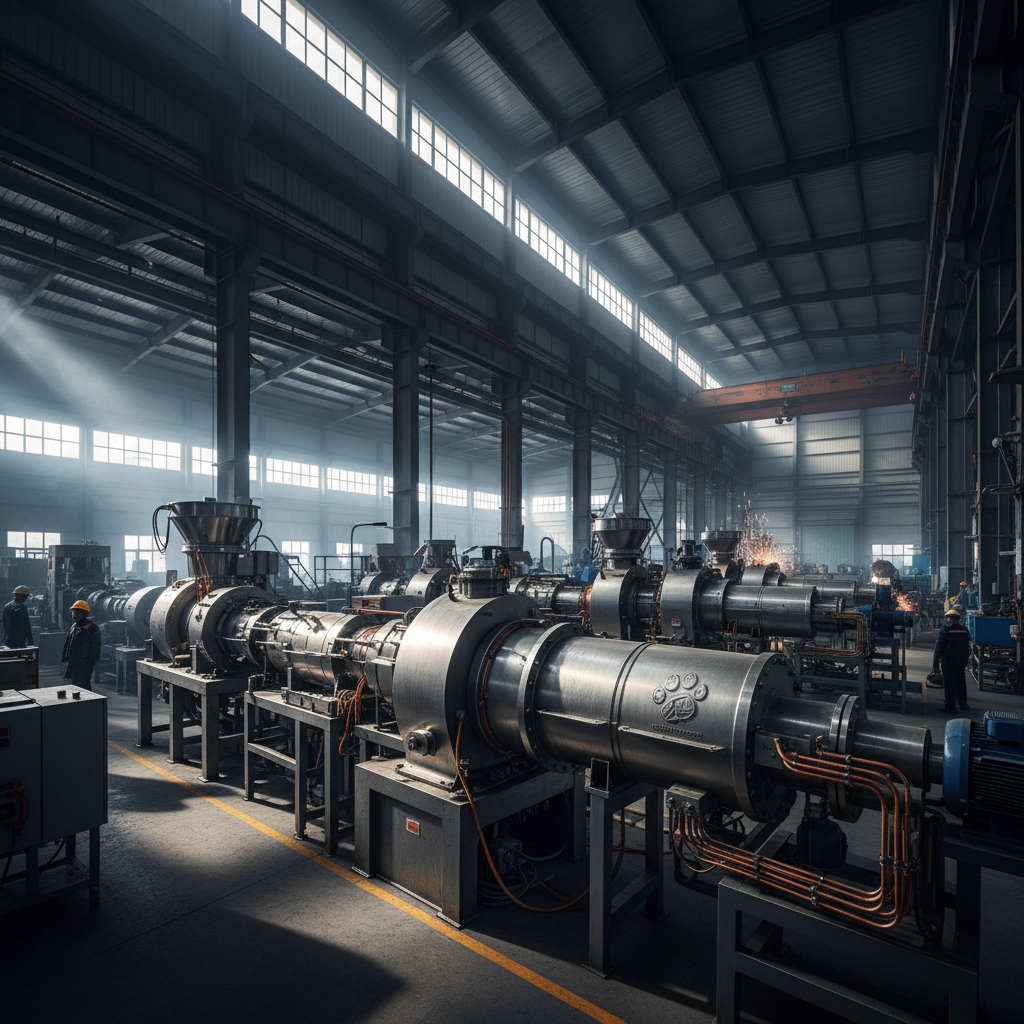
A vacuum stuffer is a specialized piece of equipment designed to fill casings, containers, or molds with a product while simultaneously removing air. This process not only ensures a consistent and dense fill but also extends the product's shelf life by minimizing oxidation and the growth of spoilage bacteria. Originally developed for the meat processing industry, the vacuum stuffer has found applications in various sectors, showcasing its versatile design.
The connection to modern industry and humanitarian needs is increasingly apparent. In food production, it allows for the creation of high-quality, consistently sized products. In humanitarian settings, portable and robust vacuum stuffers can be used to package nutritious food aid, ensuring its stability and longevity during transport and storage. The inherent hygienic design of modern vacuum stuffers also aligns with the growing emphasis on food safety standards globally.
Beyond food, vacuum stuffers are employed in the pharmaceutical industry to fill sterile containers with precise dosages, and in construction, they can be used to inject specialized grouts and resins into structures. This diverse range of applications underscores the fundamental value of the machine: controlled, efficient, and hygienic filling.
Key Factors Influencing Vacuum Stuffer Performance
Several core aspects determine the effectiveness and suitability of a vacuum stuffer for a given application. Durability is paramount, as these machines often operate in demanding environments and require a long service life. Scalability, the ability to adjust capacity to meet changing production needs, is also critical, especially for growing businesses.
Cost-efficiency is another key consideration, encompassing both the initial investment and ongoing maintenance expenses. However, true cost-efficiency extends beyond price; it includes factors like reduced waste, increased throughput, and lower labor costs. Hygiene and ease of cleaning are also vital, particularly in the food and pharmaceutical industries, where strict sanitation standards must be maintained. Finally, automation features, such as programmable logic controllers (PLCs), enhance precision, consistency, and operator safety.
Vacuum Stuffer Performance Metrics
Real-World Applications of Vacuum Stuffers
The food processing industry remains the primary domain for vacuum stuffers. These machines are essential for producing sausages, pates, processed meats, and even certain types of cheeses. The precision and hygiene they provide are vital for meeting food safety regulations and consumer expectations. In post-disaster relief operations, compact and portable vacuum stuffers can be used to package food rations, ensuring their stability and preventing spoilage during transportation and storage.
Beyond food, the pharmaceutical industry utilizes vacuum stuffers to fill sterile vials and syringes with precise dosages of medications. The ability to maintain a completely sealed and controlled environment is crucial for preserving the integrity of pharmaceutical products. In remote industrial zones, these machines are employed to inject adhesives, sealants, and other compounds into various structures and components.
Advantages and the Long-Term Value Proposition
The tangible benefits of investing in a vacuum stuffer are numerous. Reduced product waste, increased throughput, and lower labor costs all contribute to significant cost savings. The enhanced shelf life of vacuum-stuffed products minimizes spoilage and allows for wider distribution. Sustainability is also a key advantage, as reduced waste translates to a smaller environmental footprint.
Beyond the purely economic benefits, the vacuum stuffer offers compelling emotional and logical advantages. Ensuring food safety and quality builds trust with consumers. Providing nutritious and stable food aid promotes dignity and improves public health. The precision and reliability of these machines foster innovation and enhance operational efficiency.
Future Trends and Innovations in Vacuum Stuffers
The future of vacuum stuffer technology is likely to be shaped by several key trends. Increased automation, driven by advancements in robotics and artificial intelligence, will lead to more efficient and precise filling operations. The integration of digital sensors and data analytics will enable real-time monitoring of performance and predictive maintenance, minimizing downtime.
Sustainability will continue to be a driving force, with a growing emphasis on energy-efficient designs and the use of eco-friendly materials. The development of modular and portable vacuum stuffers will expand their applicability in remote locations and disaster relief scenarios. Furthermore, advancements in cleaning and sanitization technologies will enhance hygiene and reduce the risk of contamination.
The incorporation of Industry 4.0 principles, such as cloud connectivity and remote diagnostics, will transform vacuum stuffers into intelligent components of the broader manufacturing ecosystem. These innovations will not only improve efficiency and reliability but also unlock new possibilities for product development and customization.
Summary of Key Vacuum Stuffer Challenges and Solutions
| Challenge Area |
Specific Issue |
Proposed Solution |
Implementation Difficulty (1-10) |
| Maintenance |
Frequent component wear and tear |
Implementation of predictive maintenance programs using sensor data |
6 |
| Hygiene |
Difficult-to-clean areas promoting bacterial growth |
Redesign of machine components to eliminate crevices and facilitate thorough cleaning |
7 |
| Automation |
Limited integration with other production line systems |
Development of open communication protocols for seamless data exchange |
5 |
| Product Variety |
Difficulty handling products with varying viscosities and consistencies |
Implementation of adjustable impeller designs and flow control systems |
4 |
| Energy Consumption |
High energy usage during operation |
Optimization of motor efficiency and implementation of energy-saving modes |
3 |
| Operator Training |
Steep learning curve for new operators |
Development of interactive training programs and user-friendly interfaces |
2 |
FAQS
Vacuum stuffers offer several advantages over traditional methods. They provide a more consistent fill, minimizing air pockets and ensuring uniform product density. The vacuum process extends shelf life by reducing oxidation and inhibiting bacterial growth. Furthermore, vacuum stuffers are generally faster and more hygienic than manual filling, reducing labor costs and improving product safety. For industries prioritizing product quality and efficiency, a vacuum stuffer is a worthwhile investment.
Selecting the appropriate size vacuum stuffer depends on several factors, including production volume, product type, and casing size. Consider your peak production demands and choose a machine with a capacity that can comfortably accommodate them. Also, factor in the viscosity and consistency of your product, as thicker mixtures may require more powerful machines. Consulting with a reputable supplier is recommended to ensure you select a stuffer that aligns with your specific requirements.
Regular maintenance is crucial for extending the lifespan and maintaining the efficiency of your vacuum stuffer. This includes daily cleaning and sanitation, lubrication of moving parts, and periodic inspection of seals and gaskets. Following the manufacturer's recommended maintenance schedule is essential. Implementing a preventative maintenance program can help identify and address potential issues before they lead to costly downtime.
Yes, vacuum stuffers are versatile and compatible with a wide range of casing materials, including natural casings, collagen casings, fibrous casings, and plastic casings. However, it’s important to select the appropriate filling attachments and adjust the machine settings to suit the specific casing type. Some casings may require gentler handling to prevent damage, while others can withstand higher filling pressures.
Modern vacuum stuffers incorporate several safety features to protect operators. These include emergency stop buttons, safety interlocks that prevent operation when guards are removed, and overload protection systems. Many machines also feature automatic shut-off mechanisms to prevent damage from overfilling or malfunctioning. Proper training and adherence to safety protocols are essential for ensuring a safe working environment.
The ROI for a vacuum stuffer varies depending on production volume, labor costs, and product type. However, the benefits of increased efficiency, reduced waste, and improved product quality typically result in a significant ROI within 1-3 years. The automation capabilities of modern machines can further reduce labor costs and enhance overall profitability. A thorough cost-benefit analysis should be conducted to determine the potential ROI for your specific application.
Conclusion
In conclusion, the vacuum stuffer is a versatile and essential piece of equipment with a far-reaching impact on various industries. From enhancing food safety and security to enabling efficient manufacturing processes and supporting humanitarian aid efforts, its benefits are both tangible and significant. Understanding the core principles of operation, key performance factors, and future trends is crucial for maximizing its value.
Looking ahead, the continued innovation in vacuum stuffer technology promises even greater efficiency, sustainability, and versatility. By embracing automation, data analytics, and eco-friendly designs, the industry can further enhance its contribution to a more productive and sustainable future. We invite you to explore our range of vacuum stuffers at www.ycmeatmech.com and discover how we can help you optimize your operations.