The global demand for processed meats is consistently rising, driven by factors like population growth, changing dietary preferences, and increasing urbanization. Within this market, efficient and hygienic sausage production is paramount. This is where the importance of a quality vacuum sausage filler for sale becomes undeniable. Modern food processing demands equipment that not only maximizes output but also ensures product safety and consistency. Understanding the nuances of these machines, from their core components to their global applications, is crucial for businesses looking to thrive in the competitive meat processing industry.
Investing in a reliable vacuum sausage filler for sale isn’t just about enhancing production capacity; it's about adhering to stringent food safety standards. Vacuum filling eliminates air pockets within the sausage casing, leading to a more uniform product, improved shelf life, and reduced risk of spoilage. This directly translates to lower waste, increased profitability, and a stronger brand reputation. Furthermore, advancements in vacuum filler technology are addressing challenges like reducing energy consumption and minimizing maintenance downtime.
The proliferation of international food regulations, coupled with evolving consumer expectations for high-quality, safe, and sustainably produced food products, necessitates a shift towards advanced processing equipment. Choosing the right vacuum sausage filler for sale can be the defining factor in a company’s ability to meet these demands and establish a leadership position within the market.
Understanding Vacuum Sausage Fillers
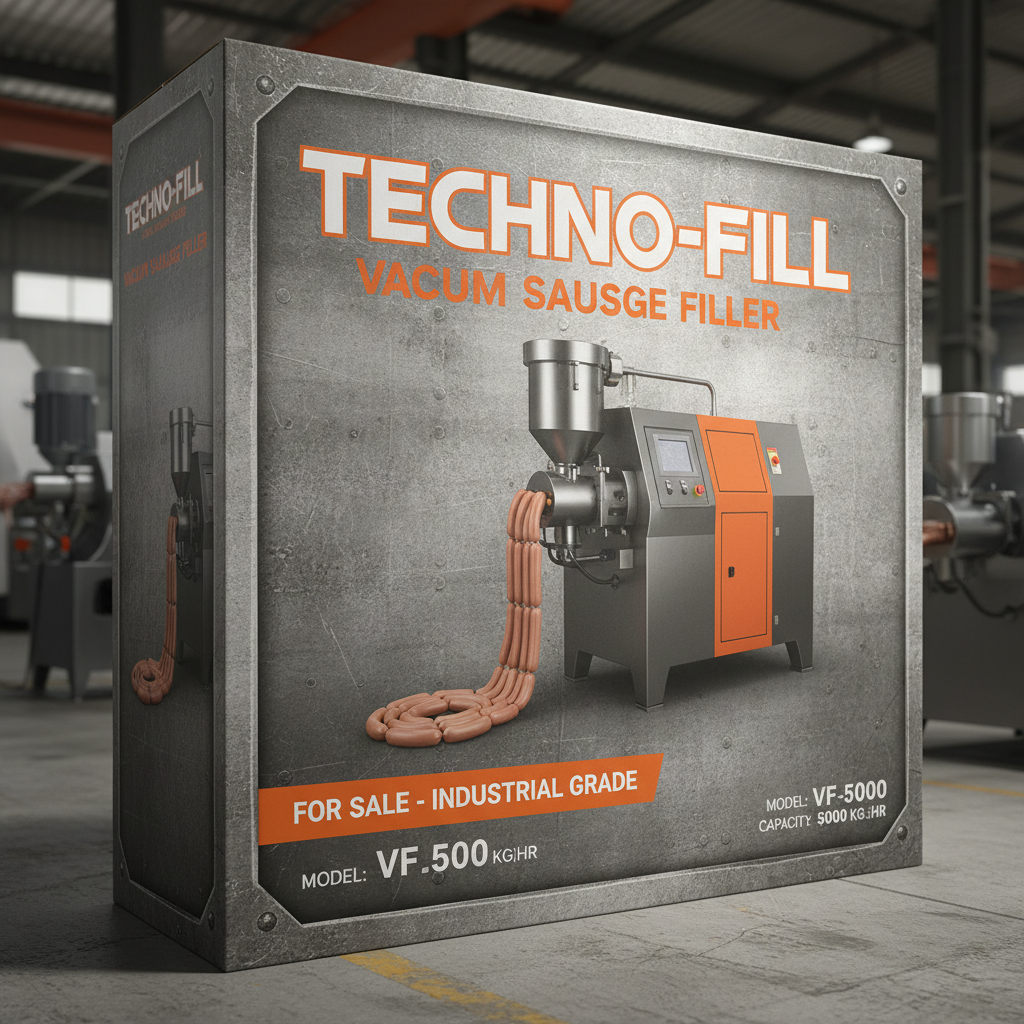
A vacuum sausage filler is a specialized piece of equipment used in the meat processing industry to efficiently and hygienically fill sausage casings with meat mixtures. Unlike traditional fillers, these machines remove air from the sausage mixture during the filling process. This results in a denser, more consistent product with a longer shelf life. Vacuum sausage fillers for sale come in a range of sizes and capabilities, from small-scale models for artisanal producers to large, high-capacity machines for industrial processing.
The core principle behind vacuum filling is the creation of a negative pressure environment within the filler and casing. This process not only eliminates air pockets, which can lead to oxidation and bacterial growth, but also ensures a tighter pack, preventing casing rupture and maintaining the desired sausage shape. Choosing the appropriate vacuum filler is critical for maintaining product quality and meeting evolving industry standards.
The Global Sausage Industry and Vacuum Filling
The global sausage market is a multi-billion dollar industry, with significant regional variations in consumption patterns and preferred sausage types. According to market research, the industry is expected to continue growing, driven by factors such as increasing disposable incomes and a growing demand for convenient, protein-rich food options. This growth is placing increasing pressure on manufacturers to optimize their production processes and enhance product quality.
Vacuum filling technology has become indispensable in meeting these challenges. Countries with stringent food safety regulations, such as those in the European Union and North America, have witnessed rapid adoption of vacuum sausage fillers. Furthermore, the demand for vacuum-filled sausages is rising in emerging markets as consumers become more aware of the benefits of improved product quality and extended shelf life.
The impact extends beyond just consumer products; vacuum sausage fillers are crucial for producing high-quality meat products for institutional feeding programs, catering services, and food aid organizations, where shelf stability and nutritional value are critical considerations. Investing in a vacuum sausage filler for sale is, therefore, a strategic move for businesses operating within this dynamic global landscape.
Defining Vacuum Sausage Fillers
A vacuum sausage filler, at its core, is a machine designed to precisely and efficiently fill sausage casings with meat emulsions, while simultaneously removing air. This is achieved through a carefully controlled vacuum system that creates a negative pressure within the filling chamber and the casing itself. This process is not merely about speed; it's about achieving a consistent, high-quality product that meets stringent food safety standards.
The term “vacuum” in this context refers to the partial removal of air, not the creation of a complete vacuum. The level of vacuum can be adjusted depending on the type of sausage being produced and the desired texture. Different types of vacuum sausage fillers cater to specific needs – some are designed for large-scale industrial production, while others are more suited for smaller artisanal operations. Understanding these distinctions is vital when considering a vacuum sausage filler for sale.
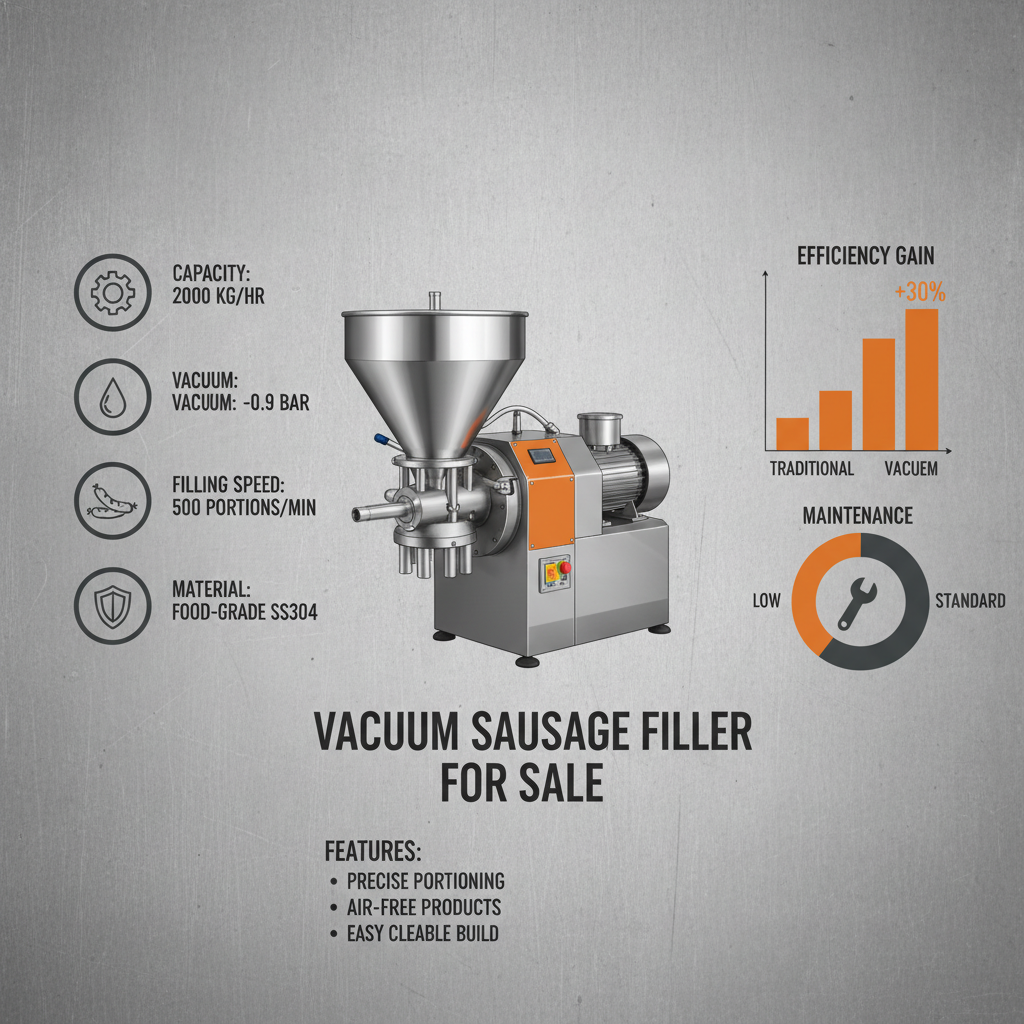
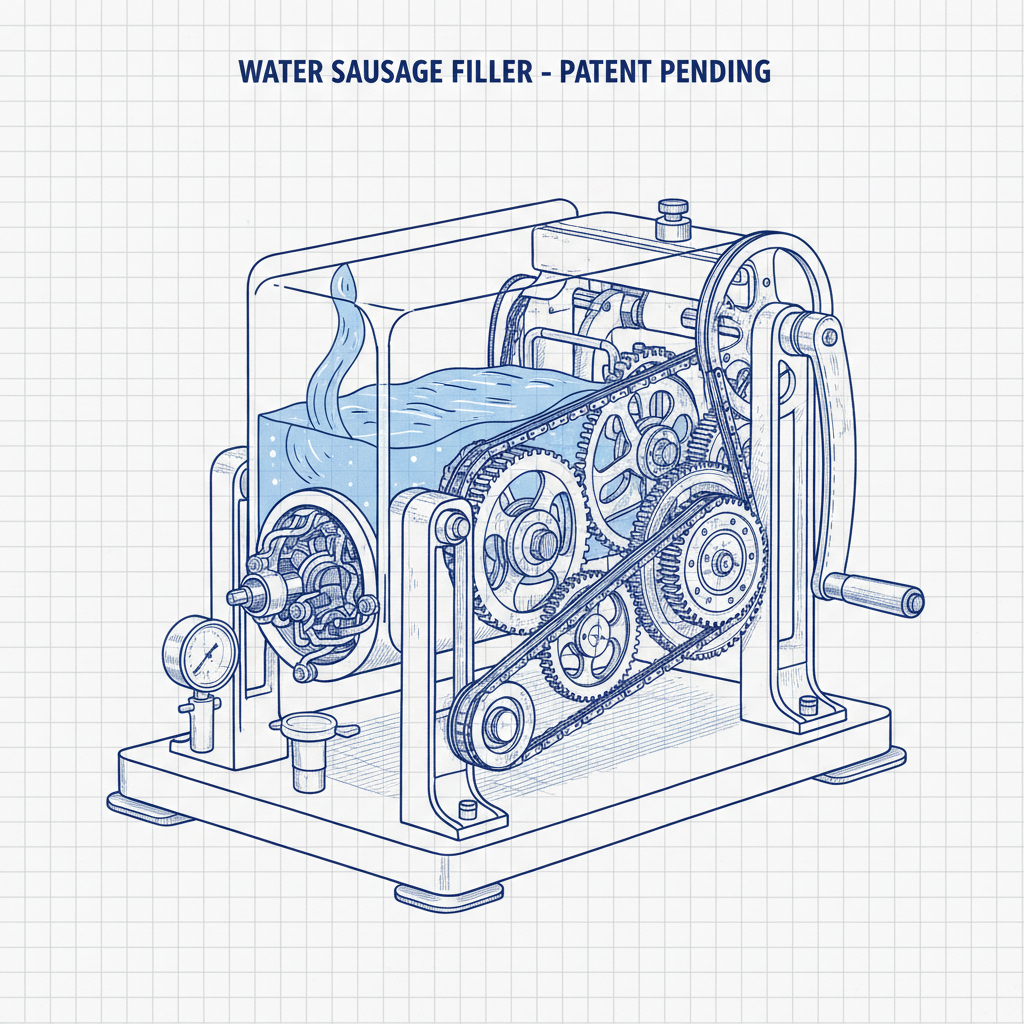
Key components typically include a hopper for holding the meat mixture, a vacuum pump to create the negative pressure, a filling nozzle, and a control system for regulating the filling process. Modern machines often incorporate features like programmable logic controllers (PLCs) for precise control, automatic casing detection, and self-cleaning capabilities, enhancing both efficiency and hygiene.
Key Factors in Selecting a Vacuum Sausage Filler
Choosing the right vacuum sausage filler for sale requires careful consideration of several key factors. First and foremost is capacity – how much sausage do you need to produce per hour? This will dictate the size and power of the machine required. Secondly, consider the types of sausages you’ll be producing. Different casings and meat mixtures require different filling pressures and nozzle configurations.
Durability and ease of maintenance are also crucial. Look for machines constructed from high-quality stainless steel, designed for long-term reliability and easy cleaning. A robust control system and readily available spare parts will minimize downtime and ensure continued productivity.
Vacuum Sausage Filler Performance Metrics
Global Applications of Vacuum Sausage Filling
Vacuum sausage filling is employed across a diverse range of applications globally. In large-scale commercial meat processing plants, these machines are integral to high-volume production of various sausage types, including fresh, cooked, smoked, and dry-cured varieties. These plants often require fully automated systems integrated into existing production lines.
Beyond large corporations, artisanal butchers and specialty sausage makers are increasingly adopting vacuum filling technology to enhance the quality and consistency of their products. The ability to create a denser, more visually appealing sausage is a key differentiator in a competitive market. Furthermore, the preservation benefits of vacuum filling are particularly valued by producers focusing on natural and organic products.
Advantages and Long-Term Value
The advantages of investing in a vacuum sausage filler for sale extend far beyond simple production efficiency. The elimination of air pockets not only improves product appearance and texture but also significantly extends shelf life, reducing waste and maximizing profitability. This is a crucial benefit in a market where consumers are increasingly conscious of food waste.
Moreover, vacuum filling contributes to enhanced food safety by minimizing the risk of bacterial contamination. The tighter pack reduces the surface area exposed to oxygen, inhibiting the growth of spoilage organisms. This translates to increased consumer trust and a stronger brand reputation, essential for long-term success.
The long-term value lies in reduced operational costs, improved product quality, increased market competitiveness, and adherence to evolving food safety regulations. A well-maintained vacuum sausage filler represents a strategic investment in the future of any meat processing business.
Future Trends and Innovations
The future of vacuum sausage filling is being shaped by several key trends, including automation, digitalization, and sustainability. Expect to see increasingly sophisticated machines with advanced sensor technology, real-time monitoring capabilities, and remote diagnostic features. These innovations will allow for greater precision, reduced downtime, and optimized performance.
Digital integration, including connectivity to cloud-based data analytics platforms, will enable manufacturers to track production metrics, identify areas for improvement, and optimize their processes in real-time. Furthermore, there’s a growing emphasis on developing more energy-efficient and environmentally friendly vacuum filling solutions, incorporating features like reduced water consumption and recyclable materials.
The integration of artificial intelligence (AI) and machine learning (ML) into vacuum filler control systems will enable predictive maintenance, preventing costly breakdowns and maximizing equipment lifespan. These advancements will solidify the role of vacuum sausage fillers for sale as essential components of modern, efficient, and sustainable food processing operations.
Summary of Key Considerations for Vacuum Sausage Filler Selection
| Production Capacity |
Sausage Variety |
Maintenance Requirements |
Automation Level |
| Small-scale: Up to 500kg/hour |
Limited to 2-3 standard sausage types |
Requires daily cleaning and lubrication |
Manual operation with minimal automation |
| Medium-scale: 500-2000kg/hour |
Adaptable to a wider range of sausage varieties |
Weekly maintenance with occasional repairs |
Semi-automatic with programmable controls |
| Large-scale: 2000+ kg/hour |
Capable of handling diverse and complex sausage recipes |
Automated cleaning and maintenance systems |
Fully automated with PLC control and remote monitoring |
| Batch size flexibility: 50-500kg |
Specialty sausages and customized recipes |
Simplified design for easy upkeep |
Basic automation for consistent filling |
| High throughput: Up to 1000kg/hour |
Standard sausage production with limited customization |
Moderate maintenance requirements |
Automated filling with adjustable settings |
| Continuous operation: 24/7 capability |
Large-scale production of standardized sausage products |
Minimal maintenance downtime with preventative measures |
Integrated with automated production lines |
FAQS
The payback period for a vacuum sausage filler typically ranges from 1 to 3 years, depending on factors such as production volume, existing efficiency levels, and the cost of the machine. The increased efficiency, reduced waste, and improved product quality offered by vacuum filling often lead to significant cost savings that quickly offset the initial investment. Calculating your specific ROI requires a detailed analysis of your current operations and projected benefits.
Modern vacuum sausage fillers are designed with hygiene and ease of maintenance in mind. Many models feature stainless steel construction, quick-release components, and integrated cleaning systems. Routine maintenance typically involves daily cleaning, lubrication of moving parts, and periodic inspection of seals and filters. Proper maintenance extends the machine’s lifespan and ensures consistent performance.
Vacuum sausage fillers are versatile and can be used to produce a wide variety of sausages, including fresh sausages, cooked sausages, smoked sausages, dry-cured sausages, and emulsified sausages. The machine's settings can be adjusted to accommodate different meat mixtures, casing types, and desired textures.
Vacuum filling offers several significant advantages over traditional methods. It eliminates air pockets, resulting in a denser, more uniform product with improved texture and shelf life. It also reduces the risk of oxidation and bacterial contamination, enhancing food safety. The automated process increases efficiency and reduces labor costs.
Yes, we provide comprehensive training and support services for all our vacuum sausage fillers. This includes on-site installation, operator training, preventative maintenance guidance, and readily available technical support. We are committed to ensuring our customers get the most out of their investment.
Our vacuum sausage fillers are equipped with multiple safety features to protect operators and prevent accidents. These include emergency stop buttons, safety guards, overload protection systems, and interlocks that prevent operation when safety devices are not in place. We adhere to strict safety standards in the design and manufacture of our machines.
Conclusion
In conclusion, the vacuum sausage filler for sale represents a critical investment for any modern meat processing operation. From enhancing product quality and extending shelf life to improving food safety and increasing production efficiency, the benefits are substantial and far-reaching. The technological advancements in this field are continually driving innovation, leading to more automated, efficient, and sustainable solutions.
As the global demand for processed meats continues to grow, embracing vacuum filling technology will be essential for businesses to remain competitive and meet evolving consumer expectations. We encourage you to explore the diverse range of vacuum sausage fillers for sale available and partner with a trusted supplier to find the optimal solution for your specific needs. Visit our website at www.ycmeatmech.com to learn more.