The global demand for efficient food production is constantly rising, driven by a growing population and evolving consumer preferences. Within this landscape, the role of specialized machinery, such as the square burger patty maker, is becoming increasingly vital. These machines address critical needs in the food processing industry – consistency, speed, hygiene, and the ability to meet specific market requirements. Understanding the intricacies of square burger patty makers, their applications, and their future potential is crucial for businesses aiming to thrive in the competitive food sector.
The modern food industry demands precision and scalability. Traditional methods of patty forming often struggle to deliver uniformity in size, shape, and weight, leading to inconsistent cooking and potential waste. A square burger patty maker offers a solution by automating this process, significantly reducing human error and maximizing production output. This translates directly into cost savings and improved product quality for businesses ranging from small restaurants to large-scale food manufacturers.
Beyond efficiency gains, the implementation of a square burger patty maker aligns with contemporary food safety standards. Automated systems minimize manual handling, reducing the risk of contamination and ensuring a more hygienic production environment. Furthermore, the ability to consistently produce perfectly shaped patties contributes to enhanced presentation and consumer appeal, ultimately driving sales and brand loyalty.
Introduction to square burger patty maker
A square burger patty maker represents a significant advancement in food processing technology, designed to automate and optimize the creation of burger patties. Unlike traditional methods relying heavily on manual labor, these machines utilize mechanical and, increasingly, automated systems to consistently produce perfectly formed, square-shaped patties. This ensures uniform cooking, reduces waste, and streamlines the overall production process, making it invaluable for businesses needing high-volume, consistent results.
The demand for square burger patties is driven by several factors, including efficiency in stacking and packaging, optimal use of grill space, and a perceived premium quality due to the precise shape. Consequently, a reliable square burger patty maker is no longer a luxury, but a necessity for many food service and processing operations seeking to improve profitability and maintain a competitive edge.
Defining the square burger patty maker
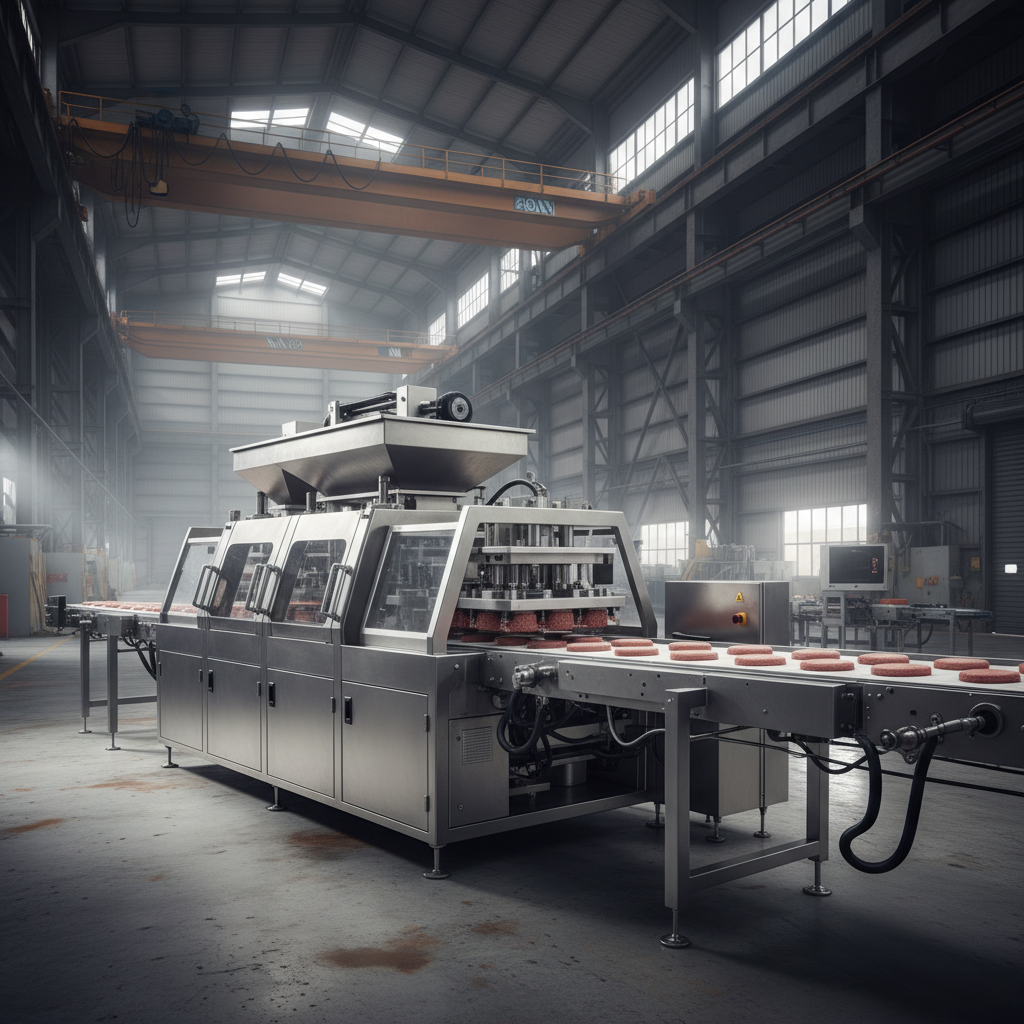
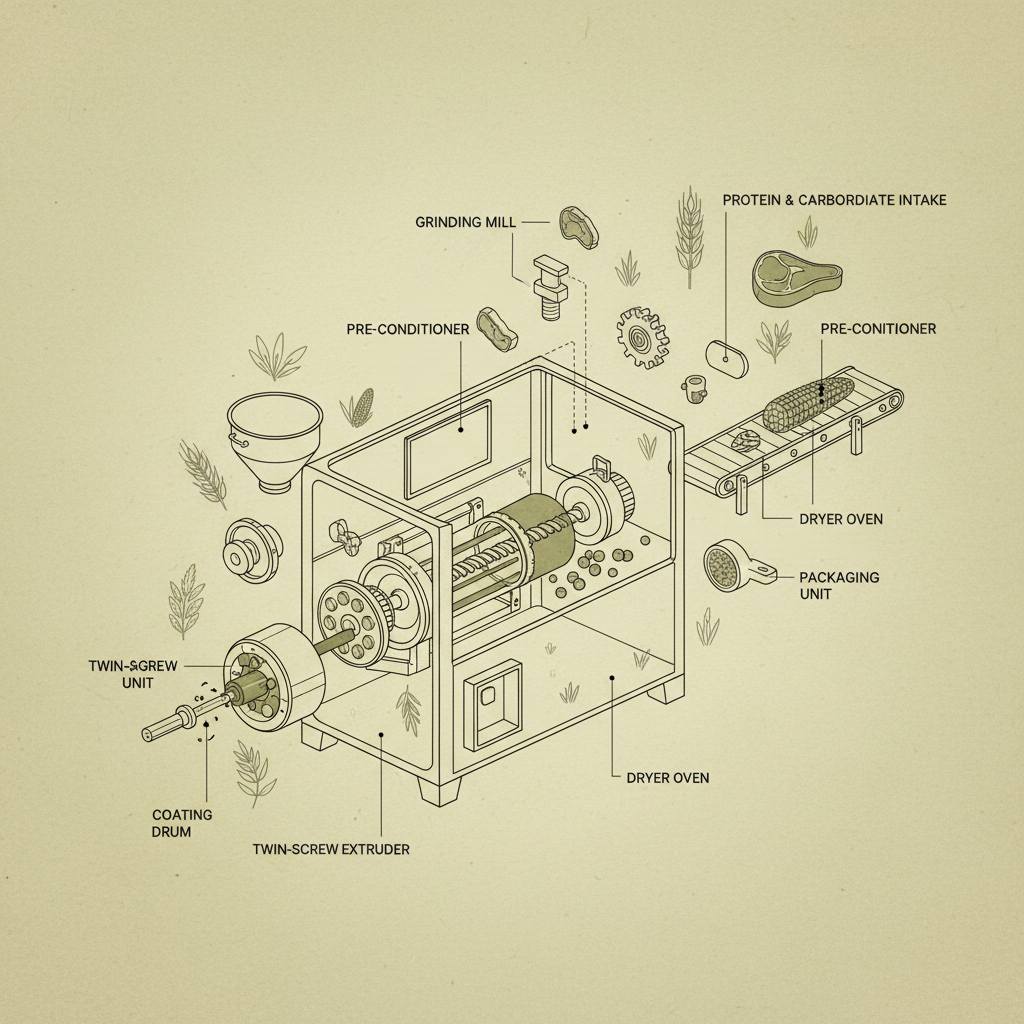
A square burger patty maker is a specialized piece of food processing equipment engineered to form ground meat (or alternative protein sources) into consistently shaped, square patties. These machines come in various configurations, ranging from semi-automatic models requiring some manual operation to fully automatic systems capable of continuous, high-volume production. Core components typically include a hopper for meat input, a forming mechanism, a discharge conveyor, and often, a weighing system for precise portion control.
The connection to modern industry lies in its embodiment of automation and efficiency, mirroring broader trends in manufacturing and food processing. It directly addresses the need for standardized product quality, reduced labor costs, and increased throughput. Moreover, the design facilitates efficient packaging and stacking, optimizing logistics and minimizing storage space.
In terms of humanitarian needs, while not directly involved in disaster relief, the underlying principle of automated food processing contributes to overall food security by increasing production efficiency and reducing waste, enabling more food to be produced with fewer resources. The reliability and consistency offered by a square burger patty maker can be particularly valuable in large-scale feeding programs or institutional kitchens.
Key Components and Functionality
The core functionality of a square burger patty maker revolves around its forming mechanism. This typically involves a reciprocating die set – a square mold that compresses the meat into the desired shape. The machine precisely controls the amount of meat deposited into each mold, ensuring consistent weight and thickness. The hopper, feeding the meat into the forming mechanism, is designed to ensure a consistent flow of product, preventing jams and maintaining production speed.
Beyond the forming mechanism, the discharge conveyor is critical for removing the formed patties from the machine, preventing them from sticking together and facilitating efficient collection. More advanced models integrate weighing systems that automatically adjust the meat deposition amount to maintain precise portion control, minimizing waste and ensuring compliance with labeling regulations. Cleaning and sanitation features, such as easily removable parts and stainless steel construction, are also vital components, contributing to food safety and hygiene.
Modern square burger patty maker designs often include programmable logic controllers (PLCs) allowing for customizable settings, such as patty weight, production speed, and automatic shut-off features. These controls enhance flexibility and allow operators to optimize the machine's performance for different types of meat or alternative protein sources.
Performance Metrics of square burger patty maker
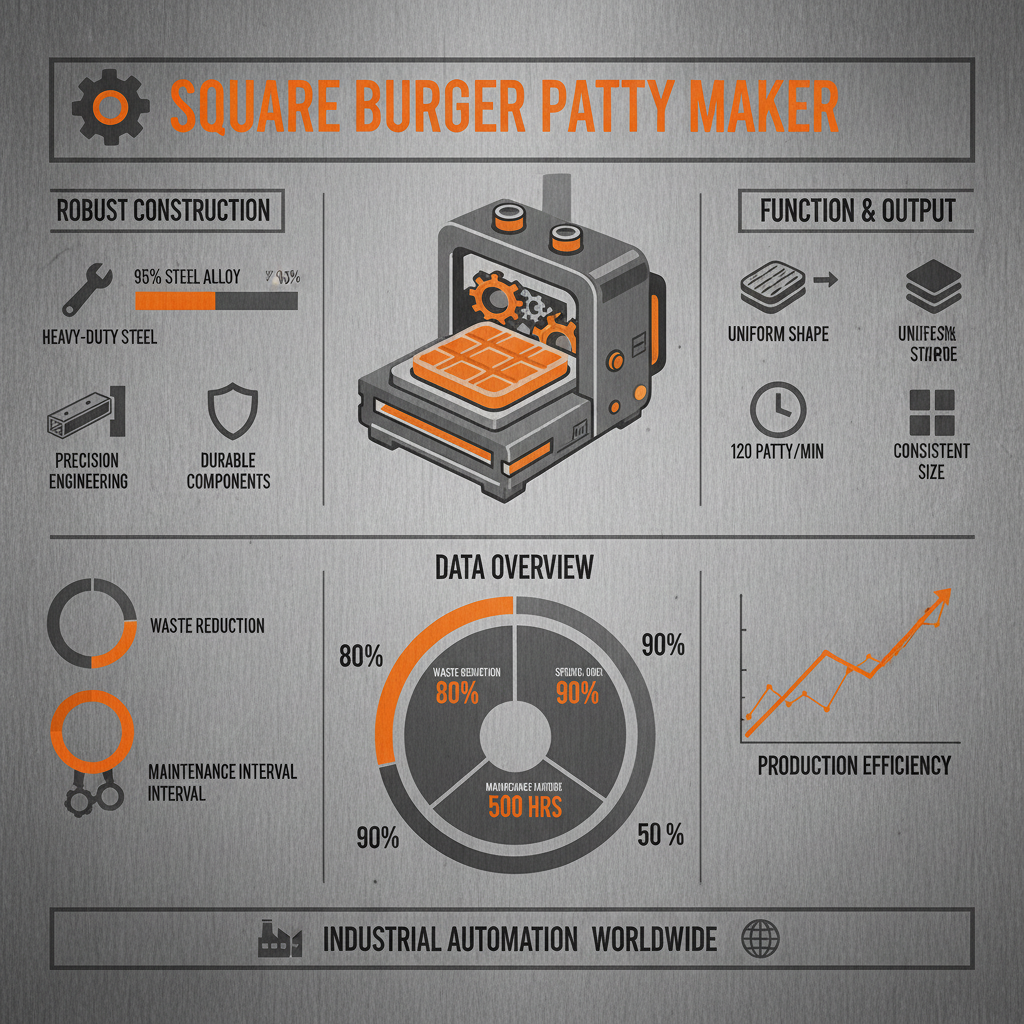
Evaluating the performance of a square burger patty maker involves several key metrics. Production capacity, measured in patties per minute, is a primary indicator of efficiency. However, it must be considered in conjunction with patty weight consistency – the ability to produce patties within a narrow weight range is crucial for portion control and cost management.
Another critical metric is the level of waste generated during operation. Minimizing trim loss and ensuring accurate portioning directly impacts profitability. Furthermore, the machine's uptime – the percentage of time it is operational versus undergoing maintenance or repair – is a key indicator of reliability. A low uptime can significantly disrupt production schedules.
Finally, sanitation and ease of cleaning are crucial performance indicators. The time required for disassembly, cleaning, and reassembly directly affects overall efficiency and adherence to food safety standards.
square burger patty maker Performance Comparison
Global Applications in Food Production
The applications of a square burger patty maker are widespread across the global food production landscape. Large-scale meat processing plants utilize these machines to meet the demands of fast-food chains and supermarkets, ensuring a consistent supply of high-quality patties. Restaurants and catering services also benefit from the ability to produce patties in-house, maintaining control over ingredient quality and portion sizes.
In regions with a high demand for fast food, such as North America and parts of Asia, the efficiency of these machines is particularly crucial. In developing countries, square burger patty maker can contribute to improved food processing infrastructure, enabling local producers to meet growing consumer demand. Even in smaller, artisanal food businesses, these machines can provide a competitive edge by automating a traditionally labor-intensive process.
Advantages and Long-Term Value
The tangible benefits of investing in a square burger patty maker are numerous. Cost savings are realized through reduced labor requirements, minimized waste, and increased production throughput. Sustainability is enhanced by optimizing resource utilization and reducing the environmental impact of food processing. Socially, the machine contributes to improved worker safety by automating a potentially repetitive and physically demanding task.
Beyond these practical advantages, the long-term value lies in the increased reliability and consistency of product quality, leading to enhanced brand reputation and customer loyalty. The peace of mind that comes with knowing production is standardized and meets strict food safety standards fosters trust with consumers and regulatory bodies. This ultimately translates to sustained profitability and a competitive advantage in the market.
The emotional benefits for business owners stem from the confidence and control they gain over their production processes. Knowing that they can consistently deliver a high-quality product builds a sense of pride and strengthens their market position.
Future Trends and Innovations
The future of square burger patty maker technology is poised for significant advancements. Integration with artificial intelligence (AI) and machine learning will enable predictive maintenance, optimizing machine performance and minimizing downtime. Advanced sensor technology will provide real-time data on meat quality and consistency, allowing for automated adjustments to the forming process.
Furthermore, the development of more sustainable materials and energy-efficient designs will align with growing environmental concerns. The exploration of alternative protein sources, such as plant-based meats, will drive innovation in patty forming technology, requiring machines capable of handling a wider range of ingredients. Automation, digital transformation, and a focus on sustainability will be key drivers of this evolution.
The incorporation of robotic arms for automated loading and unloading of the machine, alongside fully integrated cleaning systems, will further enhance efficiency and reduce labor costs. These advancements will position square burger patty maker as a critical component of the future food processing landscape.
FAQS
Regular maintenance of a square burger patty maker involves daily cleaning of the forming die, conveyor system, and hopper. Weekly inspections should include checking for worn parts, lubricating moving components, and verifying sensor accuracy. Annual preventative maintenance, performed by a qualified technician, is recommended to ensure optimal performance and longevity of the machine. Proper cleaning prevents buildup and contamination, while regular inspections identify potential issues before they escalate.
Most modern square burger patty makers are designed to handle a variety of meat types, including beef, pork, chicken, and turkey. However, the specific capabilities depend on the machine's design and settings. Some machines require adjustments to the forming pressure and conveyor speed to accommodate different meat consistencies. It is essential to consult the manufacturer's specifications and guidelines to ensure compatibility with the desired meat type. Properly adjusting settings guarantees the patty’s integrity and the machine's performance.
The payback period for a square burger patty maker varies depending on production volume, labor costs, and waste reduction. However, most businesses can expect to see a return on investment within 12 to 24 months. The savings from reduced labor, minimized waste, and increased production efficiency typically offset the initial investment cost. Conducting a thorough cost-benefit analysis based on specific operational factors is crucial for accurately determining the payback period.
Square burger patty makers incorporate several safety features to protect operators. These commonly include emergency stop buttons, safety guards around moving parts, and interlocks that prevent operation when guards are removed. Modern machines may also feature overload protection and automatic shut-off mechanisms to prevent damage and ensure operator safety. Regular safety inspections and adherence to the manufacturer's safety guidelines are essential.
Ease of cleaning and sanitation is a crucial consideration. Most high-quality square burger patty makers are designed with readily removable parts made from stainless steel, making cleaning straightforward. Many models are also compatible with high-pressure cleaning systems. Following the manufacturer's cleaning instructions and using appropriate cleaning agents are essential for maintaining hygiene and preventing contamination. Regular and thorough cleaning is vital for food safety.
The optimal size of a square burger patty maker depends on your production volume and space constraints. Small businesses or restaurants with low-volume needs may opt for a semi-automatic model. High-volume food processing plants will likely require a fully automatic, high-capacity machine. Consider your current and projected production demands, available floor space, and budget when selecting a machine. Scaling is also a consideration; you might start smaller and upgrade later.
Conclusion
The square burger patty maker represents a pivotal technology in modern food production. By automating and optimizing the patty-forming process, these machines deliver significant benefits in terms of efficiency, consistency, and food safety. From streamlining large-scale operations to empowering smaller businesses, the impact of this technology is far-reaching, contributing to a more efficient and reliable food supply chain.
Looking ahead, continued innovation in automation, AI integration, and sustainable design will further enhance the capabilities of these machines, solidifying their role as an indispensable asset in the food processing industry. Investing in a square burger patty maker is not merely acquiring a piece of equipment; it's embracing a future of optimized production, enhanced quality, and sustained profitability. Visit our website at www.ycmeatmech.com to learn more about how our solutions can transform your food processing operations.