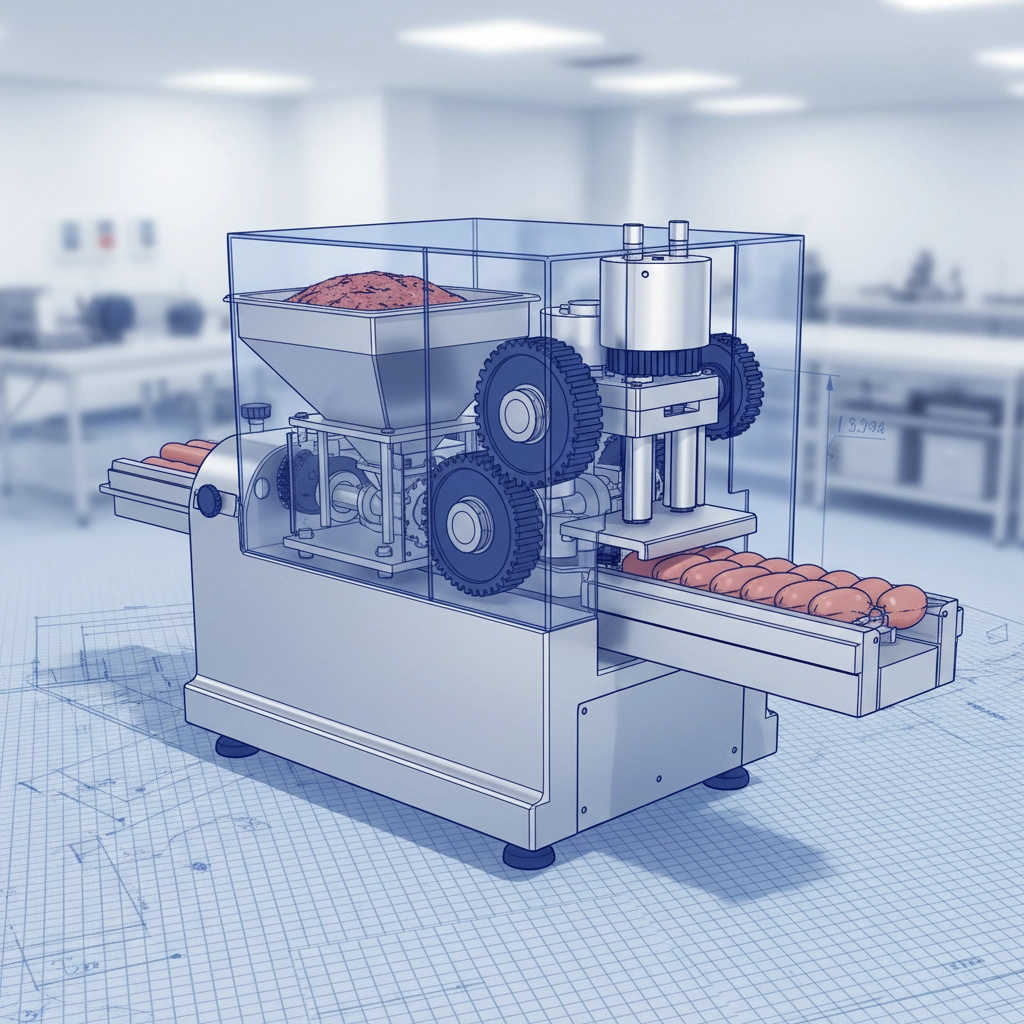
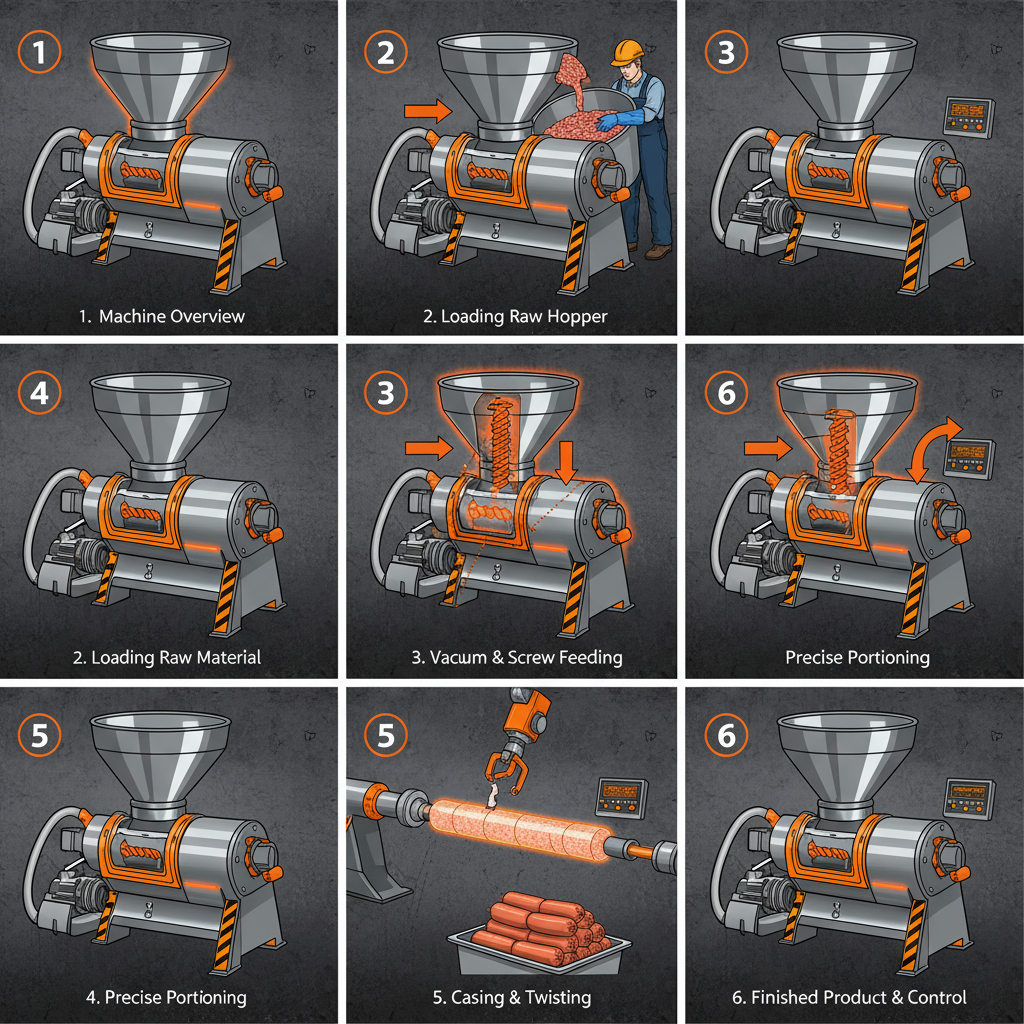
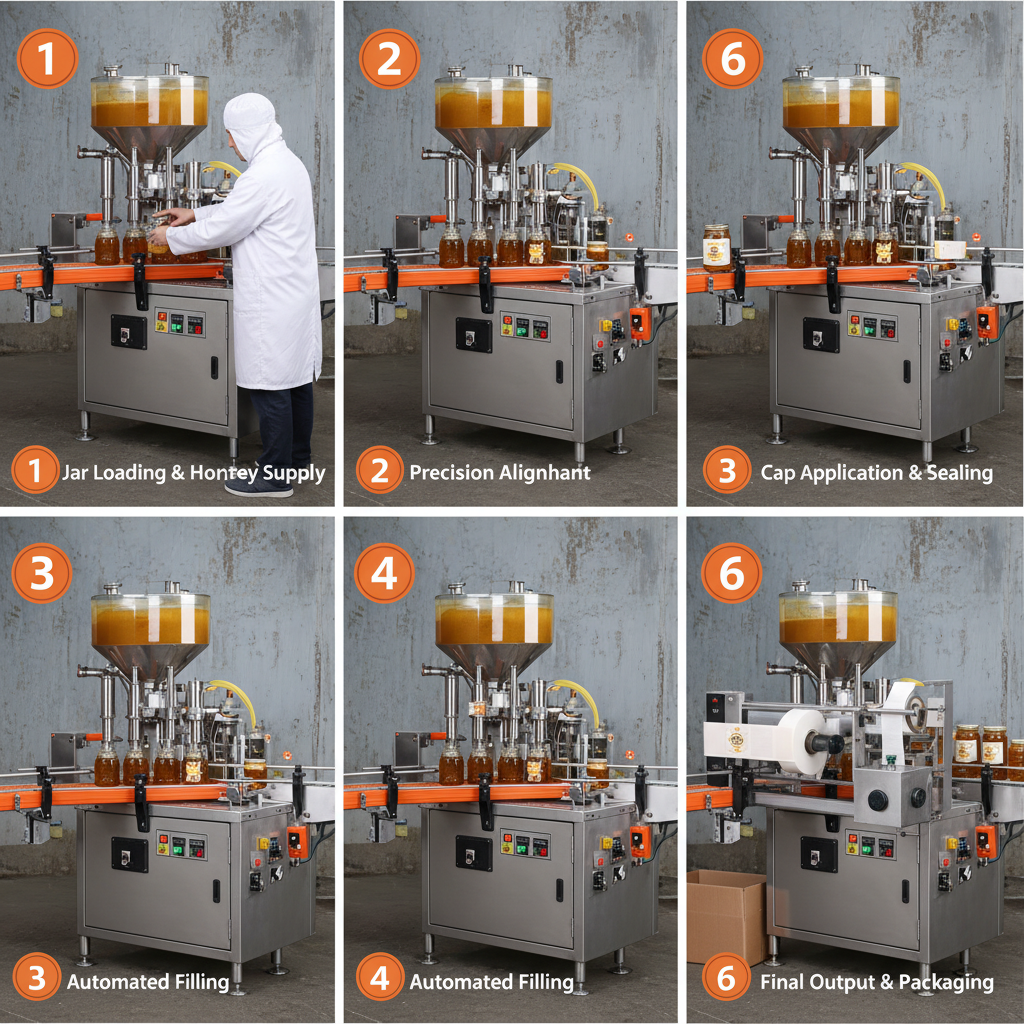
In the competitive landscape of modern meat processing, precision and efficiency are the cornerstones of profitability. A benchtop filling machine serves as a critical bridge for small to medium-sized enterprises (SMEs) and artisanal producers who require industrial-grade accuracy without the massive footprint of a full-scale production line. By automating the portioning of emulsions, pastes, and minced meat products, these machines ensure consistency that manual filling simply cannot match.
Globally, the demand for specialized meat products—ranging from gourmet sausages to precise meatball portioning—has surged, pushing producers to seek equipment that balances output with flexibility. The integration of a benchtop filling machine allows businesses to scale their operations incrementally, reducing waste and ensuring that every unit meets strict weight specifications, which is vital for regulatory compliance and cost control.
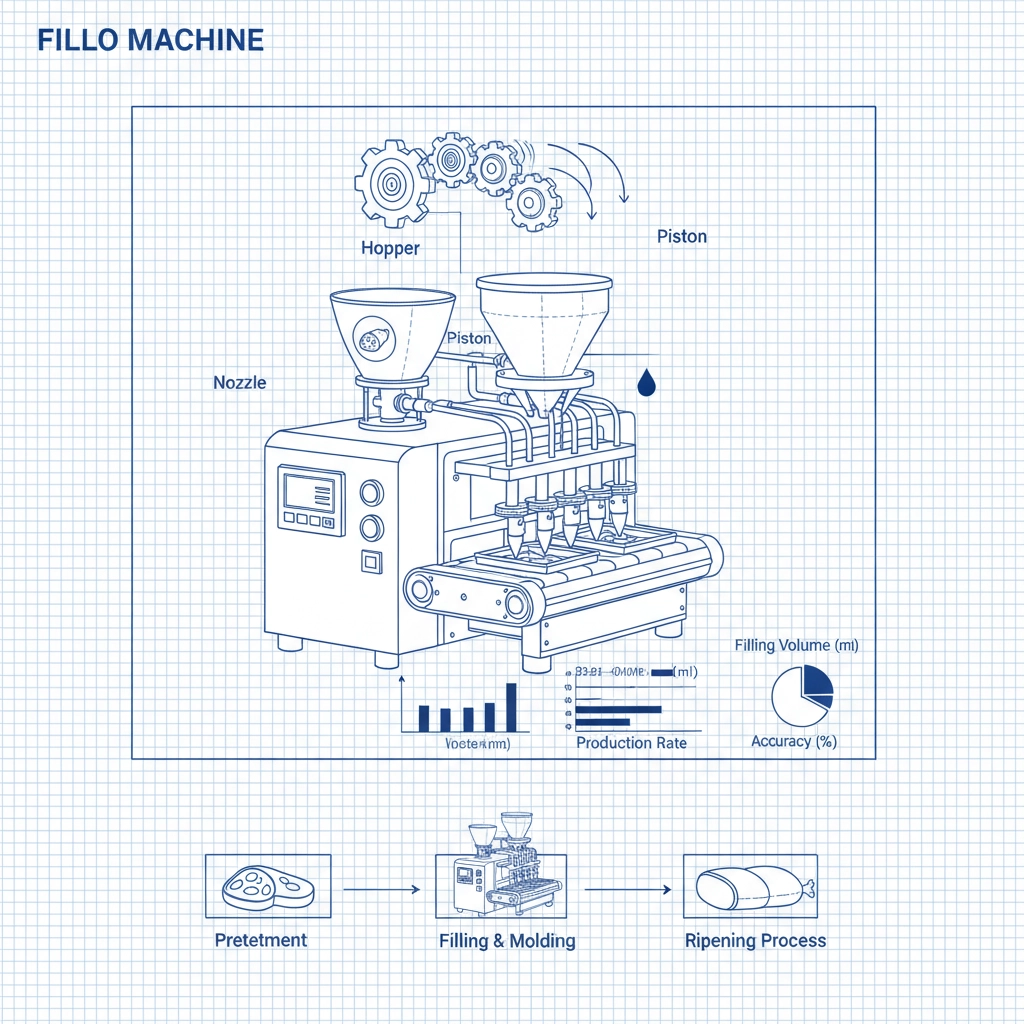
Understanding the technical nuances of these compact systems is essential for any operation looking to optimize its "Meat product filling molding" or "Pretreatment of meat products" workflows. From vacuum-assisted filling to adjustable nozzle diameters, the right choice of equipment can significantly impact the texture, air inclusion, and overall shelf-life of the final meat product, making it a strategic investment for growth-oriented food manufacturers.
Global Industry Context of Benchtop Filling Systems
The global meat processing industry is currently undergoing a transition toward "right-sized" automation. According to data trends aligned with ISO food safety standards, there is an increasing move away from monolithic machinery toward modular, bench-top solutions. This shift is driven by the rise of specialized "boutique" meat processors who require the precision of a benchtop filling machine to maintain high quality while operating in limited spatial environments.
The primary challenge addressed by these systems is the inconsistency of manual filling, which often leads to "giveaway"—where overfilled products erode profit margins—or underfilled products that violate consumer protection laws. By implementing standardized filling technology, processors can synchronize their output with the "Ripening process for meat products," ensuring that every piece of meat is primed for the next stage of production with mathematical precision.
Defining the Modern Benchtop Filling Machine
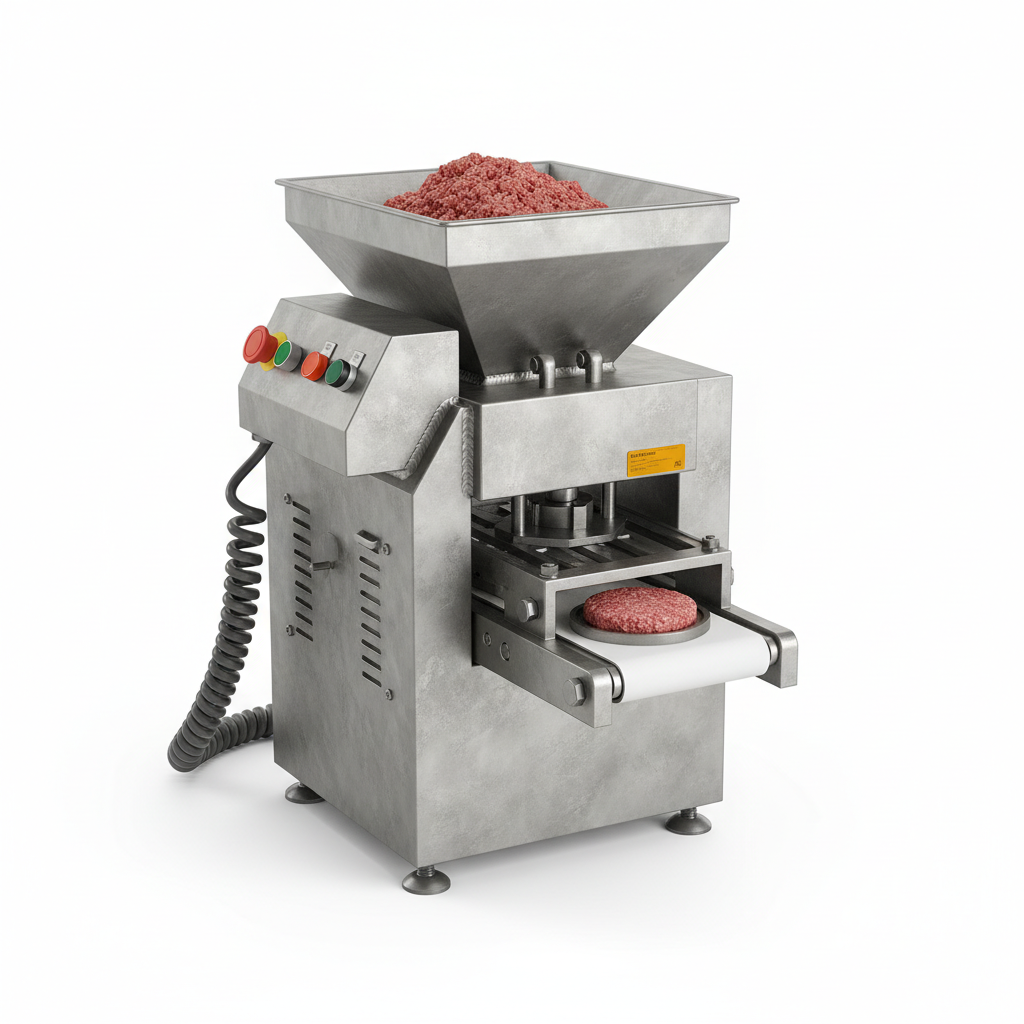
At its core, a benchtop filling machine is a compact, high-precision dosing system designed to extrude meat emulsions, pastes, or minced mixtures into casings, molds, or containers. Unlike floor-standing vacuum fillers, these units are engineered to sit on standard industrial worktables, making them ideal for R&D labs, pilot plants, and small-scale artisanal workshops where floor space is at a premium.
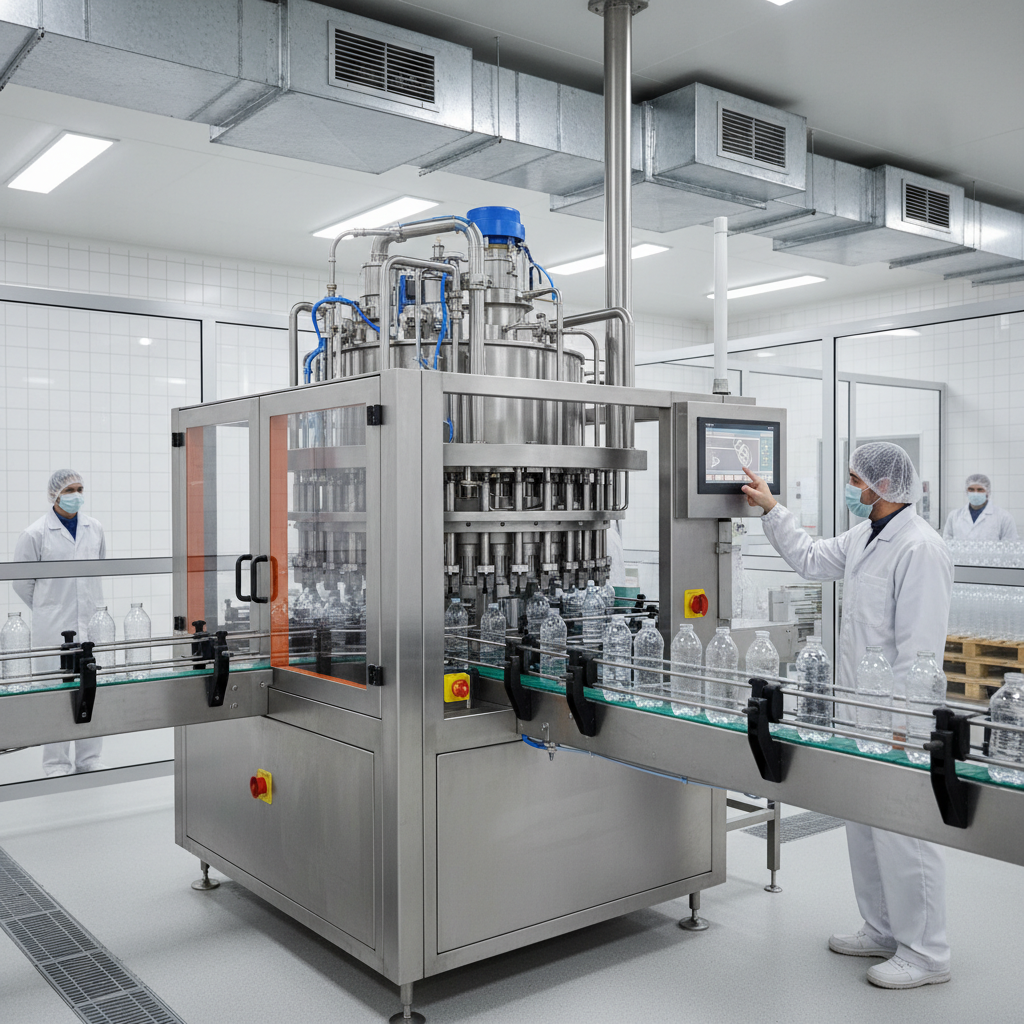
Beyond simple extrusion, these machines are intricately connected to modern food safety needs. By utilizing stainless steel construction (typically AISI 304 or 316) and sanitary design principles, they prevent cross-contamination and ensure that the "Pretreatment of meat products" remains hygienic. They bridge the gap between manual hand-stuffing and fully automated industrial lines, providing a professionalized approach to portion control.
In a humanitarian or remote industrial context, such as localized food processing hubs in developing regions, these machines provide a sustainable way to increase value-added production. They allow local farmers to transform raw meat into processed, stable products (like sausages or pâtés), thereby reducing post-harvest waste and improving food security through efficient processing.
Core Components for Optimal Meat Filling
Durability is the first pillar of any high-performing benchtop filling machine. Because meat emulsions are often abrasive and contain salts that can corrode inferior metals, the use of food-grade hardened steel for the piston and cylinder is non-negotiable. This ensures the machine can handle thousands of cycles without losing the tight tolerances required for precise dosing.
Precision control systems represent the "brain" of the benchtop filling machine. Whether using a digital PLC or a manual calibrated dial, the ability to adjust the filling volume in millimeter or gram increments allows the operator to switch between different product sizes—such as breakfast links and jumbo bratwursts—with minimal downtime.
Scalability and versatility are achieved through modular nozzle attachments. A professional benchtop filling machine typically comes with a suite of nozzles tailored for different "Meat product filling molding" requirements. This allows the user to transition from filling thin-walled casings to depositing thick meat pastes into molds without needing to purchase entirely new equipment.
Technical Factors in Filling Performance
When evaluating the efficiency of a benchtop filling machine, one must consider the interaction between pressure and product integrity. High-pressure filling can lead to "air pockets" or emulsion breakdown, while too little pressure results in uneven density. Advanced systems utilize vacuum-assisted loading to remove air from the meat mixture before the filling process begins.
The operational cost efficiency is often measured by the "setup-to-output" ratio. For smaller batches, a machine that requires two hours of cleaning and calibration for a thirty-minute run is a liability. Modern benchtop units focus on "Quick-Release" mechanisms, allowing operators to dismantle the cylinder for cleaning in minutes, thus maximizing the actual production time.
Performance Comparison of Benchtop Filling Machine Variants
Real-World Applications in Meat Processing
In the context of "Auxiliary Items" for meat plants, the benchtop filling machine is often deployed in the "quality control" or "sampling" phase. Large factories use these machines to create small-batch test runs of new recipes before committing tons of raw material to the main production line, thereby reducing the risk of large-scale product failure.
Beyond the factory, these units are invaluable in specialized culinary environments, such as high-end charcuterie shops in Europe or artisanal sausage makers in North America. In these settings, the machine allows for the creation of limited-edition products with exotic fillings that would be too small for industrial fillers but too labor-intensive for hand-filling, ensuring a consistent weight and professional appearance for every retail unit.
Long-Term Value and Operational ROI
The tangible benefits of investing in a benchtop filling machine extend far beyond simple speed. From a logical standpoint, the reduction in "product giveaway" usually pays for the machine within the first year of operation. When every sausage is exactly 50g instead of varying between 48g and 55g, the cumulative savings across thousands of units are substantial.
From an emotional and brand-trust angle, consistency is the key to customer loyalty. When a consumer buys a product, they expect the same texture and weight every time. A benchtop filling machine removes the human error associated with fatigue, ensuring that the last product of the day is as perfect as the first, which reinforces the brand's reputation for reliability.
Furthermore, the sustainability impact is notable. By optimizing the filling process, processors reduce the amount of scrapped product caused by over-filling or casing bursts. This lean approach to manufacturing aligns with global goals of reducing food waste, making the equipment not just a financial asset but a responsible choice for the environment.
Future Innovations in Filling Technology
The trajectory of benchtop filling machine design is moving toward "Smart Filling." We are seeing the integration of IoT sensors that can monitor the viscosity of the meat emulsion in real-time and automatically adjust the extrusion pressure. This digital transformation ensures that regardless of slight variations in the raw meat batch, the final output remains identical.
Sustainability is also driving the adoption of new materials. Future iterations of these machines are likely to incorporate bio-compatible coatings and energy-efficient servo motors that reduce power consumption during the "Meat product filling molding" phase. The goal is to create a "zero-waste" filling cycle where the machine can be cleaned using ultra-low-water systems.
As automation becomes more accessible, we expect to see the rise of "hybrid" systems—benchtop machines that can be easily linked together to form a flexible, modular production line. This will allow businesses to start with a single benchtop filling machine and scale up their capacity simply by adding more modules as their market share grows.
Core Technical Analysis of Benchtop Filling Machine Variants
| Machine Category |
Filling Precision |
Cleaning Effort |
ROI Period |
| Manual Piston |
Moderate (± 3g) |
Low |
3-6 Months |
| Semi-Auto Pneumatic |
High (± 1g) |
Moderate |
6-12 Months |
| Digital PLC-Driven |
Extreme (± 0.5g) |
Moderate |
12-18 Months |
| Vacuum-Assist System |
Extreme (± 0.5g) |
High |
18-24 Months |
| Viscosity-Adaptive |
High (± 1g) |
Moderate |
12-18 Months |
| Modular Hybrid |
High (± 1g) |
Low |
10-15 Months |
FAQS
The primary advantage is consistency. Manual stuffing is prone to human error, leading to air pockets and inconsistent weights. A benchtop filling machine ensures every single unit has the exact same mass and density, which eliminates product waste and ensures that the final product's appearance and texture are uniform across the entire batch.
Yes, most professional benchtop filling machines are designed specifically for high-viscosity products. By utilizing powerful piston-driven mechanisms and reinforced cylinders, they can easily push through thick emulsions and chunky meat mixtures that would be impossible to fill using gravity or low-pressure pumps.
Modern units are designed for "Sanitary Quick-Dismantle." Most components that touch the meat can be removed without tools. Because they are made of polished stainless steel, they can be sanitized quickly with standard food-grade cleaners, ensuring the machine meets strict HACCP and ISO hygiene standards with minimal downtime.
While they aren't intended to replace massive industrial vacuum fillers in 24/7 plants, they are perfect for "Auxiliary Items" roles, R&D, or as part of a modular line. Many producers use them for specialty, small-batch high-margin products while using larger machines for their core commodity lines.
Most benchtop filling machines are designed to be "Plug-and-Play," operating on standard 110V or 220V outlets. Pneumatic versions will require a standard compressed air line, but for the most part, they are designed for easy integration into existing kitchen or lab environments without major electrical overhauls.
Vacuum filling removes trapped air from the meat emulsion. This is critical because air pockets can cause the product to shrink unevenly during cooking or create "holes" in the finished meat. By removing these bubbles, the benchtop filling machine produces a denser, more professional-looking product with a longer shelf life.
Conclusion
Integrating a benchtop filling machine into a meat processing workflow is more than just an upgrade in speed; it is a commitment to precision, hygiene, and brand consistency. By bridging the gap between artisanal quality and industrial efficiency, these systems allow producers to minimize waste, maximize ROI, and scale their operations sustainably. From the durability of the stainless steel components to the precision of the dosing systems, every aspect is designed to support the growth of the modern food manufacturer.
As the industry moves toward smarter, more modular automation, the flexibility offered by benchtop solutions will become even more critical. We recommend that producers prioritize equipment that offers both ease of cleaning and digital precision to future-proof their operations. Investing in the right filling technology today ensures that your products remain competitive in an increasingly quality-conscious global market. For more information on professional meat processing solutions, visit our website: www.ycmeatmech.com.