What Is The Difference Between A Wonton And A Dumpling
Understanding the Nuances: What's the Real Difference Between a Wonton and a Dumpling?
 By Li Wei, Export Manager | Hebei Yuanchang Food Mechanism & Technology Co., Ltd.
- Introduction: Beyond the Kitchen Boundary
- The Core Distinctions: Dough, Filling, and Preparation
- Wontons: A Closer Look
- Dumplings: The Broader Category
- Navigating Regional Variations and Global Cousins
- From Our Factory Floor: Manufacturing Considerations
- Procurement & Supply Chain Insights
- Frequently Asked Questions
- Ready to Scale Your Production?
Introduction: Beyond the Kitchen Boundary
When we talk about food preparation, especially in international trade contexts or large-scale food production, precision in terminology is paramount. This is especially true when discussing staple items that have numerous regional interpretations. For many in the global food industry, the terms 'wonton' and 'dumpling' often get used interchangeably, leading to confusion. While they share the fundamental concept of a filling encased in dough, understanding their distinct characteristics is crucial, not just for culinary accuracy but for procurement, manufacturing, and quality control in the B2B food sector.
At Hebei Yuanchang Food Mechanism & Technology Co., Ltd., our 40 years of experience since 1986 have shown us that clarity in food product definitions underpins efficient production lines and successful international trade. We specialize in meat processing equipment, from pretreatment to filling and molding, and ripening processes. Our understanding of these culinary building blocks directly informs the design and functionality of the machinery we develop. For instance, machinery designed for forming delicate wonton wrappers might differ significantly from that optimized for sturdier dumpling skins.
The global market for processed foods, including those that feature encased fillings, is substantial. The Meat Processing Equipment Market, for example, was valued at USD 11.29 billion in 2025 and is projected to reach USD 17.39 billion by 2034. This growth is driven by rising demand for processed meats, automation for hygiene and labor efficiency, and strict food safety standards. Within this vast landscape, understanding the specifics of products like wontons and dumplings is not a mere academic exercise; it directly impacts operational efficiency, product consistency, and market appeal. Whether you're sourcing ingredients, designing a production line, or marketing a finished product, knowing the difference ensures you're speaking the right language.
Consider the Processed Meat Market itself, projected to grow significantly. The demand for various forms of processed meats, from cured and smoked to filled products, necessitates specialized machinery capable of handling diverse dough types and fillings. If a specification calls for 'dumplings' without further clarification, it could encompass a wide range of products, each with unique production requirements. A wonton, with its often thinner wrapper and specific folding techniques, demands a different approach in automated filling and molding machines compared to a thicker-skinned, pan-fried jiaozi or a steamed gyoza.
Our role as a leading manufacturer of food processing equipment means we often bridge the gap between culinary concepts and industrial-scale production. We must translate the subtle differences that a chef might appreciate into tangible engineering specifications for our machines. This includes the tensile strength of dough, the optimal moisture content for wrappers, the viscosity of fillings, and the required sealing pressure. These details are non-negotiable when aiming for high-volume, consistent, and safe food production. The distinction between a wonton and a dumpling, therefore, is not just about taste or tradition; it's a functional difference that dictates machine design and operational parameters.
This deep dive into the wonton versus dumpling distinction aims to provide clarity for industry professionals. We'll explore the fundamental differences in their dough, fillings, preparation methods, and regional interpretations. Furthermore, we'll touch upon how these differences translate into manufacturing considerations, from the precision required in our forming machines to the logistics of packaging and export. For buyers and producers alike, this understanding can prevent costly errors, enhance product quality, and unlock greater market opportunities within the dynamic global food trade.
The Core Distinctions: Dough, Filling, and Preparation
At the heart of any classification lie fundamental distinctions. When comparing wontons and dumplings, these revolve primarily around three aspects: the dough composition and thickness, the typical fillings used, and the common cooking or preparation methods.
Dough: This is often the most significant differentiator. Wonton wrappers are typically made from a simple dough of flour, egg, water, and salt. The key characteristic is their thinness and often a slightly chewy texture when cooked. They are usually square and very delicate, designed to be folded in specific, often intricate, ways. Dumpling dough, on the other hand, can vary more widely. It might be a simple flour and water dough (common in Northern China), or it could include eggs and other ingredients. Crucially, dumpling wrappers are generally thicker than wonton wrappers and can be round or square, offering more versatility in sealing and shaping.
Filling: While both are filled, the typical ingredients offer a contrast. Wonton fillings often feature finely minced pork, shrimp, or chicken, seasoned with ingredients like ginger, scallions, soy sauce, and sesame oil. The goal is a delicate, flavorful filling that complements the thin wrapper. Dumpling fillings are more diverse. They can range from ground pork and napa cabbage (common for jiaozi) to minced lamb, vegetables, or even sweet fillings. The robustness of dumpling wrappers often allows for a wider variety of textures and coarser grinds in the filling.
Preparation: This is another key area. Wontons are most famously served in a light broth (wonton noodle soup) or deep-fried. The delicate wrapper holds up well in broth without disintegrating, and frying yields a crispy, airy result. Dumplings have a broader range of cooking methods. They can be boiled (shuǐjiǎo), steamed (zhēngjiǎo), pan-fried (guōtiē, also known as potstickers), or even baked. This adaptability is partly due to their thicker, sturdier wrappers.
From a production standpoint, these differences translate directly to machine requirements. The thinness and delicacy of wonton wrappers demand precision in our forming and sealing machinery to prevent tearing. The variety in dumpling dough types and thicknesses requires adjustable settings on our equipment to ensure optimal wrapper integrity and filling containment. The global processed meat market continues its ascent, with segments like reconstituted and formed meat seeing significant growth (Reconstituted Meat Market CAGR of 18.0% from 2025-2035). Understanding these fundamental product distinctions is the first step in selecting or designing the right processing technology.
Wontons: A Closer Look
Let's delve deeper into the wonton. Originating from Southern China, the name itself hints at its nature. "Wontons" (餛飩) are often described as little packets or clouds. Their defining characteristic is the wrapper, typically a thin, yellowish dough made with wheat flour, egg, and water. The high egg content contributes to the wrapper's elasticity and gives it a distinct sheen when cooked.
The filling for wontons is usually finely minced, ensuring a smooth texture that doesn't overpower the delicate wrapper. Common ingredients include ground pork, shrimp, chicken, and seasonings like Shaoxing wine, soy sauce, white pepper, ginger, and scallions. The filling is mixed thoroughly to achieve a cohesive paste.
When it comes to presentation, wontons have specific folding styles. The most common is a simple fold where the filling is placed in the center of a square wrapper, the wrapper is folded in half to form a triangle, and then the two corners of the triangle are brought together and sealed. Other styles include the "money bag" or a more elaborate purse shape. The aim is to create a neat, often delicate-looking parcel.
The predominant serving method is in a hot broth, often with noodles, leafy greens, and perhaps some chili oil. This dish, known as wonton noodle soup, is a staple across many Asian cuisines. The broth is typically clear and savory, complementing the rich filling and tender wrapper. Deep-fried wontons, often served with sweet and sour sauce or duck sauce, offer a contrasting textural experience – crispy on the outside, juicy on the inside.
For manufacturers producing wontons, the challenge lies in consistency and speed. Automated machines need to handle the thin, sticky wrappers without tearing, accurately dispense the finely minced filling, and perform precise folds and seals. The risk of wrapper breakage or improper sealing requires robust machine engineering, much like the demands placed on specialized filling and molding equipment in the broader meat processing industry.
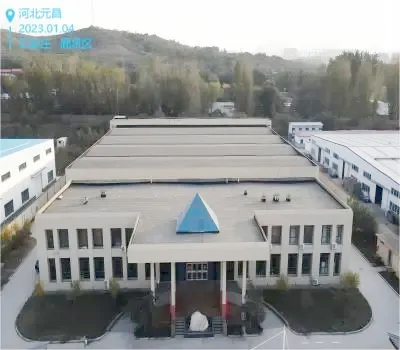
The global market for Meat Processing Equipment, projected to reach USD 15.44 billion by 2035, reflects the significant investment in efficient production of items like wontons. Precise molding and filling are critical, and our Japanese Mazak CNC machining centers allow us to produce high-standard components that ensure this precision, even for non-standard specifications.
Dumplings: The Broader Category
The term "dumpling" is much broader and more inclusive. It refers to a category of dishes where a filling is enclosed in a piece of dough. This category encompasses a vast array of shapes, sizes, dough compositions, fillings, and cooking methods from around the world, but in the context of East Asian cuisine, it most commonly refers to items like jiaozi (饺子), baozi (包子 - steamed buns, often considered a type of dumpling), and their international cousins like gyoza and potstickers.
Dumpling wrappers are generally made from a flour and water dough, though variations exist. They are typically thicker and chewier than wonton wrappers, providing a more substantial bite. This sturdier dough is crucial for various cooking methods, especially pan-frying or boiling for extended periods.
Fillings for dumplings are highly variable. A classic Chinese jiaozi might contain minced pork and finely chopped napa cabbage or chives, seasoned with soy sauce, sesame oil, and ginger. However, fillings can also include beef, chicken, lamb, seafood, or be purely vegetarian. The coarser grind or more varied texture of the filling is well-suited to the robust wrapper.
The versatility in preparation is a hallmark of dumplings. They can be:
- Boiled (Shuǐjiǎo): The most traditional method, resulting in a soft, tender dumpling.
- Steamed (Zhēngjiǎo): Yielding a plump, moist dumpling.
- Pan-fried (Guōtiē/Jiaozi): One side is crisped to a golden brown while the other remains soft. This technique is what gives rise to the popular 'potsticker'.
- Deep-fried: Similar to fried wontons, but with a thicker wrapper.
For industrial production of dumplings, the thicker dough requires different handling by machinery. Our equipment is designed to accommodate a range of dough consistencies and thicknesses, ensuring that each dumpling is perfectly formed and sealed, regardless of the specific type. The global meat processing equipment market sees robust demand for filling, stuffing, and molding machines, essential for producing consistent, high-quality dumplings. Reports suggest this market is projected to reach USD 17.39 billion by 2034.
From a procurement perspective, a "dumpling" specification can be quite broad. It's vital for buyers to clarify the intended type – are they looking for a delicate, soup-ready wonton, or a hearty, pan-fried jiaozi? This detail significantly affects ingredient sourcing, production line setup, and final product application. Understanding these nuances is what Hebei Yuanchang Food Mechanism & Technology Co., Ltd. champions, ensuring our clients receive machinery optimized for their specific output.
Navigating Regional Variations and Global Cousins
The culinary world is a tapestry of regional interpretations, and the dumpling family is no exception. While the wonton vs. dumpling distinction is rooted in Chinese cuisine, the concept of a filled dough parcel has spread globally, leading to numerous fascinating variations.
In China itself, the differences are pronounced:
- Northern China: Known for larger, thicker-skinned dumplings (jiaozi), often boiled or pan-fried. Fillings are hearty, with pork, cabbage, and chives being popular.
- Southern China: Home to the delicate wonton, typically served in soup or fried. Fillings are often finer, incorporating shrimp and pork.
Beyond China, the dumpling concept has evolved:
- Japan: Gyoza are pan-fried dumplings, similar to Chinese potstickers, typically filled with pork and vegetables. The wrapper is usually thin, and they are characteristically seared on the bottom.
- Korea: Mandu are Korean dumplings that can be boiled, steamed, pan-fried, or added to soups. Fillings vary widely, often including kimchi, tofu, pork, and vegetables.
- Poland: Pierogi are half-moon shaped dumplings, typically boiled and then sometimes pan-fried. Fillings can be savory (potato, cheese, meat) or sweet (fruit).
- Italy: Ravioli and tortellini are distinct types of pasta parcels, with a wide range of fillings and sauces.
- South America: Empanadas, though often baked or fried, share the concept of a filling encased in dough.
For a manufacturer like us, these variations mean understanding the specific requirements of each product. While a general-purpose forming machine might handle some basic shapes, producing authentic gyoza with their characteristic pleats, or delicate tortellini, requires specialized tooling and precise control over dough feeding and sealing. The Meat Processing Equipment Market is also seeing growth in auxiliary items like smoking and tenderizing equipment, supporting diverse product development.
When discussing international trade, specifying "dumpling" without context can lead to misunderstandings. A buyer in Poland might envision pierogi, while a client in Tokyo might expect gyoza. Clear communication about dough thickness, filling type, shape, and cooking method is non-negotiable to ensure the right machinery is deployed and the final product meets market expectations. This level of detail is what we provide through our decades of hands-on manufacturing experience.
From Our Factory Floor: Manufacturing Considerations
At Hebei Yuanchang, our work involves translating culinary art into industrial efficiency. The distinction between wontons and dumplings directly impacts the design and operation of our meat processing equipment, particularly our filling and molding machines.
Wonton Production:
- Wrapper Handling: Wonton wrappers are extremely thin and prone to tearing. Our machinery must have extremely precise dough feeding systems and delicate forming tools to handle them without damage. The egg-rich dough requires careful temperature and moisture control during processing.
- Filling Precision: The finely minced, often paste-like filling needs consistent and accurate dispensing. Our systems ensure uniform portioning for each wonton to maintain product integrity and weight standards.
- Folding and Sealing: The specific, often intricate folds of wontons require specialized tooling. Sealing must be effective to prevent leakage during cooking, especially in broth.
Dumpling Production:
- Dough Versatility: Dumpling wrappers can vary significantly in thickness and elasticity. Our machines offer adjustable settings for dough feeding, rolling, and cutting to accommodate these differences, whether it's a simple flour-water dough or one with a higher gluten content.
- Filling Variety: With diverse fillings, from coarser grinds to chunkier vegetables, our filling mechanisms must be robust yet adaptable. The machines need to prevent clogging and ensure uniform distribution.
- Sealing for Different Methods: For boiled or steamed dumplings, a strong seal is paramount. For pan-fried dumplings (potstickers), the seal must withstand the initial crisping phase. Our machines provide options for different sealing pressures and patterns.

The Meat and Poultry Processing Equipment Market, projected to reach USD 30.5 billion by 2035, highlights the ongoing demand for sophisticated machinery. Our in-house machining workshop, equipped with over 20 sets of processing machinery including Japanese Mazak CNC machining centers, allows us to produce high-precision components essential for these specialized tasks. Traceable after-sales management ensures our clients get worry-free service, a critical factor in international B2B trade.
Considering the global scale of processed meat production—valued at approximately USD 750.58 billion in 2026 and projected to reach USD 1,253.77 billion by 2034—having the right equipment is not just about efficiency, but about meeting stringent quality and safety standards. Whether producing delicate wontons for a discerning market or robust dumplings for mass consumption, the underlying technology must be sound.
difference between a wonton and a dumpling dumpling vs wonton Are wontons the same as dumplings?
Procurement & Supply Chain Insights
For purchasing managers and procurement directors in the international food trade, understanding the nuances between a wonton and a dumpling is more than a matter of culinary curiosity; it's a critical factor in sourcing the right ingredients, packaging materials, and manufacturing equipment. Misclassification can lead to costly errors in specifications, quality discrepancies, and ultimately, dissatisfied end-consumers.
Key Procurement Considerations:
- Ingredient Sourcing: The choice between wonton and dumpling production impacts ingredient requirements. Wonton wrappers often need specific flour types and potentially egg for elasticity. Dumpling wrappers might use different flour blends. Filling ingredients also vary in grind size and fat content requirements, influencing the selection of meat processing machinery.
- Packaging: Wontons, being delicate, might require more protective packaging to prevent breakage during transit. Dumplings, especially pan-fried varieties, might need different barrier properties or freezing protocols. The Meat Processing Equipment Market growth extends to associated processing and packaging technologies.
- Equipment Specification: When procuring machinery from suppliers like Hebei Yuanchang, clarity is essential. Specifying "wonton maker" versus "dumpling maker" will yield different machine designs. A "dumpling maker" might be versatile, but a dedicated "wonton maker" will be optimized for thin wrappers and specific folds. Understanding the Meat Processing Equipment Market trends, which emphasize automation for hygiene and efficiency, further underscores the need for precise equipment selection.
- Quality Control: Defining the product type aids in establishing quality control parameters. Wrapper thickness, filling consistency, seal integrity, and adherence to food safety standards (like ISO or FDA compliance) are all tied to whether you're producing wontons or dumplings.
When approaching a supplier, clearly stating your intended product (e.g., "delicate soup wontons," "pan-fried pork and cabbage jiaozi," or "large boiled pierogi") will allow them to offer the most suitable equipment and technical support. Our expertise at Hebei Yuanchang spans 40 years, ensuring we can guide you through these specifications. We understand that procurement decisions in the food industry are complex, involving not just the initial purchase but also ongoing maintenance, spare parts, and operational efficiency.
The global food processing machinery market continues to grow, with reports indicating significant expansion in segments related to forming, filling, and ripening. This means that investment in the right technology is crucial for staying competitive. Our commitment to high-precision components, enabled by advanced CNC machining, ensures that our clients can consistently produce high-quality wontons and dumplings, meeting the demands of international markets.
Chat with our engineers for precise equipment recommendations.
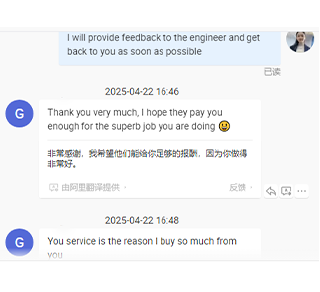
"We're looking to scale our frozen wonton production. Our current machines struggle with consistent wrapper thickness and sealing, leading to leakages in soup broth. Can your equipment handle extremely thin, egg-rich wrappers reliably?"
- Purchasing Manager, Southeast Asia

"We need a versatile dumpling machine capable of producing both boiled and pan-fried varieties with different fillings (pork, vegetable, kimchi). Our focus is on producing food-grade equipment with easy cleaning protocols. What are your recommendations for durability and hygiene?"
- Operations Director, Europe
Frequently Asked Questions
Q: Are wontons a type of dumpling?
A: Yes, in the broadest sense, a wonton is a type of dumpling. However, in culinary and manufacturing contexts, they are often distinguished by their thinner wrapper, specific filling preparation, and typical cooking methods (like being served in soup). The term "dumpling" itself is a very broad category.
Q: What is the main difference in the dough?
A: Wonton wrappers are typically thinner and often contain egg, giving them a more delicate, slightly chewy texture. Dumpling wrappers can vary but are generally thicker and made from a simpler flour and water dough, making them sturdier for various cooking methods.
Q: Can one machine make both wontons and dumplings?
A: Some versatile dumpling-making machines can be adjusted to produce wontons with specific tooling and settings. However, dedicated machines optimized for the extremely thin wrappers and folding styles of wontons will yield better results for that specific product. It depends on the precision required for your target market and production volume. Our engineers can advise on the best fit for your needs.
Q: How does regional variation affect manufacturing?
A: Regional variations mean different wrapper thicknesses, dough textures, filling consistencies, and shapes. This requires machinery that is adaptable or specialized. For instance, producing delicate, soup-ready wontons demands different precision than producing hearty, pan-fried jiaozi or Polish pierogi.
Q: What are the typical fillings for wontons versus dumplings?
A: Wonton fillings are usually finely minced (pork, shrimp, chicken) for a delicate texture. Dumpling fillings are more diverse, can include coarser grinds (pork, beef, lamb), vegetables, or seafood, and are often mixed with ingredients like cabbage or chives.
Streamline Your Food Production: From Dough to Delivery
Understanding the intricacies of products like wontons and dumplings is key to optimizing your manufacturing process. At Hebei Yuanchang Food Mechanism & Technology Co., Ltd., we have the 40 years of experience and the engineering expertise to provide solutions that enhance your production efficiency, product quality, and international competitiveness.
Whether you're looking to invest in state-of-the-art filling and molding equipment, improve your ripening processes, or secure reliable auxiliary items, our team is ready to assist.