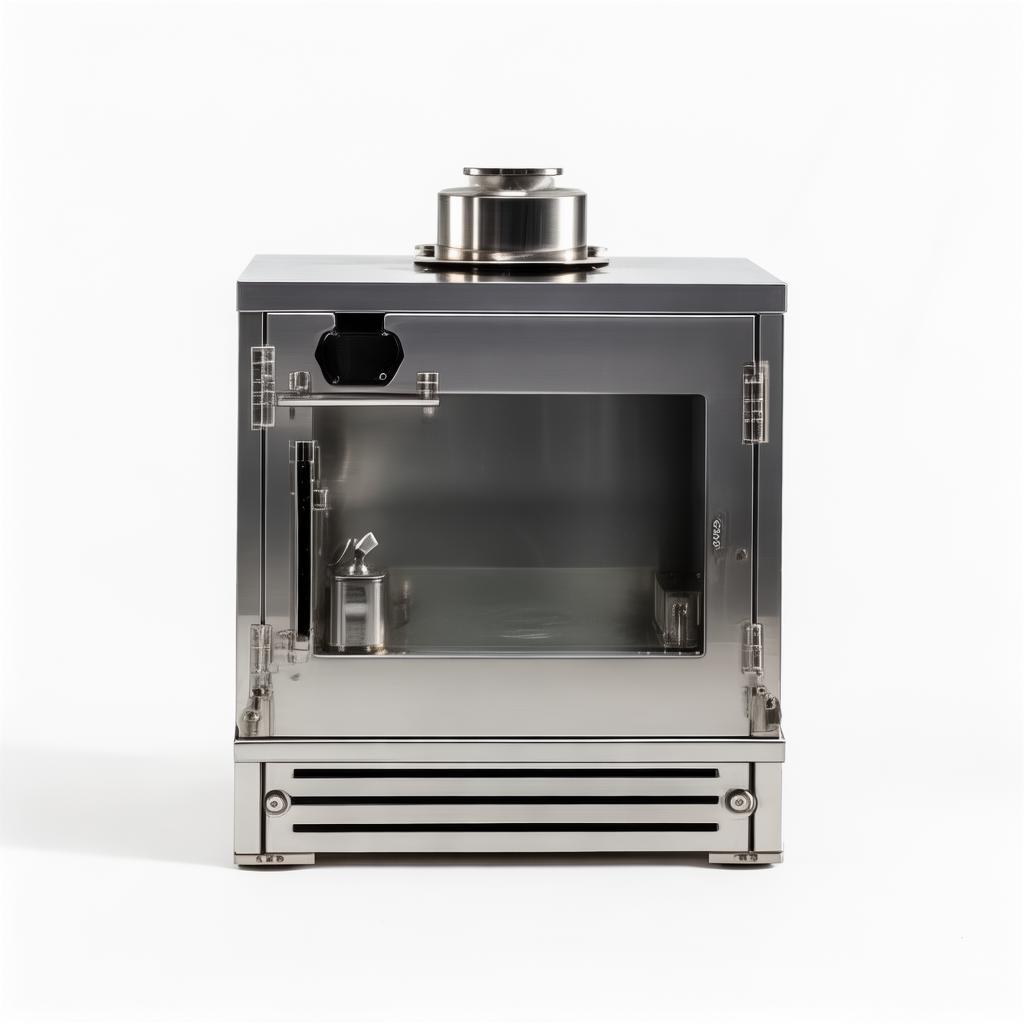
Difference Between Bowl Cutter And Vacuum Bowl Cutter
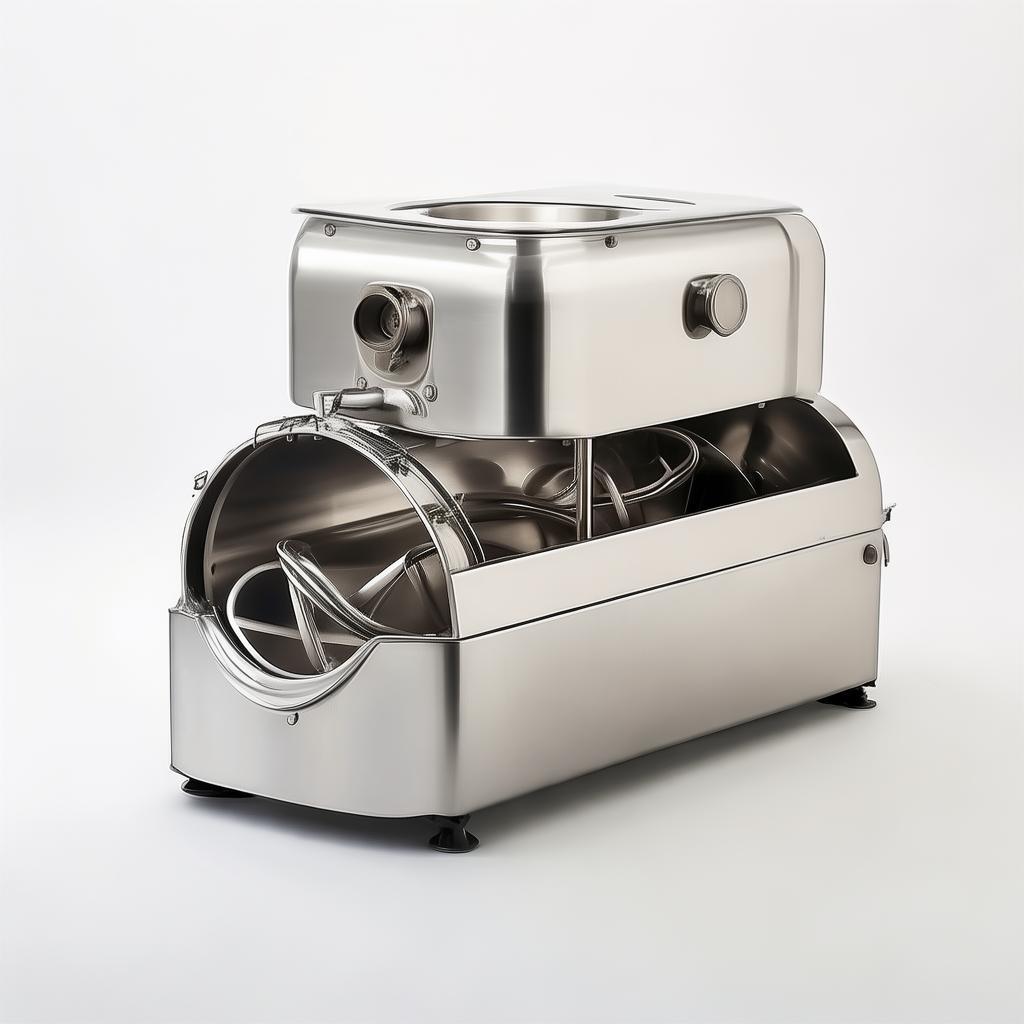
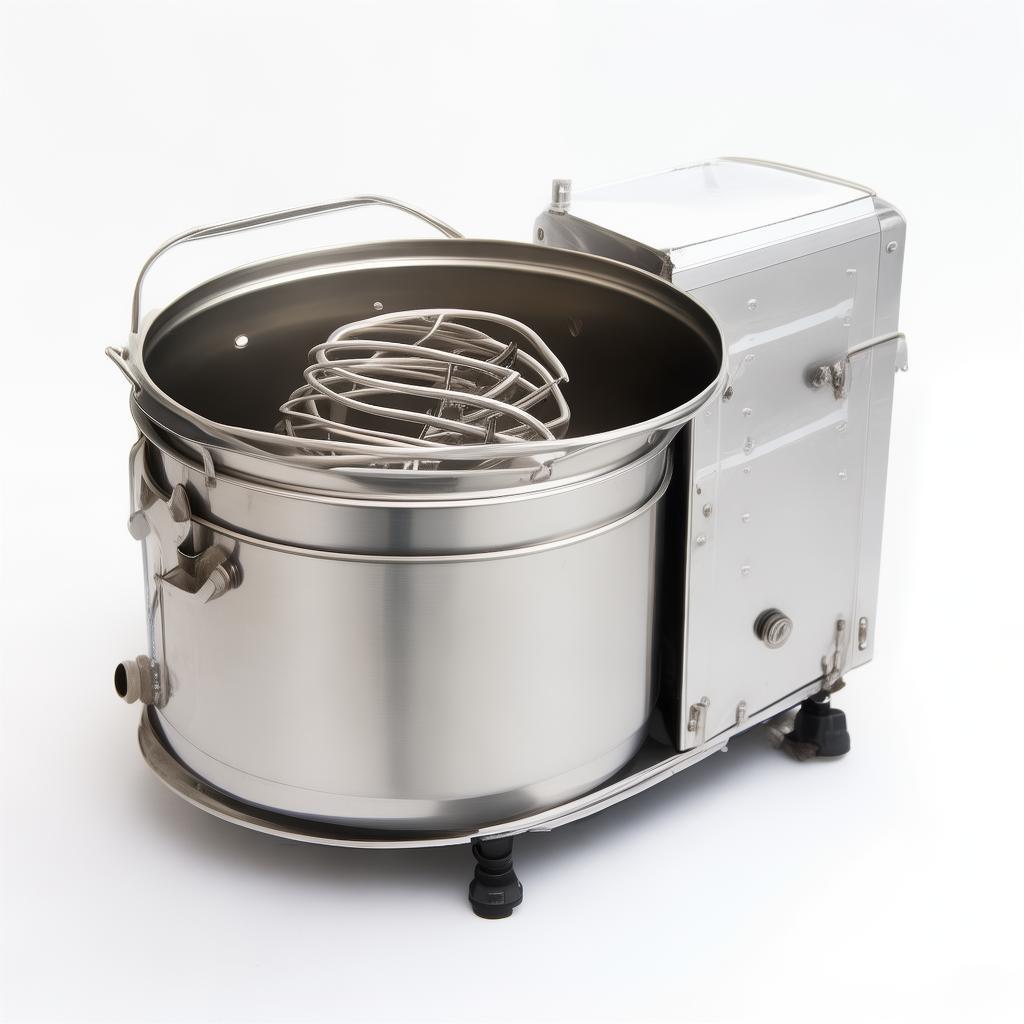
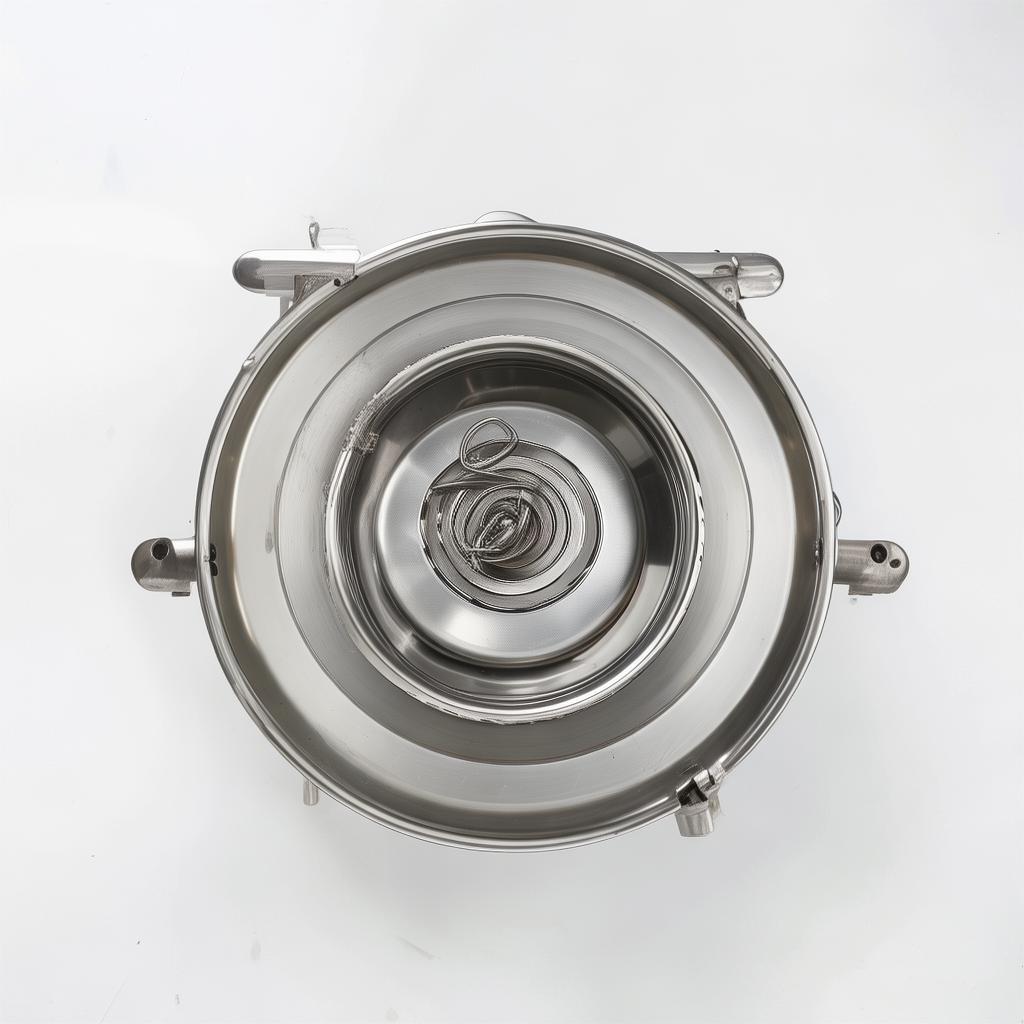
Bowl Cutter vs. Vacuum Bowl Cutter: Precision, Efficiency, and Your Bottom Line
By  Li Wei, Senior Export Manager at Hebei Yuanchang Food Mechanism & Technology Co., Ltd.
Navigating the Nuances: When Every Ingredient Counts
In the demanding world of meat processing and food manufacturing, precision isn't just a buzzword; it's the bedrock of quality, safety, and profitability. For businesses aiming to produce high-caliber processed meats, sausages, pet foods, or even delicate vegetable preparations, the choice of cutting and mixing equipment is paramount. Two workhorses often come into play: the standard bowl cutter and its more sophisticated sibling, the vacuum bowl cutter. While both serve the fundamental purpose of comminuting and blending ingredients, their operational differences lead to vastly different outcomes, especially when it comes to air incorporation, product texture, and shelf-life.
Many of our international clients, from established European sausage makers to burgeoning South American pet food producers, often reach out with similar questions. They're looking to upgrade their processing lines, optimize their formulations, or simply understand how to achieve that perfect emulsion or consistent texture. The distinction between these two types of bowl cutters often becomes a critical decision point. It's not simply about owning a machine; it's about investing in a solution that directly impacts the final product's appeal, its stability, and ultimately, its market success.
Consider a producer crafting premium emulsified sausages. They require a smooth, homogenous texture, free from visible fat pockets or air bubbles. Over-processing, or processing in the presence of excess air, can lead to a coarser grind, increased oxidation, and a reduced shelf life. This is where the vacuum bowl cutter truly shines. By creating a negative pressure environment within the processing chamber, it actively removes air during the cutting and mixing cycle. This not only contributes to a finer, denser emulsion but also significantly inhibits oxidative spoilage, preserving color and flavor for longer. Think about extending the freshness of your product on the retail shelf – that’s tangible value.
On the other hand, a traditional bowl cutter, while highly effective, operates under atmospheric pressure. This means that as the high-speed blades rotate within the bowl, they inevitably introduce and incorporate air into the meat mass. For certain applications, this might be acceptable, or even desirable. For instance, in some coarser grinds or certain paté preparations where a slightly less dense structure is preferred, the standard bowl cutter gets the job done efficiently. It’s often a more straightforward, robust piece of machinery, typically with a lower initial investment. However, for applications where moisture retention, color stability, and extended shelf life are non-negotiable, the air present during processing becomes a significant factor to manage.
The global meat processing equipment market is projected to reach USD 17.39 billion by 2034, with a CAGR of 5.0%, according to Fortune Business Insights. This growth is fueled by rising demand for processed meats, the adoption of automation for hygiene and efficiency, and strict food safety standards. In this competitive landscape, differentiating your product through superior quality and extended shelf life is crucial. The choice between a standard and a vacuum bowl cutter is a strategic one, impacting not just your operational capabilities but also your product's marketability.
From our 40 years of experience at Hebei Yuanchang, we’ve seen firsthand how selecting the right equipment can transform a manufacturer’s output. It’s not just about the horsepower or the bowl size; it's about understanding the fundamental physics and chemistry of food processing. When ingredients are exposed to high-speed blades, air is churned in. This air can lead to lipid oxidation, color degradation, and a less compact final product. A vacuum system actively combats this. It pulls out that occluded air, resulting in a more cohesive, visually appealing, and microbiologically stable product. This is particularly vital for international trade, where product integrity must be maintained through longer shipping times and varied storage conditions.
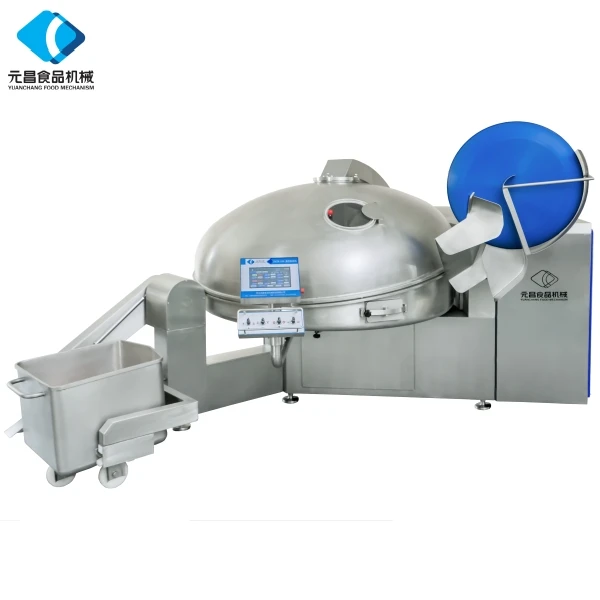
Let's delve deeper into the specific mechanisms and benefits. The core of both machines is a rotating bowl and sharp blades that spin at high velocities. This action not only cuts the meat into finer particles but also mixes in other ingredients like spices, binders, and water. The key differentiator lies in the vacuum capability of the latter. A vacuum bowl cutter incorporates a sealing mechanism around the bowl and lid, connected to a vacuum pump. During operation, this pump evacuates the air, creating a low-pressure environment. This evacuation process has several profound effects on the final product.
Firstly, it minimizes oxidation. Fats and proteins in meat are susceptible to reacting with oxygen, leading to rancidity, off-flavors, and a loss of vibrant color. By removing oxygen during processing, the vacuum significantly slows down these detrimental reactions. This translates directly to a product that looks fresher for longer, tastes better, and has a more appealing aroma. For items like cured sausages or pâtés where color is a key selling point, this is invaluable.
Secondly, it enhances product binding and texture. Air trapped within the meat matrix can create voids, leading to a less dense and potentially crumbly texture. The vacuum helps to consolidate the meat particles, promoting better protein hydration and binding. This results in a more cohesive, uniform, and often smoother texture – the kind that consumers expect from high-quality emulsified products. This is especially important for products like hot dogs, bologna, or even certain types of meat fillings where a tight emulsion is critical.
Thirdly, it can contribute to increased yield and shelf life. By minimizing oxidation and promoting better binding, vacuum processing can help retain moisture within the product. This can lead to a slight but significant increase in yield over time, as less moisture is lost during storage and cooking. Furthermore, a product with reduced oxidation and microbial load (due to less air ingress) will naturally have an extended shelf life, reducing spoilage and waste both for the processor and the end consumer.
However, the decision isn't always clear-cut. A standard bowl cutter can be more forgiving for operators learning the ropes, and its simpler design often means less maintenance downtime. For businesses focused on high-volume, less delicate grinds where initial cost is a primary concern, it remains a viable and powerful option. But as the market for premium processed foods, gourmet sausages, and specialized pet nutrition continues to expand, the advantages offered by vacuum technology become increasingly compelling. Understanding these distinctions is the first step towards making an informed investment that truly supports your production goals and elevates your brand.
The Core Differences: Functionality and Impact
Standard Bowl Cutter
- Operates at atmospheric pressure.
- Introduces and incorporates air during processing.
- Ideal for coarser grinds, some patés, or when air incorporation is not a critical concern.
- Generally simpler in design and maintenance.
- Typically lower initial investment cost.
- Potential for increased oxidation and less dense product structure if not managed carefully.
Vacuum Bowl Cutter
- Operates under a vacuum (negative pressure).
- Actively removes air during cutting and mixing.
- Produces finer emulsions, denser textures, and improved binding.
- Significantly reduces oxidation, preserving color and flavor.
- Enhances shelf life and can improve yield by retaining moisture.
- Essential for premium emulsified products, sausages, and high-quality pet foods.
- Requires a sealed system and vacuum pump, adding complexity and maintenance.
Technical Deep Dive: What's Happening Under the Hood?
At the heart of any bowl cutter is the high-speed rotor assembly, featuring multiple sharp blades (often 3 to 6) that spin at speeds ranging from 1,000 to 4,000 RPM. The bowl itself, typically made of stainless steel, rotates in the opposite direction, ensuring thorough mixing. The geometry of the blades and the speed are calibrated to achieve specific particle sizes and textures.
In a standard bowl cutter, this process occurs in an open-air environment. As the blades slice and shear the meat, air is drawn into the mixture. This entrained air can create micro-bubbles throughout the food matrix. While this might be acceptable for a rustic sausage or a less refined product, for applications demanding a smooth, homogenous consistency, these air pockets are undesirable. They can lead to a lighter, less dense product, and as mentioned, accelerate oxidation.
The vacuum bowl cutter elevates this process. Before the cutting action begins, or concurrently with it, the chamber is evacuated. This means the air within the bowl is pulled out. Why is this critical?
- Minimized Oxidation: Oxygen is the primary culprit behind lipid and myoglobin oxidation. Removing it dramatically slows down the degradation of fats and the browning of meat. This is crucial for maintaining the vibrant red or pink hues in products like pepperoni or ham, and for preventing the development of rancid flavors. The global meat processing equipment market growth, projected to reach USD 17.39 billion by 2034, reflects the demand for solutions that enhance product quality and safety.
- Enhanced Emulsification: For emulsified products, the goal is to create a stable suspension of fat and water within a protein matrix. Trapped air interferes with this process, preventing fat and water from fully integrating with the protein. Vacuum processing helps the proteins hydrate more effectively and creates a tighter matrix, leading to a more stable, finer, and smoother emulsion. This is fundamental for products like frankfurters or mortadella.
- Improved Texture and Mouthfeel: A product processed under vacuum will typically have a denser, more compact structure. This often translates to a more satisfying mouthfeel – a characteristic highly valued in premium meat products. The absence of air bubbles means a more uniform consistency, without the slightly "foamy" texture that can result from atmospheric processing.
- Extended Shelf Life: Reduced oxidation and a denser product matrix mean less susceptibility to microbial spoilage and physical degradation. This directly contributes to a longer shelf life, a significant advantage in B2B trade and for retailers. A study by Mordor Intelligence suggests the market for meat processing equipment is growing, with automation and hygiene standards being key drivers.
It's important to note that the vacuum system adds complexity. A reliable vacuum pump, a well-sealed lid and bowl, and proper maintenance of these components are critical for optimal performance. Our own manufacturing facilities ensure that these seals and pumps are robust and designed for continuous industrial use.
Applications: Where Does Each Shine?
Best Suited for Standard Bowl Cutters:
- Coarse grinds for certain types of sausages (e.g., Italian sausage, bratwurst where a visible fat/meat texture is desired).
- Meat preparations where a lighter, more "airy" texture is acceptable or preferred.
- Initial grinding stages where further processing will occur.
- Cost-sensitive operations prioritizing basic functionality.
- Some bakery applications or non-meat food preparations where air incorporation is not detrimental.
Best Suited for Vacuum Bowl Cutters:
- Emulsified Sausages: Frankfurters, bologna, hot dogs, Vienna sausages.
- Pâtés and Terrines: For a fine, smooth, and stable texture.
- Pet Food: High-quality wet pet foods require excellent texture, moisture retention, and extended shelf life. The meat and poultry processing equipment market shows significant growth here.
- Formed Meat Products: When a dense, cohesive product is required after grinding.
- Products requiring extended shelf life: Minimizing oxidation is key.
- Cured and Smoked Meats: Preserving color and flavor integrity.
Technical Specifications: A Comparative Glance
While exact specifications vary by model and manufacturer, here's a general comparison of what you might expect. Our own range is designed for industrial throughput and reliability, ensuring consistent results batch after batch.
| Feature | Standard Bowl Cutter (Example) | Vacuum Bowl Cutter (Example) |
|---|---|---|
| Bowl Capacity | 50 L - 300 L | 50 L - 300 L |
| Motor Power | 10 HP - 50 HP | 12 HP - 60 HP (includes vacuum pump motor) |
| Blade Speed | Variable, up to 3,000 RPM | Variable, up to 3,500 RPM |
| Vacuum System | N/A | Integrated, e.g., -0.08 MPa achievable |
| Construction Material | Food-grade Stainless Steel (SUS304) | Food-grade Stainless Steel (SUS304) |
| Control System | Digital or Manual Controls | PLC Control with Touchscreen Interface |
| Certifications | CE, ISO | CE, ISO, potentially others depending on market |
Difference between bowl cutter and vacuum bowl cutter meat processing difference between bowl cutter and vacuum bowl cutter meat processing difference between bowl cutter and vacuum bowl cutter meat industry
Note: Specifications are illustrative. Hebei Yuanchang offers custom solutions to meet specific production needs.
Procurement Insights: Making the Right Investment
When evaluating a bowl cutter or vacuum bowl cutter, especially for international sourcing, several factors beyond just the technical specs come into play. We often advise our clients to consider the following:
Supplier Reliability:
Look for manufacturers with a long track record. At Hebei Yuanchang, we've been producing food processing equipment since 1986 – that’s 40 years of accumulated expertise. Our in-house machining workshop, equipped with over 20 sets of advanced machinery, including Japanese Mazak CNC centers, allows us to produce high-precision parts independently. This control over component quality is vital for reliable operation.
After-Sales Support:
What happens after installation? A traceable after-sales management system is crucial. We ensure that replacement parts are readily available and that our technical team can assist with troubleshooting, regardless of your location. This is part of our commitment to "worry-free after-sales service."
Consider the market trends mentioned by Fortune Business Insights: automation for hygiene and labor efficiency, and strict food safety standards. A vacuum bowl cutter directly addresses these by improving both.
The decision between standard and vacuum often hinges on your product portfolio and market ambitions. If you're aiming for premium products, consistent quality, and longer shelf life, the investment in a vacuum bowl cutter is well justified. For businesses focused on high-volume, cost-efficient production of less delicate items, a standard bowl cutter might suffice. However, remember that market demands are shifting towards higher quality and better preservation, making vacuum technology an increasingly attractive proposition. The global processed meat market is set to reach USD 1,253.77 billion by 2034, indicating a robust demand for advanced processing solutions.
Don't overlook the practicalities of installation and operation. Both machines require adequate power supply, ventilation, and cleaning protocols. Vacuum systems may require slightly more specialized maintenance for the pump and seals. We provide comprehensive manuals and support to ensure smooth integration into your existing line.
Real-World Feedback: What Our Clients Say

ProGourmet Foods, Mexico
"Upgrading to your vacuum bowl cutter was a game-changer for our premium sausage line. The texture is unbelievably smooth, and the shelf life has improved significantly. We've seen fewer returns due to spoilage. Worth every peso."

Asia Pacific Foods Ltd., Singapore
"We needed a robust machine for our high-volume pet food production. The standard bowl cutter we initially considered wouldn't have given us the emulsion stability and moisture retention we require. Your sales team patiently explained the benefits of vacuum, and it’s been a wise choice. The consistency is superb."

German Meats GmbH, Germany
"For our traditional Bavarian-style wurst, a fine grind and excellent binding are non-negotiable. The vacuum bowl cutter from Yuanchang delivers precisely that. The reduced oxidation also means our product retains its appealing color for longer, a critical factor for export markets. Excellent build quality and reliable service."
Certifications and Quality Assurance
We understand that quality and safety are paramount in the food processing industry. Our machines are built to meet stringent international standards.
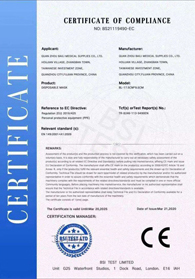



Compliance with standards like CE, ISO, and RoHS ensures our equipment is safe, reliable, and meets global market requirements.
Frequently Asked Questions (FAQs)
- Q: Can a standard bowl cutter be modified to operate under vacuum?
- Generally, no. The entire system, including the bowl, lid, and sealing mechanisms, is designed differently for vacuum operation. Retrofitting is often not feasible or cost-effective compared to purchasing a purpose-built vacuum bowl cutter.
- Q: How long does the vacuum process take?
- The evacuation time is typically very short, often within 1-3 minutes, depending on the vacuum pump's capacity and the chamber volume. This minimal time adds little to the overall processing cycle.
- Q: What is the typical maintenance for a vacuum bowl cutter?
- Maintenance is similar to a standard bowl cutter (blade sharpening, lubrication, cleaning) but also includes checks on the vacuum pump's oil level and filter, as well as ensuring the seals on the lid and bowl are intact and clean for optimal vacuum performance.
- Q: Does vacuum processing affect the cooking time or temperature?
- Not directly. The internal temperature rise during cutting is primarily due to friction. However, a denser product might cook slightly more uniformly. Cooking parameters should still be based on achieving safe internal temperatures for the specific product.
- Q: What is the expected lifespan of a vacuum bowl cutter from Hebei Yuanchang?
- With proper operation and regular maintenance, our industrial-grade bowl cutters, including vacuum models, are designed for a lifespan of 10-15 years or more. Our use of high-quality materials and precise manufacturing, especially with our CNC capabilities, ensures durability.
Ready to Elevate Your Product Quality?
Choosing between a standard and a vacuum bowl cutter is a critical decision for your processing line. Let our expertise guide you.