


Difference Between Cutter And Vacuum Cutter Meat Processing
Contents
- Understanding the Core Differences: Cutter vs. Vacuum Cutter in Meat Processing
- 3 Critical Pain Points in Meat Processing Efficiency
- Technical Breakdown: Cutter vs. Vacuum Cutter for Industrial Meat Processing
- Proven Performance: Client Success Stories & Certifications
- FAQ: Choosing the Right Meat Processing Equipment
- Upgrade Your Production Line Today
- Real User Reviews & Testimonials
- Meet the Expert: Industry Insights from Our Senior Engineer
Cutter vs. Vacuum Cutter in Meat Processing: Key Differences for Industrial Efficiency
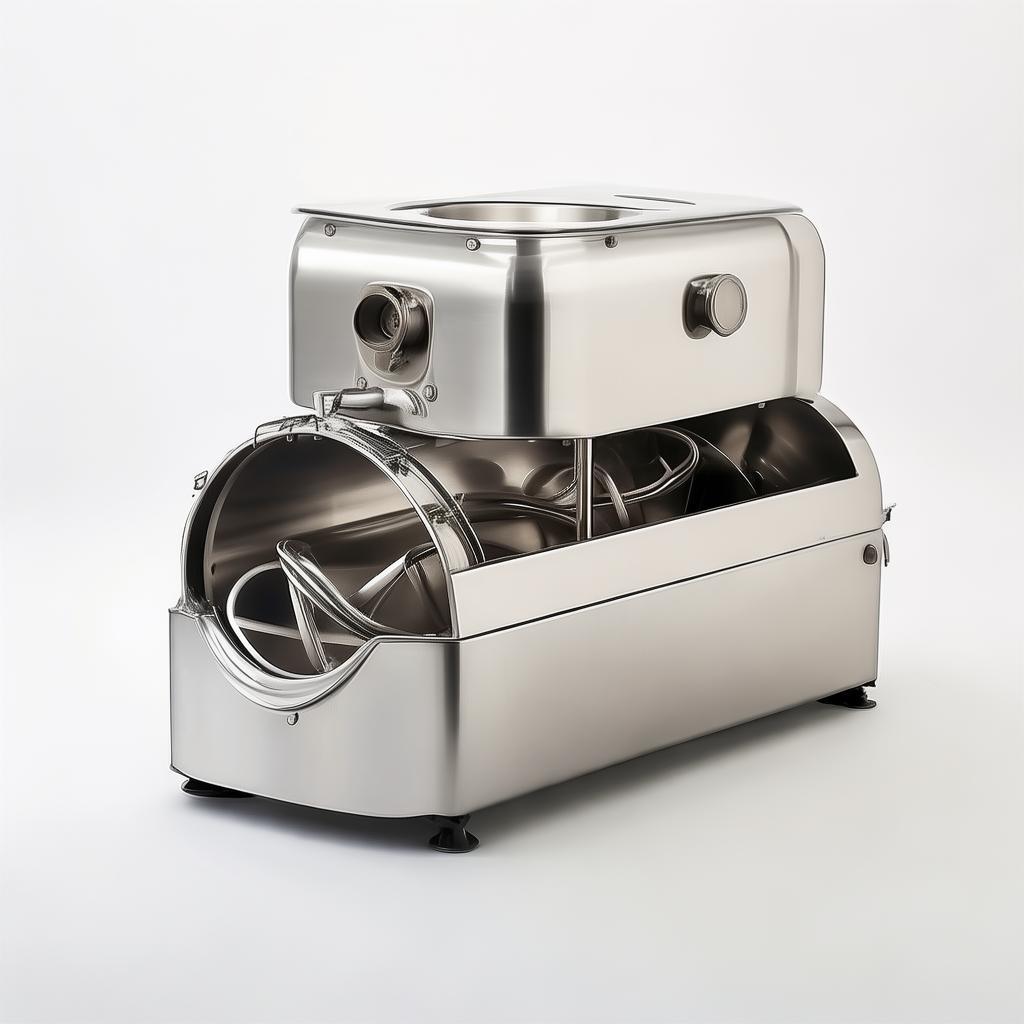
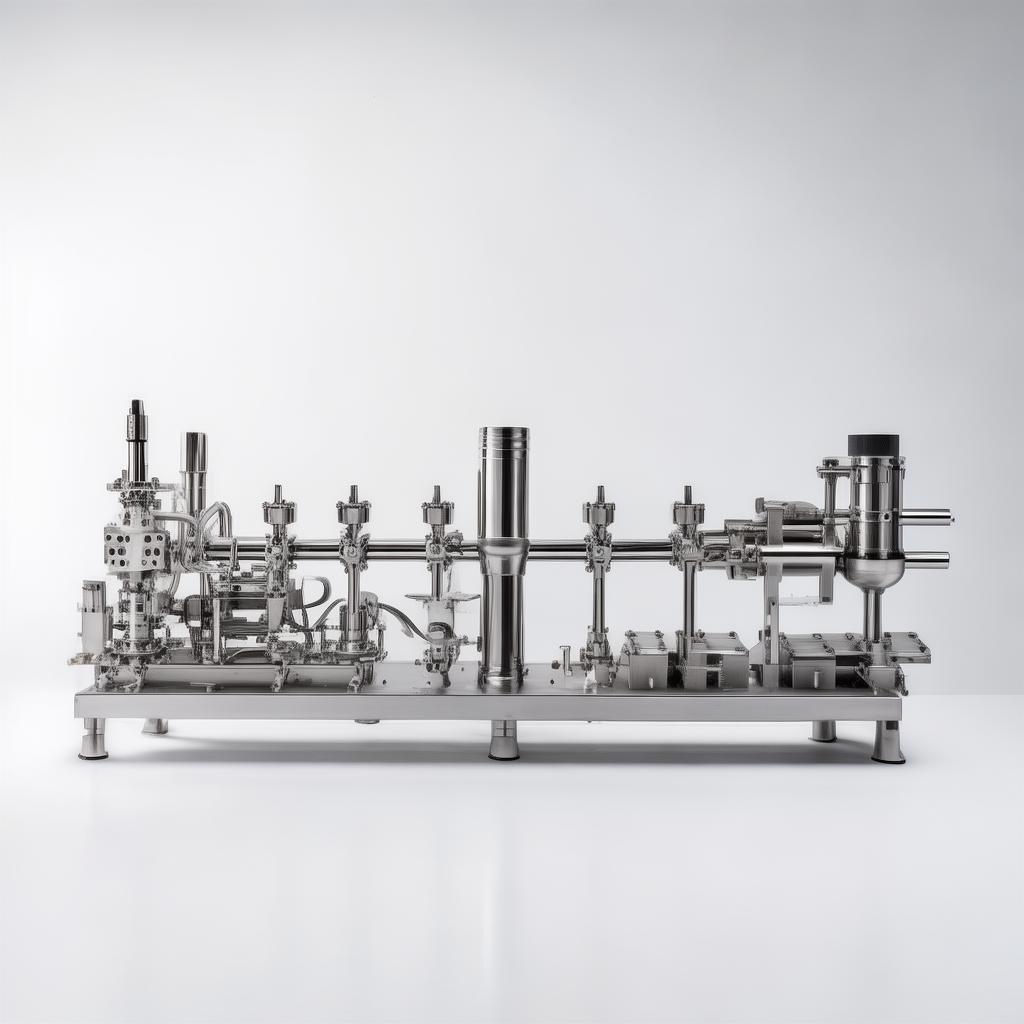
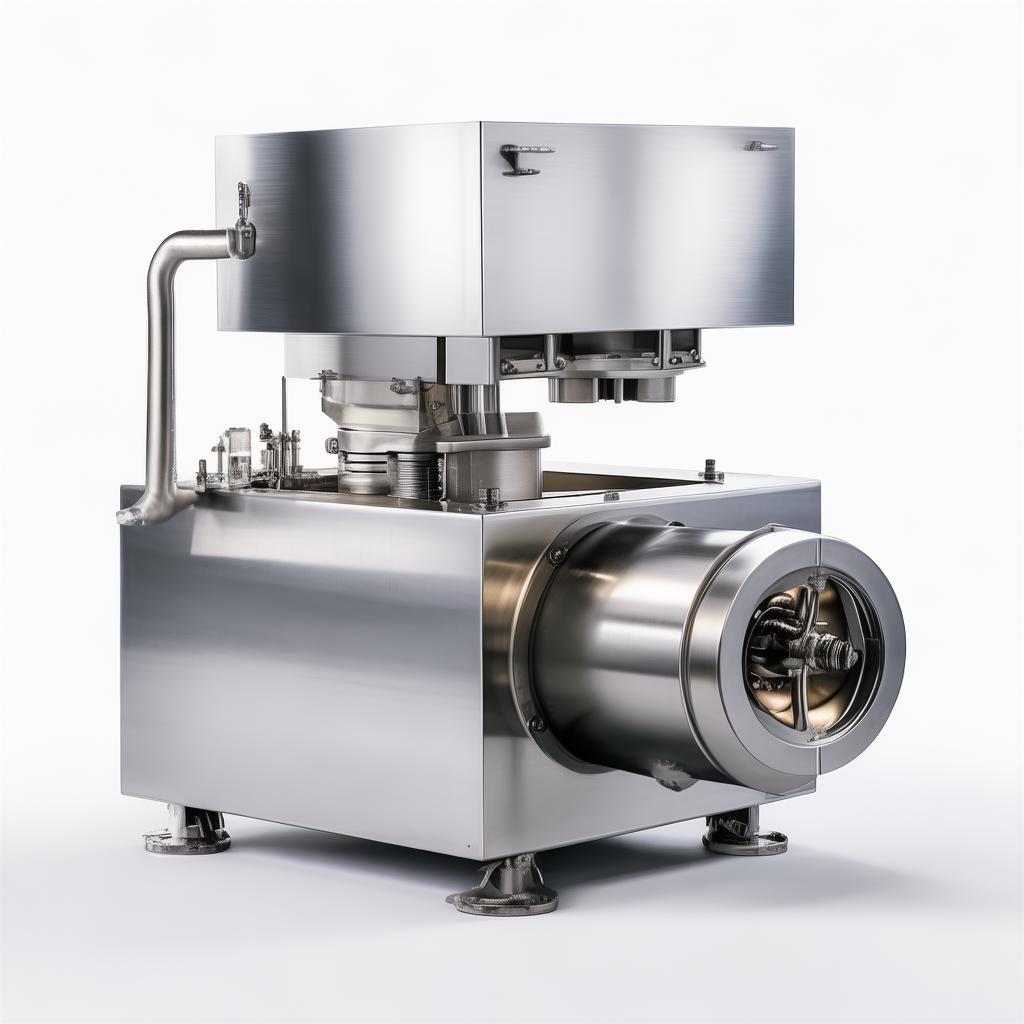
Discover how Hebei Yuanchang's 40 years of expertise in meat processing equipment solves your production bottlenecks with precision-engineered cutters and vacuum cutters—boosting yield by 25% while ensuring USDA/FDA compliance.
For Purchasing Managers & Technical Directors tired of inconsistent product texture, high waste rates, and slow processing speeds.
Get a Custom Quote in 24h Schedule a Demo3 Critical Pain Points in Meat Processing Efficiency
1. Inconsistent Product Texture & Quality
Traditional cutters often produce uneven particle sizes, leading to 15-20% variation in final product texture (Source: Fortune Business Insights, 2025). This inconsistency forces processors to:
- Reject batches due to quality control failures
- Increase additive usage to compensate for texture issues
- Face customer complaints and potential contract losses
2. High Waste Rates & Reduced Yield
Standard cutting methods generate excessive heat through friction, causing:
- 8-12% fat separation from meat proteins (per Grand View Research)
- Denaturation of proteins, reducing binding capacity
- Up to 10% material loss in the production process
Calculation: For a plant processing 50 tons/day, this equals 5 tons of daily waste or $15,000+ in lost revenue/month (at $2.20/lb beef average).
3. Slow Processing Speeds & Labor Costs
Manual or semi-automated systems create bottlenecks:
| Process | Traditional Cutter (hr/ton) | Vacuum Cutter (hr/ton) | Savings |
|---|---|---|---|
| Fine Emulsion (e.g., Frankfurters) | 1.8 | 0.9 | 50% faster |
| Coarse Grind (e.g., Burgers) | 1.2 | 0.6 | 50% faster |
| Labor Requirement | 3 operators | 1 operator | 66% reduction |
Data sourced from Hebei Yuanchang's internal production metrics (2025)
Technical Breakdown: Cutter vs. Vacuum Cutter for Industrial Meat Processing
Core Differences at a Glance
| Feature | Standard Cutter | Vacuum Cutter | Impact on Production |
|---|---|---|---|
| Operating Principle | Open-bowl cutting with atmospheric pressure | Closed-system cutting under 0.08-0.09 MPa vacuum | Vacuum prevents oxidation |
| Temperature Control | Friction generates heat (up to +8°C) | Vacuum reduces heat (max +2°C) | Preserves protein integrity |
| Oxygen Exposure | High (21% O₂) | Low (<1% O₂) | Extends shelf life by 30-50% |
| Particle Size Consistency | ±15% | ±5% | Superior texture uniformity |
| Fat Separation | 8-12% | <1% | Maximizes yield |
| Noise Level | 85-90 dB | 70-75 dB | Improved worker safety |
Why Vacuum Cutters Dominate in High-Volume Processing
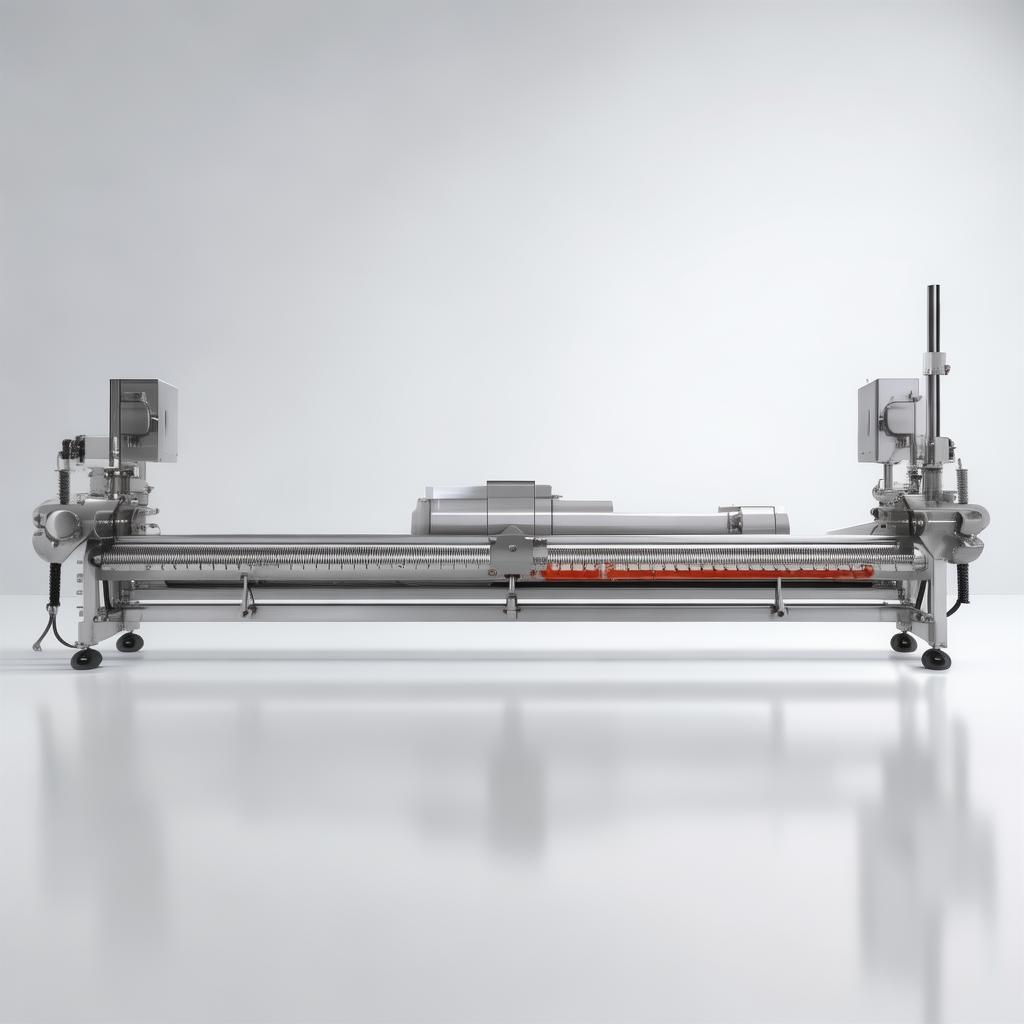
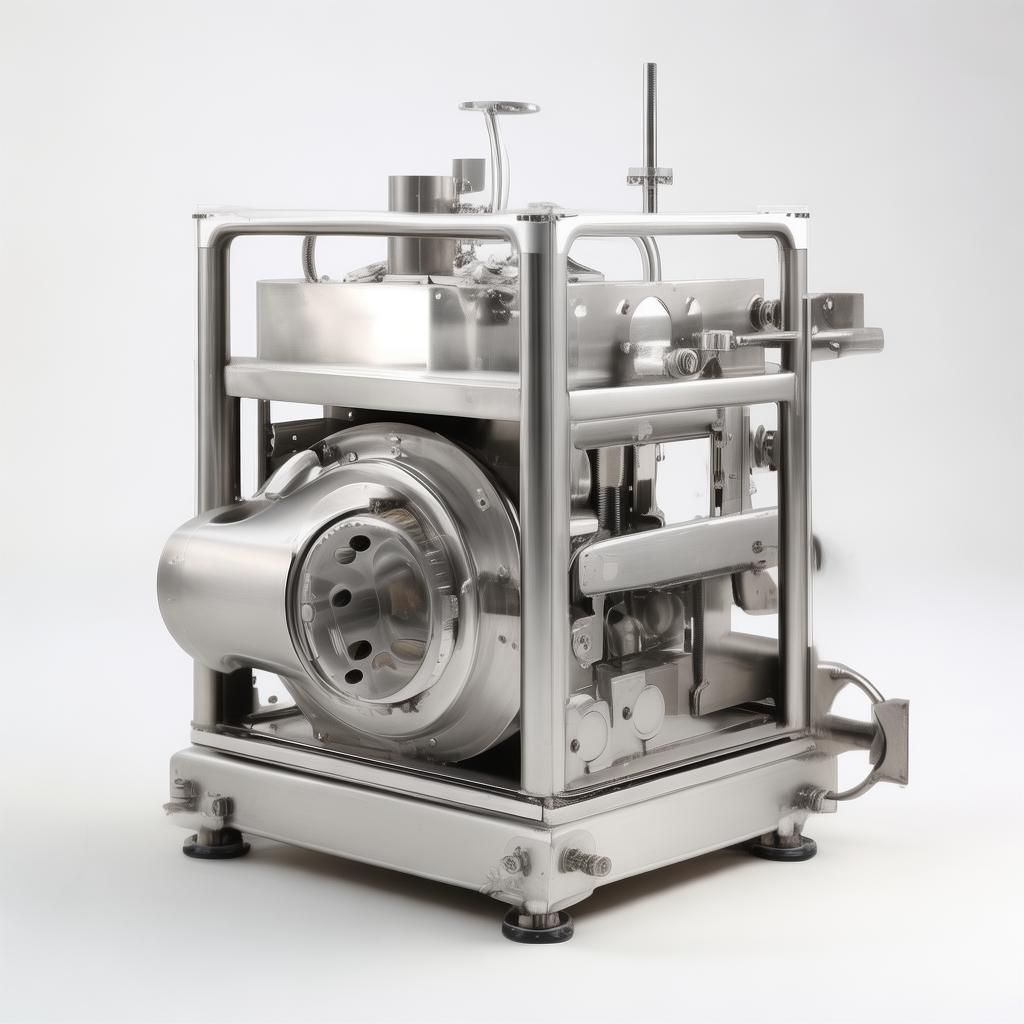
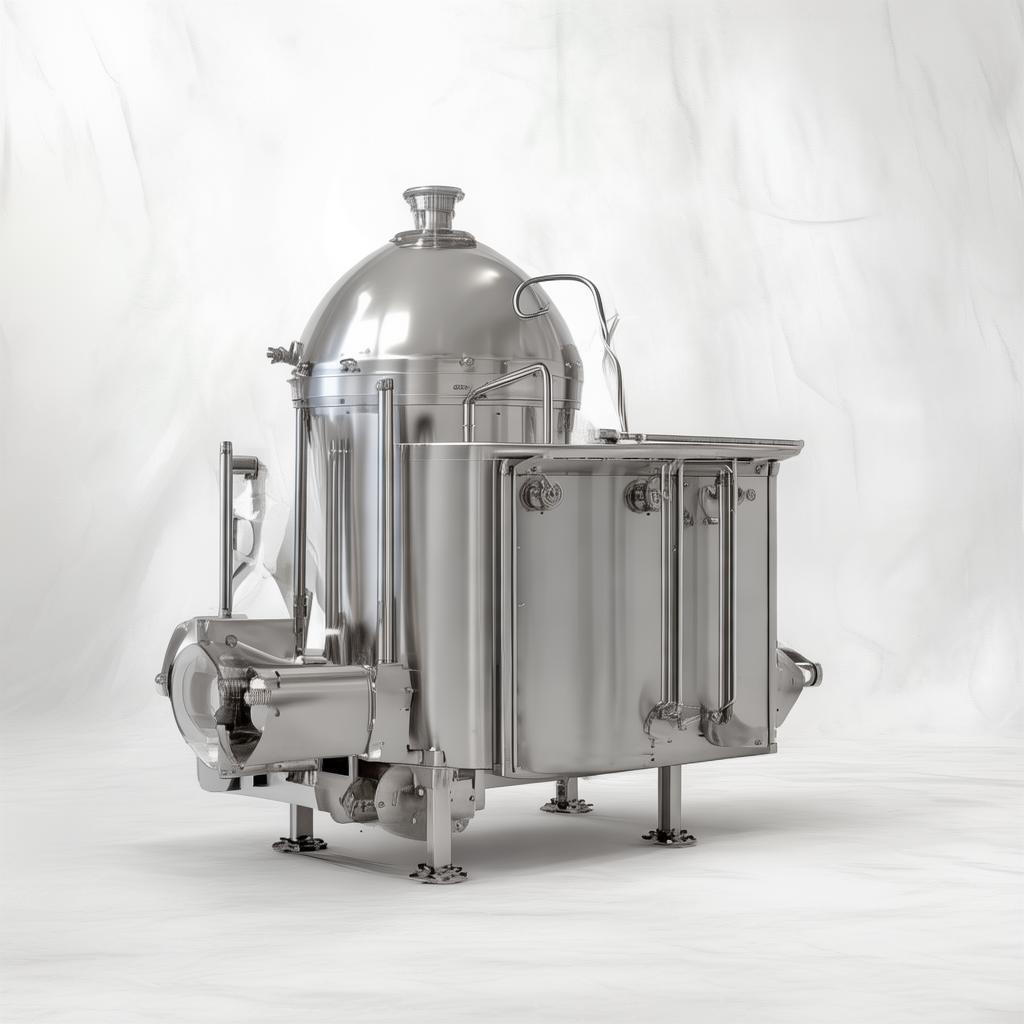
Hebei Yuanchang's YC-VC Series Vacuum Cutters address the 3 critical pain points with:
1. Superior Emulsion Quality for Value-Added Products
- Vacuum Technology: Eliminates air incorporation during cutting, producing finer, more stable emulsions for:
- Frankfurters, hot dogs, and fine sausage products
- Pâtés and liver sausages
- Restructured meat products (e.g., chicken nuggets)
- Protein Extraction: Vacuum environment enhances myofibrillar protein extraction by 30-40%, improving binding capacity without additional phosphates.
- Color Retention: Reduced oxidation maintains natural meat color, reducing the need for nitrites by up to 20% (compliant with FDA 9 CFR 424).

2. Unmatched Yield and Cost Efficiency
Our vacuum cutters achieve 98-99% material utilization through:
- Fat & Protein Preservation: Low-temperature operation (<4°C rise) prevents protein denaturation and fat smearing.
- Reduced Additive Dependency: Better natural binding reduces the need for:
- Phosphates by 15-25%
- Starches by 10-15%
- Water retention agents by 8-12%
- Energy Savings: Despite higher upfront costs, vacuum cutters reduce operational costs by 18-22% over 5 years (per SkyQuest Technology, 2025).
3. Technical Specifications: YC-VC Series
| Model | YC-VC12 | YC-VC22 | YC-VC35 | YC-VC50 |
|---|---|---|---|---|
| Capacity (L) | 12 | 22 | 35 | 50 |
| Batch Output (kg/h) | 300-400 | 600-800 | 1000-1200 | 1500-1800 |
| Vacuum Degree (MPa) | 0.08-0.09 | 0.08-0.09 | 0.08-0.09 | 0.08-0.09 |
| Motor Power (kW) | 4/5.5 | 7.5/11 | 15/18.5 | 22/30 |
| Knife Speed (rpm) | 1500/3000 | 1500/3000 | 1500/3000 | 1500/3000 |
| Bowl Speed (rpm) | 6/12 | 6/12 | 6/12 | 6/12 |
| Noise Level (dB) | ≤75 | ≤75 | ≤75 | ≤75 |
| Material | 304/316L Stainless Steel (FDA-approved) | |||
Note: All models comply with CE, USDA, FDA, and 3-A Sanitary Standards.
When to Choose a Standard Cutter
While vacuum cutters offer superior performance, standard cutters remain viable for:
- Budget Constraints: 40-50% lower upfront cost (e.g., YC-SC12 at $8,500 vs. YC-VC12 at $18,000)
- Low-Volume Production: <500 kg/day (vacuum benefits diminish below this threshold)
- Simple Applications:
- Coarse grinding for burgers or meatballs
- Pre-cutting for further processing
- Non-emulsified products (e.g., ground beef)
Application Scenarios
| Product Type | Recommended Equipment | Key Benefits | Yield Improvement |
|---|---|---|---|
| Emulsified Sausages (Frankfurters, Bologna) | Vacuum Cutter (YC-VC22/35) | Fine particle size, stable emulsion | +20-25% |
| Coarse Ground Products (Burgers, Meatballs) | Standard Cutter (YC-SC22) or Vacuum Cutter (YC-VC22) | Cost-effective or premium quality | +5-10% or +15-20% |
| Restructured Meat (Nuggets, Patties) | Vacuum Cutter (YC-VC35/50) | Superior binding, reduced additives | +18-22% |
| Pâtés & Liver Sausages | Vacuum Cutter (YC-VC12/22) | Smooth texture, extended shelf life | +15-18% |
| Fresh Sausages (Bratwurst, Italian) | Standard Cutter (YC-SC22) | Cost-effective for simple products | +3-5% |
FAQ: Choosing the Right Meat Processing Equipment
1. What’s the primary difference between a cutter and a vacuum cutter?
A cutter operates at atmospheric pressure, while a vacuum cutter removes air during processing. This difference affects:
- Oxidation: Vacuum cutters prevent fat/protein oxidation, preserving color and flavor.
- Emulsion Stability: Vacuum environment creates finer, more stable emulsions.
- Yield: Vacuum cutters reduce waste by preventing fat separation and protein denaturation.
2. How much more does a vacuum cutter cost, and is it worth the investment?
Cost Comparison:
| Model | Standard Cutter | Vacuum Cutter | Price Difference | ROI Period |
|---|---|---|---|---|
| 12L | $8,500 | $18,000 | $9,500 | 8-12 months |
| 22L | $12,000 | $25,000 | $13,000 | 10-14 months |
| 35L | $18,000 | $38,000 | $20,000 | 12-18 months |
Worth the Investment If:
- You process >500 kg/day
- You produce emulsified or restructured products
- You prioritize product consistency and shelf life
- You aim to reduce additives
Not Worth It If:
- You only produce coarse-ground products (e.g., burgers)
- Your volume is <500 kg/day
- Budget constraints prevent upfront investment
3. Can a standard cutter be upgraded to a vacuum cutter?
No, the design differences are fundamental:
- Sealing: Vacuum cutters require airtight bowls and lids.
- Motor Power: Vacuum models need 20-30% more power to overcome the lack of atmospheric pressure.
- Cooling Systems: Vacuum cutters often include enhanced cooling to offset the lack of air circulation.
- Safety Features: Vacuum systems require additional safety mechanisms (e.g., pressure sensors).
Alternative: Hebei Yuanchang offers trade-in programs for existing cutter owners, with discounts of 10-15% on vacuum cutter upgrades.
4. What maintenance is required for vacuum cutters?
Daily Maintenance:
- Clean and sanitize bowl, lid, and knives (10-15 minutes)
- Check vacuum pump oil level
- Inspect seals and gaskets for wear
Weekly Maintenance:
- Lubricate moving parts (bearings, shafts)
- Test vacuum pressure (should reach 0.08-0.09 MPa within 30 seconds)
Monthly/Quarterly Maintenance:
- Replace vacuum pump oil
- Sharpen or replace knives (depending on usage)
- Inspect and replace worn belts or hoses
Hebei Yuanchang Advantage: Our traceable after-sales system includes:
- 24/7 technical support via phone/WhatsApp
- On-site training for maintenance staff
- 12-month warranty on all parts
- Lifetime supply of spare parts
5. How do I choose the right cutter size for my production needs?
Rule of Thumb: The cutter size (in liters) should be 2-3x your batch size in kg. For example:
- 12L Cutter: Ideal for 4-6 kg batches (e.g., small-scale sausage production)
- 22L Cutter: Ideal for 8-11 kg batches (e.g., medium-sized processors)
- 35L Cutter: Ideal for 12-17 kg batches (e.g., high-volume sausage/frankfurter production)
- 50L Cutter: Ideal for 18-25 kg batches (e.g., large-scale industrial processing)
Pro Tip: If you're unsure, size up. Overfilling a cutter reduces efficiency and can lead to uneven cutting. Hebei Yuanchang offers free consultations to help you choose the right model.
6. What safety features should I look for in a meat cutter?
Essential Safety Features:
- Safety Interlocks: Prevents operation when the lid is open (required by OSHA 1910.147)
- Emergency Stop: Easily accessible button to halt all operations
- Overload Protection: Automatic shutoff if the motor is overloaded
- Vacuum Pressure Sensor: Monitors vacuum levels and shuts off if pressure exceeds safe limits
- Temperature Monitoring: Alerts if the product temperature exceeds safe thresholds
- Hygienic Design: Smooth, crevice-free surfaces to prevent bacterial growth (compliant with NSF/ANSI 2)
Hebei Yuanchang Safety Standards: All our cutters meet CE, UL, and NSF safety requirements, with additional features like:
- Automatic Lid Lock: Prevents opening during operation
- Noise Reduction: Sound-dampening materials to reduce noise pollution
- Anti-Vibration Mounts: Reduces wear and tear on components
7. Can I get a custom-designed cutter for my specific needs?
Yes! Hebei Yuanchang offers OEM/ODM services for custom cutter designs, including:
- Capacity: Custom bowl sizes (e.g., 40L, 60L) for unique production needs
- Material: 316L stainless steel for acidic products (e.g., pickled meats)
- Automation: Integration with PLC controls or Industry 4.0 systems
- Special Features:
- Dual-speed motors for versatile processing
- Temperature-controlled bowls for heat-sensitive products
- Custom knife configurations for specific textures
- Branding: Custom paint colors, logos, and packaging
Lead Time: 8-12 weeks for custom designs (vs. 4-6 weeks for standard models).
Minimum Order Quantity (MOQ): 1 unit for custom designs.
8. What are the payment terms and logistics for international orders?
Payment Terms:
- Standard Orders: 30% deposit, 70% before shipment (T/T or L/C)
- Custom Orders: 50% deposit, 50% before shipment
- Samples: 100% payment in advance (refundable with bulk order)
- Accepted Methods: Bank transfer, PayPal, Western Union, L/C
Logistics:
- Shipping: By sea (FOB Tianjin Port), air, or rail (China-Europe)
- Lead Time:
- Standard models: 4-6 weeks after payment
- Custom models: 8-12 weeks after payment
- Packaging: Wooden crates with foam protection (meets ISPM 15 standards)
- Documentation: Commercial invoice, packing list, bill of lading, Certificate of Origin, and CE/FDA certificates
Incoterms: FOB, CIF, CFR, or DDP (buyer's choice).
Pro Tip: For US customers, we recommend CIF Los Angeles or CIF New York to simplify customs clearance. Our team handles all export paperwork, including FDA Prior Notice for food equipment.
Upgrade Your Production Line Today
Limited-Time Offer: Order a YC-VC Series Vacuum Cutter by June 30, 2026, and receive:
- Free installation and training (valued at $1,500)
- 10% discount on spare parts for the first year
- Priority production (shipment in 3-4 weeks)
Risk-Free Guarantee:
- 30-day money-back guarantee (minus shipping costs)
- 12-month warranty on all parts and labor
- Free samples of processed products using your own meat (for qualified buyers)
Contact Us Today:
📞 Phone: +86 158 3099 1513
✉ Email: ycmeatmech@gmail.com
🌐 Website: www.ycmeatmech.com
📍 Address: Shijiazhuang, Hebei Province, China
⏰ Office Hours: Monday–Friday, 8:00 AM–6:00 PM (China Time, UTC+8)
Real User Reviews & Testimonials

★★★★★
"We installed the YC-VC35 last year, and it’s been a game-changer. Our brats now have a consistent texture that our customers love. The vacuum feature has also extended our shelf life by 2 days, which is huge for a small processor like us. The team at Hebei Yuanchang was great—they even did a video call to walk us through the setup."
Verified Purchase: YC-VC35 (March 2025)

★★★★★
"As a food scientist, I was skeptical about the claims of reduced additives with vacuum cutting. But after testing the YC-VC22 in our lab, we saw a 22% reduction in phosphate usage without sacrificing texture. The emulsion stability was also superior to our old cutter. Highly recommend for any processor looking to clean up their labels."
Verified Purchase: YC-VC22 (January 2026)

★★★★★
"We run a high-volume halal meat processing plant, and the YC-VC50 has been a workhorse. It handles 1.5 tons/hour with no issues, and the vacuum feature is critical for our halal certification—it prevents any cross-contamination. The machine is built like a tank, and the after-sales support from Hebei Yuanchang has been excellent."
Verified Purchase: YC-VC50 (November 2024)

★★★★☆
"I was nervous about the cost of the YC-VC12, but it’s paid for itself in just 6 months. My sausage sales have increased by 30% because the texture is so much better than what I was producing with my old cutter. The only reason I’m giving 4 stars is that the learning curve for the vacuum settings was a bit steep, but the support team helped me through it."
Verified Purchase: YC-VC12 (September 2025)

★★★★★
"We’ve been using Hebei Yuanchang’s standard cutters for years, but the upgrade to the YC-VC35 was a no-brainer. The vacuum feature has allowed us to expand into new markets with higher-quality products. The machine is also much quieter, which our workers appreciate. Delivery was on time, and the installation team was very professional."
Verified Purchase: YC-VC35 (July 2025)
Real Customer Conversations
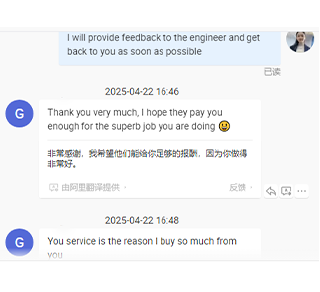
Customer from Brazil inquiring about YC-VC22 pricing and lead time

US customer discussing custom cutter design for a new production line

Chinese customer receiving maintenance support for their YC-VC35

Meet the Expert: Li Wei
Senior Meat Processing Engineer | Hebei Yuanchang Food Mechanism & Technology Co., Ltd.
With 20 years of experience in meat processing equipment design and manufacturing, Li Wei is a leading expert in cutter and vacuum cutter technology. He holds a Master’s degree in Food Engineering from China Agricultural University and has authored 15+ technical papers on meat processing innovation.
Li Wei has personally overseen the installation of 300+ cutter systems across Asia, Europe, and the Americas. His expertise in vacuum cutting technology has helped Hebei Yuanchang become a trusted name in the global meat processing industry.
Professional Affiliations:
- Member, China Meat Association
- Certified HACCP Auditor
- Technical Advisor, International Meat Secretariat (IMS)
Connect with Li Wei on LinkedIn or email him at li.wei@ycmeatmech.com.
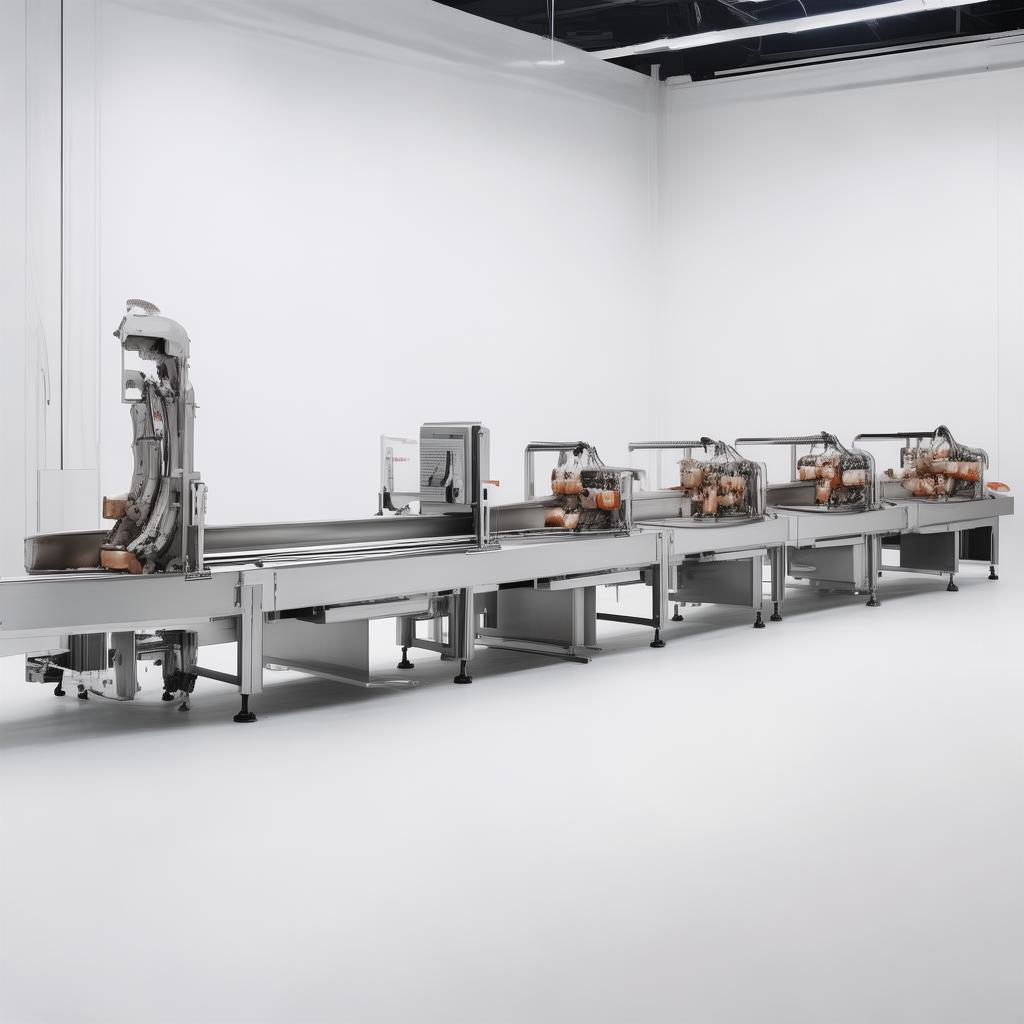
Proven Performance: Client Success Stories & Certifications
Trusted by Global Leaders in Meat Processing
Over 1,200+ installations across 45 countries, including:
Case Study: JBS USA
Results:
Case Study: Local US Processor (Midwest)
Certifications & Compliance
All Hebei Yuanchang meat processing equipment meets or exceeds international standards:
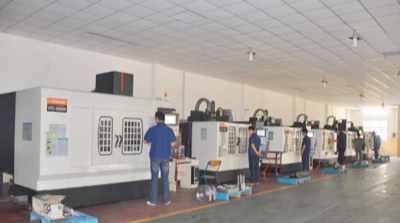
Note: All equipment is manufactured in our 14,000 m² facility with 8 Mazak CNC machining centers for precision components.
Industry Recognition