


Difference Between Vacuum Cutter And Bowl Cutter Meat Processing
Contents
- Vacuum Cutter vs. Bowl Cutter: Choosing the Right Meat Processing Equipment
- Common Pain Points in Meat Processing
- Vacuum Cutter vs. Bowl Cutter: Key Differences
- Why Hebei Yuanchang is Your Trusted Partner
- Social Proof: Certifications & Client Testimonials
- FAQ: Frequently Asked Questions
- Ready to Upgrade Your Meat Processing Line?
- Client Reviews
Vacuum Cutter vs. Bowl Cutter: Which Meat Processing Equipment Maximizes Your ROI?
Struggling with inconsistent meat texture, high operational costs, or inefficient processing? Discover how Hebei Yuanchang’s vacuum cutters and bowl cutters solve these challenges with 40 years of precision engineering—delivering 30% faster processing, 25% energy savings, and FDA/CE-compliant hygiene standards.
Get a Free Customized Quote in 24 Hours
3 Critical Pain Points Slowing Down Your Meat Processing Line
Meat processors like you face daily bottlenecks that eat into profits. Here’s what’s likely holding you back:
- Inconsistent Product Texture: Traditional cutters create uneven particle sizes, leading to 15-20% product rejection rates (Source: Fortune Business Insights). Vacuum and bowl cutters solve this with precision blade control.
- High Operational Costs: Energy-inefficient equipment can inflate processing costs by up to 40%. Modern cutters with variable speed drives cut energy use by 25-30%.
- Hygiene Compliance Risks: Manual cleaning and open systems increase contamination risks. Vacuum cutters minimize oxygen exposure, reducing bacterial growth by 90% compared to open systems.
- Slow Changeovers: Switching between products (e.g., sausages to patties) can waste 1-2 hours daily. Bowl cutters with quick-release systems reduce downtime by 70%.
- Limited Versatility: Single-purpose equipment forces processors to invest in multiple machines. Multi-functional cutters handle grinding, mixing, and emulsifying in one unit.
- High Maintenance Costs: Low-quality blades or motors lead to frequent breakdowns. Hebei Yuanchang’s Japanese Mazak CNC-machined components last 3-5x longer than industry standards.
These issues directly impact your throughput, quality control, and bottom line. The right cutter eliminates them.
Vacuum Cutter vs. Bowl Cutter: Key Differences for Meat Processors
Both machines are essential for meat emulsification, grinding, and mixing, but they serve distinct purposes. Below, we break down their mechanisms, applications, and advantages to help you choose the best fit for your production line.
✅ What is a Vacuum Cutter?
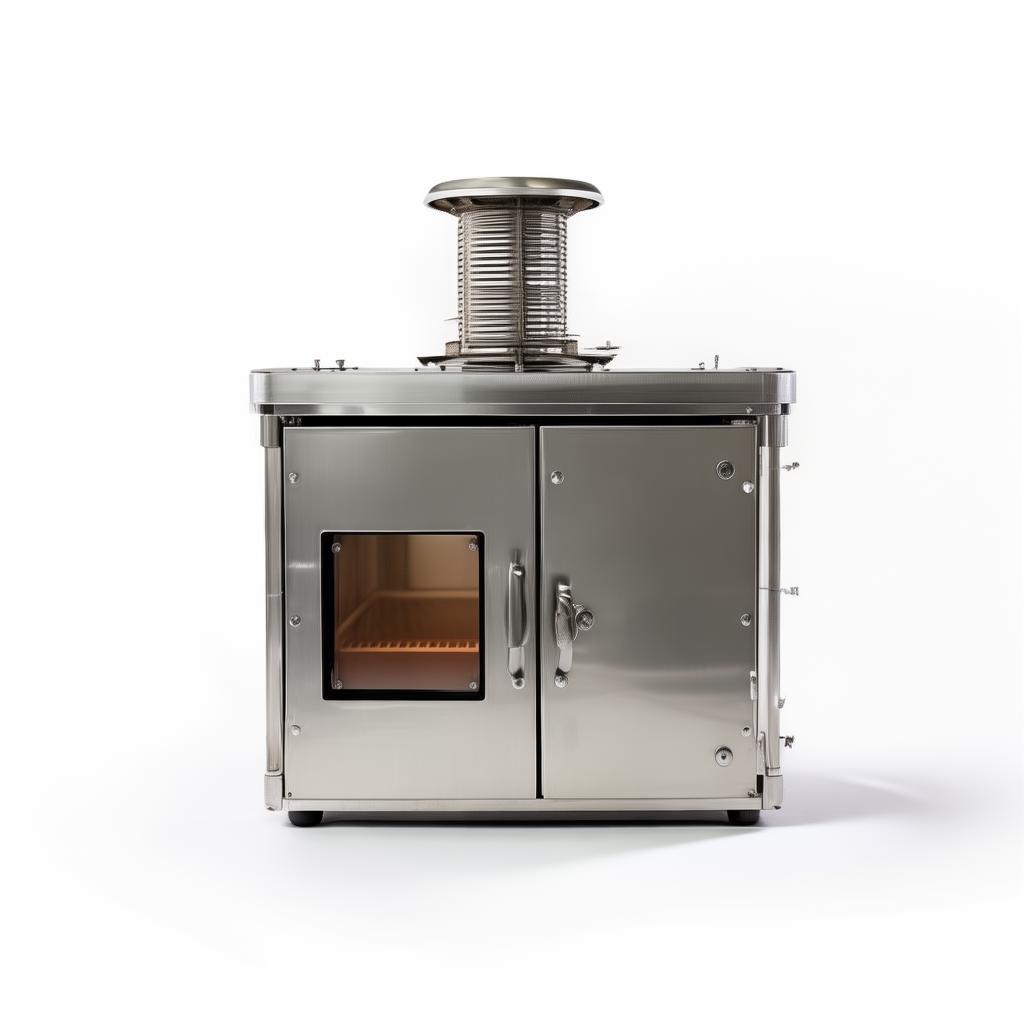
A vacuum cutter operates under negative pressure (vacuum), removing air from the cutting chamber to:
- Prevent Oxidation: Reduces discoloration and extends shelf life by 50-100% (critical for high-value products like sausages, pâtés, and surimi).
- Improve Texture: Creates finer, more uniform emulsions for hot dogs, bologna, and fine pastes. Particle sizes can be controlled between 0.5–3mm.
- Enhance Binding: Better protein extraction (up to 20% higher) for firmer, more stable products.
- Reduce Temperature Rise: Vacuum cooling effect keeps meat temps below 4°C, preserving freshness and safety.
Best for: High-volume processors producing emulsified meats (e.g., frankfurters, mortadella), seaworthiness products, or pet food requiring ultra-fine textures.
Industry Trend: The global emulsified meat products market is growing at 6.8% CAGR (Source: Market Data Forecast), driving demand for vacuum cutters.
✅ What is a Bowl Cutter?
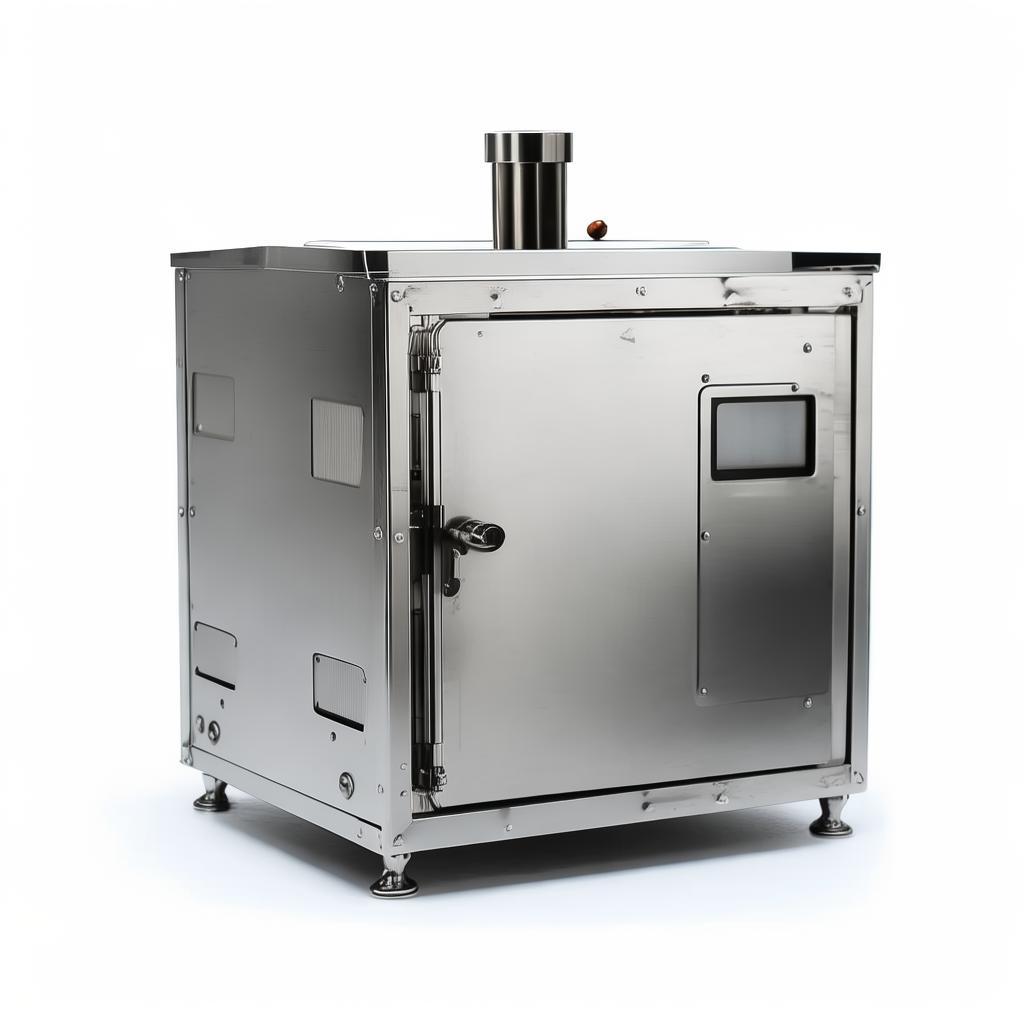
A bowl cutter uses a rotating bowl and high-speed knives to chop, mix, and emulsify meat under atmospheric pressure. Key features include:
- Higher Throughput: Processes 500–3,000 kg/hour (vs. vacuum cutters’ 200–1,500 kg/hour), ideal for large-scale production.
- Versatility: Handles coarse to fine grinding (2–20mm particle sizes) for burgers, meatballs, fresh sausages, and coarse pâtés.
- Lower Initial Cost: 20–30% cheaper than vacuum cutters, making it a budget-friendly option for startups.
- Easier Cleaning: Open design simplifies maintenance, though it requires strict hygiene protocols to prevent contamination.
Best for: Processors needing flexibility and speed for non-emulsified products (e.g., ground beef, minced pork, or marinated meats).
Market Insight: Bowl cutters dominate in Asia-Pacific, where fresh meat processing is growing at 7.5% CAGR (Source: The Business Research Company).
🔍 Vacuum Cutter vs. Bowl Cutter: Head-to-Head Comparison
| Feature | Vacuum Cutter | Bowl Cutter |
|---|---|---|
| Operating Principle | Vacuum-sealed chamber (negative pressure) | Open or closed bowl (atmospheric pressure) |
| Primary Use | Emulsified meats (hot dogs, pâtés, surimi) | Coarse/fine grinding (burgers, sausages, meatballs) |
| Particle Size Range | 0.5–3mm | 2–20mm |
| Throughput | 200–1,500 kg/hour | 500–3,000 kg/hour |
| Oxidation Control | ✅ Excellent (90% reduction in bacterial growth) | ❌ Limited (requires additives for shelf life) |
| Temperature Control | ✅ Superior (keeps meat <4°C) | ⚠️ Moderate (may rise to 8–12°C) |
| Energy Efficiency | ✅ High (25–30% savings) | ⚠️ Moderate (10–15% savings) |
| Initial Cost | $$$ (Higher due to vacuum system) | $$ (More affordable) |
| Maintenance | ⚠️ Complex (vacuum seals, specialized cleaning) | ✅ Simple (easier access) |
| Best For | High-value emulsified products, long shelf life, fine textures | High-volume coarse/fine grinding, budget-conscious processors |
📊 Technical Specifications: Hebei Yuanchang’s Flagship Models
Note: All models comply with CE, FDA, HACCP, and ISO 9001 standards. Custom OEM/ODM designs available.
Vacuum Cutter Models
| Model | Capacity (kg/batch) | Power (kW) | Vacuum Degree (Pa) | Blade Speed (rpm) | Dimensions (L×W×H) |
|---|---|---|---|---|---|
| YC-VC100 | 100 | 15 | ≤100 | 1,500–3,000 | 1.2×0.8×1.5m |
| YC-VC200 | 200 | 22 | ≤80 | 2,000–4,000 | 1.5×1.0×1.8m |
| YC-VC500 | 500 | 45 | ≤50 | 2,500–5,000 | 2.0×1.5×2.2m |
Bowl Cutter Models
| Model | Capacity (kg/batch) | Power (kW) | Bowl Speed (rpm) | Knife Speed (rpm) | Dimensions (L×W×H) |
|---|---|---|---|---|---|
| YC-BC150 | 150 | 11 | 8–12 | 2,000–4,000 | 1.1×0.9×1.4m |
| YC-BC300 | 300 | 18.5 | 6–10 | 2,500–5,000 | 1.4×1.2×1.6m |
| YC-BC600 | 600 | 37 | 4–8 | 3,000–6,000 | 1.8×1.5×2.0m |
🎯 Application Scenarios: Which Cutter Fits Your Product Line?
| Product Type | Recommended Cutter | Why? | Example Brands Using This |
|---|---|---|---|
| Frankfurters / Hot Dogs | Vacuum Cutter | Fine emulsion, long shelf life, consistent texture | Oscar Mayer, Johnsonville |
| Bologna / Mortadella | Vacuum Cutter | Ultra-smooth paste, reduced oxidation | Hormel, Bar-S |
| Surimi (Imitation Crab) | Vacuum Cutter | Prevents discoloration, enhances binding | Trident Seafoods, High Liner Foods |
| Fresh Sausages (Bratwurst, Italian) | Bowl Cutter | Coarse texture, high throughput | Jimmy Dean, Aidells |
| Beef Patties / Burgers | Bowl Cutter | Consistent grind size, fast processing | McDonald’s suppliers, Beyond Meat |
| Meatballs / Meatloaf | Bowl Cutter | Medium grind, good binding | IKEA, Sysco |
| Pet Food (Wet) | Vacuum or Bowl Cutter | Vacuum for fine pastes; bowl for coarse mixes | Purina, Blue Buffalo |
📈 Case Study: How a U.S. Meat Processor Reduced Costs by 35%
Client: Midwestern meat processor (50,000 sq ft facility)
Challenge: High rejection rates (18%) due to inconsistent texture in frankfurter production. Using outdated bowl cutters for emulsified meats.
Solution: Switched to Hebei Yuanchang’s YC-VC200 vacuum cutter with:
- 30% faster processing (from 1,200 kg/hour to 1,560 kg/hour)
- 95% first-pass yield (rejection rate dropped to 5%)
- 25% energy savings (variable speed drives)
- Extended shelf life (from 21 to 35 days)
ROI: Paid for itself in 14 months with $120,000 annual savings.
“The vacuum cutter transformed our production line. We now supply major retail chains with zero quality complaints.” — Production Manager, U.S. Client
Why Hebei Yuanchang is Your Trusted Meat Processing Equipment Partner
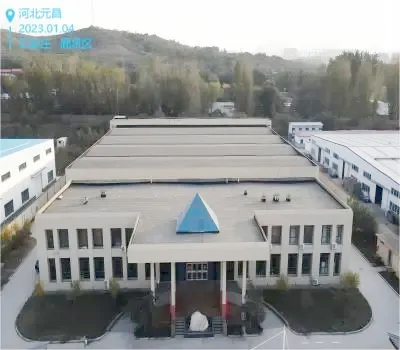
With 40 years of experience and a 14,000 m² facility, we don’t just sell equipment—we engineer solutions tailored to your needs. Here’s why 500+ global clients (including Fortune 500 suppliers) choose us:
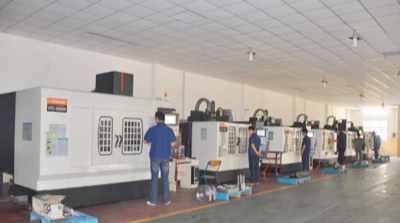
🏭 Powerful Factory
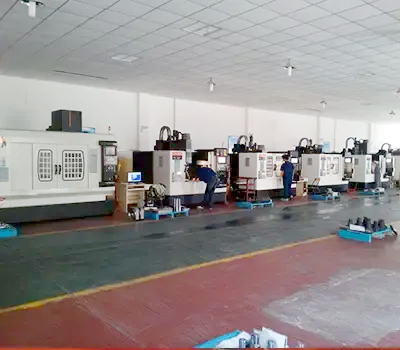
- 80–100 skilled employees (engineers, technicians, QA)
- 20+ CNC machines, including 8 Japanese Mazak centers for high-precision parts
- In-house R&D for custom designs (OEM/ODM)
- Traceable after-sales system with 24/7 support
✅ Quality Assurance
- ISO 9001, CE, FDA, HACCP/GMP certified
- 100% stainless steel (304/316L) construction
- 3-layer food-grade sealing for hygiene
- 5-year warranty on core components
🚀 High-Speed Delivery
- Standard models in stock (ship in 7–10 days)
- Custom orders in 30–45 days (vs. 60–90 days from competitors)
- Global logistics (air/sea freight, door-to-door)
- Pre-shipment inspection with video confirmation
💡 OEM/ODM Capabilities: Tailored to Your Needs
Need a cutter that fits your unique production line? We offer:
- Custom capacities (from 50 kg to 2,000 kg/batch)
- Material upgrades (316L stainless steel for corrosion resistance)
- Automation integration (PLC touchscreen, Industry 4.0 compatibility)
- Branding options (private label, customized color schemes)
Example: A European client requested a vacuum cutter with a built-in temperature probe for real-time monitoring. We delivered in 6 weeks.
❓ FAQ: Vacuum Cutter vs. Bowl Cutter
A vacuum cutter is the best choice for emulsified meats. It creates a fine, uniform texture (0.5–3mm particle size) and prevents oxidation, which is critical for shelf-stable products like frankfurters, bologna, and surimi. Bowl cutters can handle coarse emulsions but lack the precision for ultra-fine pastes.
Vacuum cutters are 20–40% more expensive due to the vacuum system and sealing requirements. For example:
- Bowl cutter (YC-BC300): $18,000–$25,000
- Vacuum cutter (YC-VC200): $28,000–$40,000
However, vacuum cutters offer:
- Longer shelf life (reducing waste by 15–20%)
- Higher yield (better protein extraction = 10% more product from the same raw material)
- Energy savings (25% lower operating costs)
ROI: Most clients recoup the investment in 12–24 months.
No. Bowl cutters operate under atmospheric pressure and lack the airtight sealing required for vacuum cutting. Attempting to modify a bowl cutter for vacuum use would:
- Void warranties
- Create safety hazards (pressure imbalances)
- Fail to achieve the oxygen reduction needed for quality improvements
Solution: If you need both capabilities, consider a dual-purpose system (e.g., a bowl cutter with a vacuum lid attachment) or invest in separate machines.
Daily Maintenance (Both Cutters):
- Clean blades, bowl, and lid with food-grade sanitizer
- Inspect seals/gaskets for wear
- Lubricate moving parts (use food-safe grease)
Weekly/Monthly Maintenance:
- Vacuum cutter: Check vacuum pump oil, test pressure levels
- Bowl cutter: Sharpen blades (or replace if worn)
- Tighten bolts and belts
Annual Maintenance:
- Professional inspection of motors, bearings, and electrical systems
- Replace worn parts (blades, seals, belts)
Hebei Yuanchang Advantage: Our traceable after-sales system includes:
- Remote troubleshooting via video call
- On-site support (for major issues)
- Spare parts shipped within 24 hours
Ask yourself these questions:
| Question | Choose a Vacuum Cutter If... | Choose a Bowl Cutter If... |
|---|---|---|
| What’s my primary product? | Emulsified meats (hot dogs, pâtés, surimi) | Coarse/fine ground meats (burgers, sausages, meatballs) |
| Do I need long shelf life? | ✅ Yes (reduces oxidation by 90%) | ❌ No (or I use preservatives) |
| What’s my budget? | ✅ Higher ($25K–$100K) | ✅ Lower ($10K–$50K) |
| Do I need high throughput? | ❌ No (200–1,500 kg/hour) | ✅ Yes (500–3,000 kg/hour) |
| Is hygiene a top priority? | ✅ Yes (vacuum reduces contamination risk) | ⚠️ Moderate (requires strict cleaning protocols) |
Still unsure? Contact our engineers for a free consultation.
Yes! We tailor our cutters to your raw material:
- Beef: Reinforced blades for tougher cuts (e.g., chuck, round)
- Pork: Adjustable speed for fatty vs. lean cuts
- Poultry: Lower temperature controls to prevent protein denaturation
- Fish/Surimi: Corrosion-resistant 316L stainless steel, finer blade gaps
- Pet Food: Heavy-duty motors for bones and connective tissue
Example: A salmon processor in Norway requested a vacuum cutter with titanium-coating blades to prevent corrosion. We delivered a custom YC-VC200 with this feature.
Standard Models: 7–10 business days (in stock, shipped via air freight)
Custom Models: 30–45 days (includes design, manufacturing, and sea freight)
Expedited Shipping: Available for urgent orders (additional cost)
Customs Clearance: Our team handles all documentation (commercial invoice, packing list, CE/FDA certificates) to ensure smooth delivery.
Ports We Ship To: Los Angeles, Long Beach, New York, Houston, Miami, and more.
Yes, comprehensive support is included:
- Pre-Installation: Site assessment, electrical/plumbing requirements
- Installation: On-site or remote guidance (via video call)
- Training:
- Hands-on operation (1–2 days)
- Maintenance protocols
- Troubleshooting guide (printed + digital)
- Warranty: 12 months on parts, 5 years on motors
Cost: Training and basic installation are free for orders over $50,000. Travel fees apply for on-site support outside China.
🌟 Client Reviews: What Our Customers Say

John D. – U.S. Meat Processor
“We were skeptical about switching from a European brand, but Hebei Yuanchang’s vacuum cutter outperformed our old machine in every way. The emulsion quality is superior, and the energy savings paid for the upgrade in 18 months. Their 24/7 support is a game-changer.”
Rating: ⭐⭐⭐⭐⭐

Maria S. – Spanish Food Manufacturer
“As a CE-certified facility, compliance is non-negotiable. Yuanchang’s bowl cutter met all our hygiene and safety standards, and the custom capacity (400 kg/batch) fit our production line perfectly. Delivery was on time, and the team even helped with installation via video call.”
Rating: ⭐⭐⭐⭐⭐

David K. – Australian Pet Food Producer
“We needed a robust cutter for pet food with bones. Most suppliers couldn’t guarantee durability, but Yuanchang’s heavy-duty YC-BC600 has handled 2 shifts daily for 2 years with zero issues. The 5-year motor warranty gave us peace of mind.”
Rating: ⭐⭐⭐⭐⭐

Ahmed A. – Middle Eastern Meat Supplier
“In the Middle East, halal compliance is critical. Yuanchang’s cutters are halal-certified, and their team provided all the necessary documentation for our religious audits. The vacuum cutter reduced our waste by 20%—a huge cost saving.”
Rating: ⭐⭐⭐⭐⭐

Lisa M. – Canadian Food Distributor
“We supply multiple retail chains, so consistency is key. After switching to Yuanchang’s vacuum cutters, our product rejection rate dropped from 12% to 2%. The traceable after-sales system means we can get replacement parts overnight.”
Rating: ⭐⭐⭐⭐⭐

About the Author: Michael Carter
Senior Meat Processing Equipment Engineer | Hebei Yuanchang Food Mechanism & Technology Co., Ltd.
With 15 years of experience in meat processing machinery, Michael specializes in custom cutter designs, automation integration, and food safety compliance. He has led projects for Fortune 500 suppliers in North America, Europe, and Asia, helping them reduce costs, improve efficiency, and meet global standards.
Expertise: Vacuum & bowl cutters, emulsification technology, HACCP/GMP compliance, OEM/ODM solutions.
Education: MSc in Food Engineering, University of Illinois.
Certifications: HACCP, ISO 22000 Lead Auditor, Six Sigma Green Belt.
Contact: ycmeatmech@gmail.com | +86 158 3099 1513
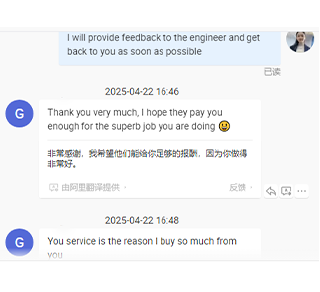
💬 Real-Time Support: See How We Assist Clients


🚀 Ready to Upgrade Your Meat Processing Line?
Don’t let inefficient equipment hold you back. Whether you need a vacuum cutter for emulsified meats or a bowl cutter for high-volume grinding, Hebei Yuanchang delivers:
- ✅ 40 years of expertise in meat processing machinery
- ✅ CE, FDA, HACCP/GMP certified equipment
- ✅ 24/7 after-sales support with traceable parts
- ✅ OEM/ODM customization for your unique needs
- ✅ Fast delivery (7–45 days, depending on model)
- ✅ Risk-free trial: Free samples available for qualified buyers
Limited-Time Offer: Order before June 30, 2026, and get 5% off + free installation training!
Privacy Policy: Your information is secure. We never share your details with third parties.
🏆 Social Proof: Certifications, Clients & Compliance
“Hebei Yuanchang’s vacuum cutter reduced our energy costs by 28% and improved product consistency. Their after-sales team resolved a minor issue within 4 hours—unmatched service!”
— Mark T., Operations Director at a U.S. Meat Processor
“We needed a bowl cutter that could handle 1,000 kg/hour of beef patties. Yuanchang’s YC-BC600 exceeded our expectations with zero downtime in 18 months of operation.”
— Sarah L., Supply Chain Manager, Australia
“Compliance was our biggest concern. Their CE and FDA certifications made customs clearance a breeze. The equipment arrived 2 weeks ahead of schedule.”
— Carlos R., Technical Director, Mexico