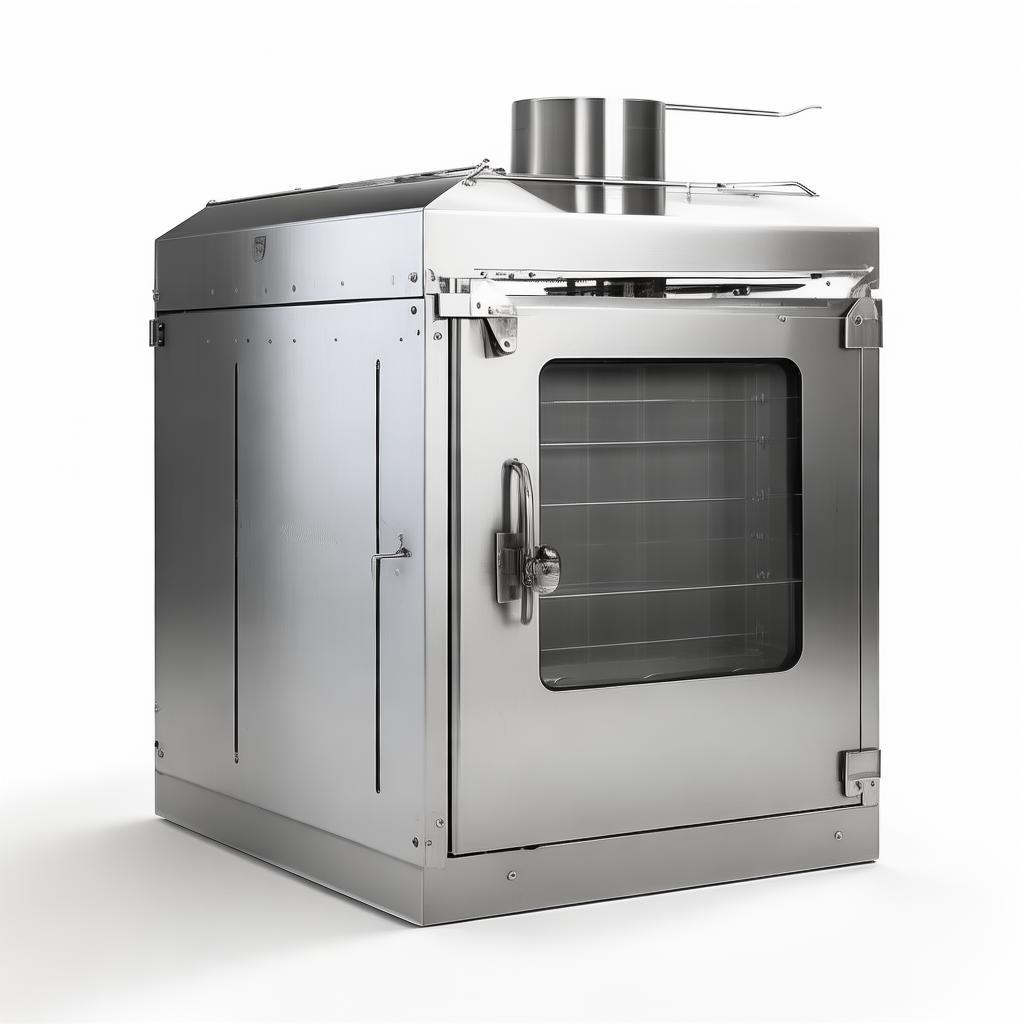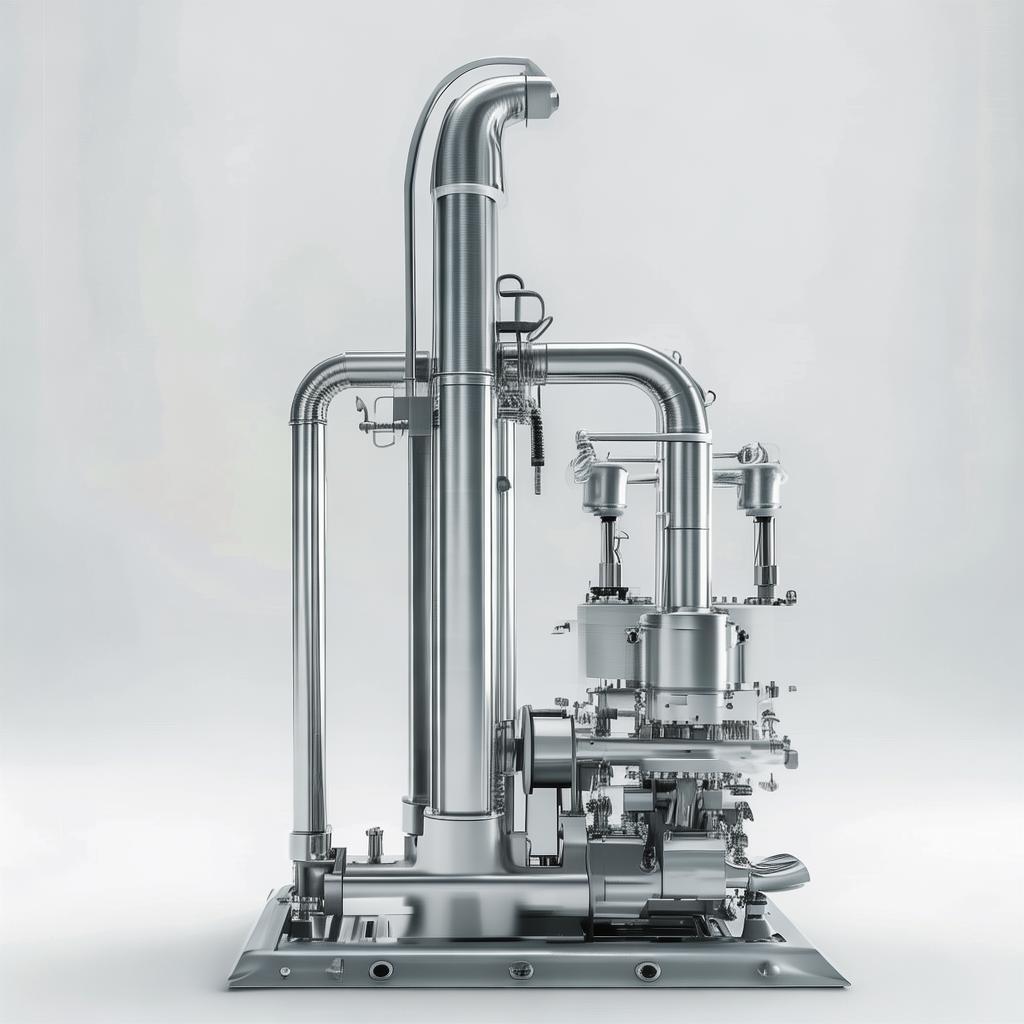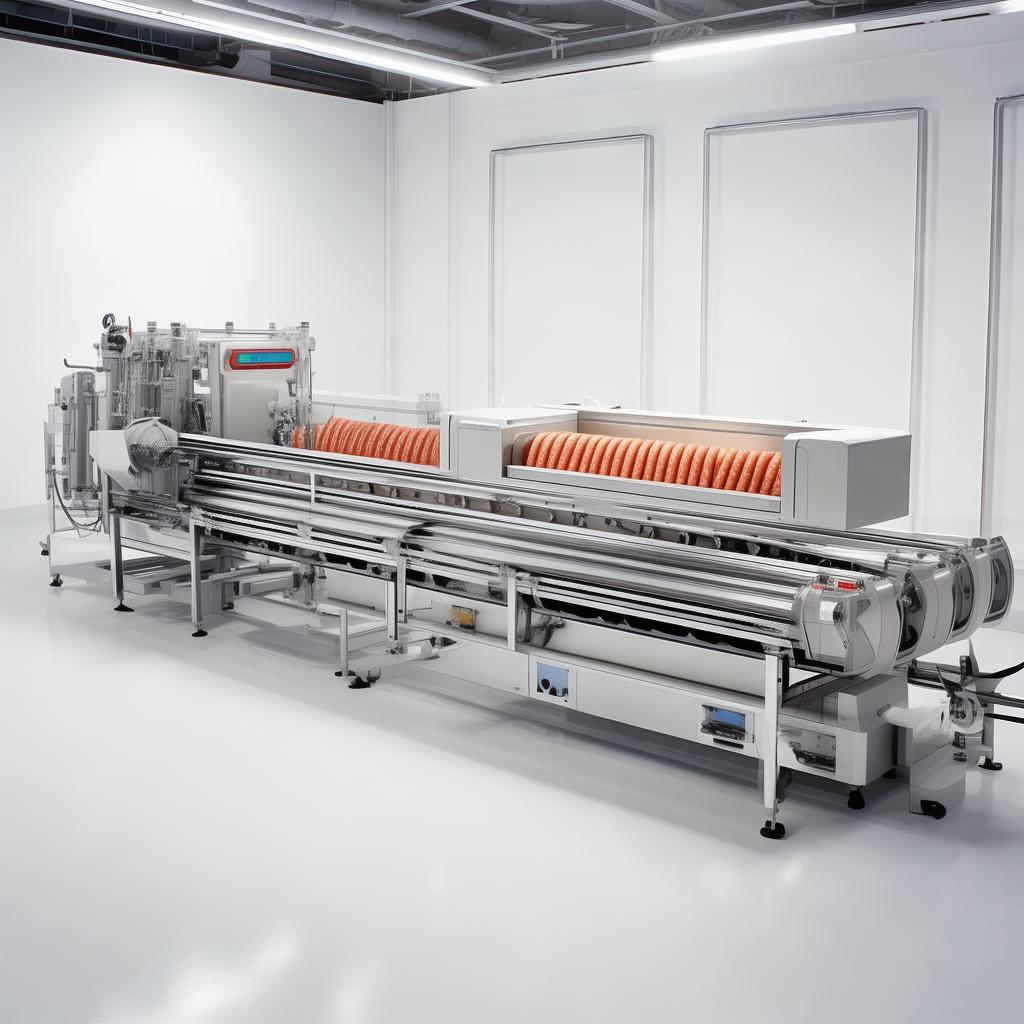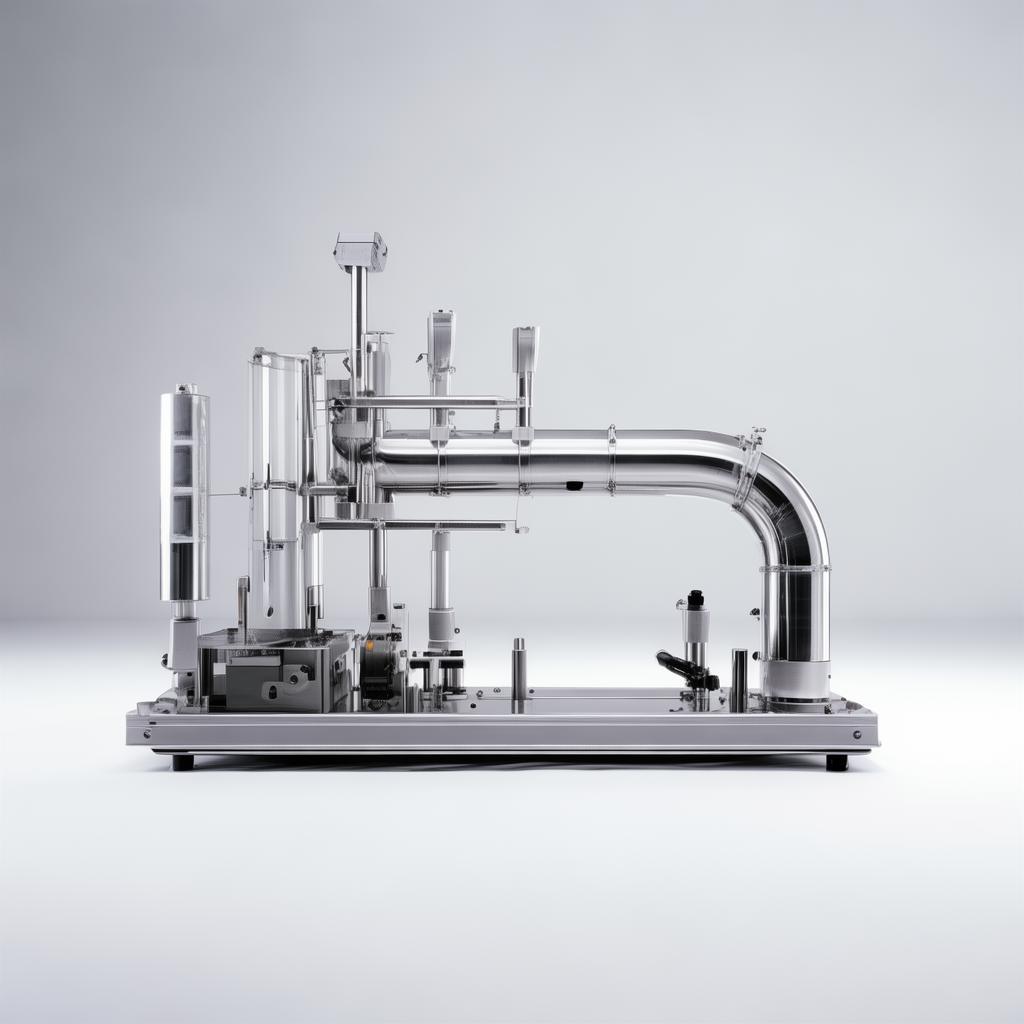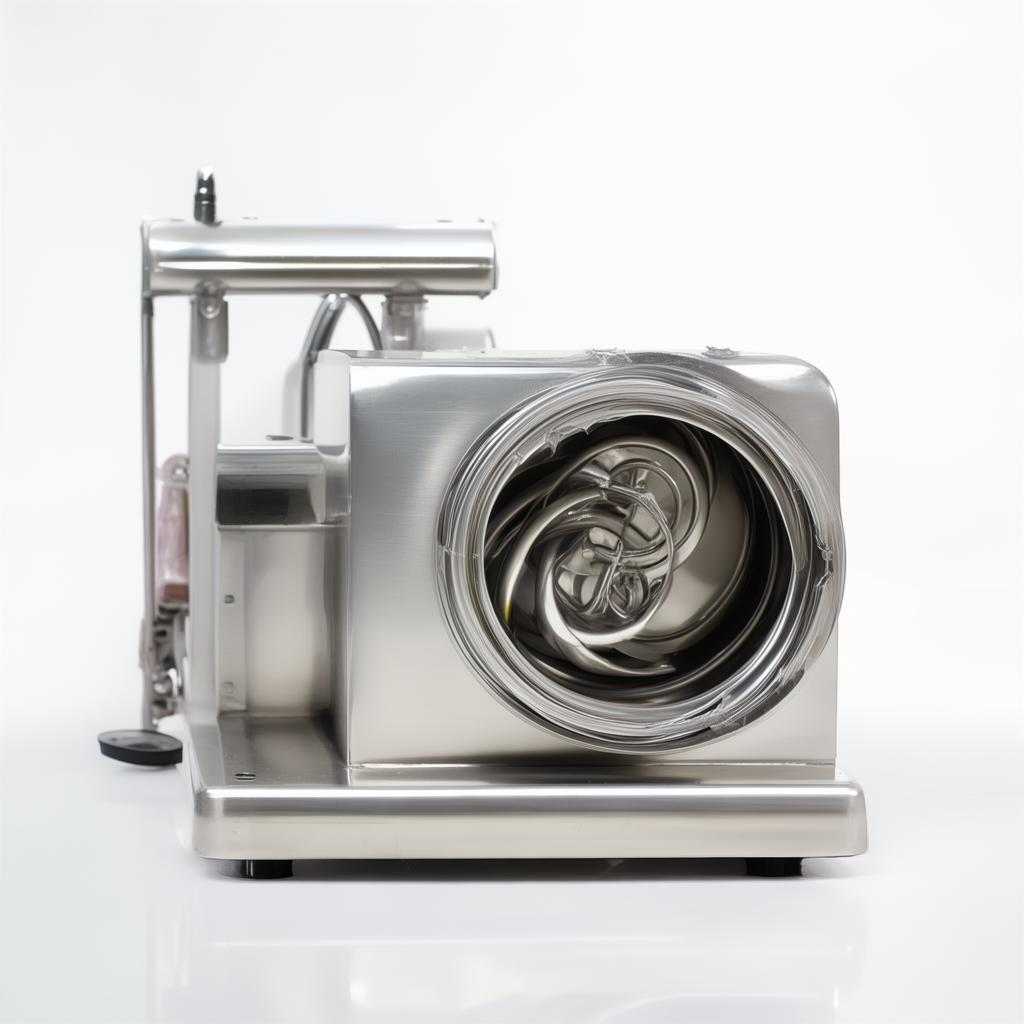
Wonton Maker
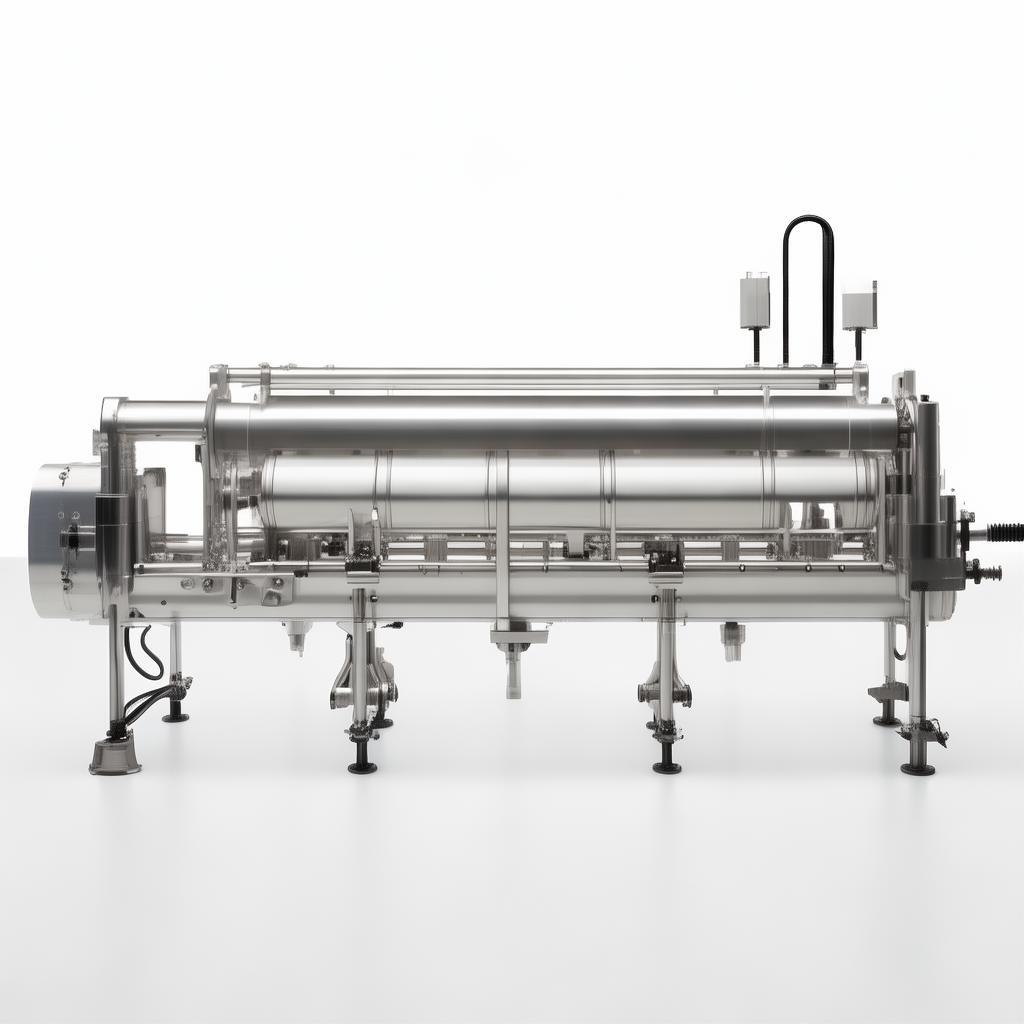
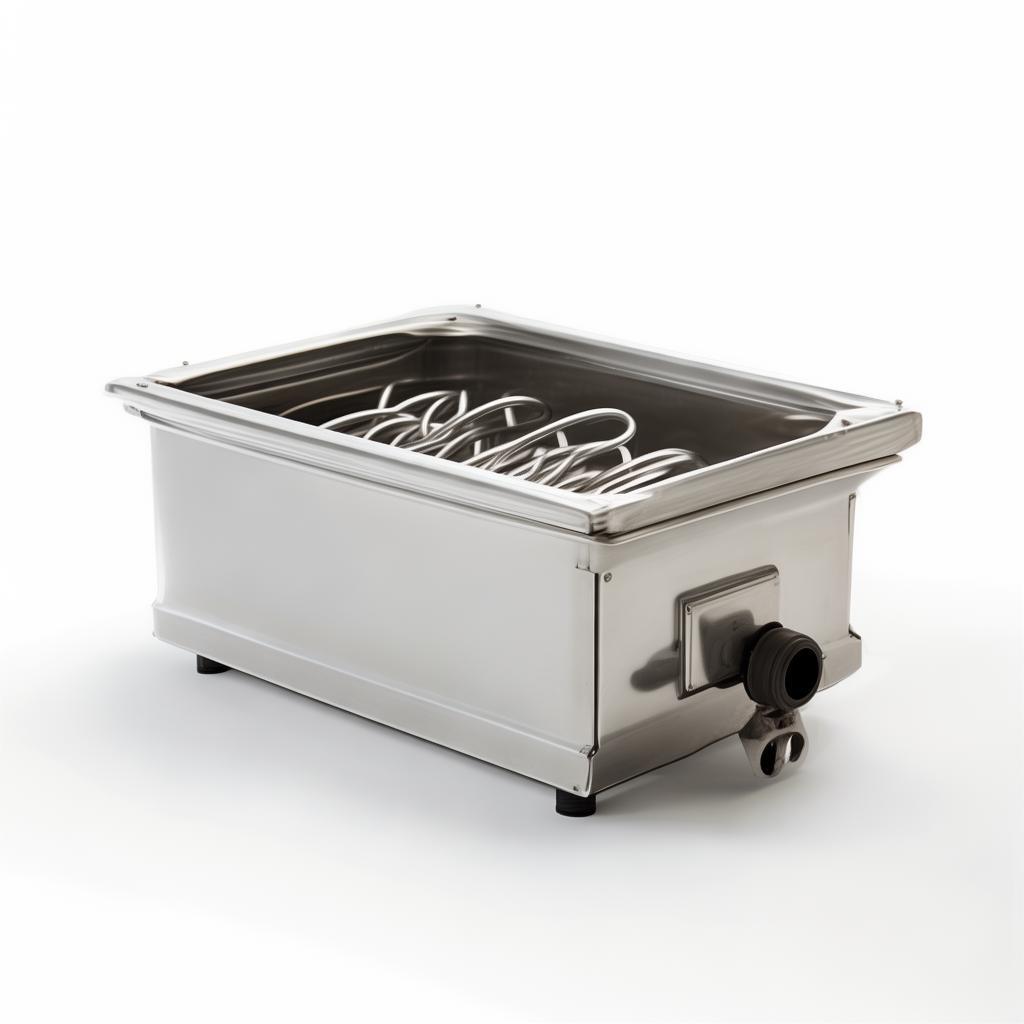
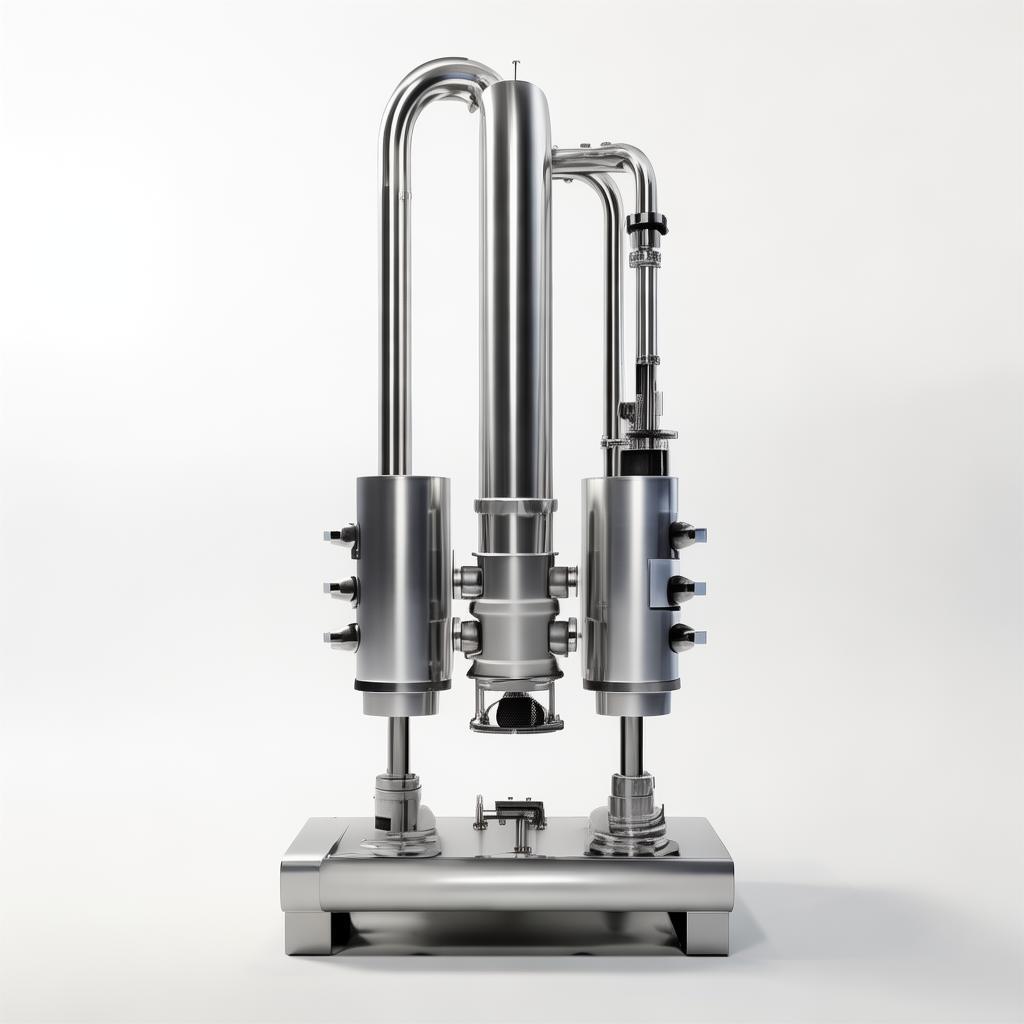
Wonton Makers: Precision Forming for Culinary Excellence & Global Demand
Streamline Production, Enhance Consistency, and Expand Your Offering with Advanced Wonton Forming Technology.



The Challenge of Scaling Wonton Production
For any food processing operation aiming to capitalize on the burgeoning demand for dumplings, ravioli, empanadas, and similar filled pastries, achieving consistent quality and scalable output is paramount. The manual process of forming wontons, while offering a certain artisanal charm, simply cannot keep pace with wholesale and international export requirements. This is where the professional wonton maker steps in, bridging the gap between traditional craftsmanship and modern industrial efficiency.
The global market for processed meat and convenience foods is experiencing robust growth. Reports indicate the global meat processing equipment market alone was valued at over USD 11 billion in 2025 and is projected to expand significantly, with segments like filling and forming equipment showing strong upward trends. This surge is fueled by increasing consumer preference for ready-to-eat meals, evolving dietary habits, and the expansion of food service industries worldwide. Businesses looking to tap into this, whether supplying local restaurants, national grocery chains, or venturing into cross-border e-commerce, face a critical operational hurdle: the wonton.
Consider the logistics involved in supplying even a modest restaurant chain. Each location might require hundreds, if not thousands, of consistently shaped and filled wontons daily. Multiply that by dozens of branches, and the scale becomes daunting. Manual labor is not only slow but also prone to variations in size, thickness, and filling distribution, impacting both presentation and cooking consistency. Furthermore, maintaining strict hygiene standards in manual operations can be challenging, posing risks to product safety and compliance.
This is where the wonton forming machine, often part of a broader dumpling or pasta forming system, becomes indispensable. It’s not just about speed; it’s about precision. An industrial-grade machine ensures that each wonton wrapper is perfectly sealed, the filling is accurately measured and evenly distributed, and the final product has a uniform appearance, crucial for appeal and predictable cooking. For OEM/ODM factories looking to offer proprietary filled products, this level of control over the manufacturing process is non-negotiable for brand integrity and repeat business.
The choice of a commercial wonton maker is a strategic decision impacting operational efficiency, product quality, and ultimately, profitability. It’s an investment in automation that directly addresses the labor-intensive nature of filled pastry production, mitigates the risks associated with human error and inconsistency, and enables businesses to meet demand without compromising on standards. The ability to produce large volumes of high-quality wontons efficiently opens up new market opportunities, particularly in export markets where consumer expectations for product uniformity and safety are exceptionally high.
When evaluating these machines, buyers often look beyond mere speed. They consider factors like the type of dough and filling the machine can handle, the range of shapes and sizes it can produce, the ease of cleaning and maintenance, and crucially, the reliability and after-sales support provided by the manufacturer. A robust machine, supported by a reputable supplier with proven export experience, is key to a smooth operational integration and long-term success. The "Fit For Now (2026)" mentality in manufacturing demands solutions that are not just effective today but adaptable and sustainable for the future, a principle that perfectly aligns with the adoption of advanced forming technology.
This guide will delve into the intricacies of selecting and leveraging a wonton maker, exploring its technical capabilities, operational benefits, and the critical factors that influence its suitability for various B2B applications, from wholesale export to large-scale food manufacturing. We'll also touch upon the supplier landscape, what to look for in terms of manufacturing capabilities and certifications, and how to ensure your chosen machine aligns with your specific market demands and procurement workflows.
Understanding the Core Functionality: Beyond Simple Forming
A high-quality wonton maker is more than just a press. It's a sophisticated piece of engineering designed to replicate and surpass the results of manual forming, but at an industrial scale. At its heart, the process involves several critical stages: dough sheet forming, filling deposition, and precise sealing. Modern machines often employ advanced mechanisms to manage these steps with exceptional accuracy.
The dough sheet is typically fed into the machine and precisely controlled in terms of thickness. This is vital because an inconsistent dough thickness will lead to uneven cooking and potential tearing. Many industrial-grade machines use roller systems that apply calibrated pressure to create a uniform sheet, ensuring consistency roll after roll.
Next, the filling is deposited. This isn't just a matter of dispensing. Advanced systems use volumetric feeders that dispense a precise weight or volume of filling for each wonton. This level of accuracy is crucial for cost control, product consistency, and ensuring the filling-to-dough ratio is maintained, which directly impacts taste and mouthfeel. The type of filling (e.g., minced meat, vegetable mixtures, seafood) can influence the design of the feeding mechanism, with some machines optimized for specific textures and viscosities.
The magic happens during the forming and sealing phase. The machine precisely cuts the dough sheet, positions the filling, and then forms the characteristic wonton shape. The sealing process is critical to prevent leakage during cooking. High-pressure forming plates or specialized cutting dies create a strong, reliable seal. Some advanced models can even achieve decorative crimping or pleating, mimicking traditional hand-formed aesthetics.
For businesses involved in OEM/ODM services, the flexibility of the wonton forming machine is a significant advantage. The ability to quickly change dies or adjust settings to produce different shapes (e.g., classic purse, pleated crescent) and sizes allows for a diverse product portfolio. This adaptability is key when collaborating with clients who have specific product requirements for their brands.
Beyond the core forming, consider the auxiliary functions. Many machines integrate with upstream and downstream equipment. This could include automated dough mixers, dough sheet extruders, conveyor belts for product transfer, and even packaging machines. A well-integrated production line, managed by a single system or a coordinated set of machines, is the hallmark of efficient modern food manufacturing.
The materials used in construction are also a key technical consideration. Food-grade stainless steel is the standard for all food contact parts, ensuring hygiene and durability. The drive mechanisms, often employing high-quality motors and gearboxes, need to be robust enough for continuous operation. Understanding these technical aspects helps procurement managers make informed decisions, especially when dealing with international standards and import regulations.
Key Advantages for B2B Operations
- Unmatched Consistency: Every wonton is identical in size, shape, filling, and seal. This improves product quality perception, simplifies inventory management, and ensures predictable cooking outcomes for end-users.
- Increased Throughput: Automated forming significantly outpaces manual production. Machines can produce hundreds to thousands of wontons per hour, crucial for meeting wholesale and export volumes. This translates directly to higher revenue potential.
- Reduced Labor Costs: Automation minimizes the need for manual labor in the delicate forming process, directly impacting operational expenses and addressing labor shortages. A single operator can often oversee multiple machines.
- Enhanced Food Safety: Minimizing human contact during the critical forming stage reduces the risk of contamination. Food-grade materials and easy-to-clean designs contribute to stringent hygiene compliance, essential for international markets.
- Product Versatility (OEM/ODM Focus): Interchangeable molds and adjustable settings allow for a wide array of shapes, sizes, and filling types. This flexibility is vital for manufacturers developing custom products for various clients.
- Material Efficiency: Precise dough and filling dispensing minimizes waste, contributing to better cost control and a more sustainable production process.
- Scalability: Production capacity can be increased by adding more machines or upgrading to higher-throughput models, allowing businesses to grow without being constrained by manual labor limits.
Technical Specifications for Discerning Buyers
When evaluating a wonton maker for industrial use, the technical specifications are not just numbers; they are indicators of performance, reliability, and suitability for your specific operational context. Here’s what to focus on:
| Specification | Details / Typical Range | Procurement Consideration |
|---|---|---|
| Production Capacity | e.g., 100-300 pieces/minute, or higher for specialized models. | Match to your projected order volume and growth plans. |
| Wonton Size Range | Adjustable, e.g., 5g to 30g per piece. | Confirm it covers the desired product dimensions for your target market. |
| Dough Sheet Thickness Control | Precision adjustment, often +/- 0.1mm tolerance. | Essential for consistent wrapper quality and cooking. |
| Filling Accuracy | Volumetric or gravimetric dispensing, e.g., +/- 1% variance. | Critical for cost control and product consistency. |
| Materials of Construction | Food-grade SUS304/SUS316 stainless steel for contact parts. | Verify compliance with international food safety standards (e.g., FDA, CE). |
| Power Requirements | e.g., 220/380V, 50/60Hz, 3-phase; or single-phase options. | Ensure compatibility with your facility's electrical infrastructure. |
| Machine Dimensions & Weight | Varies significantly by model and capacity. | Plan for floor space, transport, and installation logistics. |
| Ease of Cleaning & Maintenance | Removable parts, accessible components, smooth surfaces. | Crucial for hygiene compliance and minimizing downtime. |
patty maker machine Conical mixers khinkali maker
Consider the voltage and frequency requirements carefully, especially for export markets. A machine designed for China (220V/50Hz) may require conversion for use in North America (120/208-240V/60Hz) or Europe (230/400V/50Hz). Compatibility is key to avoiding operational disruptions and premature equipment failure.
Application Scenarios: Where a Wonton Maker Excels
The versatility of a professional wonton maker extends far beyond just Chinese wontons. Its core functionality of forming and filling dough makes it applicable to a wide range of global food products.
Global Dumplings & Pastries
Think Italian Ravioli, Polish Pierogi, Spanish Empanadas, Turkish Manti, South American Empanadas, and various Asian dumplings. Many of these share a similar forming principle.
Frozen Food Manufacturers
Producing consistent, high-quality frozen wontons or dumplings for retail and foodservice requires efficient, high-volume forming. The sealing capability is crucial for preventing freezer burn and maintaining product integrity.
OEM/ODM Food Producers
Clients may approach manufacturers with unique filled product concepts. A flexible wonton maker allows for rapid prototyping and efficient production of custom items under various brand labels.
Specialty Food Businesses
From gourmet filled pasta to unique regional snacks, businesses focusing on niche markets can leverage automated forming to produce artisanal-quality products at scale.
Catering & Institutional Food Service
Supplying large volumes of consistently prepared items to airlines, cruise ships, or large catering companies demands reliable, high-capacity forming equipment.
Procurement Guidance: Navigating the Market
Sourcing a wonton maker, especially for international procurement, requires a structured approach. Here’s how to navigate the process effectively:
- Define Your Needs: What specific products will you make? What is your target production volume? What types of dough and fillings will you use? What are your space and power constraints?
- Supplier Vetting: Look for manufacturers with a proven track record, ideally with export experience to your target markets (e.g., USA, EU). Check for certifications (ISO, CE, FDA compliance for materials).
- Request Detailed Specifications & Quotes: Obtain comprehensive technical datasheets for shortlisted machines. Ensure quotes include all relevant costs: FOB, CIF, any required inspections, and potential taxes/duties.
- Ask About OEM/ODM Capabilities: If you're an OEM/ODM factory, inquire about customization options, proprietary mold development, and the manufacturer's willingness to collaborate on product design.
- Clarify After-Sales Support: This is critical for international purchases. What is the warranty period? How are spare parts managed? Is there remote diagnostic support or on-site technician availability? Traceable after-sales management systems are a significant plus.
- Logistics & Shipping: Understand the shipping process. What are the typical lead times? What are the packaging requirements for international transit? How is the machine prepared for container loading to prevent damage?
- Factory Audit (if feasible): For significant investments, a virtual or in-person factory audit can provide invaluable insights into manufacturing capabilities, quality control processes, and overall trustworthiness. We welcome visitors to our facility in Shijiazhuang.
Consider the sourcing location. Manufacturers in established industrial hubs often have more experience with international standards and export logistics. Companies like Hebei Yuanchang Food Mechanism & Technology Co., Ltd., with 40 years of experience since 1986 and advanced CNC machining capabilities, demonstrate the kind of operational depth and technical expertise buyers should seek.
Installation & Maintenance: Ensuring Long-Term Performance
Proper installation and routine maintenance are non-negotiable for maximizing the lifespan and productivity of your wonton maker.
Installation: Ensure the machine is placed on a level, stable surface. Connect it to the correct power supply as per the specifications. For integrated lines, coordinate with upstream and downstream equipment for seamless material flow. Allow adequate space around the machine for operation, cleaning, and maintenance access.
Routine Cleaning: This is paramount. After each production run, all food-contact surfaces must be thoroughly cleaned and sanitized according to food safety protocols. Use appropriate cleaning agents and ensure all residues are removed. This prevents cross-contamination and buildup that can affect performance.
Lubrication: Moving parts require regular lubrication according to the manufacturer’s schedule to ensure smooth operation and prevent wear. Use only approved food-grade lubricants where contact with food is possible.
Regular Inspections: Periodically check for loose bolts, worn seals, or any signs of damage. Address minor issues promptly to prevent them from escalating into costly repairs.
Spare Parts Management: Maintain a small stock of critical wear parts (e.g., cutting blades, seals, conveyor belts) to minimize downtime during unexpected failures.
The importance of consulting the manufacturer's operation and maintenance manual cannot be overstated. It provides specific guidance tailored to your model, ensuring optimal performance and adherence to safety standards.
Trustworthy Manufacturing: Our Commitment to Quality
At Hebei Yuanchang Food Mechanism & Technology Co., Ltd., we understand that for international buyers, trust is built on a foundation of consistent quality, technical expertise, and transparent operations. With over 40 years of experience since 1986, we have honed our manufacturing processes to meet global standards.
Our 14,000 square meter facility houses a dedicated machining workshop equipped with over 20 sets of advanced processing machinery. The integration of Japanese Mazak CNC machining centers since 2012 allows us to produce high-precision, non-standard components with remarkable accuracy. This in-house capability means we have full control over the quality of critical parts, ensuring the reliability and longevity of our wonton makers and other food processing equipment.
We pride ourselves on our traceable after-sales management system. This commitment extends beyond the initial sale, providing our clients with the assurance of ongoing support and readily available spare parts. Our experienced team of engineers and technicians are available to assist with installation, training, and troubleshooting, whether you are located domestically or across international borders.
Our manufacturing philosophy is rooted in practical experience and a deep understanding of the food processing industry's demands. We don’t just build machines; we engineer solutions designed for efficiency, durability, and ease of operation. We continuously innovate, incorporating feedback from our global clientele to refine our designs and enhance performance.
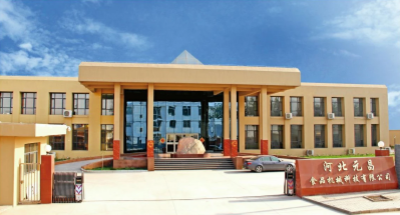
State-of-the-art machinery in our Shijiazhuang facility.
When you partner with Hebei Yuanchang, you gain access to a wealth of knowledge accumulated over four decades in meat processing equipment, including specialized forming technologies. We are committed to supporting your business growth with robust, reliable machinery that delivers tangible operational improvements.
What Our Clients Say

Procurement Manager, North America
"We were struggling to meet demand for our premium frozen dumplings. The wonton maker from Yuanchang has been a game-changer. Consistency is phenomenal, and the output is exactly what we needed. Their team was incredibly helpful with shipping and setup documentation."

Operations Lead, Asia-Pacific
"As an OEM factory, flexibility is key. We use their forming machines for a variety of products for different clients. The build quality is robust, and the ability to change molds quickly saves us significant time between production runs. Highly reliable."

Export Manager, Europe
"The export process was smooth. Yuanchang provided all necessary documentation for customs. The machine arrived well-packaged and performed flawlessly from day one. The consistency in our wonton production has improved drastically, meeting the high standards our European clients expect."
Frequently Asked Questions
- Can these machines handle different types of fillings?
- Yes, most professional wonton makers can handle various fillings, including minced meats, vegetables, and seafood. However, the viscosity and texture of the filling are critical. It's advisable to discuss your specific filling compositions with the manufacturer to ensure compatibility or to explore custom feeder options.
- What is the typical lead time for these machines?
- Lead times can vary depending on the model, customization, and current factory production schedule. Generally, expect anywhere from 30 to 90 days from order confirmation to shipment. Always clarify this with your supplier.
- Are spare parts readily available for export clients?
- Reputable manufacturers maintain robust after-sales support. At Hebei Yuanchang, our traceable management system ensures easy identification and prompt shipment of spare parts globally. It's wise to ask about their spare parts policy and typical delivery times for international orders.
- Do you offer training or installation assistance?
- Most suppliers offer detailed user manuals and remote support. Some may offer on-site installation and training services, often at an additional cost, which can be particularly valuable for complex integrated systems or for clients new to automated production.
- What certifications should I look for?
- For food machinery, look for CE certification for European markets, and ensure all food-contact materials comply with FDA (US Food and Drug Administration) standards. ISO 9001 certification for the manufacturer indicates a commitment to quality management systems.
Ready to Elevate Your Production?
Discover how our advanced wonton maker solutions can transform your operations, boost efficiency, and expand your market reach.
Contact Us
Hebei Yuanchang Food Mechanism & Technology Co., Ltd.
Address: Shijiazhuang, Hebei Province, China
Phone: +86 15830991513
Email: ycmeatmech@gmail.com
Send Us a Message
Hebei Yuanchang Food Mechanism & Technology Co., Ltd. - Over 40 years of expertise in food processing machinery.
Specializing in pretreatment, filling, molding, and ripening processes for meat products.