Vibratory Bowl Feeder Manufacturers
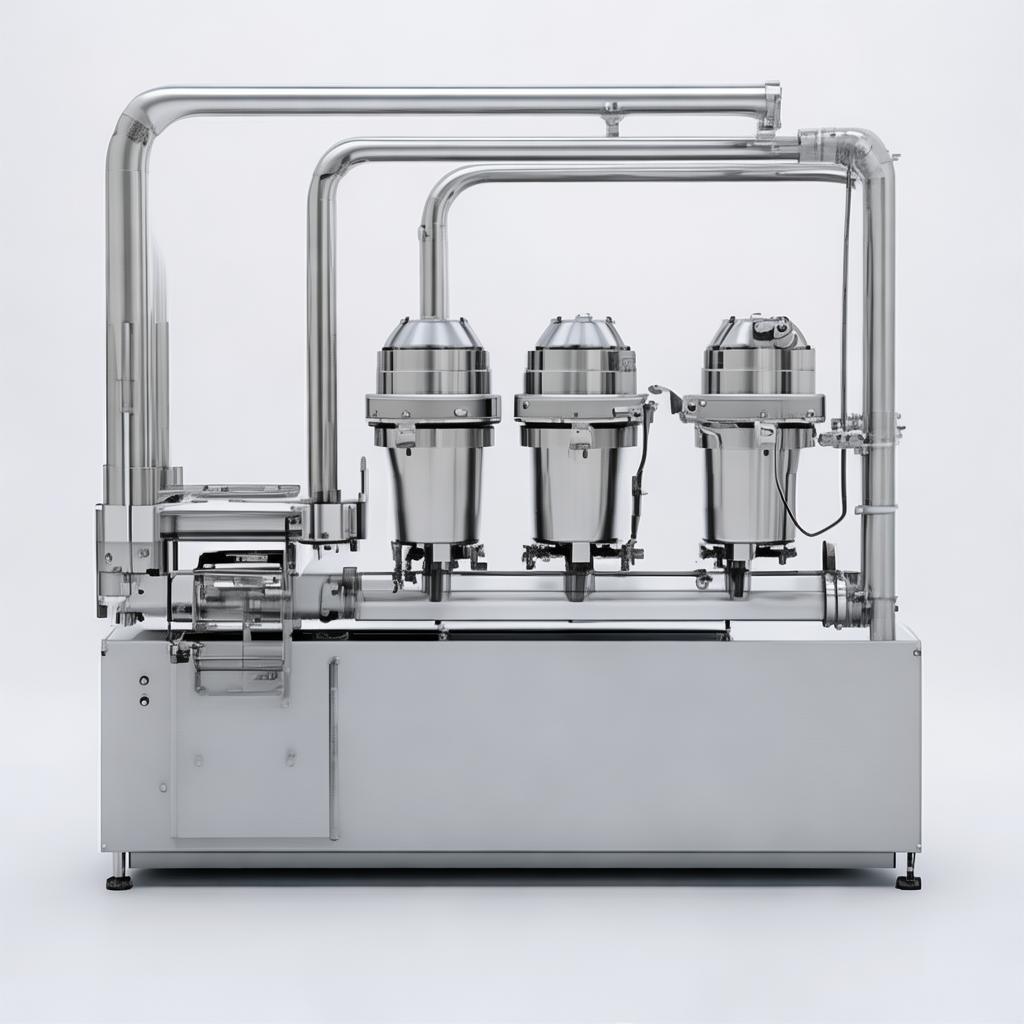
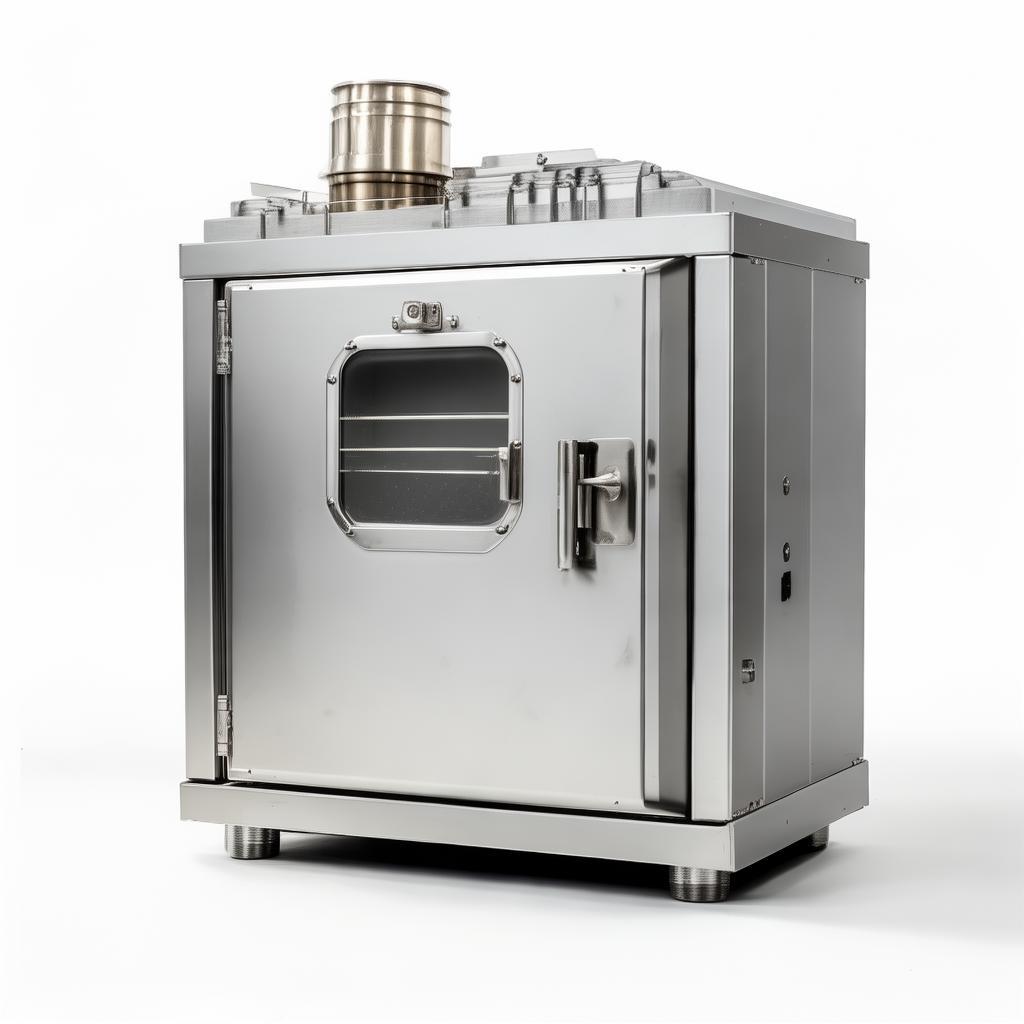
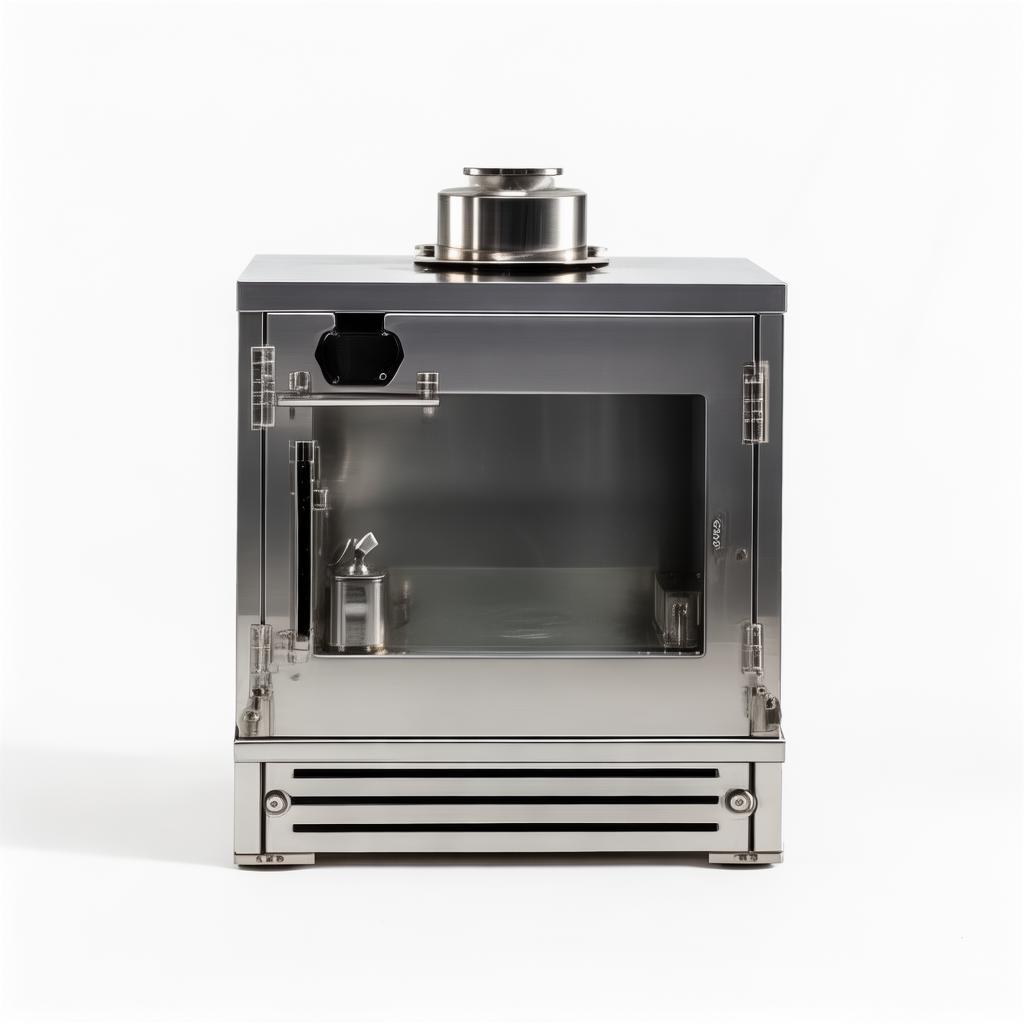
Precision Feeding Systems: Enhancing Throughput for Meat Processors
Streamline your production with our advanced vibratory bowl feeder solutions, designed for the rigorous demands of the food processing industry.
Your Partner in Automated Feeding for Critical Food Production
In the fast-paced world of meat processing, efficiency isn't just a goal; it's a necessity. From high-volume sausage lines to intricate formed product manufacturing, the consistent, reliable delivery of raw materials, components, or packaging elements dictates the rhythm of your entire operation. This is where robust, automated feeding systems become indispensable. We understand the unique challenges faced by modern food manufacturers: maintaining stringent hygiene standards, reducing manual labor touchpoints, ensuring product integrity, and maximizing output without compromising quality. Our vibratory bowl feeders are engineered precisely to address these critical needs, providing a seamless integration into your existing or new production lines.
For operations dealing with everything from ground meats and marinades to casings, spices, or even small packaging inserts, a single bottleneck in material delivery can have cascading effects. Downtime is costly, and manual intervention is prone to error and hygiene risks. Our specialized bowl feeders offer a sophisticated yet reliable solution, utilizing controlled vibration to orient and present your product or components in a consistent, predictable manner. Whether you're working with irregular shapes, sticky substances, or delicate items, our engineering team possesses the deep industry insight to tailor a system that performs. We go beyond standard off-the-shelf components; we design feeding solutions that are an integral part of your optimized workflow.
The global meat processing equipment market, already substantial, is projected to continue its upward trajectory. Reports indicate the market was valued at approximately USD 11.29 billion in 2025 and is expected to reach USD 17.39 billion by 2034, with a CAGR around 5.0% (Fortune Business Insights). This growth is fueled by the increasing demand for processed and convenient meat products, coupled with a persistent drive towards automation for improved hygiene and labor efficiency. Within this landscape, specialized equipment like vibratory bowl feeders play a crucial, often understated, role in enabling higher throughput and more consistent product quality. Our commitment is to equip you with the technology that not only meets today's demands but anticipates tomorrow's challenges, ensuring your operation remains competitive and compliant.
Consider the complexity of preparing a batch of premium sausages. Beyond the mixing and grinding, the precise filling of casings, accurate addition of spices, and even the consistent presentation of pre-formed patties to a molding machine all rely on meticulously managed material flow. Manual feeding is slow, inconsistent, and introduces significant contamination risks. Automated vibratory bowl feeders, when properly designed and implemented, can precisely dose ingredients, orient packaging, or present components at rates that match your most demanding processing speeds. They are the unseen workhorses that ensure your high-value meat products are assembled and packaged with unwavering consistency, batch after batch.
Our expertise isn't limited to the mechanical design of the feeders themselves. We understand the materials you work with – the fats, proteins, and textures that can pose unique challenges. We consider the operational environment – the washdowns, the temperature fluctuations, the need for food-grade materials and finishes. This holistic approach ensures that the vibratory bowl feeder we deliver is not just a piece of machinery, but a fully integrated solution designed for longevity, ease of cleaning, and optimal performance in the demanding context of meat processing. We've spent four decades honing our craft, working with clients to overcome specific production hurdles, and this accumulated knowledge is built into every system we engineer.
The "Fit For Now" directive, focusing on 2026 readiness, underscores the urgency for manufacturers to adopt resilient, efficient, and future-proof production methods. Investing in advanced automation, such as intelligently designed vibratory bowl feeders, is a critical step in this direction. It's about more than just mechanization; it's about intelligent material handling that supports agility, reduces waste, and enhances your overall operational resilience. We offer not just equipment, but a partnership built on understanding your process, your challenges, and your ultimate goals for growth and profitability.
Why Choose Our Feeding Solutions?
- Tailored for Food Safety: All components are constructed from food-grade stainless steel (e.g., 304 or 316L) and designed for easy, thorough cleaning to meet HACCP and USDA standards.
- High Precision Orientation: Ensures consistent product or component presentation for automated filling, packaging, or assembly.
- Reduced Downtime: Robust construction and reliable operation minimize interruptions, maximizing your production schedule.
- Customizable Designs: We engineer feeders for unique product shapes, sizes, and handling requirements, including sticky or delicate items.
- Integration Expertise: Seamlessly connect with your existing processing lines, filling machines, or packaging equipment.
- Enhanced Throughput: Achieve higher production speeds by eliminating manual feeding bottlenecks.
- Risk Mitigation: Significantly reduces human contact, minimizing contamination risks and ensuring product integrity.
Need a custom solution? Talk to Our Engineers Today.
Addressing Common Meat Processing Bottlenecks
Many meat processors grapple with similar challenges on the production floor. Identifying these pain points is the first step toward an efficient solution.
Inconsistent Material Feeding
Manual feeding leads to variable rates and product presentation, impacting downstream processes like filling or molding. This inconsistency directly affects product weight and appearance.
Hygiene and Contamination Risks
Frequent manual handling of food products or packaging increases the risk of microbial contamination, jeopardizing food safety and brand reputation.
Labor Shortages & Costs
The reliance on manual labor for repetitive feeding tasks is becoming increasingly unsustainable due to labor market challenges and rising operational costs.
Low Throughput & Bottlenecks
Manual feeding stations are often the slowest part of the line, creating bottlenecks that limit overall production capacity and efficiency.
Engineered for Your Specific Application
Our vibratory bowl feeders are not one-size-fits-all. We specialize in understanding the nuance of your product and process to deliver a feeding system that truly enhances your operation. Our approach involves a detailed assessment of:
- Product Characteristics: Size, shape, weight, stickiness, fragility, temperature.
- Feeding Objective: Single-file presentation, multi-lane feeding, specific orientation, precise dosing.
- Integration Requirements: Compatibility with upstream and downstream machinery, footprint constraints.
- Sanitation Standards: Need for wash-down capabilities, specific material compliance (e.g., 316L stainless steel).
Whether you need to feed precisely oriented sausage casings into a filling machine, present uniform patties for a forming die, deliver small but critical seasoning packets into a mix, or orient caps and closures for a packaging line, our team has the experience to design the optimal bowl and track configuration. We consider factors like track width, depth, tooling, and vibration frequency to ensure gentle handling and reliable singulation.
For instance, feeding delicate casings requires a different approach than feeding robust industrial components. Our feeders for meat processing often feature carefully profiled tracks to prevent tearing or deformation of sensitive items. We also pay close attention to the discharge point, ensuring components are presented at the correct height and speed to seamlessly enter the next stage of automation. This level of detail is what sets us apart – it's the difference between a general-purpose feeder and a specialized production tool.

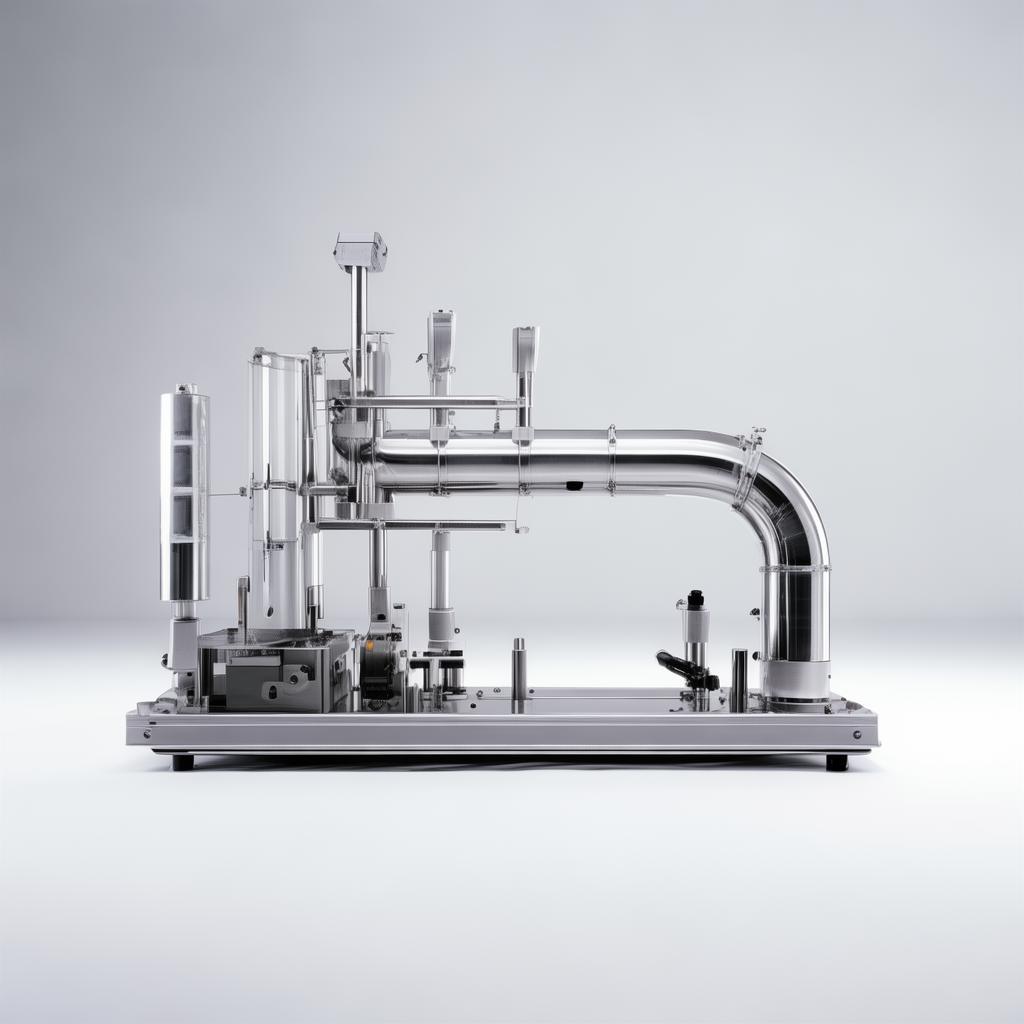
Customized track design ensures optimal product presentation.
Technical Specifications & Customization
Our standard vibratory bowl feeders are built for performance, but true B2B value lies in customization. Here's a look at what you can expect, and what we can adapt.
| Feature | Standard Offering | Customization Options |
|---|---|---|
| Bowl Material | Stainless Steel (304 Grade) | 316L Stainless Steel, various finishes |
| Track Design | Polished Stainless Steel, various profiles | Custom tooling, coatings (e.g., FDA-approved), specialized coatings for non-stick applications |
| Vibration Control | Variable Frequency Drive (VFD) controlled | Integrated PLC control, specialized dampening for noise reduction |
| Discharge Height/Orientation | Adjustable mounting frame | Custom height, angled discharge, precise positioning for automation interface |
| Sensors & Controls | Bowl-fill sensors | Product-presence sensors, integration with line sensors, custom HMI |
| Power Supply | Standard industrial voltages (e.g., 230/460V, 3-phase) | Custom voltages, single-phase options |
vibration bowl feeder food tumbler mixer bowl cutter manufacturer
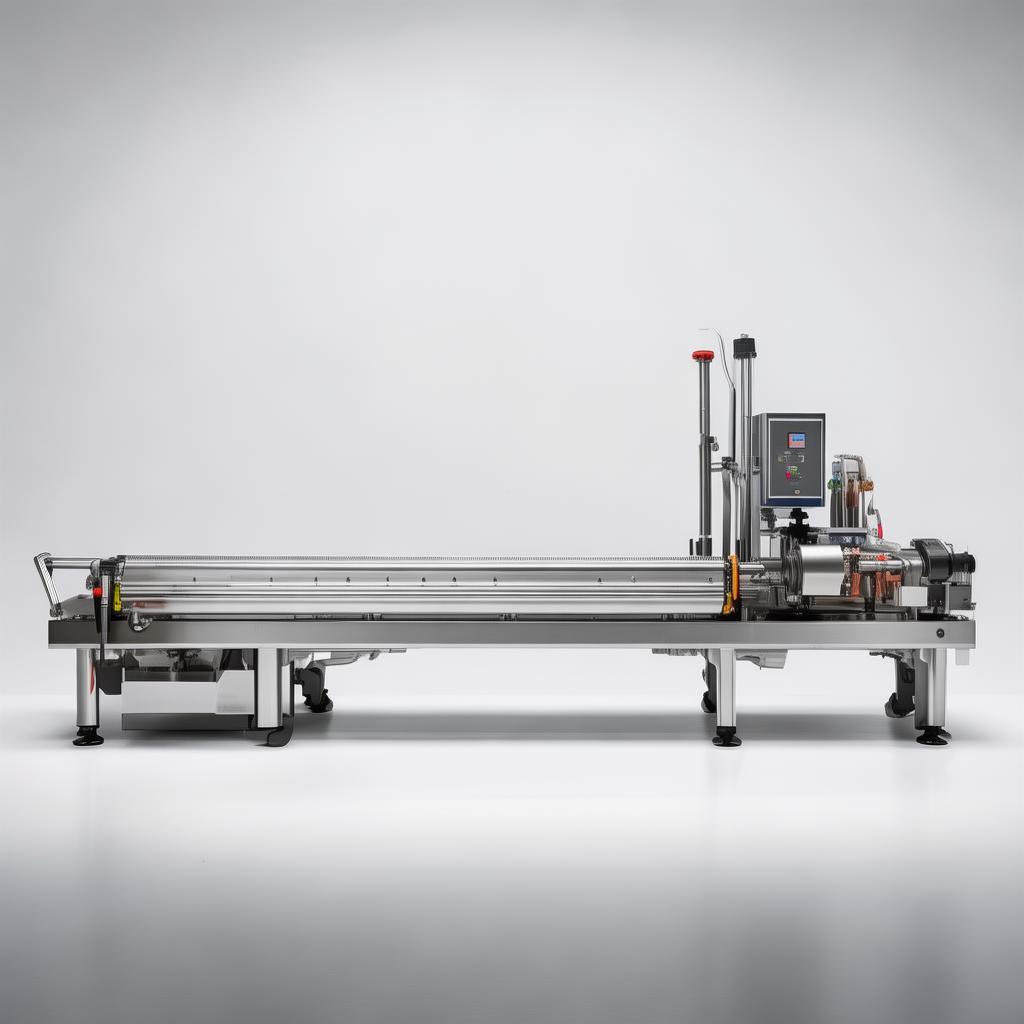
Our engineers are adept at integrating these feeders into complex production workflows. We can provide CAD drawings and simulation data to ensure seamless fit and function.
Ensuring Food Safety and Compliance
In the meat processing industry, food safety is paramount. Our vibratory bowl feeders are designed with this critical requirement at the forefront. We utilize:
- Food-Grade Materials: Primarily 304 or 316L stainless steel for all product contact surfaces, ensuring corrosion resistance and preventing material leaching.
- Smooth Surface Finishes: Electropolished or finely ground surfaces minimize product adhesion and facilitate easy, thorough cleaning.
- Open Design: Optimized for accessibility, allowing for quick and effective CIP (Clean-In-Place) or manual sanitation procedures.
- No Crevices or Hard-to-Clean Areas: Careful design to eliminate potential harborage points for bacteria.
- Compliance with Standards: Our equipment is designed to help you meet standards like HACCP, USDA, and FDA guidelines.
We understand that the global processed meat market, projected to reach USD 1.33 trillion by 2035 (Precedence Research), relies heavily on consumer trust. Our feeding systems are a critical link in maintaining that trust by ensuring that material handling is performed under the most hygienic conditions possible. Reducing manual touchpoints is a cornerstone of modern food safety protocols, and our automated feeders are designed to achieve exactly that.



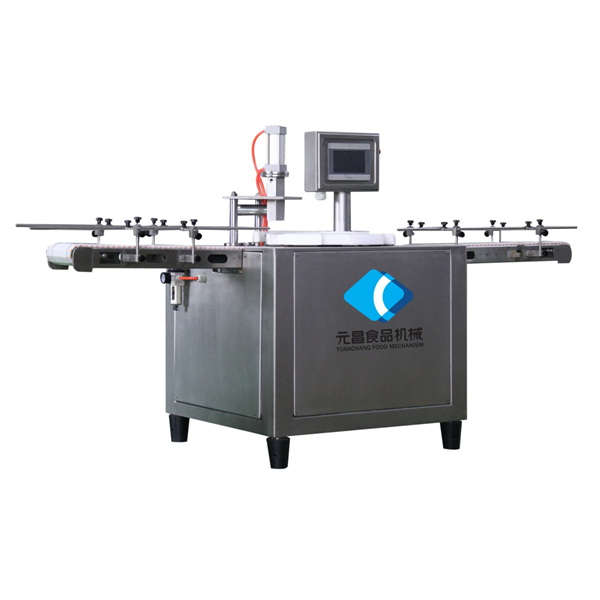
Demonstrating commitment to quality and safety.
Installation, Maintenance, and Logistics
Seamless integration and long-term reliability are key considerations for any industrial equipment purchase.
Installation Considerations
Our vibratory bowl feeders are designed for straightforward integration. They typically require a stable, level mounting surface and connection to your plant's electrical supply. We provide detailed installation manuals and can offer on-site support or remote guidance from our technical team. Key installation factors include:
- Floor space requirements and proximity to downstream equipment.
- Integration with existing control systems (PLC, HMI).
- Ensuring appropriate electrical connections and safety grounding.
- Alignment with the feeding port of the next machine.
We often advise clients to consider buffer zones or accumulation areas near the feeder's discharge to ensure continuous operation of the primary processing machinery, even if the feeder experiences a momentary jam or requires a quick reset.
Maintenance and Longevity
Routine maintenance is minimal but crucial for optimal performance and lifespan. This typically involves:
- Regular cleaning of the bowl and track, especially vital in food processing.
- Inspection of vibration mounts and drive components.
- Checking electrical connections for tightness.
- Lubrication of any moving parts (as specified in the manual).
Our robust construction, utilizing high-quality materials and precision machining, ensures long service life. We maintain full traceability of all manufactured parts, and our in-house machining capabilities, including Japanese Mazak CNC centers, allow us to produce high-precision components that guarantee worry-free after-sales service.
Logistics and Global Shipping
As a global supplier, we have extensive experience in packaging and shipping our equipment worldwide. Our feeders are carefully crated to withstand transit, and we work with reliable freight forwarders to ensure timely and cost-effective delivery. We handle all necessary export documentation.
Key Logistics Points:
- Cratered for international transit.
- Flexible shipping options (air, sea, multimodal).
- Assistance with customs and import procedures.
- Competitive shipping rates.
For large orders or complex systems, we can optimize container loading to maximize space and minimize shipping costs, a critical factor for international procurement managers.
OEM & ODM Capabilities: Your Vision, Our Engineering
We are more than just a manufacturer; we are a solutions provider. For businesses looking to integrate custom feeding mechanisms into their own branded machinery or proprietary processes, our OEM/ODM services are invaluable.
Original Equipment Manufacturer (OEM)
If you have a design for a specialized feeding system or need components manufactured to your exact specifications, we can produce them for you. Leveraging our advanced machining capabilities, we can deliver high-precision parts that meet your stringent quality requirements. This is ideal for machine builders who want to offer integrated automation solutions under their own brand.
Original Design Manufacturer (ODM)
For companies that identify a need for a specific feeding solution but lack the in-house design expertise, our ODM services are the perfect fit. We can collaborate with you from concept to completion, developing a unique vibratory bowl feeder system tailored to your application. This includes custom bowl design, track profiling, control integration, and full system testing. We have 40 years of experience in R&D and production, allowing us to translate complex requirements into functional, efficient machinery.
Our comprehensive in-house workshop, featuring over 20 sets of processing machinery and advanced CNC machining centers, allows us to handle complex, non-standard specifications with high precision and volume. This capability ensures that whether you require custom components or a fully engineered feeding system, we can deliver with unparalleled quality and control.
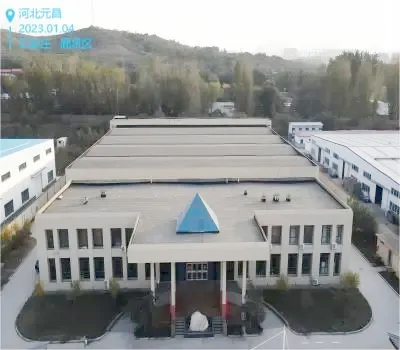
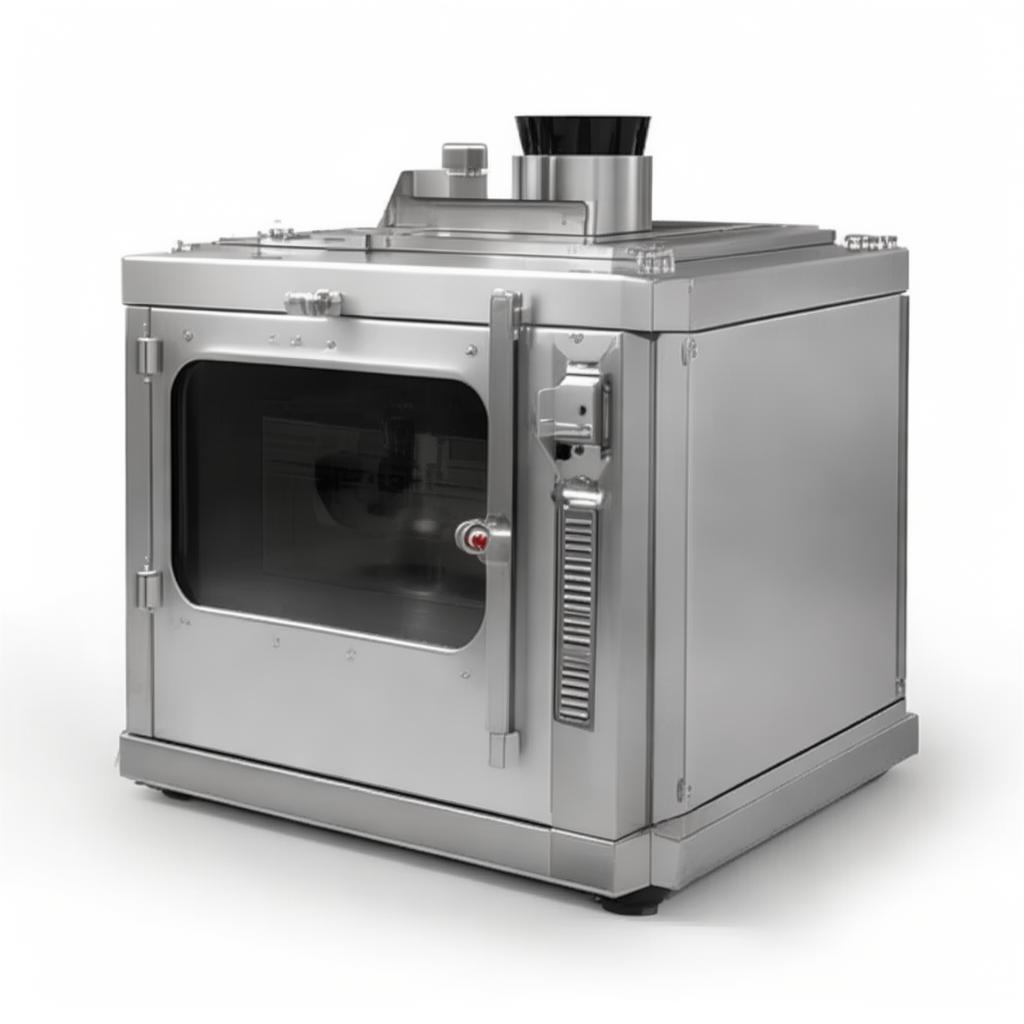
Precision manufacturing for your unique needs.
Customer Success Stories
Real results from real partners.

Operations Manager, Premium Sausage Co.
"Our sausage casing filling line was perpetually bottlenecked by inconsistent casing presentation. Manual feeding just couldn't keep up. Since installing their custom vibratory feeder, we've seen a consistent 25% increase in throughput. The feeder handles the delicate casings without damage, and it's remarkably easy to clean between batches, which is a huge plus for our QA team."

Procurement Director, Global Meat Solutions
"We needed a reliable way to feed small, irregular spice packets into our bulk meat mixers. Manual loading was slow and inconsistent. Their engineering team designed a specialized feeder that perfectly orients and dispenses the packets at a steady rate. It's improved batch consistency significantly, and the automation has freed up our operators for more critical tasks. Their global shipping and support were also excellent."

Plant Engineer, Artisan Deli Makers
"Integrating an automated feeding system for our forming machine was a challenge. We had tight space constraints and specific hygiene requirements. Hebei Yuanchang's team delivered a compact, high-performance bowl feeder that fit perfectly. The stainless steel construction is top-notch, and the PLC integration was flawless. It's dramatically reduced our reliance on manual adjustments, leading to more uniform product dimensions."
Frequently Asked Questions
What is the typical lead time for a custom vibratory bowl feeder?
Can your feeders handle very sticky or irregular meat products?
What kind of after-sales support do you provide?
How do your feeders compare to simple vibratory conveyors for meat products?
Can your feeders be integrated with automated vision systems for quality control?
Ready to Optimize Your Meat Processing Line?
Don't let material handling inefficiencies hold back your production. Partner with Hebei Yuanchang Food Mechanism & Technology Co., Ltd. for precision-engineered feeding solutions.