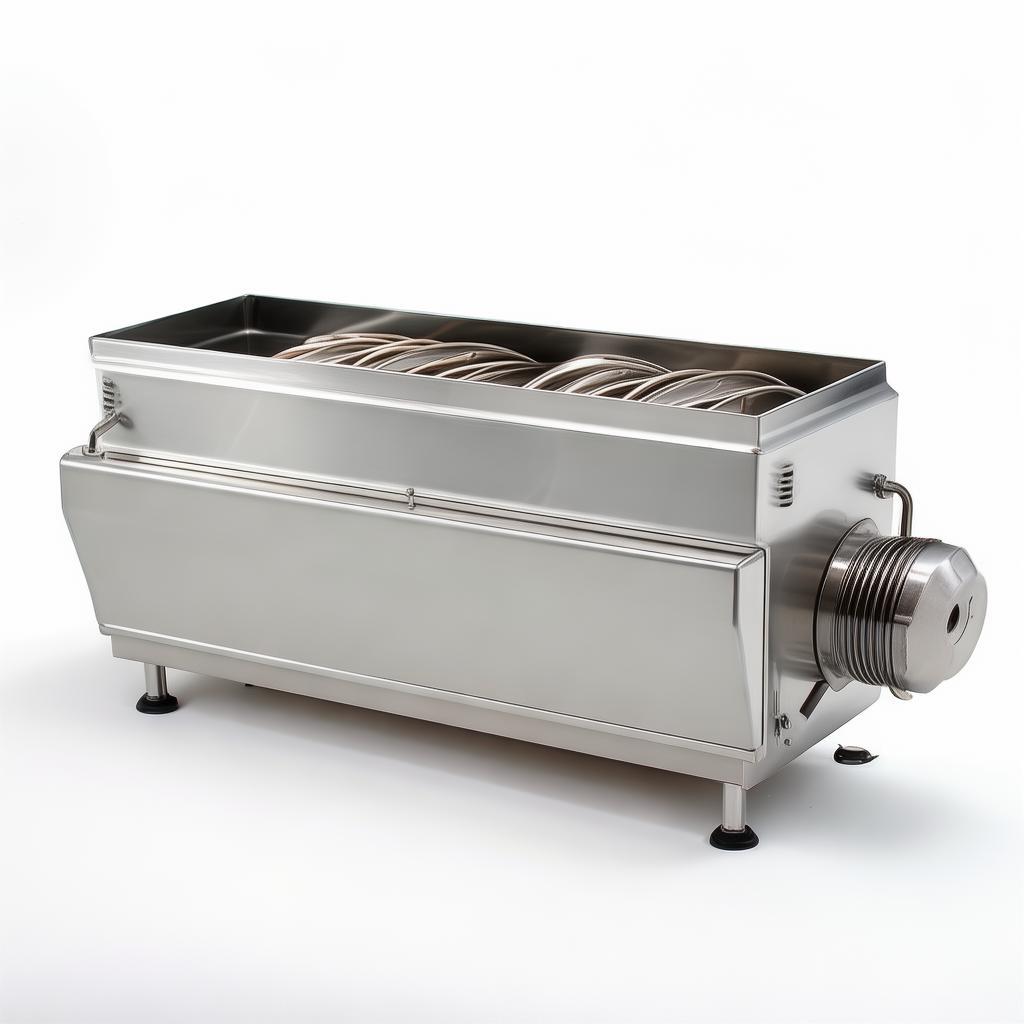
Meat Paddle Mixer
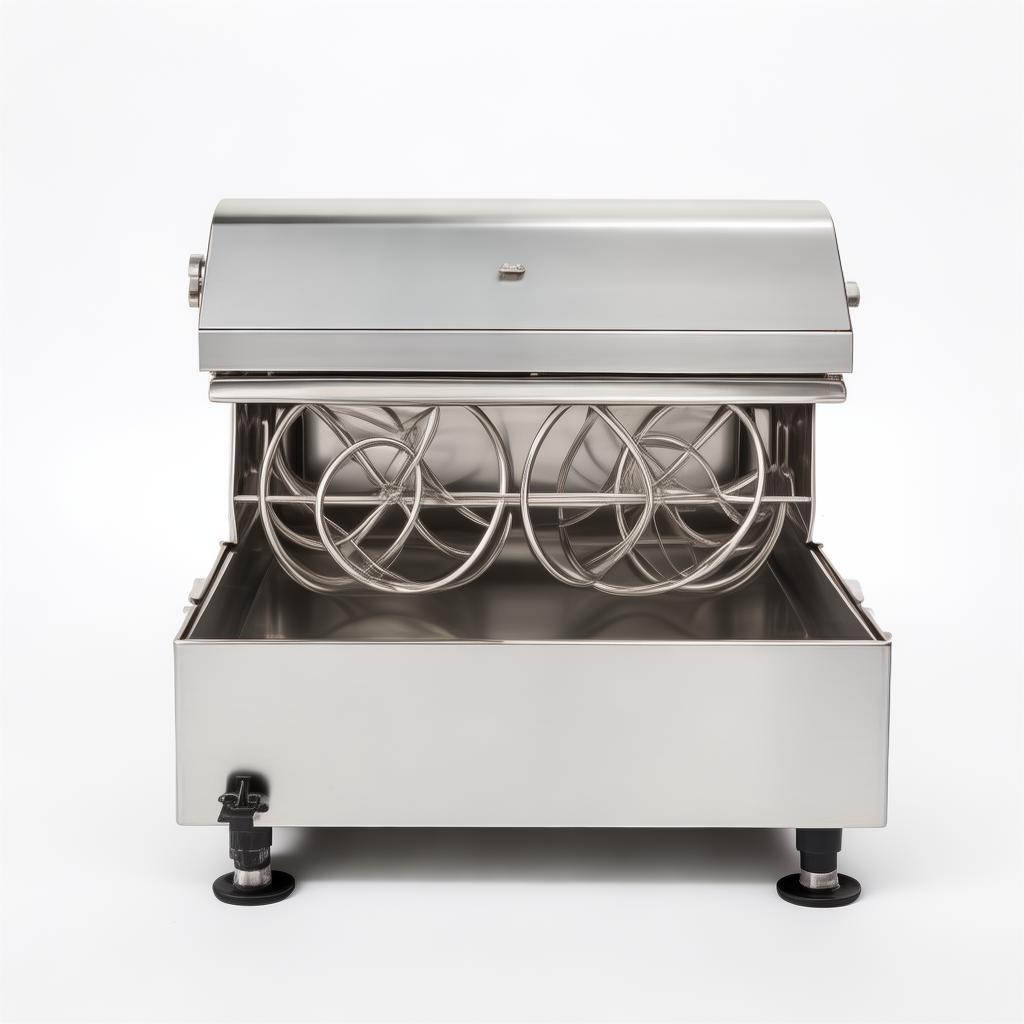
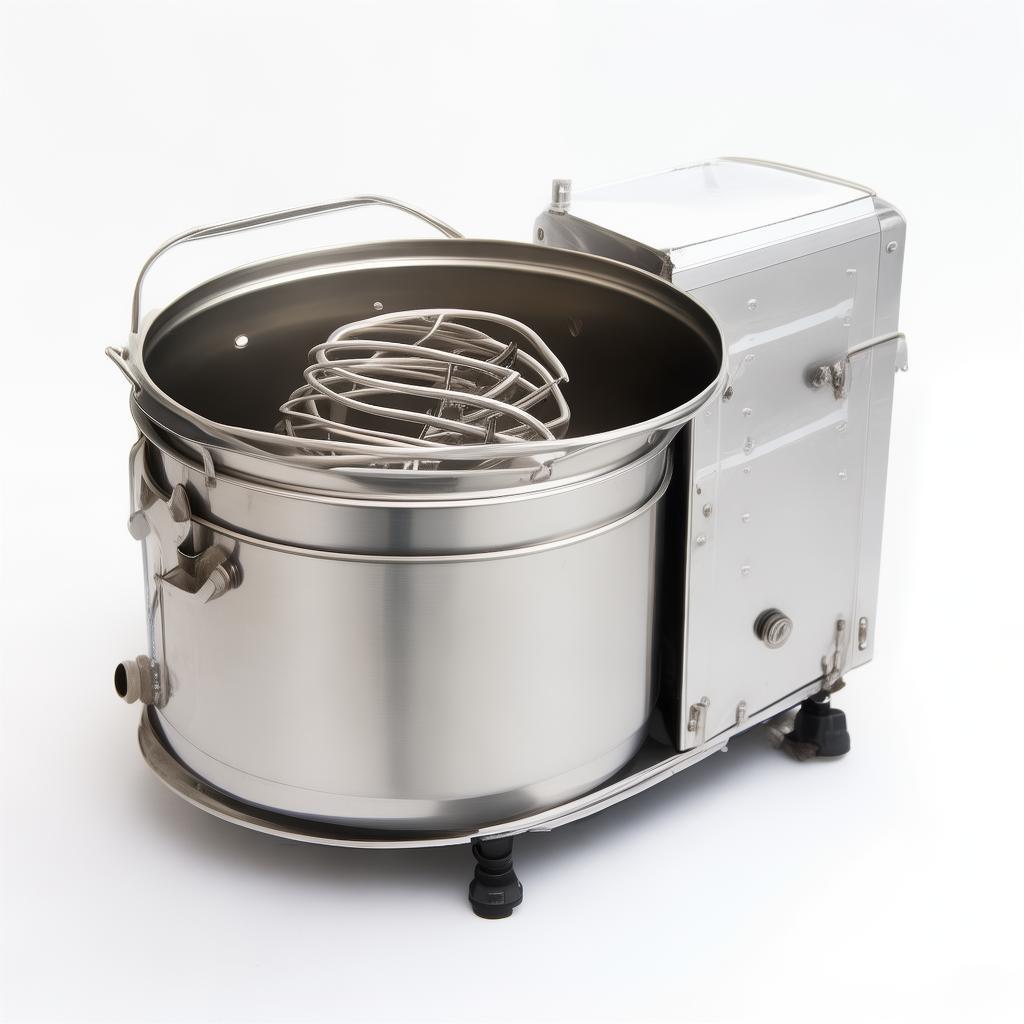
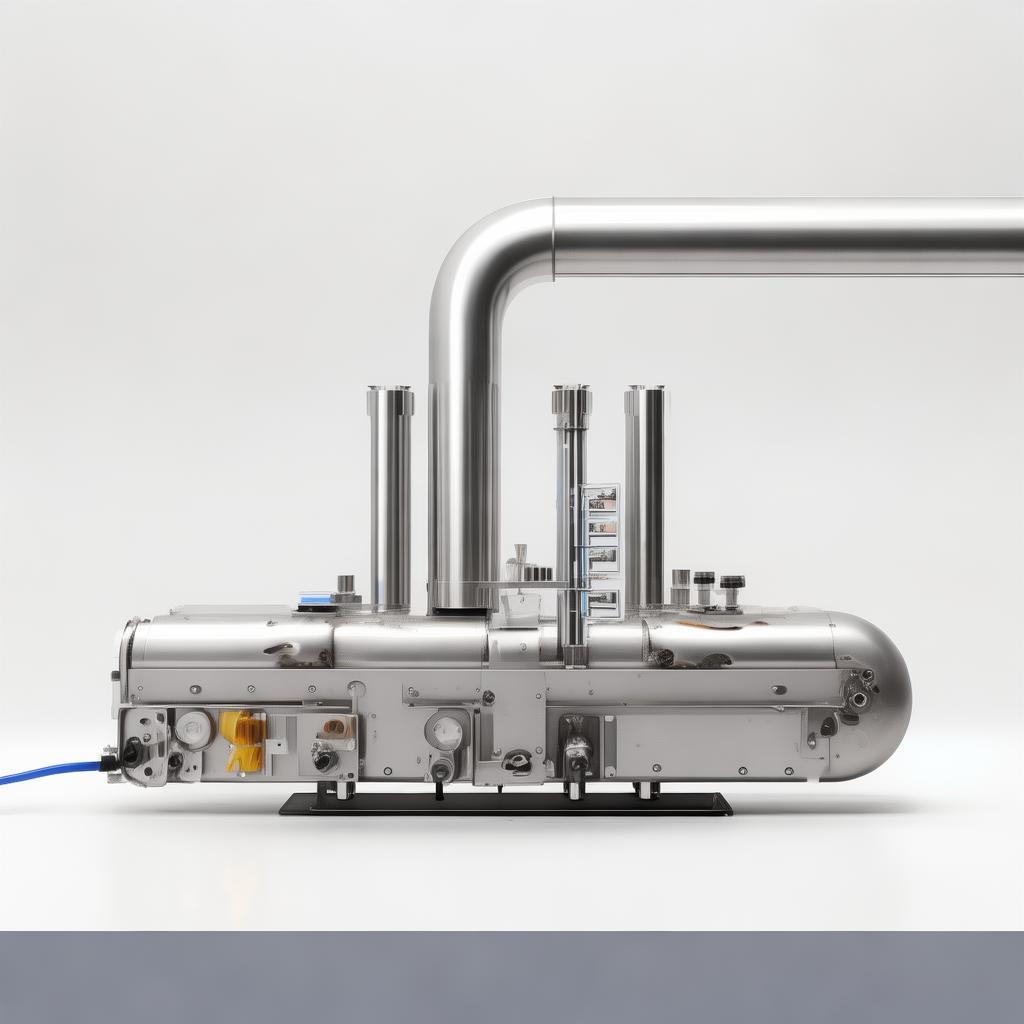
Meat Paddle Mixers: The Backbone of Consistent Meat Product Formulation
Optimizing Your Production for Quality, Efficiency, and Profitability
Understanding the Crucial Role of Meat Paddle Mixers in Modern Food Processing
In the dynamic world of meat processing, consistency isn't just a buzzword; it's the bedrock of brand reputation and profitability. Whether you're producing sausages, burgers, deli meats, or even pet food, the initial stages of ingredient incorporation and mixing are paramount. This is where the humble yet indispensable meat paddle mixer, also known as a meat mixer or meat blender, steps in. Far from a simple agitator, a well-designed paddle mixer is a precision tool that ensures uniform distribution of seasonings, binders, and other additives throughout your meat matrix, directly impacting final product texture, taste, and shelf life.
The global meat processing equipment market, a sector valued at approximately USD 11.29 billion in 2025 and projected to reach USD 17.39 billion by 2034 at a CAGR of 5.0% according to Fortune Business Insights, underscores the scale and importance of this industry. Within this vast ecosystem, specialized equipment like paddle mixers play a critical, often underestimated, role. They are the unsung heroes that prepare the raw material for subsequent steps like filling, molding, or ripening. Without the right mixing technology, manufacturers risk uneven flavor profiles, poor binding leading to product breakdown, and ultimately, dissatisfied customers.
Consider the challenges faced daily in a high-volume processing plant. Batches can range from hundreds to thousands of kilograms. Ingredients must be blended to an exact specification. Cross-contamination is a constant concern. Labor needs to be efficient. And the final product must meet stringent quality and safety standards. A meat paddle mixer addresses these issues head-on. Its primary function is to gently yet effectively blend meat with spices, brines, fat, water, and other ingredients. The design of the paddles themselves, their speed, and the mixing duration are all critical variables that influence the outcome. Overmixing can lead to protein denaturation and a tougher product, while undermixing results in an inconsistent and unappealing final texture.
For businesses operating in international trade, particularly those looking to export to markets with high consumer expectations, the choice of equipment is a strategic decision. The US market, for instance, with its sophisticated consumer base and strict regulatory environment (FDA oversight), demands a high level of product consistency. Similarly, European markets, with their focus on traditional quality and Protected Geographical Indications (PGIs), require precise formulation control. A reliable meat paddle mixer is not just a piece of machinery; it's an investment in quality assurance and market competitiveness.
At Hebei Yuanchang Food Mechanism & Technology Co., Ltd., we've dedicated over 40 years to understanding these nuances. Since 1986, our focus has been on developing and refining meat processing equipment that meets the rigorous demands of the global market. We recognize that a meat paddle mixer isn't a one-size-fits-all solution. The type of meat, the desired final product, the batch size, and even the available space on the production floor all influence the optimal mixer design. This is why we offer a range of configurations, from single-shaft mixers for smaller operations to double-shaft models for high-capacity blending, all built with the precision and durability our clients expect.
Furthermore, the integration of these mixers into a broader production line is a key consideration. A mixer that works seamlessly with your existing filling machines or grinders can significantly streamline workflow. This is where our expertise in complete production lines comes into play. We don't just sell machines; we offer integrated solutions designed to optimize your entire operation. This holistic approach ensures that the critical blending stage is not a bottleneck, but rather a foundation for producing high-quality, marketable meat products day in and day out.
The decision to invest in a new meat paddle mixer is, therefore, one that warrants careful consideration. It's about more than just the initial purchase price; it's about long-term operational efficiency, product quality, and ultimately, your bottom line. In the following sections, we'll delve deeper into the specific advantages, technical specifications, and buyer considerations that will help you make an informed choice. We aim to provide the insights you need to select a machine that not only meets your current needs but also supports your future growth and export ambitions.
Key Advantages of a Properly Specified Meat Paddle Mixer
Selecting the right meat paddle mixer is crucial for achieving optimal results. It's not merely about mixing ingredients; it's about enhancing product quality, improving operational efficiency, and ensuring food safety. Here’s why a quality paddle mixer is a non-negotiable asset for any serious meat processor:
- Uniform Ingredient Distribution: This is the core function. Efficient paddle designs ensure that spices, binders, starches, and fats are evenly dispersed, preventing hot spots in seasoning and ensuring consistent flavor and texture throughout the batch.
- Enhanced Product Texture and Binding: Proper mixing develops the protein matrix, improving the binding of meat particles. This leads to a more cohesive product, reducing shrinkage during cooking and preventing crumbling or separation.
- Reduced Processing Time: Well-designed mixers achieve thorough blending in shorter cycles compared to less efficient methods, increasing overall throughput and reducing labor costs.
- Minimized Product Degradation: Unlike high-speed blenders that can generate heat and damage meat fibers, paddle mixers operate at lower speeds, preserving the meat's natural structure and quality.
- Improved Food Safety: Reduced handling and enclosed mixing environments minimize the risk of contamination. Consistent mixing also ensures even distribution of preservatives or curing agents.
- Batch-to-Batch Consistency: The precise control offered by paddle mixers allows for repeatable results, ensuring that every batch meets the same high standards, which is vital for brand loyalty and export markets.
- Versatility: Suitable for a wide range of meat types (beef, pork, poultry, lamb) and product forms, from finely ground to coarse-cut.
The market for meat processing equipment is projected to reach USD 17.39 billion by 2034, according to Fortune Business Insights. This growth is driven by factors such as increasing demand for processed meat, automation adoption for hygiene and labor efficiency, and stringent food safety standards. A quality meat paddle mixer directly contributes to meeting these demands.
Consider the example of a manufacturer producing marinated chicken breast. Even distribution of the marinade is critical for flavor and tenderness. An inadequate mix might lead to some pieces being overly seasoned while others are bland, resulting in customer complaints and product rejection. A robust paddle mixer ensures each piece receives an equal share of the flavor profile.
For export, the stakes are even higher. Products entering the US or EU markets are subject to rigorous inspection and consumer expectations. Demonstrating consistent quality through reliable processing equipment like paddle mixers builds trust and opens doors to lucrative international contracts. Our commitment at Hebei Yuanchang is to provide equipment that not only performs but also empowers our clients to meet and exceed these global standards.
Technical Deep Dive: What Makes a Meat Paddle Mixer Effective?
The efficiency and performance of a meat paddle mixer are determined by a combination of design elements and material choices. Understanding these technical aspects is key to selecting a unit that aligns with your specific processing needs and operational environment.
Paddle Design and Configuration
The shape and angle of the paddles are crucial. They are engineered to lift, fold, and gently move the meat mixture without excessive shearing or crushing. Common designs include:
- Single Shaft: Ideal for smaller batches and less viscous mixtures. The paddle rotates, agitating the product.
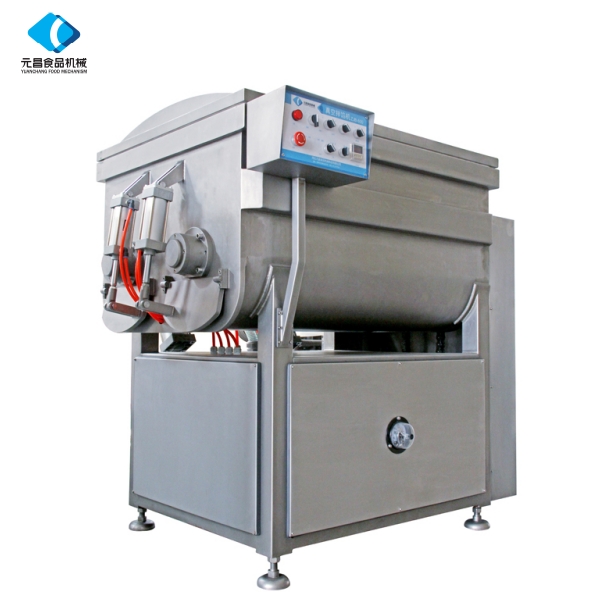
- Double Shaft: Features two counter-rotating shafts with paddles. This configuration provides more thorough mixing for larger batches and denser materials, ensuring even distribution across the entire mixing chamber.
- Spiral or Helix Paddles: These are highly effective for ensuring complete mixing of all ingredients, including dry powders and liquids.
The speed of rotation is also a critical parameter, typically adjustable to suit different product viscosities and mixing objectives. Our machines offer variable speed drives for precise control.
Material of Construction
Durability, hygiene, and compliance with food safety regulations dictate the materials used. Stainless steel is the industry standard, offering:
- Corrosion Resistance: Essential in environments involving salt, acids, and cleaning agents. Grades like SUS304 or SUS316 are commonly specified.
- Hygiene: Smooth, non-porous surfaces are easy to clean, preventing bacterial growth.
- Durability: Withstands the rigors of industrial food processing.
All contact surfaces on our mixers are food-grade stainless steel, ensuring longevity and compliance with international standards.
Mixing Chamber Design
The capacity and geometry of the mixing tub are important. Larger tubs allow for more effective movement of the meat mass, especially with double-shaft designs. Features like:
- Sloped Sides: Facilitate easier product discharge.
- Sealed Bearings and Drives: Prevent contamination of the product from mechanical components.
- Lid Systems: To prevent airborne contamination and allow for controlled addition of ingredients.
Our mixers are designed with ease of cleaning and robust operation in mind, incorporating features that streamline maintenance and minimize downtime.
Control Systems
Modern paddle mixers often feature advanced control panels for precise management of mixing time, speed, and direction. This allows for:
- Pre-programmed Recipes: For consistent batch execution.
- Variable Speed Drives (VFDs): For fine-tuning mixing intensity.
- Automated Discharge: Streamlining the transfer of product.
We can integrate our mixers with existing PLC systems for seamless factory automation, a crucial factor for large-scale producers and international clients seeking efficiency gains.
Procurement Insight:
When evaluating mixers, always consider the lead time for delivery and installation, especially if sourcing internationally. Factor in customs, shipping, and potential on-site setup. Ensure the vendor provides clear specifications and understands your operational workflow. We pride ourselves on transparent communication regarding production and shipping timelines.
Material Comparison: Stainless Steel vs. Alternatives
For meat paddle mixers, material selection is paramount for hygiene, durability, and compliance. While alternatives might exist for less demanding applications, stainless steel remains the undisputed leader in professional food processing.
| Feature | Food-Grade Stainless Steel (e.g., SUS304) | Coated Carbon Steel | Aluminum |
|---|---|---|---|
| Corrosion Resistance | Excellent | Fair (prone to chipping/scratching) | Moderate (can react with acids) |
| Hygiene & Cleanability | Superior (non-porous, smooth) | Poor (coating integrity crucial) | Fair (can pit) |
| Durability & Strength | Excellent | Good (if coating intact) | Moderate |
| Food Safety Compliance | Meets Global Standards (FDA, CE, etc.) | Questionable (coating breakdown) | Moderate (potential for reaction) |
| Cost | Higher Initial Cost | Lower Initial Cost | Lower Initial Cost |
| Lifecycle Value | Highest (longevity, low maintenance) | Lower (potential recoating/replacement) | Moderate |
While coated carbon steel or aluminum might appear cheaper upfront, the long-term operational costs and risks associated with hygiene compromises and potential equipment failure far outweigh the initial savings. For international trade, adhering to strict food safety certifications (like CE, FDA compliance) is non-negotiable, and stainless steel is the only material that reliably meets these demands across various regulatory bodies.
Our factory's commitment, backed by 40 years of experience, ensures that all critical components of our meat paddle mixers are fabricated from high-grade stainless steel, providing you with a reliable, hygienic, and long-lasting solution for your production needs.
Applications: Where Meat Paddle Mixers Shine
The versatility of meat paddle mixers makes them integral to a wide array of meat product manufacturing processes. Their ability to achieve precise ingredient distribution and texture development is critical for:
- Sausage Production: From fresh to cured and emulsified sausages, paddle mixers ensure even blending of meat, fat, seasonings, and binders, crucial for the characteristic texture and flavor.
- Burger and Patty Forming: Achieving uniform consistency in ground meat for burgers, meatballs, and Salisbury steaks is essential for cooking performance and mouthfeel.
- Deli Meats and Luncheon Meats: Products like ham, bologna, and salami require meticulous blending of cured meats, fats, starches, and flavorings for a smooth, consistent texture and appearance.
- Marinated and Seasoned Products: Efficiently distributing marinades, dry rubs, or specialized seasonings onto whole cuts or ground meat.
- Pet Food Manufacturing: For both wet and dry pet foods, precise mixing of meat, grains, vitamins, and minerals is vital for balanced nutrition and palatability.
- Plant-Based Meat Alternatives: Increasingly, mixers are used to blend vegetable proteins, fats, and flavorings to mimic the texture and taste of meat.
- Ready-to-Eat Meals: Incorporating meat components into complex meal preparations.
The demand for processed meat, which drives the need for efficient processing equipment, is substantial. Reports indicate the global processed meat market could reach USD 1,330.45 billion by 2035 (Precedence Research). This growth necessitates reliable machinery like paddle mixers.
Industry Observation:
Many small to medium-sized businesses initially overlook the importance of a dedicated paddle mixer, relying on general-purpose blenders. However, the improvement in product consistency and reduction in rework costs often demonstrate a rapid return on investment, making it a key upgrade for competitive players in the export market.
Installation, Operation, and Maintenance Insights
While meat paddle mixers are designed for robust industrial use, proper installation, operation, and routine maintenance are key to maximizing their lifespan and ensuring consistent performance. This is particularly true for international installations where local support might be limited.
Installation Considerations
* Stable Foundation: The mixer must be installed on a level and stable surface capable of supporting its weight, especially when fully loaded. Vibration can be a significant issue if not properly accounted for.
* Power Supply: Ensure the electrical supply matches the mixer's specifications (voltage, phase, frequency). Incorrect power can damage the motor and control systems.
* Ventilation: Motors generate heat, so adequate ventilation around the machine is necessary, especially in warmer climates.
* Access for Cleaning and Maintenance: Ensure sufficient space around the unit for thorough cleaning and for technicians to access all service points.
Operational Best Practices
* Load Capacity: Never exceed the mixer's rated batch capacity. Overloading can strain the motor and gearbox, leading to premature failure.
* Ingredient Addition Order: Follow recommended procedures for adding ingredients. Typically, meat is loaded first, followed by liquids and then dry ingredients, to ensure optimal mixing.
* Mixing Time and Speed: Use manufacturer-recommended settings for your specific product. Overmixing can degrade product quality.
* Safety Guards: Always ensure all safety guards are in place and functional before operating the machine.
Routine Maintenance
* Daily Cleaning: After each use, the mixer must be thoroughly cleaned to prevent bacterial growth and cross-contamination. This typically involves emptying the tub, washing with appropriate food-grade detergents, rinsing, and sanitizing. Paddles should be removed for cleaning if possible.
* Lubrication: Regularly inspect and lubricate moving parts, such as bearings and gearbox, according to the manufacturer's schedule. Use food-grade lubricants where necessary.
* Inspection: Periodically check for wear and tear on paddles, seals, and belts. Replace any worn components promptly.
* Electrical Checks: Ensure wiring is secure and free from damage.
Practical Warning:
Attempting to clean the mixer while the paddles are in motion is extremely dangerous and can lead to severe injury. Always ensure the machine is powered off and locked out before any cleaning or maintenance is performed.
Logistics and Export Considerations
For international buyers, the logistics of acquiring and implementing new processing equipment can be complex. At Hebei Yuanchang, we have extensive experience in navigating these challenges to ensure a smooth transaction.
Packaging and Shipping
Our meat paddle mixers are carefully packaged to withstand the rigors of international transport. This typically involves:
- Crating: Machines are often secured within robust wooden crates, providing protection against impact and moisture.
- Securing Components: Internal components are braced to prevent shifting during transit.
- Documentation: All necessary shipping documents, including customs declarations and certificates, are prepared meticulously.
We work with reliable freight forwarders experienced in handling industrial machinery, ensuring timely and cost-effective delivery to ports worldwide.
Containerization and Optimization
Efficient use of container space is critical for managing shipping costs. Our team can advise on:
- FCL vs. LCL: Determining whether a Full Container Load (FCL) or Less than Container Load (LCL) is more economical based on your order size.
- Consolidation: If ordering multiple pieces of equipment, we can arrange for them to be consolidated for optimal space utilization.
Our goal is to maximize the value you receive by minimizing unnecessary shipping expenses. We understand that in wholesale export, cost efficiency directly impacts the final product's market competitiveness.
Customs and Import Regulations
Navigating customs can be a hurdle. We provide comprehensive support, including:
- HS Codes: Providing accurate Harmonized System codes for customs classification.
- Certificates of Origin: Ensuring all documentation for import requirements is in order.
- Compliance Information: Offering details on relevant certifications (e.g., CE, UL) to meet local import standards.
With 40 years of export experience, Hebei Yuanchang is well-versed in international trade practices. We aim to make the procurement process as seamless as possible for our global partners.
Choosing the Right Supplier: What to Look For
Selecting a reputable supplier for your meat paddle mixer is as critical as selecting the mixer itself. In the B2B international trade arena, looking beyond just price is essential for long-term success.
Experience and Track Record
Look for manufacturers with a proven history in meat processing equipment. Companies like Hebei Yuanchang, with 40 years of experience since 1986, bring invaluable expertise and understanding of industry challenges. This experience translates into more robust, reliable equipment.
Manufacturing Capabilities
A supplier with in-house machining capabilities, like our facility equipped with over 20 sets of processing machinery and Japanese Mazak CNC centers, can guarantee high precision and the ability to produce non-standard, high-spec components. This ensures consistent quality control.
Quality Certifications
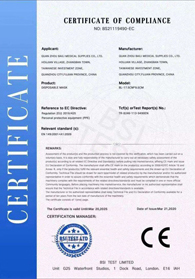
Verify if the manufacturer holds relevant certifications such as ISO 9001 for quality management or CE marking for European market compliance. This demonstrates a commitment to international standards.
After-Sales Support and Service
A traceable after-sales management system is crucial, especially for international clients. It ensures that spare parts are readily available and technical support can be provided when needed. The ability to independently produce high-precision parts, as we do, significantly reduces after-sales concerns.
OEM/ODM Capabilities
If you require custom modifications or a fully bespoke solution, inquire about OEM (Original Equipment Manufacturer) and ODM (Original Design Manufacturer) services. Our engineering team can work with you to tailor equipment to your unique processing needs.
Buyer's Checklist:
Before committing, request detailed technical drawings, material certifications, and client references. A transparent supplier will readily provide this information.
Technical Specifications: Meat Paddle Mixer Model YC-MPM-2000
Below are the typical specifications for one of our popular meat paddle mixer models. We offer a range of capacities to suit various production volumes.
| Specification | Details |
|---|---|
| Model | YC-MPM-2000 |
| Mixing Capacity | 2000 Liters / Approx. 1500 kg (meat density dependent) |
| Power Supply | 380V / 50Hz / 3 Phase (customizable) |
| Motor Power | 11 kW |
| Paddle Type | Double Shaft, Spiral Design |
| Materials | Food- Grade Stainless Steel (SUS304) |
| Mixing Speed | Variable, Controlled via VFD |
| Dimensions (L x W x H) | Approx. 3200 x 1500 x 1800 mm |
| Discharge | Hydraulic Door / Full Tub Tilt (model dependent) |
| Control System | Touch Screen Interface, Programmable Batches |
| Certifications | CE Marked |
meat tumbler mixer paddle mixers industrial paddle mixer
*Specifications are subject to change based on custom requirements and continuous product development.
Hear From Our Clients
Real-world feedback from businesses that have integrated our meat paddle mixers into their operations.

Midwest Meats Co.
"The YC-MPM-2000 has been a game-changer for our sausage line. We struggled with inconsistent seasoning distribution before, leading to batch rejections. Since installing the Yuanchang mixer, our product quality is uniform across every batch. The stainless steel construction is robust, and cleanup is straightforward, which is critical for our HACCP compliance. Shipping and setup were handled professionally by their team."

Maple Leaf Delicatessen
"We needed a reliable mixer for our deli meat production, focusing on texture and bind. Yuanchang's double-shaft model exceeded expectations. It blends the complex ingredients for our hams and pâtés perfectly, resulting in a superior final product that stands out in the market. Their responsiveness to our technical queries before and after purchase was excellent. The import process was smooth, thanks to their clear documentation."

Gulf Food Processors
"The efficiency of the paddle mixer has significantly boosted our production capacity for burger patties. Ingredients are mixed quickly and thoroughly, reducing our cycle times. We appreciate the robust construction and the ease of cleaning, which are crucial in our climate. Yuanchang provided clear guidance on voltage requirements and ensured the machine arrived well-protected."
Frequently Asked Questions (FAQ)
Q: What is the typical mixing time for a batch?
A: Mixing times vary depending on the product, ingredients, and batch size, but typically range from 5 to 15 minutes. Our control systems allow for precise timing to achieve optimal results.
Q: Can your mixers handle frozen meat?
A: While primarily designed for fresh or chilled meat, some models can handle lightly frozen portions. For heavily frozen meat, pre-grinding or thawing is usually recommended to prevent damage to the paddles and gearbox.
Q: What is the warranty period for your meat paddle mixers?
A: We offer a standard one-year warranty on our equipment, covering manufacturing defects. Extended warranties and service contracts can be discussed based on your needs.
Q: How easy is it to clean the mixer?
A: Our mixers are designed with hygiene as a priority. Stainless steel construction and accessible components facilitate thorough cleaning. We provide detailed cleaning instructions with each machine.
Q: Do you offer custom configurations for your mixers?
A: Yes, we specialize in OEM/ODM solutions. We can modify capacities, paddle designs, control systems, and more to meet your specific operational requirements. Contact our sales team to discuss your project.
Q: What kind of support do you provide for international clients after the sale?
A: We offer remote technical support, readily available spare parts, and detailed manuals. For significant installations, on-site training or support can be arranged by our experienced engineers.
Ready to Enhance Your Meat Processing Efficiency?
Discover how our high-performance meat paddle mixers can elevate your product quality, streamline your operations, and drive profitability.
Our Commitment: Experience, Expertise, Authority, Trustworthiness
At Hebei Yuanchang Food Mechanism & Technology Co., Ltd., we embody the principles of EEAT. Our 40 years of experience (since 1986) in designing and manufacturing meat processing equipment, including sophisticated meat paddle mixers, provides us with unparalleled expertise. We are committed to upholding the highest standards of quality, demonstrated by our certifications and the precision of our in-house manufacturing capabilities, including advanced CNC machining.
Our authority in the field stems from our deep understanding of the entire production process, from raw material handling to finished product formulation. We are dedicated to building trustworthiness through transparent communication, realistic product specifications, and reliable after-sales support. We understand the critical nature of your investments and strive to provide solutions that offer genuine, long-term value, ensuring your operations meet global quality and safety benchmarks.

Zhang Wei, Export Director
Hebei Yuanchang Food Mechanism & Technology Co., Ltd.
Connect With Us
Have questions or ready to discuss your specific needs?
Phone: +86 15830991513
Email: ycmeatmech@gmail.com
Address: Shijiazhuang, Hebei Province, China
© 2026 Hebei Yuanchang Food Mechanism & Technology Co., Ltd. All rights reserved.