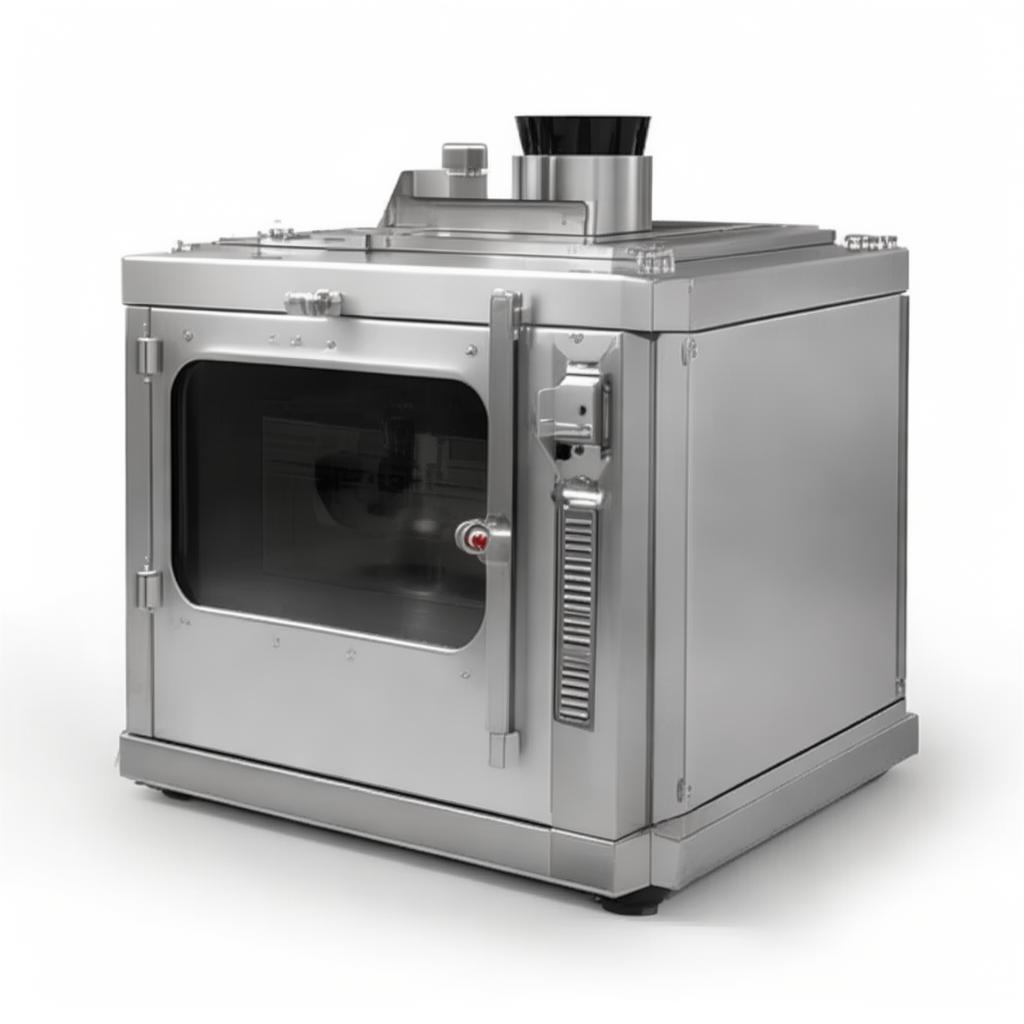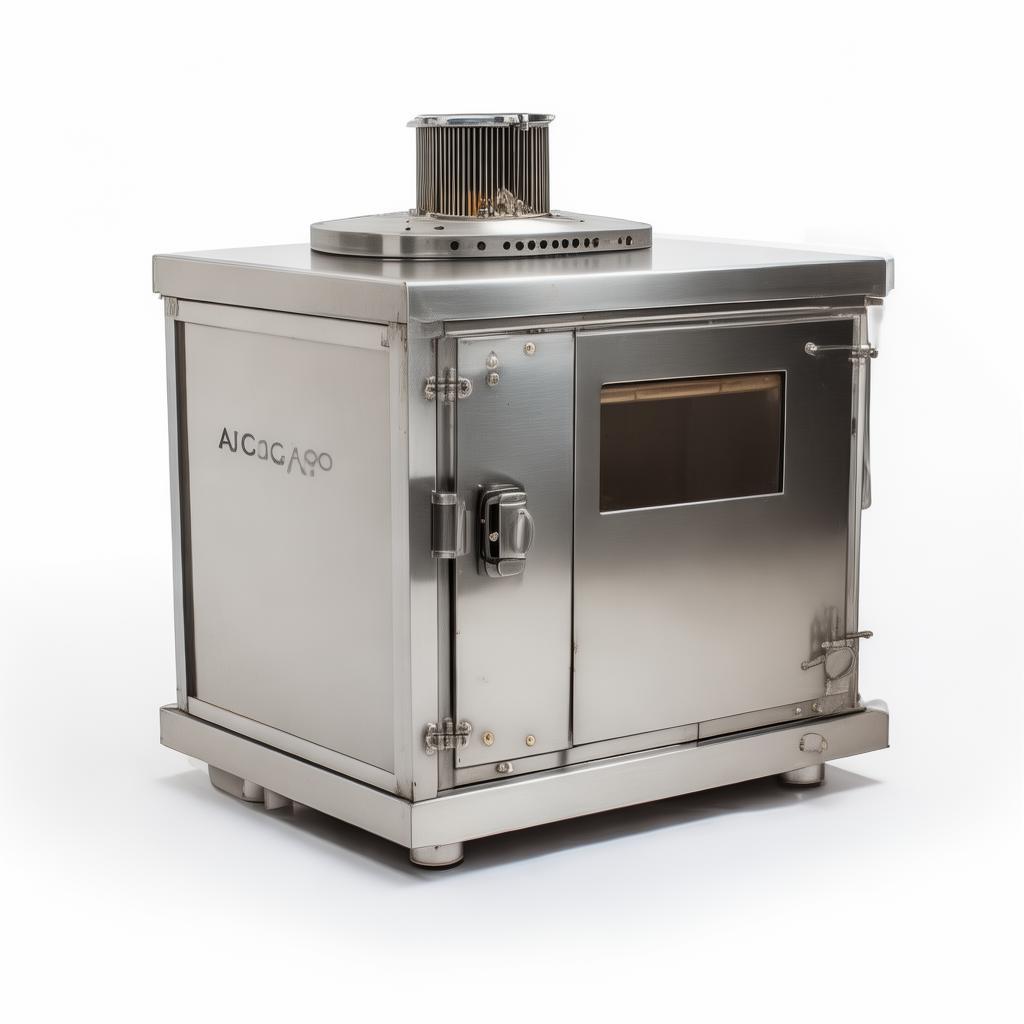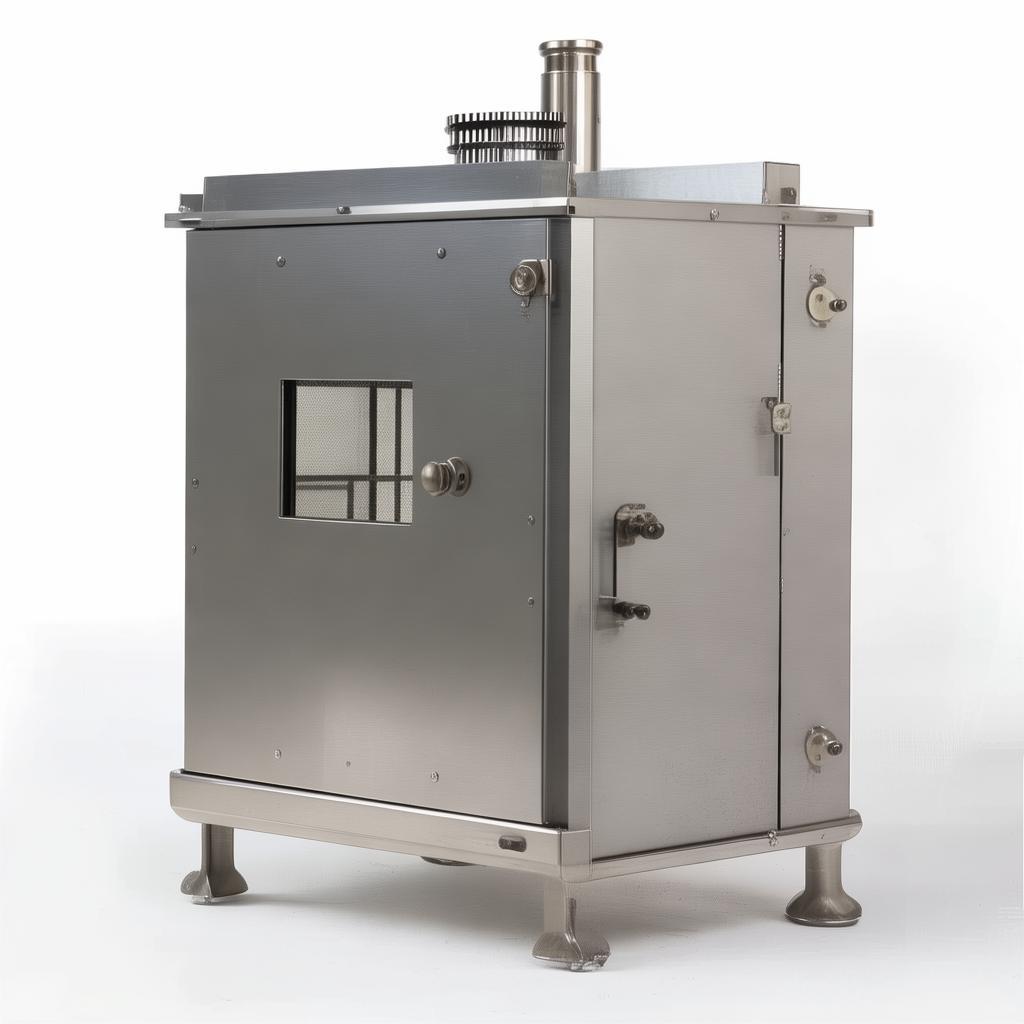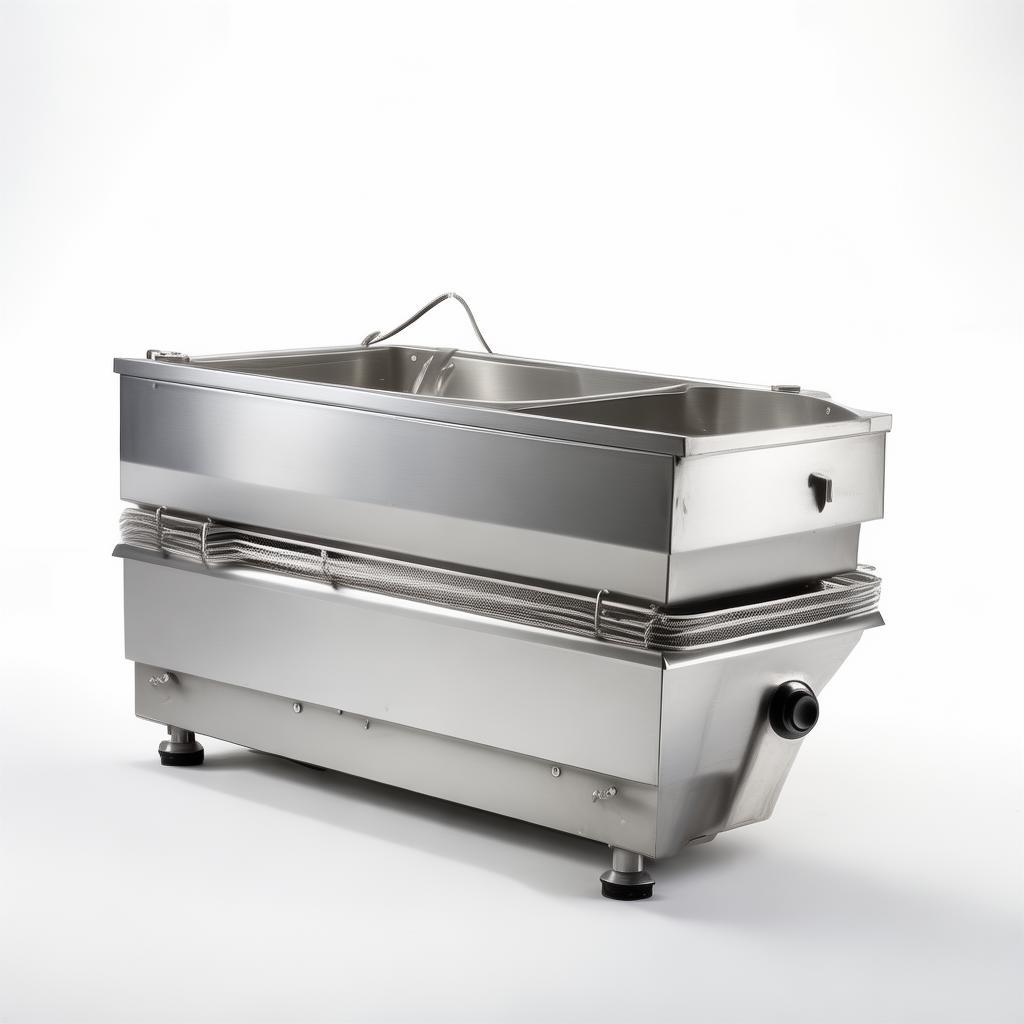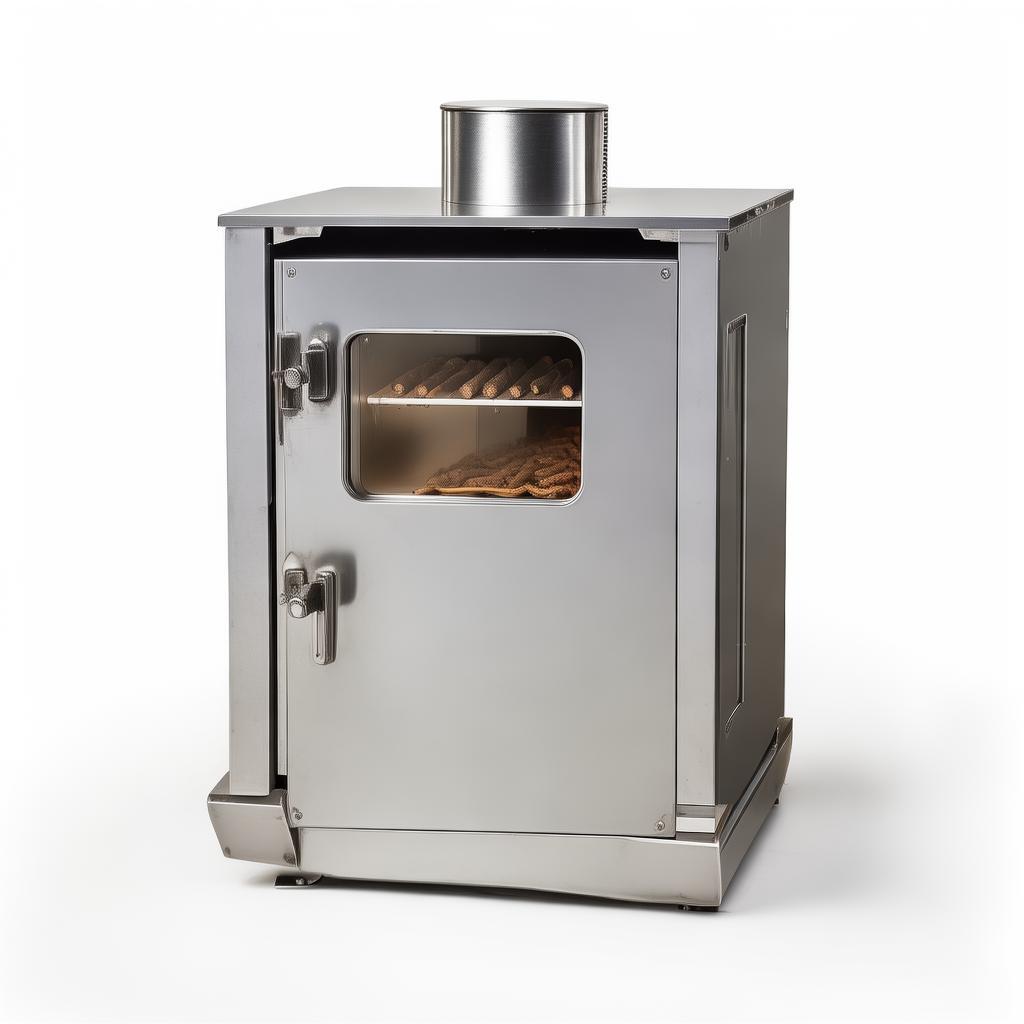
Meat Mincer And Mixer
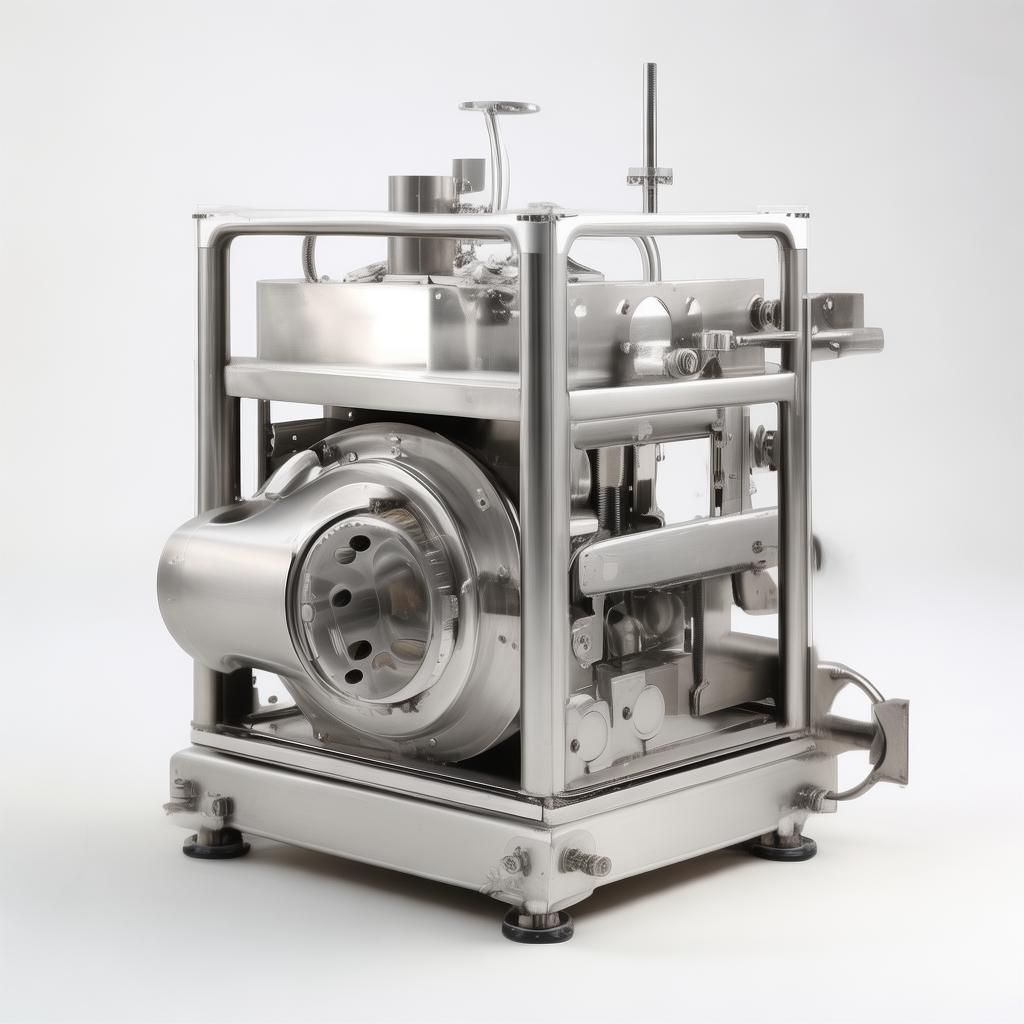
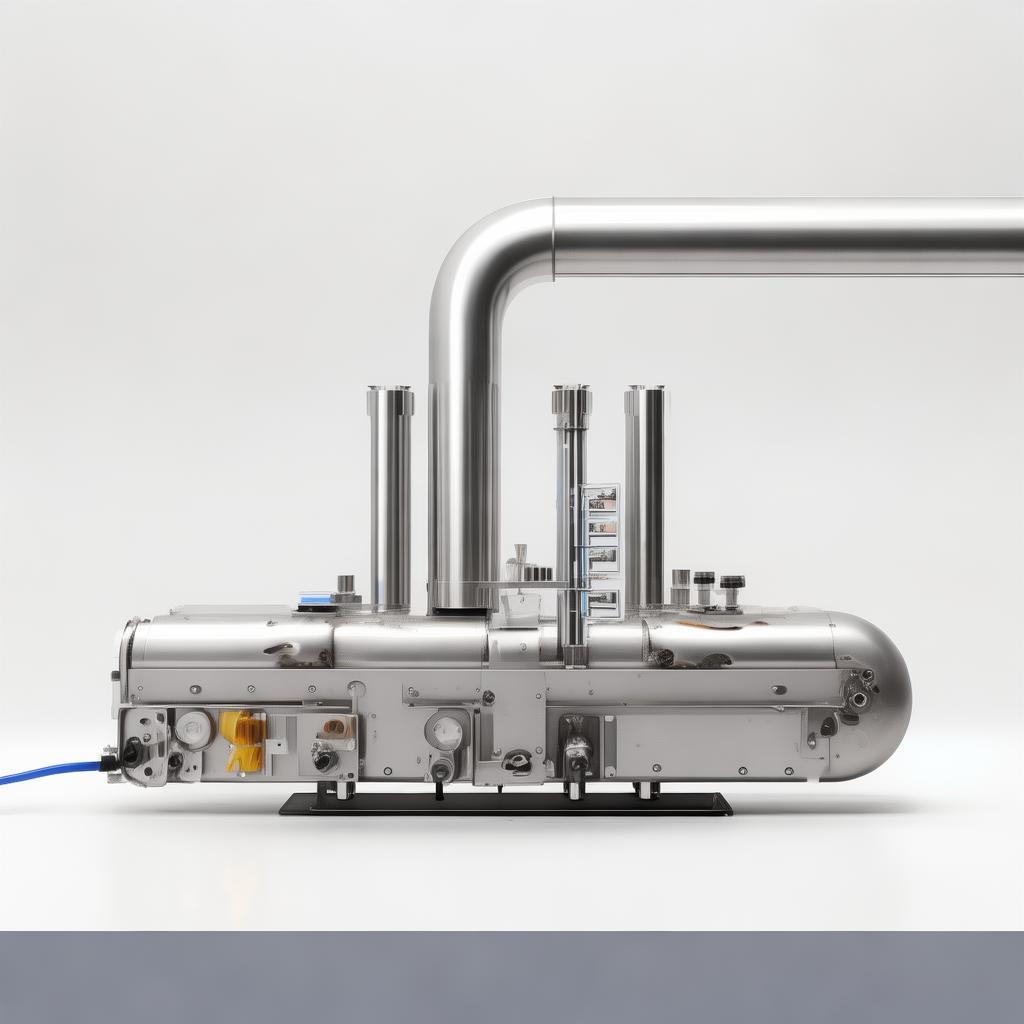
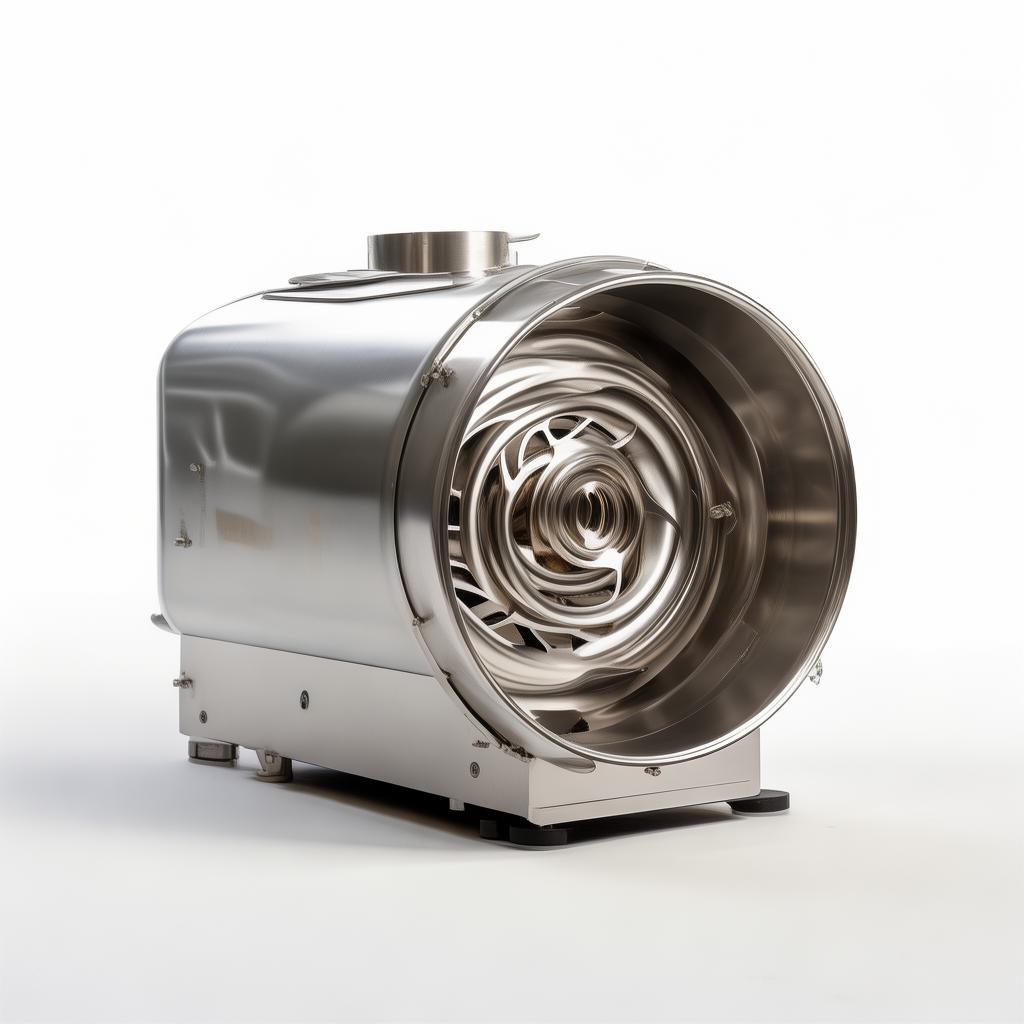
Mastering Meat Processing: Your Guide to High-Performance Minces and Mixers
Unlock Consistency, Efficiency, and Quality in Your Food Production
The Backbone of Savory Products: Why Your Meat Mincer & Mixer Matters
For any business involved in meat processing – from artisanal butchers to large-scale food manufacturers – the quality of your foundational equipment directly impacts the final product. When we talk about meat mincers and mixers, we're not just discussing machines that grind and blend. We're discussing the crucial first steps in creating everything from sausages and burgers to pet food and ready-to-eat meals. The wrong equipment can lead to inconsistent texture, uneven fat distribution, overworked meat, and ultimately, a product that fails to meet consumer expectations or your operational targets. This is where selecting the right meat mincer and mixer becomes paramount.
Consider the global meat processing equipment market, valued at USD 11.29 billion in 2025, projected to reach USD 17.39 billion by 2034 at a CAGR of 5.0% according to Fortune Business Insights. This isn't a niche industry; it's a robust, growing sector fueled by the ever-increasing demand for processed and convenience meats. Within this landscape, the mincer and mixer represent core components. They are the workhorses that prepare raw meat for further processing, directly influencing emulsification, binding, and the overall mouthfeel of the end product. Getting these stages right is non-negotiable for success.
The global processed meat market itself is expanding significantly, projected to reach USD 1,253.77 billion by 2034. This growth necessitates reliable, efficient machinery. Think about the challenges faced daily: maintaining precise fat-to-lean ratios, ensuring proper mixing of additives without degradation, achieving a consistent particle size, and doing all of this at a pace that meets production demands. These aren't minor details; they are operational realities that impact cost, quality, and brand reputation. A high-quality mincer ensures uniform particle reduction, preventing the mushiness or unevenness that plagues poorly processed meat. A well-designed mixer then perfectly integrates seasonings, binders, and other ingredients, creating a cohesive, stable mixture ready for the next stage, be it stuffing, forming, or cooking.
Furthermore, the need for automation and enhanced hygiene standards is pushing manufacturers towards advanced equipment. As Grand View Research notes, the market is driven by "automation adoption for hygiene and labor efficiency, strict food safety standards." This translates directly to the design and functionality of your mincer and mixer. Features like easy-to-clean construction, food-grade materials, precise temperature control capabilities (especially crucial for mixers to prevent fat smear), and robust build quality are no longer optional; they are essential for compliance and operational excellence. Choosing equipment that adheres to these evolving industry demands is an investment in future-proofing your operations.
At Hebei Yuanchang Food Mechanism & Technology Co., Ltd., we understand these intricacies. With over 40 years of experience since 1986, we've seen the evolution of meat processing firsthand. We've moved beyond basic grinding and mixing to sophisticated systems that cater to the precise needs of modern food production. Our commitment is to provide machinery that doesn't just perform a function, but enhances your entire process. This involves deep dives into material science, engineering precision, and understanding the practical workflow of a busy processing plant. We focus on delivering machines that are not only durable and efficient but also contribute to a superior final product, giving you a competitive edge in a demanding global market. This page is dedicated to helping you navigate the complexities and make an informed decision for your business.
Operational Pains Solved by the Right Mincer & Mixer
In the fast-paced world of food manufacturing, operational bottlenecks and product quality issues can severely impact profitability and reputation. The choice of your meat mincer and mixer directly addresses several critical pain points faced by procurement managers, production supervisors, and plant engineers.
- Inconsistent Product Texture: A common complaint. If your mincer produces irregular particle sizes or smears fat, the resulting texture can be grainy, mushy, or greasy. This is unacceptable for premium products and even basic items like sausages. Our precision-engineered mincers ensure uniform particle reduction.
- Poor Emulsification & Binding: A properly emulsified meat mixture is key for products like sausages and deli meats. If your mixer doesn't blend fats, proteins, and water effectively, you'll see fat separation (purging) during cooking or storage, compromising both appearance and yield. Our mixers are designed for optimal shear and blend dynamics.
- Overworked Meat & Heat Generation: Running machinery too long or with inadequate design can overwork the meat, leading to a tough, rubbery texture and increased temperature, which accelerates spoilage and affects quality. This is particularly critical for fat-sensitive applications. Our equipment is built for efficient processing to minimize these issues.
- Difficult Cleaning & Sanitation Risks: Downtime for cleaning is expensive, and inadequate sanitation poses serious food safety risks. Machines with complex designs or hard-to-reach areas can harbor bacteria. We prioritize hygienic design in our mincers and mixers, featuring smooth surfaces and easy disassembly for thorough cleaning.
- Low Throughput & Bottlenecks: Production targets demand speed and reliability. If your mincer or mixer can't keep up, it creates a bottleneck, slowing down the entire line. We engineer our machines for high capacity and continuous operation, ensuring seamless integration into your workflow.
- Material Inconsistencies: For products requiring specific fat content or texture, variations in raw material grinding or mixing are problematic. Our equipment allows for precise control over particle size and blending homogeneity, ensuring batch-to-batch consistency.
- High Maintenance & Repair Costs: Unexpected breakdowns are costly. Inferior components or poor build quality lead to frequent repairs and lost production days. We use high-grade stainless steel and robust construction methods, backed by a traceable after-sales system, to ensure longevity and minimize your total cost of ownership.
By selecting the right industrial-grade meat mincer and mixer, you're not just buying a piece of equipment; you're investing in solutions that directly tackle these operational challenges, leading to higher quality products, improved efficiency, and greater profitability.
Technical Excellence: The Heart of Our Meat Minces and Mixers
Our range of meat mincers and mixers is built on a foundation of engineering expertise and a deep understanding of food processing requirements. We don't cut corners; we engineer for performance, durability, and food safety. Let's delve into the technical aspects that set our equipment apart.
Meat Mincer Precision Engineering
The core of any good mince lies in the grinding process. Our mincers feature:
- High-Grade Stainless Steel Construction: Food-grade SUS304 stainless steel is standard for all contact parts and the main body. This ensures corrosion resistance, ease of sanitation, and no metallic contamination of the product.
- Precision-Machined Grinding Plates & Knives: We utilize hardened steel for knives and plates, precision-machined to tight tolerances. This results in a clean cut, minimizing meat smear and heat generation, crucial for maintaining product quality and extending the life of the cutting set.
- Optimized Screw Design: The conveyor screw is engineered to efficiently and gently feed meat towards the grinding plates. Its pitch and diameter are calculated to prevent overworking the meat while maximizing throughput.
- Robust Drive Systems: Powerful, yet efficient, electric motors are paired with heavy-duty gearboxes to provide consistent torque, even when processing tougher cuts or frozen meat. We offer various power options to match your production scale.
- Hygienic Design: Our mincers are designed with minimal crevices and smooth, polished surfaces. The grinding head assembly is easily removable for thorough cleaning, adhering to strict HACCP and GMP standards.
Meat Mixer Performance and Versatility
Mixing is more than just stirring; it's about achieving perfect homogeneity without compromising texture or temperature. Our mixers excel with:
- Multiple Paddle Designs: Whether you need gentle blending for delicate mixtures or vigorous mixing for tough doughs, we offer various paddle configurations (e.g., spiral, double-arm, paddle) designed for specific applications.
- Variable Speed Control: Precise control over mixing speed is vital. Low speeds are ideal for initial ingredient incorporation and preventing damage to meat fibers, while higher speeds can be used for creating fine emulsions. Inverter technology allows for fine-tuning.
- Efficient Temperature Management: For many applications, keeping the mixture cool is paramount. Our mixers can be equipped with jacketed bowls for refrigerant circulation, preventing fat smearing and maintaining product integrity.
- Durable Construction: Heavy-duty stainless steel construction ensures longevity and stability. The drive mechanisms are robust and designed for continuous operation, often with features like overload protection.
- Easy Loading & Unloading: Thoughtful design includes features like tilting mechanisms or discharge chutes to facilitate easy filling and emptying, reducing manual labor and potential contamination points.
The integration of our in-house machining workshop, equipped with advanced CNC machining centers and over 20 sets of processing machinery, allows us to produce high-precision components that meet stringent specifications. This capability is critical for achieving the accuracy required in food processing machinery. We are not just assembling components; we are manufacturing them with a focus on quality and repeatability.
Applications: Where Our Minces & Mixers Shine
The versatility of a well-designed meat mincer and mixer makes them indispensable across a wide spectrum of the food industry. They are not one-size-fits-all; their application dictates specific design considerations and operational parameters.
Sausage Production
This is perhaps the most classic application. Minced meat forms the base, and mixers homogenize it with fat, water, spices, and binders. Precision grinding ensures the right texture, while effective mixing creates a stable emulsion essential for stuffing and cooking without separation. Our equipment is designed to handle various meat types and fat ratios, crucial for diverse sausage varieties.
Burger and Patty Manufacturing
Achieving the perfect burger texture requires controlled particle size from the mincer and gentle mixing to avoid toughness. Our machines allow for customization of grind size and mixing intensity to create the desired bite and juiciness.
Pet Food Processing
The pet food industry relies heavily on efficient processing of meat by-products. Consistency in texture and ingredient distribution is key for palatability and nutritional value. Our industrial-grade equipment is ideal for the high-volume demands of pet food manufacturers.
Ready-to-Eat Meals and Delicatessen Items
From meat sauces to seasoned ground meat for lasagnas, precise mincing and thorough mixing of herbs, spices, and other ingredients are vital for flavor profiles and product integrity. Our mixers ensure even distribution, enhancing taste and appearance.
Reconstituted and Formed Meat Products
mince meat mixer stainless meat mixer made with meat mixer
As the reconstituted meat market grows from USD 6.9 billion in 2025 to USD 36.1 billion by 2035 at a CAGR of 18.0%, the demand for reliable molding and pretreatment equipment, including mincers and mixers, is surging. Our machinery provides the consistent base material needed for creating shaped and formed meat products with desired texture and binding properties.
Our team can help you select the optimal mincer or mixer configuration based on your specific application, desired throughput, and raw material characteristics. It's about finding the right fit for your unique production goals.
Procurement & Supplier Assurance: Partnering for Success
Choosing a supplier for critical processing equipment like meat mincers and mixers involves more than just comparing prices. It's about establishing a reliable partnership that ensures quality, support, and long-term value. Here’s what to consider when evaluating a supplier, and why Hebei Yuanchang stands out.
Key Procurement Considerations
- Experience & Longevity: How long has the manufacturer been in business? For us, with 40 years of experience since 1986, we bring a depth of knowledge forged through decades of practical application and market evolution.
- Manufacturing Capabilities: Do they manufacture in-house? Our integrated approach, including our own machining workshop with advanced CNC equipment, allows for unparalleled control over component precision and build quality. This is crucial for producing high-standard, non-standard parts.
- Quality Certifications: Look for relevant certifications (e.g., CE, ISO). These demonstrate a commitment to international standards for safety, quality, and environmental management.
- After-Sales Support & Spare Parts: What happens after the sale? A traceable after-sales management system and readily available spare parts are non-negotiable. We ensure you can source high-precision parts independently, providing worry-free service.
- Customization & OEM/ODM: Can they adapt machines to your specific needs? We offer OEM/ODM services, leveraging our engineering expertise to tailor solutions.
- Export Experience: Especially for international buyers, a supplier with established export channels and experience navigating international logistics and regulations is invaluable. We have a proven track record of serving global markets.
Why Choose Hebei Yuanchang?
We are not just a supplier; we are a technology partner. Our facility covers approximately 14,000 square meters, employing a dedicated team of 80-100 professionals focused on R&D, production, and sales. Our capabilities extend beyond standard offerings:
- Independent High-Precision Part Production: Our investment in Japanese Mazak CNC machining centers means we can manufacture critical components with extreme accuracy, ensuring reliability and consistency.
- Comprehensive Product Lines: Beyond mincers and mixers, we offer complete solutions for meat processing, including pretreatment, filling, molding, and ripening.
- Commitment to R&D: We continuously innovate to meet market demands for efficiency, automation, and food safety.
When you partner with us, you gain access to equipment that is engineered for performance and backed by a company with a deep legacy and forward-looking approach to food processing technology.
Installation, Maintenance, and Logistics Insights
Acquiring the right equipment is only part of the equation. Ensuring smooth installation, diligent maintenance, and efficient logistics are vital for maximizing your investment and operational uptime.
Smooth Installation
Most of our meat mincers and mixers are designed for relatively straightforward installation. Key considerations include:
- Electrical Requirements: Ensure your facility's power supply matches the machine's specifications (voltage, phase, amperage). Our sales engineers can provide these details upfront.
- Ventilation: Adequate ventilation is important, especially for mixers that might generate some heat.
- Floor Space & Access: Allow sufficient clearance around the machine for operation, cleaning, and maintenance.
- Integration with Existing Lines: Consider how the new equipment will interface with your current setup. We can offer guidance on optimal placement and connections.
For larger or more integrated systems, we can provide consultation or documentation to assist your in-house technical team or a hired contractor.
Essential Maintenance Practices
Regular maintenance is the key to longevity and preventing costly breakdowns. Here are general recommendations:
- Daily Cleaning: Thoroughly clean all food-contact surfaces after each production run. Use approved food-grade cleaners and sanitizers.
- Lubrication: Follow the manufacturer's schedule for lubricating bearings, gearboxes, and any other moving parts.
- Inspection of Cutting Sets (Mincers): Regularly check knives and plates for wear or damage. Dull blades increase motor load and degrade mince quality. Replace as needed.
- Check Belts and Chains: Ensure drive belts are properly tensioned and chains are clean and lubricated.
- Electrical System Check: Periodically inspect wiring and connections for any signs of wear or damage.
We provide detailed maintenance manuals with each machine, and our after-sales team is available to answer specific queries or provide training.
Logistics and Global Shipping
As an international exporter, we have extensive experience in shipping machinery worldwide. Our logistics team ensures:
- Secure Packaging: Equipment is robustly packaged for international transit, typically using wooden crates or reinforced frames to protect against damage during loading, transit, and unloading.
- Documentation: We provide all necessary export documentation, including commercial invoices, packing lists, and certificates of origin.
- Shipping Options: We work with reliable freight forwarders to offer various shipping options (e.g., sea freight FCL/LCL, air freight) to meet your timelines and budget.
- Customs Clearance Support: We can assist with information required for customs clearance in your destination country.
Optimizing container loading is also something we consider to maximize efficiency for multi-unit orders, which can help reduce per-unit shipping costs.
What Our Clients Say
Real feedback from businesses like yours, detailing their experience with our meat processing equipment:

David Chen, Operations Manager - "Prime Meats Inc." (USA)
Purchasing Manager
"We were looking to upgrade our mincing line for our burger production. The precision of Hebei Yuanchang's grinding plates makes a noticeable difference in texture and yield. Their team was incredibly helpful in selecting the right model for our volume. The machine has been running flawlessly for over a year now, with minimal fuss."

Maria Garcia, Procurement Director - "Gourmet Sausages Co." (Canada)
Procurement Director
"The double-arm mixer we purchased from Hebei Yuanchang has revolutionized our sausage formulation process. The even distribution of spices and fats is superior to our old equipment. It’s robust, handles large batches efficiently, and the hygiene design means cleaning is no longer a major hurdle. Highly recommend their expertise."

Kenji Tanaka, Factory Manager - "Asian Pet Foods Ltd." (Japan)
Factory Manager
"We needed a high-capacity meat mincer for our pet food production line. Hebei Yuanchang delivered a machine that not only meets our throughput requirements but also ensures consistent particle size, which is critical for our product quality. The durability is impressive, given the continuous operation. Their after-sales support for spare parts was prompt and efficient."

Ahmed Hassan, Production Lead - "Middle East Meat Processors" (UAE)
Production Lead
"The reliability of their mixing equipment is outstanding. We use it for various specialty meat products, and the ability to control mixing speed and duration ensures we achieve the desired texture every time. Given the demanding production schedule, their machines have proven to be a sound investment."
Frequently Asked Questions (FAQs)
Navigating the technicalities of meat processing equipment can bring up questions. Here we address some common inquiries:
What is the difference between a meat mincer and a meat grinder?
In essence, they refer to the same type of machine. "Mincer" is often used more in a UK/Commonwealth context, while "grinder" is more common in North America. Both perform the function of reducing meat into smaller particles.
Can your meat mincers handle frozen meat?
Yes, many of our models are designed to process frozen meat blocks or cubes. However, the degree of freezing (e.g., tempered, fully frozen) and the specific model will affect performance. We recommend consulting our technical specifications or speaking with an engineer about your specific frozen meat processing needs.
What kind of maintenance is required for your meat mixers?
Regular cleaning after each use is paramount. Beyond that, periodic checks of drive belts, motor brushes (if applicable), and lubrication of moving parts are essential. We provide detailed maintenance manuals for each model.
How do I choose the right size meat mincer or mixer for my business?
Consider your expected daily or shift production volume, the types of meat you process, and the particle size or consistency you require. Our sales engineers can guide you based on these factors and help you select a machine with adequate capacity to avoid bottlenecks.
What are your warranty terms?
We offer a standard warranty on our equipment, covering defects in materials and workmanship. Specific terms and duration vary by product model. Please contact our sales department for detailed warranty information for the specific unit you are interested in.
Do you offer OEM/ODM services?
Yes, absolutely. We have extensive experience in developing and manufacturing custom food processing equipment. If you have specific design requirements or need a unique solution, we can work with you to create an OEM or ODM product.
Ready to Elevate Your Meat Processing?
Discover how Hebei Yuanchang's high-performance meat mincers and mixers can transform your production. Get in touch with our experts today to discuss your needs and receive a personalized quote.
Contact Us: +86 15830991513 | ycmeatmech@gmail.com
Hebei Yuanchang Food Mechanism & Technology Co., Ltd. - Shijiazhuang, Hebei Province, China