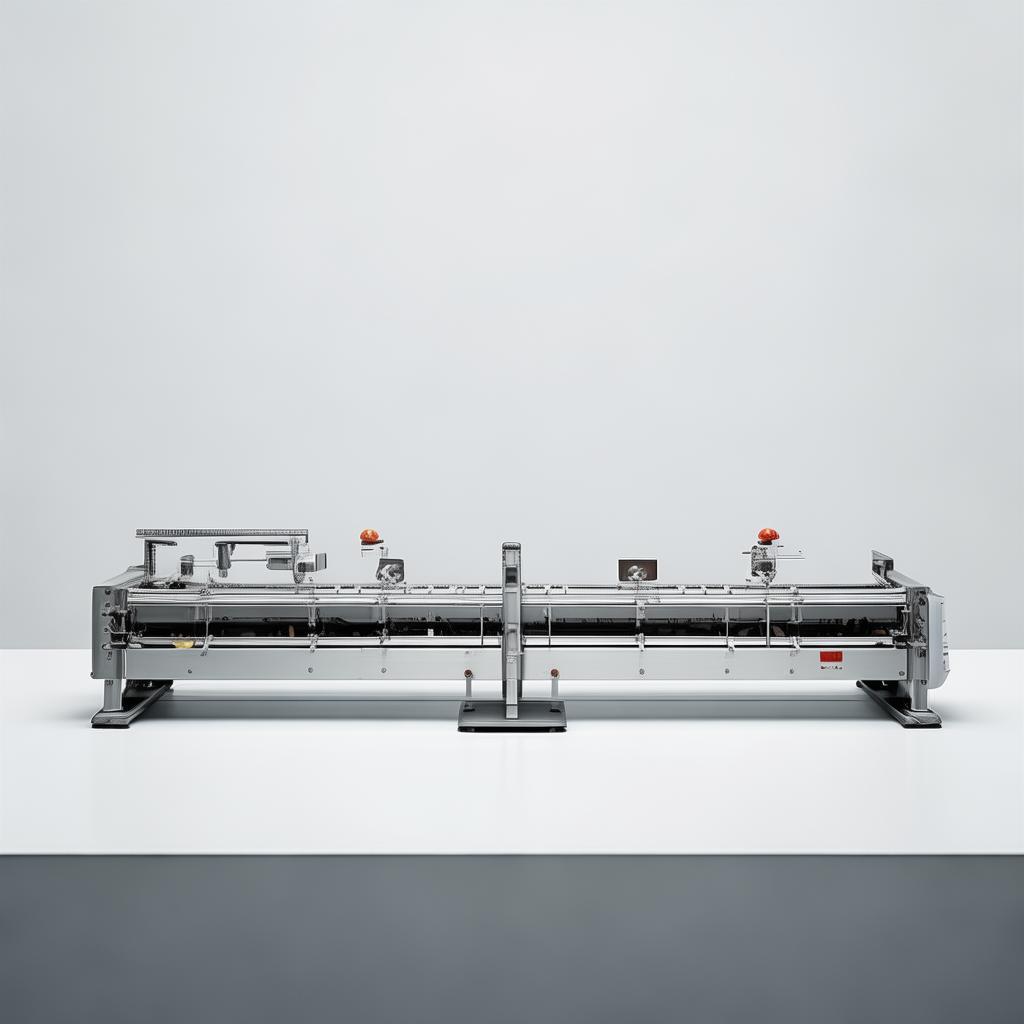
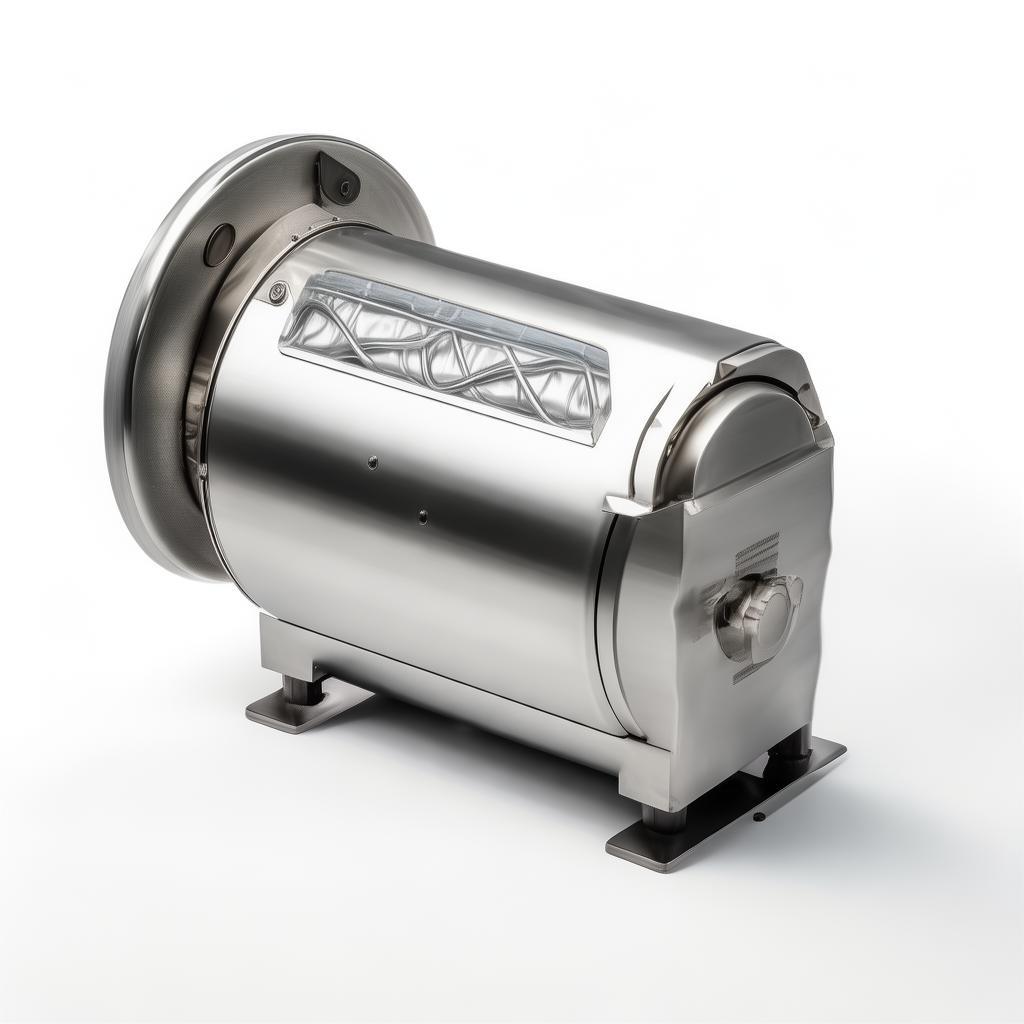
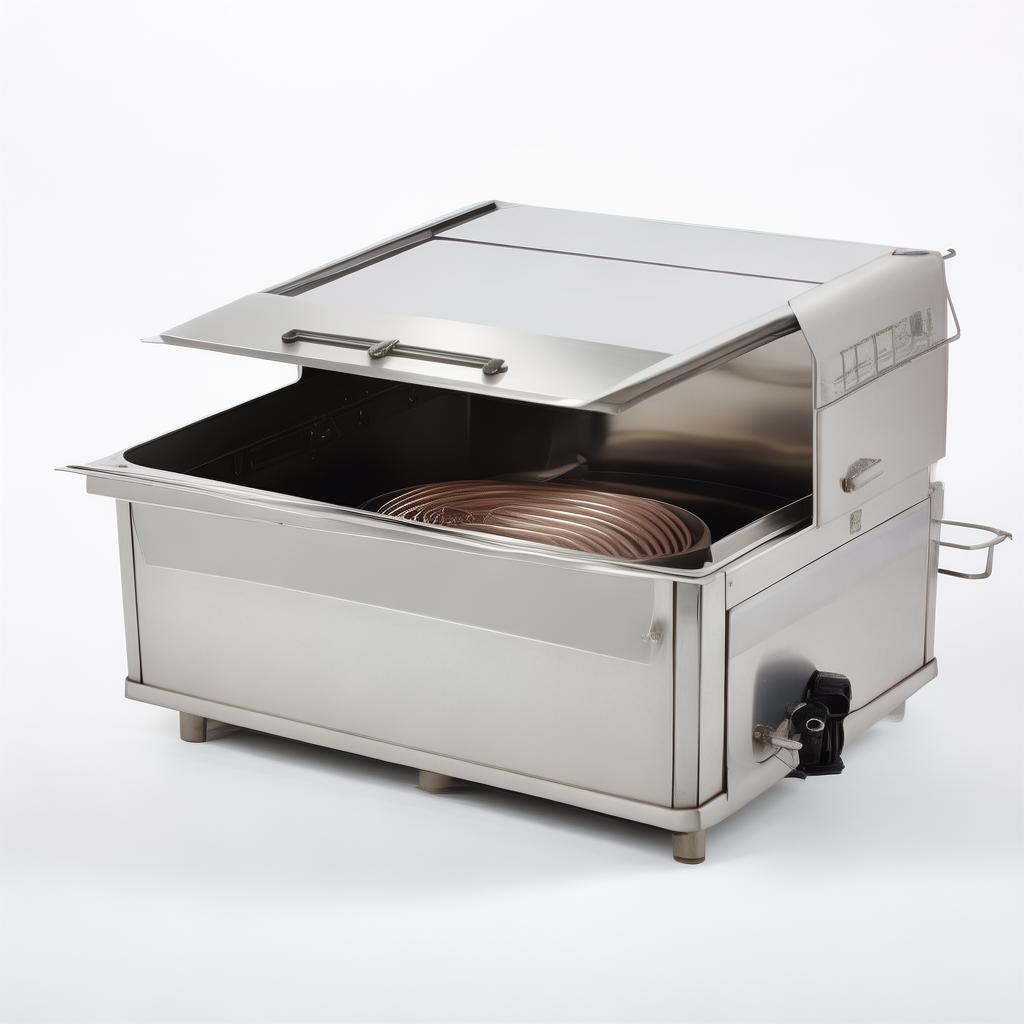
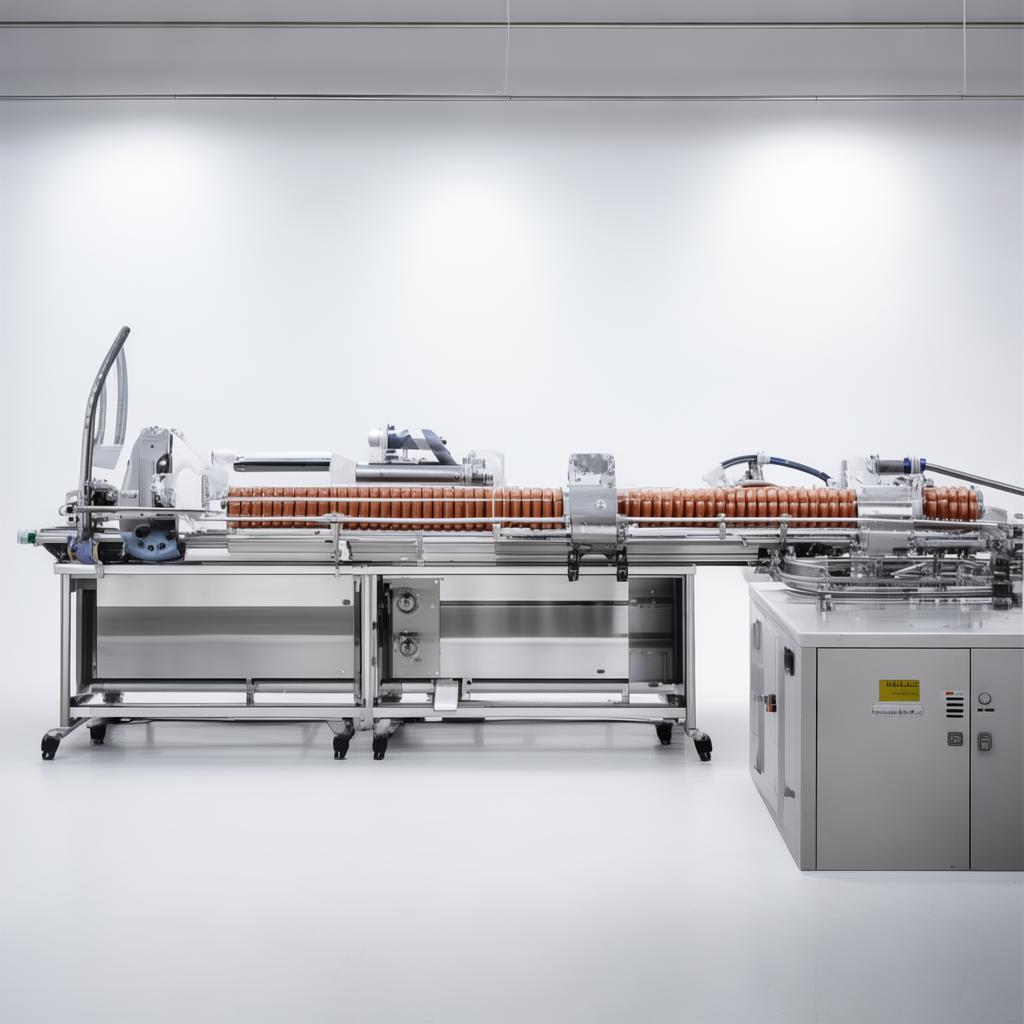
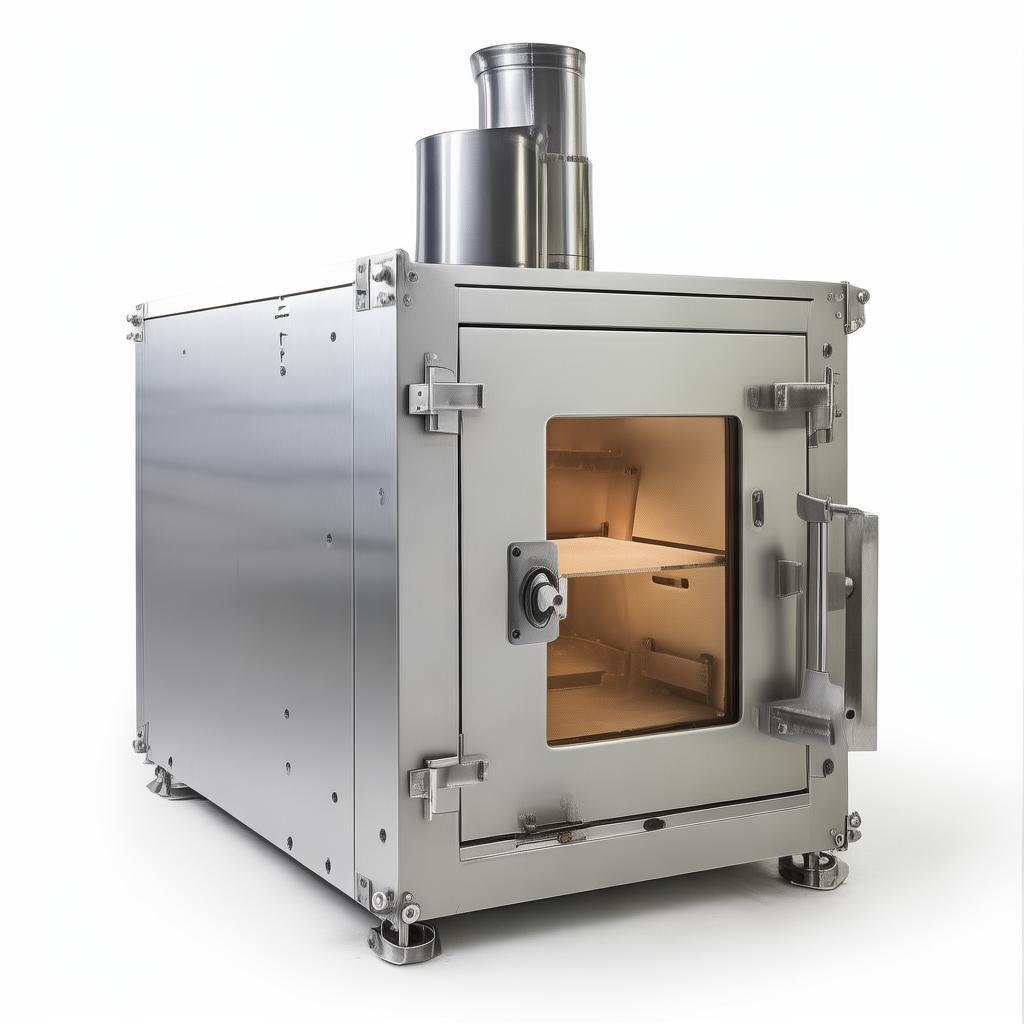
Vibration Bowl Feeder
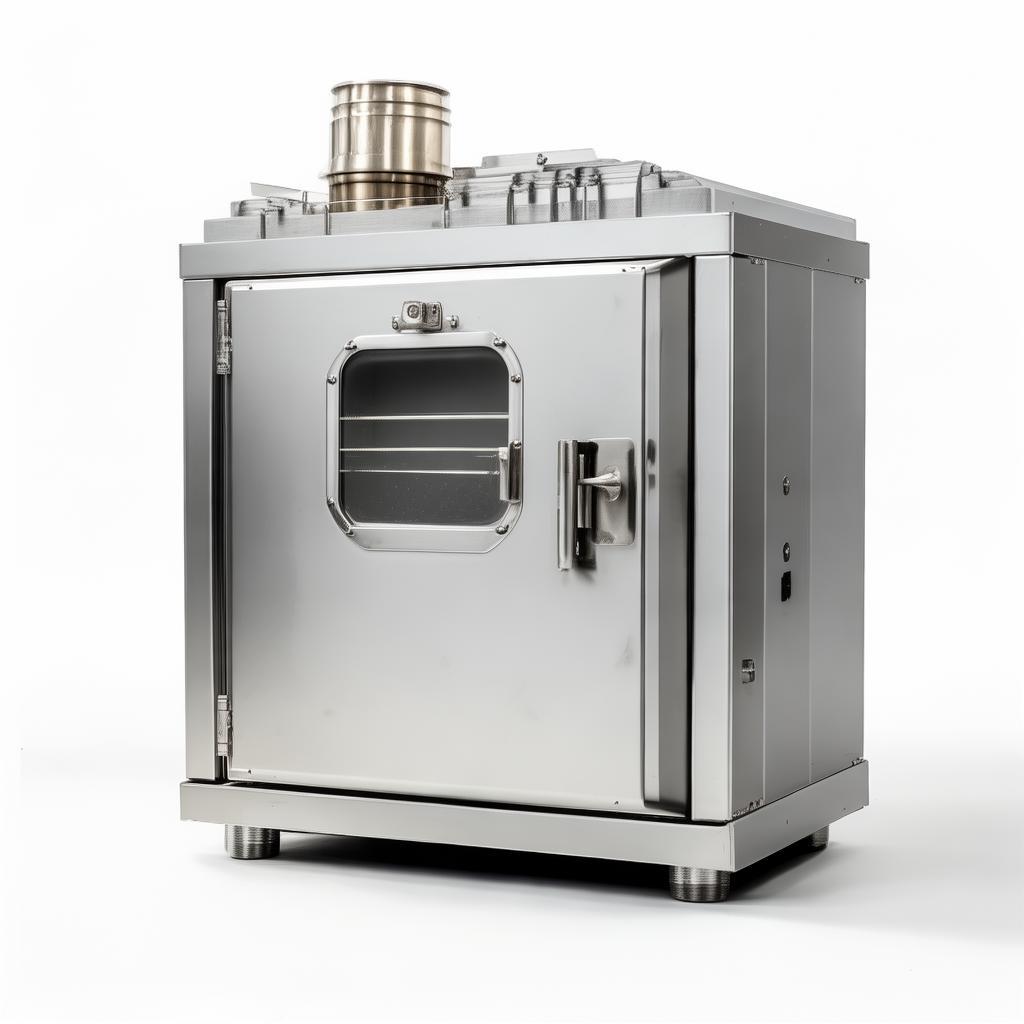
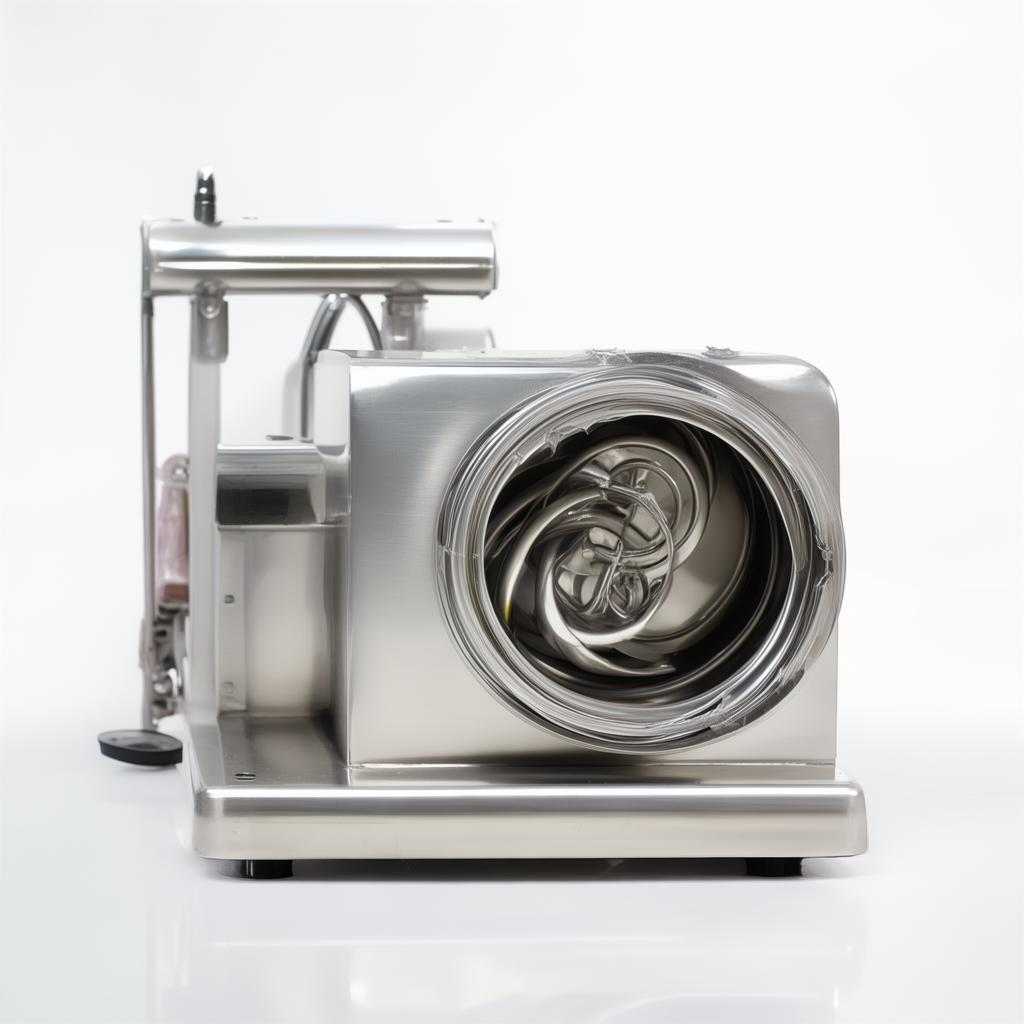
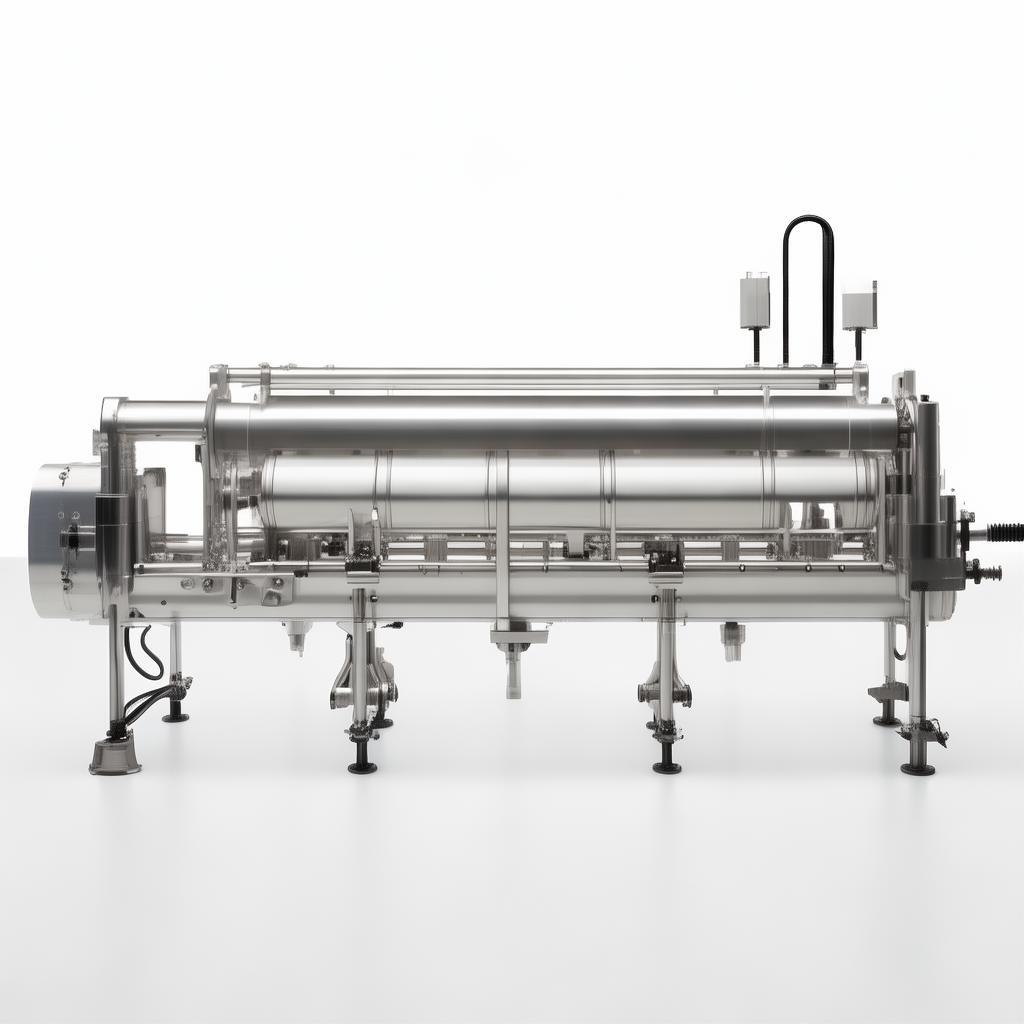
Precision Automation: Elevating Your Production with Advanced Vibration Bowl Feeders
 By Li Wei, Senior Export Manager
Hebei Yuanchang Food Mechanism & Technology Co., Ltd.
By Li Wei, Senior Export Manager
Hebei Yuanchang Food Mechanism & Technology Co., Ltd.
Streamlining component feeding for optimal manufacturing efficiency and quality control.
Introduction: The Unseen Engine of Efficient Manufacturing
In the intricate world of modern manufacturing, particularly within sectors demanding high precision, consistency, and speed, the seemingly simple act of feeding components reliably is paramount. This is where the vibration bowl feeder emerges not just as a piece of equipment, but as a critical enabler of seamless production. For operations ranging from delicate electronics assembly and pharmaceutical packaging to the robust demands of industrial component handling and, as we specialize, the demanding environments of food processing, particularly meat and poultry, the ability to orient and deliver parts accurately is fundamental. Without efficient, automated feeding systems, bottlenecks form, labor costs escalate, and product quality suffers. It’s the unsung hero on the factory floor, quietly ensuring that the right part arrives at the right place, at the right time, in the right orientation, time after time.
Our extensive experience, spanning four decades at Hebei Yuanchang Food Mechanism & Technology Co., Ltd., has shown us that investing in the right feeding technology is a foundational step for any manufacturer aiming for operational excellence. We’ve seen firsthand how a well-designed vibration bowl feeder can transform a previously manual, error-prone task into a highly automated, efficient process. Consider the challenges in food processing: hygiene is non-negotiable, throughput must be high, and the delicate nature of some ingredients requires precise handling. A robust, food-grade vibration bowl feeder can manage everything from individual spices to larger meat components, ensuring they are presented for the next stage of processing—be it filling, molding, or packaging—without damage and with absolute consistency. This capability directly impacts the final product’s quality, shelf-life, and the manufacturer's bottom line.
The global market for meat processing equipment itself underscores the importance of these upstream systems. Reports consistently show this market valued in the tens of billions of dollars, with significant growth projected. For instance, industry analyses point to a market projected to reach approximately USD 19.73 billion by 2034 at a CAGR of 4.8% according to Zion Market Research. This growth is fueled by rising demand for processed and convenience meats, requiring sophisticated automated solutions. Within this vast ecosystem, the vibration bowl feeder plays a crucial, albeit often overlooked, role in enabling efficient pretreatment, molding, and ripening processes for various meat products. It’s not just about speed; it's about precision feeding that minimizes waste and maximizes yield, a critical consideration in a sector with tight margins and stringent quality controls.
Our commitment at Hebei Yuanchang extends beyond just supplying machinery. We leverage our 40 years of accumulated expertise, from in-house precision machining with over 20 sets of advanced equipment – including Japanese Mazak CNC centers – to rigorous R&D, production, and sales integration. This allows us to develop and offer vibration bowl feeders that are not only effective but also tailored to the specific, often challenging, environments of our clients. Whether you’re dealing with small, intricate electronic components or the unique requirements of food-grade handling, understanding the nuances of bowl feeder design, material selection, and operational integration is key. This article aims to provide a comprehensive overview, from fundamental principles to practical considerations, equipping you with the knowledge to make an informed decision for your automated feeding needs.
We often find that procurement managers and operations directors are looking for more than just a commodity part. They're seeking a partner who understands their production workflow, potential pitfalls, and long-term goals. The vibration bowl feeder is a significant investment in your automation strategy, and its selection should be guided by a deep understanding of its capabilities and limitations. This includes considering the exact nature of the parts to be fed, the required feed rate, the necessary orientation precision, the production environment (e.g., cleanroom, washdown area), and integration with existing machinery. It’s about finding a solution that doesn't just feed parts but actively contributes to increased productivity, reduced downtime, and enhanced product consistency. This is the value proposition we bring to our clients, building on a legacy of engineering excellence since 1986.
Table of Contents
- Understanding Manufacturing Bottlenecks: Where Feeders Make a Difference
- The Mechanics of Precision: How Vibration Bowl Feeders Operate
- Key Advantages of Implementing Advanced Bowl Feeders
- Diverse Applications: Beyond the Obvious
- Tailoring Your Solution: Key Specifications to Consider
- Material Choices for Durability and Compliance
- Integration & Operational Insights
- Navigating the Procurement Process
- Our Commitment: Hebei Yuanchang's Manufacturing Prowess
- Frequently Asked Questions
- What Our Clients Say
- Ready to Optimize Your Production?
Understanding Manufacturing Bottlenecks: Where Feeders Make a Difference
Every manufacturing line has its chokepoints. Often, these aren't the primary machinery themselves but the steps immediately preceding them. Manual part loading is notorious for causing inconsistencies. Workers might fatigue, pick up parts incorrectly, or simply not keep pace with automated downstream processes. This leads to:
- Inconsistent Feed Rates: Leading to unpredictable throughput and potential machine stoppages.
- Incorrect Part Orientation: Causing jams, rejects, and the need for costly manual intervention.
- Part Damage: Rough handling during manual feeding can mar surfaces or break delicate components.
- Increased Labor Costs: Repetitive manual tasks are a significant drain on resources.
- Hygiene Concerns: Especially critical in food and medical device manufacturing, where manual handling increases contamination risk.
These issues are amplified in high-volume production environments. For example, in the meat processing industry, where automation is crucial for hygiene and efficiency, the demand for processed meat products—valued at over USD 1.3 trillion by 2035 according to Precedence Research—necessitates reliable feeding of raw materials into forming or filling machines. A poorly fed product can lead to inconsistent sausage fill, unevenly shaped patties, or compromised texture. The vibration bowl feeder directly addresses these pain points by automating the presentation of materials.
Consider the sheer scale of the food processing equipment market, estimated at USD 11.28 billion in 2024 (Grand View Research). Within this, upstream feeding and molding technologies are critical. Our role, and the role of a well-engineered vibration bowl feeder, is to ensure that the preparation for processes like ripening (massaging) or filling is seamless. Imagine feeding meat for a high-capacity filling machine – manual loading simply cannot compete with the precision and speed of an automated feeder. It ensures a consistent flow, minimizing wear on downstream equipment and ensuring product integrity.
At Hebei Yuanchang, we’ve observed that integrating a reliable feeder often yields immediate improvements in Overall Equipment Effectiveness (OEE). It’s not just about eliminating a manual step; it’s about enabling upstream and downstream machinery to operate at their optimal performance levels, reliably and consistently. This has a direct, measurable impact on production output and cost efficiency.
The Mechanics of Precision: How Vibration Bowl Feeders Operate
At its core, a vibration bowl feeder utilizes electromagnetic vibrations to move and orient parts within a specially designed bowl. Here's a simplified breakdown of the process:
- Loading: Components are loaded into the bowl, typically in bulk.
- Vibration: An electromagnetic coil and spring system at the base of the bowl generates controlled vibrations. These vibrations are typically vertical and horizontal, or a combination, depending on the design.
- Movement: The vibrations cause the parts to move along the internal track of the bowl.
- Orientation: The bowl's track is engineered with specific shapes, inclines, cutouts, and guides. These features interact with the components, sorting them and guiding them into a desired orientation. Parts that are incorrectly oriented simply tumble or fall back into the bowl to be re-sorted.
- Discharge: Once oriented correctly, parts travel up the track and are discharged onto an output track or directly into the next stage of automated assembly.
- Control: The vibration amplitude and frequency can often be adjusted, allowing operators to fine-tune the feed rate and ensure smooth operation for different part types and production speeds.
The effectiveness of a vibration bowl feeder hinges on the synergy between the bowl's geometry, the vibration characteristics, and the properties of the parts being fed. For instance, feeding delicate items like meat emulsions or specific food ingredients requires careful calibration to prevent degradation, a task our food-grade designs excel at. The global demand for specialized equipment, including those for filling and molding meat products, highlights the need for such adaptable feeding solutions. Industry reports suggest the meat processing equipment market alone is projected to reach USD 19.11 billion by 2035, underscoring the scale of operations that rely on precise component handling.
Our engineering team spends considerable time analyzing the geometric and physical properties of each component to design the optimal bowl tooling. This isn't a one-size-fits-all approach. It involves understanding material flow, potential for nesting, and the exact positional tolerance required downstream. For complex parts or very high feed rates, multiple feeders or specialized designs might be necessary. We also pay close attention to the control system, ensuring it integrates seamlessly with your existing PLC or automation framework, allowing for precise speed adjustments and feedback loops.
Key Advantages of Implementing Advanced Bowl Feeders
Upgrading to a modern vibration bowl feeder system offers significant benefits that ripple across your entire operation:
Enhanced Productivity
Automated, consistent feeding eliminates manual labor bottlenecks, significantly increasing throughput and machine utilization.
Improved Part Quality & Consistency
Precise orientation minimizes errors and defects downstream, leading to higher quality finished products. In food processing, this means consistent shapes and weights.
Reduced Operational Costs
Lower labor requirements and reduced scrap rates translate directly into substantial cost savings.
Increased Safety & Ergonomics
Automating repetitive, high-volume tasks removes workers from potentially hazardous or ergonomically challenging situations.
Greater Flexibility
Modern feeders can often be adapted for different parts with quick changeovers, allowing for more agile production scheduling.
Enhanced Hygiene Compliance
For food and medical applications, specialized stainless steel or food-grade designs ensure easy cleaning and prevent contamination, aligning with standards vital in industries with growing markets like processed meat (expected to reach USD 1.33 trillion by 2035).
The adoption of advanced feeding systems is critical for manufacturers aiming to stay competitive. This is evident in the continuous evolution of the meat processing equipment market, where automation, including sophisticated feeding mechanisms, is a key driver of growth. Reports indicate a consistent CAGR of around 5-7% across various market analyses, reflecting the industry's push towards efficiency and quality.
Diverse Applications: Beyond the Obvious
While often associated with small electronic components, vibration bowl feeders are incredibly versatile:
Electronics Assembly
Orienting PCBs, connectors, screws, and other micro-components.
Pharmaceutical & Medical
Feeding vials, caps, stoppers, syringes, and diagnostic components with stringent hygiene requirements.
Automotive Manufacturing
Handling fasteners, small engine parts, sensor components, and electrical connectors.
Food & Beverage Processing
Our specialization includes feeding ingredients, spices, small food items, or components for packaging lines. For meat processing, this extends to presenting formed products for further processing or packaging, ensuring hygiene and consistency. The market for processed meat continues its upward trajectory, and efficient, clean feeding is crucial.
Consumer Goods
Packaging small parts for toys, cosmetics, household items, and hardware.
General Industrial Automation
Any application requiring precise, automated feeding and orientation of small to medium-sized parts.
The versatility is a testament to the fundamental physics involved and the engineering flexibility of bowl design. We regularly work with clients in various sectors, from automated assembly lines for consumer electronics to specialized systems for the food industry, where maintaining strict sanitary standards is as critical as the feeding accuracy itself. The growing demand for convenience foods globally means that efficient processing lines, supported by reliable component feeders, are more important than ever.
Tailoring Your Solution: Key Specifications to Consider
Selecting the right vibration bowl feeder involves understanding several critical technical parameters. A one-size-fits-all approach rarely works, especially for specialized applications like those in food processing.
| Specification | Considerations for Your Application |
|---|---|
| Bowl Diameter & Depth | Determines the bulk capacity. Larger bowls reduce refill frequency but can be less space-efficient. |
| Feed Rate (Parts/Minute) | Must match or exceed the throughput requirements of your downstream equipment. Critical for high-volume lines. |
| Part Dimensions & Geometry | The feeder must accommodate the size, shape, and weight of your components. Complex geometries require specialized tooling. |
| Orientation Precision | Specify the required degree of accuracy for part orientation. This impacts bowl tooling complexity and cost. |
| Material of Construction | Standard steel, stainless steel (for washdown/food grade), or specialized coatings. Essential for hygiene compliance in food processing. |
| Drive Type & Power | Electromagnetic is most common. Power requirements depend on bowl size and load. Voltage compatibility (e.g., 110V, 220V, 380V) is crucial for international markets. |
| Integration Capabilities | Sensor ports, programmable logic controllers (PLCs), and communication interfaces for seamless automation integration. |
| Environmental Considerations | Dust, moisture, temperature, hazardous environments (ATEX). Food-grade units require specific washdown capabilities. |
vibrating hopper feeder vibratory bowl feeder manufacturers bowl tipper
At Hebei Yuanchang, we leverage our 40 years of manufacturing experience to guide clients through these specifications. For instance, when supplying equipment for the meat processing industry, the use of food-grade stainless steel (e.g., 304 or 316), smooth finishes, and easy-to-clean designs are non-negotiable. This aligns with the market's trend towards increased automation and stringent hygiene standards, which is crucial for sectors processing products like sausages or formed meat items. The overall food processing machinery market, including meat segments, is projected to grow significantly, emphasizing the need for robust and compliant equipment.
Material Choices for Durability and Compliance
The choice of materials for your vibration bowl feeder is critical, impacting longevity, maintenance, and compliance with industry regulations. For most general industrial applications, standard carbon steel with appropriate coatings is sufficient. However, specialized sectors demand more.
| Material | Typical Applications & Benefits | Considerations |
|---|---|---|
| Carbon Steel (with coatings) | General industrial automation, electronics, automotive. Offers good durability and cost-effectiveness. Coatings like powder coating or chrome plating improve resistance. | Not suitable for washdown or direct food contact. Can rust if coating is damaged. |
| 304 Stainless Steel | Food & Beverage, Pharmaceutical, Medical Devices, Chemical Processing. Excellent corrosion resistance, hygiene, and washdown capability. Complies with many food safety standards. | Higher cost than carbon steel. May require specific cleaning agents for extreme environments. |
| 316 Stainless Steel | Harsh Chemical Environments, High-Corrosion Food Processing, Marine Applications. Offers superior corrosion resistance compared to 304, especially against chlorides. | Most expensive option. Often overkill for standard applications but essential for demanding environments. |
| Specialty Plastics/Coatings | When specific surface properties are needed (e.g., low friction, non-marring). Used for delicate parts or to prevent static discharge. | Durability and temperature resistance vary widely. May not be suitable for heavy-duty applications. |
For Hebei Yuanchang, our expertise in food processing equipment means we frequently utilize 304 and 316 stainless steel for our bowl feeders. This is crucial for clients in the meat industry, where robust hygiene protocols are mandatory. Ensuring equipment is easy to clean and resistant to sanitizing agents is paramount. The global meat processing equipment market growth, driven by demand for processed and ready-to-eat products, emphasizes this need for compliant and durable machinery. Our commitment to quality means we select materials that meet these rigorous standards, ensuring longevity and operational safety.
Integration & Operational Insights
Proper installation and integration are just as important as the feeder itself. A misplaced or poorly integrated unit can negate its benefits.
Installation:
- Mounting: Ensure a stable, vibration-dampened surface. The feeder needs to be level and securely fastened to prevent its own vibrations from affecting other machinery or structures.
- Power Supply: Verify correct voltage and frequency for your region. Our export team is well-versed in providing units compatible with international standards.
- Part Discharge: The output track must smoothly feed into the next process. Consider height, angle, and potential for jams. For food products, this might involve gravity feeds or gentle conveyor interfaces.
- Control Integration: Connect sensors, start/stop signals, and speed control inputs to your main control system (PLC). This allows for centralized operation and automated sequencing.
Operational Considerations:
- Startup and Calibration: Initial setup often involves adjusting vibration amplitude and frequency to achieve the desired feed rate and reliable part orientation. This is where experienced engineering support is invaluable.
- Maintenance: Regular checks of the drive unit, springs, and bowl tooling are essential. For food-grade units, thorough cleaning after each production run is critical. Our traceable after-sales management system ensures you can source replacement parts and support reliably.
- Troubleshooting: Common issues include inconsistent feeding (often due to incorrect vibration settings or part variations) or jams (usually caused by misoriented parts or obstructions). Understanding these common problems can save significant downtime.
- Environmental Factors: Dust, humidity, or extreme temperatures can affect performance. Ensure the feeder is rated for your operating environment.
Logistics for international shipments are a key concern for our clients. We have extensive experience in packaging and exporting our equipment globally, ensuring it arrives safely and on schedule. Our team manages all aspects of documentation, customs, and shipping, simplifying the cross-border procurement process for you. We understand that lead times are critical, and we work diligently to meet production schedules.
Navigating the Procurement Process
Buying industrial equipment, especially for international markets, requires a structured approach to ensure you get the right solution and avoid costly mistakes. As an experienced export manager, I've seen common pitfalls and best practices.
1. Define Your Needs Clearly:
- What specific parts will you be feeding? Provide samples if possible.
- What is the required feed rate?
- What level of orientation precision is needed?
- What are your production environment requirements (hygiene, dust, temperature)?
- What is your budget and timeline?
2. Supplier Evaluation: Look Beyond Price:
- Experience & Expertise: Does the supplier have a proven track record, especially in your industry (e.g., food processing)?
- Manufacturing Capabilities: Do they have in-house production and quality control? We at Hebei Yuanchang operate our own machining workshop with over 20 sets of advanced machinery, including Japanese Mazak CNC centers, allowing us to produce high-precision components independently.
- Certifications & Compliance: Are their products built to relevant standards (e.g., CE, food-grade materials)?
- After-Sales Support: What is their warranty policy? How accessible are spare parts and technical assistance? Our traceable after-sales management system ensures this.
- Communication: Can they communicate effectively in your language and understand your technical requirements?
3. Request Detailed Quotes & Specifications:
- Ensure quotes clearly detail materials, dimensions, performance specifications, and included accessories.
- Ask for technical drawings or 3D models if possible.
4. Consider Logistics & Import Duties:
- Understand shipping costs, transit times, and potential import duties or taxes in your country.
- Work with suppliers experienced in international shipping.
5. Payment Terms:
- Negotiate terms that are acceptable and secure for both parties.
Investing in a quality vibration bowl feeder is investing in your production's future. Choosing a reliable supplier like Hebei Yuanchang, with decades of experience and robust manufacturing capabilities, is the first step towards achieving that goal. We are committed to providing solutions that are not only technically sound but also commercially viable and operationally excellent, supporting your manufacturing objectives.
Our Commitment: Hebei Yuanchang's Manufacturing Prowess
At Hebei Yuanchang Food Mechanism & Technology Co., Ltd., our 40-year history (since 1986) is built on a foundation of rigorous engineering and manufacturing excellence. We are not just assemblers; we are creators of precision machinery. Our 14,000 square meter facility houses a dedicated team of 80-100 skilled professionals committed to delivering high-quality solutions.
Our in-house machining workshop is the backbone of our capability. Equipped with over 20 sets of advanced processing machinery—including high-precision lathes, milling machines, grinding machines, boring machines, plate shears, bending machines, and wire-cutting equipment—we have the capacity to produce components to exacting standards. The strategic addition of 8 Japanese Mazak CNC machining centers in 2012 significantly elevated our ability to undertake complex, high-volume, and non-standard component production with exceptional precision.
This vertical integration means we have complete control over the quality and specifications of every part that goes into our vibration bowl feeders and other machinery. It allows us to:
- Ensure material traceability and adherence to food-grade standards where required.
- Maintain tight tolerances for optimal performance and longevity.
- Develop custom solutions for unique client challenges.
- Respond quickly to market demands and technological advancements.
- Guarantee that our after-sales service is backed by our ability to produce exact replacement parts, offering truly worry-free operation for our clients.
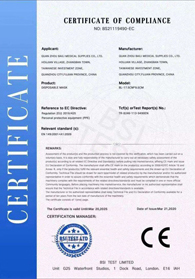
Our product range, focusing on meat processing equipment, has instilled in us a deep understanding of the demands for reliability, hygiene, and efficiency. We apply this same meticulous approach to our vibration bowl feeder designs, ensuring they meet the highest industry expectations. We are proud to be ISO certified, a testament to our commitment to quality management systems.

We invite you to explore how our manufacturing strength translates into superior feeding solutions for your operation.
Frequently Asked Questions
Q1: Can a vibration bowl feeder handle irregularly shaped parts?
Yes, but it requires careful design of the bowl tooling. We analyze part geometry to create specific guides, cutouts, and track shapes that encourage correct orientation. For highly irregular shapes, custom solutions or multiple feeding stages might be necessary.
Q2: What is the typical lifespan of a vibration bowl feeder?
With proper maintenance and operation, a well-built vibration bowl feeder can last for many years, often over a decade. Key factors include the quality of the drive unit, the robustness of the bowl construction, and the operating environment. Our use of high-quality components and materials contributes to extended service life.
Q3: How do I choose between a vibration bowl feeder and other feeding systems (e.g., linear feeders, centrifugal feeders)?
Vibration bowl feeders are generally best for a wide range of parts and offer good control over orientation. Linear feeders are often used as a secondary step to precisely space parts discharged from a bowl. Centrifugal feeders are ideal for very high-speed feeding of simpler parts where orientation might be less critical or achieved via secondary tooling. Your specific part characteristics, required feed rate, and precision needs will determine the best fit. We can help you make this assessment.
Q4: Are your food-grade bowl feeders easy to clean?
Absolutely. Our food-grade units are constructed from 304 or 316 stainless steel with smooth finishes and rounded edges to facilitate quick and thorough cleaning. They are designed to withstand standard washdown procedures, crucial for maintaining hygiene in food processing environments. This is a critical aspect as the processed meat market continues to expand, requiring robust sanitation protocols.
Q5: What is the lead time for a custom-designed vibration bowl feeder?
Lead times can vary based on complexity, material availability, and our current production schedule. Typically, custom designs can range from 6-12 weeks from order confirmation to shipment. We provide detailed project timelines upon quotation.
What Our Clients Say
Real feedback from manufacturers leveraging our automation solutions.

"We integrated their custom bowl feeder for small sensor components. The consistency is remarkable, drastically reducing our reject rate on the assembly line. Installation was straightforward, and their export team was very helpful with the import paperwork."

"The stainless steel feeder for our seasoning mix has been a game-changer. It's easy to clean, maintains hygiene, and delivers the exact quantity needed every time. We've seen a noticeable improvement in product consistency and a reduction in manual handling."

"We needed a highly precise feeder for micro-connectors. Hebei Yuanchang delivered. Their understanding of precision engineering and their ability to customize the bowl tooling were outstanding. The integration with our robotic arm was seamless."
Unlock Your Production Potential with Precision Feeding
Ready to eliminate bottlenecks, improve quality, and reduce operational costs? Let our 40 years of manufacturing expertise help you find the perfect vibration bowl feeder solution.
Hebei Yuanchang Food Mechanism & Technology Co., Ltd. | Shijiazhuang, Hebei Province, China
Phone: +86 15830991513 | E-mail: ycmeatmech@gmail.com