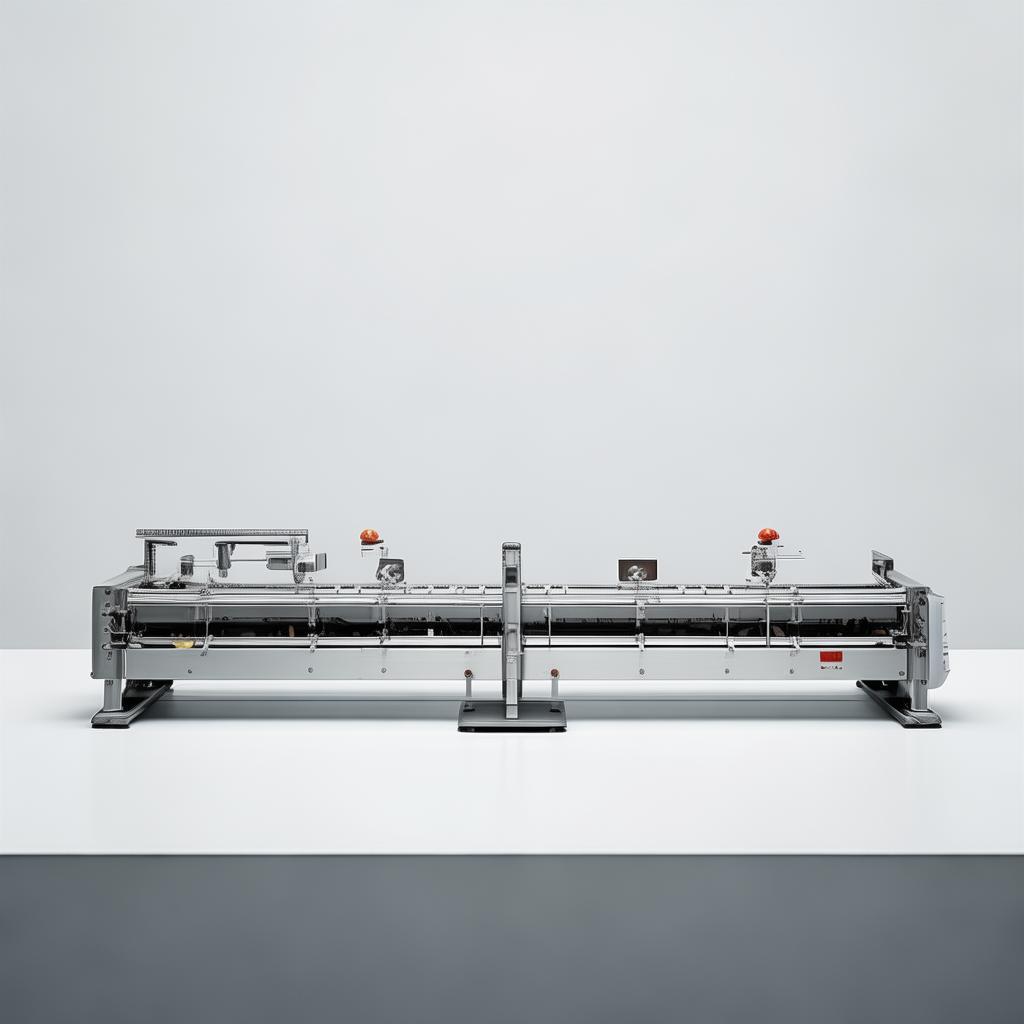
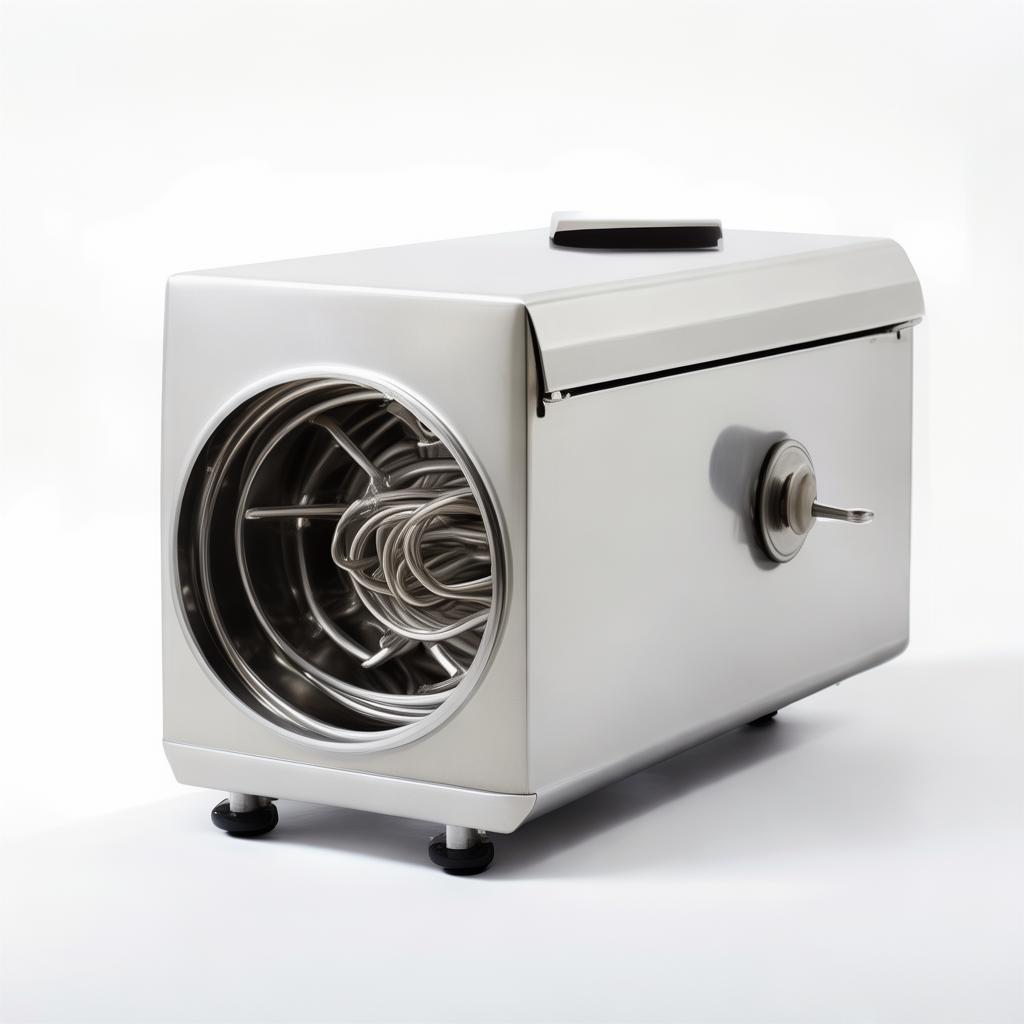
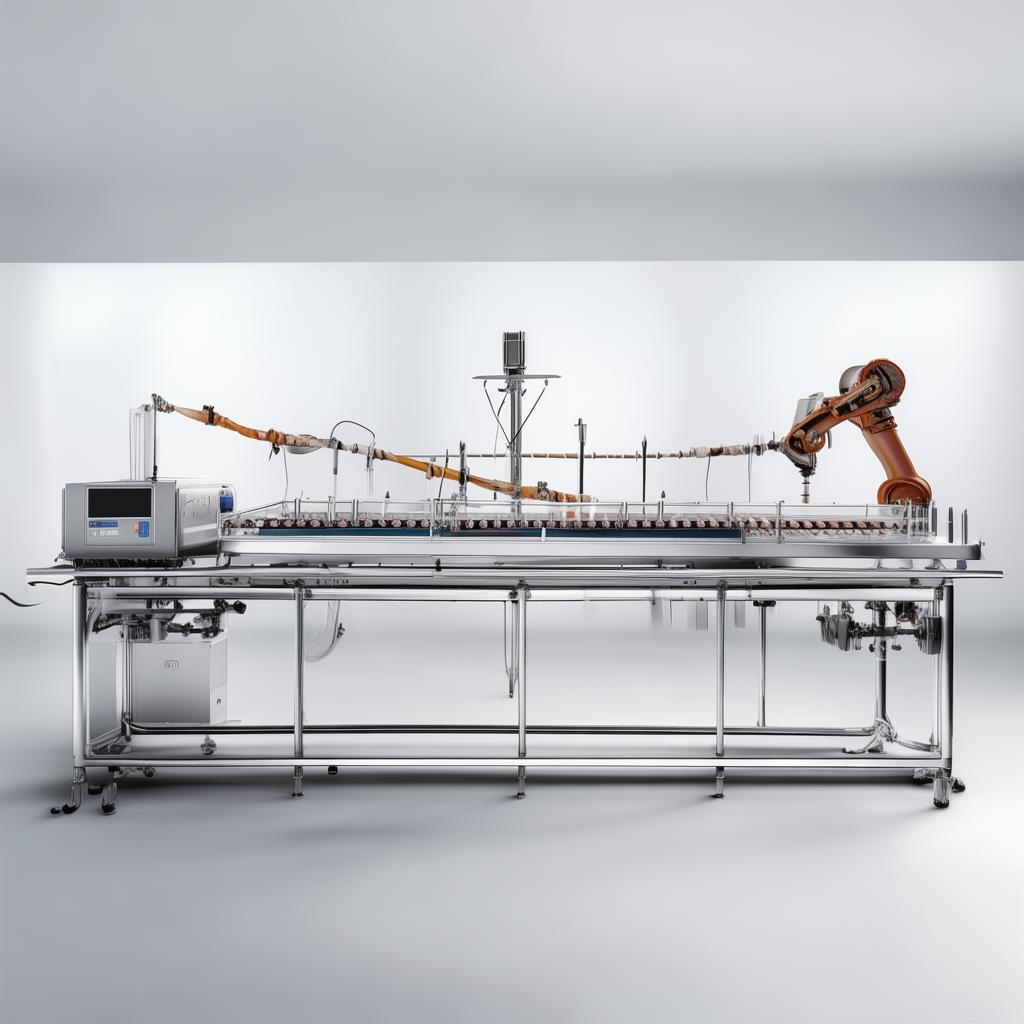
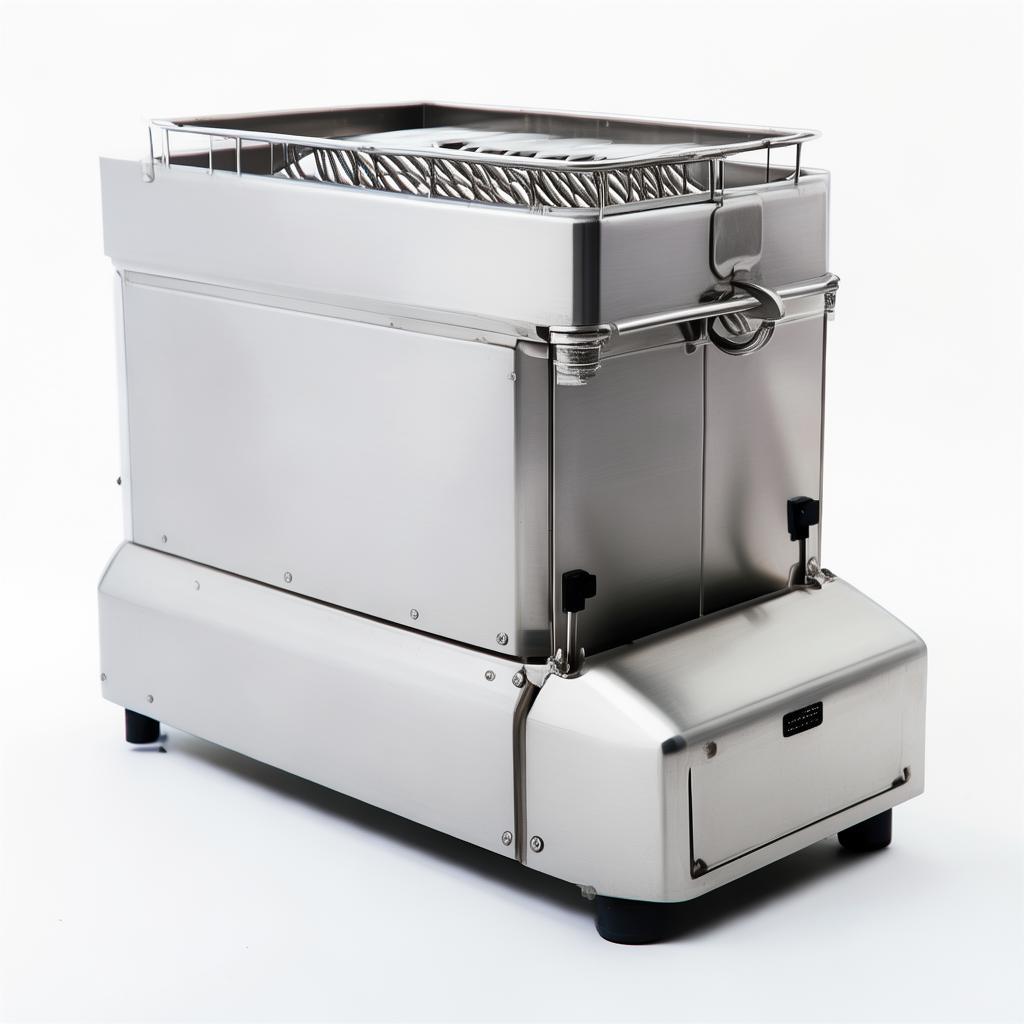
Viscosity Filling Machine
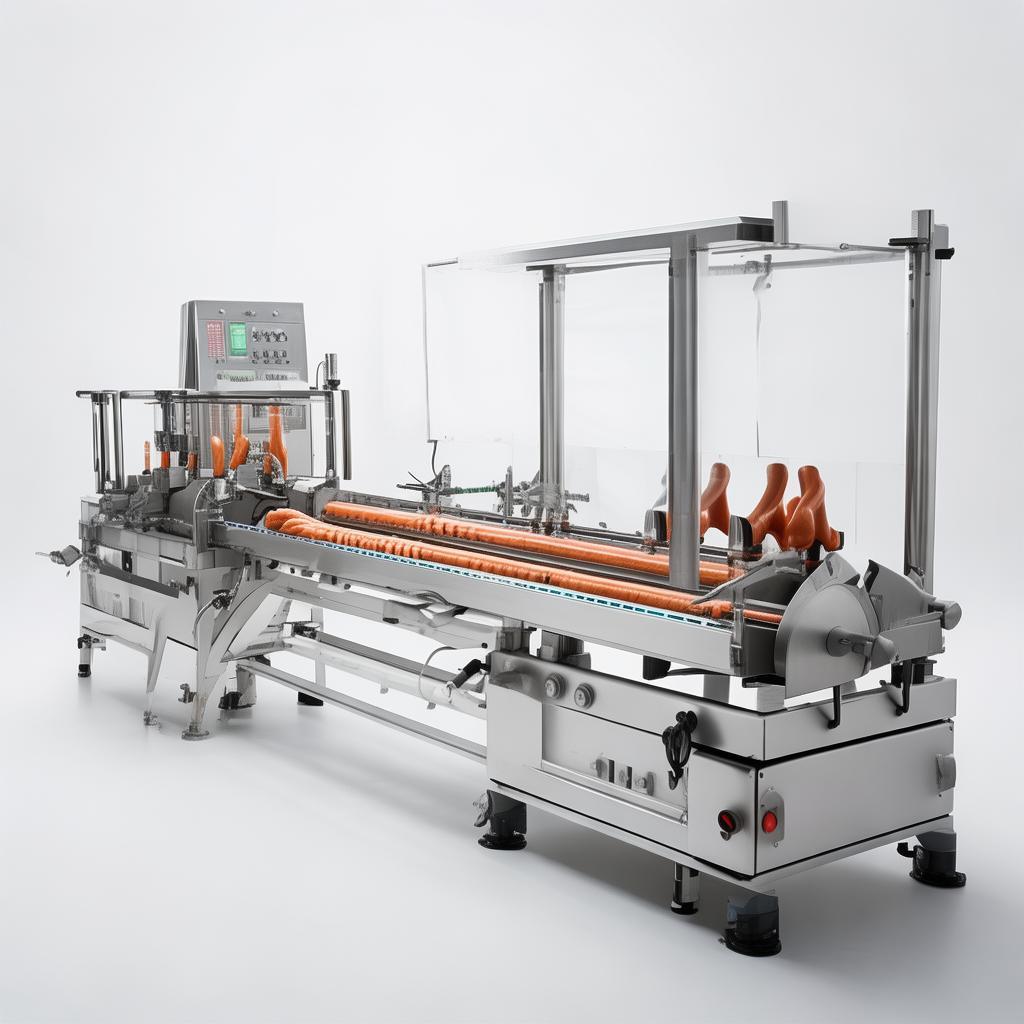
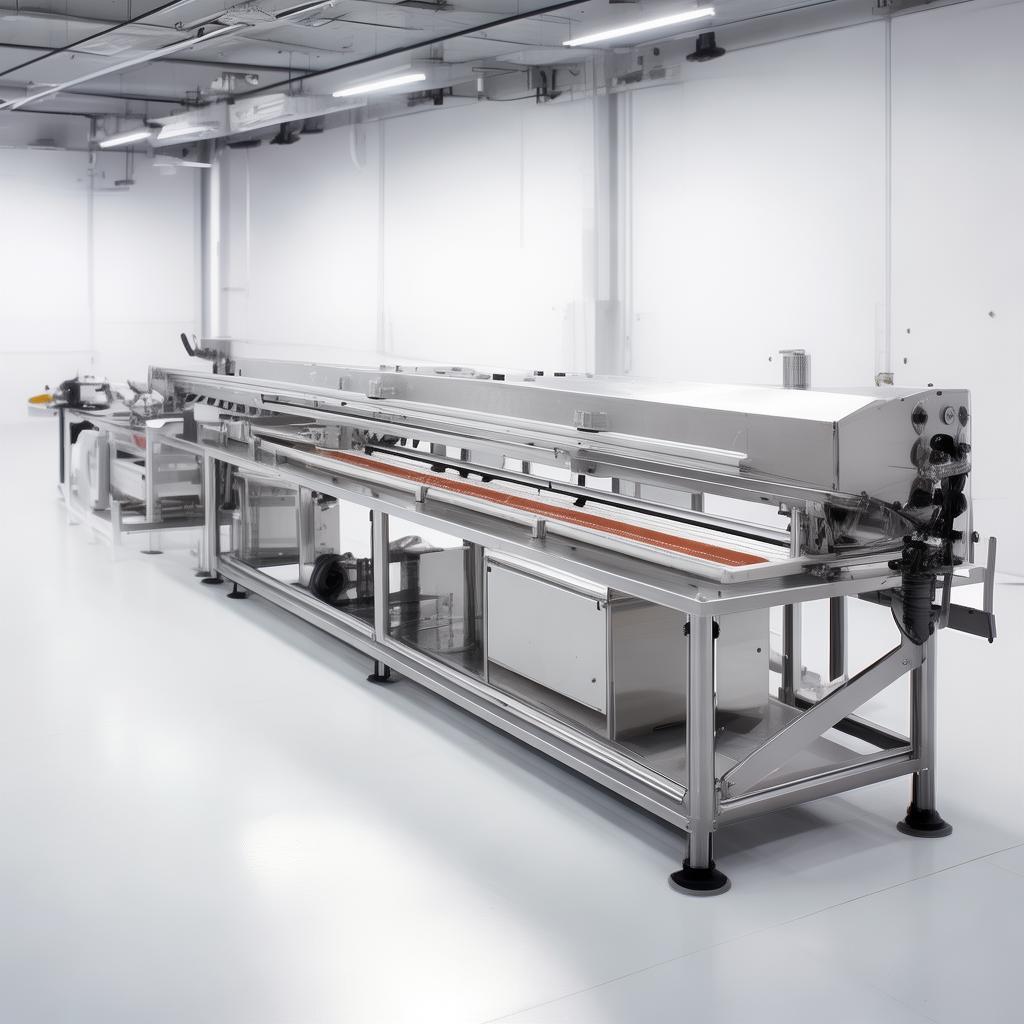
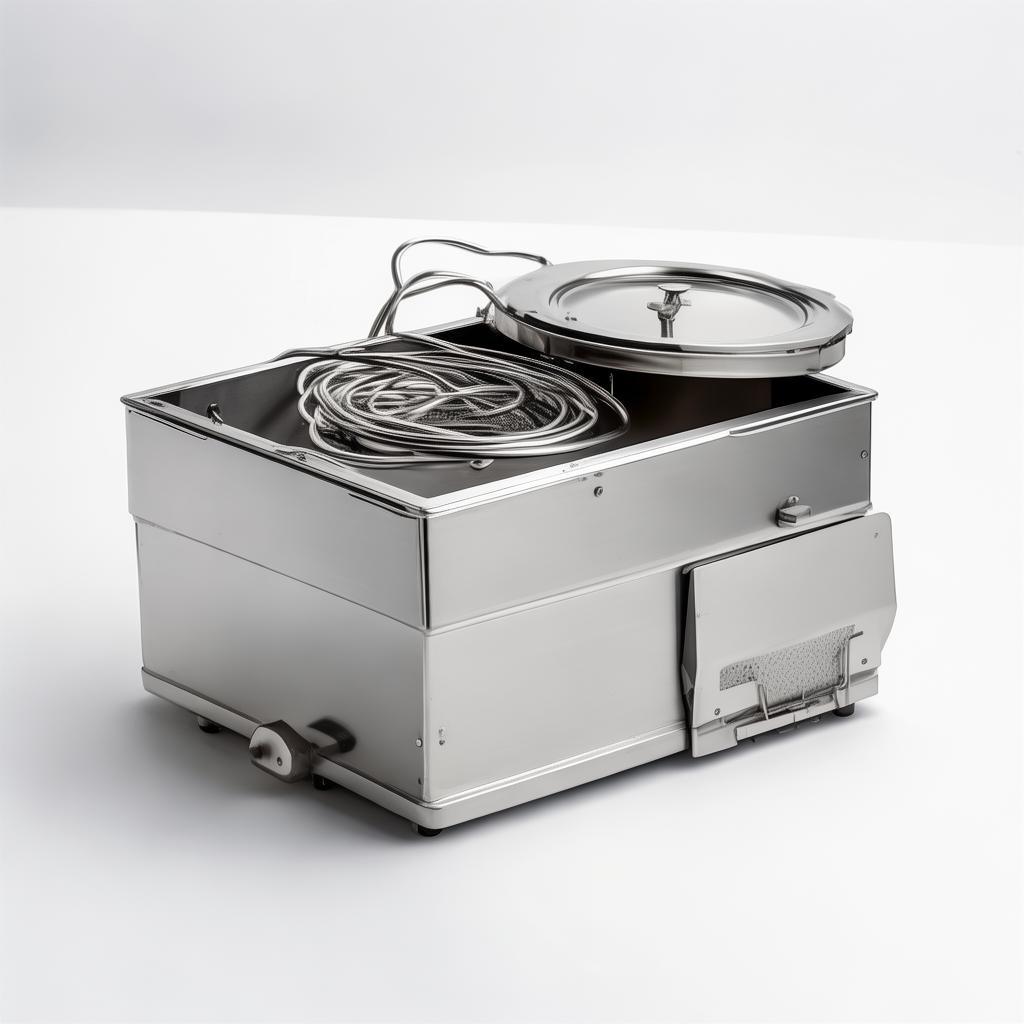
Viscosity Filling Machine: Precision & Efficiency for Your Production Line
Optimizing your product consistency and output with advanced filling solutions.
 By Alex Chen, Senior Export Manager
Mastering the Art of Filling High-Viscosity Products
In the realm of food processing, particularly with items like meat pastes, pâtés, sauces, dairy products, or even confectionery fillings, achieving consistent product quality hinges significantly on the precision of your filling operation. The challenge intensifies when dealing with high-viscosity materials. These aren't your standard pourable liquids; they have a substance, a density that demands more than just a basic volumetric filler. Improper handling can lead to inconsistent fill weights, air entrapment, product degradation, and ultimately, dissatisfied customers or costly rejects. This is where a specialized viscosity filling machine becomes not just an asset, but a necessity for any serious manufacturer aiming for efficiency and a premium end-product.
The global meat processing equipment market, a significant consumer of such machinery, is projected to reach substantial figures. Reports indicate valuations around USD 11-12 billion in recent years, with strong growth predicted to exceed USD 17-19 billion by 2033-2034, driven by increasing demand for processed meats and automation. Filling and stuffing equipment are consistently highlighted as critical components within this expansive market. This underscores the fundamental importance of reliable, high-performance filling solutions for a substantial portion of the food industry. The "Fit For Now (2026)" directive from a strategic standpoint suggests focusing on technologies that address current production bottlenecks while offering scalability and efficiency for future demands. Our viscosity filling machines are engineered precisely for this.
When procuring equipment for high-viscosity applications, the decision-makers – purchasing managers, operations directors, and technical engineers – are often weighing several critical factors. They're not just looking for a machine that *can* fill; they need one that fills accurately, repeatably, and without compromising product integrity. This means considering the machine's ability to handle dense, semi-solid, or sticky substances without creating blockages or shearing sensitive ingredients. It involves understanding the mechanics behind the fill – is it piston-driven, auger-fed, or employing a specialized pump system designed for shear-sensitive products? The operational workflow is also paramount; integration with upstream and downstream processes, ease of cleaning (especially crucial in food safety environments), and minimal downtime for maintenance are non-negotiable.
For international buyers, the considerations extend further. Lead times, shipping logistics, installation support, and reliable after-sales service become significant aspects of the procurement process. Understanding the nuances of equipment designed for specific viscosity ranges can prevent costly mistakes. A machine designed for a thin sauce will likely struggle, or worse, damage, a thick pâté. Conversely, an overly robust system for a moderately viscous product might be inefficient or unnecessarily expensive. This is why a deep dive into the capabilities and specifications of a viscosity filling machine, tailored to your exact product profile, is crucial. It's about finding that sweet spot where performance meets practicality, and investment translates directly into tangible production improvements and enhanced product appeal.
At Hebei Yuanchang, with our 40 years of experience since 1986, we've developed a nuanced understanding of these challenges. Our facilities, now encompassing 14,000 square meters and supported by over 20 advanced machining centers, including Japanese Mazak CNC equipment, allow us to engineer solutions with the precision needed for demanding applications like high-viscosity filling. We don't just build machines; we provide integrated solutions backed by deep industry expertise. Let's explore how our viscosity filling machines can elevate your production.
Industry Insight: The demand for convenience foods and ready-to-eat meals continues to drive the processed meat market, which is projected to reach over USD 1.3 trillion by 2035. This trend directly impacts the need for efficient and precise filling technologies for a variety of meat-based products.
Why Specialized Viscosity Filling Matters: Operational Pains Solved
Many manufacturers grapple with similar issues when trying to fill products that aren't fluid. It's a common operational pain point that can significantly impact your bottom line and product consistency.
- Inconsistent Fill Weights: Standard fillers struggle with density variations inherent in viscous materials, leading to under or overfills. This isn't just about product loss; it's about meeting stated package weights and consumer expectations.
- Product Damage & Degradation: Aggressive pumping or auger systems can shear delicate ingredients, affecting texture and visual appeal. Think of a smooth pâté becoming chunky, or delicate herbs being torn apart.
- Air Entrapment: Trying to force thick materials into containers can trap air pockets, leading to spoilage issues, unappealing product presentation, and reduced shelf life.
- Slow Production Speeds: Manual or ill-suited automated filling processes for viscous items are inherently slow, creating bottlenecks in the overall production line.
- Difficult Cleaning & Maintenance: Dense products can be challenging to clear from machinery, leading to longer cleaning cycles and increased risk of cross-contamination. This is a major concern for food safety compliance.
- High Operator Dependency: Many semi-viscous filling tasks still rely heavily on manual labor, which is prone to error, inconsistency, and is becoming increasingly costly and difficult to source.
A well-designed viscosity filling machine addresses these directly, by employing specific mechanisms that manage dense products gently yet effectively.
Our Viscosity Filling Machine: Engineered for Excellence
At Hebei Yuanchang, our viscosity filling machines are engineered to tackle the most demanding filling challenges. We understand that each product – whether it's a rich meat sauce, a creamy hummus, a dense cake batter, or a specialty cheese spread – has unique rheological properties. Our machines are built to handle this diversity with precision and reliability.
Key Features and Advantages:
- Advanced Piston/Auger System: Our machines often utilize robust, food-grade piston pumps or precision auger feeders, designed to deliver exact volumes of viscous product without compromising its structure. The systems are engineered for smooth, consistent transfer.
- Variable Speed & Control: Full adjustability for filling speed, volume, and pressure allows operators to fine-tune the machine for optimal performance with different product consistencies and container sizes. This level of control is crucial.
- Shear-Sensitive Product Handling: Designed with minimal internal agitation and smooth flow paths to protect delicate ingredients, ensuring the final product looks and tastes as intended.
- Drip-Proof & Anti-Foam Nozzles: Specialized nozzle designs prevent post-fill drips and minimize air incorporation, ensuring clean fills and extended product shelf life.
- Robust Stainless Steel Construction: Built with high-grade stainless steel (e.g., SUS304 or SUS316L), meeting stringent food safety standards and ensuring long-term durability even in harsh processing environments.
- Easy to Clean & Sanitize (Hygienic Design): Quick-release components and accessible internal parts facilitate rapid disassembly for thorough cleaning and sanitization, critical for GMP compliance. This reduces changeover times significantly.
- High Precision & Repeatability: Achieve fill accuracy within tight tolerances (often ±1% or better), reducing product giveaway and ensuring batch-to-batch consistency.
- Customizable Configurations: We offer a range of models and can customize features such as hopper size, nozzle types, and automation integration to perfectly match your production needs.
Our commitment is to provide machinery that not only performs but also integrates seamlessly into your operations, enhancing efficiency and product quality.
Technical Specifications Overview
Understanding the technical heart of the machine is key for procurement and engineering teams. Below is a typical range of specifications, though custom builds can vary widely.
| Parameter | Specification Range | Notes |
|---|---|---|
| Filling Capacity | 50 - 5000 ml (or custom) | Adjustable per cycle |
| Filling Accuracy | ±0.5% - ±1% | Varies with product viscosity |
| Max Viscosity Handling | Up to 100,000 cPs (or higher on custom) | Crucial parameter for selection |
| Machine Speed | 15 - 60 fills/min | Depends on fill volume & product |
| Power Supply | 220V/380V, 50/60Hz, 3 Phase | Customizable for regional standards |
| Materials of Construction | SUS304 / SUS316L Stainless Steel | Food grade compliant |
| Hopper Capacity | 50L - 300L (or custom) | For continuous operation |
Need specs for a specific product? Talk to our engineers about your requirements.
Applications Across Industries
Our viscosity filling machines are versatile and find applications in a wide array of sectors where dense products are processed.
- Meat Processing: Pâtés, sausages, meat pastes, deli salads, fillings for pierogi/empanadas.
- Sauces & Condiments: Thick gravies, barbecue sauces, aioli, pesto, peanut butter.
- Dairy Products: Yogurt with fruit inclusions, cream cheese, sour cream, thick dessert creams.
- Bakery & Confectionery: Cake batters, cookie dough, icings, jams, chocolate fillings, honey.
- Cosmetics & Pharmaceuticals: Specialty creams, ointments, and pastes where precision is critical.
Procurement & Supply Chain Considerations
Choosing the right supplier for critical processing equipment like a viscosity filling machine is more than just finding the lowest price. For an international buyer, several factors contribute to a successful, risk-mitigated purchase.
Supplier Evaluation Checklist:
- Manufacturing Experience: How long has the company been producing filling machines? Are they specialists? (e.g., Hebei Yuanchang: 40 years.)
- Factory Capabilities: Do they have in-house machining (CNC centers, lathes) for critical parts? This ensures quality control and reduces lead times. (e.g., Our 20+ CNC machines.)
- Customization Options: Can they adapt designs for specific product needs or plant layouts?
- Certifications: Do they hold relevant quality certifications (e.g., ISO 9001)? Are their machines compliant with CE, FDA, or other regional standards?
- After-Sales Support: What is their policy on spare parts, technical assistance, and remote diagnostics? A traceable management system is a good sign.
- Logistics & Documentation: Are they experienced in international shipping? Can they provide all necessary export documentation (e.g., COO, packing lists, user manuals)?
Installation & Operational Realities:
- Site Preparation: Ensure adequate space, power supply, and access for maintenance.
- Integration: Plan for how the filler connects to upstream conveyors or tanks and downstream packaging or sealing equipment.
- Operator Training: Proper training is vital for efficient operation, safety, and machine longevity.
- Maintenance Schedule: Adhering to recommended preventive maintenance intervals will minimize unexpected breakdowns.
- Spare Parts Inventory: Consider stocking critical wear parts to reduce downtime during maintenance.
Hebei Yuanchang's 40 years of experience mean we've navigated these complexities extensively, offering you a reliable partnership.
Customer Voice: Real-World Impact
Hear directly from some of our global partners about how our viscosity filling machines have transformed their operations.
"We struggled for years with inconsistent fills on our high-protein meat paste. The Hebei Yuanchang machine changed everything. Fill accuracy is now within ±0.8%, and we've significantly reduced product giveaway. The integration into our existing line was smoother than anticipated."

Operations Manager, USA
"The build quality is exceptional. We process a thick, dense pâté, and this machine handles it effortlessly. The hygiene design is a big plus for us in the EU market. Cleaning is faster, which means more uptime. The communication during the ordering process was very professional."

Factory Director, France
"We needed a machine capable of filling jars with our specialty sauces, which are very thick. Their team understood our product's viscosity immediately and recommended the perfect piston filler. Delivery was on schedule, and the machine has been running reliably since installation. Highly recommend their expertise."

Production Engineer, Japan
"Dealing with international suppliers can be daunting, but Hebei Yuanchang made it seamless. Their willingness to customize the filling nozzle for our unique product was crucial. The machine performs consistently, and their after-sales support has been responsive."

Procurement Specialist, Brazil
Frequently Asked Questions (FAQ)
Q: What is the maximum viscosity your standard machines can handle?
A: Our standard models are typically designed for viscosities up to 50,000 cPs. However, we regularly engineer custom solutions for products exceeding 100,000 cPs. Please provide your product's specific viscosity (measured in cPs or Pa·s) for an accurate recommendation.
high viscosity liquid filling machine viscous product filling thick liquid filling machine
Q: Can your machines handle products with solid particles or inclusions?
A: Yes, depending on the size and nature of the inclusions. We can configure machines with wider filling paths and specialized auger designs to accommodate products with particulates, such as chunky sauces or meat mixtures, without clogging or damaging the solids.
Q: What is the typical lead time for an international order?
A: Lead times can vary based on machine complexity and current production schedules. Standard models typically range from 30-60 days from order confirmation. Customized machines may require longer. We provide a precise estimated lead time upon quotation.
Q: What kind of after-sales support do you offer?
A: We offer comprehensive after-sales support including a warranty on all our machines, readily available spare parts, and remote technical assistance via video calls or email. We also provide detailed user manuals and can arrange for on-site installation and training services upon request.
Q: How do your machines comply with international food safety standards?
A: Our machines are constructed using food-grade stainless steel (SUS304/SUS316L), feature hygienic designs for easy cleaning, and utilize food-safe lubricants and seals. We can provide documentation and configurations to meet standards such as CE, FDA, and others as required by your region. Our ISO 9001 certification also assures adherence to strict quality management processes.
Ready to Optimize Your Filling Process?
Let our experts help you find the perfect viscosity filling machine for your unique production needs.
Hebei Yuanchang Food Mechanism & Technology Co., Ltd. | Shijiazhuang, Hebei Province, China