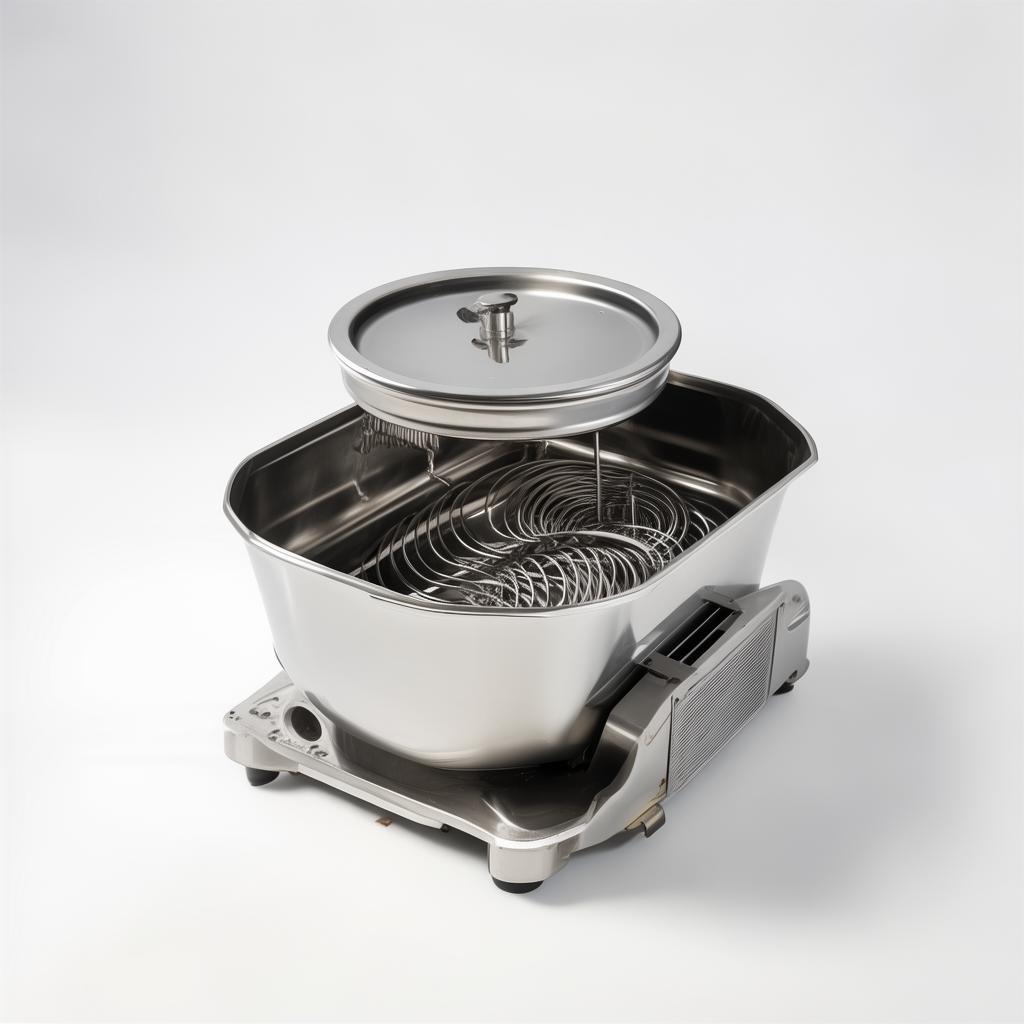
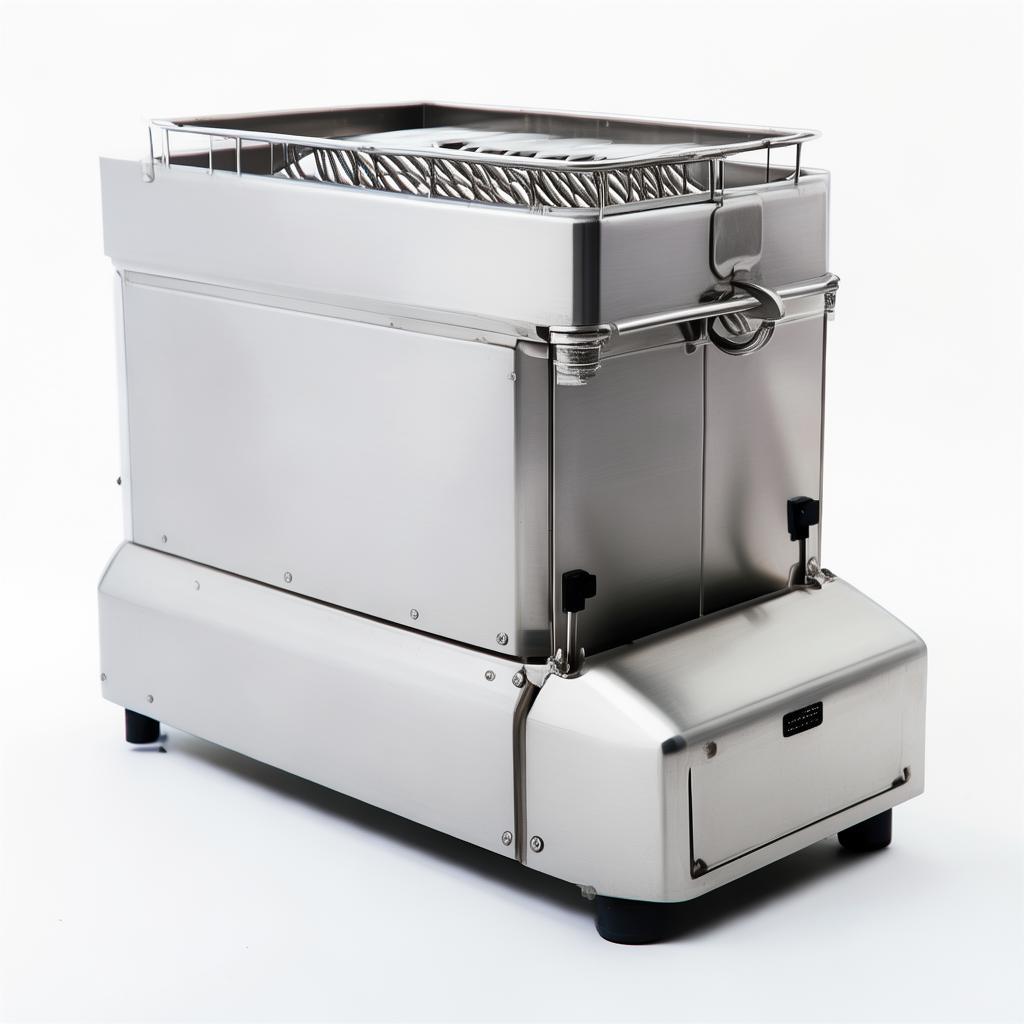
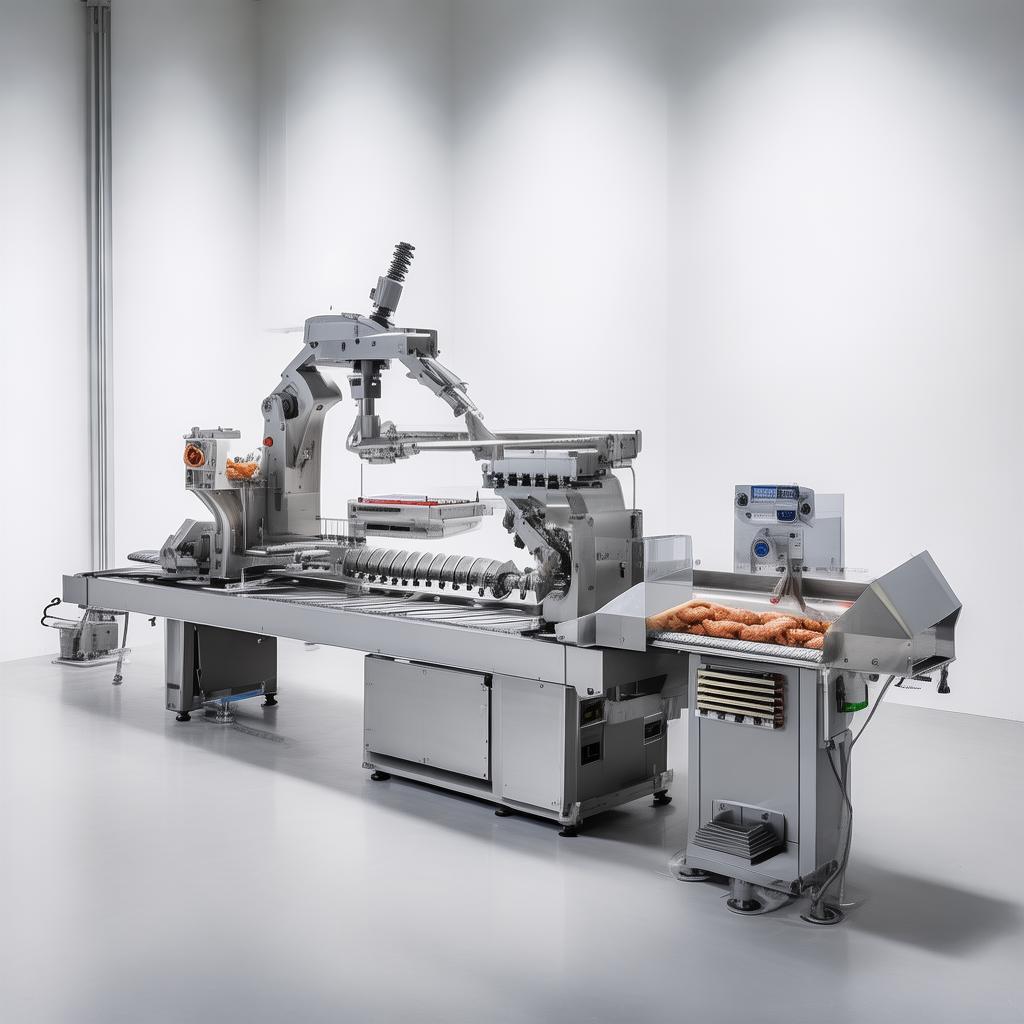
Viscous Product Filling
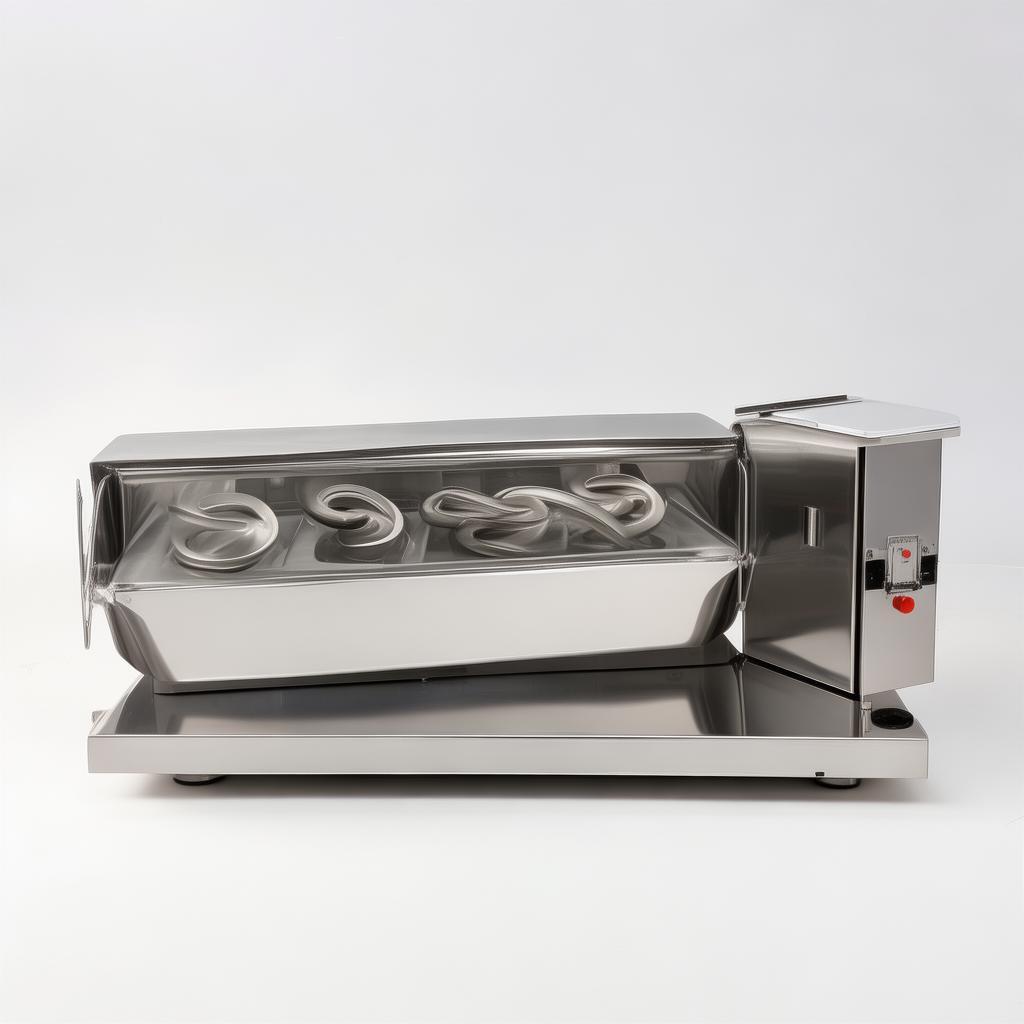
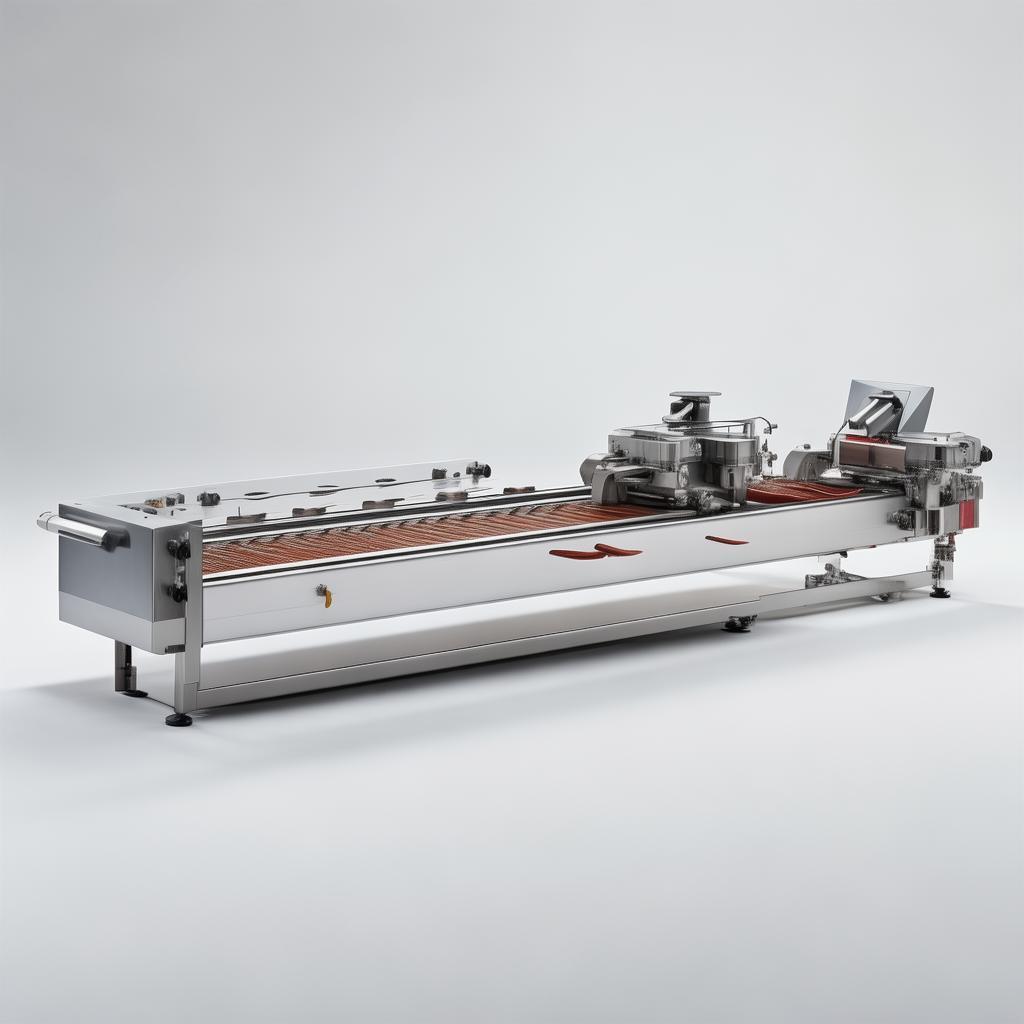
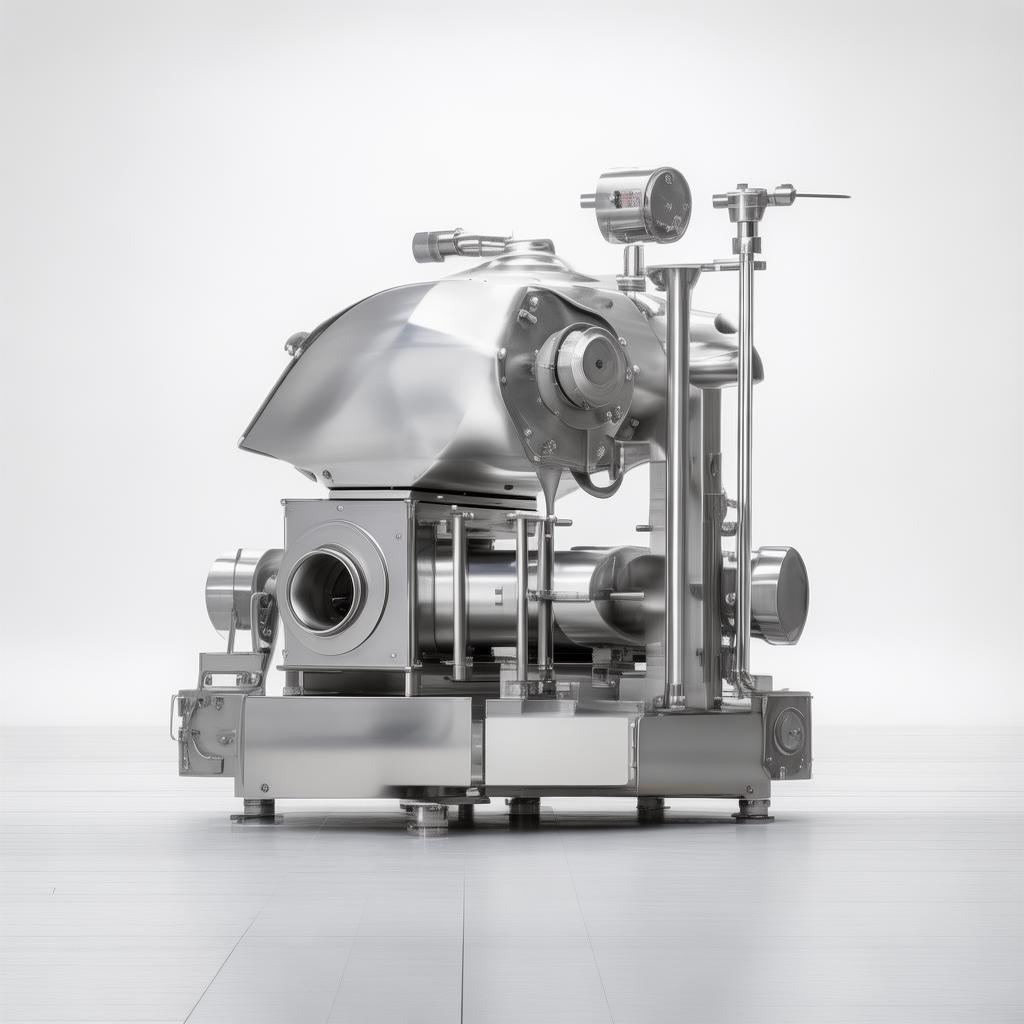
Mastering Viscous Product Filling: Precision, Efficiency, and Reliability for Your Production Line
Expert Solutions for Consistent Filling of High-Viscosity Products in Food, Pharma, and Chemical Industries

By Dr. Evelyn Reed, Lead Industrial Process Engineer
Navigating the Complexities of High-Viscosity Product Filling
Handling viscous products – think thick sauces, pastes, gels, or even certain pharmaceutical compounds – presents a unique set of challenges on the production floor. It's not as simple as pouring a liquid. The material's resistance to flow, its tendency to clump or string, and the critical need for precise portion control all demand specialized equipment and operational expertise. For businesses operating in sectors like food processing, pharmaceuticals, cosmetics, or industrial chemicals, achieving consistent, accurate, and efficient viscous product filling is a constant pursuit. It's about more than just getting product into a container; it’s about maintaining product integrity, ensuring consumer safety, maximizing yield, and ultimately, impacting your bottom line. Many operations grapple with issues like inconsistent fill volumes, product wastage due to spillage or dripping, cavitation in the filling hopper, or equipment wear caused by the abrasive nature of some high-viscosity materials. The stakes are high, especially in regulated industries where deviations can lead to costly recalls or compliance failures. Finding the right filling technology isn't just a purchase; it's an investment in operational excellence.
Consider the food industry, for instance. Products such as peanut butter, tomato paste, hummus, or thick dairy fillings require filling machines capable of handling their substantial viscosity without compromising texture or flavor. In pharmaceuticals, viscous creams, ointments, or oral suspensions demand absolute precision and sterility. Even in industrial applications, filling sealants, adhesives, or lubricants with high viscosity necessitates robust machinery that can withstand demanding conditions while delivering accurate dosages. This is where specialized expertise in viscous product filling machines becomes paramount. Standard liquid fillers often fall short, leading to operational bottlenecks, product quality issues, and increased maintenance costs. The right solution must address the inherent challenges posed by high viscosity: shear sensitivity, air entrapment, material adhesion, and the need for accurate volumetric or gravimetric dispensing.
Globally, the demand for processed meats, ready-to-eat meals, and convenience foods continues to rise, directly influencing the market for specialized processing equipment. Reports suggest the global meat processing equipment market was valued at USD 11.29 billion in 2025 and is projected to reach USD 17.39 billion by 2034. Within this, filling and stuffing equipment are critical segments. Similarly, the meat processing equipment market is projected to reach USD 15.04 billion by 2030. These trends underscore a growing need for advanced filling solutions that can handle diverse product types, including those with high viscosity, to meet consumer demand for a wider range of processed food items. This isn't just about volume; it's about consistency and quality control, from the first fill to the last.
At Hebei Yuanchang Food Mechanism & Technology Co., Ltd., we understand these intricacies. With over 40 years of experience, dating back to 1986, and a dedicated focus on meat processing equipment and complete production lines, we've developed profound expertise in handling challenging materials. Our OEM/ODM capabilities allow us to tailor solutions specifically to your product and operational requirements, ensuring that your viscous product filling needs are met with precision and efficiency. We don't just sell machines; we deliver engineered solutions that integrate seamlessly into your workflow. Whether you're dealing with a new product formulation or looking to upgrade existing filling processes for better yield and reduced downtime, our team is equipped with the technical knowledge and practical experience to guide you. We recognize that the right filling technology can significantly enhance product shelf appeal, streamline production, and reduce operational expenditures. This requires a deep understanding of material science, mechanical engineering, and process optimization – a combination we bring to every project.
This page dives into the critical aspects of viscous product filling. We'll explore the common challenges, the types of machinery best suited for these demanding applications, key technical considerations for procurement, and how partnering with an experienced manufacturer like us can transform your production capabilities. We aim to provide a clear, operationally informed perspective, drawing from our extensive background in manufacturing and export. You'll learn about the nuances of different filling technologies, the importance of material compatibility, and practical advice for selecting equipment that offers both immediate performance benefits and long-term value. Our goal is to empower you with the knowledge needed to make an informed decision, ensuring your investment in viscous filling equipment yields optimal results for years to come.
We also acknowledge that selecting industrial machinery involves rigorous evaluation. Factors like lead times, installation complexity, integration with existing systems (like conveyor belts or sealing machines), and the availability of after-sales support are crucial. Our commitment extends beyond the initial sale; we provide traceable after-sales management and independently produce high-precision parts, ensuring continuous operational support and minimizing potential downtime. Let's explore how to achieve flawless viscous product filling for your enterprise.
Common Hurdles in Viscous Product Filling
Filling products with high viscosity isn't like filling water. The physical properties of these materials introduce specific operational difficulties that, if not addressed correctly, can cripple production efficiency and product quality. We've seen these issues across numerous projects, and understanding them is the first step toward a robust solution.
- Inconsistent Fill Weights/Volumes: Due to the non-Newtonian behavior of many viscous products, achieving a precise, repeatable fill can be challenging. Product density can vary with temperature and shear, leading to fluctuations in dispensed volume. This directly impacts profitability and regulatory compliance.
- Product Stringing and Dripping: High-viscosity materials often exhibit "stringing" – the tendency to form long, thin strands as the filling nozzle retracts. This results in messy fills, product loss on the sealing surface, and potential contamination issues. Drip-spill from the nozzle is also a common problem.
- Cavitation and Air Entrapment: Pumping highly viscous products can lead to the formation of air pockets or cavitation within the pump and filling lines. These air bubbles can be dispensed into containers, affecting product appearance, consistency, and potentially leading to spoilage if air-sensitive products are involved.
- Shear Sensitivity and Product Degradation: Some viscous products, especially food items like sauces or dairy products, can be sensitive to shear forces. Over-agitating or pumping them too aggressively can alter their texture, break down emulsions, or affect flavor. The filling equipment must be designed to minimize this.
- Equipment Clogging and Wear: The dense nature and potential presence of particulates in viscous products can lead to frequent clogging of filling nozzles, pumps, and valves. This requires constant cleaning and can accelerate wear on machine components, leading to higher maintenance costs and unscheduled downtime.
- Temperature Control Requirements: For some products, maintaining a specific temperature range is critical for optimal viscosity and flow. Inconsistent temperatures can lead to variability in filling, necessitating precise temperature control within the filling system itself.
Addressing these points requires more than just a standard filler. It demands understanding the specific rheology of your product and selecting machinery engineered to overcome these inherent difficulties. This is where our deep manufacturing and engineering experience truly comes into play.
viscosity filling machine high viscosity liquid filling machine Ampoule filling
Choosing the Right Viscous Product Filling Technology
Selecting the appropriate filling technology is fundamental to overcoming the challenges of viscous products. Several machine types are commonly employed, each with its strengths and optimal use cases. Understanding these will help you align your needs with the right equipment.
1. Volumetric Piston Fillers
These are workhorses for viscous products. A servo or pneumatic piston draws a precise volume of product into a cylinder and then dispenses it into the container. They offer good accuracy for a wide range of viscosities. Key considerations:
- Pros: Excellent for pastes, creams, sauces, and semi-solids. Can handle varying product densities if calibrated correctly. Often feature adjustable stroke for volume control.
- Cons: Can be prone to dripping without specialized nozzles. May require more frequent cleaning if product is highly adhesive.
- Ideal For: Peanut butter, mayonnaise, dense batters, pharmaceutical ointments.
2. Auger Fillers
Auger fillers use a rotating screw (auger) to dispense a pre-set volume of product. The auger's speed and revolutions control the dispensed amount. They are particularly effective for powders but can also handle pastes and viscous products where precise volumetric control is needed.
- Pros: Very good for controlling discrete volumes. Can handle products with some particulate matter. Servo-driven augers offer high precision.
- Cons: May introduce some air into the product. Not ideal for extremely shear-sensitive products. Can be slower than piston fillers for very high throughput.
- Ideal For: Thick salsas, some yogurts, pet food, cosmetic creams.
3. Positive Displacement Pump Fillers (Gear, Lobe, Peristaltic)
These systems use specialized pumps designed to move viscous, often sticky, materials without significant degradation. Gear and lobe pumps are robust, while peristaltic pumps offer product containment within a flexible tube, ideal for sterile applications.
- Pros: Excellent for handling very high viscosities and even products with solids. Peristaltic pumps provide hygienic benefits and prevent cross-contamination. Smooth product transfer minimizes shear.
- Cons: Gear and lobe pumps require thorough cleaning. Peristaltic pumps have limitations on tube life and flow rates for extremely viscous products.
- Ideal For: Industrial adhesives, sealants, heavy food pastes, viscous gels, pharmaceuticals.
4. Gravimetric Fillers
Instead of measuring volume, gravimetric fillers weigh the product as it dispenses. This is the most accurate method for products where density can vary. Load cells monitor the weight, halting the fill at the target. They are exceptionally well-suited for highly viscous products where volumetric consistency is difficult to guarantee.
- Pros: Highest accuracy, unaffected by density variations. Ideal for expensive products where precise dosing is critical. Can handle a wide range of viscosities.
- Cons: Typically more expensive. Can be slower than volumetric fillers for certain applications. Requires careful calibration and maintenance of load cells.
- Ideal For: High-value chemical formulations, specialty food ingredients, precise pharmaceutical dispensing.
Our expertise at Hebei Yuanchang extends to integrating these technologies into complete production lines, ensuring seamless operation from raw material handling to final packaging. We also offer OEM/ODM services to customize filling machines, including nozzle design (e.g., bottom-up fill, anti-drip valves), hopper capacity, and control systems, precisely tailored to your specific viscous product.
Key Technical Considerations for Procurement
When investing in viscous product filling machinery, a thorough technical evaluation is non-negotiable. This isn't a decision to be made lightly, as the wrong choice can lead to ongoing operational headaches. Here's what experienced procurement professionals and engineers focus on:
1. Material Compatibility and Hygiene Standards
Ensure all product contact parts (hoppers, pistons, valves, nozzles, tubing) are made from food-grade stainless steel (e.g., 304 or 316L) or other FDA/EU-approved materials suitable for your product. For pharmaceutical or cosmetic applications, stricter hygiene standards (e.g., CIP/SIP capabilities, crevice-free designs) are mandatory. We provide detailed material certifications for all our equipment.
2. Dispensing Accuracy and Repeatability
Look for specifications on accuracy (e.g., +/- 1% of fill volume) and repeatability. For gravimetric systems, check the sensitivity of the load cells. For volumetric systems, understand the impact of temperature and pressure variations on dispensed volumes. Our machines are engineered for minimal deviation, ensuring consistent fills.
3. Throughput and Speed Requirements
Define your target production rate (containers per minute/hour). This will influence the type of filler and whether you need a single-head machine, a multi-head configuration, or an inline system integrated into an automated line. We design for scalability, allowing you to increase throughput as your business grows.
4. Ease of Operation and Maintenance
Consider the user interface (HMI), ease of cleaning, and access to components for maintenance. Quick-changeover features for different container sizes or product types are a significant advantage. Our designs prioritize operator safety and minimize downtime. We offer comprehensive training and readily available spare parts.
5. Product Handling Features
Crucial for viscous products. Look for features like:
- Anti-drip nozzles: Essential to prevent stringing and messy fills.
- Bottom-up filling: Ideal for foamy or aerated viscous products.
- Variable speed drives: For pumps and augers to control flow rate and shear.
- Hopper agitation/heating: To maintain product consistency and prevent settling or bridging.
- Servo-driven systems: Offer precise control over fill volume and dispensing speed.
6. Integration Capabilities
Will the filler integrate seamlessly with your existing upstream (e.g., bulk product feeders) and downstream (e.g., capping, sealing, labeling) equipment? Check for standard communication protocols or compatibility with your PLC systems. Our engineering team can assist with integration planning.
7. Supplier Reliability and Support
Beyond technical specs, consider the manufacturer's experience, reputation, warranty, and availability of technical support and spare parts. With 40 years in the industry, Hebei Yuanchang offers proven reliability and a traceable after-sales management system. We understand that prompt support is critical to keeping your production running smoothly. Our in-house machining workshop, equipped with advanced CNC centers, allows us to produce high-precision parts independently, ensuring swift replacement when needed.
A thorough assessment of these technical aspects will guide you toward a machine that not only meets your current needs but also supports your long-term production goals. Let's discuss how our custom-engineered solutions can fit your specific application.
Applications of Viscous Product Filling
The versatility of viscous product filling machinery makes them indispensable across a wide spectrum of industries. The precise control and handling capabilities required for these dense materials open doors to efficient production for numerous product types.
Food Industry
This is perhaps the largest sector for viscous filling. Key applications include:
- Sauces & Condiments: Mayonnaise, ketchup, mustard, salad dressings, pesto, gravies, cheese sauces.
- Spreads & Dips: Peanut butter, hummus, chocolate spreads, cream cheese, fruit fillings, jams.
- Dairy Products: Thick yogurts, custards, ice cream bases.
- Meat & Pet Food: Sausages, pâtés, wet pet food. (Our core expertise at Hebei Yuanchang is in meat processing, making us uniquely qualified here).
- Bakery & Confectionery: Cake batters, cookie dough, fillings for pastries.
Pharmaceutical Industry
Hygiene and precision are paramount here. Applications include:
- Ointments & Creams: Topical medications, dermatological preparations.
- Gels: Topical gels, lubricant gels.
- Oral Suspensions: Syrups, viscous liquid medications.
- Injectables: Some highly viscous injectable formulations.
Cosmetics & Personal Care
Consistency and appearance are key for consumer products:
- Lotions & Creams: Face creams, body lotions, hand creams.
- Gels: Hair gels, styling gels, hand sanitizers.
- Toothpaste & Mouthwash: High-viscosity formulations.
- Shampoos & Conditioners: Especially concentrated or premium formulations.
Industrial & Chemical Applications
Robust machinery is often needed:
- Adhesives & Sealants: Silicone sealants, construction adhesives, epoxies.
- Lubricants: Greases, heavy oils.
- Paints & Coatings: High-viscosity paints, varnishes, inks.
- Automotive Fluids: Some specialized automotive compounds.
Our specialization in meat processing, including filling and molding equipment, means we have unparalleled insight into handling dense, cohesive materials. We leverage this deep experience to design and manufacture filling solutions that excel even in the most demanding applications within the food sector and beyond. We can adapt our designs to meet the specific rheological properties and industry requirements of your product.
Installation, Maintenance & Logistics: Practical Considerations
Purchasing a filling machine is only part of the equation. Effective implementation and ongoing care are critical for maximizing your return on investment. We provide guidance based on real-world operational insights.
Installation Insights
Proper installation ensures optimal performance from day one. Key aspects include:
- Space and Layout: Ensure adequate space around the machine for operation, cleaning, and maintenance. Consider product flow from upstream to downstream equipment.
- Utilities: Verify availability and correct specifications for power, compressed air, and water (if applicable).
- Product Infeed: A consistent, reliable product supply to the hopper is crucial. This might involve pumps, conveyors, or manual loading.
- Container Handling: Proper setup of conveyor systems or indexing mechanisms to present containers accurately to the filling nozzle.
- Commissioning: We can provide on-site or remote commissioning support to ensure the machine is set up correctly and calibrated for your product.
Maintenance Realities
Regular maintenance is not optional; it's essential for longevity and performance.
- Daily Cleaning: Essential, especially in food and pharma. Follow recommended cleaning procedures to prevent product buildup and contamination.
- Lubrication: Moving parts require appropriate lubrication. Refer to the machine manual for schedules and types of lubricants.
- Wear Part Inspection: Regularly check seals, O-rings, pistons, and augers for signs of wear. These are consumable parts that will need replacement over time.
- Calibration Checks: Periodically verify fill accuracy and adjust as needed.
- Preventative Maintenance Schedule: Adhere to a schedule for more in-depth checks and replacements of critical components.
Logistics and Shipping
International shipping of industrial machinery requires careful planning.
- Packaging: Equipment is typically crated and protected for transit. We ensure robust packaging to withstand the rigors of international shipping.
- Documentation: Accurate customs documentation, including invoices, packing lists, and certificates of origin, is provided.
- Shipping Methods: Options include FOB (Free On Board), CIF (Cost, Insurance, Freight), etc. We work with you to select the most suitable Incoterm.
- Container Optimization: For larger orders, we plan efficient container loading to maximize space and minimize shipping costs.
- Import Duties & Taxes: Buyers are responsible for understanding and paying applicable duties and taxes in their destination country.
Hebei Yuanchang has extensive experience managing export logistics to major markets worldwide. Our team ensures that your equipment reaches you safely and efficiently, accompanied by all necessary documentation. Our commitment to traceable after-sales management also means that even after installation, you have a reliable partner for any technical queries or spare part needs.
Why Partner with Hebei Yuanchang for Your Viscous Filling Needs?
Choosing a manufacturing partner is a critical decision. At Hebei Yuanchang Food Mechanism & Technology Co., Ltd., we offer a compelling combination of experience, technical capability, and customer focus.
40 Years of Proven Expertise
Since 1986, we have been deeply immersed in the design, manufacturing, and integration of food processing equipment, particularly in meat processing. This extensive history means we possess an unparalleled understanding of material handling, product integrity, and production efficiency, directly applicable to viscous product filling.
In-House Machining & Advanced Technology
Our facility boasts over 20 sets of processing machinery, including advanced Japanese Mazak CNC machining centers. This enables us to produce high-precision, non-standard components independently, ensuring superior quality, tight tolerances, and rapid availability of spare parts. This capability is a significant advantage for customized viscous product filling machine solutions.
Comprehensive Production Lines
We don't just make fillers. We offer complete production lines, from pretreatment to ripening and filling. This holistic approach ensures seamless integration and optimized workflows for your entire operation. Our expertise in meat processing means we excel in handling dense, challenging materials common in this sector.
OEM/ODM Capabilities
We understand that off-the-shelf solutions aren't always ideal. Our OEM/ODM services allow us to customize filling machines, incorporating specific features, capacities, and materials to perfectly match your unique product and production requirements. This is crucial for specialized industrial viscous filling applications.
Traceable After-Sales Support
Our commitment to you doesn't end at delivery. We offer a traceable after-sales management system, ensuring you receive prompt and effective support, along with access to high-precision spare parts manufactured in-house. This minimizes downtime and maximizes the lifespan of your investment.
Commitment to Quality and Reliability
With a factory area of 14,000 square meters and a dedicated team of 80-100 employees, we have the capacity and expertise to deliver robust, reliable machinery that meets international standards. Our focus on R&D, production, and sales integration ensures a high-quality product from concept to completion.
We pride ourselves on building long-term partnerships with our clients, grounded in trust, technical excellence, and a shared commitment to production success. Let us leverage our decades of experience to optimize your viscous product filling processes.
Or email us to discuss your specific needs.
Client Success Stories
Hear from some of our satisfied clients who have benefited from our viscous product filling solutions:

Premium Foods Inc. (USA)
"We were struggling with inconsistent fills for our gourmet pasta sauce. Hebei Yuanchang's piston filler with specialized anti-drip nozzle has been a game-changer. Fill accuracy improved by over 98%, and product waste dropped significantly. Their support during setup was excellent."
– Sarah Chen

Apex Pharma Solutions (UK)
"For our specialized dermatological ointments, precision and sterility are non-negotiable. The gravimetric filler we sourced from Hebei Yuanchang provides unparalleled accuracy. The build quality is superb, and the ease of cleaning meets our stringent GMP requirements. Highly recommended for pharmaceutical applications."
– Mark Jenkins

Gourmet Pet Foods (Canada)
"We needed a robust solution for filling dense meat pastes into trays. Hebei Yuanchang's custom auger filler, designed for our specific product rheology, has significantly reduced batch time and improved fill consistency. Their OEM/ODM service was responsive and effective in tailoring the machine to our exact needs."
– Maria Rodriguez
Frequently Asked Questions (FAQ)
Got questions about viscous product filling? We've compiled answers to common queries.
Our machines are designed to handle a wide range of viscosities, from thick sauces and pastes to semi-solids. Generally, we can accommodate products from tens of thousands of centipoise (cP) up to several million cP. For highly specific products, we recommend sending a sample for testing.
Q: Can your filling machines handle products with solid particles?Yes, many of our designs, particularly positive displacement pump and specialized auger fillers, can effectively handle products with solid inclusions, provided the particle size and density are within specified limits. We can design hoppers and dispensing mechanisms to accommodate this.
Q: What is the difference between volumetric and gravimetric filling for viscous products?Volumetric fillers dispense a set volume, while gravimetric fillers dispense a set weight. For viscous products where density can fluctuate (e.g., due to temperature changes or ingredient variations), gravimetric filling offers superior accuracy as it measures by mass, not volume. However, volumetric fillers can be more cost-effective and faster for products with consistent density.
Q: Do you offer custom solutions (OEM/ODM)?Absolutely. Our OEM/ODM capabilities are a core part of our service. We can modify existing designs or engineer entirely new solutions to meet specific product characteristics, container types, production speeds, and integration needs. This is vital for specialized industrial viscous filling machine requirements.
Q: What is the typical lead time for a viscous product filling machine?Lead times can vary depending on the complexity of the machine and current production schedules. Standard models might be available sooner, while highly customized solutions require more engineering and manufacturing time. We provide estimated lead times upon order confirmation.
Q: How do you ensure hygiene standards for food or pharmaceutical applications?We use food-grade stainless steel (SS304/SS316L) for product contact parts, design for easy disassembly and cleaning (CIP/SIP options available), and ensure all surfaces are smooth and crevice-free to prevent microbial growth. We can also provide relevant certifications.
Ready to Optimize Your Viscous Product Filling?
Don't let viscous product handling slow down your production. Partner with Hebei Yuanchang for reliable, efficient, and precisely engineered filling solutions.
We look forward to discussing your specific viscous product filling needs.