Vial And Aseptic Liquid Filling Services
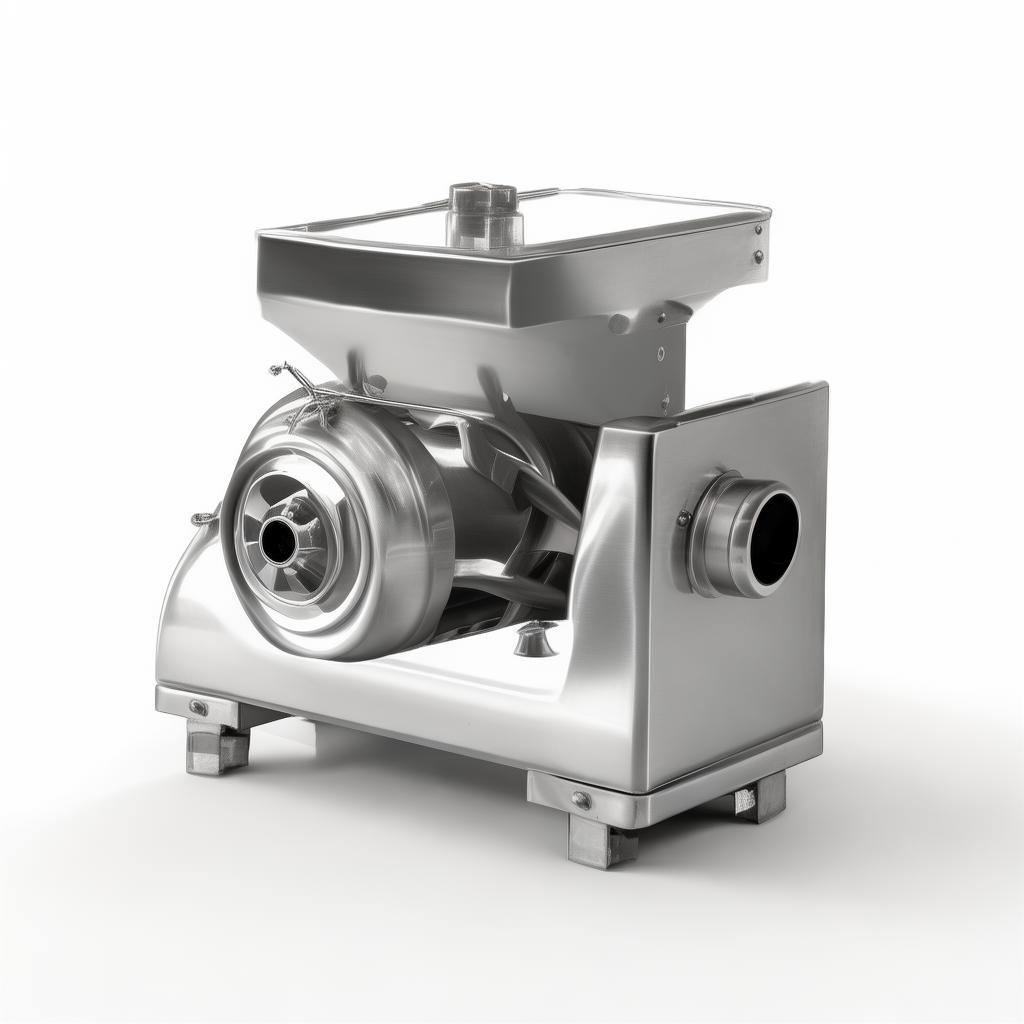
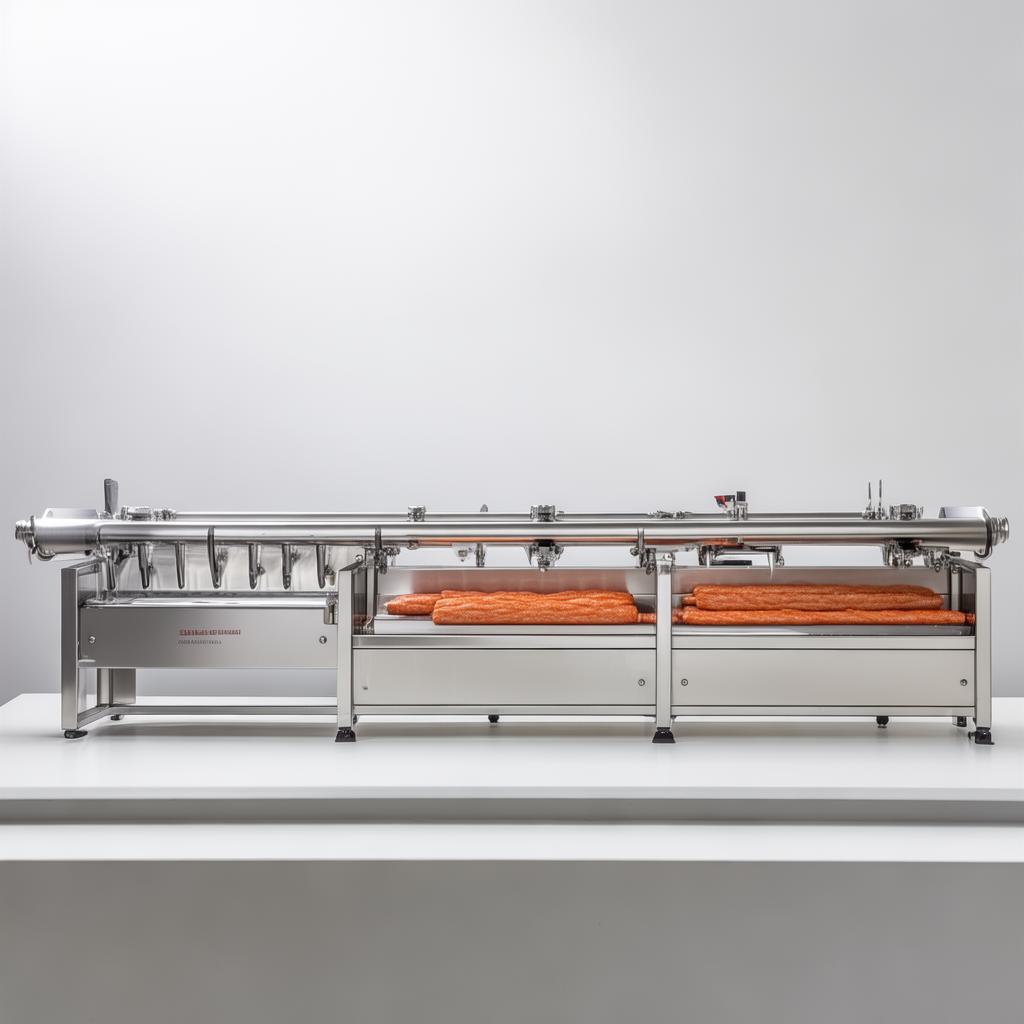
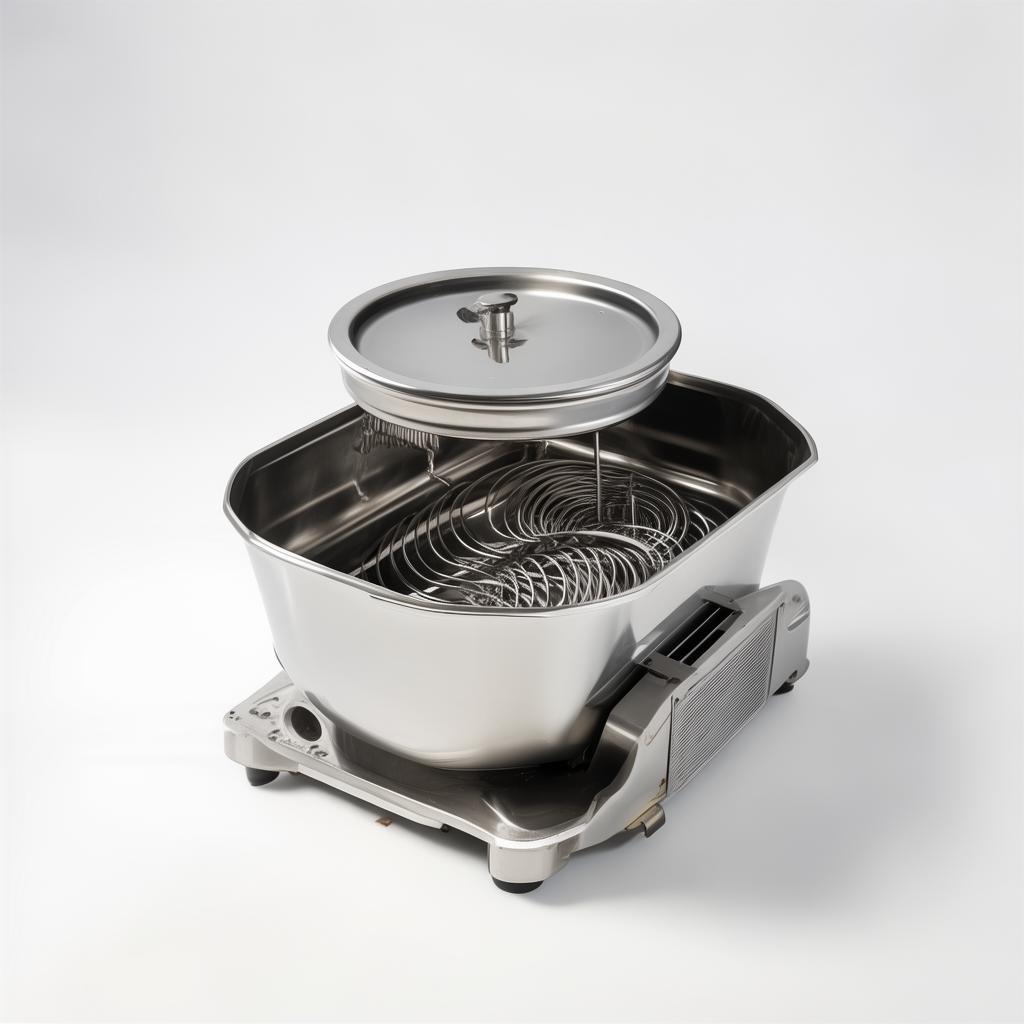
Vial and Aseptic Liquid Filling Services: Precision, Purity, and Partnership for Your Pharmaceutical & Biotech Needs
Securing the integrity of your liquid formulations from production to patient.



In the highly regulated and precisely controlled world of pharmaceuticals, biopharmaceuticals, and specialized chemicals, the integrity of your liquid product is paramount. From critical injectable drugs to sensitive diagnostic reagents, the final stages of production – filling into vials and maintaining aseptic conditions – represent a significant bottleneck and a critical point of potential failure. Ensuring that your valuable formulations are filled accurately, consistently, and, above all, without microbial contamination is not just a manufacturing requirement; it's a fundamental prerequisite for patient safety, regulatory compliance, and brand reputation. This is where sophisticated vial and aseptic liquid filling services become indispensable.
The global market for processed foods and beverages, particularly those requiring stringent hygiene, has seen substantial growth. Similarly, the meat processing equipment market, which includes sophisticated filling and molding technologies, is projected to reach USD 17.39 billion by 2034. This parallels the demand for precision filling in liquid industries. The meat processing equipment market is also set to reach USD 15.04 billion by 2030, highlighting the universal need for accurate dispensing and contamination control. While our expertise lies in industrial filling solutions, the underlying principles of precision volumetric dispensing, maintaining sterile environments, and ensuring product integrity are shared across numerous demanding sectors.
For life sciences, the stakes are considerably higher. Aseptic processing is not merely about sterile filling; it's a holistic approach that encompasses sterile product preparation, sterile equipment, sterile environment, and sterile filling. This multi-faceted process is designed to prevent microbial contamination by ensuring that the product and container are protected from microorganisms during the filling operation. This often involves advanced technologies like isolators, Restricted Access Barrier Systems (RABS), and laminar airflow systems, all operating under strict environmental monitoring. The complexity and capital investment required for in-house aseptic filling capabilities can be substantial, leading many companies to seek specialized contract manufacturing organizations (CMOs) or fill-finish service providers.
We understand that choosing a partner for your vial and aseptic liquid filling needs involves evaluating not just technical capabilities but also reliability, regulatory understanding, and a commitment to partnership. Our 40 years of experience, since 1986, in designing and manufacturing high-precision industrial machinery has honed our understanding of mechanical accuracy, process control, and robust engineering. While our heritage is in complex industrial equipment, this foundational expertise translates directly into the meticulous precision and unwavering reliability required for critical liquid filling operations. We apply the same principles of rigorous design, high-quality component manufacturing, and stringent quality control that have made us a trusted name in demanding industrial sectors.
The choice of filling technology, vial handling systems, capping machines, and inspection equipment directly impacts the yield, sterility assurance level (SAL), and overall cost-effectiveness of your filling process. Whether your product requires high-speed filling for bulk production or meticulous handling for high-value biologics, the right service provider will offer flexible solutions tailored to your specific product characteristics and regulatory landscape. It's about more than just filling a container; it's about preserving the efficacy and safety of your product through every step of the process.
With our deep roots in manufacturing excellence, we bring a practical, operationally informed perspective to aseptic filling. We recognize the procurement challenges, the need for precise volumetric accuracy, the criticality of leachables and extractables studies, and the importance of supply chain security. Our state-of-the-art facilities and dedicated teams are equipped to handle a wide range of liquid volumes, viscosities, and complexities, all within a GMP-compliant framework. We aim to be an extension of your manufacturing team, providing a seamless, reliable, and compliant solution that allows you to focus on your core competencies: research, development, and bringing life-changing products to market.
Industry Challenges & Your Requirements
Navigating the landscape of liquid formulation filling, especially under aseptic conditions, presents a unique set of operational and commercial hurdles:
- Maintaining Sterility: The constant threat of microbial contamination is the primary concern. Any breach can lead to batch rejection, costly investigations, and severe reputational damage. Achieving and maintaining a Sterility Assurance Level (SAL) of 10-6 or better requires meticulous control over the environment, equipment, and process.
- Precision Dosing: Inconsistent fill volumes can impact product efficacy, regulatory compliance (e.g., over/underfill penalties), and customer satisfaction. Accurate volumetric filling is crucial, especially for high-potency or low-volume therapeutics.
- Product Compatibility: Certain formulations can be sensitive to materials of construction, shear forces, or process temperatures. Ensuring the filling system doesn't degrade or react with your product is vital.
- Regulatory Compliance: Adhering to stringent global regulatory standards (FDA, EMA, etc.) for Good Manufacturing Practices (GMP) is non-negotiable. This includes validation, documentation, and traceability.
- Scalability & Flexibility: Your needs may vary from small clinical trial batches to large-scale commercial production. A service provider must offer scalable solutions that can adapt to different batch sizes, vial formats, and product types.
- Cost Efficiency: Implementing and maintaining in-house aseptic filling lines is extremely capital-intensive and operationally complex. Outsourcing can offer significant cost advantages, provided the partner offers competitive pricing and high efficiency.
- Lead Times: Bringing a product to market quickly is critical. Delays in fill-finish operations can significantly impact launch timelines and revenue.
Our Vial & Aseptic Filling Expertise
At Hebei Yuanchang Food Mechanism & Technology Co., Ltd., we translate our extensive manufacturing engineering experience into robust, reliable, and compliant aseptic filling solutions. We understand the critical nature of your liquid products and the demanding requirements of the pharmaceutical and biotech industries. Our approach focuses on precision, purity, and partnership.
Leveraging decades of experience in high-precision machinery, we offer a comprehensive suite of vial and aseptic liquid filling services. Our commitment to quality is embedded in our DNA, stemming from our in-house machining capabilities that allow us to produce high-tolerance components with exceptional precision. This internal control ensures the reliability and longevity of the equipment and processes we utilize for your filling needs.
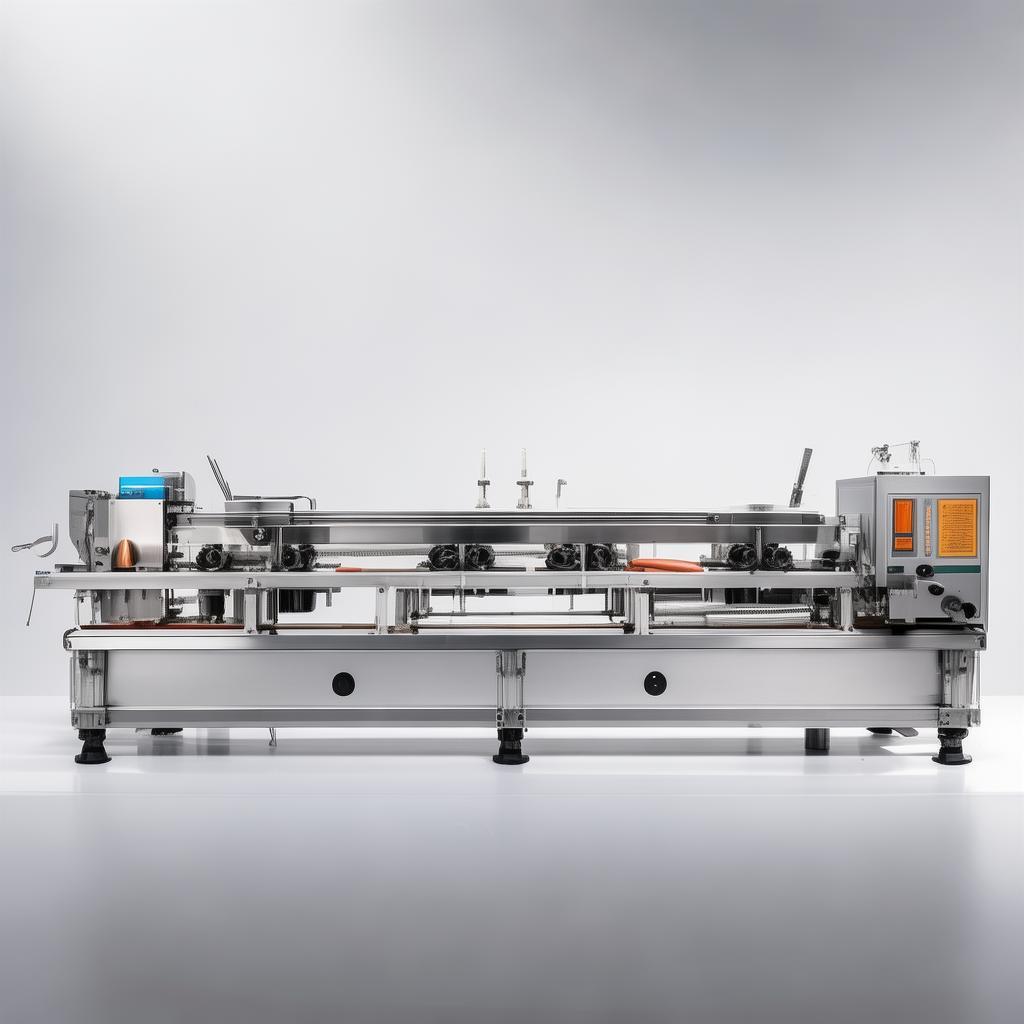
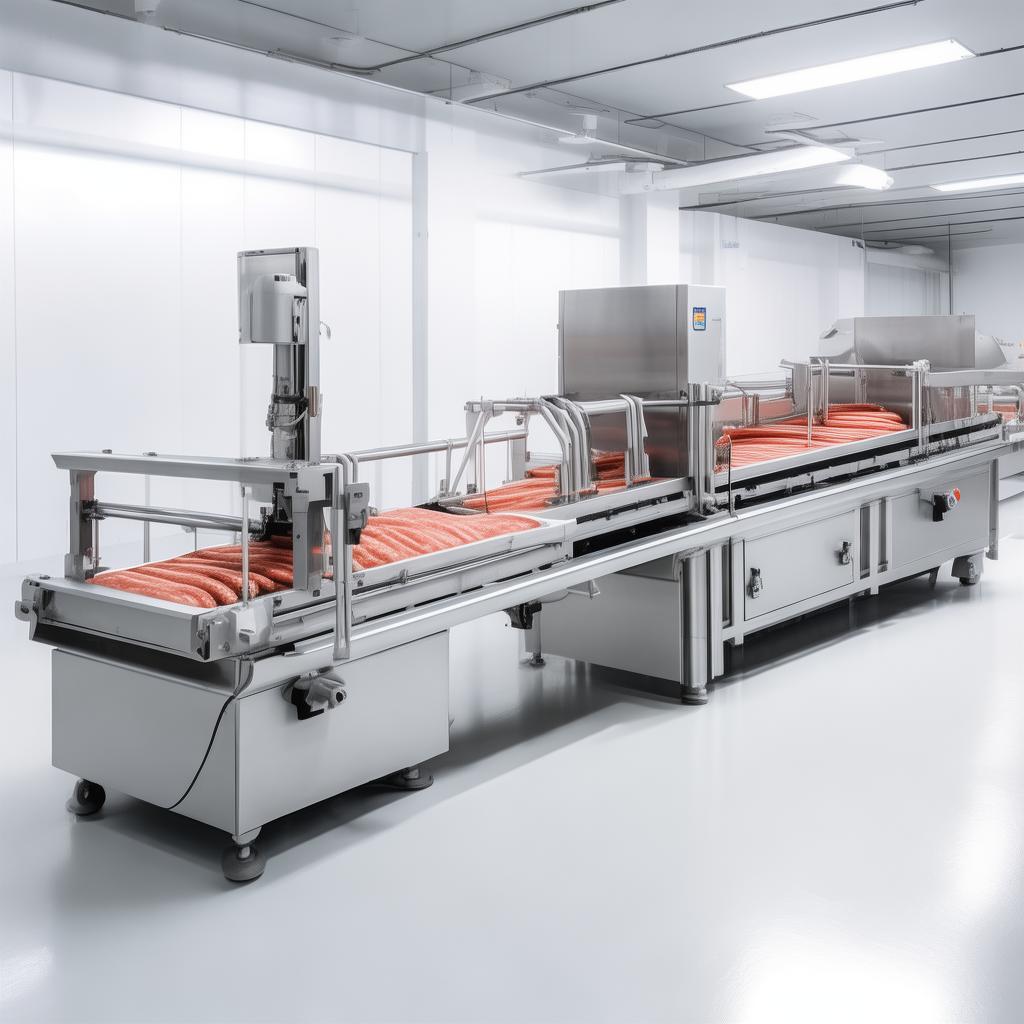
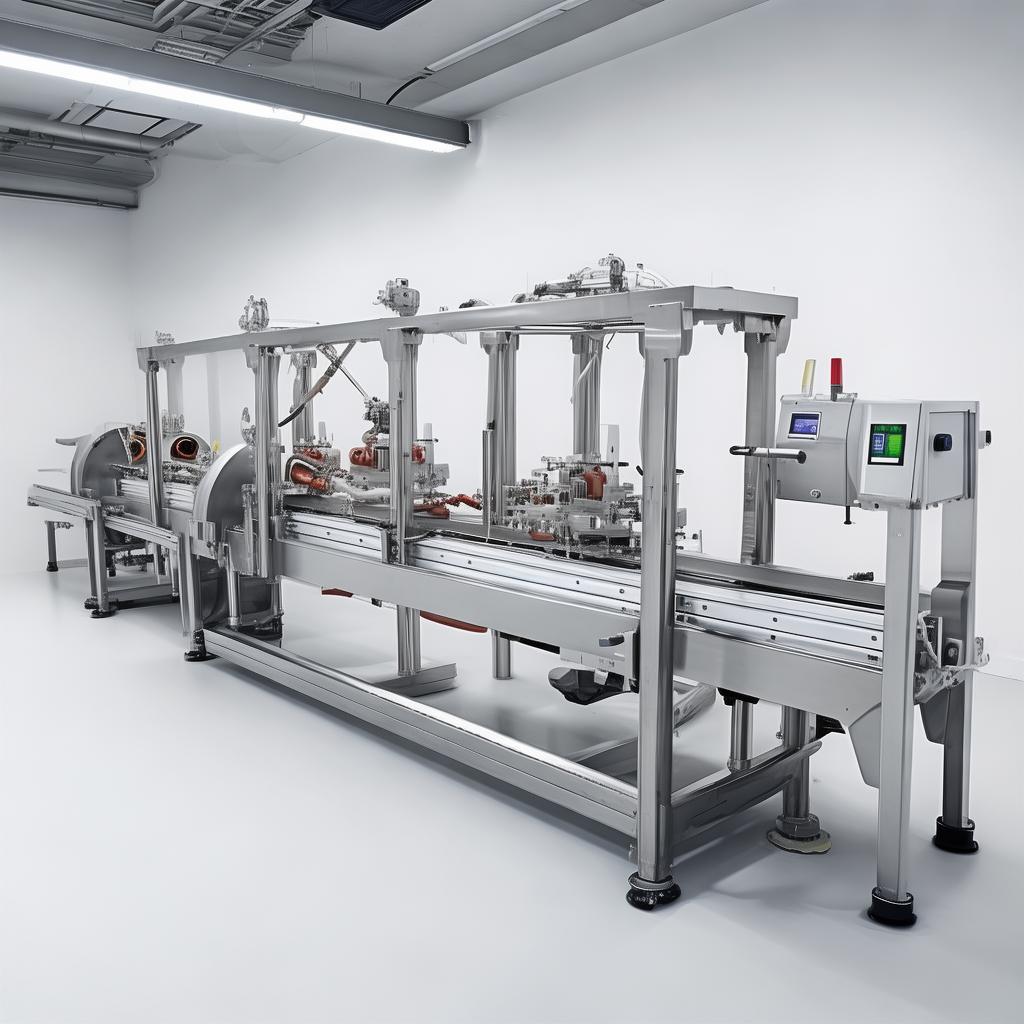
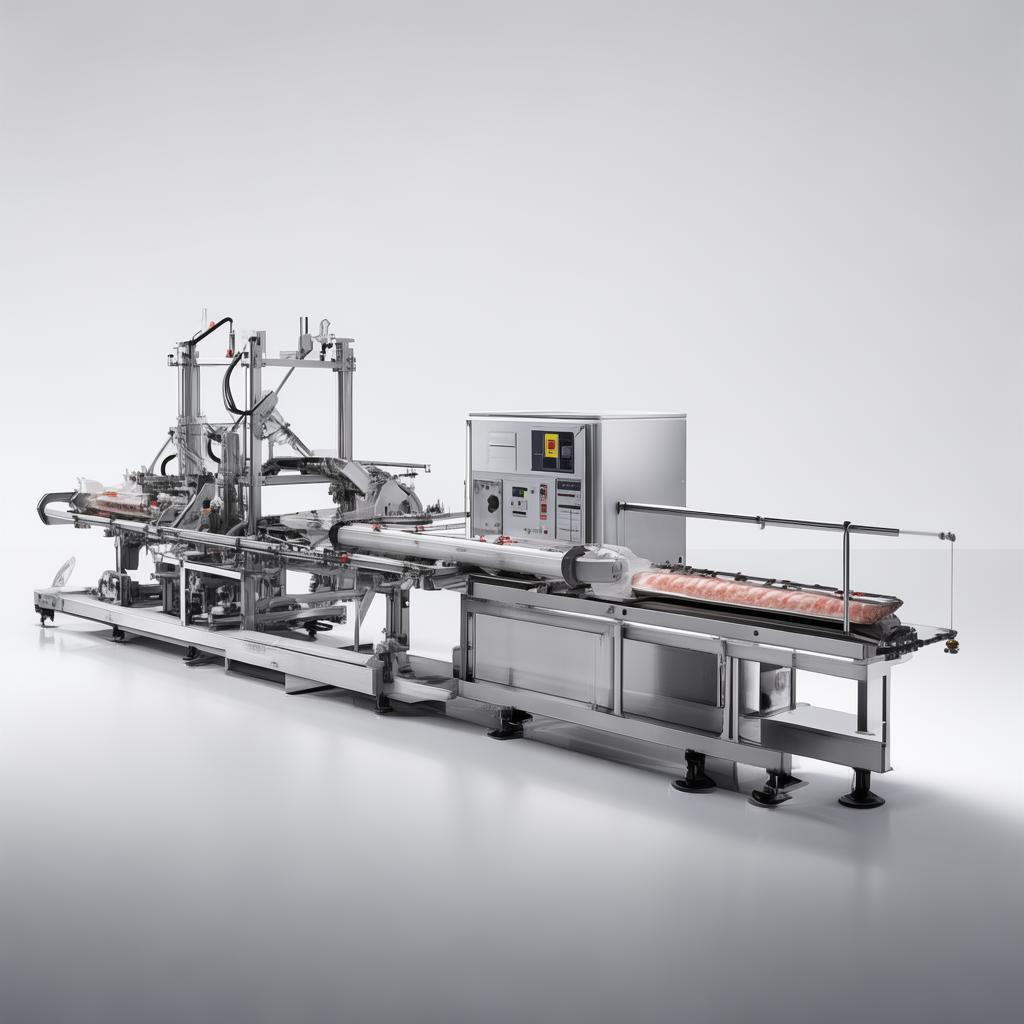
Aseptic liquid filling Aseptic vial filling Aseptic liquid filling machine
We provide:
- State-of-the-Art Aseptic Filling: Utilizing advanced isolator technology and Restricted Access Barrier Systems (RABS) to create a highly controlled sterile environment.
- Precision Volumetric Filling: Employing highly accurate filling machines (e.g., peristaltic, piston, mass flow) to ensure exact fill volumes, customizable to your product's specifications and vial sizes.
- Broad Range of Vial & Liquid Handling: Capable of handling various vial types (glass, plastic), sizes, and liquid formulations, including sterile water for injection (WFI), buffers, reagents, active pharmaceutical ingredients (APIs), and more.
- Automated Vial Handling: Seamless integration of depyrogenation tunnels, vial infeed, filling, stoppering, capping, and inspection systems to ensure a smooth, automated workflow.
- Comprehensive Quality Control: Integrated visual inspection, leak testing, and environmental monitoring throughout the filling process.
- Regulatory Adherence: Operations conducted under strict GMP guidelines, with full documentation and validation support for regulatory submissions.
- Flexible Batch Sizes: From pilot scale for clinical trials to large commercial volumes, we offer adaptable solutions.
Technical Deep Dive: Processes & Equipment
Our aseptic filling process is designed around the core principle of minimizing human intervention and maximizing environmental control. This is critical for achieving the required Sterility Assurance Level (SAL) for pharmaceuticals and sensitive biotech products.
Key Stages in Our Aseptic Filling Process:
- Vial Preparation & Depyrogenation:
- Vials are typically washed externally or received pre-sterilized.
- Internal sterilization and depyrogenation are achieved using a validated dry heat sterilization tunnel (e.g., at >300°C for glass vials) to eliminate microbial contamination and pyrogens.
- Aseptic Filling:
- The filling operation takes place within a Grade A (ISO 5) environment, typically provided by a Class II Biological Safety Cabinet (BSC), RABS, or a full isolator.
- Isolator Technology: For the highest level of sterility assurance, isolators offer a physical barrier between the operator and the sterile zone, maintained at a positive pressure differential.
- Restricted Access Barrier Systems (RABS): RABS provide a controlled environment with HEPA filtration and a barrier, but allow for some level of operator access, often used in conjunction with rapid transfer ports (RTPs).
- Filling Mechanisms: We utilize a range of precision filling technologies depending on product viscosity and volume requirements:
- Peristaltic Pumps: Ideal for single-use systems and low-viscosity liquids, offering excellent accuracy and minimal product contact.
- Piston Fillers: Robust and versatile for a wide range of viscosities, offering high accuracy with servo-driven control.
- Mass Flow Meters: For high-accuracy, continuous filling of various liquids, particularly when precise volume is critical.
- Stoppering:
- Sterile stoppers are aseptically presented and applied to the vials. This can occur inside the isolator or RABS to maintain sterility.
- Capping:
- Vials are then sealed with aluminum overseals, crimped securely to ensure product integrity and tamper evidence.
- Inspection:
- Each filled and sealed vial undergoes rigorous inspection for fill level, particulate matter, cosmetic defects, and seal integrity. This can include automated vision systems and manual inspection.
Our machinery, like the high-precision components we produce in our own workshop, is designed for durability, cleanability (CIP/SIP capabilities), and accurate, repeatable performance. We understand the lifecycle of equipment and the importance of validated processes.
Uncompromising Quality Assurance
Quality is not an afterthought; it's the foundation of our aseptic filling services. Our QA system is designed to meet and exceed the most stringent global regulatory expectations.
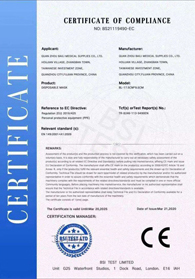
- GMP Compliance: All operations strictly adhere to current Good Manufacturing Practices (cGMP). Our facility is designed and maintained to meet these standards.
- Environmental Monitoring: Continuous monitoring of air quality (particle counts, viable microbial counts), surface microbial monitoring, and personnel gowning/behavior are integral to maintaining the sterile environment.
- Process Validation: Comprehensive validation protocols, including Installation Qualification (IQ), Operational Qualification (OQ), and Performance Qualification (PQ), are executed for all critical processes and equipment.
- Sterilization Validation: Validation of sterilization cycles for equipment and depyrogenation cycles for vials is performed and documented.
- Material Control: Strict control over all incoming materials, including vials, stoppers, seals, and cleaning agents, to ensure they meet specified quality standards and are suitable for pharmaceutical use.
- Batch Record Review: Thorough review of all executed batch records to ensure compliance with approved procedures and specifications before product release.
- Change Control & Deviation Management: Robust systems for managing any changes to processes or equipment, and for investigating and documenting any deviations from standard procedures.
Our engineering background means we understand the root causes of potential quality issues and implement preventative measures systematically. We apply the same rigor to our filling services as we do to manufacturing precision components.
Serving Diverse Applications
Our vial and aseptic liquid filling services are designed to support a wide spectrum of industries and product types where sterility and precision are non-negotiable.
- Pharmaceutical Injectables: Vaccines, monoclonal antibodies, therapeutic proteins, small molecule drugs, sterile solutions.
- Biologics & Biotechnology: Cell culture media, diagnostic reagents, enzymes, genetic material solutions, sterile buffers.
- Ophthalmic Solutions: Eye drops and ointments requiring stringent sterile conditions.
- Specialty Chemicals: High-purity reagents, calibration standards, sensitive chemical formulations.
- Veterinary Pharmaceuticals: Injectable treatments for animals.
- Nutraceuticals & Cosmeceuticals: Certain high-value or sensitive liquid supplements and cosmetic ingredients requiring sterile fill.
We work closely with clients to understand the unique properties of their liquid and the regulatory requirements for their specific market. Our flexibility extends to accommodating various fill volumes, from fractional milliliters to larger volumes, and a range of viscosities.
OEM/ODM Capabilities
Leveraging our 40 years of manufacturing expertise, including our advanced Japanese Mazak CNC machining centers introduced in 2012, we are uniquely positioned to offer comprehensive OEM/ODM services for filling and related processing equipment. If you require custom-designed filling solutions, modification of existing lines, or specialized ancillary equipment, our in-house engineering and production capabilities can bring your concepts to life.
We specialize in:
- Custom Filling Machine Design: Tailoring filling machines to specific product viscosities, fill volumes, and container types beyond standard offerings.
- Integration of Sterilization Technologies: Designing and integrating solutions with isolators, RABS, and depyrogenation tunnels for complete aseptic lines.
- Ancillary Equipment: Developing and manufacturing vial handling, inspection, capping, and labeling equipment to complement your filling operations.
- Process Optimization: Re-engineering existing equipment or processes for improved efficiency, accuracy, or compliance.
- High-Precision Component Manufacturing: Producing critical parts for filling systems with extreme accuracy, ensuring optimal performance and lifespan.
Our capacity to produce high-standard components, requiring large volumes, high precision, and non-standard specifications, means we can tackle complex OEM/ODM projects that others might shy away from. Our traceable after-sales management system further ensures that any custom-built solution is fully supported.
Procurement Considerations for Aseptic Filling Services
Selecting the right partner for aseptic vial filling is a strategic decision. As experienced manufacturers, we understand the procurement perspective. Here’s what to look for:
- Regulatory Track Record: Verify their experience with regulatory audits (FDA, EMA, etc.) and their ability to provide comprehensive documentation for your submissions.
- Technical Capabilities vs. Your Needs: Ensure their filling technology, environmental controls (isolator, RABS, cleanroom class), and scale match your specific product and volume requirements. Don't overpay for capabilities you don't need, but don't compromise on critical sterility requirements.
- Quality Systems: Thoroughly review their Quality Management System (QMS). Ask for details on their validation master plan, change control procedures, and deviation management.
- Experience with Similar Products: While sterile principles are universal, experience with similar viscosities, pH levels, or product types can be advantageous.
- Communication & Transparency: A good partner will be open about their processes, capabilities, and any potential challenges. Regular updates and clear communication are essential.
- Cost & Value: Compare not just price but the overall value proposition – including quality, reliability, regulatory support, and flexibility. Consider the total cost of ownership and risk mitigation.
- Supply Chain Reliability: Assess their ability to secure raw materials (vials, stoppers) and manage production schedules to meet your timelines.
We pride ourselves on offering transparent pricing, comprehensive support, and a partnership approach. Our 40 years in manufacturing have taught us the value of building trust through reliable performance and open dialogue.
What Our Partners Say
Hear from clients who have leveraged our manufacturing expertise and precision services:
"We were initially hesitant to outsource our critical sterile filling, but Yuanchang's deep engineering background and meticulous approach gave us confidence. Their precision is evident in every batch. They handled our sensitive biologic with care, and regulatory compliance was never an issue."

Lead Scientist, BioGen Innovations
"The technical consultation we received was invaluable. Yuanchang understood our product's unique viscosity challenges and recommended the most effective filling technology. Their commitment to aseptic standards is top-notch, and we've seen a significant improvement in fill accuracy compared to our previous setup."

Operations Manager, PharmaSolutions Ltd.
"For our clinical trial materials, precision and speed were critical. Yuanchang delivered both. Their team was responsive, and the aseptic filling process was flawlessly executed. We received our product well within the tight deadline, which was crucial for our trial timeline."

Project Manager, Biotech Advance
Partner with Precision & Purity
Ready to secure the integrity of your liquid formulations with world-class aseptic filling services?
Call Us: +86 15830991513
Email: ycmeatmech@gmail.com
Address: Shijiazhuang, Hebei Province, China
Frequently Asked Questions
1. What is the Sterility Assurance Level (SAL) you can guarantee?
We operate our aseptic filling processes within environments designed to achieve and maintain a Sterility Assurance Level (SAL) of 10-6 or better, as required by regulatory standards for sterile drug products.
2. What types of liquids can you fill aseptically?
We can handle a wide range of liquids including aqueous solutions, buffers, sterile water for injection (WFI), sensitive biologics, diagnostic reagents, and low-to-medium viscosity pharmaceutical formulations. We assess each product's specific requirements.
3. Do you offer validation support for regulatory filings?
Absolutely. We provide comprehensive documentation, including process validation reports (IQ/OQ/PQ), environmental monitoring data, and equipment qualification documentation to support your regulatory submissions.
4. What is the typical lead time for a filling project?
Lead times vary based on project complexity, batch size, material availability, and current production schedules. We provide a detailed project timeline after an initial consultation and scope definition. Our goal is to meet your critical timelines.
5. Can you handle different vial sizes and configurations?
Yes, our filling lines are designed for flexibility. We can accommodate a broad range of standard vial sizes and types, and custom configurations can be addressed through our OEM/ODM capabilities.
6. What level of quality control is in place?
Our quality control includes environmental monitoring, in-process checks for fill accuracy and particulate matter, and final product inspection. We operate under a robust cGMP Quality Management System.