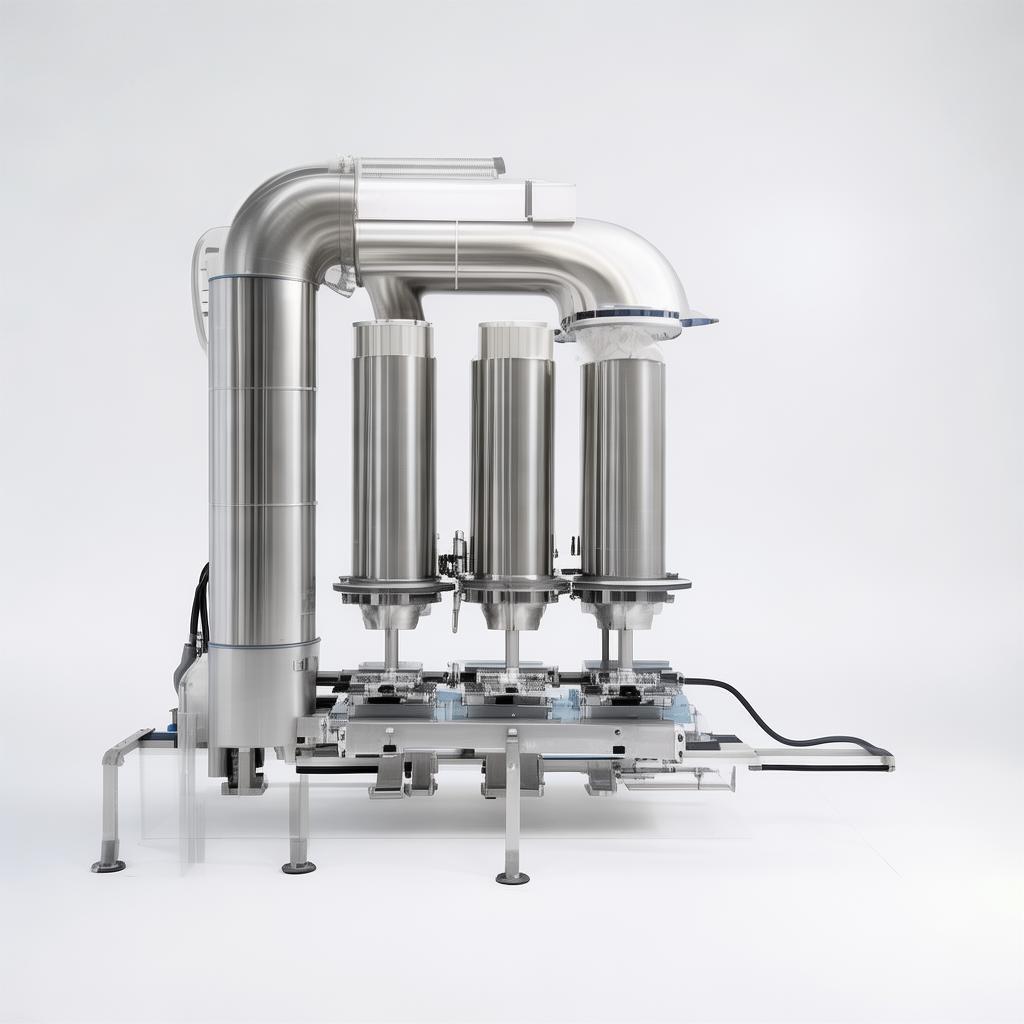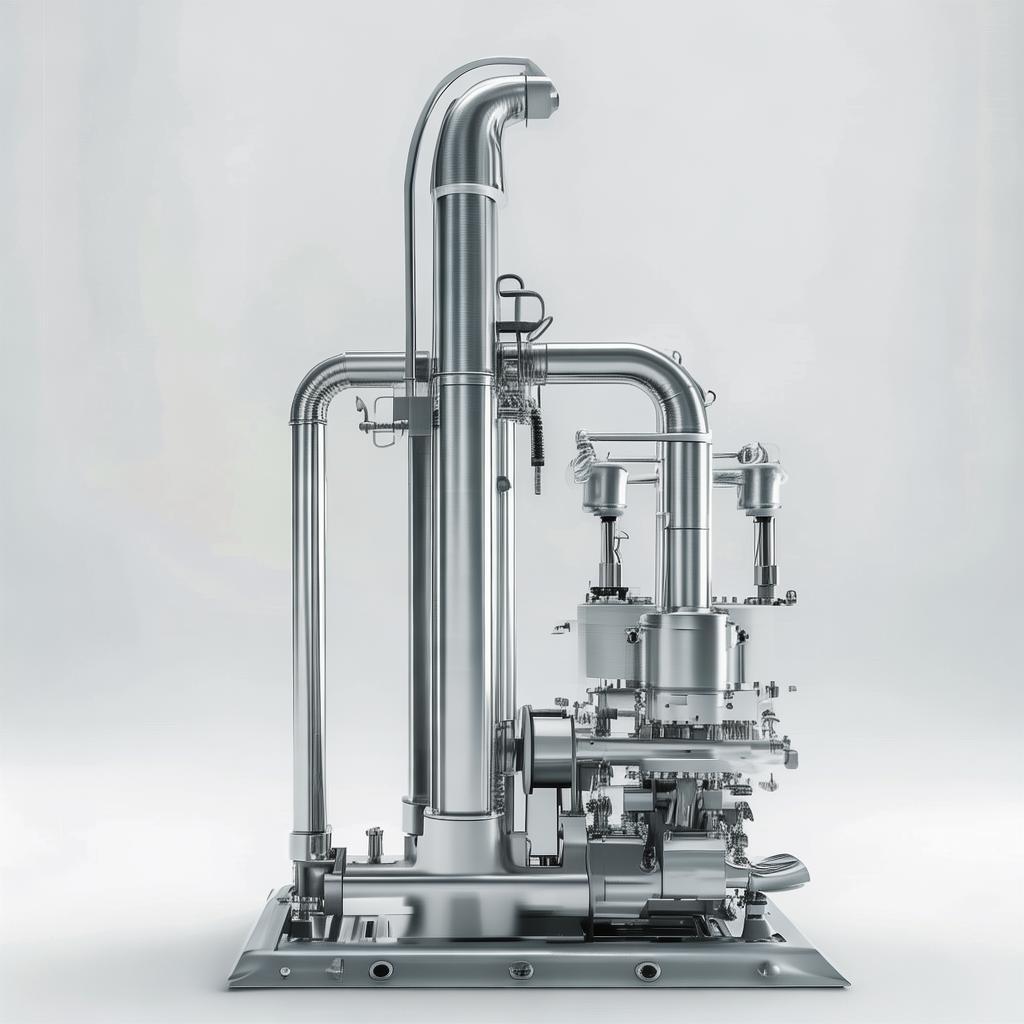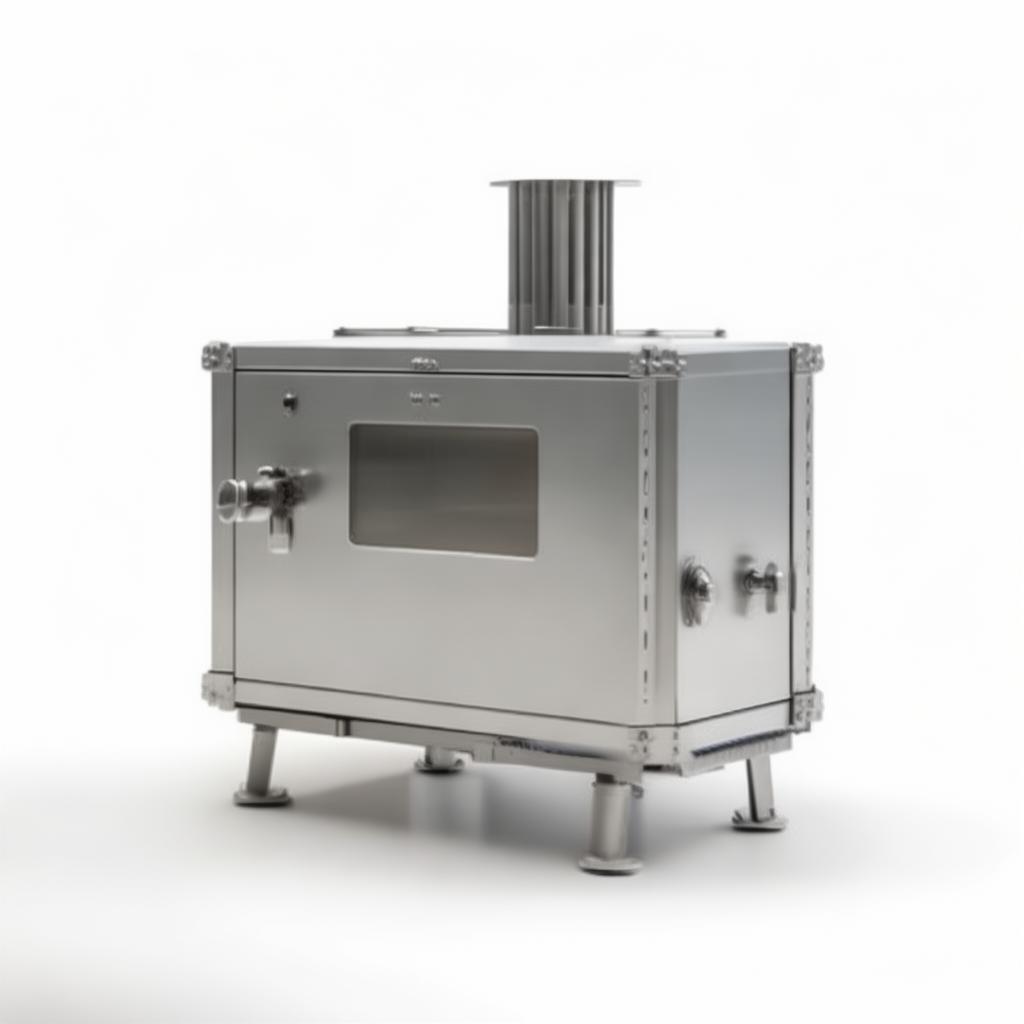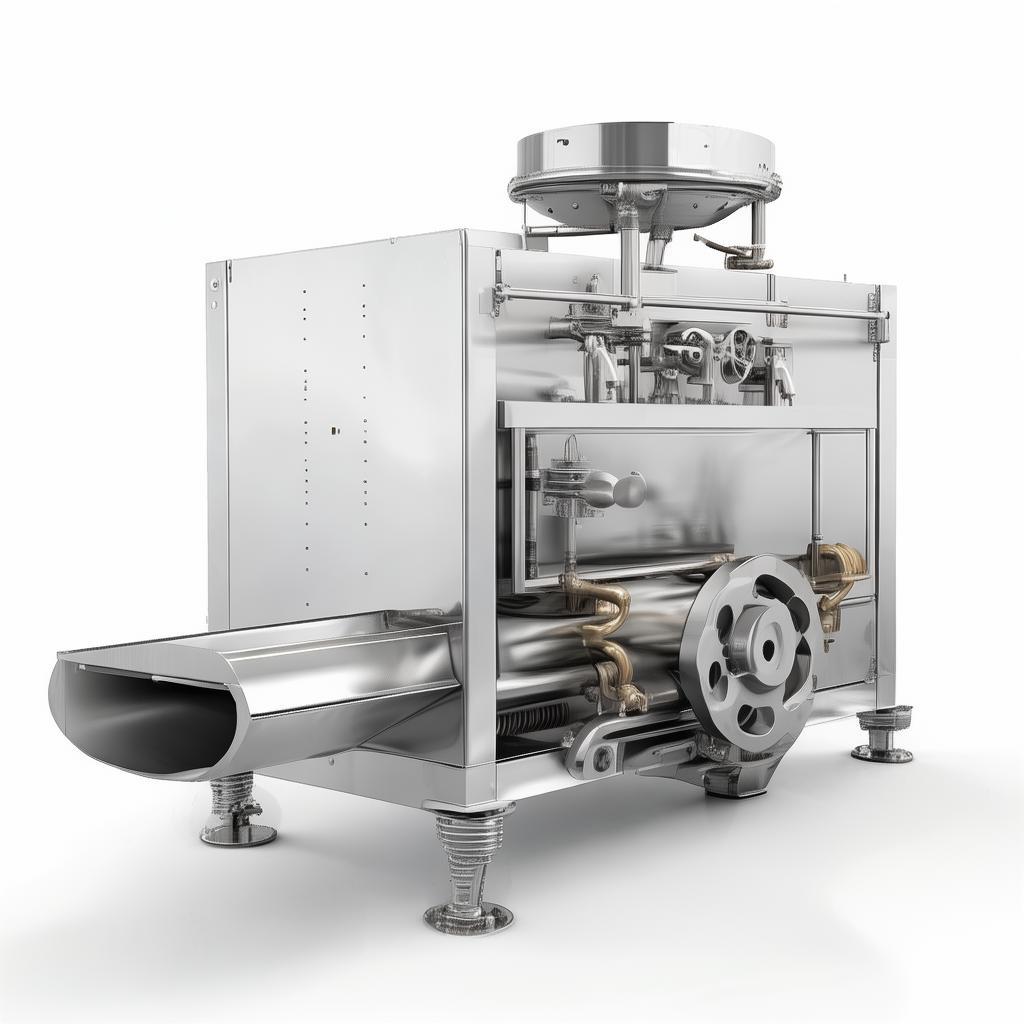
Mix Definition Cooking
Mastering Meat Mixes: A Deep Dive into Definitions, Technologies, and Procurement for the Modern Food Processor
 By Jian Li, Senior Export Manager at Hebei Yuanchang Food Mechanism & Technology Co., Ltd.
|
October 26, 2023
By Jian Li, Senior Export Manager at Hebei Yuanchang Food Mechanism & Technology Co., Ltd.
|
October 26, 2023
Understanding the Core: What Exactly is "Mix Definition Cooking" in Industrial Meat Processing?
In the demanding world of industrial meat processing, precision isn't just a buzzword; it's the bedrock of quality, safety, and profitability. When we talk about "mix definition cooking" in this context, we're not referring to a single culinary technique taught in basic home economics. Instead, we're delving into the sophisticated engineering and operational science behind creating perfectly homogenized, texturally consistent, and flavor-balanced meat formulations on a large scale. It's about the controlled blending of various meat components, fats, spices, binders, and other ingredients to achieve a specific, predictable outcome—ready for subsequent processing steps like filling, molding, smoking, or ripening.
Think of it as the fundamental engineering step before you create your signature sausage, tender meatball, or perfectly formed patty. This process involves understanding the rheology of meat batters, the precise temperature controls required to prevent fat rendering while ensuring proper protein extraction, and the mechanical forces needed to achieve the desired emulsion or blend. It’s about taking raw materials—each with its own unique characteristics—and transforming them into a homogenous mass that behaves predictably in downstream operations.
The global meat processing equipment market, a sector valued at approximately USD 11.29 billion in 2025 and projected to reach USD 17.39 billion by 2034, underscores the sheer scale and importance of these operations. [Meat Processing Equipment Market Size, Share & Industry Analysis - https://www.fortunebusinessinsights.com/meat-processing-equipment-market-115455 - The global meat processing equipment market was valued at USD 11.29 billion in 2025 and is projected to reach USD 17.39 billion by 2034 at a CAGR of 5.0%.] Within this massive market, the equipment and methodologies involved in achieving a consistent "mix definition" are critical. This includes everything from industrial-grade mixers and emulsifiers to sophisticated temperature control systems and even the transport mechanisms that move these sensitive formulations.
For any serious player in the food manufacturing industry, from a small-scale co-packer to a multinational enterprise, understanding the nuances of mix definition is paramount. It directly impacts product yield, shelf-life, consumer acceptance, and ultimately, your bottom line. Are you aiming for a finely ground, smooth emulsion for a premium frankfurter? Or a coarser, more textured mix for a rustic bratwurst? The "definition" of your mix dictates the machinery, the process parameters, and the expertise required to achieve it.
At Hebei Yuanchang, with our 40 years of experience since 1986, we've seen firsthand how advancements in mixing technology have transformed the industry. What was once a laborious, inconsistent process can now be achieved with remarkable precision, largely thanks to sophisticated machinery designed to control every variable. This isn't just about combining ingredients; it's about engineering a specific physical and chemical state for the meat mixture.
The "cooking" aspect in "mix definition cooking" is a bit of a misnomer in a strictly thermal sense during the initial mixing phase. It refers more to the transformation of raw materials into a prepared state, ready for actual cooking or further processing. However, temperature control *during* the mixing process is absolutely vital. Overheating can lead to undesirable fat rendering, spoilage, and textural defects. Conversely, insufficient mixing can result in uneven fat distribution, poor binding, and inconsistent product. The objective is often to keep the mix at a specific, cool temperature range to maintain the integrity of the fats and proteins, typically between 0-5°C (32-41°F) depending on the specific product.
This is where the operational knowledge of your team and the technical capabilities of your equipment converge. It requires an understanding of:
- Ingredient Properties: Fat content, protein levels, moisture, pH, and cut of meat (e.g., pork shoulder, beef chuck, chicken thigh) all influence mixing behavior.
- Mixing Technology: The type of mixer (e.g., paddle, spiral, planetary), its speed, mixing time, and the geometry of the mixing paddles or blades are critical design considerations.
- Temperature Management: Refrigerated mixing bowls, pre-chilled ingredients, and efficient heat dissipation within the mixer are crucial.
- Emulsification vs. Blending: Different products require different levels of mechanical action. An emulsion involves breaking down fats into tiny particles suspended in a protein-water matrix, while a blend might simply combine ingredients with minimal particle breakdown.
Ultimately, "mix definition cooking" is the foundational process that enables consistent, high-quality production of a vast array of meat products. It’s a blend of science, engineering, and practical know-how that directly impacts the final product’s texture, flavor, and appearance. Our company, Hebei Yuanchang, specializes in providing the machinery and expertise to help food processors achieve this precise definition.
Industry Challenges: The Operational Pains of Achieving Consistent Meat Mixes
For procurement managers and operations directors, the pursuit of a perfectly defined meat mix isn't without its hurdles. The challenges are real, tangible, and can significantly impact production efficiency, product quality, and cost control. Anyone who has managed a processing line will recognize these common pain points.
Inconsistent Fat Distribution and Emulsification
This is perhaps the most common and frustrating issue. When fats aren't uniformly dispersed, you end up with pockets of grease or dry, crumbly sections in the final product. This can lead to complaints about mouthfeel, visual unappealing appearance, and even processing defects like sausage casings bursting during cooking due to uneven fat melt. Achieving a stable emulsion requires precise control over shear rates and temperature, something that older or less sophisticated equipment struggles with.
Temperature Control Failures
Meat fats have specific melting points. If the mixing process generates too much heat (due to friction or inadequate cooling), these fats will start to render prematurely. This not only alters the final texture and juiciness but also increases the risk of microbial growth. Maintaining a consistent, low temperature throughout the mixing cycle is critical, especially for longer batch times or warmer ambient conditions. This is why many industrial mixers are equipped with refrigerated jackets or operate with pre-chilled components.
Over-Mixing and Undermixing
Finding the "sweet spot" in mixing time is crucial. Over-mixing can break down protein structures excessively, leading to a mushy, paste-like texture and potentially tough final product. It can also incorporate too much air. Conversely, undermixing means ingredients aren't properly integrated, resulting in poor binding, separation, and inconsistent flavor. This requires precise timer controls and often, variable speed settings on the mixers.
Ingredient Variability and Batch-to-Batch Consistency
Raw meat is not a standardized commodity. Fat content, moisture levels, and muscle structure can vary significantly between suppliers, even within the same species and cut. This natural variability presents a major challenge for achieving consistent mix definitions. A processor needs equipment that can adapt to these variations or a robust quality control system to monitor and adjust parameters accordingly. Without it, you might get a perfect batch one day and a problematic one the next, leading to costly product recalls or customer dissatisfaction.
Hygiene and Cross-Contamination Risks
Any equipment used in meat processing must meet stringent hygiene standards. Complex designs with hard-to-reach areas can harbor bacteria, posing a serious risk. The ease of cleaning and sanitization is a critical operational concern. Equipment needs to be designed for quick disassembly and thorough cleaning to prevent cross-contamination between batches or different product runs. This is why stainless steel construction and smooth, crevice-free designs are standard.
Capacity and Throughput Limitations
As demand grows, processors often find their existing mixing equipment becomes a bottleneck. Not having sufficient capacity means slower production runs, increased labor costs per unit, and missed market opportunities. Selecting machinery with adequate batch sizes and efficient cycle times is vital for scaling operations. The global market data suggests a consistent growth trend; for example, the meat processing equipment market is projected to reach USD 15.04 billion by 2030. [Meat Processing Equipment Market Size, Share Report, 2030 - https://www.grandviewresearch.com/industry-analysis/meat-processing-equipment-market - The global meat processing equipment market was estimated at USD 11.28 billion in 2024 and is projected to reach USD 15.04 billion by 2030.] This indicates a continuous need for efficient and high-capacity solutions.
Addressing these challenges requires not just good operational practices but also reliable, purpose-built machinery. At Hebei Yuanchang, our 40 years in the industry have taught us to engineer solutions that directly tackle these pain points, ensuring our clients can achieve the precise mix definition their products demand, efficiently and safely.
The Yuanchang Advantage: How Our Mixers Define Precision for Your Products
In the intricate landscape of meat processing, achieving a consistent and precisely defined mix isn't a matter of luck; it's a direct result of employing the right technology. Hebei Yuanchang Food Mechanism & Technology Co., Ltd. has dedicated over 40 years to engineering solutions that deliver unparalleled precision, reliability, and efficiency in meat mixing. Our equipment is built not just to combine ingredients, but to engineer specific textures, optimize binding, and ensure the highest standards of food safety and quality.
Engineered for Optimal Emulsification and Blending
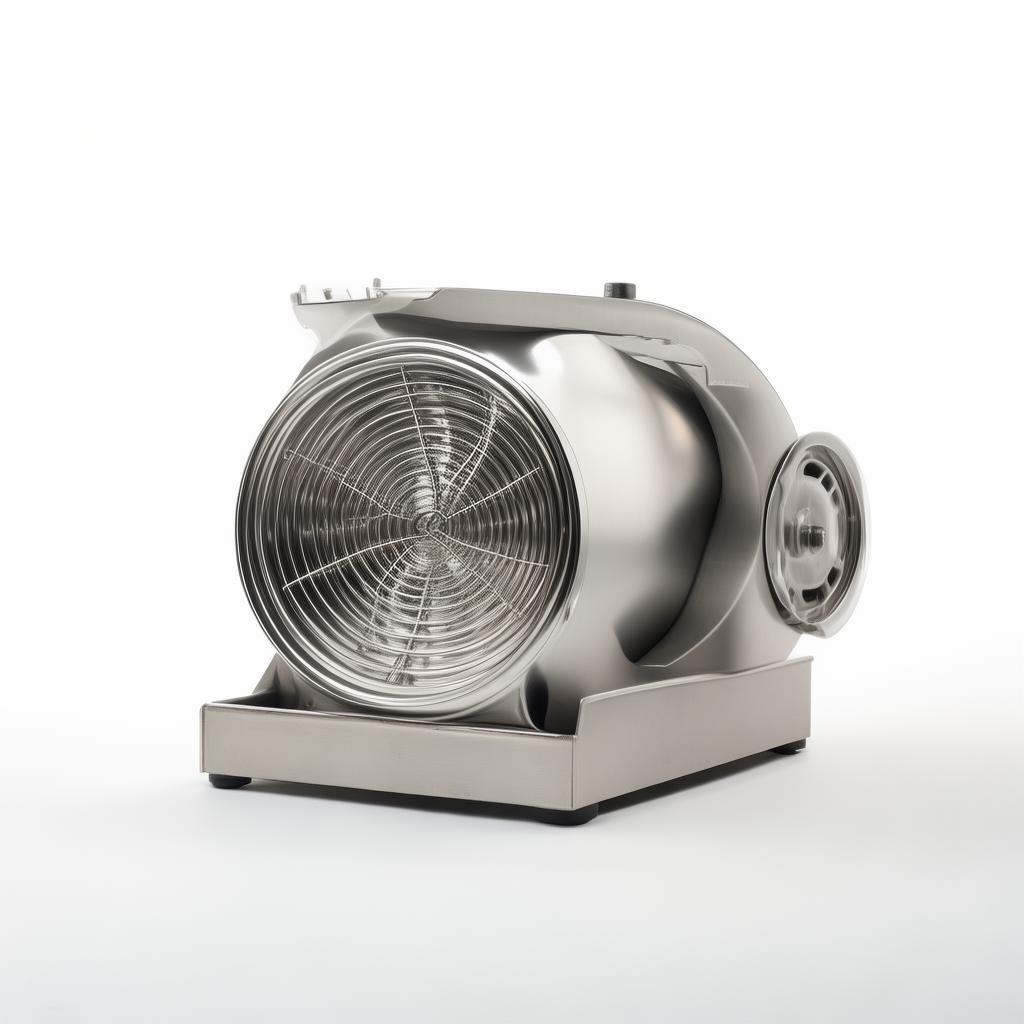
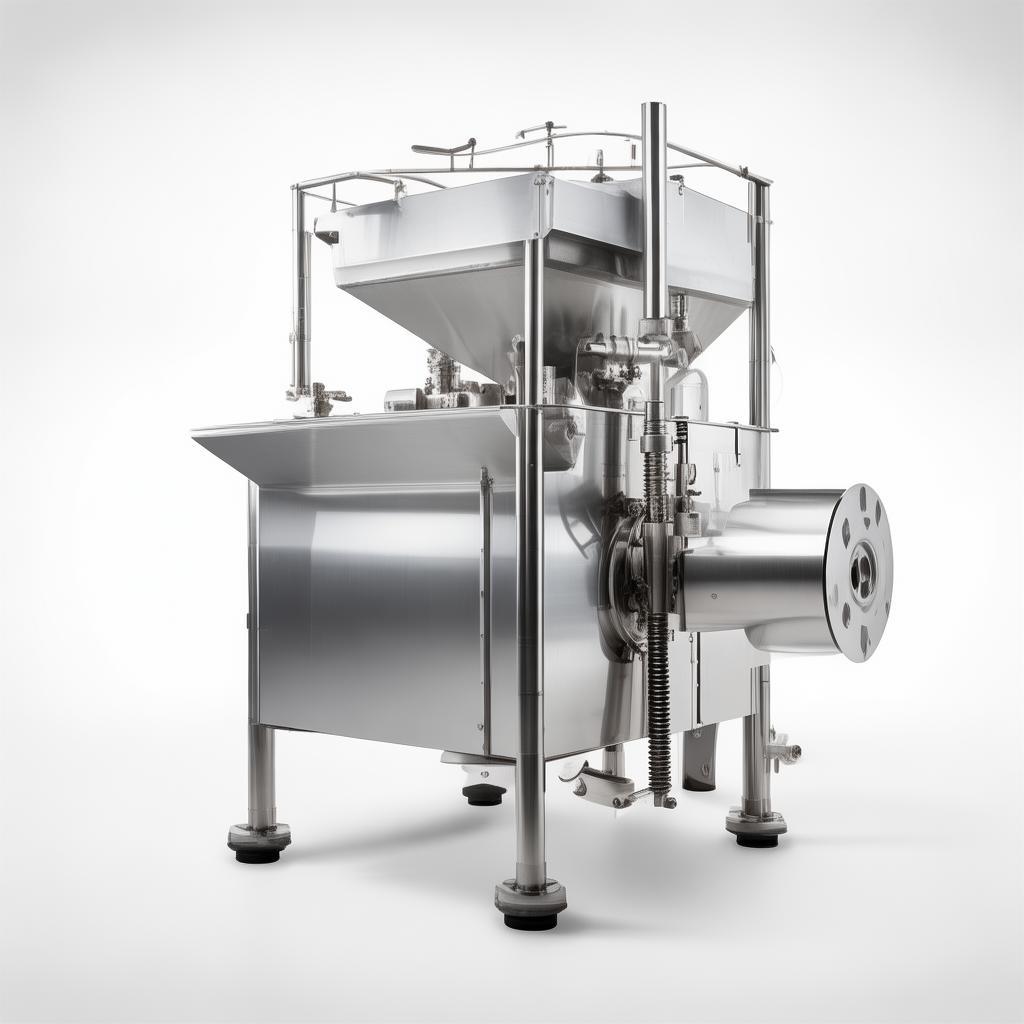
Our industrial mixers are designed with specialized paddle configurations and variable speed controls. Whether your goal is a fine, stable emulsion for products like mortadella or a coarser blend for artisanal sausages, our machines provide the precise shear and mixing action required. We understand that different cuts of meat, fat percentages, and desired textures demand different approaches. Our engineers work with clients to select or customize mixers that precisely match their product matrix, ensuring optimal protein extraction for superior binding and a smooth, homogenous final product.
Superior Temperature Management Systems
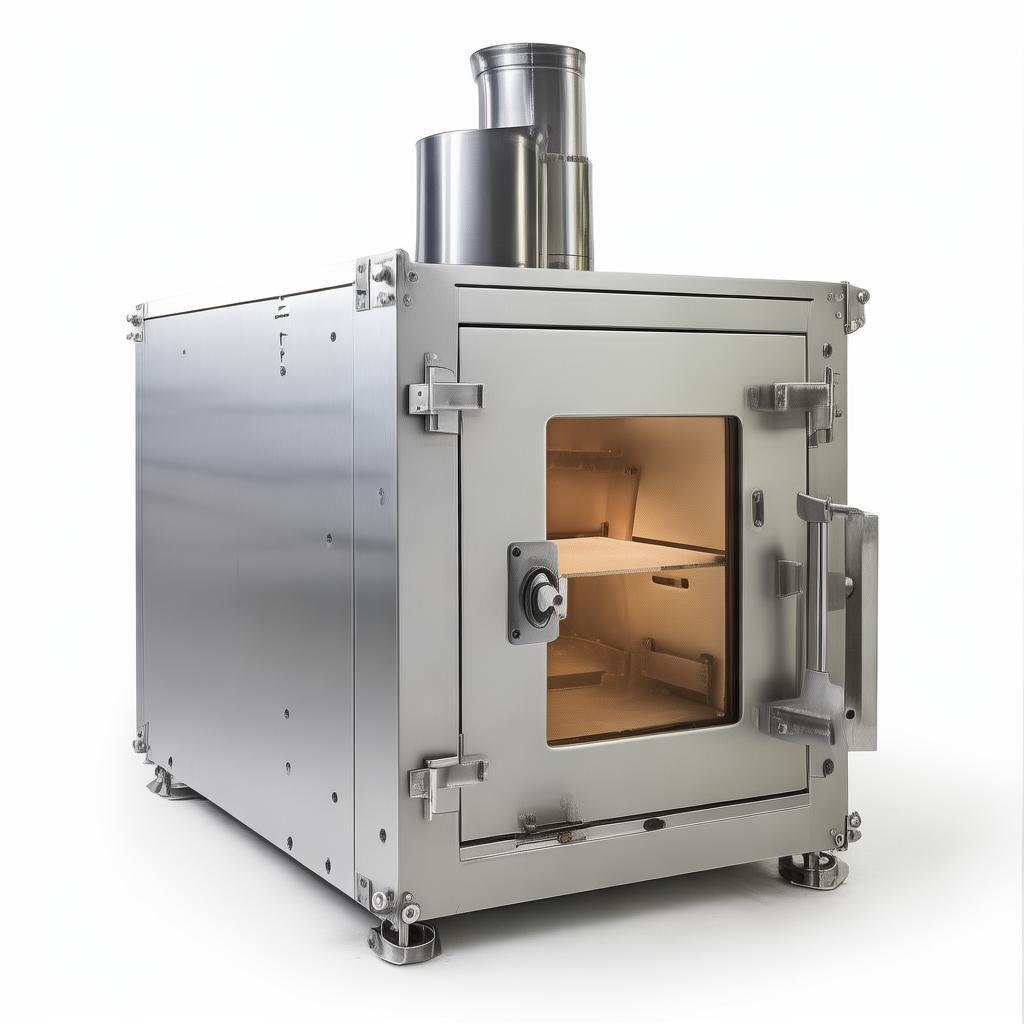
We know that temperature control is non-negotiable. Our mixers are equipped with robust cooling systems, often featuring refrigerated jackets for the mixing bowl and optimized heat dissipation. This allows processors to maintain the critical low temperatures (typically 0-5°C) needed to prevent fat rendering, preserve protein integrity, and inhibit microbial growth. This diligent temperature management is crucial for extending shelf-life and ensuring product safety and quality.
Intelligent Control and Batch Consistency
Achieving batch-to-batch consistency in the face of varying raw material inputs is a core challenge. Our mixers incorporate advanced control systems that allow for precise programming of mixing time, speed, and even specific mixing patterns. This allows operators to replicate successful recipes consistently. Furthermore, our systems are designed to compensate for natural variations in meat composition, ensuring your final product meets specifications every time.
Hygienic Design for Peace of Mind
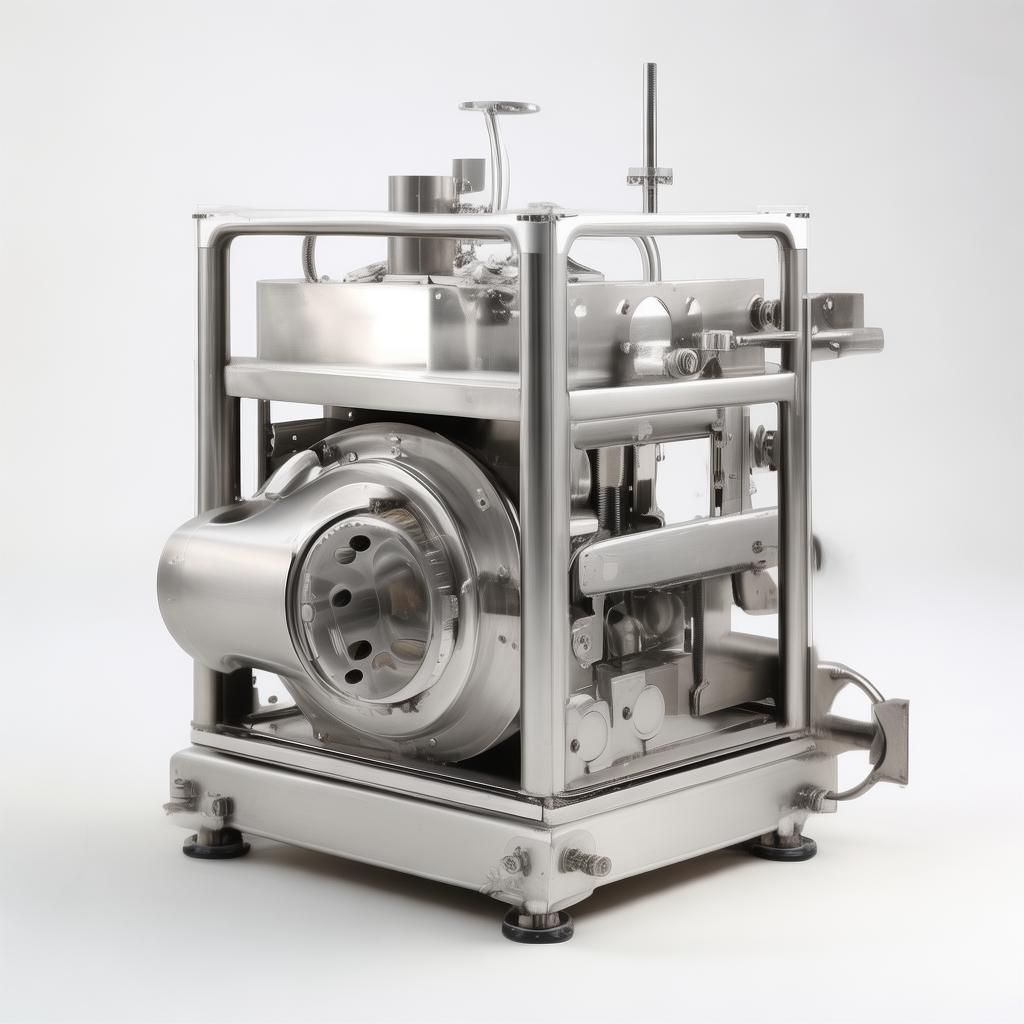
Hygiene is paramount in food processing. All our mixers are constructed from high-grade stainless steel (SS304 or SS316, depending on requirements) and feature smooth surfaces, rounded corners, and easily removable parts for thorough cleaning and sanitation. This design minimizes the risk of cross-contamination and simplifies your HACCP compliance efforts. We understand that easy cleaning translates directly to reduced downtime and lower operational costs.
Scalable Capacity and Robust Construction
Whether you're scaling up a growing business or establishing a new high-volume production line, we offer a range of mixer capacities to meet your needs. From smaller units suitable for specialized products to large-scale industrial mixers capable of handling multiple tons per batch, our portfolio is designed for growth. Our commitment to robust construction ensures durability and long operational life, even under demanding industrial conditions. This aligns with the market's overall growth trajectory, with the global meat processing equipment market expected to reach USD 19.66 billion by 2033. [Meat Processing Equipment Market Size & Forecast 2033 - https://www.skyquestt.com/report/meat-processing-equipment-market - The meat processing equipment market was valued at USD 12.04 billion in 2024 and is poised to reach USD 19.66 billion by 2033 at a CAGR of 5.6%.]
Integrated Solutions with OEM/ODM Expertise
Beyond standard mixing, we offer OEM and ODM services. This means we can collaborate with you to design and manufacture custom mixing solutions tailored to your unique product requirements and plant layout. Our in-house machining workshop, equipped with over 20 sets of processing machinery and Japanese Mazak CNC machining centers, allows us to produce high-precision components for non-standard specifications. This capability ensures that your specific needs for blend definition are met with bespoke engineering.
Choosing Hebei Yuanchang means investing in 40 years of specialized experience. It means partnering with a manufacturer that understands the critical role of mix definition in your success. We provide not just machinery, but confidence in your production processes.
Ready to achieve unparalleled consistency in your meat formulations?
Technical Specifications & Material Handling
Understanding the technical underpinnings of our mixing equipment is key for engineers and procurement specialists focused on operational efficiency and product integrity. Our machines are built with specific parameters in mind to ensure optimal performance.
| Feature | Specification/Description | Benefit for Mix Definition |
|---|---|---|
| Material Construction | Food-grade Stainless Steel (SS304/SS316L) | Ensures hygiene, corrosion resistance, and durability. Prevents product contamination. |
| Mixing Bowl Capacity | Varies (e.g., 50L to 5000L+) | Scalable solutions to match production volume requirements, from pilot to full-scale industrial. |
| Motor Power | Configurable based on capacity and mix viscosity (e.g., 3kW to 75kW) | Sufficient torque to handle dense meat batters and ensure consistent blending without strain. |
| Mixing Speeds | Variable, often with multiple stages or frequencies (e.g., 10-100 RPM) | Allows precise control over shear forces for optimal emulsification or gentle blending as required. |
| Paddle/Blade Design | Customizable (e.g., spiral, double-action, high-shear paddles) | Engineered to achieve specific mixing actions – from folding to intensive emulsification – for targeted product texture. |
| Cooling System | Refrigerated Bowl Jacket (glycol/brine system) or internal chilling options | Maintains optimal low processing temperatures (0-5°C) to prevent fat rendering and ensure product stability. |
| Control System | PLC with HMI touchscreen interface | Precise programming of time, speed, and recipe management for consistent batch processing and traceability. |
| Safety Features | Emergency stop, interlocks, overload protection | Ensures operator safety and machine longevity, preventing damage during operation. |
food processing mixers mixing machine for food food mixer industry
Material Handling Considerations
The journey of ingredients into the mixer and the processed mix out of it is as critical as the mixing itself. We engineer our machines with efficient material handling in mind:
- Loading: Most industrial mixers can be loaded via hoppers, overhead conveyors, or directly from upstream processing equipment like grinders or cutters. Integrated lifting mechanisms are available for larger batches. Ease of loading minimizes downtime and labor.
- Discharging: Batters and mixes can be discharged into trolleys, automated transport systems, or directly into filling machines. The design of the discharge chute or valve ensures complete emptying of the bowl, minimizing product loss and facilitating easier cleaning.
- Temperature Integrity: Minimizing exposure time of the mix to ambient temperatures during loading and unloading is crucial. Our systems are designed for rapid transfer.
The global processed meat market is projected to grow significantly, with some reports indicating it could reach USD 1,253.77 billion by 2034. [Processed Meat Market Size, Share & Growth Report - https://www.fortunebusinessinsights.com/industry-reports/processed-meat-market-100556 - The global processed meat market is projected to grow from USD 750.58 billion in 2026 to USD 1,253.77 billion by 2034 at a CAGR of 6.62%.] This growth necessitates efficient and technologically advanced equipment that can handle various meat types and product formulations, from simple blends to complex emulsions. Our machinery is engineered to meet these evolving demands.
Applications: Where Precision Mixes Shine
The ability to achieve a precisely defined meat mix is foundational for a vast range of processed meat products. Our mixers are the silent workhorses behind many of your favorite foods, enabling manufacturers to deliver consistent quality and desirable textures.
Sausages & Hot Dogs
Whether it's a finely emulsified frankfurter or a coarser, cured bratwurst, achieving the right protein-fat-water matrix is critical. Precise mixing ensures proper binding, prevents fat separation, and delivers the characteristic snap and texture consumers expect.

Meatballs & Patties
Consistency in texture and binding is key. Our mixers create homogenous blends that ensure uniform cooking, prevent crumbling, and deliver a satisfying bite. This applies to beef patties, pork meatballs, and poultry alternatives.

Deli Meats & Luncheon Loaves
Products like bologna or ham loaf require extremely fine and stable emulsions. Precise mixing and temperature control are vital to achieve the smooth texture, consistent sliceability, and appealing appearance that characterize these products.

Reconstituted & Formed Products
This category includes a wide array, from nuggets to processed steaks. The base mix must be perfectly homogenized for consistent texture and binding after forming and cooking. Equipment enabling precise control over mix characteristics is essential.

Pet Food Formulations
The pet food industry also relies heavily on precise meat mixing for both wet and semi-moist products. Consistent texture, nutrient distribution, and palatability are paramount for pet owners. Our machines cater to these specific demands as well, given our expertise in pet food processing equipment.
The demand for processed meat products continues to drive innovation in mixing technology. With the global meat processing equipment market projected to reach USD 19.11 billion by 2035, the need for high-performance, versatile mixing solutions is more pronounced than ever. [Meat Processing Equipment Market Size to Hit USD 19.11 Billion by 2035 - https://www.precedenceresearch.com/meat-processing-equipment-market - The meat processing equipment market was estimated at USD 11.86 billion in 2025 and is projected to reach USD 19.11 billion by 2035 at a CAGR of 4.89%.] Our commitment is to provide the foundational equipment that empowers these diverse applications.
Installation & Maintenance: Ensuring Long-Term Performance
Purchasing advanced machinery is only the first step. To maximize your investment and ensure consistent product quality, proper installation and routine maintenance of your meat mixing equipment are absolutely critical. It’s an area where many operations fall short, leading to unexpected downtime and costly repairs.
Installation Best Practices
Site Preparation: Ensure the floor is level and capable of supporting the weight of the mixer, especially when fully loaded. Adequate ventilation is also important, particularly for the motor and control systems.
Power & Utilities: Verify that the electrical supply matches the mixer's specifications (voltage, phase, amperage). If your mixer has a dedicated cooling system, ensure it’s properly plumbed for coolant circulation.
Drainage: Proper drainage around the machine is essential for cleaning and to prevent water accumulation that could lead to slip hazards or corrosion.
Accessibility: Install the mixer with sufficient space around it for cleaning, maintenance, and operator access. Avoid placing it in a confined corner if possible.
Our team at Hebei Yuanchang can provide detailed installation guidelines and, if required, offer on-site support to ensure your equipment is set up correctly from day one.
Routine Maintenance Schedule
A proactive maintenance program is far more cost-effective than reactive repairs. Here’s a general guideline; always refer to your specific equipment manual for precise intervals and procedures:
- Daily: Thorough cleaning of the mixing bowl, paddles, and discharge area. Check for any obvious damage or unusual noises during operation.
- Weekly: Inspect paddle mounting bolts for tightness. Lubricate any designated points according to the manual. Check seals for wear or leaks. Test safety interlocks.
- Monthly: Inspect drive belts for tension and wear. Check gearbox oil levels. Clean ventilation screens on motors and electrical panels.
- Quarterly/Annually: Professional inspection of electrical components. Gearbox oil change. Check alignment of major components. Detailed assessment of paddle wear.
Proper maintenance not only prevents breakdowns but also ensures the mixer continues to perform at its peak, delivering the precise mix definition required for your products. Worn paddles, for instance, can drastically reduce mixing efficiency and lead to inconsistent results.
Our Commitment to After-Sales Support
At Hebei Yuanchang, our relationship with clients doesn't end with the sale. We offer a traceable after-sales management system, ensuring you have access to spare parts and technical support when you need it. Our ability to independently produce high-precision parts means we can often resolve issues faster and more cost-effectively than competitors. We understand that your production line cannot afford extended downtime, and our support infrastructure is designed to minimize it.
Investing in quality machinery and a commitment to its upkeep is what separates industry leaders from the rest.
Procurement Guidance: Selecting the Right Mixing Partner
Sourcing industrial processing equipment involves more than just comparing prices. For critical machinery like meat mixers, a strategic procurement approach is essential to ensure long-term operational success and ROI. Here’s what purchasing managers and directors should consider when evaluating suppliers and selecting the right partner.
Experience & Specialization
Look for manufacturers with a proven track record in the meat processing industry. How long have they been in business? Do they specialize in mixers, or is it just one product among many? Hebei Yuanchang’s 40 years of experience since 1986 specifically in food machinery, particularly meat processing, means we understand the unique demands of this sector.
Technical Capabilities & Customization
Can the supplier meet your specific technical requirements? Do they offer customization (OEM/ODM)? Our advanced machining capabilities, including CNC centers, allow us to produce bespoke components for non-standard specifications, ensuring your exact mix definition needs are met.
Quality Standards & Certifications
Inquire about the materials used (e.g., SS304, SS316L) and any relevant certifications. While specific certifications for mixers might vary, adherence to international quality management systems (like ISO standards) is a good indicator of a manufacturer's commitment to quality.
After-Sales Support & Spare Parts
What is their policy on spare parts availability and technical support? A responsive after-sales service and reliable access to high-precision spare parts (which we manufacture in-house) are crucial for minimizing downtime.
Logistics & Shipping
Understand their shipping capabilities, lead times, and packaging methods. Reliable international logistics are key for timely delivery and ensuring the equipment arrives in optimal condition. We have extensive experience managing global shipments.
Total Cost of Ownership (TCO)
Look beyond the initial purchase price. Consider factors like energy efficiency, maintenance costs, spare parts availability, and the expected lifespan of the equipment. A higher upfront investment in quality and reliability often yields a lower TCO.
The meat processing equipment market is projected to grow substantially, with reports indicating CAGRs between 5% and 7% over the next decade. [Meat Processing Equipment Market Size, Share & Industry Analysis - https://www.fortunebusinessinsights.com/meat-processing-equipment-market-115455 - The global meat processing equipment market was valued at USD 11.29 billion in 2025 and is projected to reach USD 17.39 billion by 2034 at a CAGR of 5.0%.] Choosing the right supplier is an investment in your future growth and operational stability.
Need expert advice on selecting industrial mixing equipment?
Trust & Verification: What Our Clients Say
Real-world performance and customer satisfaction are the ultimate benchmarks. We're proud of the partnerships we've built and the consistent quality our equipment delivers.

Midwest Sausage Co., USA
"The precision of the mixing from our Yuanchang unit has been a game-changer for our frankfurter line. We've seen a noticeable reduction in batch variability and an improvement in product consistency. Cleanup is straightforward, which is a big plus for our HACCP plan."

Global Pet Foods Inc., Canada
"We needed a reliable mixer for our premium wet pet food formulations. Yuanchang's ability to provide a custom-sized unit with specific paddle types allowed us to achieve the exact texture we wanted for our new product line. The after-sales support has also been very professional."

Texan Meat Processors, USA
"The robustness of the Yuanchang mixer is impressive. It handles heavy loads of beef and pork mixes for our patties and meatballs without any issues. The temperature control is consistent, which is vital for food safety and product quality. We're considering adding another unit."

European Delicatessen Ltd., UK
"We produce high-end cured meats, and the fine emulsion our Yuanchang mixer achieves is critical for the texture and mouthfeel. Their team was very knowledgeable about the specific requirements for our delicate product, and the machine’s performance has met all expectations."
Frequently Asked Questions (FAQs)
- Q: What is the typical lead time for an industrial meat mixer?
- A: Lead times can vary based on machine complexity and current production schedules. Generally, standard models might range from 4-8 weeks, while highly customized units could take 8-16 weeks. We can provide a more precise estimate upon inquiry.
- Q: Do your mixers require specialized electrical hookups?
- A: Our mixers are designed to operate on standard industrial power supplies, but specifications vary by model (e.g., 380V/400V/415V, 50Hz/60Hz, 3-phase). We will confirm the exact requirements based on the model selected and the destination country's standards.
- Q: Can your equipment handle frozen meat blocks?
- A: While our mixers are designed for various meat consistencies, mixing large, solid frozen blocks directly is typically not recommended without prior grinding or tempering. For such applications, we offer upstream equipment like industrial grinders and cutters that prepare the meat for optimal mixing. Always consult our technical team for specific material handling advice.
- Q: What is the warranty period for your mixers?
- A: We typically offer a standard warranty period of 12 months on our equipment. Specific terms and conditions are detailed in our sales agreements. Our robust construction and use of high-quality components aim to exceed these expectations.
- Q: How do I select the right mixer capacity for my needs?
- A: Selecting the correct capacity depends on your production volume, batch size, product type, and cycle time. We recommend consulting with our sales engineers who can assess your specific operational needs and recommend the most efficient and cost-effective solution.