Mixers Industrial
Industrial Mixers: Precision, Power, and Reliability for Your Production Line
By Zhang Wei, Export Director at Hebei Yuanchang Food Mechanism & Technology Co., Ltd.

Ensuring Consistent Quality Starts with the Right Mixer
In the demanding world of industrial food processing, particularly where precision and consistency are paramount, the choice of mixing equipment can be the defining factor between a profitable operation and one plagued by variability and waste. We're talking about industrial mixers. These aren't your kitchen stand mixers; these are robust, purpose-built machines designed to handle substantial volumes, diverse ingredients, and rigorous operational cycles. Whether you're producing sausages, patés, pet food, or any other blended food product, the mixer is often the heart of your pretreatment and molding process. Its performance directly impacts texture, homogeneity, processing efficiency, and ultimately, the end product your customers trust.
The global meat processing equipment market, a sector where industrial mixers play a crucial role, is substantial and growing. Projections indicate it was valued at approximately USD 11.29 billion in 2025 and is expected to reach USD 17.39 billion by 2034, growing at a CAGR of 5.0% according to Fortune Business Insights. This growth is fueled by increasing demand for processed meats, the necessity for automation to improve hygiene and labor efficiency, and the ever-tightening grip of food safety standards worldwide. For a manufacturer, understanding the nuances of industrial mixers – their types, functionalities, material compatibility, and operational considerations – isn't just technical knowledge; it's a strategic imperative for competitive advantage.
At Hebei Yuanchang Food Mechanism & Technology Co., Ltd., with over 40 years of experience since 1986, we've seen firsthand how the right industrial mixer can transform a production line. We've seen operations struggle with inconsistent ingredient distribution, leading to batch rejections. We've seen others overcome bottlenecks by integrating high-capacity, efficient mixing systems that not only improve product quality but also reduce processing times. This deep dive into industrial mixers is built on decades of practical experience, engineering insights, and a commitment to providing solutions that genuinely work on the factory floor. We understand that procurement decisions in this sector are complex, balancing initial cost with long-term reliability, maintenance, and production output. This isn't about selling you a machine; it's about helping you make an informed decision that benefits your entire operation.
The journey of a meat product from raw material to a perfectly formed sausage or a flavorful paté involves several critical stages, and mixing is frequently one of the earliest and most vital. Think about the process: raw meat, fats, spices, binders, and other additives need to be brought together in precise proportions and distributed with absolute uniformity. If the mixing is uneven, you get variations in taste, texture, color, and even shelf life. This is where dedicated industrial mixers shine. They are engineered to achieve this uniformity, even with sticky, viscous, or particulate ingredients, often under challenging temperature conditions (like chilling or freezing). The filling and molding stages that follow rely heavily on the consistency achieved during mixing.
Furthermore, as the processed meat market continues its upward trajectory – projected to reach USD 1,253.77 billion by 2034 (Fortune Business Insights) – the pressure on manufacturers to produce consistently high-quality products efficiently intensifies. This translates directly into a demand for more advanced, reliable, and automated mixing solutions. The adoption of automation, driven by labor shortages and the need for enhanced hygiene compliance, is a significant trend. Industrial mixers are at the forefront of this automation, often integrated with automated feeding systems and downstream processing equipment. For businesses looking to expand their capacity or improve their existing product lines, investing in the right mixing technology is not just an upgrade; it's a foundational step toward sustained growth and market leadership.
We'll cover everything from the different types of industrial mixers available to the critical considerations for selecting the best unit for your specific needs. We’ll touch upon material construction, power requirements, ease of cleaning, integration with other equipment, and the vital aspects of after-sales support and spare parts availability. Our aim is to equip you with the knowledge needed to navigate this complex equipment landscape and make a sound investment. Let's get started.
Navigating the Landscape: Types of Industrial Mixers
Choosing the right industrial mixer isn't a one-size-fits-all proposition. Different product matrices and processing goals demand different mechanical approaches. Broadly, industrial mixers used in food processing can be categorized by their mixing action and design. Understanding these distinctions is the first step towards finding a unit that aligns with your production objectives.
1. Paddle Mixers (Horizontal or Single Shaft)
These are workhorses for many applications. Paddle mixers typically feature one or more horizontal shafts equipped with paddles or blades. The rotating paddles move ingredients through the mixing chamber, either pushing them in a continuous flow or creating a tumbling action. They are excellent for achieving a thorough blend of dry ingredients, pastes, and semi-solid materials. For meat processing, double-shaft paddle mixers are particularly effective for blending ground meats with spices and additives, ensuring uniform distribution without excessive shear or heat generation. Our Hebei Yuanchang industrial mixers often utilize robust paddle designs optimized for various meat consistencies.
* Application Focus: Blending dry powders, granules, pastes, and for gentle mixing of meat products.
* Key Advantage: Efficient mixing, often with good control over shear force.
2. Ribbon Mixers (Horizontal)
Ribbon mixers use helical ribbons, either single or double, that rotate within a trough. The ribbons are designed to move ingredients from the ends of the trough towards the center (inward ribbon) and then outward (outward ribbon), creating a convective mixing action. They are highly effective for powders, granules, and some pastes, especially where uniform distribution is critical. They are often used for blending spices into ground meat or for creating pre-mixes.
* Application Focus: Dry blends, powders, granules, light pastes.
* Key Advantage: Excellent for achieving homogeneous blends, gentle on delicate ingredients.
3. Planetary Mixers (Vertical)
These are common in bakeries and for softer food products. A planetary mixer features a beater or agitator that rotates on its own axis while simultaneously orbiting around the inside of a stationary bowl. This 'planetary' motion ensures that all parts of the mixture are reached. While often associated with doughs and batters, larger industrial versions can be adapted for certain meat emulsions or softer food preparations.
* Application Focus: Doughs, batters, creams, high-viscosity mixtures.
* Key Advantage: Thorough mixing of viscous and sticky materials, consistent product texture.
4. Vacuum Mixers
A specialized category, vacuum mixers operate under reduced pressure. This is critical for preventing oxidation, removing air bubbles, and improving the binding and texture of certain products, especially meat emulsions, pates, and pet foods. Removing trapped air leads to a denser, more uniform product with a longer shelf life and better mouthfeel. The vacuum environment also aids in the infusion of marinades or seasonings.
* Application Focus: Meat emulsions, patés, cooked ham, pet food, products requiring air removal.
* Key Advantage: Enhanced product quality through air evacuation, improved binding, longer shelf life.
Grand View Research notes that filling and stuffing machines, along with massaging systems for ripening and tenderizing, are high-growth areas within the meat processing equipment market, highlighting the importance of effective mixing and blending technologies for consistent product quality and food safety compliance.
5. Massaging/Tumbling Mixers
While primarily known for their role in marinading and tenderizing, these drum-style mixers also perform a gentle, continuous mixing action. They are invaluable for processes where meat needs to absorb marinades, tenderize, or where a very gentle, even blend of large chunks and smaller ingredients is required. They are crucial for producing cured meats and ensuring consistent moisture and flavor distribution.
* Application Focus: Marinating, tenderizing, tumbling, gentle blending for cured and processed meats.
* Key Advantage: Deep penetration of marinades, improved texture, uniform flavor distribution.
Beyond the Basics: Key Features for Industrial Performance
When selecting an industrial mixer, we look beyond just the mixing action. The operational environment, the materials being processed, and the demands of continuous production dictate a specific set of features. Investing in quality means looking for durability, efficiency, and ease of maintenance.
Material Construction: The Foundation of Longevity
For food-grade applications, stainless steel is the standard. We primarily use SUS304 or SUS316 stainless steel for all contact surfaces. SUS316 offers superior corrosion resistance, which is critical in environments with high salt content or acidic ingredients. The finish of the stainless steel also matters; a smooth, polished surface (e.g., Ra < 0.4µm) minimizes product adherence, simplifies cleaning, and reduces the risk of bacterial contamination. Non-contact parts, like frames and housings, are typically constructed from robust carbon steel, often with durable paint finishes for protection.
Drive System and Power
Industrial mixers require powerful and reliable drive systems. Gearboxes are essential for reducing motor speed to the appropriate rotational velocity for the mixing paddles or ribbons, while providing sufficient torque to handle dense or sticky products. Variable frequency drives (VFDs) are a significant advantage, allowing operators to precisely control mixing speed. This is crucial for optimizing results based on ingredient type, batch size, and desired product characteristics. We specify motors that meet international standards, ensuring durability and efficiency for continuous operation.
Consider the motor power in relation to batch size and product viscosity. Overloading the motor not only reduces efficiency but can lead to premature failure. A correctly sized motor ensures smooth operation even under heavy load.
Ease of Cleaning and Maintenance (HACCP Compliance)
Hygiene is non-negotiable in food processing. An industrial mixer must be designed for easy and thorough cleaning. This includes:
- Removable components: Paddles, shafts, and covers should be easily detached without specialized tools.
- Smooth surfaces: Minimal crevices or dead spots where product can accumulate.
- Wash-down capabilities: The ability to withstand high-pressure water cleaning (IP ratings).
- Accessible seals: Bearings and seals should be protected and accessible for inspection and replacement.
Our machines are designed with HACCP principles in mind, ensuring that cleaning protocols are efficient and effective, minimizing downtime and maintaining product safety.
Control Systems and Safety Features
Modern industrial mixers come with user-friendly control panels. These should allow for simple operation, precise setting of mixing times and speeds, and display of critical operating parameters. Safety is paramount. Features such as emergency stop buttons, interlocks on access doors, and overload protection for the motor are essential. Our control systems are designed for intuitive operation and robust safety compliance.
Applications: Where Our Industrial Mixers Excel
The versatility of industrial mixers means they are integral to a wide range of food production lines. At Hebei Yuanchang, we focus on equipping industries that require precision blending and reliable performance. Here are some core application areas:
Meat Processing
This is our core expertise. Industrial mixers are indispensable for:
- Sausage and Frankfurters: Precisely blending ground meat, fat, spices, and binders for consistent texture and flavor. Vacuum mixers are crucial here for creating smooth, high-quality emulsions.
- Paté and Terrines: Achieving fine, homogeneous mixtures of meat, liver, and other ingredients.
- Cooked Ham and Cured Meats: Even distribution of curing agents, phosphates, and flavorings through tumbling and massaging.
- Meatballs and Formed Products: Ensuring uniform ingredient distribution for consistent cooking and texture.
According to Mordor Intelligence, grinding, mixing, filling, and massaging equipment are dominant for meat pretreatment and ripening, with automation in Asia-Pacific supporting molded and cured meat production. This underscores the critical role of effective mixers.
Pet Food Production
Creating balanced and palatable pet foods requires meticulous blending of various ingredients, including meat, grains, vegetables, and supplements. Industrial mixers ensure that nutrients are evenly distributed throughout the batch, vital for the health of the animal.
Dairy and Confectionery
While our specialization is meat processing, the principles of precise blending apply. Industrial mixers are used for products like cheese spreads, processed cheeses, fondant, and fillings where precise ingredient ratios and textures are key.
Reconstituted and Formed Products
With the growing market for reconstituted and formed meat products, the demand for efficient mixing and molding equipment is surging. Industrial mixers are essential for binding these components uniformly. One report highlights that the reconstituted meat market could grow significantly, relying heavily on molding and pretreatment equipment.
Technical Specifications at a Glance
To provide a tangible example of what we offer, here's a look at the typical specifications for one of our popular industrial vacuum mixer models:
| Feature | Specification |
|---|---|
| Model Number | YC-VM600 |
| Capacity | 600 Liters |
| Material | SUS304/SUS316 Stainless Steel (Food Grade) |
| Motor Power | 11 kW (Main Mixing) + 1.5 kW (Vacuum Pump) |
| Mixing Type | Double Shaft Paddle, Vacuum Operation |
| Vacuum Level | -0.098 MPa (Adjustable) |
| Control System | PLC Control Panel, Variable Speed Drive |
| Dimensions (L x W x H) | Approx. 2200 x 1200 x 1800 mm |
| Voltage | Customizable (e.g., 380V/415V, 50/60Hz, 3 Phase) |
| Safety Features | Emergency Stop, Door Interlocks, Overload Protection |
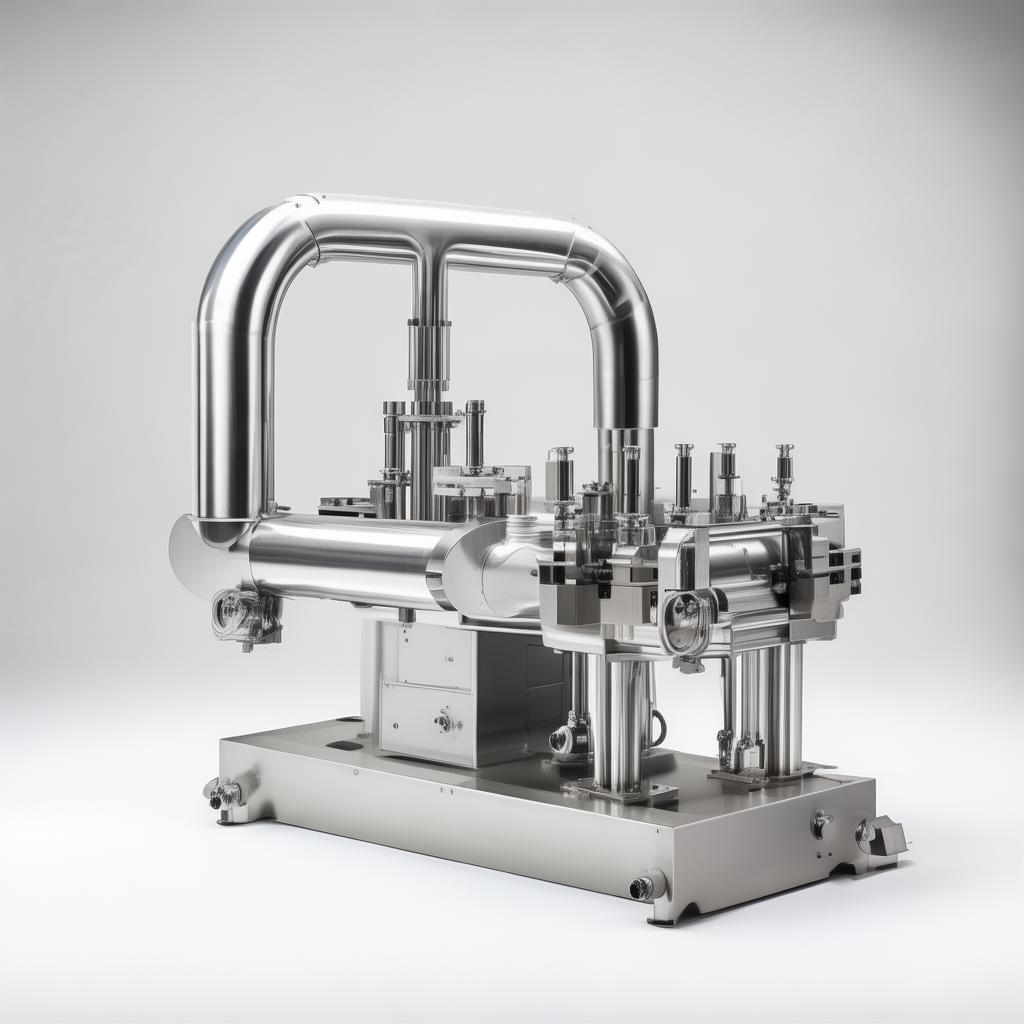
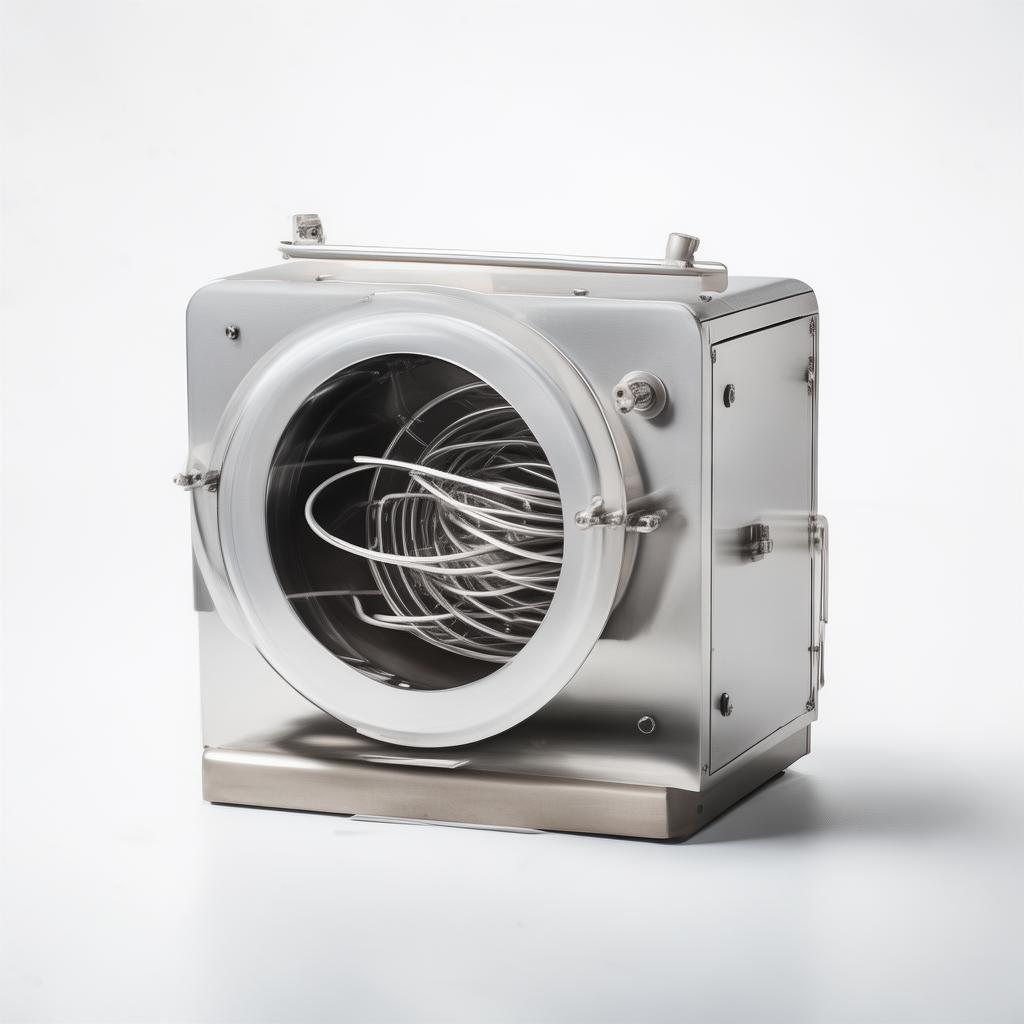
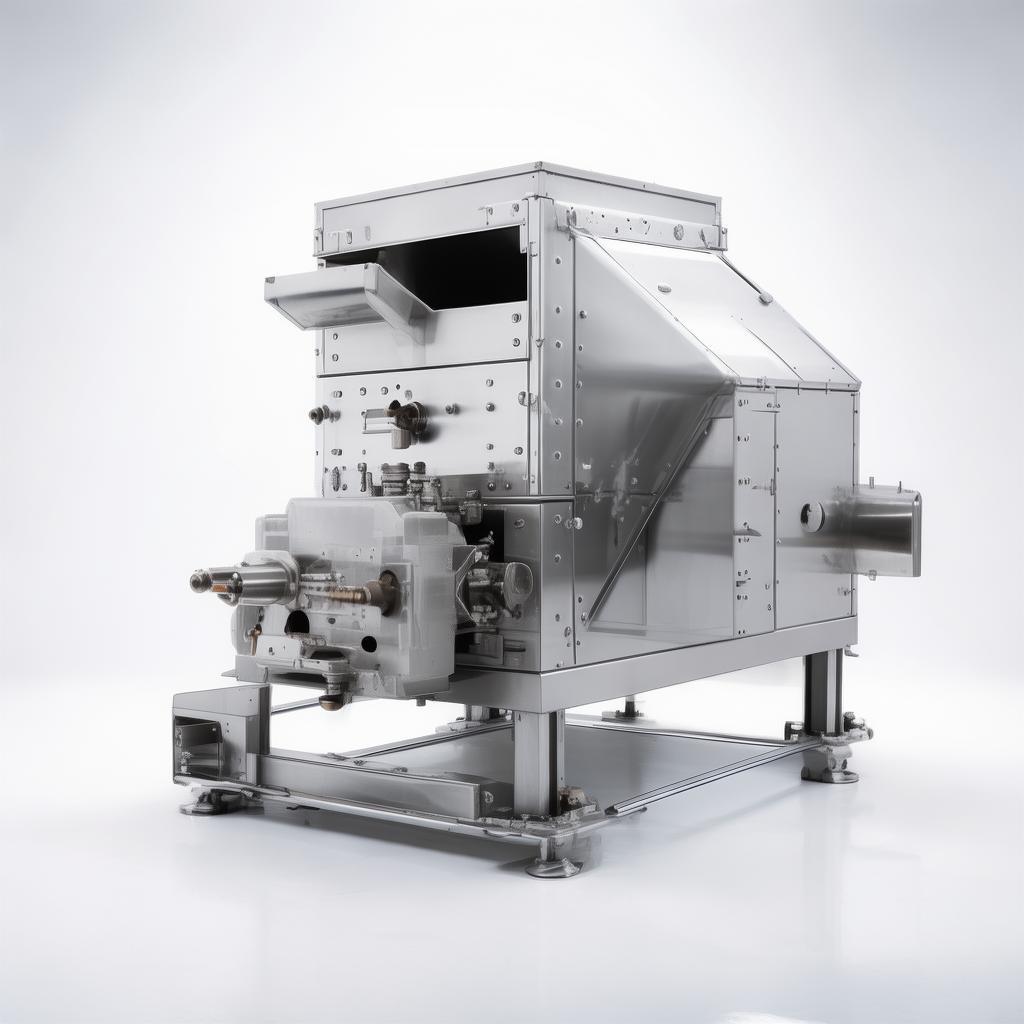
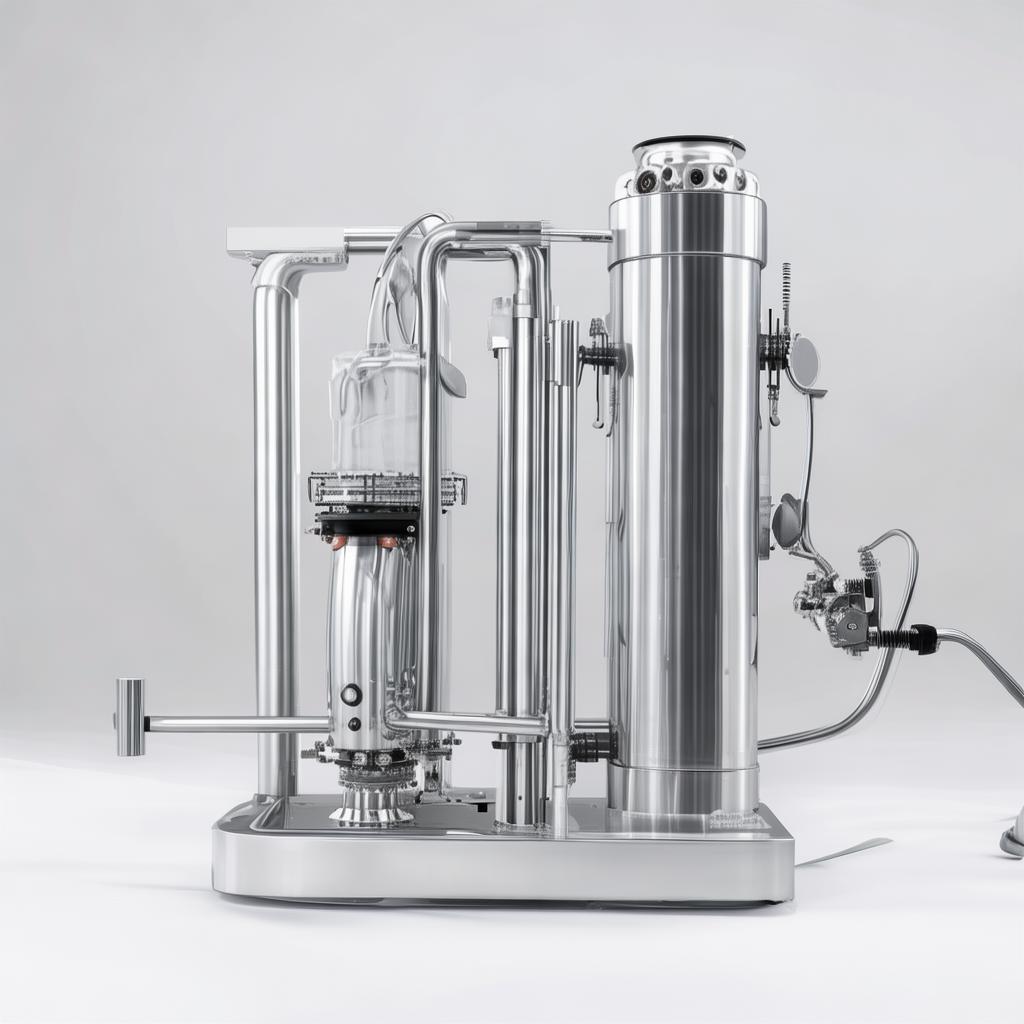
large industrial mixer large industrial mixer industrial mixing machine
Note: Specifications are subject to customization based on client requirements. Let's discuss your specific needs to tailor the perfect solution.
Procurement & Logistics: Getting Your Mixer to Site
Procuring industrial machinery involves more than just selecting the right model. We understand the importance of a smooth procurement process and reliable logistics, especially for international clients.
Supplier Evaluation: What to Look For
When evaluating potential suppliers for industrial mixers, consider:
- Experience & Track Record: How long have they been manufacturing? Do they specialize in your industry?
- Manufacturing Capabilities: Do they have in-house machining for critical parts? What is their quality control process? We operate our own machining workshop with over 20 sets of processing machinery, including Japanese Mazak CNC centers.
- Certifications: Look for ISO certifications and compliance with relevant industry standards.
- After-Sales Support: This is critical. What is their warranty policy? How readily available are spare parts? Can they provide technical assistance?
- Customization Options: Can they modify designs to meet your unique operational needs?
Our 40 years of experience and in-house precision manufacturing capabilities mean we can offer highly reliable machines with traceable after-sales service.
International Shipping & Lead Times
We regularly export our equipment worldwide. Our standard lead time for most industrial mixers ranges from 30 to 60 days, depending on the complexity of customization and current production schedules. We work with experienced freight forwarders to ensure your mixer arrives safely and efficiently. Standard export packaging includes robust wooden crates to protect the machinery during transit.
Common shipping terms we offer include FOB (Free On Board), CIF (Cost, Insurance, and Freight), and CFR (Cost and Freight). We can also accommodate other terms as per your requirements. Request a quote today to get detailed lead time and shipping estimates to your location.
Installation & Commissioning
Most of our industrial mixers are designed for straightforward installation. They typically require a solid, level foundation and connection to your plant's main power supply. We provide detailed installation manuals and are available for remote technical support during the commissioning phase. For larger or more complex projects, on-site technical assistance can be arranged.
Proper alignment and electrical connection are vital. We recommend engaging qualified local technicians for installation to ensure compliance with your site's safety regulations.
Trust and Transparency: Why Choose Hebei Yuanchang
In the B2B industrial equipment sector, trust is built on performance, reliability, and transparent communication. We are proud of our heritage and our commitment to delivering value to our clients globally.

ISO Certified Quality Management
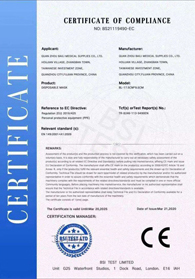
European Compliance (CE)
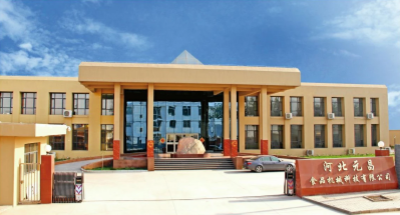
Modern Manufacturing Facility
With an area of 14,000 square meters and a dedicated team of 80-100 employees, we integrate R&D, production, and sales. Our comprehensive production lines and in-house machining capabilities allow us to control quality from raw material to finished product. This control is essential for producing the high-precision components that define reliable industrial machinery.
Customer Success Stories
We believe that real success is measured by the achievements of our clients. Here’s what some of them have to say:

David Chen, Operations Manager
Sichuan, China
"We were struggling with inconsistent sausage texture and batch-to-batch variation. The YC-VM600 vacuum mixer from Hebei Yuanchang has been a game-changer. The uniformity of our spice distribution is now excellent, and we've significantly reduced waste. Cleaning is also far more straightforward than our old unit."

Maria Garcia, Procurement Director
Mexico City, Mexico
"The YC-PT500 paddle mixer is incredibly robust. We use it for blending our meat products with various additives, and it handles everything from fine powders to sticky binders without issue. The build quality is evident, and the lead time was met precisely. Their team was very helpful with the export documentation."

Ahmed Khan, Factory Supervisor
Dubai, UAE
"We needed a reliable mixer for our pet food line, and Hebei Yuanchang delivered. The capacity is perfect for our needs, and the vacuum function helps us achieve the right density and extend shelf life. It's been running continuously with minimal issues."

Sarah Jenkins, Production Engineer
London, UK
"The precision of the YC-VM600 is impressive. It allows us to fine-tune our sausage emulsions, leading to a superior final product. The support team was responsive when we had questions about integration. Highly recommend their industrial mixers."
These testimonials reflect the real-world impact our industrial mixers have on production efficiency, product quality, and operational peace of mind.
Ready to Optimize Your Mixing Process?
Selecting the right industrial mixer is a critical decision that impacts your product quality, efficiency, and profitability. Don't leave it to chance. Let our 40 years of experience guide you.
Frequently Asked Questions (FAQ)
Q1: What is the typical lead time for an industrial mixer?
Our standard lead time for industrial mixers is generally between 30 to 60 days from order confirmation. This can vary based on customization requirements and current production load. We will provide a precise estimate upon order placement.
Q2: Can your industrial mixers handle frozen meat blocks?
For frozen meat blocks, specialized grinders and dicers are typically used for pretreatment. Our industrial mixers are best suited for processing meat that has been partially thawed or is at a chill temperature. While some models can handle semi-frozen materials, it is crucial to discuss your specific application with our engineering team to ensure the mixer is appropriately sized and robust enough for the task.
Q3: What kind of after-sales support do you provide?
We offer a comprehensive after-sales support package including a warranty period, readily available spare parts from our in-house machining workshop, and remote technical assistance. We are committed to ensuring your equipment runs smoothly long after installation.
Q4: How do I determine the right mixer capacity for my production volume?
Capacity depends on several factors: your daily/hourly production target, the density of your product mix, and how frequently you plan to run batches. Generally, we recommend a mixer capacity that allows you to run at least 60-80% of its total volume for optimal mixing efficiency and to avoid overloading. Please contact our sales engineers with your production targets, and we can help you calculate the ideal size.
Q5: Are your mixers compliant with food safety regulations in the US?
Our mixers are constructed using food-grade stainless steel (SUS304/SUS316) and designed with sanitary principles in mind, focusing on ease of cleaning and minimal crevices to prevent bacterial buildup, which aligns with core HACCP and FDA principles for food processing equipment. While we provide equipment that meets these standards, the ultimate responsibility for ensuring site-specific regulatory compliance rests with the end-user.
Enhance Your Trust: We are committed to transparency and building strong B2B relationships. Here are a few examples of our direct customer interactions, showcasing our dedication to service and problem-solving.