What Is Tenderization Of Meat
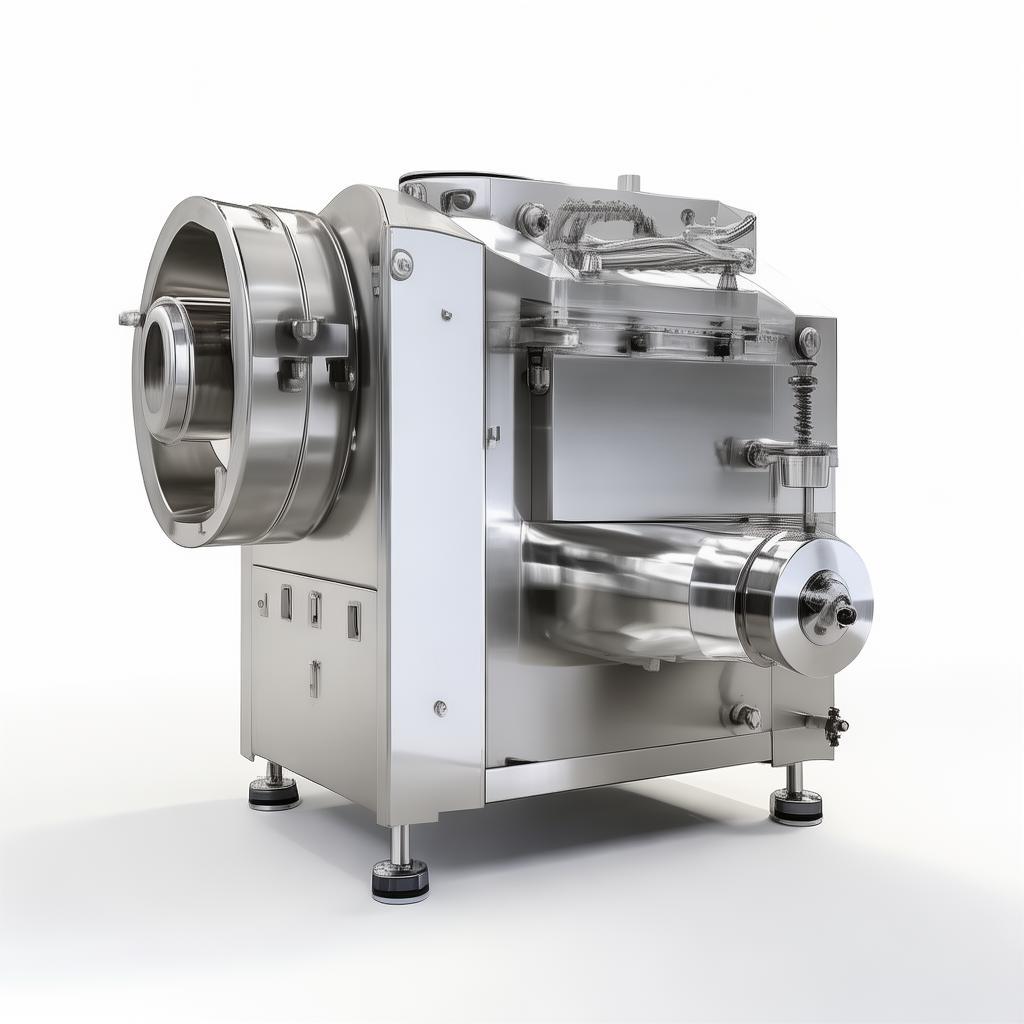
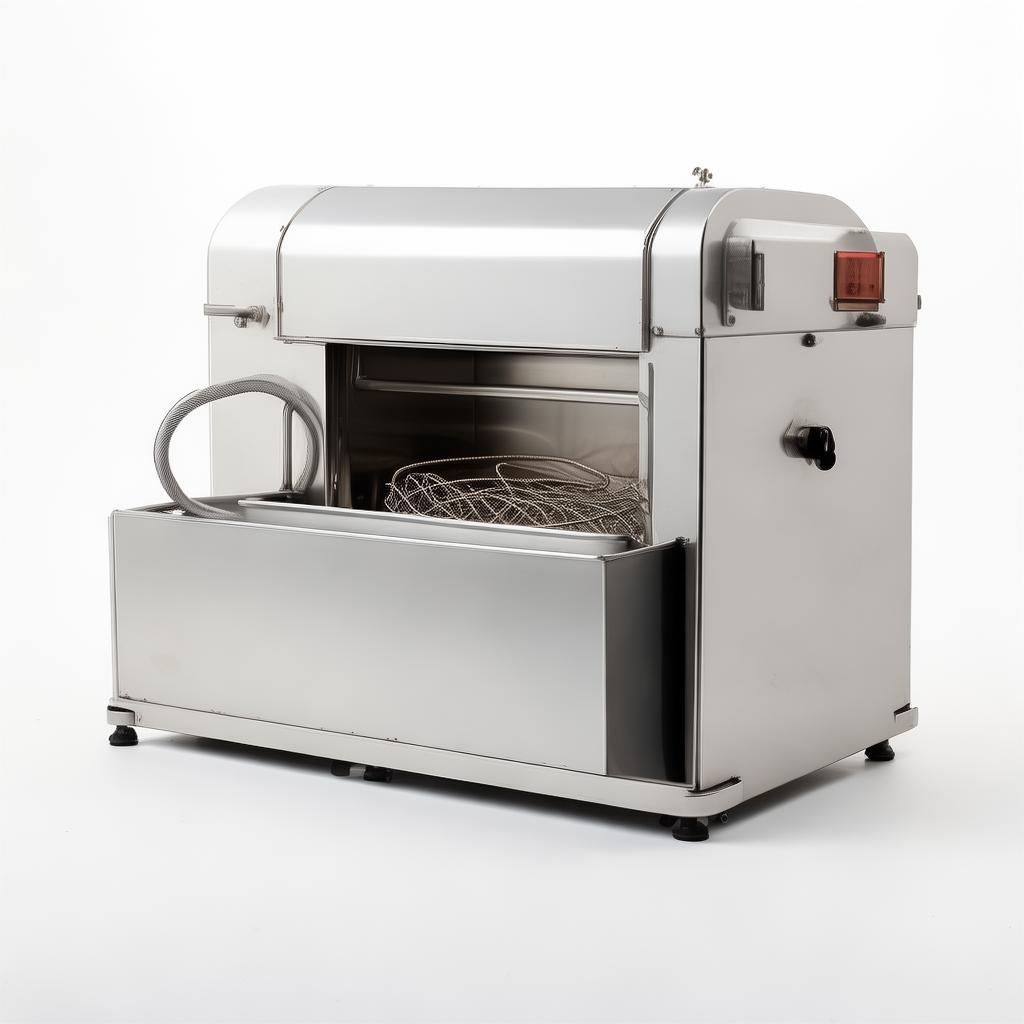
What is Meat Tenderization? A Deep Dive for the Procurement Professional
Understanding the science and machinery behind achieving optimal meat texture and quality.
 By Dr. Evelyn Reed, Senior Food Technologist
Published: October 26, 2023
Introduction: Beyond the Cut
In the complex world of food manufacturing and wholesale export, consistent quality is paramount. For meat products, this consistency hinges not just on the breed of the animal or the primary cut, but critically on the texture and mouthfeel. Consumers, whether they're purchasing premium steaks or processed sausages, have a clear expectation for tenderness. Procurement managers, operations directors, and product developers constantly seek ways to meet and exceed these expectations while managing costs and operational efficiency. This is where meat tenderization techniques and the machinery that facilitates them come into play.
When we talk about tenderization, we're not just talking about making meat easier to chew. It's a multifaceted process that impacts flavor development, moisture retention, and overall palatability. For industrial-scale operations, understanding the nuances of tenderization is crucial for product differentiation, brand reputation, and, ultimately, market share. It involves a scientific understanding of muscle fibers, connective tissues, and the biochemical changes that occur during processing. The global meat processing equipment market, valued at over USD 11 billion in 2025 and projected to exceed USD 17 billion by 2034 (Fortune Business Insights), underscores the immense scale and importance of these technologies. This market encompasses everything from initial cutting and grinding to specialized equipment for achieving that perfect, melt-in-your-mouth texture.
From the perspective of an international exporter, ensuring that your product consistently meets the textural standards of diverse global markets is non-negotiable. What might be considered acceptably tender in one region could be perceived as tough in another. Therefore, robust and reliable tenderization processes are a competitive advantage. This isn't a simple matter of applying a one-size-fits-all solution. Different meat types (beef, pork, poultry, lamb), different cuts, and different end products (steaks, roasts, ground meat, processed sausages, pet food) all require tailored approaches. The choices made in tenderization equipment directly influence production costs, processing times, and the final sensory attributes of the meat. For instance, mechanical tenderization methods, while often faster, can alter the physical structure of the meat, while enzymatic methods rely on specific biological agents that require careful control.
Moreover, the demand for processed and convenience meats continues to surge globally. As reported by Grand View Research, the market for meat processing equipment is driven by the rising consumption of ready-to-eat meats, pushing the need for efficient and consistent processing solutions. This includes not only tenderizing but also filling, molding, and ripening equipment, all working in synergy to deliver consumer-ready products. A well-tenderized product often leads to better absorption of marinades and spices, enhancing flavor profiles, which is a key driver in the processed meat market, expected to reach over USD 1.2 trillion by 2034 (Fortune Business Insights). Therefore, a thorough understanding of "what is meat tenderization" is fundamental for anyone involved in the meat processing supply chain, from raw material sourcing to finished product distribution. It’s about leveraging science and engineering to enhance a natural product, meeting both consumer desires and business objectives.
Our 40 years of experience, since 1986, at Hebei Yuanchang Food Mechanism & Technology Co., Ltd., has shown us firsthand how critical precise tenderization is. We’ve seen clients transform their product lines by investing in the right machinery, achieving superior texture that commands premium pricing and fosters customer loyalty. This deep operational insight informs our approach, moving beyond theoretical benefits to practical, on-the-ground realities of industrial food production. We understand the challenges procurement managers face: balancing equipment costs with long-term ROI, ensuring hygiene compliance, and minimizing downtime. The journey from a tough cut of meat to a tender, palatable product is an intricate dance of science, engineering, and operational excellence.
Why Meat Tenderization Matters: More Than Just Texture
The drive for tender meat isn't just about making it easier to chew; it's a strategic imperative for any business involved in the meat industry. For procurement professionals and operations managers, understanding the multifaceted benefits of effective tenderization is key to making informed purchasing decisions for processing equipment.
- Enhanced Palatability & Consumer Satisfaction: This is the most obvious benefit. Tender meat is simply more enjoyable to eat. It contributes significantly to a positive dining experience, driving repeat purchases and building brand loyalty. Tough meat, conversely, can lead to negative reviews and brand damage, especially in competitive international markets.
- Improved Moisture Retention: Many tenderization processes, particularly those involving mechanical disruption or enzymatic action, can break down muscle fibers in a way that allows them to hold more moisture. This is critical for juiciness and weight yield during cooking and processing.
- Flavor Development & Marinade Penetration: Tenderization methods can create pathways within the meat's structure, allowing marinades, brines, and spices to penetrate more deeply and evenly. This enhances flavor complexity and can also contribute to further preservation or textural changes.
- Processing Efficiency: For certain products like sausages or formed patties, tenderized meat can process more uniformly. The altered muscle structure may lead to better binding and extrusion characteristics, reducing processing issues and waste. For example, the global meat processing equipment market includes specialized filling and molding machines that benefit from consistent meat texture.
- Product Differentiation & Premiumization: In a crowded market, offering demonstrably more tender products can be a significant competitive advantage. This allows for premium pricing and appeals to consumers willing to pay more for superior quality and sensory experience.
- Maximizing Value from Raw Materials: Less tender cuts, which are often more economical, can be transformed into highly desirable products through effective tenderization. This improves overall yield and profitability from the carcass.
Consider the operational impact: According to industry reports, automation in meat processing, driven by labor shortages and hygiene demands, is a significant trend. Efficient tenderization equipment is a key component of this automation. For example, the meat processing equipment market is projected to reach USD 15.04 billion by 2030 (Grand View Research), with a focus on technologies that improve consistency and reduce manual intervention. Investing in the right tenderization solution is not just about texture; it's about enhancing the entire value chain.
From our operational perspective, a key indicator of successful tenderization is consistent batch-to-batch results. When procurement teams select equipment, they must look beyond initial cost to consider the long-term impact on product quality and customer feedback. The ROI on tenderization equipment is often realized through increased sales volume, higher pricing power, and reduced customer complaints.
Methods of Meat Tenderization
Achieving that desirable tenderness involves several distinct approaches, each with its own technical underpinnings, equipment requirements, and suitability for different meat products and scales of operation. Understanding these methods is fundamental for selecting the right processing machinery.
Mechanical Tenderization
This is perhaps the most direct and widely applied method in industrial settings. It involves physically breaking down the muscle fibers and connective tissues.
- How it works: Techniques include needling, pounding, scoring, or grinding. Needling involves passing meat through machines with multiple sharp needles that pierce the muscle, cutting through fibers and connective tissue. Pounding and scoring use blades or textured surfaces to create small incisions. Grinding, while primarily for particle size reduction, inherently breaks down tissue structure.
- Equipment: Industrial meat tenderizers (needling machines), steak cubers, and grinders are the primary equipment. These machines are designed for high throughput and consistency. For instance, our in-house machining capabilities, including advanced CNC centers, allow us to produce high-precision components for these critical machines.
- Pros: Fast, effective for a wide range of cuts, suitable for high-volume production, relatively straightforward operation.
- Cons: Can cause moisture loss if not managed properly, may alter the visual appearance of the meat, can be less effective on very tough, sinewy cuts if not combined with other methods.
From an operational standpoint, mechanical tenderizers require diligent cleaning and maintenance to prevent bacterial growth and ensure consistent performance. The sharpness of the needles or blades directly impacts the quality of the tenderization and the potential for moisture loss.
Enzymatic Tenderization
This method utilizes naturally occurring enzymes, often derived from fruits like pineapple (bromelain), papaya (papain), or figs (ficin), to break down muscle proteins and connective tissues.
- How it works: Enzymes are applied to the meat surface or injected, and they actively break down proteins over a specific period, usually at controlled temperatures. This process can significantly enhance tenderness.
- Equipment: Primarily involves application systems (sprayers, injectors) and controlled environmental chambers (refrigerated rooms, aging cabinets) for precise temperature and time management.
- Pros: Highly effective at breaking down tough connective tissues, can produce exceptionally tender results, can enhance flavor profiles.
- Cons: Requires precise control of temperature and time to avoid over-tenderization (mushiness) or under-tenderization, enzymes can affect other meat components, can be challenging to apply uniformly on an industrial scale without specialized equipment. Consumer perception of "added" enzymes can also be a factor.
The global meat tenderizing agent market, projected to reach USD 3.40 billion by 2033 (DataBridgeMarketResearch), highlights the continued interest in enzymatic solutions, often complementing mechanical pretreatment. Careful sourcing and quality control of these enzyme preparations are crucial.
Chemical Tenderization
This category often overlaps with enzymatic methods, but can also include the use of acidic marinades (like vinegar or citrus juices) or specific salt solutions.
- How it works: Acids can denature proteins and break down connective tissue. Certain salts can help retain moisture and also interact with muscle proteins to improve tenderness.
- Equipment: Similar to enzymatic methods, involving application systems and controlled environments.
- Pros: Can be effective, acids can also contribute to flavor.
- Cons: Can significantly alter the flavor and pH of the meat if not applied judiciously, potential for undesirable textural changes (e.g., mushiness from acids), regulatory considerations regarding added ingredients.
Aging and Maturation (Natural Tenderization)
This is a natural biochemical process that occurs after slaughter. It involves the autolytic action of enzymes naturally present in the meat.
- How it works: Over time (days to weeks), the meat's own enzymes break down complex proteins, muscle fibers, and connective tissues, naturally increasing tenderness. This process also contributes significantly to flavor development.
- Equipment: Requires specialized aging rooms or cabinets with precise control over temperature, humidity, and airflow. Practices like dry-aging and wet-aging utilize different environments and protocols.
- Pros: Produces superior tenderness and complex, desirable flavors.
- Cons: Time-consuming, requires significant investment in controlled environments, higher risk of spoilage or contamination if not managed perfectly, significant weight loss (especially in dry-aging), generally limited to high-value cuts of beef, pork, and lamb. Not practical for high-volume, rapid processing.
For procurement specialists looking at large-scale operations, aging is often reserved for premium product lines or specific market segments due to its cost and time implications. However, its importance in defining quality for certain products cannot be overstated.
Industrial Meat Tenderization Equipment
When we talk about scaling up meat tenderization for commercial production, the equipment is central. Our 40 years in designing and manufacturing meat processing machinery have shown us that efficiency, durability, and precision are not just buzzwords; they are operational necessities.
For mechanical tenderization, the workhorse is often the:
- Features multiple rows of rotating needles designed to pierce meat.
- Adjustable needle depth and speed for different meat types and desired tenderness levels.
- Robust construction (often stainless steel) for hygienic operation and longevity.
- High-volume throughput, capable of processing hundreds or thousands of kilograms per hour.
- Critical components, like our precision-machined needles, are vital for clean cuts and minimal product damage.
These machines are essential for products like marinated meats, processed pork, and poultry intended for further cooking or consumption. They are a key part of the massaging and tumbling segment within the meat processing equipment market, which is critical for ripening and tenderizing.
For other mechanical methods, we see:
- Utilize rotating blades or textured surfaces to score or cube meat.
- Often used for steak preparation or to create specific textural properties in formed products.
- Can be integrated into processing lines for efficiency.
Regarding aging and maturation, the equipment focuses on environmental control:
- Precision climate control systems maintain specific temperature (e.g., 1-4°C) and humidity (e.g., 75-85%) levels.
- Advanced airflow management to ensure even aging and prevent microbial spoilage.
- Often equipped with UV sterilization and filtration systems.
- Require robust insulation and reliable refrigeration units.
Procurement for these systems requires not just the machinery itself but also expertise in environmental engineering and hygiene protocols. As a company with an in-house machining workshop, we understand the critical nature of precision in every component, from the needles on a tenderizer to the seals on an aging cabinet.
Furthermore, the trend towards automation means that tenderization equipment is increasingly integrated with other processing steps. The global market report by IMARC Group highlights filling & stuffing, tenderizing, and smoking equipment as key components for meat pretreatment, forming, and ripening. This integrated approach is crucial for maintaining efficiency and product consistency across the entire production line.
Procurement Considerations for Tenderization Machinery
As a procurement director or operations manager, selecting the right tenderization equipment is a decision with significant long-term implications. It’s not just about acquiring a piece of machinery; it's about investing in product quality, operational efficiency, and brand reputation. Based on our four decades of experience, here are key factors to evaluate:
what is meat tenderizing tenderization of meat methods of meat tenderization
Assess your current and projected production needs. Will the equipment handle your peak loads? Is it scalable? Look for specifications on kilograms or pieces per hour. Our line of machines, built with robust materials and Japanese CNC precision, is designed for continuous, high-volume operation.
Different meats (beef, pork, poultry, lamb) and different final products (steaks, roasts, ground meat, sausages) require different tenderization intensities and methods. Does the equipment offer adjustability for needle depth, speed, or even different tooling heads? Our customizable solutions can be adapted for a wide array of meat processing needs.
This is non-negotiable. Stainless steel construction, smooth surfaces, minimal crevices, and easy disassembly for cleaning are critical. Look for designs that facilitate thorough washdowns. Equipment that meets international standards is often a baseline requirement for export. Our machines are designed with food-grade materials and ease of cleaning in mind.
Industrial environments are tough. Invest in equipment built with high-quality materials and robust engineering. Consider the availability of spare parts and the ease of maintenance. Our in-house machining workshop allows us to produce critical high-precision parts independently, ensuring reliable after-sales support.
Motors, refrigeration (for aging), and overall power consumption add to operational expenses. While initial cost is a factor, look at the long-term cost of ownership. Modern designs often offer better efficiency.
Work with manufacturers who have a proven track record and can provide references. What kind of technical support, installation assistance, and after-sales service do they offer? For international buyers, understanding lead times, shipping logistics, and import procedures is also crucial. We have extensive experience in exporting to global markets.
The meat processing equipment market is expanding rapidly, with projections showing consistent growth driven by processed meat demand and automation. Choosing a supplier like Hebei Yuanchang, with 40 years of dedicated experience and in-house manufacturing capabilities, provides a distinct advantage in ensuring you receive reliable, high-performance machinery tailored to your specific needs.
Market Insights & Industry Trends
The landscape of meat processing is constantly evolving, driven by consumer preferences, technological advancements, and global economic factors. Understanding these trends is crucial for making strategic investments in equipment, particularly for tenderization solutions.
- Dominance of Processed & Convenience Foods: The demand for ready-to-eat meals, marinated meats, and pre-portioned cuts continues to grow. This directly fuels the need for efficient tenderization and molding equipment. As noted by Precedence Research, the processed meat market is projected to reach USD 1.33 trillion by 2035, emphasizing the importance of upstream processing technologies.
- Automation and Efficiency: Labor shortages, rising labor costs, and the increasing focus on food safety and hygiene are pushing automation to the forefront. Equipment that integrates seamlessly into automated lines, reduces manual handling, and ensures consistent results is highly sought after. The meat processing equipment market is seeing significant investment in automation for labor efficiency and hygiene (Fortune Business Insights).
- Focus on Quality & Premiumization: While convenience is key, there's also a growing segment of consumers willing to pay a premium for higher quality, ethically sourced, and superior tasting products. Tenderization plays a vital role in delivering that premium experience, especially for beef and specialty pork products.
- Technological Advancements: Beyond traditional methods, research continues into advanced techniques. However, for large-scale industrial applications, mechanical tenderization remains the most practical and cost-effective solution for broad application. The precision manufacturing of components, like those we produce using Japanese CNC machining centers, is key to the reliability of these industrial machines.
- Growth in Emerging Markets: Asia-Pacific, in particular, is a major growth driver for the meat processing equipment market. Rising disposable incomes, urbanization, and a shift towards Westernized diets are increasing demand for processed meats and the equipment needed to produce them.
- Sustainability: While not always directly linked to tenderization itself, there's a broader trend towards energy-efficient machinery and sustainable processing practices. Procurement teams are increasingly evaluating the lifecycle impact of equipment.
The meat and poultry processing equipment market is expected to reach USD 30.5 billion by 2035 at a CAGR of 7% (GMInsights), indicating a robust demand for innovative and reliable solutions. For businesses looking to expand or upgrade, investing in equipment that aligns with these trends is a strategic advantage.
At Hebei Yuanchang, we continuously adapt our designs to meet these evolving market needs. Our focus on integrating advanced manufacturing techniques, like CNC machining, ensures our tenderization equipment (and other processing machinery) offers the precision, durability, and efficiency that today's market demands, whether for domestic use or international export.
Frequently Asked Questions (FAQs)
The primary goal is to improve the eating quality of meat by reducing the toughness of muscle fibers and connective tissues, making it easier to chew and more palatable. This also enhances moisture retention and flavor absorption.
For high-volume industrial production, mechanical tenderization (like needling) is generally the most efficient and cost-effective method. It offers speed, consistency, and is suitable for a wide range of products. Aging is ideal for premium cuts but is time-consuming and costly for mass production.
Absolutely. Pet food processing, especially for high-quality wet or semi-moist products, often benefits from tenderization to improve texture and digestibility. Our company specializes in both human and pet food processing equipment, including those for pretreatment and texture enhancement.
Over-tenderization, particularly with enzymatic or aggressive mechanical methods, can lead to a mushy texture, significant moisture loss, and a breakdown of the meat's structure, negatively impacting its appeal and shelf life. Precise control over processing parameters is key.
Critically important. Regular cleaning prevents bacterial contamination and ensures hygiene. Proper maintenance, including checking and replacing worn needles or blades, guarantees consistent performance, prevents damage to the meat, and extends the lifespan of the equipment. Our traceable after-sales management system ensures you can always source necessary parts.
Enhance Your Meat Processing Operations
Understanding meat tenderization is just the first step. Partnering with an experienced manufacturer is crucial for equipping your facility with reliable, high-performance machinery that meets your specific production needs and international standards.
Hebei Yuanchang Food Mechanism & Technology Co., Ltd. | Phone: +86 15830991513 | E-mail: ycmeatmech@gmail.com
What Our Clients Say
"We were struggling with inconsistent texture in our marinated chicken breast exports. After installing Yuanchang's needling tenderizer, the difference has been remarkable. The marinade penetrates better, and customer feedback on tenderness has improved significantly. Their technical support during installation was top-notch."

Operations Manager, USA
"Procuring processing equipment internationally can be daunting. We needed a reliable tenderizer for our pork products. Hebei Yuanchang provided clear specifications, competitive pricing, and handled the export logistics efficiently. The machine's build quality and consistent performance have exceeded our expectations."

Procurement Lead, Italy
"As a pet food manufacturer, achieving the right texture is as important for palatability as it is for humans. We integrated Yuanchang's tenderizing unit into our processing line for premium canned food. It has helped us achieve a finer, more uniform texture and improved product yield. Their understanding of different food applications is evident."

Production Engineer, Japan
Trust & Experience: Our Commitment
At Hebei Yuanchang, our 40 years of experience since 1986 means we've seen and solved nearly every challenge in meat processing. Our factory, spanning 14,000 square meters with 80-100 dedicated employees, is equipped not only for production but also for innovation. With over 20 sets of in-house processing machinery, including advanced Japanese Mazak CNC centers, we guarantee the precision and quality of every component we manufacture.
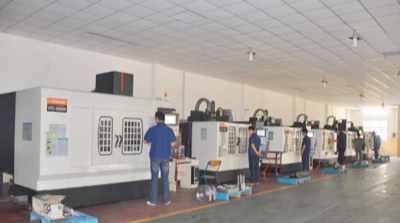
Modern Machining Workshop

ISO Certified Quality
CE Compliance for Global Markets
Our integrated approach, from R&D and production to sales and a traceable after-sales management system, ensures you receive not just equipment, but a complete solution backed by decades of industry expertise. We handle everything from pretreatment of meat products to auxiliary items, ensuring a comprehensive processing line.
Client Interactions Highlight Our Expertise:
Procurement Director (USA): "We needed a supplier with robust engineering and international shipping experience. Yuanchang provided detailed technical drawings and proactive communication, making the decision easy."
 Alex Johnson
Plant Manager (Germany): "The precision of the components in their tenderizing machine is evident. It runs smoothly, and cleaning is straightforward, which is crucial for our HACCP protocols. Their OEM/ODM capabilities are also impressive."
 Helga Schmidt
Food Technologist (Canada): "We appreciate the deep technical knowledge our sales contact had regarding enzyme activity and its interaction with muscle structure. It showed genuine expertise beyond just selling equipment."
 Dr. Sarah Chen
We are committed to delivering solutions that enhance your product quality, streamline your operations, and contribute to your business growth. Reach out today to learn how our expertise can benefit your company.